The landscape of adult content creation has undergone a radical transformation with the emergence of AI image generation tools. What used to require expensive photography studios, lighting setups, and professional models can now be achieved with sophisticated AI models that understand human anatomy, lighting physics, and aesthetic composition.

Why AI Tools Matter for Content Creators
The shift toward AI-powered creation isn't about replacing traditional methods—it's about expanding creative possibilities. Creators now have access to tools that can generate content in styles that would be prohibitively expensive or logistically impossible to produce conventionally.
💡 Key Insight: AI tools don't eliminate the need for creativity; they amplify it by removing technical barriers and cost limitations.
The Photorealism Revolution
Modern AI models have achieved levels of photorealism that were unimaginable just two years ago. The difference between early AI art and today's output is like comparing a child's drawing to a professional photograph. This improvement matters because audiences expect quality—grainy, unnatural images simply don't perform as well in today's competitive landscape.
Top AI Tools for Adult Content
1. p-image – The Speed Champion
p-image stands out for its remarkable balance of speed and quality. While some models take minutes to generate a single image, p-image delivers consistent results in seconds. This matters for creators who need to iterate quickly or produce content at scale.
| Feature | Rating | Why It Matters |
|---|
| Generation Speed | 9/10 | Fast iteration means more creative exploration |
| Skin Realism | 8/10 | Natural textures without artificial smoothing |
| Lighting Control | 7/10 | Good directional lighting but limited complex setups |
| Consistency | 8/10 | Reliable output across similar prompts |
Best For: High-volume creators, social media content, and rapid prototyping.
2. flux-2-pro – The Quality Standard
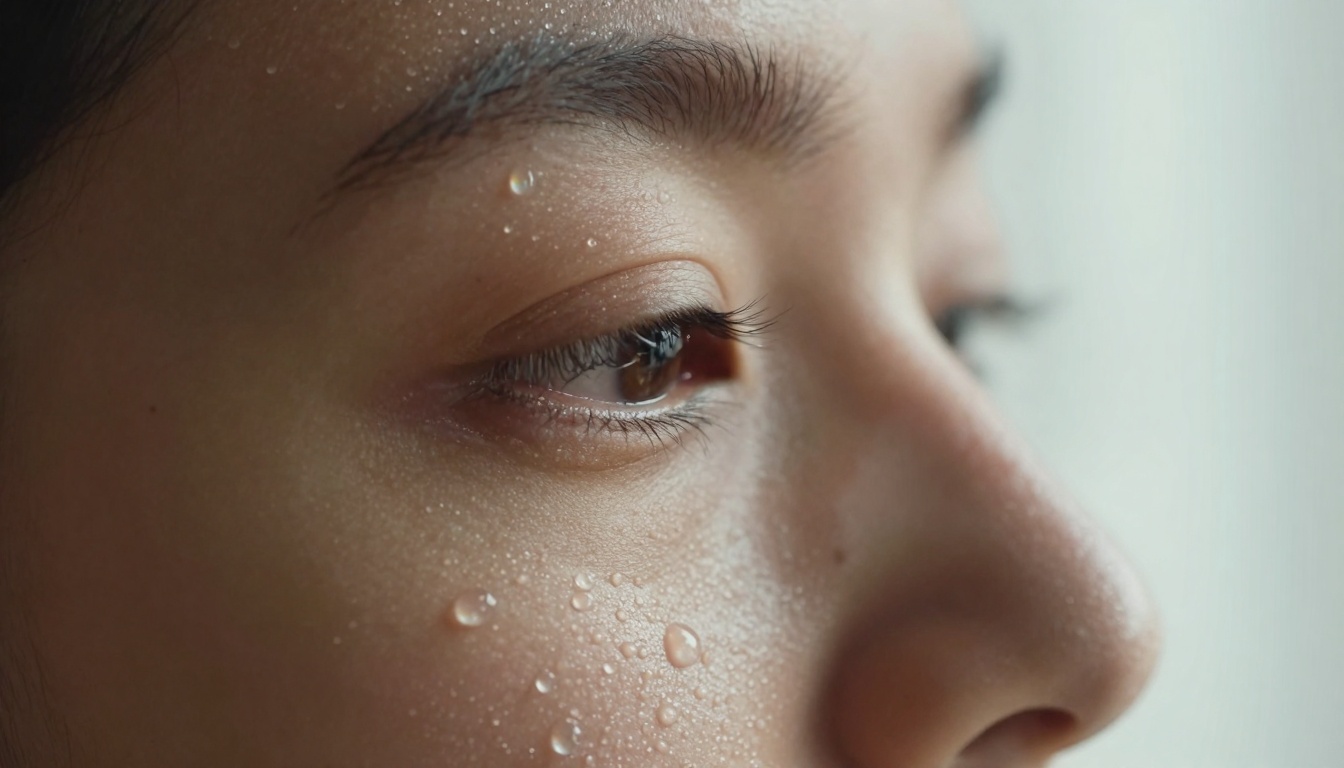
When image fidelity is non-negotiable, flux-2-pro delivers. This model excels at capturing the subtle details that make images feel authentic rather than artificially generated.
Key Strengths:
- Anatomical accuracy – Proportions remain consistent and natural
- Texture variation – Different skin areas show appropriate texture differences
- Lighting physics – Understands how light interacts with different surfaces
- Compositional balance – Creates visually pleasing arrangements naturally
💡 Pro Tip: Use flux-2-pro for cover images, promotional materials, and any content where first impressions matter most.

What sets qwen-image-2512 apart is its creative flexibility. While some models excel at photorealism but struggle with artistic interpretation, this model handles both with impressive competence.
Creative Applications:
- Atmospheric scenes – Steam-filled bathrooms, misty mornings, golden hour lighting
- Stylized compositions – Dutch angles, unconventional framing, artistic perspectives
- Environmental storytelling – Context-rich settings that suggest narrative
4. gpt-image-1.5 – The Understanding Model

OpenAI's gpt-image-1.5 brings something unique to the table: contextual understanding. This model doesn't just generate images based on keywords—it understands relationships, emotional tone, and compositional intent.
What This Means for Creators:
- Complex prompts work better – The model understands nuanced descriptions
- Emotional tone is preserved – Subtle differences in mood come through clearly
- Logical consistency – Elements relate to each other in physically plausible ways

For creators who need maximum realism, realvisxl-v3.0-turbo represents the current state of the art. The name "turbo" refers to speed, but don't let that fool you—the quality remains exceptional.
Realism Factors:
- Skin imperfections – Natural pores, fine hairs, birthmarks, and texture variations
- Lighting accuracy – Correct shadow falloff, appropriate highlight intensity
- Material properties – Different fabrics, surfaces, and materials look distinct
- Anatomical consistency – Proportions remain realistic across different poses
Practical Workflow Considerations
Prompt Engineering Essentials
Creating effective content with AI tools requires mastering prompt construction. The difference between a mediocre result and an exceptional one often comes down to how you communicate your vision to the AI.
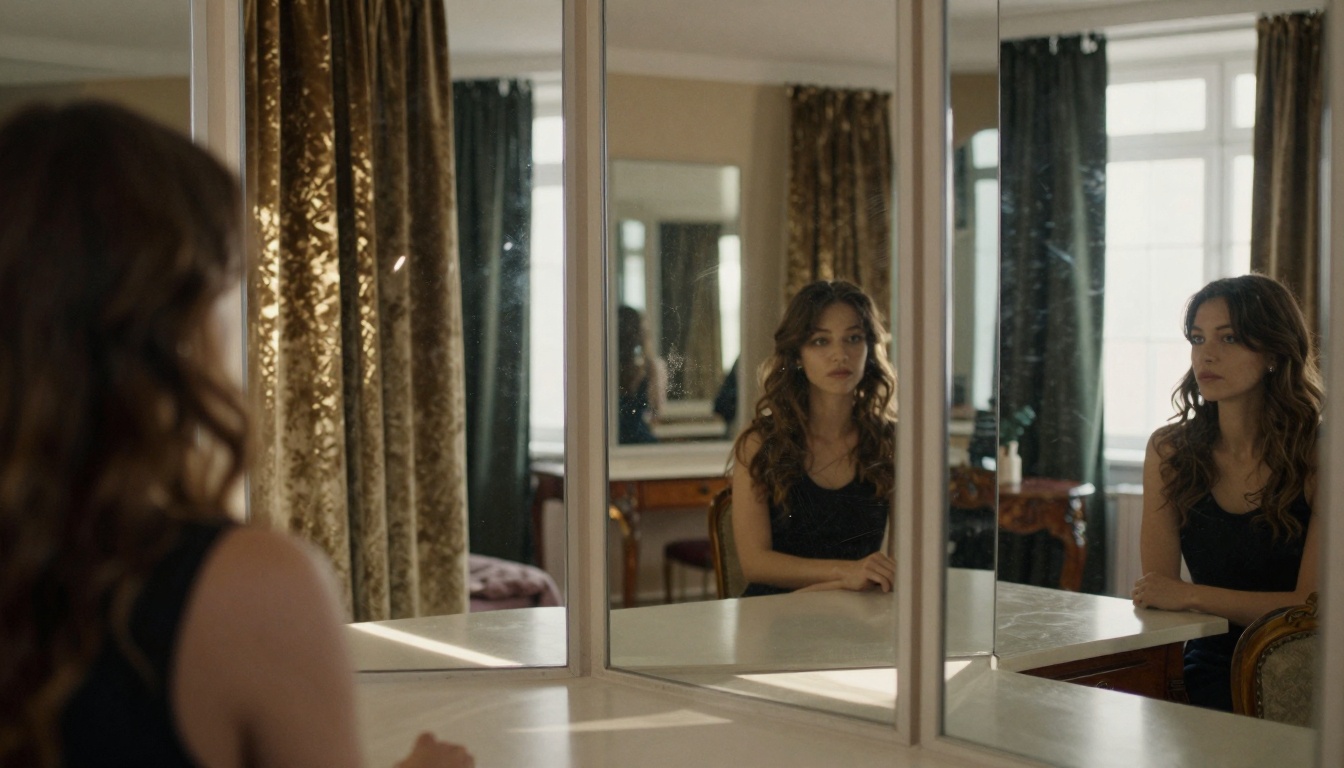
Effective Prompt Structure:
- Subject Description – Who or what is in the image
- Action/Pose – What the subject is doing
- Environment – Where the scene takes place
- Lighting Conditions – Time of day, light source, quality of light
- Camera Details – Lens, angle, composition style
- Style/Aesthetic – Photographic style, mood, atmosphere
💡 Example Prompt Structure:
[Subject] + [Action/Pose] + [Environment] + [Lighting] + [Camera] + [Style/Aesthetic]
Lighting Techniques That Work
Lighting makes or breaks adult content. AI tools that understand lighting physics produce dramatically better results. Here's what to specify:
Natural Light Variations:
- Golden hour – Warm, directional, long shadows
- Morning light – Soft, diffused, cool tones
- Overcast – Even, shadowless, neutral color
- Window light – Directional with natural falloff
Artificial Light Setups:
- Chiaroscuro – Single source, dramatic contrast
- Rembrandt lighting – Classic portrait triangle under eye
- Butterfly lighting – Front light minimizing shadows
- Split lighting – Half light, half shadow for drama
Composition and Framing
Effective framing guides the viewer's attention and creates emotional impact. AI tools vary in their compositional intelligence, so specifying your framing intent matters.
Composition Styles That Perform Well:
- Rule of thirds – Classic, reliable, visually pleasing
- Dutch angle – Dynamic, energetic, suggests movement
- Extreme close-up – Intimate, detailed, focuses on texture
- Environmental – Context-rich, tells a story, creates atmosphere
- Silhouette – Dramatic, mysterious, emphasizes form over detail
Technical Considerations
Resolution and Detail Quality
Not all AI models produce the same level of detail. When choosing a tool, consider:
Resolution Factors:
- Base resolution – Native output size before upscaling
- Detail preservation – How well fine details survive generation
- Upscaling compatibility – How well the image responds to AI upscaling
- File size optimization – Balance between quality and storage/loading speed
Consistency Across Batches
For creators building cohesive content libraries, consistency matters. Some AI models handle batch generation better than others.
Consistency Checklist:
- ✓ Same subject looks similar across different prompts
- ✓ Lighting style remains coherent in a series
- ✓ Color grading maintains consistent aesthetic
- ✓ Anatomical proportions stay realistic
- ✓ Background elements relate logically
Cost and Accessibility

Different AI tools come with different cost structures. Understanding these helps you budget effectively for content creation.
Cost Comparison Table:
| Model | Speed | Quality | Cost/Image | Best Use Case |
|---|
| p-image | Very Fast | Good | Low | Social media, rapid content |
| flux-2-pro | Medium | Excellent | Medium | Premium content, covers |
| qwen-image-2512 | Fast | Very Good | Low-Medium | Creative exploration |
| gpt-image-1.5 | Medium | Excellent | Medium-High | Complex scenes, emotional content |
| realvisxl-v3.0-turbo | Fast | Exceptional | Medium | Maximum realism requirements |
Ethical and Practical Guidelines
Content Boundaries
While AI tools offer unprecedented creative freedom, responsible use matters. The most successful creators establish clear boundaries:
Recommended Practices:
- Focus on aesthetics – Emphasize beauty, composition, and artistic value
- Maintain artistic integrity – Create content that stands on artistic merit
- Respect platform guidelines – Different platforms have different content policies
- Consider audience expectations – What works for one audience may not work for another
Legal Considerations
Important legal aspects every creator should understand:
- Model licensing – Some AI models have specific usage restrictions
- Platform compliance – Different platforms have different content moderation
- Commercial usage rights – Verify you can use generated content commercially
- Regional regulations – Content legality varies by country and region
Future Trends to Watch
The AI content creation space evolves rapidly. Staying ahead means understanding where things are headed:
Emerging Capabilities:
- Video generation – Tools like sora-2-pro and veo-3.1 are advancing video quality
- Character consistency – Better tools for maintaining character appearance across scenes
- Interactive generation – Real-time adjustment of generated content
- Specialized models – AI trained specifically for different content niches
Technology Improvements:
- Reduced generation time – Faster processing means more iteration
- Improved consistency – Better tools for series and collections
- Enhanced control – More precise adjustment of generated elements
- Lower costs – Technology becoming more accessible over time
Final Thoughts
The tools available today represent a significant leap forward in content creation capabilities. What matters most isn't which tool you choose, but how you use it. The difference between mediocre and exceptional content often comes down to understanding each tool's strengths and working within those parameters.
Key takeaways for creators:
- Match tool to task – Different models excel at different things
- Master prompt construction – Communication with AI determines output quality
- Establish workflows – Consistent processes produce consistent results
- Stay updated – The field evolves rapidly; what works today may improve tomorrow
- Focus on quality – In a crowded space, superior quality stands out
The most successful creators will be those who view AI tools not as replacements for creativity, but as amplifiers of creative vision. The technology handles the technical execution, freeing creators to focus on artistic direction, emotional impact, and audience connection.
What comes next will likely be even more impressive, but the tools available today already offer capabilities that would have been science fiction just a few years ago. The question isn't whether AI can create compelling content—it's how creatively we choose to wield these remarkable tools.


