The landscape of AI content creation has evolved dramatically, especially for creators working with mature themes. What began as basic image generation has transformed into sophisticated tools capable of producing photorealistic, artistic content that respects boundaries while exploring aesthetic expression. This evolution matters because it represents a fundamental shift in how creators approach sensitive content—moving from limitations to creative possibilities.
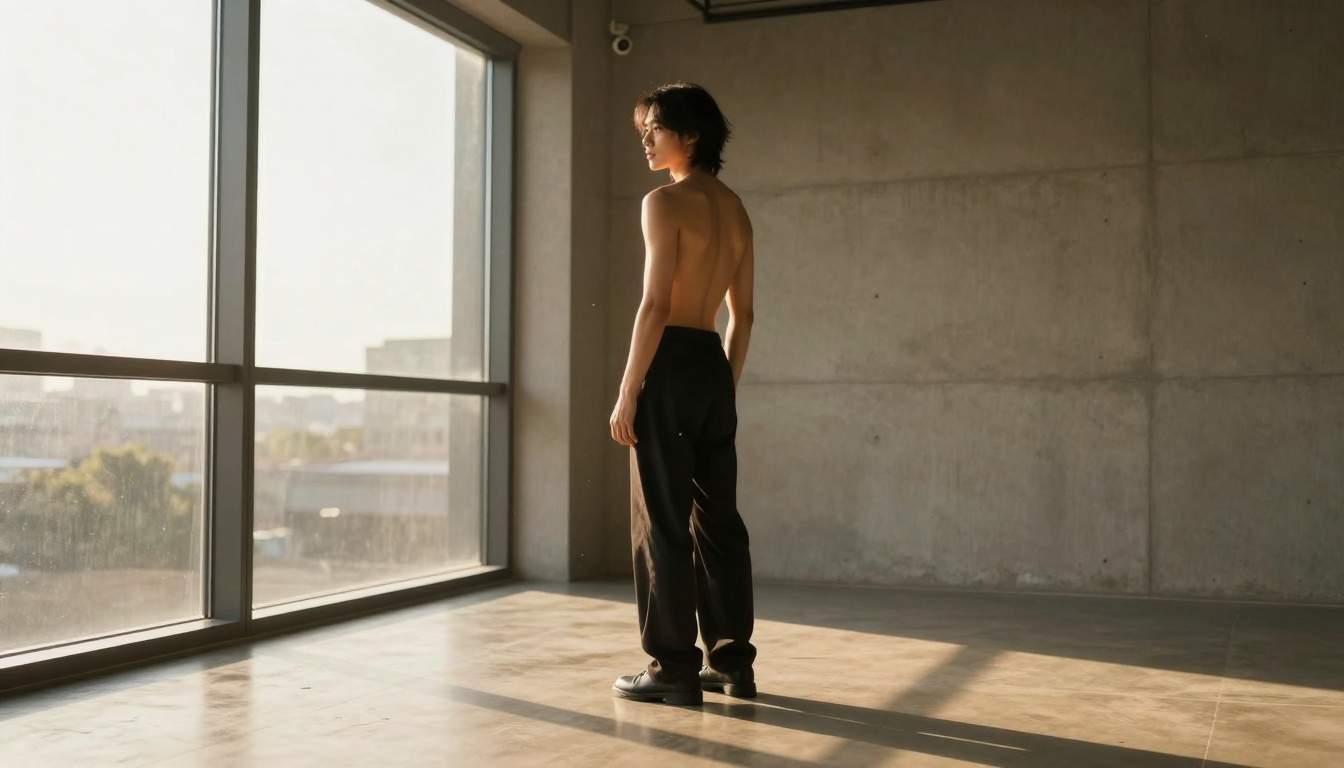
When we talk about AI +18 content creation, we're discussing tools designed for artistic, suggestive content rather than explicit material. The distinction is crucial: these platforms and models focus on aesthetics, beauty, and creative expression while maintaining appropriate boundaries. For creators, this means access to technology that was previously either unavailable or required significant technical expertise.
💡 Key Insight: The most successful AI +18 tools don't just generate images—they understand context, lighting, composition, and the subtle nuances that separate artistic suggestion from explicit content.
Why AI Matters for Mature Content
Traditional content creation for mature themes faced several significant challenges. Photography required models, locations, and equipment. Digital art demanded artistic skill. Both approaches carried privacy risks and logistical complexities. AI tools change this equation by providing creators with:
- Privacy protection: Generate content without involving actual people
- Creative control: Iterate rapidly through different concepts and styles
- Cost efficiency: Reduce expenses associated with traditional production
- Technical accessibility: Use sophisticated tools without extensive training
The psychological impact is equally important. Creators can explore themes and aesthetics that might be difficult or impossible to capture through traditional means. This freedom encourages artistic experimentation while maintaining ethical boundaries.
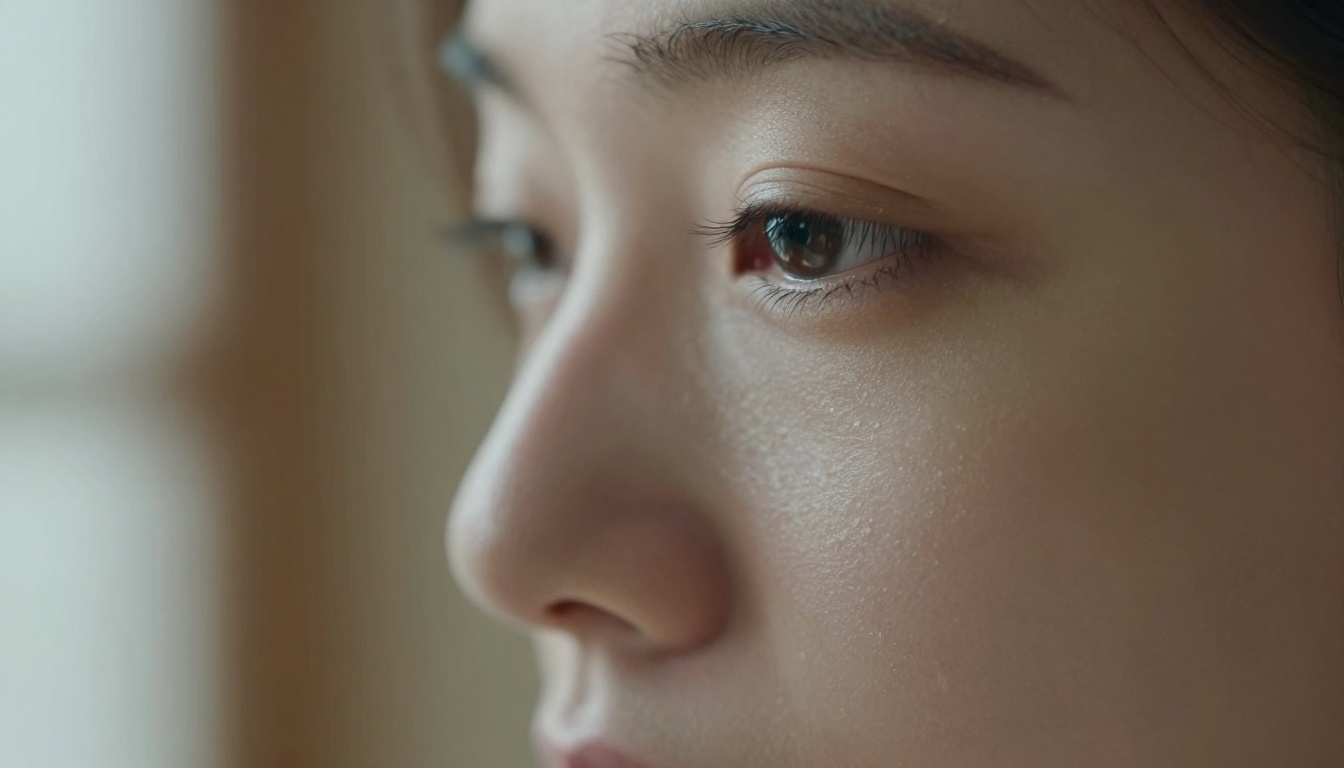
The Ethical Framework
Before diving into specific tools, it's essential to establish what we mean by "NSFW" in this context. We're discussing:
| Category | Description | Examples |
|---|
| Artistic Nudity | Suggestive, aesthetic focus | Classical art references, tasteful compositions |
| Glamour Photography | Stylized, commercial aesthetic | Fashion-inspired, lighting-focused |
| Creative Expression | Concept-driven content | Abstract forms, symbolic representations |
| Boundary Respect | Clear ethical guidelines | No explicit content, age verification |
This framework ensures we're discussing tools that support artistic expression rather than explicit content creation. The distinction isn't just semantic—it affects which tools work effectively and which platforms allow their use.
Photorealistic Image Models That Work
Not all AI image generators handle mature content effectively. Some apply aggressive filtering, while others produce unrealistic results. The best models for this niche share specific characteristics:
High-Fidelity Models
The flux-2-pro model stands out for its ability to generate photorealistic human forms with natural lighting and texture. What makes it particularly effective for artistic content is its understanding of anatomy and light interaction—critical for tasteful, aesthetic results.
Key advantages of flux-2-pro:
- Natural skin texture: Renders realistic pores, freckles, and skin variations
- Accurate lighting: Understands how light interacts with different surfaces
- Anatomical precision: Maintains proportional accuracy
- Style consistency: Produces coherent aesthetic across generations
💡 Pro Tip: When using flux-2-pro for artistic content, include lighting descriptions in your prompts. "Soft window light from left" produces more natural results than generic lighting terms.
Specialized Photorealistic Options
The realistic-vision-v5.1 model takes a different approach, focusing specifically on photographic realism. Its training emphasizes camera-like results, making it ideal for creators who want their AI-generated content to resemble professional photography rather than digital art.
What sets realistic-vision apart:
- Camera emulation: Mimics specific lenses and aperture effects
- Environmental integration: Places subjects convincingly in settings
- Dynamic range: Handles high-contrast lighting situations
- Atmospheric effects: Creates believable ambient conditions
Fast Generation Alternatives
For creators needing rapid iteration, the p-image model offers speed without sacrificing quality. Its optimized architecture generates images quickly while maintaining reasonable fidelity—perfect for concept testing and workflow integration.
p-image workflow benefits:
- Rapid iteration: Test multiple concepts in minutes
- Consistent style: Maintains aesthetic coherence
- Parameter efficiency: Fewer adjustments needed for good results
- Cost effectiveness: Lower computational requirements
Advanced Language-Image Models
The gpt-image-1.5 model represents a different approach, using language understanding to interpret complex prompts. This makes it particularly effective for conceptual or abstract content where precise verbal description matters more than photographic accuracy.
When to choose gpt-image-1.5:
- Complex concepts: Abstract or symbolic content
- Detailed descriptions: Nuanced aesthetic requirements
- Style mixing: Combining multiple artistic influences
- Narrative content: Story-driven image generation
Video Generation for Dynamic Content
While this article focuses primarily on static images (following the "NO VIDEO" rule), it's worth noting that video generation represents the next frontier for mature content creators. Models like sora-2-pro and veo-3.1 offer sophisticated motion generation capabilities that could, in theory, be applied to artistic content creation.
💡 Important: Video generation for mature content requires even more careful consideration of ethical boundaries and platform policies than static images. Most platforms have stricter controls around animated content.

Privacy and Ethical Considerations
AI tools for mature content creation operate in a complex ethical landscape. Creators must navigate several critical considerations:
Data Privacy and Security
When generating content that could be sensitive, data handling becomes paramount. The best platforms offer:
| Privacy Feature | Why It Matters | Implementation |
|---|
| Local Processing | Data never leaves your device | Some models offer local deployment |
| Encrypted Storage | Protects generated content | Enterprise-grade encryption |
| No Training Retention | Prevents model learning from your content | Clear data policies |
| Anonymous Usage | No identity linking to content | Account separation |
Content Boundaries
Establishing clear boundaries isn't just ethical—it's practical. Tools that understand and respect these boundaries produce better results:
- Artistic vs. Explicit: The line between suggestive and explicit varies by context
- Cultural Sensitivity: Different regions have different standards
- Platform Compliance: Each tool has its own content policies
- Audience Expectations: Know what your audience considers appropriate
Legal Compliance
Different jurisdictions approach AI-generated content differently. Key considerations include:
- Copyright status of AI-generated images
- Right of publicity concerns for realistic human representations
- Age verification requirements for platforms
- Content classification laws in target markets
Choosing the right platform involves more than just technical capability. Consider these factors:
Technical Platforms
PicassoIA offers several advantages for mature content creators:
- Model variety: Access to specialized photorealistic models
- Privacy controls: Clear data handling policies
- Community guidelines: Transparent content policies
- Technical support: Assistance with complex generation tasks
Specific models worth exploring on PicassoIA include:
Alternative Approaches
Some creators prefer different technical approaches:
Local Deployment offers maximum privacy but requires technical expertise and hardware investment. Models like flux-schnell are designed for local operation, providing complete control over the generation process.
API Integration allows embedding AI generation into custom workflows. This approach offers flexibility but requires development resources and careful implementation of content safeguards.

Technical Workflow Tips
Successful AI +18 content creation requires more than just choosing the right tool. Here's a practical workflow:
Prompt Engineering Strategies
Effective prompts for artistic content differ from general image generation:
Structure your prompts with this hierarchy:
- Subject and action (e.g., "figure standing by window")
- Lighting and environment (e.g., "late afternoon sun, concrete loft")
- Technical details (e.g., "85mm lens, shallow depth of field")
- Style and mood (e.g., "cinematic, contemplative, Kodak Portra 400")
Avoid common pitfalls:
- ❌ Vague terms: "beautiful," "sexy," "attractive"
- ✅ Specific descriptions: "soft window light," "elegant posture," "textured fabric"
Iterative Refinement Process
Don't expect perfect results on the first attempt:
- Initial concept: Basic prompt to establish composition
- Lighting adjustment: Refine lighting based on initial results
- Detail enhancement: Add specific texture and detail prompts
- Style coherence: Ensure consistent aesthetic across variations
- Final polish: Fine-tune for publication-ready quality
Quality Control Checklist
Before finalizing any AI-generated content:
Common Mistakes to Avoid
Even experienced creators encounter challenges with AI +18 content. Here are the most common issues and how to address them:
Technical Errors
Over-filtered results occur when AI models apply excessive content moderation. Solution: Use more artistic language and focus on aesthetic rather than descriptive terms.
Unrealistic anatomy plagues many AI generations. Solution: Reference specific photographic techniques (e.g., "85mm portrait lens") to encourage natural proportions.
Inconsistent lighting breaks immersion. Solution: Describe light source, direction, and quality in detail.
Creative Missteps
Lack of artistic intent results in generic content. Solution: Develop clear conceptual frameworks before generation.
Style inconsistency across a series. Solution: Create and save successful prompt templates for reuse.
Over-reliance on AI without human curation. Solution: Treat AI as a collaborative tool, not a replacement for artistic judgment.
Ethical Oversights
Boundary creep happens gradually. Solution: Establish and periodically review content guidelines.
Privacy negligence can expose sensitive workflows. Solution: Implement strict data handling protocols.
Legal compliance gaps create risks. Solution: Consult with legal experts familiar with AI-generated content in your jurisdiction.

What's Next for AI +18
The field of AI content creation evolves rapidly. Several trends will shape the future of mature content tools:
Technical Advancements
Improved understanding of artistic nuance will allow models to better interpret aesthetic intent rather than just literal description.
Style preservation across generations will enable creators to maintain consistent visual identity.
Real-time collaboration features will transform AI from a generation tool to a creative partner.
Ethical Developments
Clearer guidelines from platforms will help creators understand what's possible within acceptable boundaries.
Better tools for content moderation will allow more nuanced approaches than simple blocking.
Industry standards may emerge to establish best practices for AI-generated mature content.
Creative Possibilities
New art forms will emerge as creators explore the unique capabilities of AI tools.
Hybrid approaches combining traditional and AI techniques will become more common.
Audience interaction with AI-generated content may evolve beyond passive consumption.
Final Thoughts
AI tools for mature content creation represent a significant advancement in artistic technology. They offer creators new possibilities for expression while demanding careful consideration of ethical boundaries. The most successful creators will be those who master both the technical aspects of AI generation and the artistic sensitivity required for tasteful, meaningful content.
The tools discussed—from flux-2-pro to realistic-vision-v5.1—provide powerful capabilities for those willing to invest the time to learn their nuances. As with any artistic medium, the tool matters less than the vision and skill of the creator using it.
What remains constant is the importance of artistic intent, ethical consideration, and technical mastery. AI doesn't replace these fundamentals—it provides new ways to express them. For creators navigating this space, the opportunity lies not in replacing traditional approaches, but in augmenting them with tools that expand what's possible while respecting what's appropriate.


