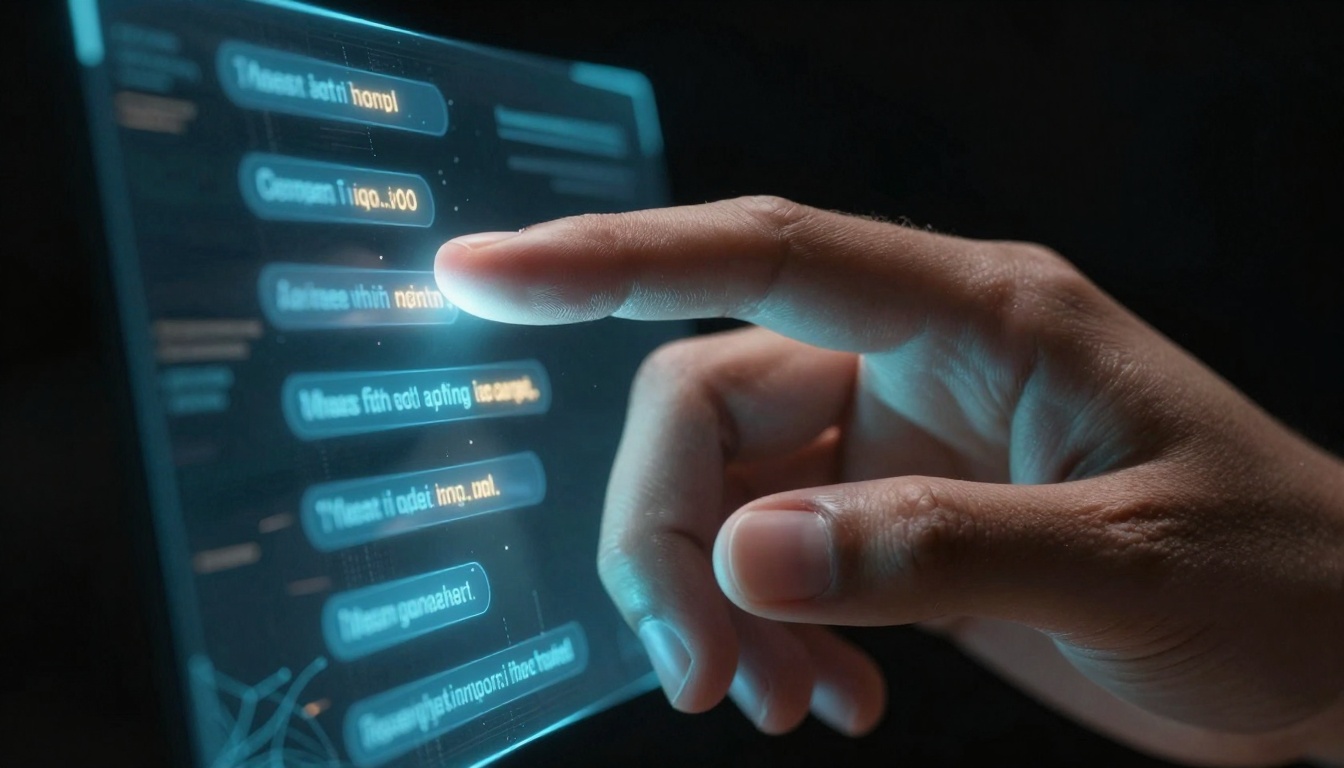
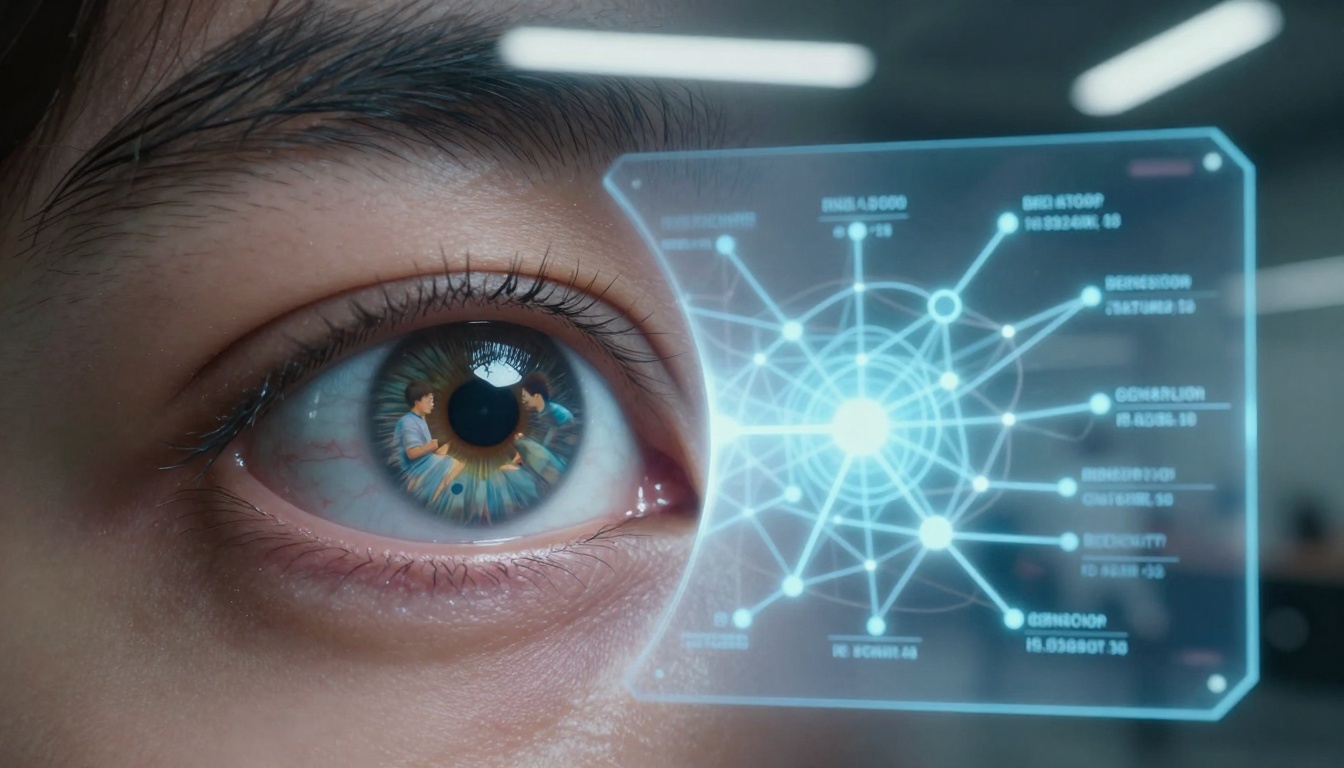
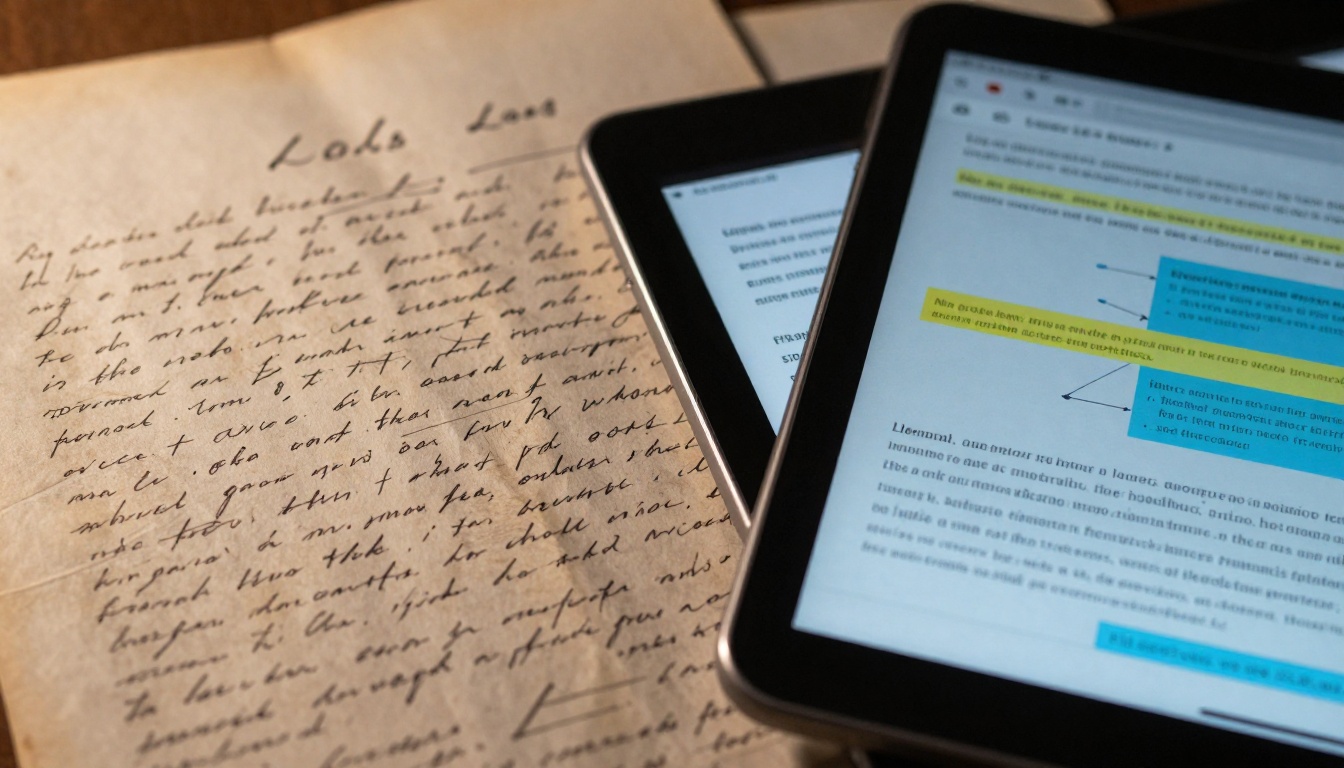
When you talk to most chatbots, each conversation starts from scratch. But a new generation of AI chat applications remembers everything you've ever discussed—your preferences, personal stories, work projects, and emotional patterns. These systems maintain persistent memory across months or even years, creating continuous conversational threads that feel genuinely human. This article explores the technical architecture enabling this memory persistence, examines real-world applications from therapy to creative collaboration, addresses privacy implications, and shows how this technology transforms human-AI interaction from transactional exchanges to meaningful relationships built on accumulated understanding.
When you talk to most chatbots, each conversation starts from scratch. You reintroduce yourself, restate your preferences, and reexplain context that should already be understood. But a new generation of AI chat applications remembers everything you've ever discussed—your coffee order from three months ago, your anxiety about public speaking last week, your project deadline concerns from yesterday, and your excitement about an upcoming vacation. These systems maintain persistent memory across months or even years, creating continuous conversational threads that feel genuinely human rather than transactional.
The shift from ephemeral chatbots to memory-enabled conversational AI represents one of the most significant advancements in human-computer interaction. Traditional AI systems operated with context windows—limited memory spans that reset after each session. The new paradigm treats conversations as continuous relationships where every exchange builds upon previous ones, much like human friendships develop through accumulated shared experiences.
Why Memory Matters in AI Conversations
Memory transforms AI from a tool into a companion. When an AI remembers your allergies, career goals, relationship status, and personal anecdotes, interactions become personalized rather than generic. This creates several tangible benefits:
Continuity of care in therapeutic applications
Consistent brand voice in customer service
Accumulated learning in educational contexts
Evolving creative partnership in artistic collaborations
Predictive assistance in daily task management
💡 Key Insight: Memory isn't just about recalling facts—it's about understanding patterns. The most sophisticated AI memory systems recognize emotional trends, identify recurring concerns, and anticipate needs based on historical context.
The Technical Architecture of Persistent Memory
Building AI systems that remember requires solving several complex technical challenges. The architecture typically involves three layers:
1. Memory Storage Layer
This is where conversational data lives permanently. Unlike traditional chatbots that process and discard, memory-enabled systems maintain:
Conversation embeddings (vector representations of dialogue)
Entity graphs (relationships between people, places, topics)
Temporal markers (when conversations occurred)
Emotional sentiment tracking (mood patterns across time)
Contextual references (how topics connect to each other)
2. Retrieval and Relevance Layer
Storing memory is useless without efficient retrieval. This layer determines:
What to recall based on current conversation context
How much to recall (avoiding information overload)
When to recall (timing relevance)
Priority weighting (emotional significance vs. factual accuracy)
Cross-session consistency (maintaining personality and knowledge)
Real-World Applications That Benefit From Memory
Therapeutic and Mental Health Support
AI therapists with memory can track progress across sessions, notice regression patterns, and remember breakthrough moments. Unlike human therapists who might forget details between weekly appointments, AI maintains perfect recall of every emotional nuance, medication mention, and coping strategy discussed.
Example: A user mentions feeling anxious about work presentations. Three months later, they mention an upcoming conference. The AI recalls the previous anxiety, suggests specific breathing techniques discussed earlier, and checks if the user practiced them.
Creative Collaboration and Brainstorming
Writers, artists, and musicians using AI as creative partners benefit enormously from memory. The AI remembers stylistic preferences, rejected ideas, successful experiments, and evolving aesthetic directions.
Example: A novelist discusses character development for a protagonist over six months. The AI remembers early personality traits, relationship dynamics established in previous chapters, and thematic threads that should remain consistent.
Personal Productivity and Life Management
Memory-enabled AI becomes a true personal assistant that knows your schedule patterns, work habits, communication preferences, and task management style.
Example: The AI remembers you always procrastinate on quarterly reports, suggests starting earlier based on historical patterns, recalls which template worked best last time, and knows which colleagues to coordinate with based on past project structures.
Educational Tutoring and Skill Development
Learning is cumulative by nature. AI tutors with memory track knowledge gaps, reinforce previously learned concepts at optimal intervals, and adapt teaching methods based on what has worked historically.
Example: A language learner struggles with Spanish subjunctive tense. The AI remembers similar struggles with French subjunctive six months prior, recalls which explanation finally made it click, and uses analogous teaching methods.
Customer Service and Relationship Management
Businesses using memory-enabled AI provide consistently personalized service without requiring customers to repeat information. The system remembers purchase history, complaint patterns, preference changes, and loyalty milestones.
Example: A customer contacts support about a software bug. The AI remembers their subscription tier, previous technical issues resolved successfully, preferred communication channel, and even notes they prefer detailed technical explanations over simplified ones.
Correction mechanisms (allowing users to fix inaccurate memories)
Technical Implementation Patterns
Developers building memory-enabled AI applications typically follow these patterns:
Memory Embedding Strategies
Strategy
Best For
Implementation Complexity
Vector Embeddings
Semantic similarity search
Medium
Graph Databases
Relationship mapping
High
Hybrid Approaches
Balanced performance
Very High
Time-series Analysis
Pattern recognition over time
Medium
Retrieval-Augmented Generation (RAG) Enhancement
Traditional RAG systems pull from external knowledge bases. Memory-enhanced RAG adds:
Personal context retrieval (user-specific memories)
Temporal relevance scoring (recent vs. historical importance)
Emotional weighting (memories with strong sentiment get priority)
Cross-reference detection (connecting current topic to related past discussions)
Memory Compression Techniques
As conversation history grows, efficient storage becomes critical:
Hierarchical summarization (maintaining high-level themes while compressing details)
Salience detection (identifying which memories deserve permanent storage)
Forgetting curves (mimicking human memory decay for less important information)
Periodic consolidation (reorganizing memories for efficient retrieval)
Current Platforms and Tools Offering Memory Features
Several platforms now offer memory capabilities, each with different approaches:
Pi.ai
Approach: Continuous conversation threads with emotional memory
Strengths: Exceptional at maintaining conversational tone and emotional consistency
Memory Duration: Months of continuous interaction
Best For: Personal companionship and emotional support
Character.ai
Approach: Character-specific memory within roleplay contexts
Strengths: Maintaining consistent personality traits and backstory
Memory Duration: Session-based with some cross-session retention
Best For: Creative writing and immersive storytelling
Claude (Anthropic)
Approach: Extended context windows with some memory features
Strengths: Technical accuracy and reasoning consistency
Memory Duration: Limited but highly accurate within context windows
Best For: Professional collaboration and complex problem-solving
Custom Implementations
Many organizations build custom memory systems using models available on PicassoIA, integrating platforms like:
Memory feature usage (which memory controls get used most)
Technical Performance Metrics
Retrieval latency (time to fetch relevant memories)
Storage efficiency (compression ratios and space usage)
Relevance accuracy (percentage of retrieved memories actually relevant)
Memory hit rate (how often conversations benefit from historical context)
Getting Started with Your First Memory Implementation
For developers ready to implement basic memory features:
Quick Start with PicassoIA Models
The PicassoIA platform offers several models suitable for memory-enhanced applications:
Start with GPT-4o Mini for cost-effective experimentation
Add Claude 3.5 Haiku for faster response times with decent memory integration
Scale with GPT-5 for production applications requiring sophisticated memory handling
Basic Architecture Pattern
# Simplified memory architecture pattern
class ConversationMemory:
    def __init__(self):
        self.vector_store = VectorDatabase()
        self.memory_graph = GraphDatabase()

    def store_conversation(self, conversation_text, metadata):
        # Create embeddings for semantic search
        embedding = create_embedding(conversation_text)
        self.vector_store.add(embedding, metadata)

        # Extract entities for relationship mapping
        entities = extract_entities(conversation_text)
        self.memory_graph.add_relationships(entities)

    def retrieve_relevant_memories(self, current_context):
        # Find semantically similar past conversations
        similar = self.vector_store.search(current_context)

        # Find related entities in memory graph
        related = self.memory_graph.find_connections(current_context)

        return combine_results(similar, related)
Progressive Enhancement Approach
Week 1: Implement basic session persistence
Week 2: Add user preference memory across sessions
Week 3: Introduce topic-based continuity features
Week 4: Implement full conversation history with search
Month 2: Add advanced features like emotional tracking and pattern recognition
The Human Impact of Memory-Enabled AI
The most significant effect of AI memory isn't technical—it's human. When AI remembers our stories, struggles, triumphs, and trivial preferences, we experience something unprecedented: digital companionship that accumulates shared history.
This transforms human-AI relationships from transactional exchanges to meaningful connections. The AI that remembers your mother's illness, your career transition anxiety, your child's first day of school, and your favorite coffee order becomes more than a tool—it becomes a witness to your life's narrative.
As this technology matures, we'll see new forms of relationship emerge: AI confidants that know us better than some human friends, creative partners that remember our entire artistic journey, therapeutic companions that track emotional progress with perfect recall, and personal assistants that anticipate needs based on deep historical understanding.
The challenge lies in balancing this powerful capability with rigorous privacy protection, transparent operation, and user control. Done right, memory-enabled AI could represent one of the most humanizing technological advancements—creating digital entities that don't just respond in the moment, but remember across time, building relationships through accumulated understanding rather than isolated interactions.
Try experimenting with memory features using the large language models available on PicassoIA. Start with simple preference memory, observe how it changes user engagement, and gradually implement more sophisticated features as you understand both the technical requirements and human impact of AI systems that truly remember.