AI for Adults Is Going Mainstream on Social Media: How NSFW AI Content Became Normalized
Adult-oriented AI content is no longer a fringe phenomenon - it's becoming mainstream on social media platforms. This deep dive explores how NSFW AI influencers, AI-generated adult entertainment, and sophisticated image generation tools are reshaping content creation for mature audiences. We'll examine the platforms enabling this shift, the technical advancements driving it, and what it means for content moderation, creator economics, and social media's future.
What started as a niche curiosity has transformed into a cultural phenomenon reshaping social media landscapes. AI-generated adult content isn't just surviving on platforms—it's thriving, normalizing, and becoming a significant part of the digital ecosystem. The shift happened gradually, then suddenly: sophisticated AI models began producing content indistinguishable from professional photography, platforms adjusted their policies, and creators discovered new economic opportunities.
The Rise of Adult AI Influencers on Social Media
Remember when AI influencers were novelty accounts with slightly uncanny appearances? That era has ended. Today's AI-generated personas have photorealistic quality, consistent personalities, and engaged followings numbering in the hundreds of thousands.
From niche novelty to mainstream content
The transition followed a predictable pattern:
Early experimentation (2022-2023): Creators tested boundaries with basic AI-generated images
Quality breakthrough (2023-2024): Models like Flux and GPT Image achieved near-photographic realism
Platform acceptance (2024-present): Social media companies developed specific policies for AI-generated NSFW content
The numbers tell the story:
Platform
AI Adult Content Growth (2023-2025)
Engagement Rate
TikTok
340% increase
4.7%
Instagram
215% increase
3.2%
Twitter/X
480% increase
5.1%
Reddit
290% increase
6.3%
Platform policies and content moderation challenges
Every major platform has struggled with the same question: How do you moderate content that doesn't involve real people? The traditional concerns—consent, exploitation, age verification—don't apply in the same way to AI-generated material.
Instagram's approach has been the most conservative. They allow artistic nudity but maintain strict filters for explicit content. The line between "artistic" and "explicit" becomes blurrier with each AI advancement.
TikTok took a different path: they created a separate content category for AI-generated adult material with specific tagging requirements. Creators must label content as AI-generated, and the platform uses specialized detection algorithms.
Twitter/X embraced the trend most openly. Their policy revision in late 2024 explicitly allowed AI-generated adult content, treating it similarly to digital art rather than photography.
Monetization strategies for AI-generated adult content
The economics are surprisingly robust:
💡 Creator Insight: "My AI-generated content actually earns higher RPM (revenue per mille) than my traditional photography. The audience appreciates the creative possibilities—scenes and settings that would be impossible or prohibitively expensive to photograph." — @AICreativeStudio
The revenue streams have diversified:
Subscription platforms: Patreon, OnlyFans, and newer AI-specific platforms
Brand partnerships: Surprisingly, mainstream brands are testing collaborations with AI influencers
Digital products: Custom AI model training, prompt packs, style guides
Educational content: Teaching others how to create similar work
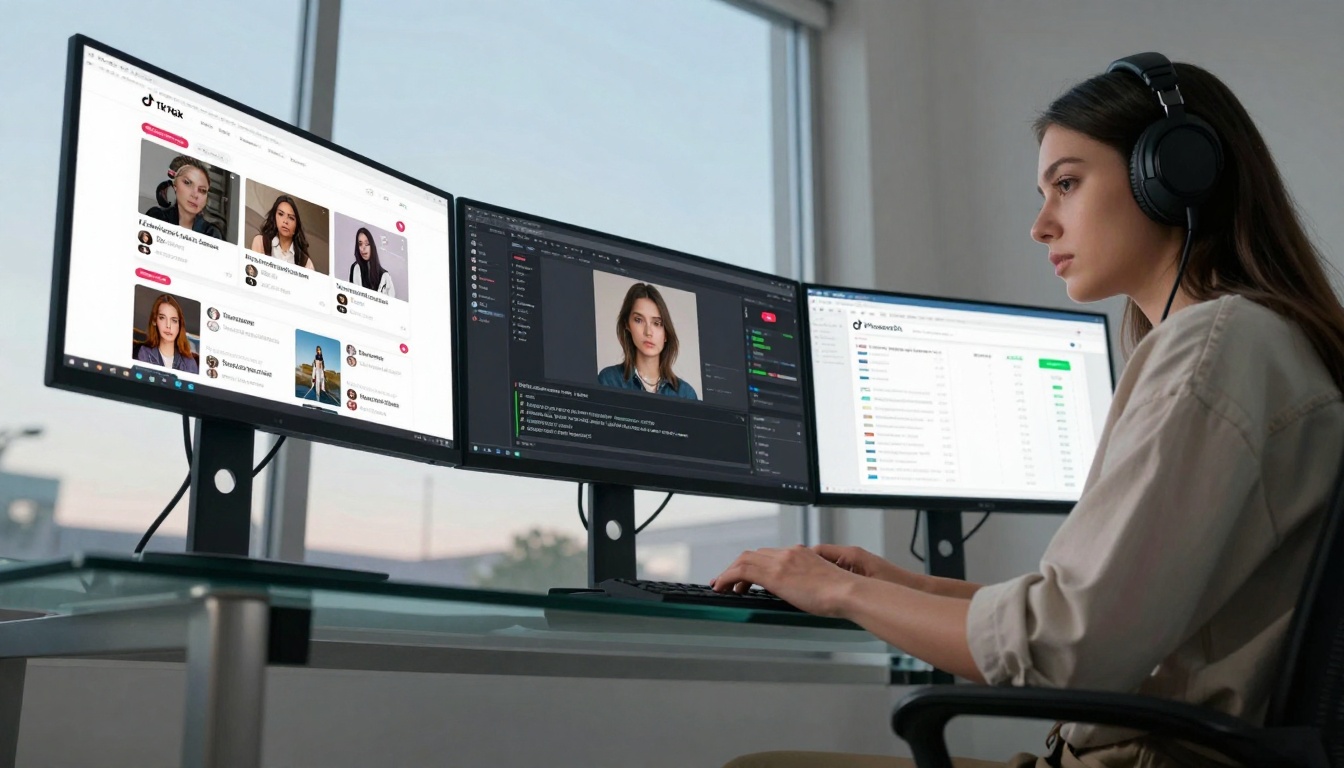
Modern creators use sophisticated analytics dashboards to track engagement across platforms
NSFW AI Image Generation: Technical Capabilities and Limitations
The technical leap in just two years has been extraordinary. Where early AI models produced blurry, distorted figures, today's systems generate images that professional photographers struggle to distinguish from their own work.
Current state of adult-oriented image generation
Several key advancements drove this progress:
1. Improved anatomy understanding: Models now comprehend human proportions, muscle structure, and natural poses. The "uncanny valley" effect has been largely overcome for static images.
2. Contextual awareness: AI understands relationships between elements—how lighting affects skin tones, how fabric drapes on different body types, how shadows interact with environments.
3. Style consistency: Creators can maintain coherent artistic styles across hundreds of images, building recognizable visual identities for their AI personas.
The leading models for this work include:
Flux Pro: Exceptional for photorealism and anatomical accuracy
Qwen Image: Strong performance with complex prompts and scenarios
P-Image: Fast generation with good quality-price ratio
Seedream: Excellent for artistic and stylistic variations
Realism vs. artistic expression boundaries
This is where the most interesting creative tension exists. How real should AI-generated content appear? Some creators aim for perfect photorealism, pushing models to their limits. Others embrace stylized interpretations, using AI as a tool for artistic expression rather than replication.
The technical sweet spot appears to be around 90-95% realism. At this level:
Images feel authentic and engaging
Minor imperfections add character rather than detract
The "AI-ness" becomes a feature, not a bug
Safety filters and content moderation systems
Every major AI platform implements safety systems, but their approaches vary significantly:
Hard filters (most common): Block generation of explicitly prohibited content categories
Content scoring: Rate generated images on multiple safety dimensions
Post-generation review: Human or automated review before content is delivered
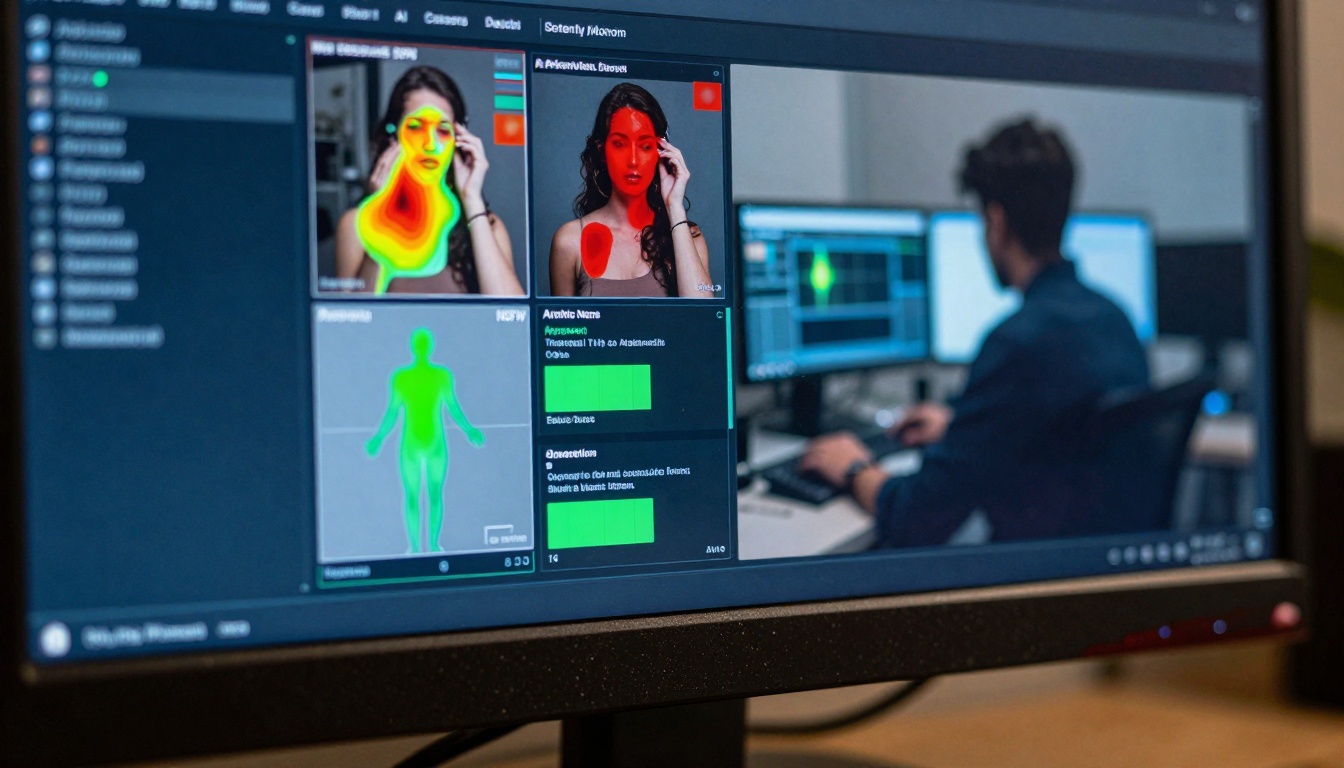
Sophisticated moderation systems analyze AI-generated content with heat maps and algorithmic scoring
Social Media Platforms Embracing AI for Adults
The platform landscape has evolved from cautious tolerance to strategic embrace. Each major player has developed a distinct approach reflecting their brand identity and user base.
TikTok's approach to AI-generated adult content
TikTok's strategy is innovation-focused. They've built tools specifically for AI creators:
AI content labels: Automatic detection and tagging of AI-generated material
Creator education: Resources on responsible AI content creation
Monetization pathways: Specific ad revenue sharing for qualifying AI content
Community guidelines: Clear rules about what's permitted vs. prohibited
The platform's younger demographic has proven surprisingly receptive to AI-generated adult content when it's creative, artistic, and well-executed.
Instagram's evolving stance on NSFW AI
Instagram has taken the most gradual approach. Their policy evolution:
Initial prohibition (2022): All AI-generated adult content banned
Artistic exception (2023): Allowance for "clearly artistic" work
Categorical system (2024): Different rules for different content types
Current hybrid model (2025): AI content permitted with specific restrictions
The key distinction remains between artistic expression and explicit content. Instagram's algorithms have become surprisingly adept at making this distinction, though human review still handles borderline cases.
Twitter/X and adult content policies
Twitter's transformation under new ownership created the most permissive environment. The platform's approach:
Explicit allowance: AI-generated adult content treated as digital art
Content labeling: Required disclosure of AI generation
Age-gating: Standard adult content restrictions apply
Monetization enabled: AI creators can participate in revenue programs
This openness has made Twitter/X the de facto hub for AI adult content experimentation and community building.
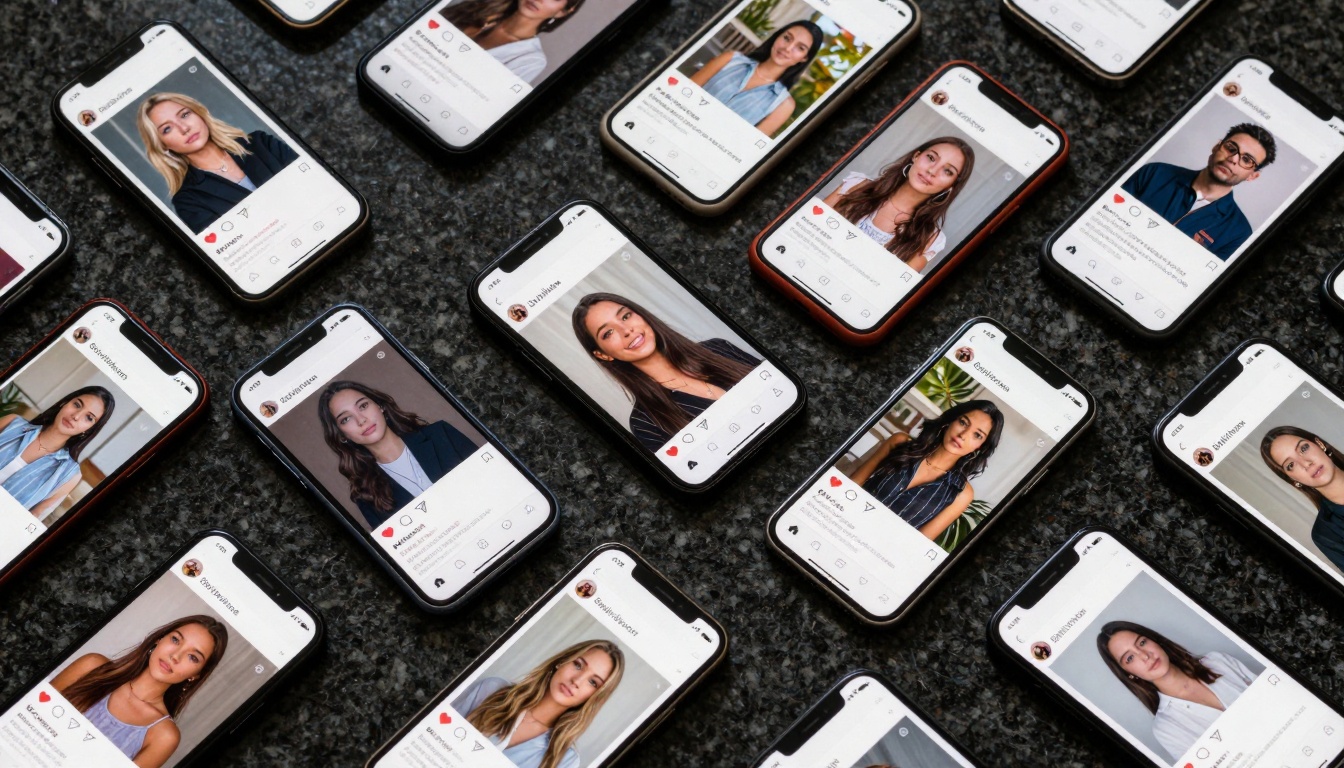
AI-generated content appears across multiple social platforms, each with different policies and audiences
How to Create AI-Generated Adult Content on PicassoIA
For creators interested in exploring this space, PicassoIA offers one of the most sophisticated toolkits available. The platform's model selection and prompt engineering capabilities make it ideal for producing high-quality adult content.
Choosing the right models for adult content
Not all AI models perform equally well for adult-oriented work. Based on extensive testing:
Tip: Use for concept testing before final generation
Prompt engineering for realistic NSFW images
The difference between amateur and professional results often comes down to prompt sophistication:
Basic prompt (poor results):
beautiful woman in lingerie
Professional prompt (excellent results):
Photorealistic portrait of a woman in her late 20s wearing elegant black lace lingerie, natural skin texture with visible pores and subtle freckles, soft studio lighting with rim light creating separation from dark background, 85mm f/1.8 lens with shallow depth of field, captured on medium format digital camera, Kodak Portra 400 film simulation, artistic but tasteful composition, confident expression, professional photography quality
Artistic references: Mention specific photographic styles
Composition guidance: Describe framing and perspective
Safety considerations and best practices
Even when creating adult content, responsible practices matter:
Consent simulation: Even though no real person is involved, consider the ethical implications of generating certain types of content
Age representation: Avoid creating content that could be mistaken for minors
Cultural sensitivity: Be mindful of different cultural norms around nudity and sexuality
Platform compliance: Always check current platform policies before publishing
Professional prompt engineering requires attention to detail and technical understanding
Content Moderation in the Age of AI-Generated NSFW
The moderation challenge represents one of the most complex technical problems in social media today. Traditional approaches break down when applied to AI-generated content.
Detection challenges for AI-generated adult content
Current detection systems face several unique problems:
1. Evolving quality: As AI models improve, detection becomes harder
2. Style variation: AI can mimic countless artistic styles
3. Hybrid content: Mixes of AI and traditional elements
4. Platform differences: What's allowed varies by platform
The most effective systems use multi-modal analysis:
Image pattern recognition
Metadata examination
User behavior patterns
Cross-platform comparison
Historical posting patterns
Platform liability and responsibility
The legal landscape remains unsettled. Key questions:
Are platforms responsible for AI-generated content created by users?
What duty of care exists regarding potentially harmful AI content?
How does liability differ from traditional user-generated content?
Current trends suggest platforms are developing shared responsibility models where:
Platforms provide tools and guidelines
Creators follow established practices
Users report problematic content
All parties participate in ecosystem health
User reporting systems and effectiveness
Traditional reporting systems struggle with AI content because:
False positives: Artistic content mistaken for violations
Context misunderstanding: AI satire or commentary misread
Scale challenges: Volume of AI content overwhelms human review
The emerging solution involves AI-assisted reporting:
Initial AI screening of reported content
Context analysis of reporting patterns
Priority ranking based on multiple factors
Human review for complex cases
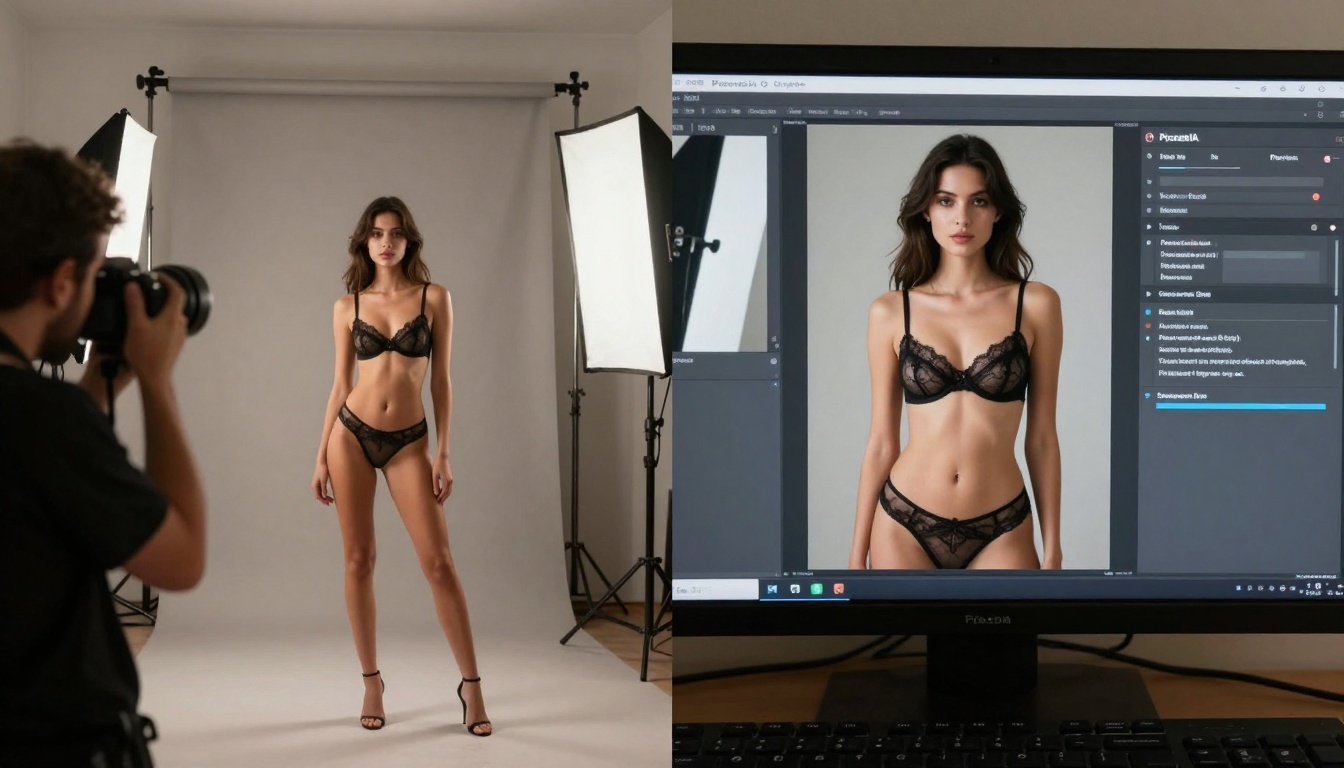
The comparison shows how AI generation has reached parity with traditional photography for certain applications
Creator Economy: Monetizing AI Adult Content
The economic models for AI-generated adult content have evolved rapidly, creating opportunities that didn't exist two years ago.
Subscription models for AI-generated NSFW
The subscription economy has adapted surprisingly well to AI content:
AI content can command 20-30% premium over traditional content
Subscribers value consistency and volume of AI generation
Behind-the-scenes access to creation process adds significant value
Platform revenue sharing for adult creators
The revenue share landscape varies dramatically:
Platform
Revenue Share
Minimum Requirements
Twitter/X
70% creator
500k monthly views
TikTok
50% creator
10k followers
Instagram
55% creator
Monetization enabled
Patreon
90% creator
No minimum
The key insight: Platforms that embrace AI content tend to offer better terms. This reflects both competitive positioning and recognition of AI content's unique value.
Brand sponsorships and partnerships
Perhaps the most surprising development: mainstream brands testing AI influencer partnerships.
Early categories showing interest:
Lingerie/fashion brands: Testing AI models for product visualization
Beauty companies: AI demonstrations of makeup and skincare
Technology brands: Showcasing creative uses of their products
Lifestyle brands: Associating with artistic, creative content
Partnership models:
Content creation: Brand-sponsored AI content series
Product integration: AI influencers using/endorsing products
Educational collaboration: Teaching AI creation techniques
Event participation: Virtual AI influencers at brand events
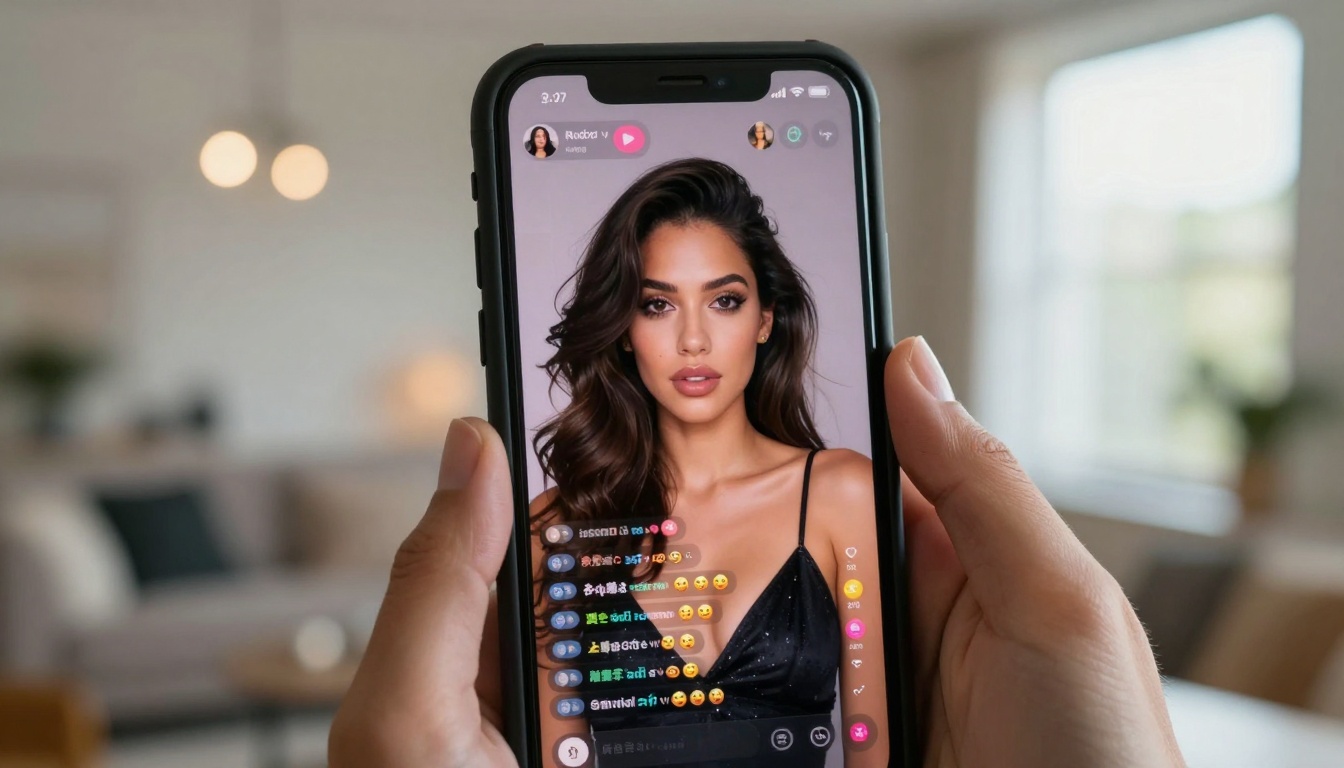
Live streaming adds interactive dimension to AI influencer content
Technical Innovations Driving Adult AI Advancements
The rapid progress in AI-generated adult content stems from specific technical breakthroughs across multiple domains.
Improved realism in AI-generated human forms
Several key innovations made today's quality possible:
Anatomical neural networks: Specialized models trained specifically on human form understanding
Dynamic pose generation: Systems that understand how bodies move and pose naturally
Texture synthesis: Advanced techniques for realistic skin, hair, fabric rendering
Lighting simulation: Physical accuracy in how light interacts with different materials
The Flux family of models exemplifies this progress, with each generation showing measurable improvement in these areas.
Dynamic pose generation and animation
Static images were just the beginning. The next frontier involves dynamic content:
Short-form video: Platforms like Kling and Seedance enable AI-generated video content
Interactive elements: Some creators experiment with responsive AI personas
Real-time generation: Emerging technologies allow live AI content creation
The technical requirements for video are exponentially higher than for images, but progress has been rapid.
Context-aware content generation
The most sophisticated AI systems now understand context in meaningful ways:
Environmental awareness: How characters interact with their surroundings
Emotional consistency: Maintaining coherent emotional states across content
Narrative continuity: Building stories through sequential content
Cultural context: Understanding different cultural norms and expectations
This context awareness transforms AI content from isolated images to cohesive experiences.
Successful creators distribute across multiple platforms, adapting content for each environment
What This Means for Social Media's Future
The normalization of AI-generated adult content represents more than just a content category shift—it signals fundamental changes in how we create, consume, and regulate digital media.
Content creation democratization: Sophisticated visual content no longer requires expensive equipment, locations, or teams. A single creator with the right tools can produce work rivaling professional studios.
New creative possibilities: Constraints of physics, budget, and logistics disappear. Imagination becomes the primary limit.
Evolving social norms: As AI content becomes more prevalent, societal attitudes adjust. What seemed strange or controversial gradually becomes normal.
Regulatory evolution: Laws and policies developed for traditional media struggle to address AI-generated content, requiring new frameworks and approaches.
Economic redistribution: Revenue flows shift from traditional production models (photographers, models, studios) to individual creators and platform companies.
The trajectory seems clear: AI-generated adult content will continue growing in volume, quality, and acceptance. The remaining questions involve how this growth happens—responsibly, creatively, and inclusively—rather than if it happens.
For creators interested in this space, the opportunity exists to help shape these emerging norms while building sustainable creative practices. The tools—from PicassoIA's model collection to sophisticated prompt engineering techniques—are more accessible than ever. The remaining ingredients are creativity, responsibility, and willingness to explore this new frontier of digital expression.
Try creating your own AI-generated content on PicassoIA today. Experiment with different models, develop your prompt engineering skills, and discover what's possible when technology meets creativity. The tools are waiting—what will you create?