
The intersection of human creativity and artificial intelligence creates new possibilities for expression without traditional constraints.
Artificial intelligence has evolved from a specialized tool into a universal creative partner. For adults seeking unrestricted creative expression, AI removes technical barriers that once limited artistic vision, professional workflows, and personal projects. This isn't about replacing human creativity—it's about expanding what humans can create when freed from technical limitations.
💡 The Shift: We've moved from "What tools do I need?" to "What do I want to create?" AI handles the technical complexity while humans focus on vision, emotion, and meaning.
Why AI Boundaries Matter
Creative boundaries come in many forms: technical skill requirements, equipment costs, time constraints, and learning curves. Traditional creative work demanded years of training in specific software, expensive hardware, and specialized knowledge. AI changes this equation dramatically.
Three boundary types AI eliminates:
| Boundary Type | Traditional Limitation | AI Solution |
|---|
| Technical Skill | Years of software training | GPT Image 1.5 and Flux 2 Pro generate professional images from text descriptions |
| Equipment Cost | Thousands in cameras, lenses, software | Cloud-based AI tools like Imagen 3 require only a subscription |
| Time Investment | Days/weeks per project | p-image-edit edits images in approximately one second |

Programming transforms from syntax memorization to creative problem-solving with AI assistance.
How AI Enables Creative Freedom
The freedom AI provides isn't just about faster workflows—it's about access to capabilities that were previously exclusive to specialists. A writer can now create visual content. A musician can generate album art. A business owner can produce professional marketing materials.
Four freedoms AI delivers:
- Visual Freedom: Create any image you can describe using SDXL or Realistic Vision v5.1
- Narrative Freedom: Generate stories, scripts, and content with GPT-5 or Claude 3.5 Sonnet
- Audio Freedom: Compose music with Stable Audio 2.5 or generate voiceovers with Speech 2.6 HD
- Video Freedom: Produce dynamic content using Veo 3.1 or Kling v2.5 Turbo Pro
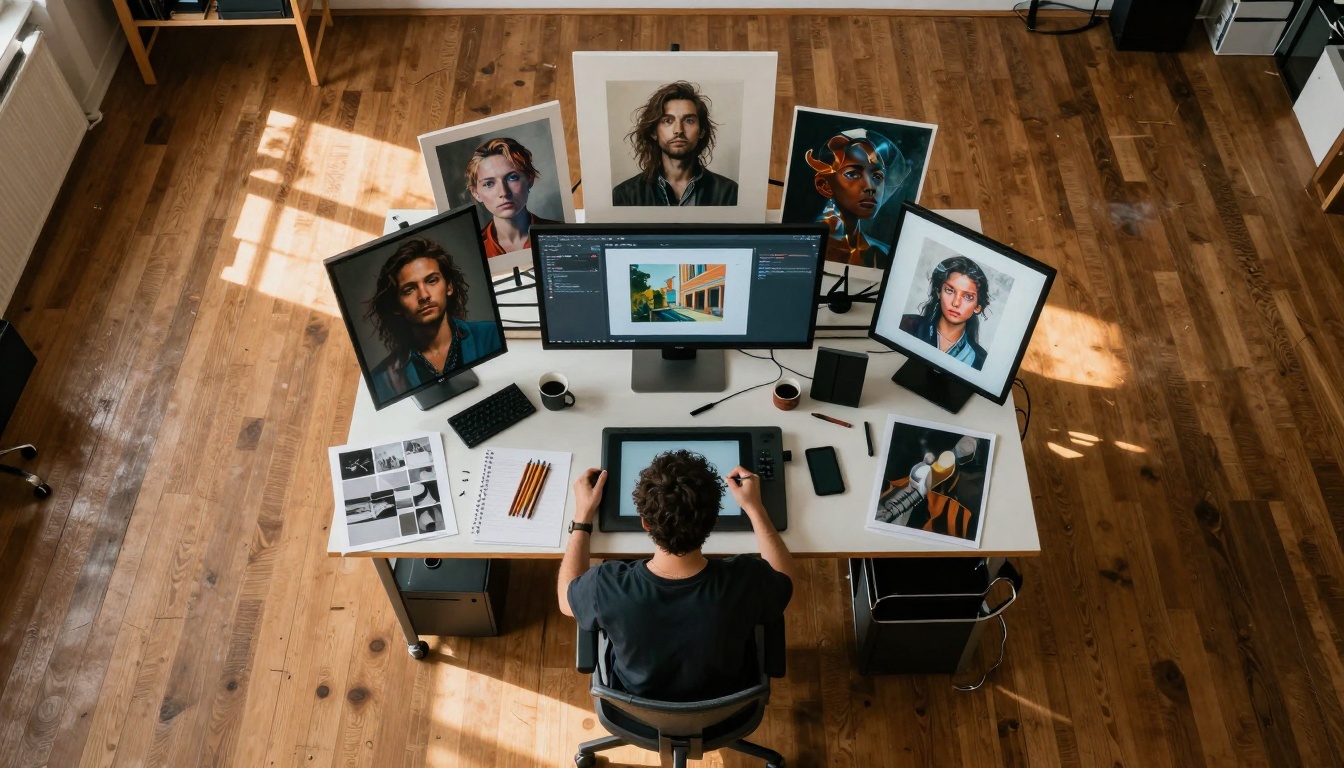
Professional art creation becomes accessible without years of traditional training.
Image Generation Tools
Photorealistic Models:
- GPT Image 1.5: OpenAI's advanced image generator with exceptional prompt understanding
- Flux 2 Pro: High-quality generation with fine control over style and composition
- Imagen 3: Google's model excels at realistic human figures and complex scenes
Specialized Tools:
Video Creation Options
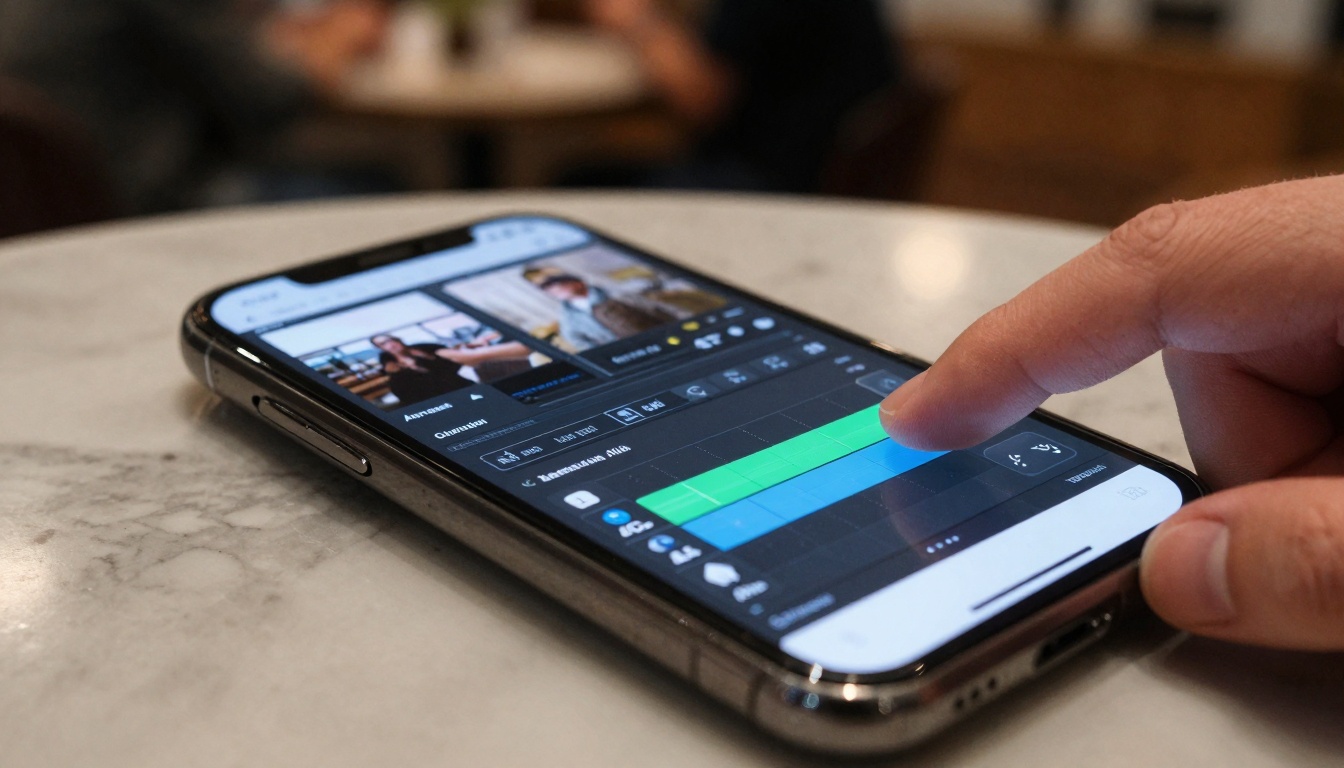
Video production moves from studio equipment to smartphone screens.
Text-to-Video Models:
- Veo 3.1: Google's cinematic video generator with excellent motion quality
- Sora 2 Pro: OpenAI's professional-grade video generation
- WAN 2.5 I2V Fast: Rapid image-to-video conversion with audio generation
Video Enhancement:
Text Generation Without Restrictions

Writing transforms from solitary struggle to collaborative process with AI assistance.
Language Models:
- GPT-5: Advanced reasoning and creative writing capabilities
- Claude 3.7 Sonnet: Excellent for nuanced, context-aware writing
- Gemini 2.5 Flash: Fast, efficient text generation for various formats
Specialized Writing:
- Creative Writing: Generate stories, character descriptions, dialogue
- Business Content: Create reports, presentations, marketing copy
- Technical Writing: Produce documentation, tutorials, specifications
- Personal Content: Draft emails, social media posts, personal projects
AI Image Generation for Adults
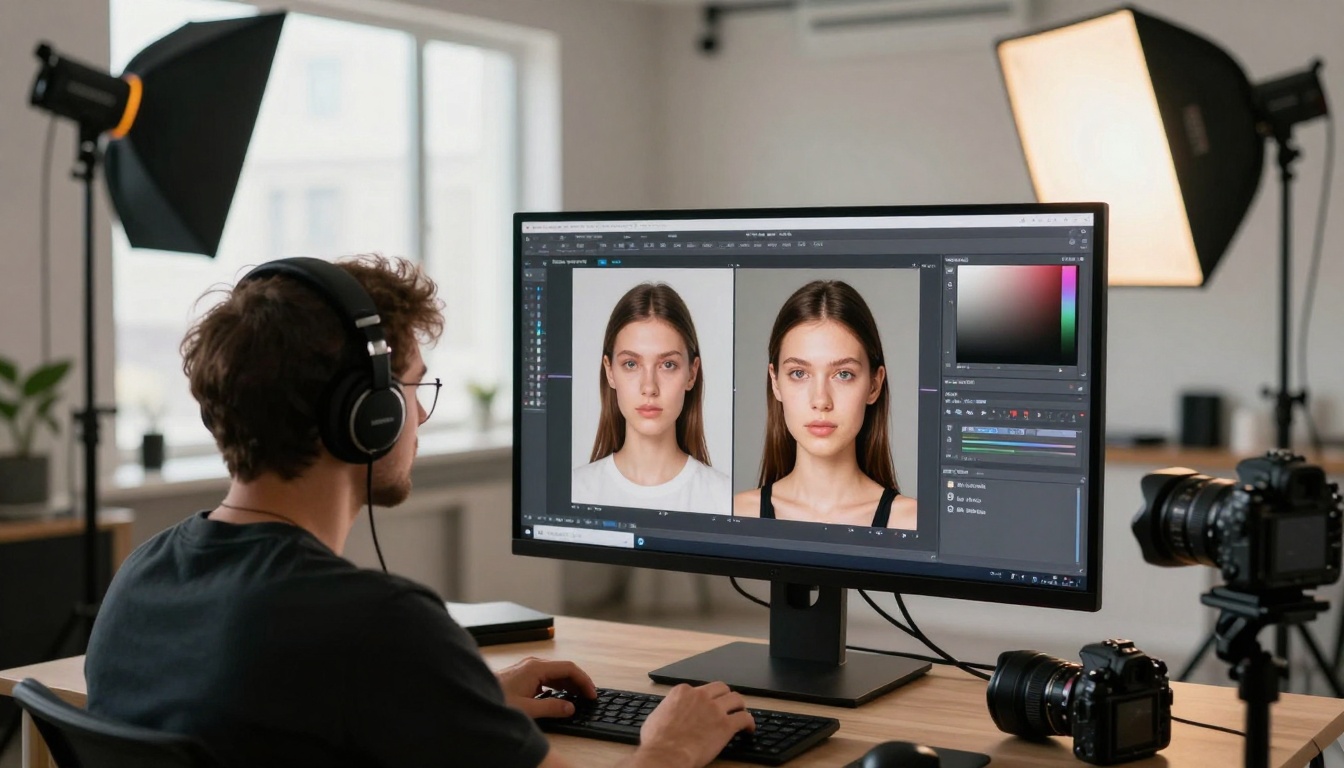
Professional photo editing becomes accessible with AI-powered enhancement tools.
Image generation represents the most visible AI capability for creative adults. The ability to create exactly the visual you imagine—without photography skills, model fees, location scouting, or equipment costs—changes creative possibilities fundamentally.
Key Applications:
- Personal Art Projects: Create album covers, book illustrations, personal website visuals
- Professional Portfolios: Generate example work for design, architecture, marketing roles
- Social Media Content: Produce consistent, high-quality visuals for personal or business accounts
- Educational Materials: Create diagrams, illustrations, and visual explanations
- Personal Expression: Visualize concepts, emotions, and ideas that defy traditional photography
Technical Considerations:
- Resolution: Most models output 1024x1024 to 2048x2048 pixels, suitable for print and digital
- Style Control: Models like Flux 2 Flex offer fine-grained style adjustments
- Consistency: Techniques like seed locking and prompt engineering create consistent character or style across multiple images
- Editing: Use p-image-edit for quick modifications without regenerating entire images
AI Video Creation Options
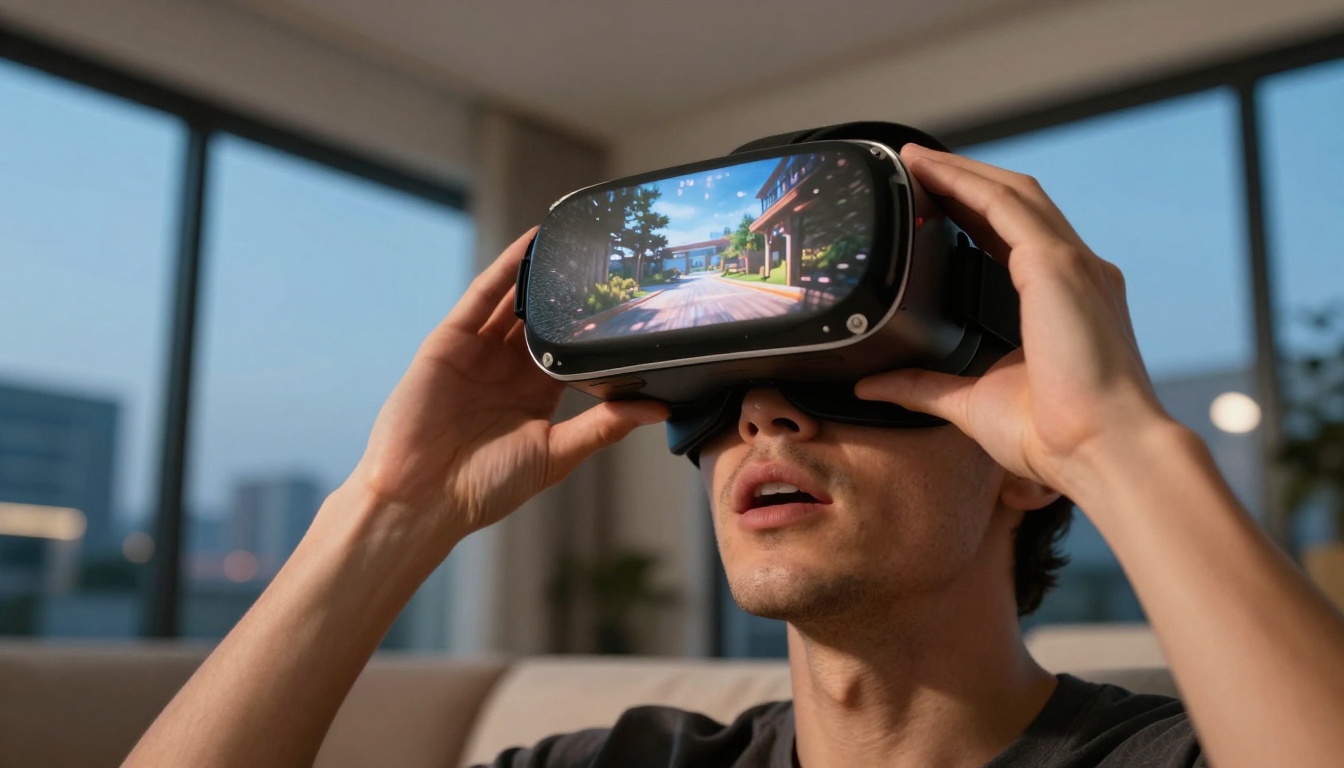
Virtual reality and immersive experiences become creatable without specialized 3D animation skills.
Video generation has progressed from experimental to practical. While early AI video suffered from consistency issues and unnatural motion, current models like Veo 3.1 and Sora 2 Pro produce convincing results for many applications.
Practical Video Uses:
| Use Case | Recommended Model | Typical Length | Best For |
|---|
| Social Media Clips | WAN 2.5 T2V Fast | 5-15 seconds | Instagram, TikTok, YouTube Shorts |
| Product Demonstrations | Veo 3.1 Fast | 10-30 seconds | E-commerce, marketing materials |
| Educational Content | Kling v2.1 Master | 30-60 seconds | Tutorials, explanations, course materials |
| Creative Projects | Sora 2 Pro | 10-60 seconds | Short films, artistic expressions, experimental work |
Workflow Tips:
- Start with Images: Create reference images with GPT Image 1.5 before video generation
- Use Consistent Prompts: Maintain character descriptions, styles, and settings across generations
- Combine with Traditional Editing: Use AI-generated clips within conventional editing software
- Consider Audio Separately: Add voiceovers with Speech 2.6 HD or music with Stable Audio 2.5
Text Generation Without Restrictions
The most universally accessible AI capability remains text generation. From GPT-5 Mini for quick tasks to GPT-5 for complex reasoning, language models remove writing barriers.
Writing Applications:
- Overcoming Writer's Block: Generate starting points, alternative phrasings, or complete sections
- Style Adaptation: Write in different tones (professional, casual, academic, creative)
- Language Support: Write in multiple languages or translate between them
- Content Expansion: Develop brief ideas into comprehensive articles or stories
- Editing Assistance: Improve grammar, clarity, and flow of existing text
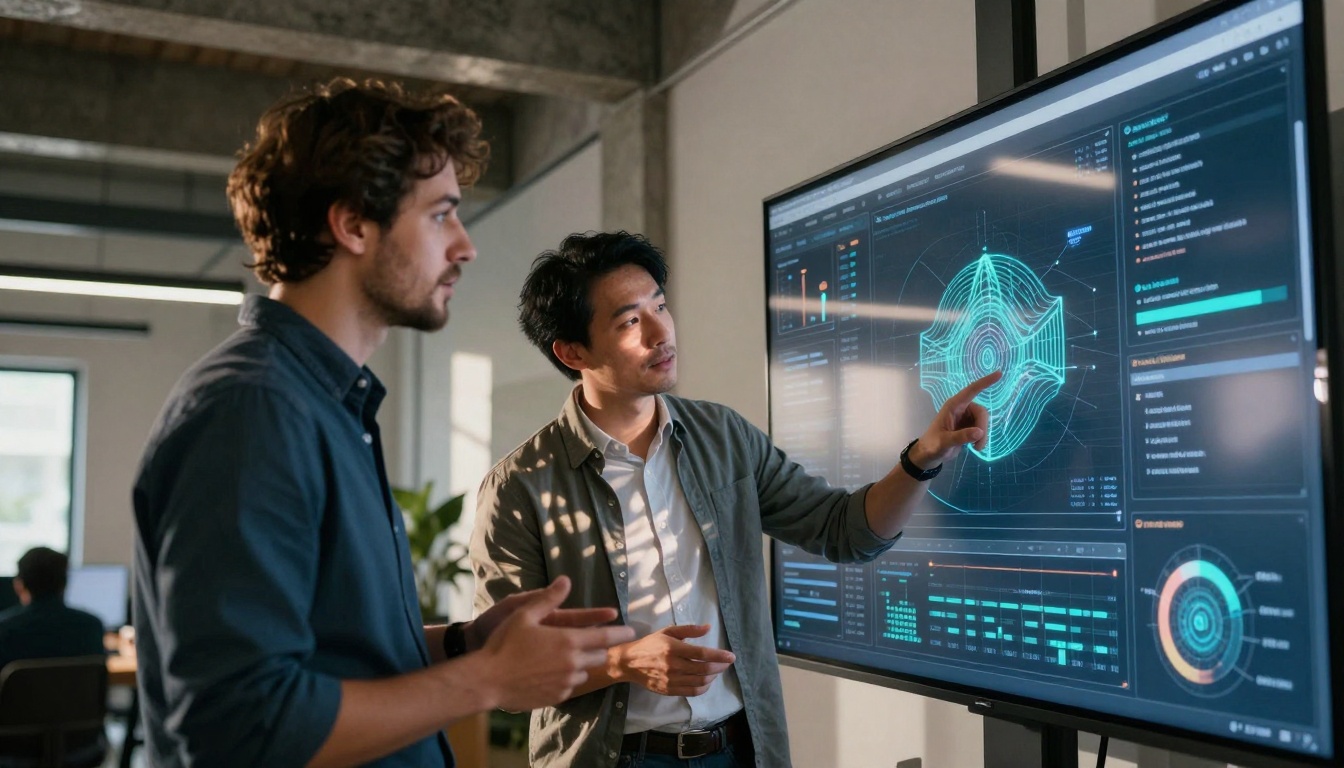
Collaborative work benefits from AI-generated data visualizations and analysis.
Custom AI Model Training
While using pre-trained models provides immediate value, custom training offers unprecedented personalization. Techniques like fine-tuning and LoRA (Low-Rank Adaptation) allow models to learn specific styles, subjects, or formats.
Training Options:
- Style Fine-Tuning: Teach Flux Dev LoRA your personal artistic style
- Character Consistency: Create reusable character models for storytelling or branding
- Domain Specialization: Train models on specific topics (medical, legal, technical)
- Format Adaptation: Customize models for particular output formats (social media, reports, scripts)
Considerations:
- Data Requirements: Typically 10-100 examples for effective fine-tuning
- Compute Costs: Training requires GPU resources, often available through cloud services
- Skill Investment: Basic training accessible to motivated beginners; advanced techniques require technical knowledge
- Ethical Responsibility: Ensure training data respects copyright and privacy
Real-World Applications
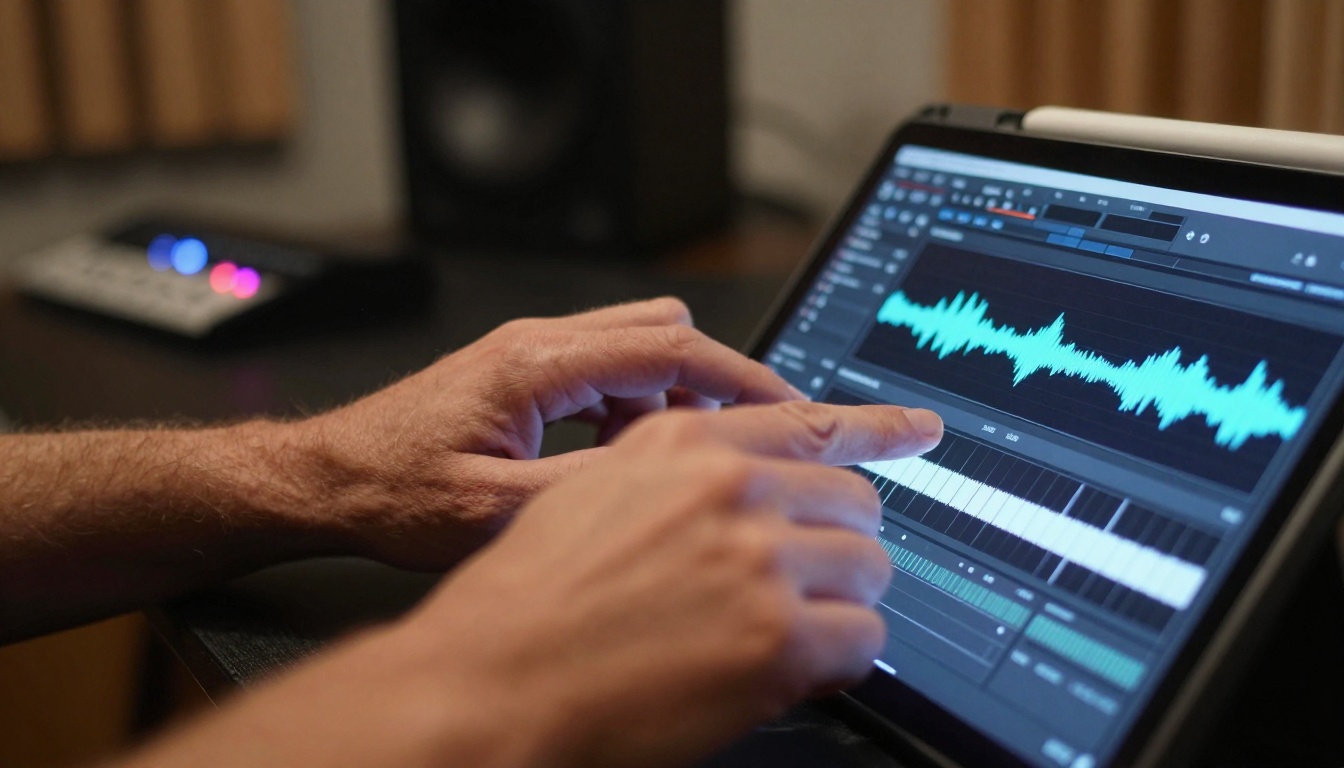
Music composition and production integrate AI tools for melody generation and sound design.
Professional Use Cases:
- Marketing Agencies: Generate campaign visuals, copy variations, social media content
- Architecture Firms: Create client visualizations with AI Architectural Design
- Education: Develop customized learning materials, illustrations, explanations
- Healthcare: Create patient education materials, procedural illustrations
- Entertainment: Develop concept art, storyboards, script treatments
Personal Projects:
- Memory Preservation: Recreate childhood scenes, historical family moments
- Creative Hobbies: Generate inspiration for painting, writing, music composition
- Personal Branding: Create consistent visual identity across social platforms
- Storytelling: Visualize book scenes, character appearances, settings
- Problem Solving: Diagram complex ideas, visualize data, explain concepts
Ethical Considerations
With great creative power comes responsibility. AI tools raise important ethical questions that adult users should consider.
Key Issues:
- Copyright and Ownership: Who owns AI-generated content? How does it intersect with training data copyright?
- Authenticity and Misrepresentation: When is AI-generated content misleading or deceptive?
- Bias and Representation: How do training data biases affect generated content?
- Environmental Impact: What is the carbon footprint of AI model training and inference?
- Economic Disruption: How does AI affect creative professions and industries?
Responsible Practices:
- Transparency: Disclose AI assistance when content appears human-created
- Respect for Sources: Avoid infringing on copyrighted training data
- Bias Awareness: Actively counter stereotypes and underrepresentation
- Sustainable Use: Balance creative benefits with environmental costs
- Professional Integrity: Use AI to enhance, not replace, human skill development
What Comes Next
The trajectory of AI development suggests continued expansion of creative possibilities. Several trends will shape the next phase of AI-enabled creative freedom.
Emerging Capabilities:
- Multimodal Integration: Seamless combination of text, image, audio, and video generation
- Real-Time Collaboration: AI partners that work alongside humans in creative sessions
- Personalization at Scale: Models fine-tuned to individual styles and preferences
- Reduced Latency: Near-instant generation for interactive creative workflows
- Improved Consistency: Better character preservation, style maintenance, and narrative coherence
Societal Shifts:
- Democratized Expertise: Professional-quality output accessible to motivated beginners
- New Creative Forms: Art, literature, and media that blend human and AI contributions
- Education Transformation: Learning focused on creative vision rather than technical skills
- Economic Reorganization: New creative roles emerge while some traditional roles evolve
- Cultural Production: Increased volume and diversity of creative output
Final Thoughts
AI for adults without limits represents more than technological advancement—it's a fundamental shift in creative possibility. The tools available today through platforms like PicassoIA (GPT Image 1.5, Flux 2 Pro, Veo 3.1) remove barriers that once restricted creative expression to those with specific training, equipment, or resources.
The most significant change isn't the quality of AI output—which continues to improve—but the accessibility of creative capability. Adults can now visualize ideas, tell stories, compose music, and produce video without years of specialized training. This doesn't diminish traditional skill development but creates parallel paths to creative expression.
As with any powerful technology, responsible use matters. Transparency about AI assistance, respect for intellectual property, awareness of biases, and consideration of broader impacts should guide adoption. Used thoughtfully, AI tools expand human creativity rather than replace it, offering new ways to express, communicate, and create without traditional limits.
The question shifts from "Can I create this?" to "What do I want to create?" For adults seeking creative freedom, AI provides the tools to answer that question without constraints.


