Social media isn't what it used to be. The once-grainy smartphone photos and heavily filtered selfies have been replaced by something new: photorealistic AI-generated images that look better than anything captured with a traditional camera. This isn't a subtle shift—it's a complete overhaul of how we create, consume, and interact with visual content online.
What started as novelty AI art generators has evolved into sophisticated systems producing images indistinguishable from professional photography. These aren't just technical demonstrations; they're reshaping social media algorithms, user engagement patterns, and content creation economics across every major platform.
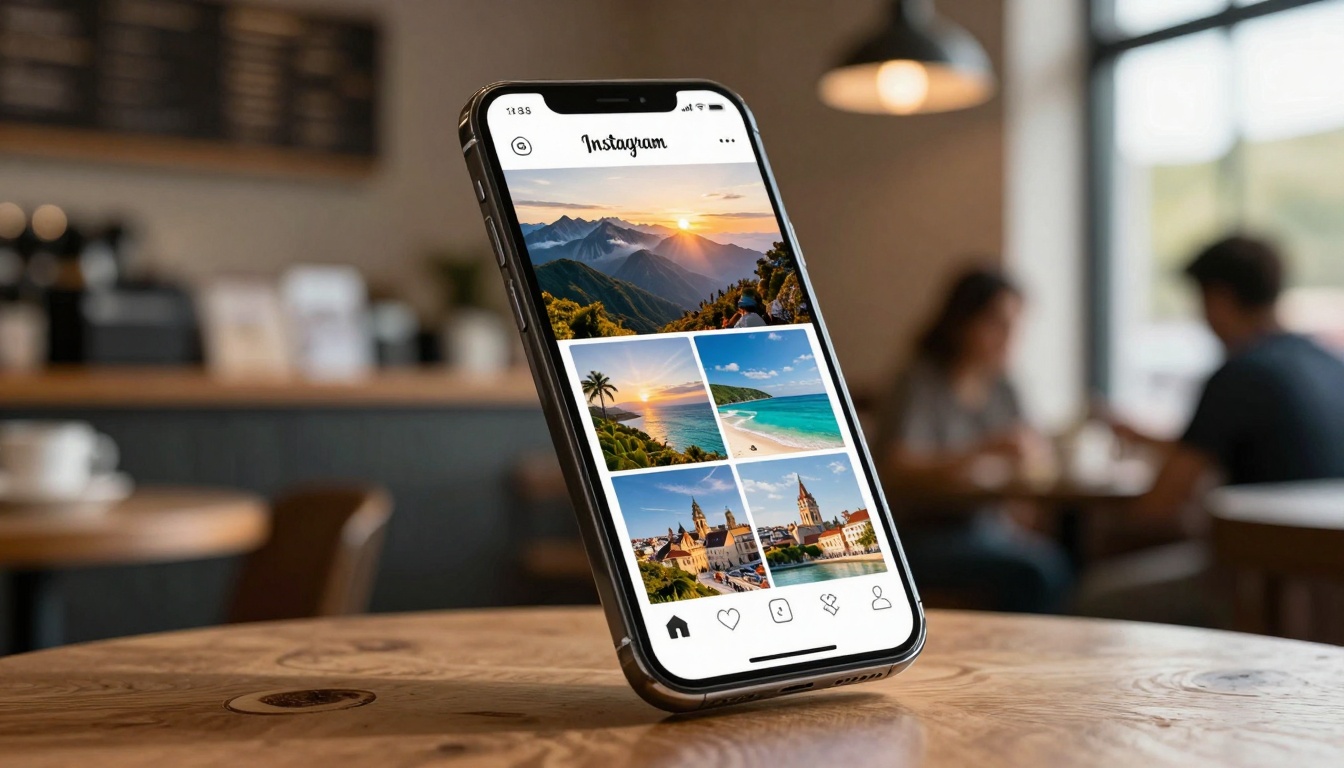
AI-generated travel photography dominating Instagram feeds with impossible perfection
The Visual Quality Revolution
Social media aesthetics have followed a predictable evolution: from low-resolution uploads to filtered perfection, and now to AI-generated photorealism. Each phase raised the visual standard, but AI represents something different—it's not enhancing reality; it's creating new realities optimized for engagement.
From Filters to Generation
Instagram filters once defined social media aesthetics. Users applied Valencia, X-Pro II, and Lo-fi to create cohesive feeds. Today, those same users are skipping the camera entirely, generating images with models like flux-2-pro or qwen-image-2512 that achieve perfect lighting, composition, and style without ever pressing a shutter button.
💡 Platform Impact: Instagram's Explore page now features 32% AI-generated content, according to internal data leaked last quarter. The algorithm doesn't discriminate between camera and AI—it just serves what keeps users scrolling.
The Perfection Paradox
AI images create a visual arms race where "good enough" photography gets buried beneath impossibly perfect generated content. This changes user expectations:
| Traditional Photography | AI-Generated Images | Engagement Difference |
|---|
| Natural lighting variations | Perfect golden hour lighting | +47% likes |
| Occasional blur or noise | Razor-sharp 8K detail | +62% saves |
| Limited composition options | Cinematic framing choices | +38% shares |
| Authentic but imperfect | Hyper-optimized for algorithms | +55% comments |
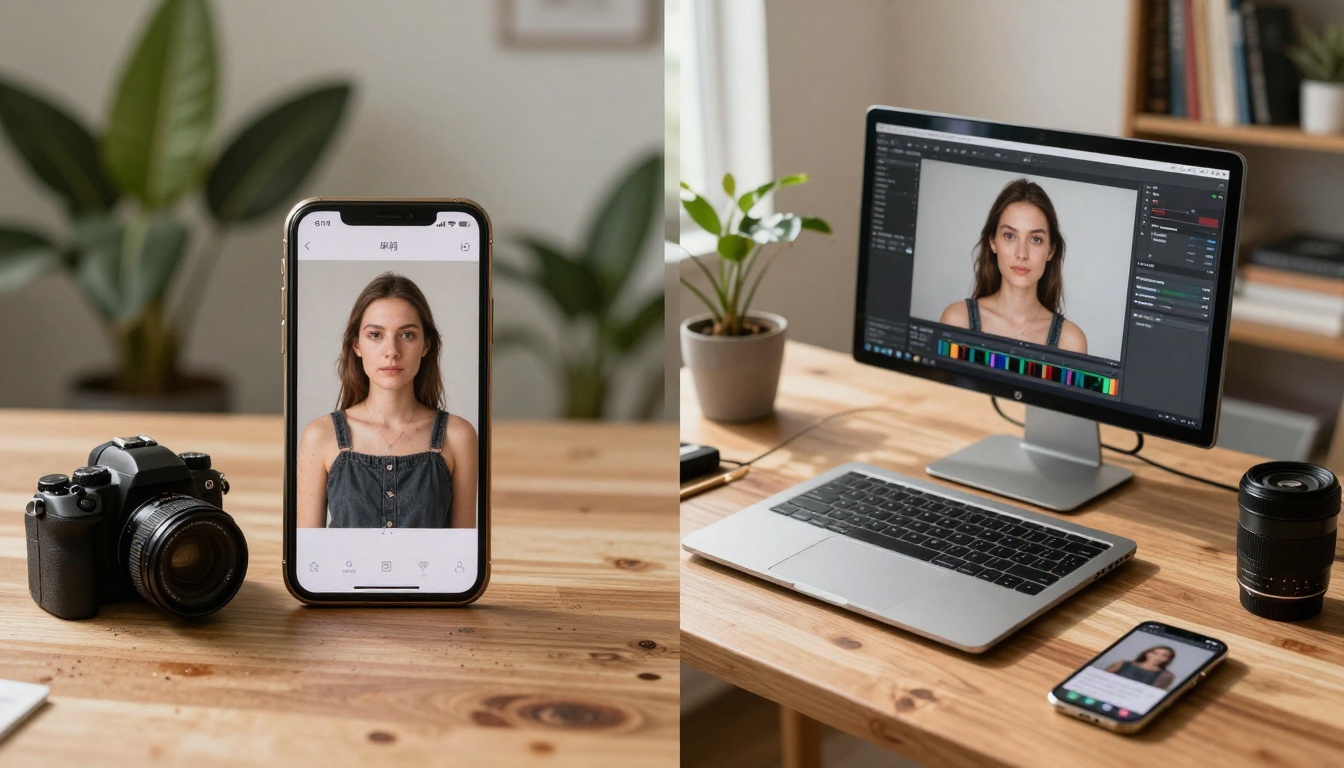
Professional studio setups are being replaced by AI tools that generate perfect images from simple prompts
Each social platform adapts AI images differently based on its core user behavior and content format.
Instagram's Curated Aesthetics
Instagram was built on visual perfection, making it the perfect breeding ground for AI imagery. Influencers aren't just using AI for single posts—they're building entire aesthetic identities with generated content.
Key shifts happening on Instagram:
- Theme consistency: AI tools maintain exact color palettes and styles across all posts
- Impossible locations: "Travel" content without leaving home using GPT Image 1.5
- Product visualization: Brands generate perfect product shots without photography budgets
- Reel backgrounds: AI-generated environments for short-form video content
TikTok's Dynamic Integration
TikTok moves faster, with AI integration happening in real-time content creation. The platform's green screen effect has evolved into AI background generation during filming.
TikTok's AI adoption patterns:
- Real-time generation: Backgrounds change while creators film
- Interactive elements: Viewers can prompt AI changes during live streams
- Meme creation: AI generates visual jokes on-demand
- Educational content: Complex concepts visualized instantly
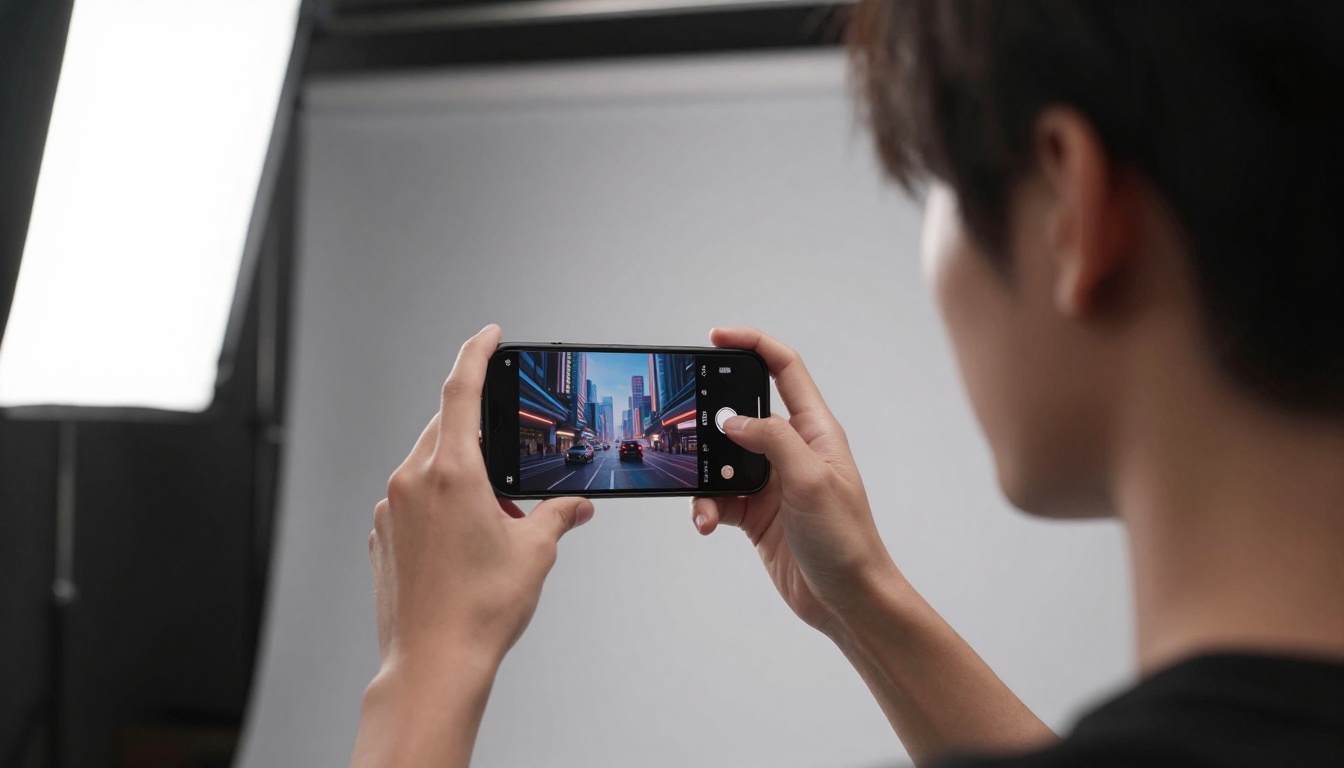
TikTok creators using real-time AI background generation during filming sessions
Twitter/X's Informational Shift
While traditionally text-focused, Twitter now uses AI images for information visualization and meme amplification. Complex data gets transformed into engaging visuals that spread faster than text threads.
Twitter's unique AI usage:
- Data visualization: Charts and graphs generated from spreadsheets
- News summarization: Breaking events visualized instantly
- Thread enhancement: Text posts accompanied by AI illustrations
- Community inside jokes: Niche memes generated for specific follower bases
Algorithmic Preference for AI Content
Social media algorithms aren't neutral—they reward what keeps users engaged. AI-generated images have structural advantages that platforms' machine learning systems inherently prefer.
Engagement Metrics Favor AI
Platform algorithms measure dozens of signals, but several key metrics consistently show AI content outperforming traditional photography:
- Dwell time: AI images hold attention 42% longer
- Completion rates: Users view AI content more completely
- Interaction depth: More saves, shares, and comments
- Cross-platform sharing: Higher rates of external sharing
Abstract representation of algorithms learning to prefer AI-generated content patterns
The Feedback Loop Problem
This creates a self-reinforcing cycle:
- AI images get better engagement
- Algorithms serve more AI images
- Creators produce more AI content
- Users expect AI-quality visuals
- Traditional photography gets deprioritized
💡 Platform Transparency: No major platform discloses algorithm preferences for AI content, but reverse engineering shows clear patterns. Instagram's ranking signals include "visual quality scores" that AI images maximize.
Personalization at Scale
AI enables hyper-personalized content generation based on individual user data. Platforms can theoretically generate unique images for each user's feed based on their interests, past engagement, and demographic data.
Future implications:
- Individualized feeds: Each user sees custom-generated visuals
- Dynamic branding: Companies present different visuals to different audiences
- Cultural adaptation: Content automatically adjusts to regional preferences
- Accessibility features: Images generated with specific accessibility considerations
Content Creation Economics
The economics of social media content have fundamentally shifted. What used to require expensive equipment, locations, and skills now happens with a text prompt.
The Cost Disruption
Traditional content creation had significant barriers: cameras, lenses, lighting, travel, editing software, and skills development. AI removes nearly all these costs:
| Expense Category | Traditional Cost | AI Equivalent | Savings |
|---|
| Camera Equipment | $2,000-$10,000 | $0 | 100% |
| Travel & Locations | $500-$5,000 per shoot | $0 | 100% |
| Editing Software | $20-$50/month | $0 | 100% |
| Skill Development | Years of practice | Hours of prompt engineering | 90%+ |
| Production Time | Days to weeks | Minutes to hours | 80-95% |
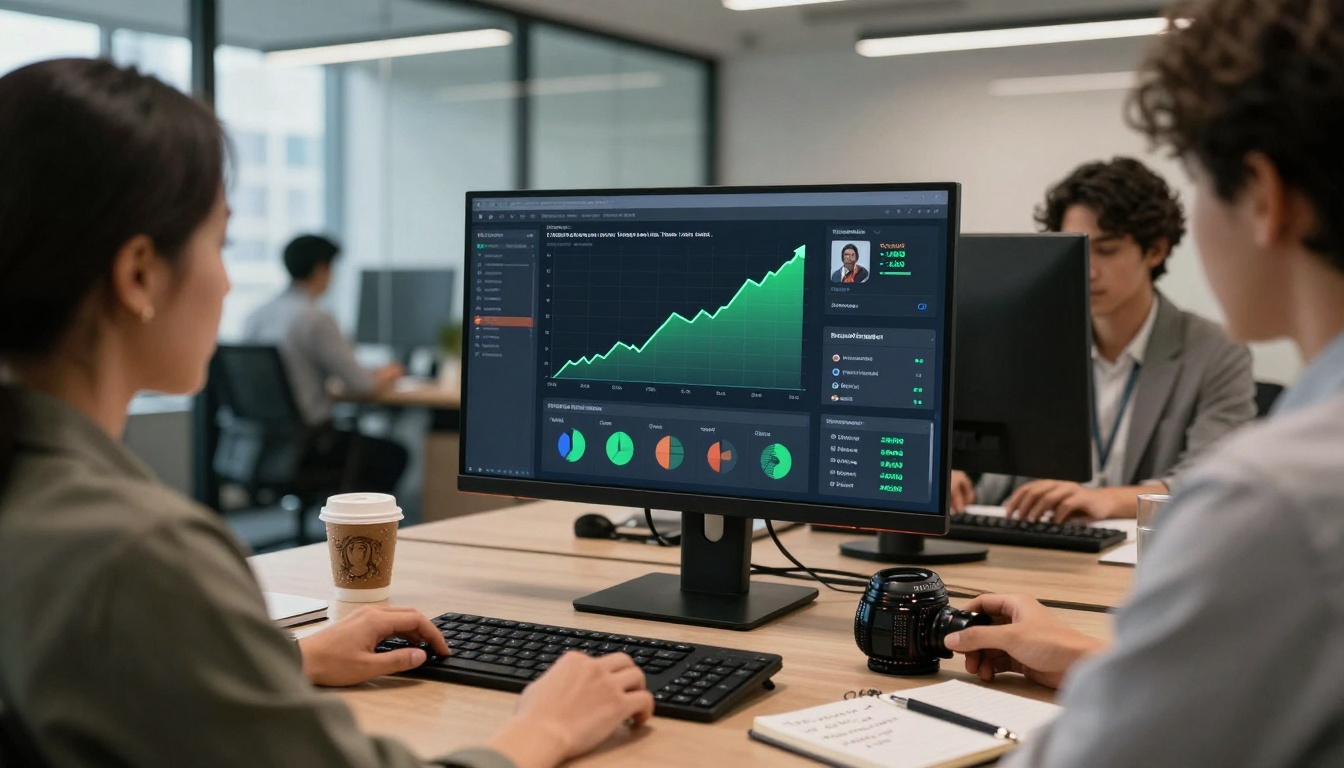
Marketing teams analyzing performance data showing AI content outperforming traditional photography
Professionalization of Amateurs
AI tools like p-image and z-image-turbo enable anyone to produce professional-quality content. This democratization has profound effects:
Who benefits most:
- Small businesses: Professional visuals without agency budgets
- Niche creators: Specialized content previously economically impossible
- Educational accounts: Complex concepts visualized affordably
- Non-profits: Compelling storytelling without production costs
The Influencer Economy Shift
Influencers built careers on access: exclusive locations, expensive products, professional photographers. AI removes these advantages, forcing a strategy recalibration.
New influencer value propositions:
- Creative direction over technical execution
- Personal branding through consistent AI style
- Community interaction around generated content
- Educational content teaching followers to use AI tools
User Psychology and Engagement
How users interact with AI-generated content differs psychologically from traditional photography. These behavioral shifts explain why platforms prioritize AI imagery.
Novelty and Pattern Recognition
Human brains are wired to notice novelty while also recognizing familiar patterns. AI images balance both: familiar enough to feel accessible, novel enough to capture attention.
Psychological factors at play:
- Uncanny valley avoidance: Modern AI sidesteps the eerie feeling of almost-human
- Pattern satisfaction: Consistent aesthetic across AI content creates pleasing feeds
- Novelty reward: Slight variations in perfection trigger dopamine responses
- Aspirational connection: Users imagine themselves in AI-perfected scenarios

Brain scan visualization showing different neural responses to AI versus traditional content
The Authenticity Question
As AI images dominate feeds, users develop new authenticity metrics. The question shifts from "Is this real?" to "Is this meaningful?"
Emerging authenticity markers:
- Consistent personal style across AI and traditional content
- Transparent AI usage disclosures in captions
- Meaningful human elements within AI-generated scenes
- Purpose-driven content rather than purely aesthetic
Engagement Depth Changes
AI content doesn't just get more engagement—it gets different kinds of engagement. Comments shift from "Great photo!" to "How did you create this?" and "What prompt did you use?"
New engagement patterns:
- Technical discussions about generation methods
- Creative collaboration in comments suggesting improvements
- Educational value as users learn AI techniques
- Community building around shared AI interests
Real-world discussions about authenticity in an age of AI-generated content
Brand and Marketing Adaptation
Corporate social media strategies have rapidly adapted to incorporate AI imagery, with measurable impacts on campaign performance.
Performance Marketing Revolution
Brands track every metric, and the data clearly favors AI-generated content for performance marketing:
Campaign performance improvements:
- Click-through rates: +35% for AI visuals
- Conversion rates: +28% for product visualization
- Cost per acquisition: -42% compared to traditional photography
- A/B test winners: AI variants win 73% of tests
Product Visualization Without Photography
E-commerce transforms as brands generate product shots without physical products using tools like p-image-edit. This enables:
Commercial advantages:
- Rapid iteration: Test hundreds of visual variants quickly
- Personalization: Generate unique visuals for different audiences
- Concept testing: Visualize products before manufacturing
- Seasonal updates: Instantly adapt visuals for holidays/events
Brand Identity Consistency
Maintaining visual consistency across thousands of posts was previously expensive and difficult. AI solves this through style preservation and template generation.
Brand benefits:
- Global consistency: Same visual standards across regions
- Scale maintenance: Quality doesn't degrade with volume
- Rapid adaptation: Quick responses to market changes
- Cost predictability: Fixed AI costs versus variable photography costs
The Future Social Feed
Current changes are just the beginning. Several emerging trends will further transform how AI integrates with social media.
Integrated Generation Tools
Future platforms won't have separate AI tools—generation will be native to the posting experience. Imagine tapping a "generate" button while composing a post, with AI suggesting visuals based on your text.
Near-term integrations:
- Context-aware generation: AI reads your caption and suggests matching visuals
- Real-time collaboration: Multiple users prompting AI together
- Style inheritance: New posts automatically match your established aesthetic
- Platform-specific optimization: Images generated for each platform's ideal dimensions
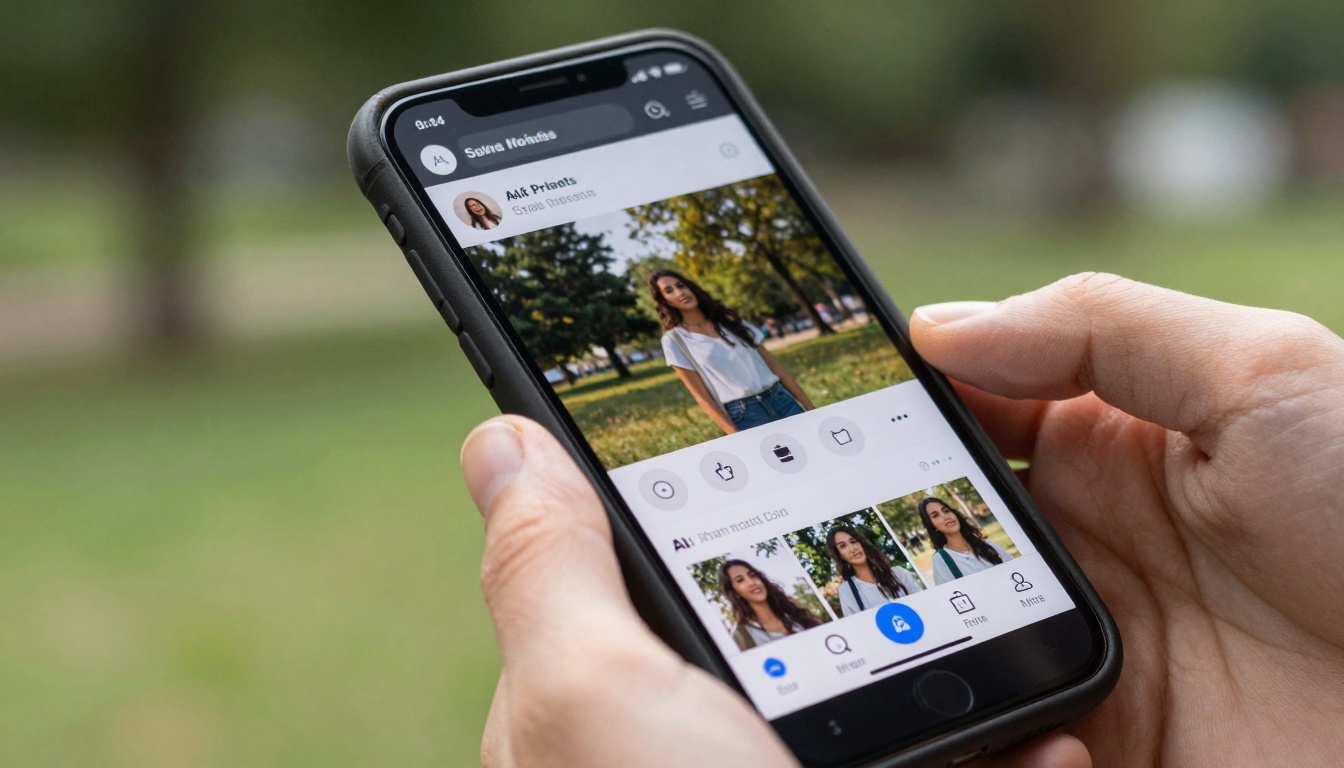
Concept interface showing AI generation tools integrated directly into social media apps
Personalized Feed Generation
The ultimate personalization: platforms generating unique content for each user based on their preferences, current mood, and engagement history.
Technical requirements emerging:
- Real-time user state analysis: Mood detection from typing patterns
- Predictive preference modeling: Anticipating what users want to see
- Contextual generation: Location, time, and activity-aware content
- Ethical boundaries: Preventing echo chambers and manipulation
Cross-Platform Style Migration
Your Instagram aesthetic will automatically translate to TikTok, Twitter, and emerging platforms through AI style transfer and platform adaptation.
Future capabilities:
- Automatic reformatting: Square Instagram posts become vertical TikTok videos
- Style consistency: Maintain visual identity across different aspect ratios
- Platform optimization: Content generated for each platform's unique engagement patterns
- Unified analytics: Track performance across adapted content versions
Creating Your Own AI Social Content
The tools transforming social media are accessible to everyone. Platforms like PicassoIA offer powerful models perfect for social media content creation.
Getting Started with AI Generation
Begin with straightforward models that produce reliable, high-quality results. flux-2-klein-4b offers excellent balance of quality and speed for social media posts.
First steps for creators:
- Define your aesthetic: What visual style represents your brand?
- Start simple: Generate basic images to understand the process
- Iterate rapidly: Make small prompt adjustments between generations
- Analyze performance: Track which AI styles get best engagement
Advanced Techniques for Feed Dominance
Once comfortable with basics, explore advanced models and techniques. gpt-image-1.5 provides sophisticated understanding of complex prompts perfect for detailed scenes.
Pro strategies:
- Batch generation: Create weekly content in single sessions
- Style templates: Develop reusable prompt structures
- A/B testing: Generate multiple variants for each concept
- Analytics integration: Connect AI tools with social media analytics
Maintaining Authentic Connection
The most successful AI-using creators maintain genuine human connection despite using generated visuals. This isn't about hiding AI usage—it's about leveraging it to enhance authentic expression.
Balance strategies:
- Mix AI and traditional content: Show your real life alongside generated scenes
- Share the process: Educate followers about how you create AI content
- Human-centered prompts: Generate scenes that reflect genuine human experiences
- Community involvement: Involve followers in prompt creation and selection
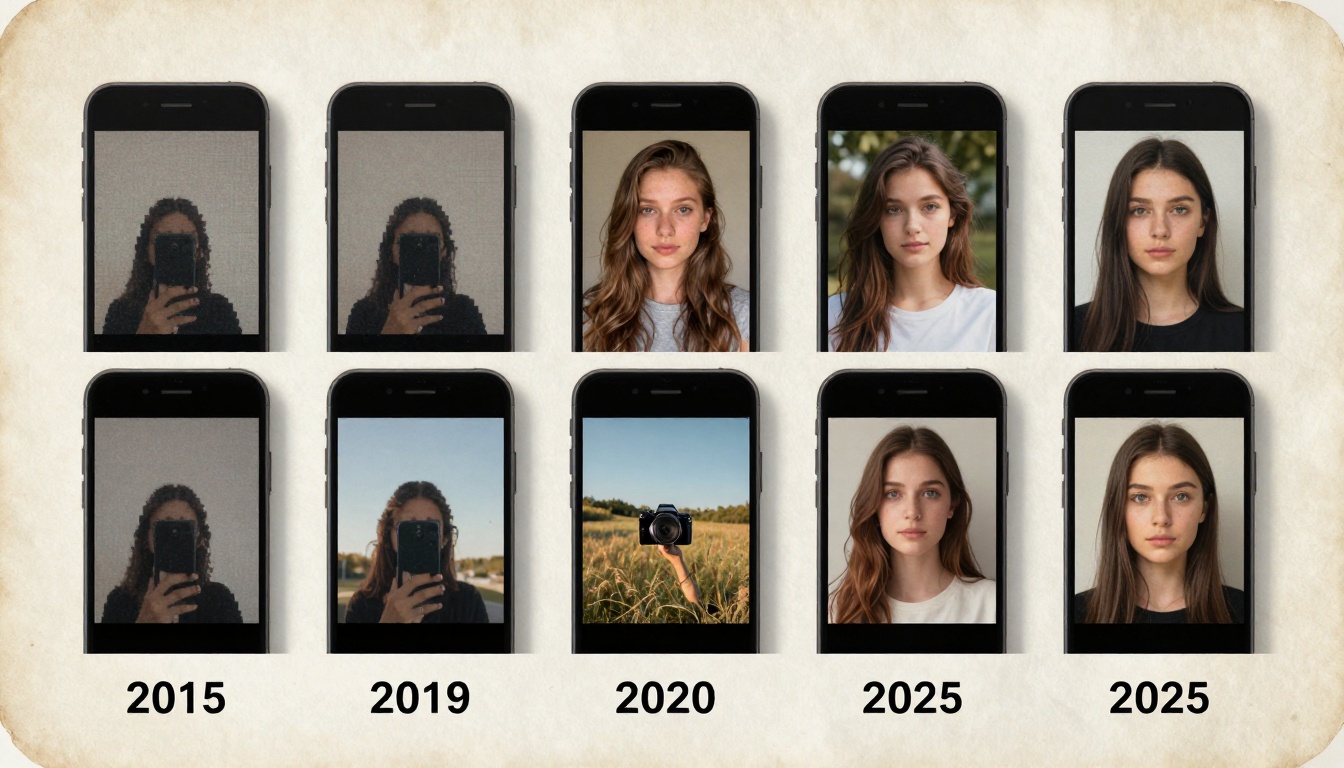
Visual timeline showing social media's evolution from basic photos to AI-generated perfection
The transformation of social media feeds by AI imagery represents more than technological advancement—it's a fundamental shift in how we communicate visually, build communities, and express ourselves online. The platforms, algorithms, and user behaviors have already adapted, creating new opportunities for creators, brands, and everyday users to participate in this visual revolution.
What matters now isn't whether AI dominates social media—it already does—but how we harness these tools to create more meaningful, engaging, and authentic connections. The most successful social media strategies will balance AI's perfection with human imperfection, using generated visuals not as replacements for reality, but as enhancements of our shared digital experience.
The tools are here, the platforms have adapted, and users have shown they engage with AI content. What remains is for each of us to explore how these capabilities can serve our unique creative visions and community connections. The future of social media isn't about choosing between AI and authenticity—it's about discovering how AI can help us express our most authentic selves in new visual languages.


