The digital landscape of adult entertainment is undergoing its most significant transformation since the internet's inception. What began as simple video sharing has evolved into a sophisticated ecosystem where artificial intelligence isn't just a tool—it's becoming the creative partner, the personalization engine, and the ethical framework shaping content creation. In 2027, we're witnessing a paradigm shift where AI technologies are redefining every aspect of intimate content production, distribution, and consumption.

The fusion of physical space and digital interface creates new possibilities for intimate experiences
How AI Image Generation Reshapes Visual Content
When you think about AI in adult entertainment, image generation stands as the most visible transformation. Platforms like PicassoIA offer powerful tools like prunaai/p-image and black-forest-labs/flux-2-pro that create photorealistic visuals indistinguishable from traditional photography. The difference? Complete creative control without logistical constraints.
💡 The Creative Advantage: With AI tools, creators can generate specific scenarios, characters, and settings that would require expensive location shoots, specialized models, or complex production setups. A single prompt can produce what previously needed weeks of planning.
The technical capabilities have reached astonishing levels. Consider these parameters available in modern AI image generators:
| Feature | Traditional Production | AI Generation |
|---|
| Location Variety | Limited by budget/travel | Unlimited virtual sets |
| Model Availability | Scheduling conflicts | Instant generation |
| Lighting Control | Complex setup required | Perfect in every image |
| Cost per Image | $500-$5,000+ | Pennies to dollars |
| Iteration Speed | Days to reshoot | Minutes to regenerate |
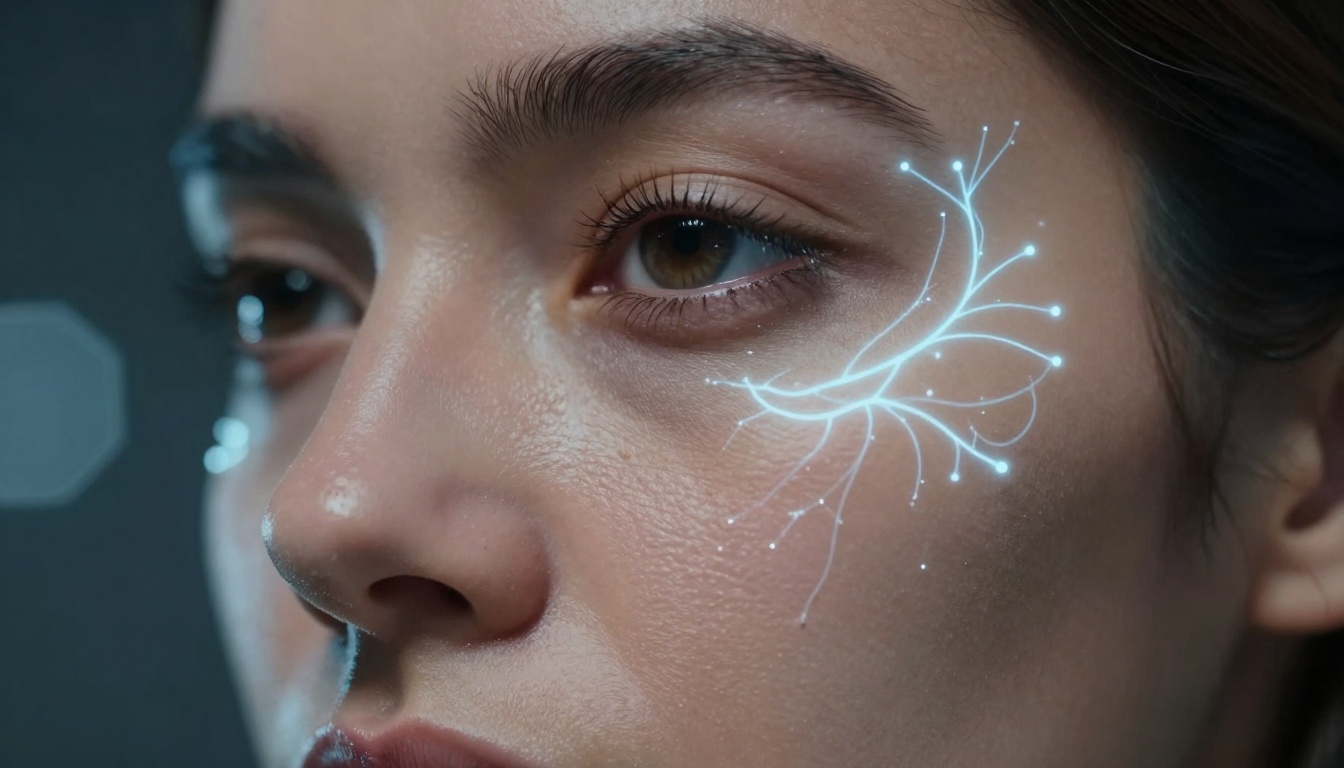
Direct neural interfaces represent the next frontier in immersive content
Personalization Algorithms: Beyond Basic Recommendations
The recommendation engines of 2027 don't just suggest similar content—they understand preferences at a psychological level. Machine learning algorithms analyze viewing patterns, interaction metrics, and even biometric feedback (when users opt-in) to create hyper-personalized experiences.
Three key developments in personalization:
-
Context-Aware Suggestions: Systems like those powered by google/gemini-2.5-flash understand not just what you watch, but why certain content resonates based on time of day, mood patterns, and viewing context.
-
Dynamic Content Adaptation: Some platforms now adjust lighting, pacing, and even narrative elements in real-time based on viewer engagement metrics. If attention wanes, the system can shift pacing or introduce new visual elements.
-
Ethical Preference Matching: Advanced systems prioritize content that aligns with users' stated ethical preferences around consent, representation, and production values.
The Rise of Interactive and Responsive Content
Static videos are becoming relics of the past. Today's cutting-edge platforms offer experiences that respond to viewer input in meaningful ways. This isn't just about choosing narrative branches—it's about content that adapts its visual style, pacing, and even emotional tone based on real-time feedback.

Performance art enhanced by real-time AI visual effects
Interactive elements now include:
- Biometric Response Systems: Content that adjusts based on heart rate, galvanic skin response (when using compatible hardware)
- Gaze Tracking: Scenes that focus on areas where viewers spend the most visual attention
- Emotional Recognition: Systems that detect facial expressions through webcams (with explicit consent) to tailor emotional content
- Voice Command Integration: Natural language processing allowing viewers to request specific scene elements or adjustments
The technology powering these experiences often comes from platforms like PicassoIA's video generation tools including wan-video/wan-2.6-i2v and google/veo-3.1, which enable rapid generation of responsive visual sequences.
AI in Content Creation Workflows
Professional creators aren't being replaced by AI—they're being augmented. The modern content creation studio in 2027 looks more like a tech startup than a traditional film set, with AI tools integrated at every stage of production.
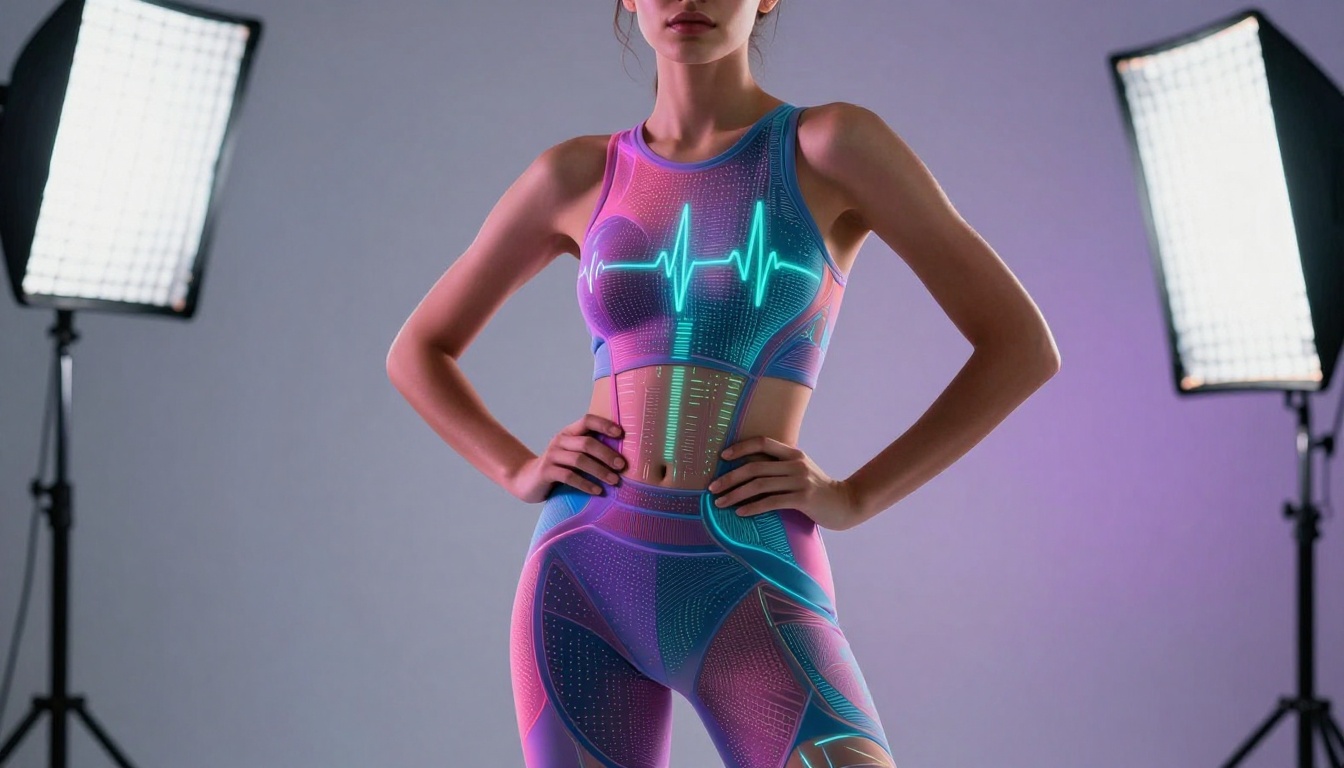
Smart fabrics and AI design create clothing that responds to biometric signals
The production pipeline now includes:
- Pre-visualization: Using tools like prunaai/p-image-edit to create concept art and storyboards before any physical production begins
- Virtual Location Scouting: Generating entire environments with stability-ai/stable-diffusion-3.5-large to test lighting and composition
- Digital Doubles: Creating consistent character models that can be used across multiple scenes without model availability issues
- Automated Editing: AI-assisted tools that identify optimal cuts, transitions, and pacing based on engagement data from similar content
💡 Workflow Efficiency: One creator reported reducing production time from three weeks to three days while increasing output quality, simply by integrating AI tools at strategic points in their workflow.
Ethical Considerations and AI Governance
As AI becomes more integrated into adult content creation, ethical frameworks have evolved significantly. The industry has moved from reactive policies to proactive governance structures that address concerns before they become problems.

Precise control over AI generation parameters ensures ethical content creation
Current ethical standards include:
- Explicit Consent Systems: All AI-generated content using human likeness requires documented consent from the individuals represented
- Age Verification Protocols: Multi-layered systems ensuring all participants and AI training data comply with legal age requirements
- Bias Mitigation: Regular audits of AI systems to identify and correct representation biases in generated content
- Transparency Standards: Clear labeling of AI-generated content and disclosure of tools used in creation
- Right to Digital Identity: Systems allowing individuals to control how their likeness is used in AI generation
Platforms facilitating this work often utilize sophisticated language models like anthropic/claude-4.5-sonnet to analyze content for compliance and generate ethical guidelines.
The business of adult entertainment has completely transformed. Where once revenue came primarily from subscription or pay-per-view models, AI enables entirely new economic structures.
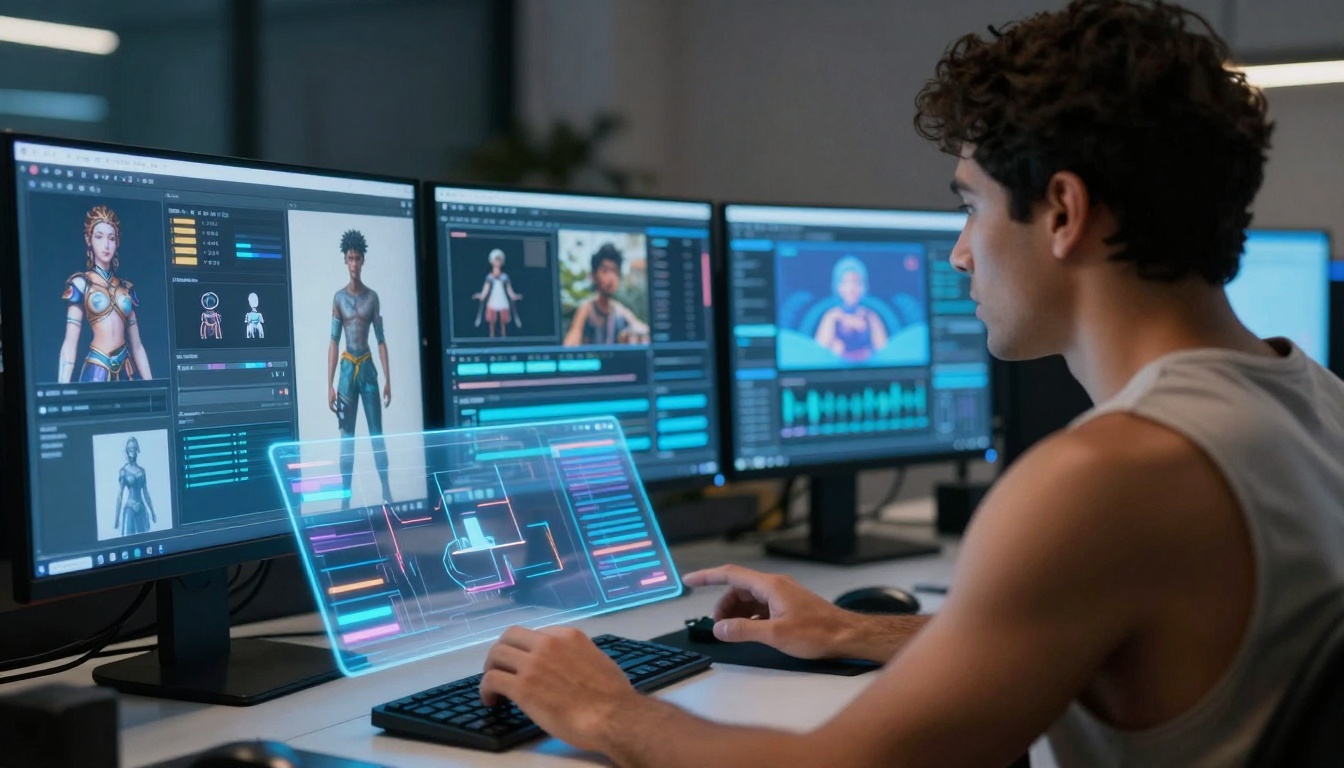
Modern creators work with AI tools as creative partners
Emerging revenue models include:
- Micro-licensing: Paying tiny fees for specific AI-generated elements used in larger productions
- Interactive Tier Pricing: Premium pricing for content with advanced AI interactivity features
- Creator Tool Subscriptions: Platforms like PicassoIA offering professional tiers of tools like black-forest-labs/flux-2-flex for commercial use
- Data Insights as Service: Anonymous, aggregated viewing data helping creators understand market trends
- AI Training Revenue: Creators earning when their content (with consent) contributes to improving AI models
The financial impact is substantial. Independent creators using AI tools report 300-500% increases in revenue while reducing production costs by 60-80%. This democratization has led to a explosion of diverse content that previously couldn't find funding through traditional channels.
Technical Infrastructure Requirements
Supporting this AI-driven ecosystem requires substantial technical infrastructure. The backend of modern adult platforms looks more like a research lab than a simple video hosting service.
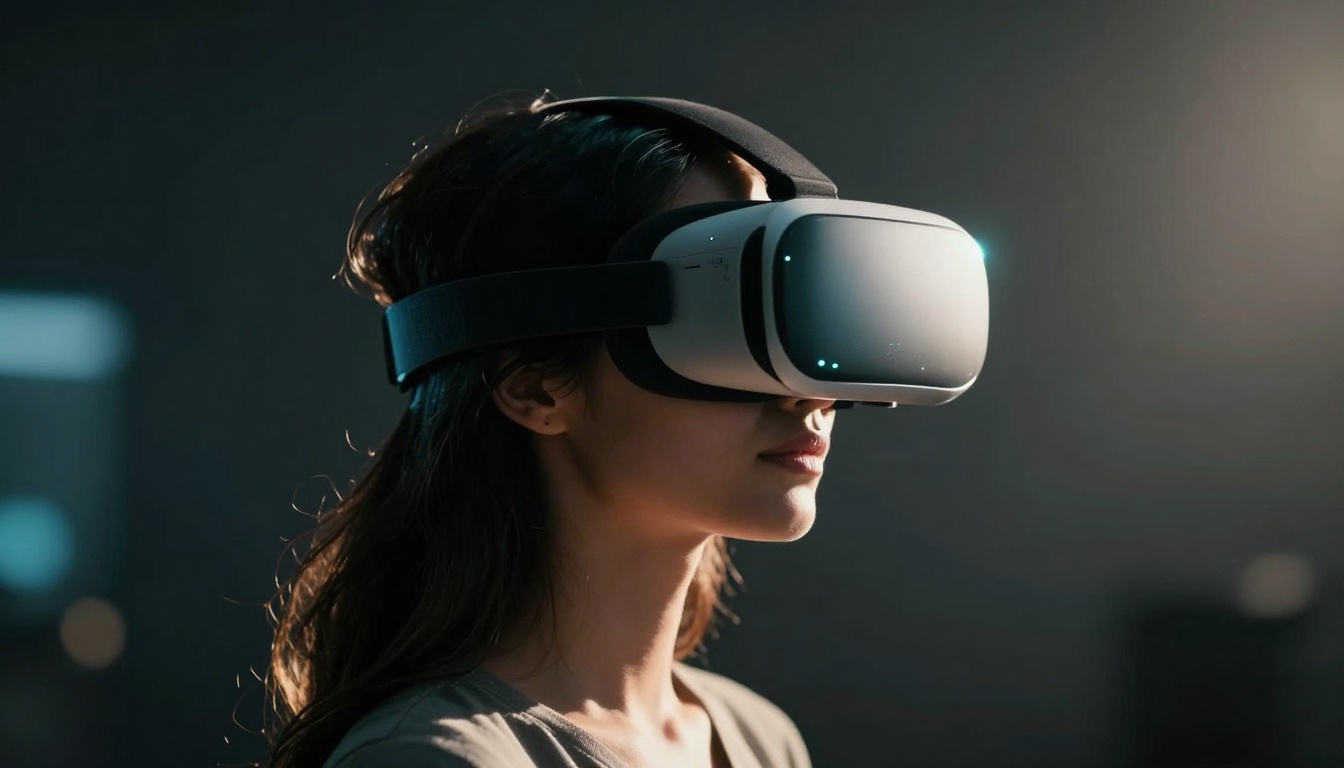
VR represents the peak of immersive AI-enhanced experiences
Core technical components include:
- Edge Computing Networks: Distributed processing to handle real-time AI generation without latency
- Federated Learning Systems: Training AI models across decentralized data while maintaining privacy
- Blockchain Verification: Immutable records of consent and content provenance
- Quantum-Resistant Encryption: Protecting sensitive user data and content
- Multi-Modal AI Integration: Combining image, video, audio, and textual AI systems into cohesive experiences
Platforms serving this market often build on foundation models available through services like PicassoIA, which provides access to specialized tools like bytedance/seedream-4.5 for image generation and openai/sora-2-pro for video creation.
User Experience and Interface Design
The frontend experience has evolved just as dramatically as the backend technology. Modern platforms prioritize intuitive interaction with complex AI systems, making sophisticated technology accessible to non-technical users.

AI-enhanced environments adapt to emotional states and interactions
Interface innovations include:
- Natural Language Prompting: Users describing what they want to see in plain language, with AI handling the technical implementation
- Visual Search: Uploading reference images to find or generate similar content
- Mood-Based Discovery: Selecting emotional states or atmospheres rather than specific categories
- Collaborative Filtering: Group viewing preferences influencing individual recommendations
- Adaptive Interfaces: Layouts and controls that change based on usage patterns and time spent
The most advanced platforms integrate multiple AI systems—using qwen/qwen-image-2512 for visual search, openai/gpt-5 for natural language processing, and minimax/video-01 for video generation—all through a unified interface.
Content Diversity and Niche Markets
One of AI's most significant impacts has been the explosion of niche content. Where traditional production focused on mainstream preferences (due to economic constraints), AI enables economically viable creation for virtually any interest or preference.

Live performance enhanced by AI-generated visual effects
Previously underserved markets now thriving include:
- Artistic and Cinematic Content: High-production-value content focusing on aesthetics and storytelling
- Educational and Informative Material: Content explaining aspects of relationships, consent, and communication
- Therapeutic Applications: Content designed for specific therapeutic contexts (with professional oversight)
- Cultural and Regional Specificity: Content reflecting specific cultural contexts and preferences
- Accessibility-Focused Content: Material designed for viewers with different abilities and needs
The tools enabling this diversity come from platforms offering specialized models like ideogram-ai/ideogram-v3-quality for artistic generation and luma/photon for high-quality visual production.
Quality Standards and Technical Excellence
As AI tools become more accessible, quality differentiation has emerged as a key competitive factor. The best content in 2027 doesn't just use AI—it uses AI expertly.
Technical quality markers include:
- Consistent Character Generation: Maintaining identical character appearances across multiple scenes and scenarios
- Physically Accurate Lighting: AI that understands real-world lighting physics rather than just aesthetic patterns
- Natural Movement Patterns: Generated movements that follow biomechanical principles
- Context-Aware Details: Backgrounds and environments that logically relate to foreground action
- Emotional Authenticity: Facial expressions and body language that communicate genuine emotional states
Achieving this level of quality requires sophisticated tools like black-forest-labs/flux-2-max for consistent character generation and kwaivgi/kling-v2.6 for natural movement in video content.
With great technological power comes great responsibility—particularly regarding user privacy and data security. The adult industry has become a leader in privacy-preserving technologies, often developing solutions that later spread to mainstream platforms.
Privacy innovations include:
- Differential Privacy: Statistical techniques ensuring individual data points cannot be reverse-engineered from aggregated data
- Homomorphic Encryption: Processing data while it remains encrypted, never exposing raw information
- Federated Identity Systems: User identities distributed across multiple systems, preventing single points of failure
- Consent Orchestration: Sophisticated systems managing layered consent for different data uses
- Automated Data Expiration: Systems that automatically delete data after specified periods unless explicitly renewed
These systems often incorporate AI models like meta/meta-llama-3.1-405b-instruct to analyze privacy policies and ensure compliance with evolving regulations.
The Role of Open Source and Community Development
Unlike many industries where AI development happens behind corporate walls, the adult entertainment sector has embraced open collaboration. Shared tools, open datasets (with proper consent and anonymization), and community-driven development have accelerated progress.
Community contributions include:
- Shared Model Fine-tunes: Community-created adaptations of base models for specific applications
- Open Source Tools: Production pipelines and workflow automation shared publicly
- Ethical Framework Development: Collaborative creation of industry standards and best practices
- Educational Resources: Tutorials and documentation helping new creators adopt AI tools responsibly
- Testing and Validation: Community testing of new tools and techniques before commercial release
This collaborative approach has been facilitated by platforms making professional tools accessible, such as PicassoIA's offering of models like prunaai/z-image-turbo for rapid prototyping and bytedance/seedance-1-pro for community video projects.
Future Developments on the Horizon
Looking beyond 2027, several emerging technologies promise to further transform the landscape:
- Full Sensory Integration: Systems engaging multiple senses beyond sight and sound
- Neural Interface Content: Direct brain-computer interfaces for completely immersive experiences
- Real-time Co-creation: Viewers and creators collaborating in real-time through AI mediation
- Emotional Biotechnology: Content that actively regulates viewer emotional states through biochemical feedback
- Cross-Reality Experiences: Seamless blending of physical reality with augmented and virtual elements
The tools enabling these futures are already in development, with platforms continuously expanding their offerings—from google/imagen-4 for next-generation image synthesis to wan-video/wan-2.6-t2v for advanced video generation.
Creating Your Own AI-Enhanced Content
The barrier to creating sophisticated content has never been lower. With platforms like PicassoIA providing professional-grade tools, anyone can explore AI-enhanced creation. Start with accessible models like prunaai/p-image for image generation or wan-video/wan-2.2-i2v-fast for video projects.
Beginner-friendly approach:
- Start with simple prompts describing basic scenarios or moods
- Experiment with different models to find which produces results matching your aesthetic
- Use reference images when available to guide generation toward specific styles
- Iterate gradually—small changes to prompts often produce dramatically different results
- Join creator communities to learn techniques and share discoveries
The most important shift in mindset: view AI not as replacement for human creativity, but as amplification of creative vision. The tools handle technical execution while you focus on artistic direction, narrative, and emotional resonance.
The transformation of adult entertainment through AI represents more than technological progress—it's a redefinition of creative expression, personal connection, and ethical responsibility. As these tools continue evolving, they promise not just better content, but better understanding of human intimacy, preference, and connection in the digital age.


