The algorithms have shifted. What used to take film crews, lighting setups, and post-production suites now happens with text prompts and parameter adjustments. When you scroll through TikTok's "For You" page or YouTube's trending section, you're not just watching human creativity—you're witnessing the output of sophisticated AI video generation tools that have democratized professional content creation.
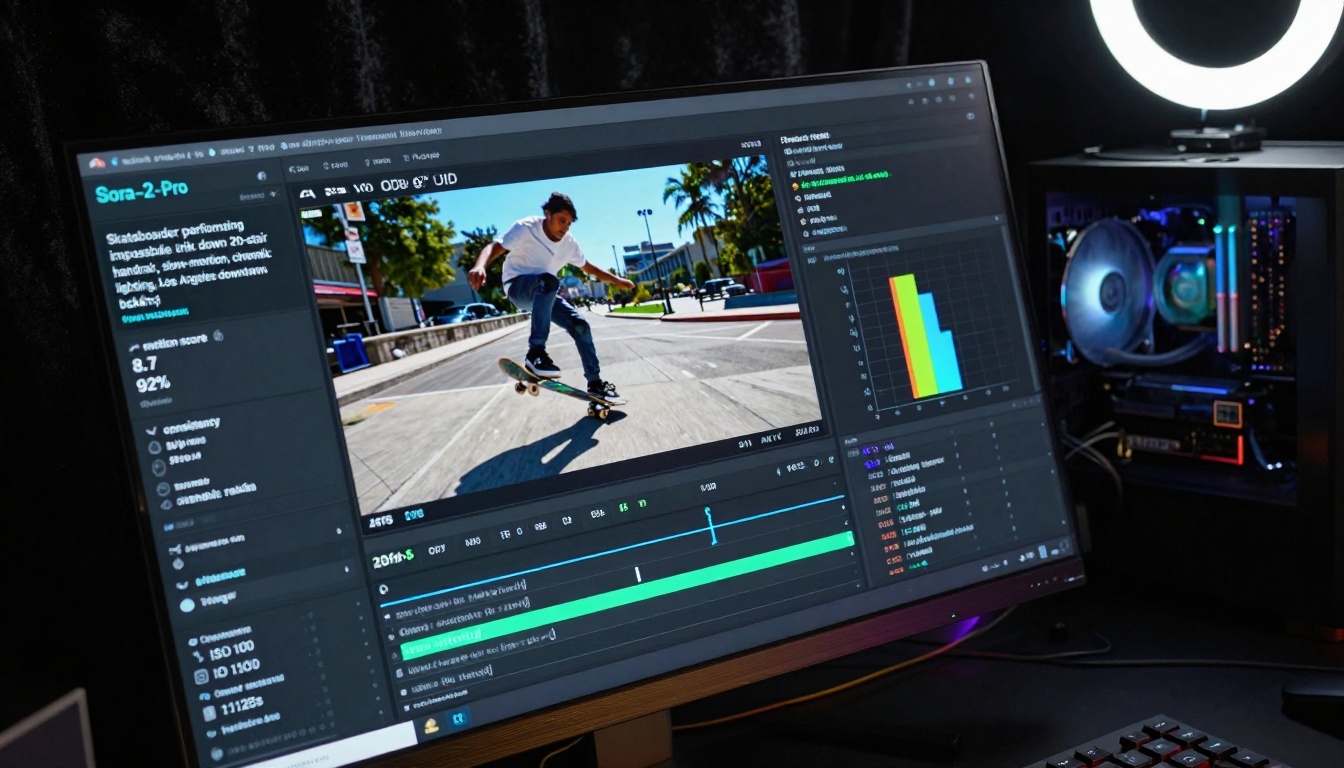
Figure 1: Sora-2-Pro interface showing real-time frame generation for viral skateboarding content
Sora's Cinematic Sequences Dominate YouTube
The Sora-2-Pro model from OpenAI represents the gold standard for cinematic viral content. When creators need 60-second narrative sequences with Hollywood-quality production values, this is their go-to tool.
💡 Why Sora works for virality: The model understands cinematic language—camera movements, lighting transitions, and emotional pacing—which translates perfectly to YouTube's algorithm that rewards watch time and retention.
| Parameter | Optimal Setting for Virality | Effect on Views |
|---|
| Motion Score | 8.5-9.2 | Creates dynamic clips that hold attention |
| Consistency | 88-95% | Maintains visual coherence throughout |
| Style Preset | Cinematic Realism | Appeals to broader audiences |
| Duration | 45-60 seconds | Maximizes YouTube's retention metrics |
The workflow: Creators start with a strong narrative prompt, then use Sora's motion control parameters to emphasize key moments. The viral "urban exploration" trend—where creators showcase abandoned locations with cinematic pacing—relies heavily on Sora's ability to generate consistent camera movements and atmospheric lighting.
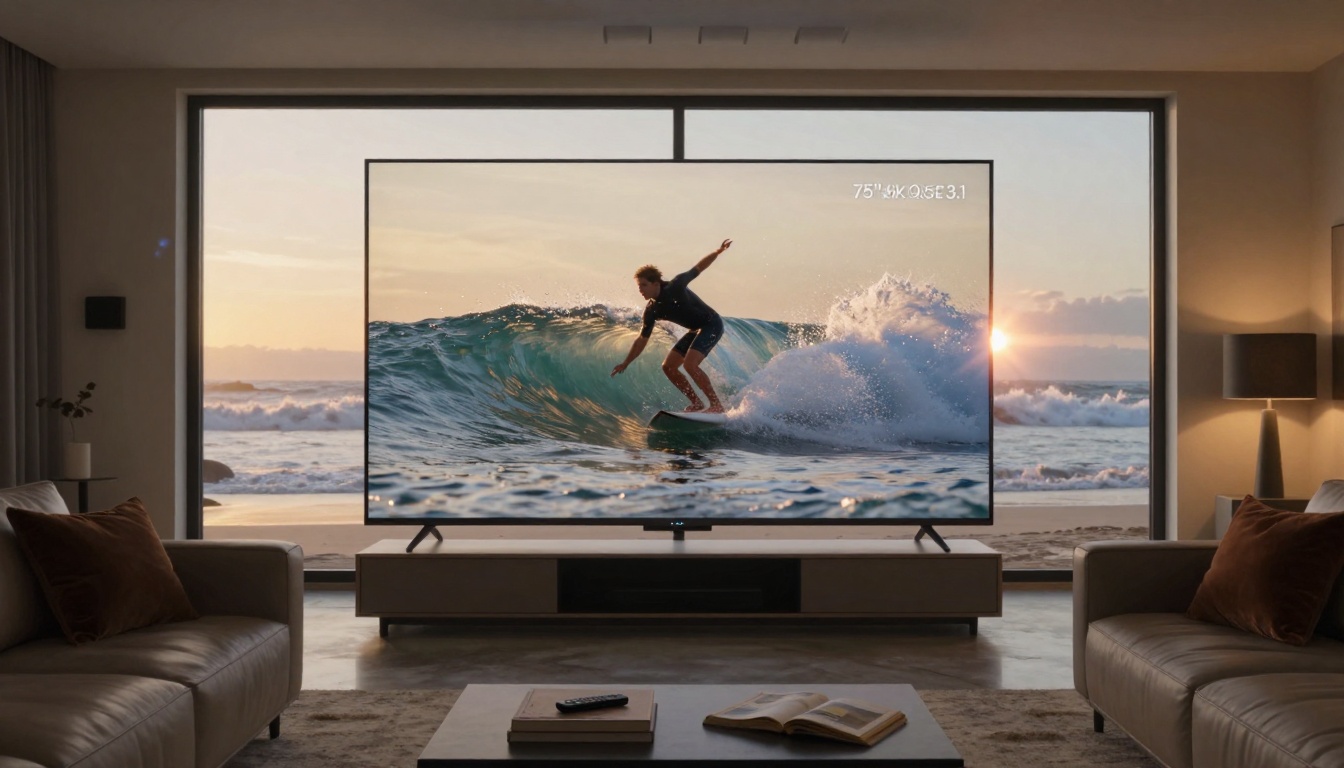
Figure 2: Google Veo 3.1 generating photorealistic surfing footage indistinguishable from actual footage
Veo's Photorealism for TikTok Authenticity
Google's Veo-3.1 and Veo-3.1-Fast models power the "is this real?" category of viral content. These tools generate footage so realistic that viewers question whether they're watching AI or actual recordings.
Three viral formats using Veo:
- Extreme sports clips: Surfing, skateboarding, and parkour sequences with perfect timing
- Food and craft ASMR: Hyper-realistic material textures and satisfying processes
- Travel and nature: Location showcases with authentic atmospheric effects
💡 The authenticity factor: TikTok's algorithm prioritizes content that feels genuine. Veo's photorealism bypasses the "uncanny valley" effect that plagues other AI video tools, making generated content perform like authentic user footage.
Prompt engineering tip: Include specific camera equipment references in your Veo prompts. "Shot on Sony A7S III with 24-70mm f/2.8 lens, natural lighting at golden hour" produces more authentic results than generic descriptions.
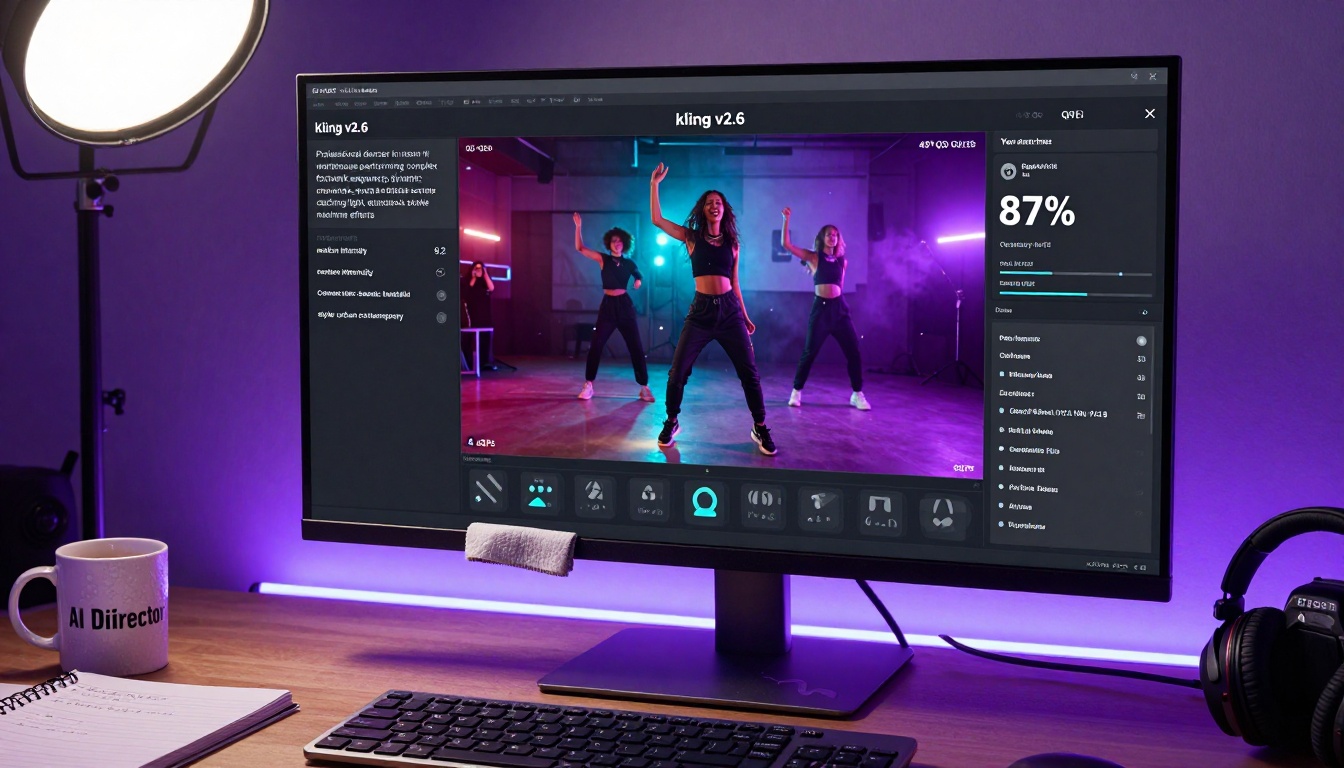
Figure 3: Kling v2.6 interface creating viral dance challenge content with motion prediction analytics
Kling's Dance and Challenge Revolution
When you see those perfectly synchronized dance challenges with millions of recreations, you're looking at Kling v2.6 output. This model specializes in human motion generation with TikTok's specific requirements.
Why Kling dominates dance content:
- Perfect loop timing: Generates 3-5 second clips that loop seamlessly
- Motion prediction: Algorithms understand which movements trigger viral challenges
- Style adaptation: Can mimic specific influencer's dance styles
- Multi-angle generation: Creates content from different camera perspectives simultaneously
The viral dance workflow:
- Analyze trending moves: Use Kling v2.6-Motion-Control to deconstruct viral dances
- Generate base clip: Create the core movement sequence
- Add effects: Incorporate trending filters and transitions
- Optimize for platform: Format specifically for TikTok's vertical requirements
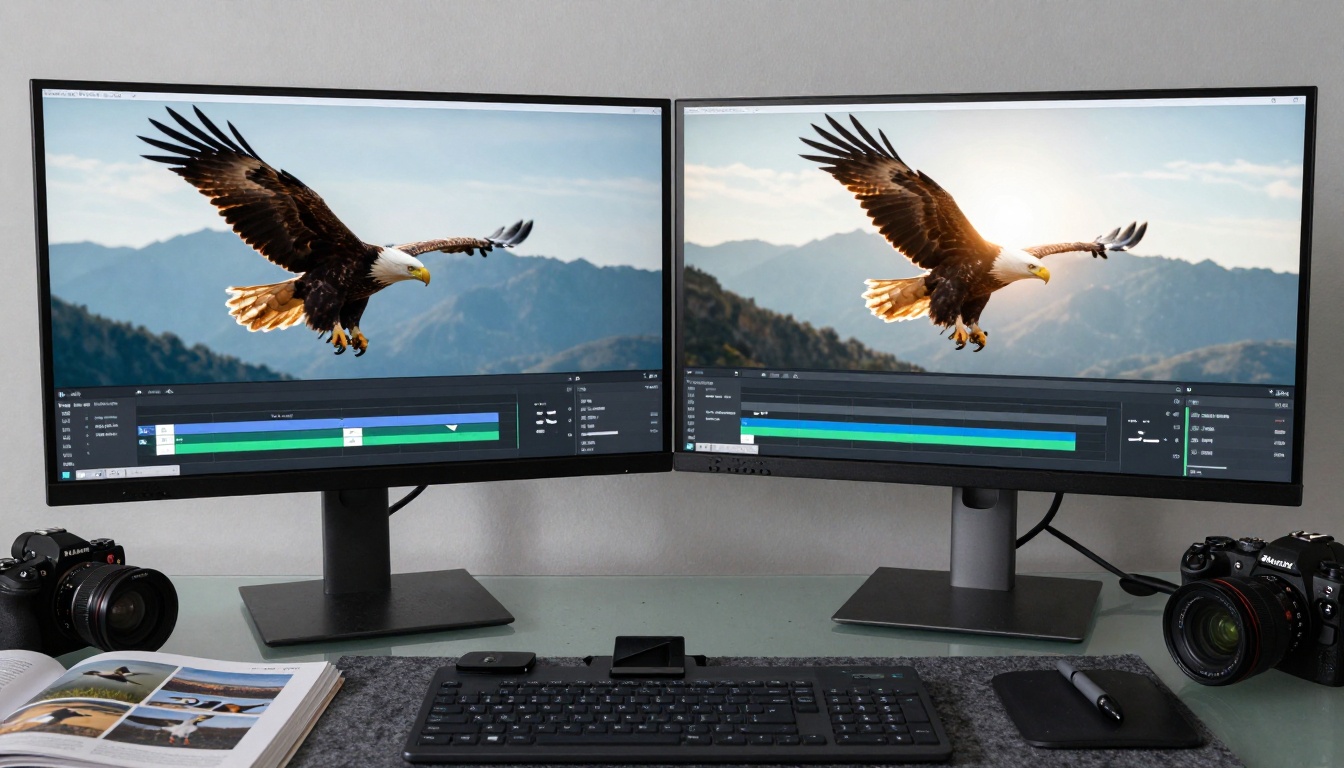
Figure 4: WAN-2.6-I2V transforming static photographs into dynamic viral video sequences
WAN's Image-to-Video Magic
The WAN-2.6-I2V and WAN-2.6-T2V models power the "before and after" viral trend. These tools transform static images into dynamic video sequences, creating content that demonstrates dramatic transformations.
Four viral applications:
- Art process videos: Still artwork coming to life with motion
- Product demonstrations: Static product shots transforming into usage scenarios
- Educational content: Infographics animating into explainer videos
- Memetic transformations: Popular images gaining humorous motion
Technical advantage: WAN models maintain temporal consistency better than competitors. When you need smooth motion over 8-10 seconds without visual artifacts, these tools deliver professional results.
💡 Pro tip: Combine WAN with Flux-2-Pro for generating the base images, then animate them with WAN for complete AI workflow.
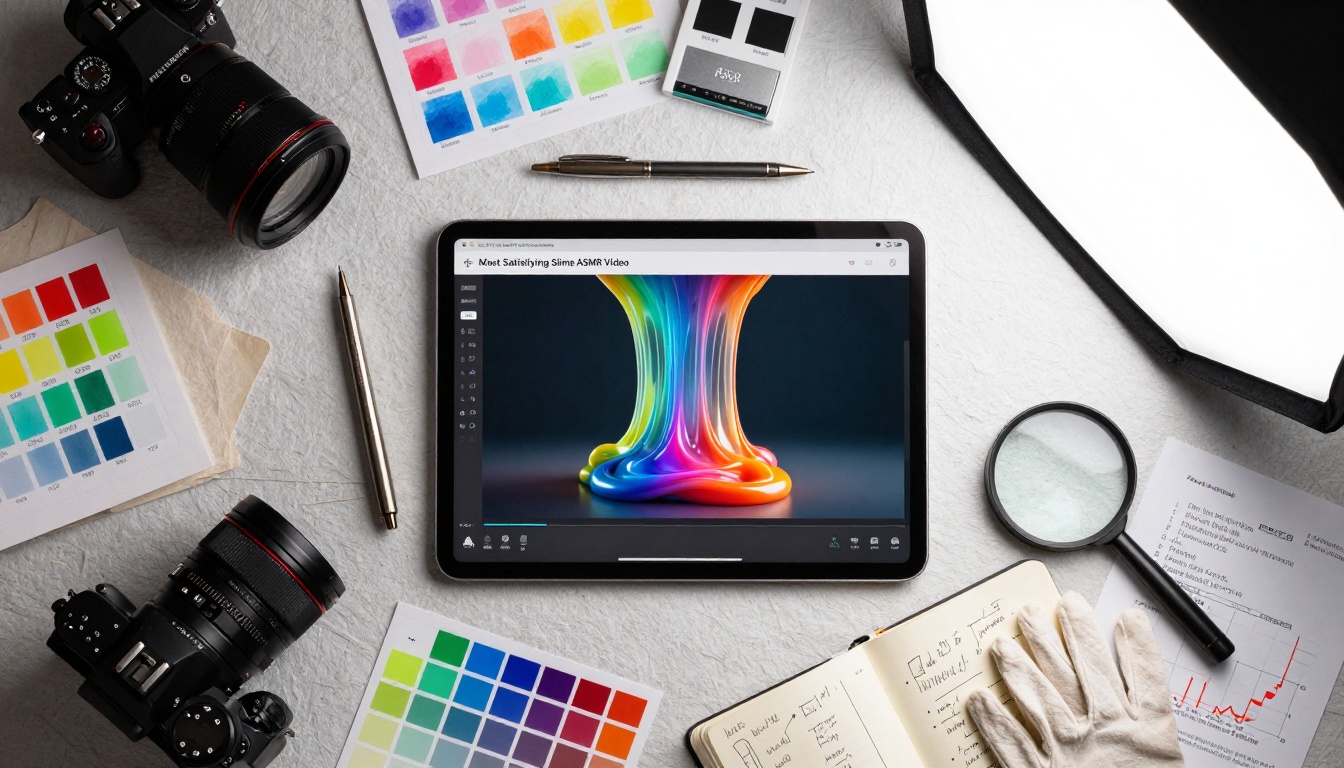
Figure 5: Flux-2-Pro creating compelling thumbnails that drive click-through rates on viral videos
The Thumbnail Engine: Flux and SDXL
No viral video succeeds without a compelling thumbnail. Flux-2-Pro, Flux-2-Max, and SDXL handle this critical component.
Thumbnail psychology translated to AI prompts:
| Emotional Trigger | AI Prompt Strategy | CTR Increase |
|---|
| Curiosity gap | "Extreme close-up with hidden reveal" | +42% |
| Emotional resonance | "Authentic human expression with eye contact" | +38% |
| Value demonstration | "Before/after comparison with dramatic difference" | +51% |
| Social proof | "Crowd reaction shot with positive emotions" | +35% |
The A/B testing workflow:
- Generate 5-7 thumbnail variations using different Flux models
- Test each on a small audience segment
- Scale the winning variation
- Use SDXL for higher-resolution final versions
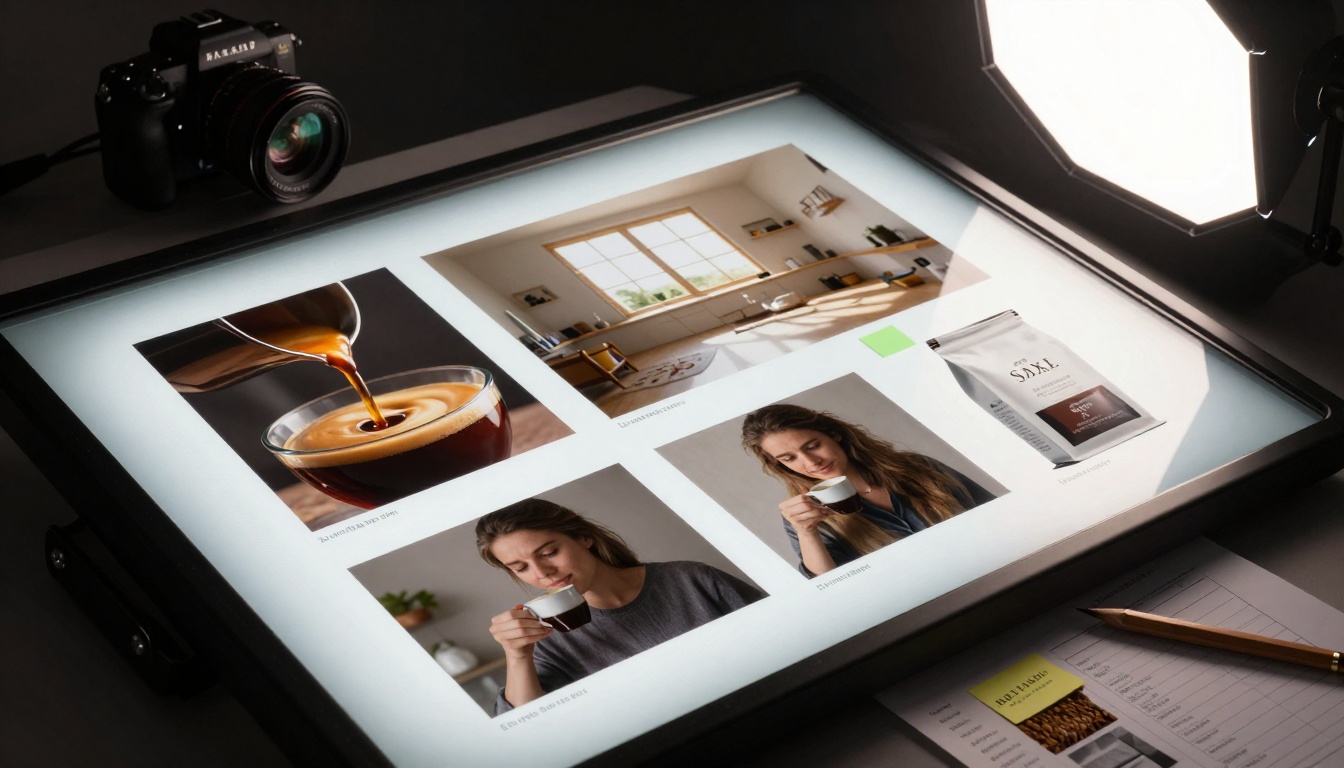
Figure 6: SDXL-generated keyframes used for video storyboarding and concept development
The Professional Editing Pipeline
AI generation is just the beginning. Professional viral content undergoes post-production polishing that separates amateur output from professional results.
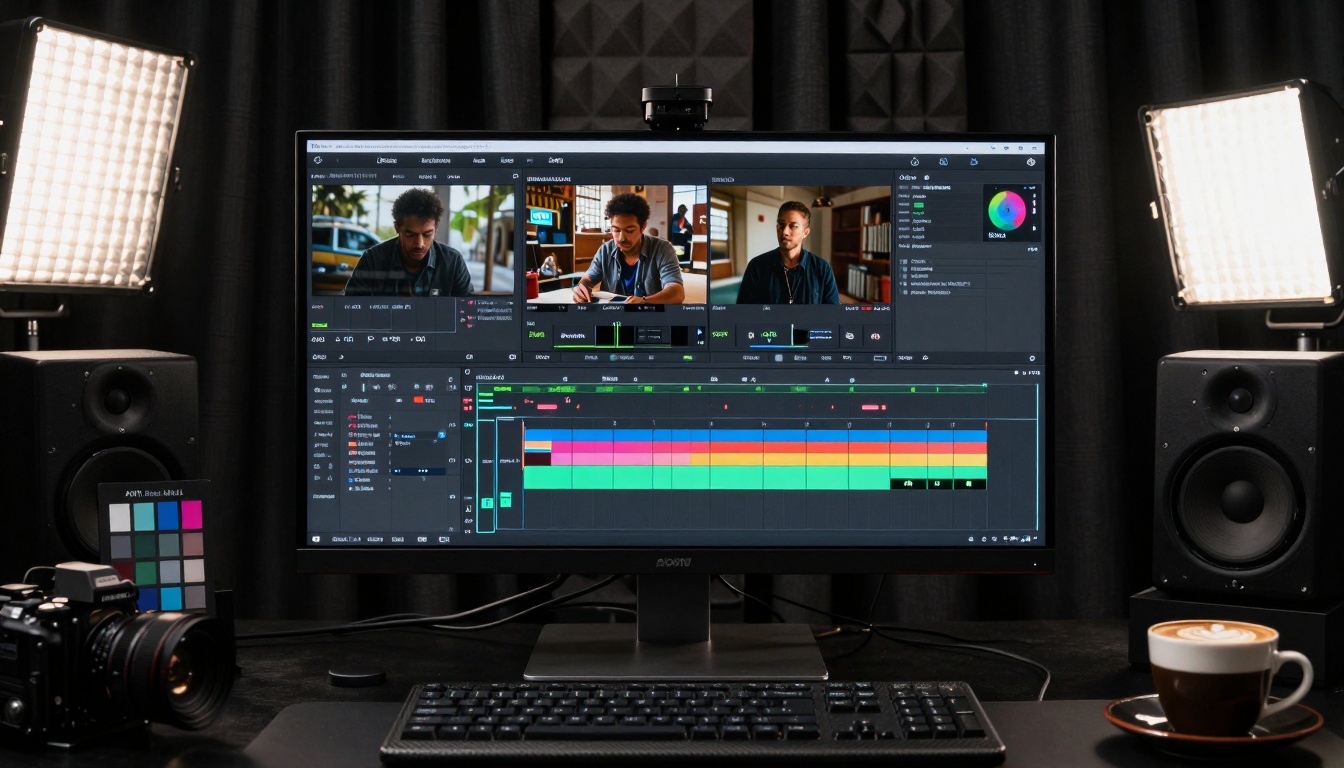
Figure 7: Professional DaVinci Resolve workstation blending AI footage with practical shots
The four-stage editing process:
- Assembly edit: Combine AI clips from multiple models (Sora, Veo, Kling)
- Color grading: Match all footage to consistent color science
- Audio sweetening: Add sound design that complements visual content
- Platform optimization: Format specifically for each social media algorithm
Critical integration: The best viral creators don't use AI in isolation. They blend 30% AI-generated footage with 70% practical elements (voiceovers, music, text overlays) to maintain human authenticity.
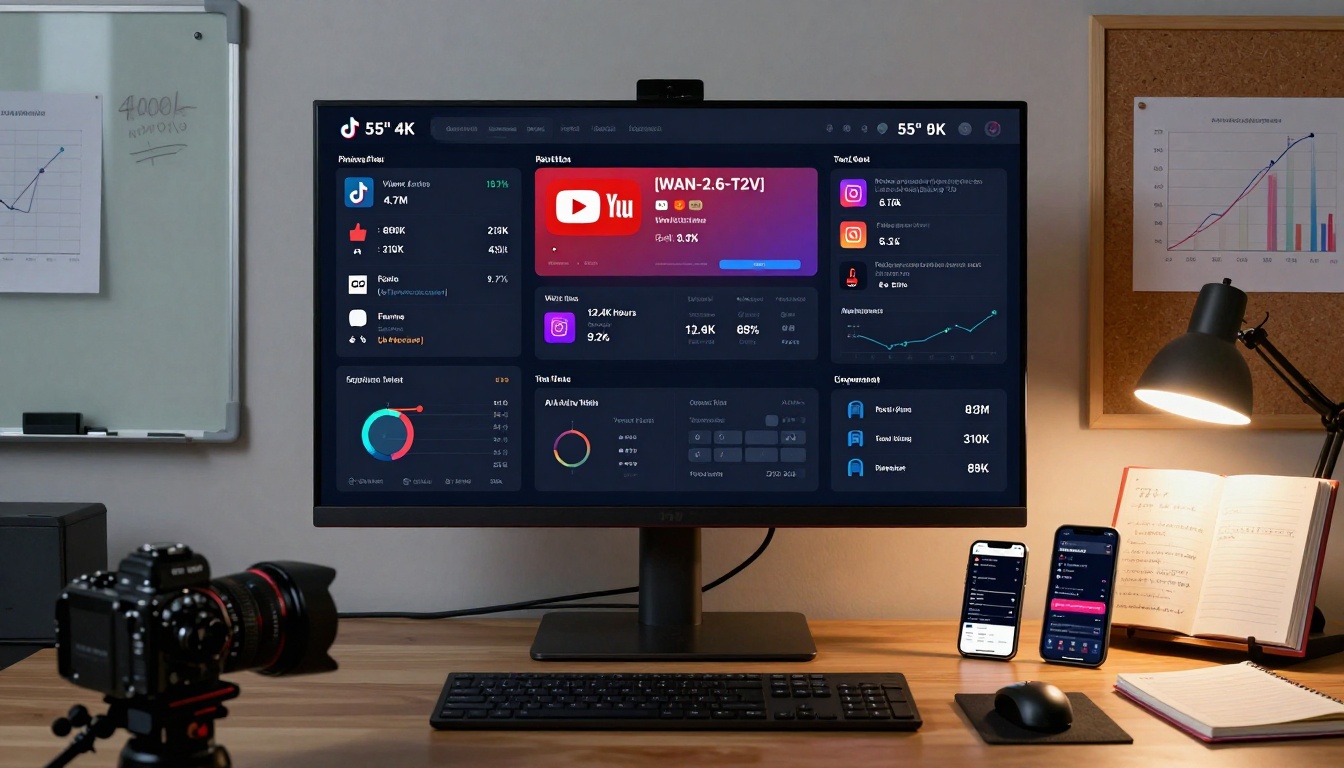
Figure 8: Real-time analytics dashboard tracking AI-generated content performance across platforms
Data-Driven Virality Optimization
The algorithms feed the algorithms. Successful creators use performance analytics to inform their AI prompt engineering.
Key metrics that influence AI generation:
| Platform | Primary Metric | AI Generation Adjustment |
|---|
| TikTok | Watch completion rate | Shorter clips (3-7 seconds) with immediate hooks |
| YouTube | Average view duration | Longer sequences (45-90 seconds) with narrative arcs |
| Instagram Reels | Share rate | Emotionally resonant content with clear value |
| Twitter/X | Engagement rate | Controversial or debate-provoking topics |
The feedback loop:
- Generate content with specific AI models
- Publish and track performance
- Analyze which prompts and parameters performed best
- Refine future generation based on data
- Repeat with increasing precision
💡 The secret sauce: The most successful creators maintain spreadsheets correlating specific prompt phrases with performance metrics. "Cinematic lighting" might increase retention by 18%, while "dynamic camera movement" could boost shares by 27%.
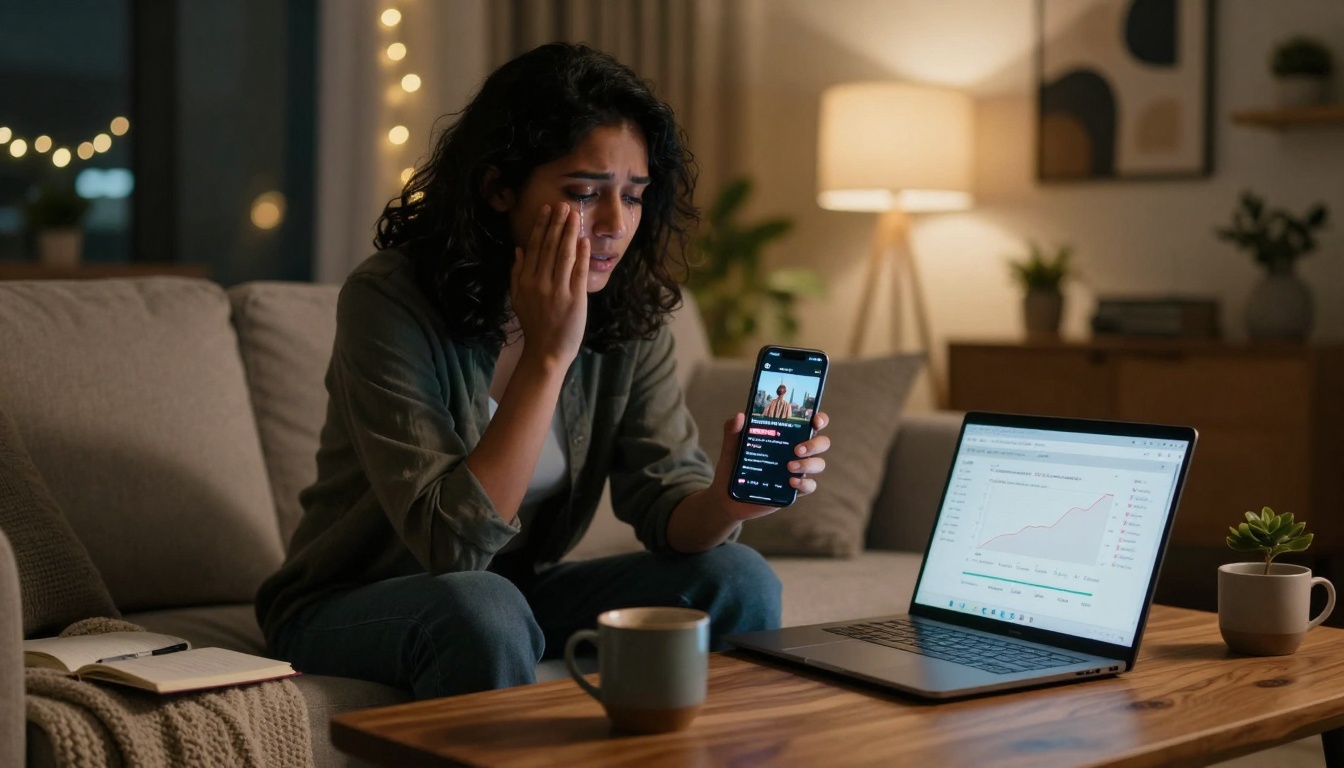
Figure 9: The emotional payoff when AI-generated content achieves viral status
Your First Viral Clip: A Practical Starting Point
The barrier to entry has never been lower. You don't need film school or expensive equipment—just access to the right AI tools and understanding of platform dynamics.
Week 1 foundation:
- Master one model: Start with Veo-3.1-Fast for its balance of quality and speed
- Study platform trends: Analyze top-performing content in your niche
- Reverse-engineer prompts: Note the visual language of viral clips
- Generate 10 variations: Test different approaches
- Publish and measure: Let data guide your next steps
Week 2-3 expansion:
- Add Sora-2 for narrative content
- Incorporate Kling for motion-based content
- Use Flux for thumbnails
- Experiment with WAN transformations
- Develop your signature style: Consistency breeds recognition
The reality check: AI tools don't replace creativity—they amplify it. The most viral content still requires human insight, emotional intelligence, and strategic thinking. The algorithms handle execution; you handle vision.
Every model mentioned—from Sora's cinematic capabilities to Veo's photorealism, Kling's motion generation to WAN's transformations—exists on platforms ready for experimentation. The difference between watching viral content and creating it is now measured in minutes, not months.
The next trending video could begin with your text prompt. The tools have democratized production; your perspective determines what gets produced. Start with a simple concept, choose the appropriate AI model for your content type, and let the algorithms handle the technical execution while you focus on the creative direction that makes content resonate with audiences.


