
Social media isn't just another distribution channel - it's a distinct visual language with its own grammar, pacing, and consumption patterns. AI video generators that understand this distinction produce content that doesn't just work on these platforms but feels native to them. The difference between generic AI video output and social-optimized content comes down to understanding platform algorithms, user behavior, and the specific technical requirements that drive engagement.
When you scroll through TikTok, Instagram Reels, or YouTube Shorts, you're not watching traditional video content. You're experiencing a specific format optimized for mobile consumption, short attention spans, and algorithmic distribution. Traditional video production workflows struggle to adapt to these constraints, but AI video generators built with social media in mind embrace them as core design principles.
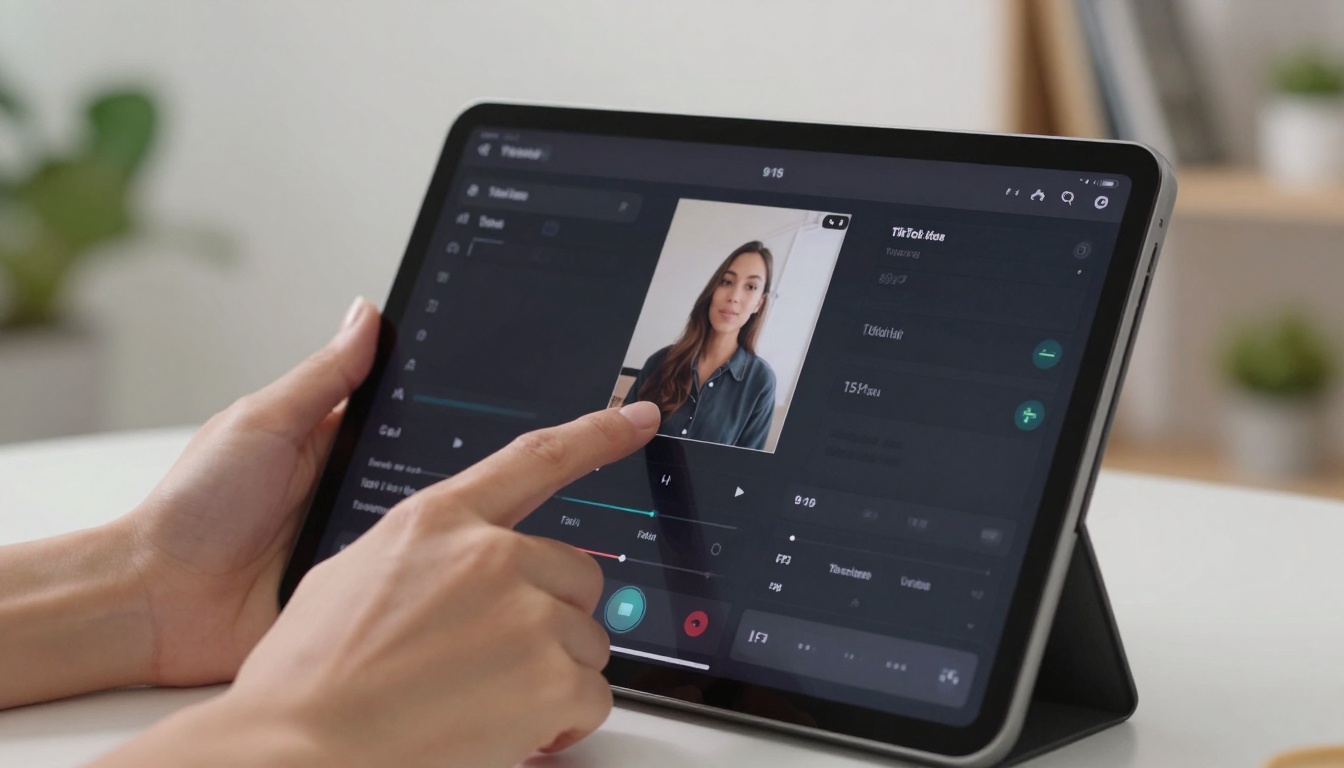
Social media platforms have evolved beyond simple content sharing into sophisticated algorithm-driven ecosystems. Each platform's recommendation system responds to specific signals:
- Retention rates: How long viewers watch before scrolling
- Completion rates: Percentage of viewers who watch to the end
- Engagement metrics: Likes, comments, shares, saves
- Session time: How your content affects overall platform usage
AI video generators that produce social-optimized content understand these metrics aren't just vanity numbers - they're the language platforms use to evaluate content quality. A video that holds attention for 15 seconds on TikTok achieves different algorithmic outcomes than a video with the same content but poor retention patterns.
💡 Platform algorithms reward content that keeps users on their platform longer. AI generators producing social-optimized videos focus on pacing, visual hooks, and retention techniques that align with platform preferences.
The Technical Constraints of Social Media Video
Social media imposes specific technical requirements that affect both content creation and distribution:
| Platform | Optimal Duration | Aspect Ratio | File Size Limit | Recommended Frame Rate |
|---|
| TikTok | 15-60 seconds | 9:16 | 287.6 MB | 30 fps |
| Instagram Reels | 15-90 seconds | 9:16 | 100 MB | 30 fps |
| YouTube Shorts | 15-60 seconds | 9:16 | 256 MB | 30-60 fps |
| Facebook Reels | 15-90 seconds | 9:16 | 4 GB | 30 fps |
These constraints aren't arbitrary limitations - they reflect how each platform's algorithm processes and distributes content. AI video generators that output social-optimized videos bake these parameters into their generation process rather than treating them as post-production adjustments.

Several AI video models on platforms like PicassoIA demonstrate sophisticated understanding of social media requirements. These models don't just generate video - they generate platform-ready content with the right specifications baked in.
WAN 2.2 I2V Fast Model
The WAN 2.2 I2V Fast model exemplifies social-optimized AI video generation. Its design priorities include:
- Fast generation times (under 60 seconds for 15-second clips)
- Vertical format optimization (9:16 aspect ratio as default)
- Mobile-friendly compression (optimized for platform upload limits)
- Retention-focused pacing (quick cuts and visual hooks built in)
This model understands that social media content operates on different time scales than traditional video. The "fast" in its name refers not just to generation speed but to content pacing - the rhythm of cuts, transitions, and visual developments that keeps mobile viewers engaged.
Kling v2.6 with Motion Control
Kling v2.6 brings sophisticated motion control to social video generation. Its capabilities align perfectly with platform trends:
- Camera movement simulation that mimics popular social media styles
- Subject tracking optimized for vertical framing
- Dynamic pacing that matches platform consumption patterns
- Visual complexity balanced against mobile processing limitations
The model's motion control features understand that social media video often employs intentional camera movement as an engagement tool - pans, zooms, and tracking shots that create cinematic feel within vertical constraints.
Veo 3.1 Fast for Quick Iteration
Veo 3.1 Fast addresses a critical social media need: rapid iteration. Content creators testing different approaches need quick feedback loops. This model delivers:
- Sub-minute generation for testing concepts
- Parameter presets for different platforms
- Consistent style across iterations
- Quality optimization for mobile displays
Social media success often involves testing multiple variations of a concept. Veo 3.1 Fast's speed enables creators to experiment with different prompts, styles, and approaches without the time investment of traditional video production.
The Anatomy of Social-Optimized AI Video
What separates social-optimized AI video from generic output? Several technical and creative elements work together:
Vertical Composition Intelligence
Social-optimized AI generators understand that vertical framing requires different compositional rules than horizontal formats. They prioritize:
- Center-weighted subjects that work in 9:16 aspect ratio
- Negative space placement for text overlays and interface elements
- Visual hierarchy that guides attention in portrait orientation
- Framing that considers thumb navigation and interface chrome
Traditional video composition rules assume widescreen formats. Social-optimized AI applies vertical-specific composition principles learned from analyzing thousands of successful social media videos.
Pacing and Rhythm Built-In
The temporal structure of social media video follows specific patterns:
| Time Segment | Typical Content | AI Generation Approach |
|---|
| 0-3 seconds | Visual hook, text overlay | High visual impact, immediate subject reveal |
| 3-8 seconds | Core content development | Progressive reveals, motion development |
| 8-12 seconds | Climax or key moment | Peak visual interest, emotional payoff |
| 12-15 seconds | Resolution or call-to-action | Clean ending, natural stopping point |
Social-optimized AI video generators structure content along these temporal guidelines rather than applying one-size-fits-all pacing.
Audio-Visual Synchronization

Social media video success often depends on audio-visual sync - the relationship between what viewers see and what they hear. AI models optimized for social media understand:
- Beat matching visual cuts to audio rhythm
- Text overlay timing relative to spoken content
- Visual emphasis coinciding with audio peaks
- Pacing alignment with trending audio formats
This synchronization isn't accidental - it's programmed into the generation logic based on analysis of viral content patterns across platforms.

Different social platforms reward different content approaches. Social-optimized AI video generators can tailor output to platform-specific preferences:
TikTok-Optimized Generation
TikTok's algorithm prioritizes authenticity, trend participation, and community value. AI video for TikTok should emphasize:
- Raw aesthetic over polished production
- Trend integration through visual and audio cues
- Educational or entertainment value within short format
- Community interaction prompts built into content
Models like Seedance 1.5 Pro understand TikTok's unique culture, producing content that feels native to the platform's creative community.
Instagram Reels Optimization
Instagram Reels balance aesthetic quality with platform trends. Effective AI generation for Reels includes:
- High production values within vertical constraints
- Trend awareness without slavish imitation
- Brand alignment for business accounts
- Cross-platform appeal (content often shares to Feed)
The WAN 2.5 I2V Fast model produces content with Instagram's specific visual language in mind - polished but authentic, trendy but brand-safe.
YouTube Shorts Specific Generation
YouTube Shorts operates within YouTube's broader ecosystem, requiring:
- YouTube-friendly content policies
- Channel branding consistency
- Subscribe prompts integration
- Long-form content teasers
Veo 3.1 (non-fast version) understands YouTube's specific requirements, producing content that works as standalone Shorts while potentially driving viewers to longer channel content.
The Creator Workflow Integration

Social-optimized AI video generators don't exist in isolation - they integrate into creator workflows with specific tools and processes:
Batch Generation for Content Calendars
Content creators working at scale need batch processing capabilities. Social-optimized AI models support:
- Multiple variations from single prompts
- Consistent styling across campaign content
- Platform-specific formatting automation
- Metadata generation for organization systems
This batch approach aligns with how social media managers plan content - not as individual pieces but as coordinated campaigns with consistent messaging and styling.
A/B Testing Support
Social media success often involves testing and optimization. AI generators built for this workflow include:
- Parameter tracking across variations
- Performance correlation analysis tools
- Iteration efficiency for rapid testing
- Learning loops that improve based on results
These features transform AI video generation from a production tool to an optimization engine that learns what works on specific platforms for specific audiences.
Cross-Platform Adaptation

Content often performs differently across platforms. Social-optimized AI tools help creators:
- Repurpose content with platform-specific adjustments
- Test variations across different audiences
- Analyze performance by platform and format
- Optimize allocation based on results
This cross-platform intelligence represents the next evolution of AI video generation - not just creating content but strategically distributing it based on platform performance patterns.
Technical Implementation Considerations
Implementing social-optimized AI video generation involves several technical considerations:
File Size and Compression Optimization
Social platforms impose strict file size limits. AI generators must balance:
- Visual quality against compression artifacts
- Generation speed against file optimization
- Platform specifications against creative intent
- Mobile bandwidth considerations for end viewers
Advanced models use platform-aware compression that maintains visual quality while meeting technical requirements.
Metadata and Tagging Automation
Social media platforms use metadata for discovery and recommendation. AI generators can automate:
- Hashtag generation based on content analysis
- Description writing optimized for search and engagement
- Category tagging for platform organization systems
- SEO optimization within platform constraints
This metadata automation represents significant time savings for creators while improving content discoverability.
Quality Consistency Across Devices
Social media content appears on everything from high-end smartphones to budget devices. AI generators must ensure:
- Color accuracy across different screen technologies
- Detail preservation at various compression levels
- Readability of text overlays on small screens
- Performance on devices with varying processing power
This device-aware generation represents sophisticated technical implementation that goes beyond basic video creation.
The Future of Social-Optimized AI Video
Current social-optimized AI video generators represent just the beginning. Several developments point toward more sophisticated integration:
Real-Time Trend Integration
Future models might incorporate real-time trend analysis, generating content that responds to:
- Emerging audio trends as they gain popularity
- Visual style developments within platform communities
- Topic relevance based on current events and conversations
- Algorithm changes as platforms adjust recommendation systems
This real-time responsiveness would create a dynamic relationship between AI generation and platform ecosystems.
Personalization at Scale
Advanced personalization could allow mass customization of social video content:
- Audience-specific variations based on demographic data
- Platform-optimized versions for different user segments
- Performance-based iteration that learns from engagement patterns
- Cultural adaptation for global distribution
This scale of personalization represents the convergence of AI generation and data-driven marketing.
Integrated Analytics Feedback Loops
The most sophisticated integration would create closed-loop systems where:
- Performance data directly informs generation parameters
- A/B test results automatically optimize future content
- Platform algorithm changes trigger generation adjustments
- Audience feedback shapes creative direction
This represents AI video generation as an adaptive system rather than a static tool.
Practical Implementation Steps
For creators looking to implement social-optimized AI video generation:
- Start with platform analysis - understand each platform's specific requirements
- Test multiple models - different AI generators excel at different platforms
- Establish workflow integration - how AI generation fits into existing processes
- Develop testing protocols - systematic approach to optimization
- Build iteration cycles - regular review and adjustment based on results
The most successful implementations treat AI video generation as a learning system that improves through use and analysis.
Try Creating Social-Optimized Videos
The evolution of AI video generation represents more than technical advancement - it's the democratization of platform-native content creation. Tools that understand social media's unique requirements make sophisticated video production accessible to creators at every level.
Experiment with different models on platforms like PicassoIA. Test how WAN 2.2 I2V Fast handles TikTok-style content versus how Kling v2.6 approaches Instagram Reels. Compare generation speeds, output quality, and platform compatibility.
The most effective approach combines AI technical capabilities with creator strategic insight. Use these tools not as replacements for creative judgment but as amplifiers of creative vision - taking ideas and rendering them in formats that platforms reward with visibility and engagement.
Start with a single platform, master its specific requirements, then expand to others. Each platform's success will inform approaches to the next, creating a cross-platform intelligence that improves all content creation. The tools exist - the opportunity is to use them not just to create video, but to create video that works within the unique ecosystems of social media.


