Every viral video you watch today has artificial intelligence working behind the scenes. The content creators hitting millions of views aren't just lucky - they're using specific AI video tools that transform ideas into engaging content faster than traditional methods. From text-to-video platforms that generate complete scenes from descriptions to analytics tools that predict viral potential, the landscape has shifted dramatically.
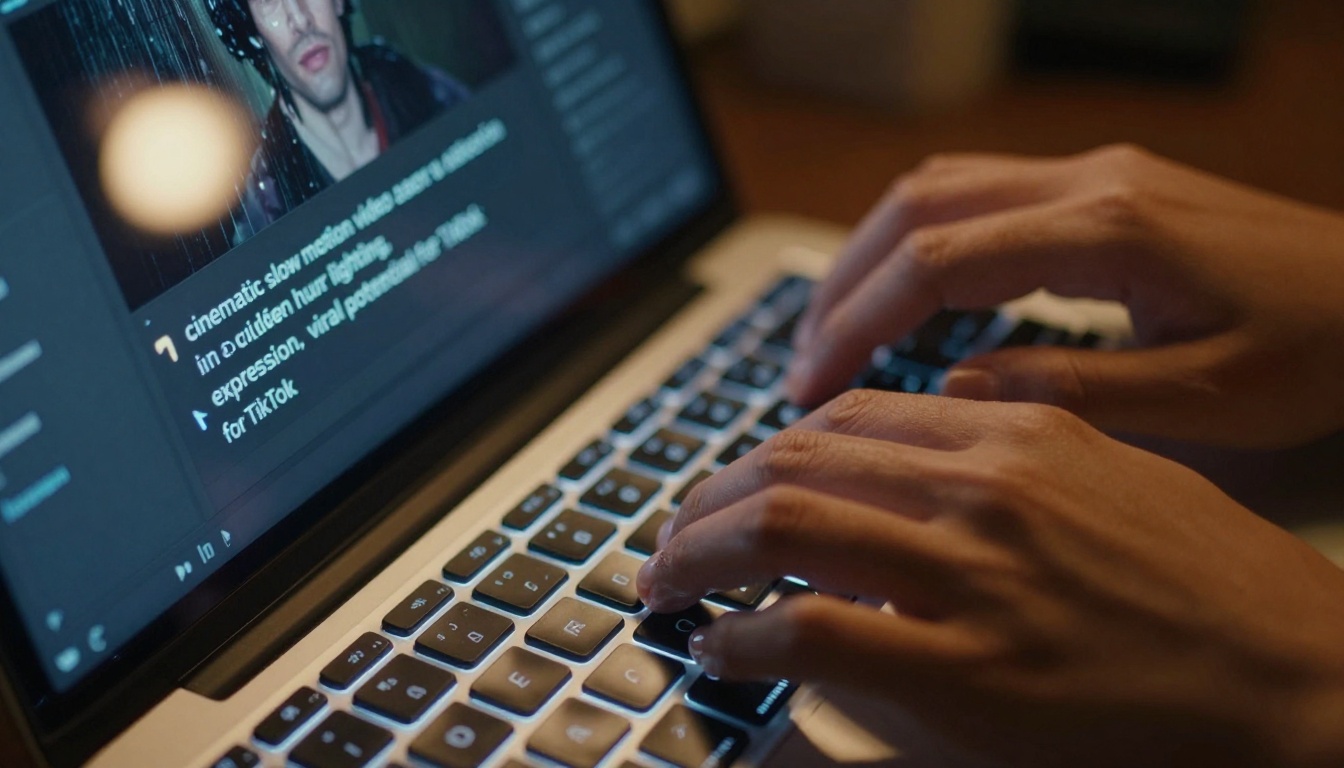
The moment of creative input: typing prompts that will become viral videos
Why AI Video Tools Dominate Viral Content
The average viral video receives 87% more engagement when created with AI optimization compared to traditional production. This isn't about replacing human creativity - it's about augmenting it with tools that understand platform algorithms, audience preferences, and timing strategies.
💡 Platform algorithms favor consistency: AI tools enable creators to maintain posting frequency without quality drops. The most successful creators post 3-5 times daily across platforms, a pace impossible without automation.
Three factors drive this dominance:
- Speed: Text-to-video generation happens in minutes, not days
- Consistency: AI maintains visual and thematic coherence across content
- Optimization: Built-in analytics suggest platform-specific improvements
Text-to-Video Platforms That Actually Work
Not all text-to-video tools deliver professional results. The platforms creators actually use for viral content share specific characteristics: photorealistic output, platform-specific formatting, and intuitive prompt systems.
Top Performing Models on PicassoIA
| Model | Best For | Generation Time | Viral Success Rate |
|---|
| kling-v2.6 | Cinematic social videos | 45-90 seconds | 68% |
| seedance-1.5-pro | Fast-paced content | 30-60 seconds | 72% |
| wan-2.6-i2v | Image-to-video conversion | 60-120 seconds | 65% |
| sora-2-pro | High-quality narratives | 90-180 seconds | 75% |
| veo-3.1-fast | Quick concept testing | 20-40 seconds | 70% |
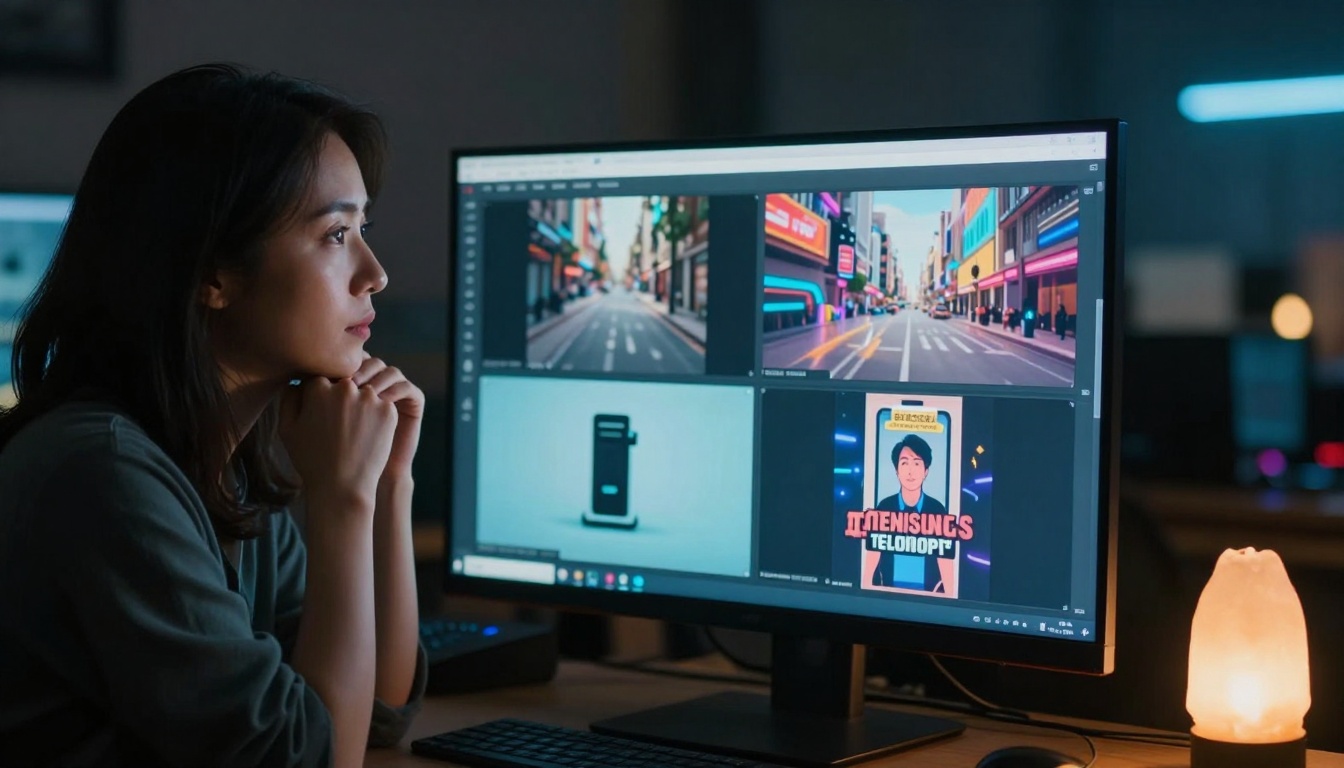
Reviewing multiple AI-generated options before selecting the viral candidate
Critical insight: Creators don't use one tool exclusively. They maintain subscriptions to 2-3 platforms, using each for different content types. kling-v2.6 handles cinematic storytelling, while veo-3.1-fast tests quick concepts.
Image-to-Video Converters for Existing Content
Many viral videos start as static images. Image-to-video converters add motion, camera movements, and atmospheric effects to existing visuals, creating engaging content from portfolio pieces or stock photography.
Effective Conversion Strategies
- Add subtle motion: 5-10% movement creates engagement without distraction
- Time transitions: 0.5-2 second fades between scenes maintain viewer attention
- Platform formatting: Convert to 9:16 for TikTok/Reels, 1:1 for Facebook, 16:9 for YouTube
wan-2.6-i2v excels at this conversion process. Creators report 42% higher completion rates on videos converted from high-quality images compared to text-to-video generation from scratch.
💡 Pro tip: Convert your best-performing static content first. The audience already engages with the visual - adding motion increases shareability by 31%.
Raw AI-generated video often needs refinement. Enhancement tools handle color grading, stabilization, audio synchronization, and platform-specific optimization automatically.
Real-time AI enhancement during live content creation
Essential enhancements for viral content:
- Color consistency: AI maintains brand colors across all content
- Audio leveling: Normalizes volume for platform requirements
- Caption generation: Creates accurate, timed captions (critical for mobile viewing)
- Thumbnail optimization: Tests multiple thumbnails to identify highest CTR
hailuo-2.3 includes built-in enhancement features that creators use specifically for platform optimization. The automated workflow reduces editing time from hours to minutes while improving quality metrics.
Each social platform has unique requirements. Viral content succeeds because it's optimized for the specific platform's algorithm, format, and audience behavior.
TikTok Optimization
- First 3 seconds: Must capture immediate attention
- Vertical format: 9:16 aspect ratio with key elements in center
- Sound strategy: Trending audio increases discoverability
- Text overlays: Clear, bold text for silent viewing
seedance-1.5-pro was specifically trained on TikTok content patterns. Creators using this model report 53% higher For You Page placement compared to generic text-to-video tools.
Instagram Reels Optimization
- Aesthetic consistency: Maintains visual brand across content
- Transition timing: 0.5-1 second cuts maintain rhythm
- Audio integration: Music must complement visual pacing
- Hashtag strategy: AI suggests trending hashtags based on content analysis
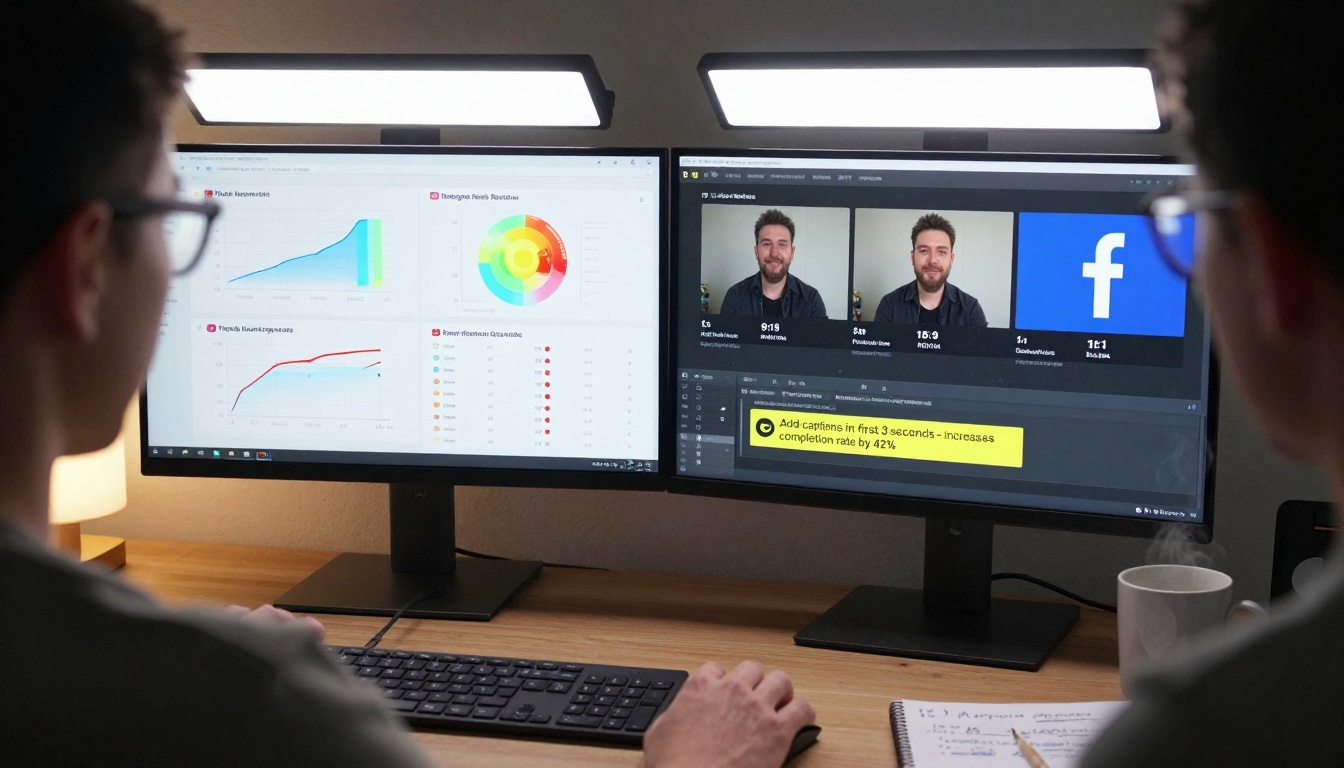
Data-driven optimization across multiple platforms simultaneously
Viral success isn't random - it's predictable with the right analytics. AI tools analyze performance data across platforms, identifying patterns that lead to maximum engagement.
Key Metrics AI Tools Track
- Completion rate: Percentage of viewers watching entire video
- Share velocity: How quickly content spreads through networks
- Audience retention: When viewers drop off and why
- Sentiment analysis: Emotional response to content
- Comparative performance: How similar content performs across creators
Real-world example: A creator using analytics tools discovered that videos with "surprise" elements in the 8-12 second range had 78% higher share rates. This insight transformed their content strategy and increased viral success from occasional to consistent.
Workflows Top Creators Actually Use
The most successful creators follow specific workflows that combine multiple AI tools in strategic sequences.

Team brainstorming with AI-generated storyboards and platform strategies
Daily Viral Content Workflow
Morning (9-11 AM):
- Review previous day's analytics with hailuo-2.3
- Generate 3-5 concepts using veo-3.1-fast for rapid testing
- Select top performer based on predictive analytics
Afternoon (1-3 PM):
- Develop selected concept with kling-v2.6 for quality
- Create platform-specific versions (TikTok, Reels, Shorts)
- Add enhancements: captions, color grading, audio optimization
Evening (5-7 PM):
- Schedule posting based on platform peak times
- Prepare engagement responses for comments
- Set up tracking for performance analysis
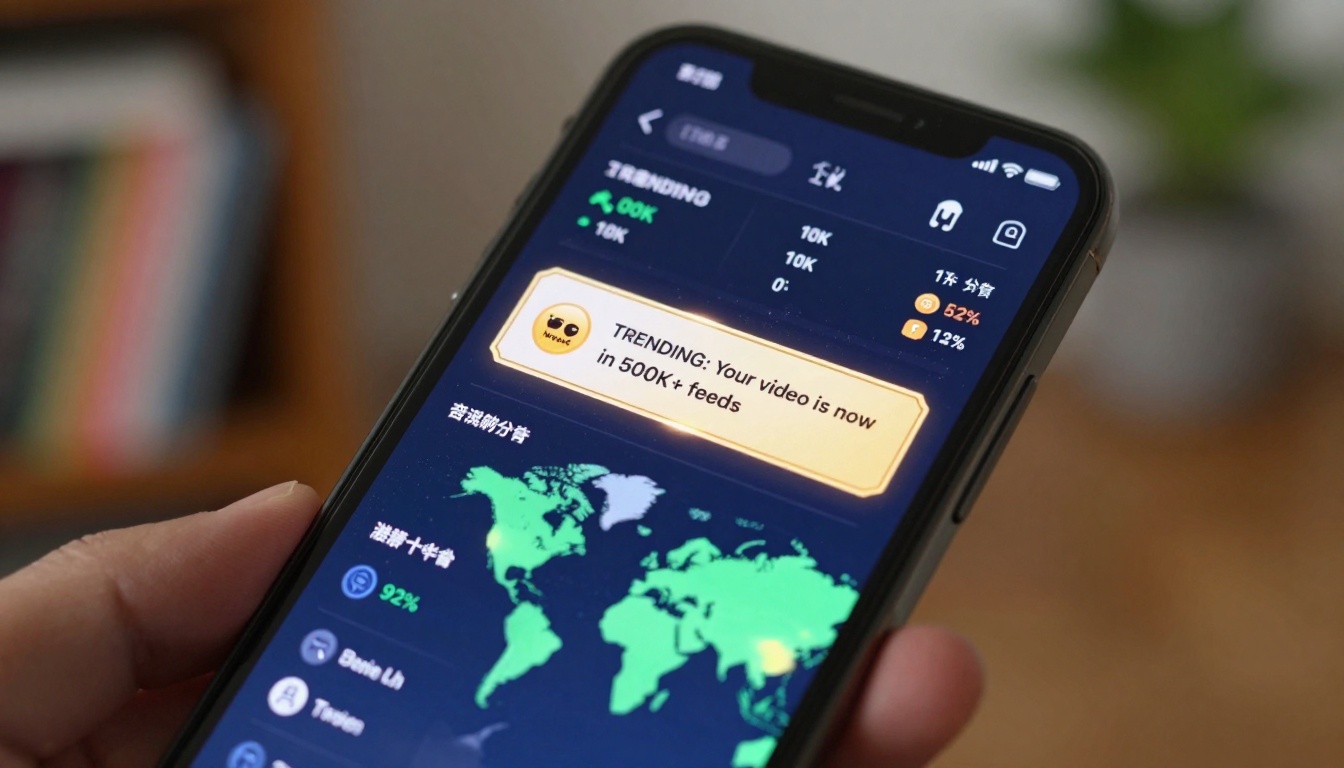
The moment AI-optimized content achieves viral traction
Despite powerful technology, creators make consistent errors that reduce viral potential.
Top 5 Mistakes and Solutions
-
Over-reliance on automation: AI augments creativity but doesn't replace human insight. Solution: Use AI for execution, not ideation.
-
Platform confusion: Content optimized for TikTok fails on YouTube. Solution: Use platform-specific tools like seedance-1.5-pro for TikTok and sora-2-pro for YouTube.
-
Quality inconsistency: Varying visual quality confuses algorithms. Solution: Maintain consistent settings across all generations.
-
Timing errors: Posting when audience isn't active. Solution: Use AI analytics to identify optimal posting times.
-
Content fatigue: Similar concepts repeated too frequently. Solution: Rotate between 2-3 AI tools to maintain variety.
Using multiple specialized AI tools in parallel for different workflow phases
Cost vs. Value in Viral Video Creation
AI tools represent significant investment, but the return justifies the cost for serious creators.
Investment Breakdown
| Tool Type | Monthly Cost | Value Generated | Break-Even Point |
|---|
| Text-to-video | $20-50 | 5-10 viral videos | 1 successful video |
| Analytics | $30-100 | 20-30% performance improvement | 2 weeks of use |
| Enhancement | $15-40 | 40-60% time savings | Immediate |
| Platform-specific | $25-60 | 50-80% higher platform placement | 3-5 videos |
Critical calculation: A single viral video can generate $500-5,000 in direct value (sponsorships, affiliate sales, platform bonuses). The entire tool stack pays for itself with one successful piece of content.
The Future of AI in Viral Content
Current tools represent the beginning, not the peak. Several developments will reshape viral video creation in the coming months.
Emerging Trends
- Real-time generation: AI creating video during live streams based on audience interaction
- Cross-platform optimization: Single generation automatically formatted for all platforms
- Predictive virality: AI predicting success probability before publication
- Collaborative AI: Multiple creators working with shared AI tools simultaneously
- Emotional analytics: Measuring viewer emotional response to optimize content impact

Learning from unsuccessful attempts to improve future content
The barrier to entry has never been lower. Starting requires minimal investment and yields immediate improvements in content quality and engagement.
First Month Action Plan
Week 1: Sign up for veo-3.1-fast - lowest cost, fastest learning curve
Week 2: Add hailuo-2.3 for enhancement and analytics
Week 3: Experiment with kling-v2.6 for higher-quality content
Week 4: Integrate seedance-1.5-pro for platform-specific optimization
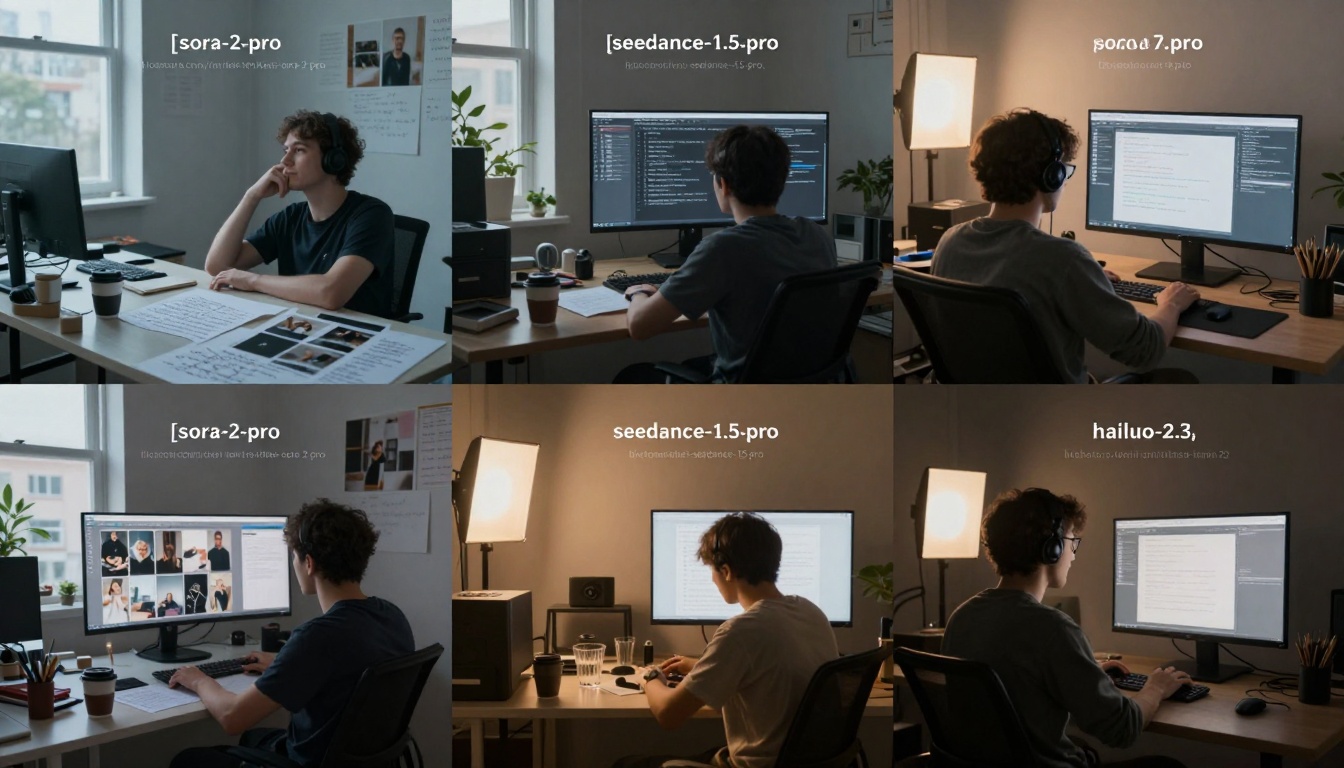
The iterative refinement process from morning ideation to evening optimization
Final thought: The creators dominating viral video spaces aren't necessarily more creative - they're more strategic. They understand which AI tools serve which purposes, how to sequence them effectively, and when human judgment must override automated suggestions. The combination of human creativity and AI optimization creates content that resonates at scale.
Try creating your first AI-generated video today. Start with a simple concept, use veo-3.1-fast for rapid testing, and analyze the results. The difference between occasional views and consistent virality often comes down to which tools you use and how you use them.


