
Scrolling through TikTok feels different now. That perfectly choreographed dance, the impossibly smooth transition, the celebrity cameo that seems just a little too convincing—you pause, rewatch, and wonder: is this real, or did a machine make it? The line between authentic human content and AI-generated media has blurred to near invisibility, leaving viewers questioning everything they see.
Three phones sit side by side on a kitchen table, each displaying different TikTok videos. One shows a dancer with impossibly fluid movements, another features a politician saying something controversial, and the third captures a wildlife scene that looks slightly off. Which one came from a camera, and which emerged from algorithms like WAN-2.6-T2V or Seedance-1.5-Pro? The distinction matters more than ever.
How AI Video Generation Works
Modern AI video tools don't just edit footage—they create it from scratch. Systems like Google's Veo-3.1 and OpenAI's Sora-2 analyze text prompts and generate completely synthetic video sequences. The process involves:
- Text interpretation: The AI reads prompts like "a cat dancing in a living room at sunset"
- Frame generation: Creates individual video frames using diffusion models
- Temporal consistency: Ensures smooth motion between frames
- Post-processing: Adds realistic lighting, shadows, and audio synchronization
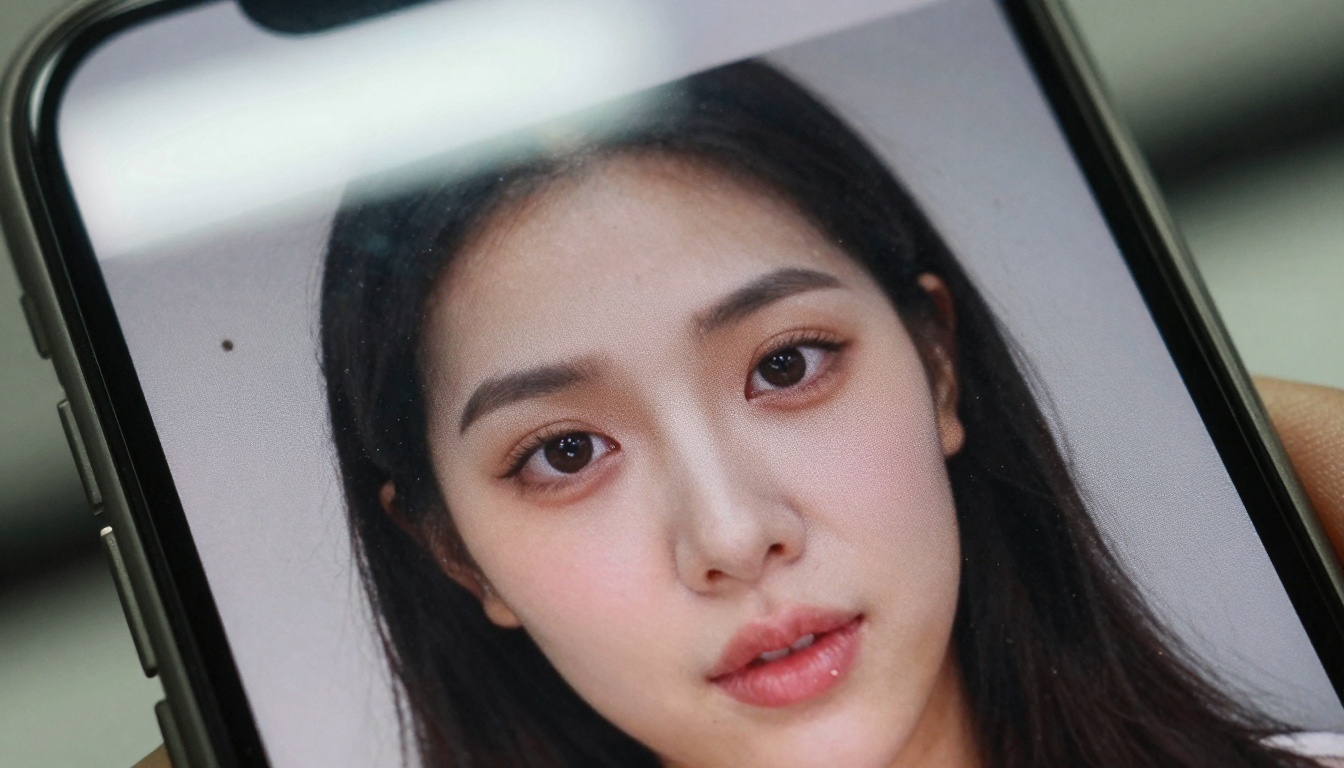
💡 The telltale signs: AI-generated videos often exhibit perfect symmetry where human creations show natural asymmetry. Watch for hair that flows too uniformly or facial expressions that remain slightly static during movement.
Common AI Video Categories on TikTok
Not all synthetic content serves the same purpose. Understanding the categories helps identify what you're watching:
The entertainment category dominates TikTok because platforms like Picasso IA make tools like Ray-2-720p accessible to creators without technical expertise. What used to require Hollywood studios now fits in a smartphone app.

Spotting AI-Generated Content: A Practical Guide
Two friends sit on a couch, phones in hand, debating whether a viral TikTok is authentic. Their discussion mirrors what happens in millions of homes daily. Here's what to look for:
Visual Red Flags
- Unnatural eye movements: AI struggles with realistic saccades (quick eye movements between fixation points)
- Perfect symmetry: Human faces have subtle asymmetries that AI often over-corrects
- Hair and cloth physics: Watch for hair that moves like liquid or fabric that drapes unnaturally
- Background inconsistencies: Objects in the background might phase in and out of existence
- Lighting anomalies: Shadows that don't match light sources or reflections that break physics
Audio and Timing Issues
- Lip sync discrepancies: Even advanced tools like Veo-3.1-Fast sometimes misalign audio with mouth movements
- Unnatural breathing patterns: AI-generated speakers often lack realistic breath pauses
- Perfect rhythm: Human performers have micro-variations in timing that AI smoothes out
Contextual Clues
- Source verification: Check the creator's history—do they have consistent content?
- Technical claims: Videos claiming "world first" or "impossible" feats deserve extra scrutiny
- Emotional authenticity: AI struggles with genuine emotional nuance in facial expressions

The Technology Behind the Scenes
A content creator's workstation tells the story: multiple monitors show interfaces for WAN-2.5-T2V, Kling-v2.6-Motion-Control, and Hailuo-2.3. The tools have become democratized, but the output quality varies dramatically.
Current generation capabilities:
- Duration: Most AI video generators produce clips between 3-10 seconds
- Resolution: Tools like Ray-Flash-2-720p output 720p, while others like WAN-2.1-T2V-720p offer similar quality
- Consistency: Temporal coherence remains challenging—watch for objects that change subtly between frames
- Cost: Generating 10 seconds of video can cost from $0.10 to $2.00 depending on the model
💡 The watermark question: Some platforms add subtle digital watermarks to AI-generated content, but these are often removed by creators. Don't rely on missing watermarks as proof of authenticity.

Why This Matters Beyond Entertainment
A person holds their phone against a cloudy sky—a simple moment that represents the larger issue. AI video generation isn't just about entertainment; it affects:
- Political discourse: Deepfakes of public figures can spread misinformation rapidly
- Legal evidence: Courts must verify video authenticity in an age of synthetic media
- Personal reputation: Fake videos can damage careers and relationships
- Historical record: Future generations will struggle to distinguish real from synthetic documentation
The accessibility of tools like Mochi-1 and Cogvideox-5b means anyone can create convincing fake content. The barrier has dropped from specialized studios to bedroom creators.

A smartphone surrounded by forensic tools—magnifying glass, color calibration cards, measurement tools. This represents the growing field of digital forensics applied to social media content. Here's how experts verify videos:
Technical Analysis Methods
- Metadata examination: Check EXIF data, creation timestamps, and editing history
- Compression analysis: AI-generated videos often have different compression artifacts than camera footage
- Pixel-level examination: Look for repeating patterns or unnatural gradients
- Frequency analysis: Synthetic content shows different frequency distributions in the Fourier domain
Platform-Specific Tools
- TikTok's authenticity features: The platform is developing verification tools but they're not yet comprehensive
- Third-party verification apps: Services like InVID and Amnesty's YouTube DataViewer can help
- Browser extensions: Tools that flag potentially synthetic content are in development
Human Verification Techniques
- Reverse image search: Use Google Images or TinEye to find original sources
- Context cross-referencing: Verify claims against reputable news sources
- Expert consultation: When in doubt, consult digital forensics professionals
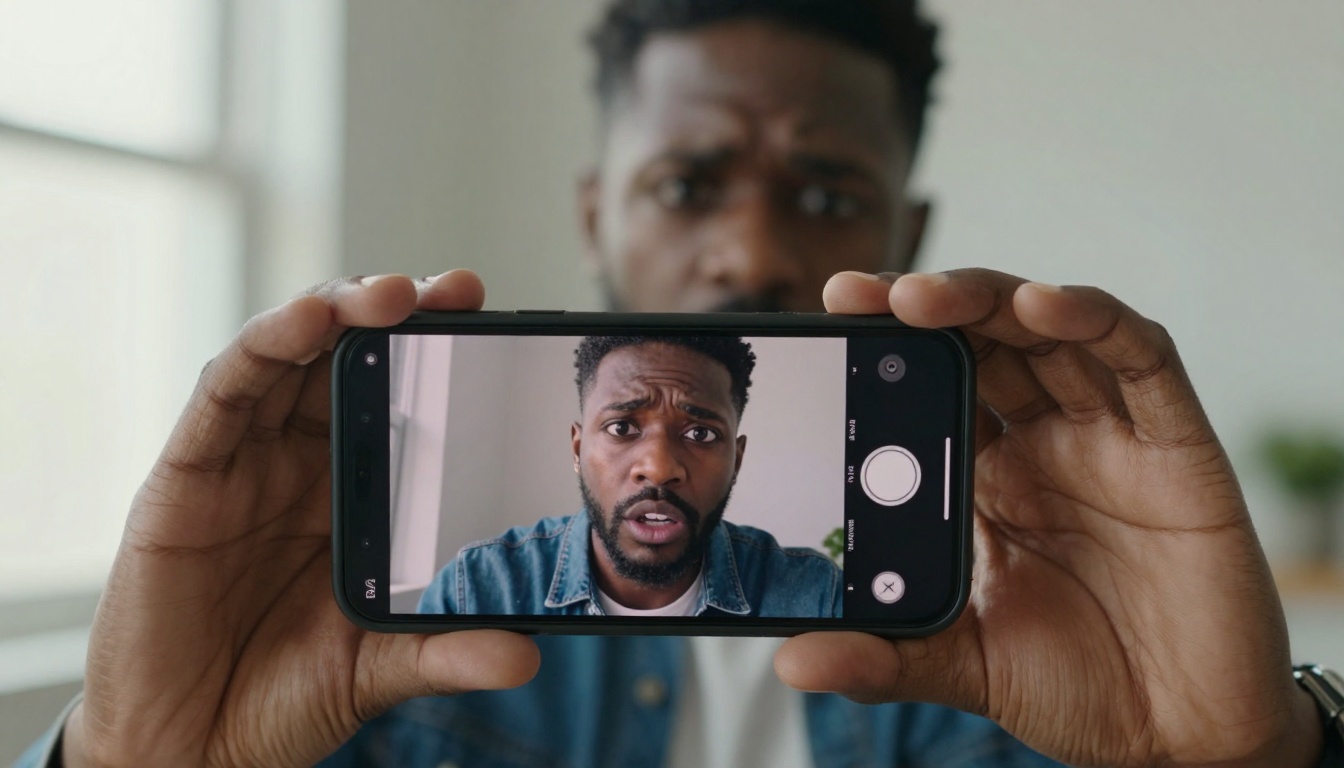
A split diopter shot captures both the smartphone screen and the viewer's reaction—the technical and emotional dimensions of synthetic media consumption. This dual perspective reveals several psychological effects:
- Truth decay: Constant exposure to synthetic media erodes trust in all digital content
- Cognitive fatigue: The mental effort of verification leads to decision fatigue
- Normalization effect: As AI content becomes common, people stop questioning its authenticity
- Amplification bias: Spectacular AI content gets more engagement, pushing creators toward synthetic media
The accessibility of platforms like Picasso IA means tools like Video-01-Director and LTX-Video are just clicks away. This democratization has consequences for how we process information.
Creating Your Own AI Videos Responsibly

Hands type on a laptop showing TikTok analytics—the creator's perspective. If you want to experiment with AI video generation, here's how to do it responsibly:
Choosing the Right Tool
Best Practices for Ethical Creation
- Always disclose: Clearly label AI-generated content in video descriptions
- Avoid deception: Never present synthetic media as authentic footage
- Respect copyright: Don't create deepfakes of people without permission
- Consider impact: Think about how your content might be misinterpreted or misused
Technical Tips for Better Results
- Prompt specificity: Detailed prompts yield better results than vague descriptions
- Parameter tuning: Experiment with settings in tools like Controlvideo
- Post-processing: Use traditional editing software to polish AI-generated footage
- Hybrid approaches: Combine AI generation with real footage for more convincing results
Looking Forward: The Future of Video Authenticity
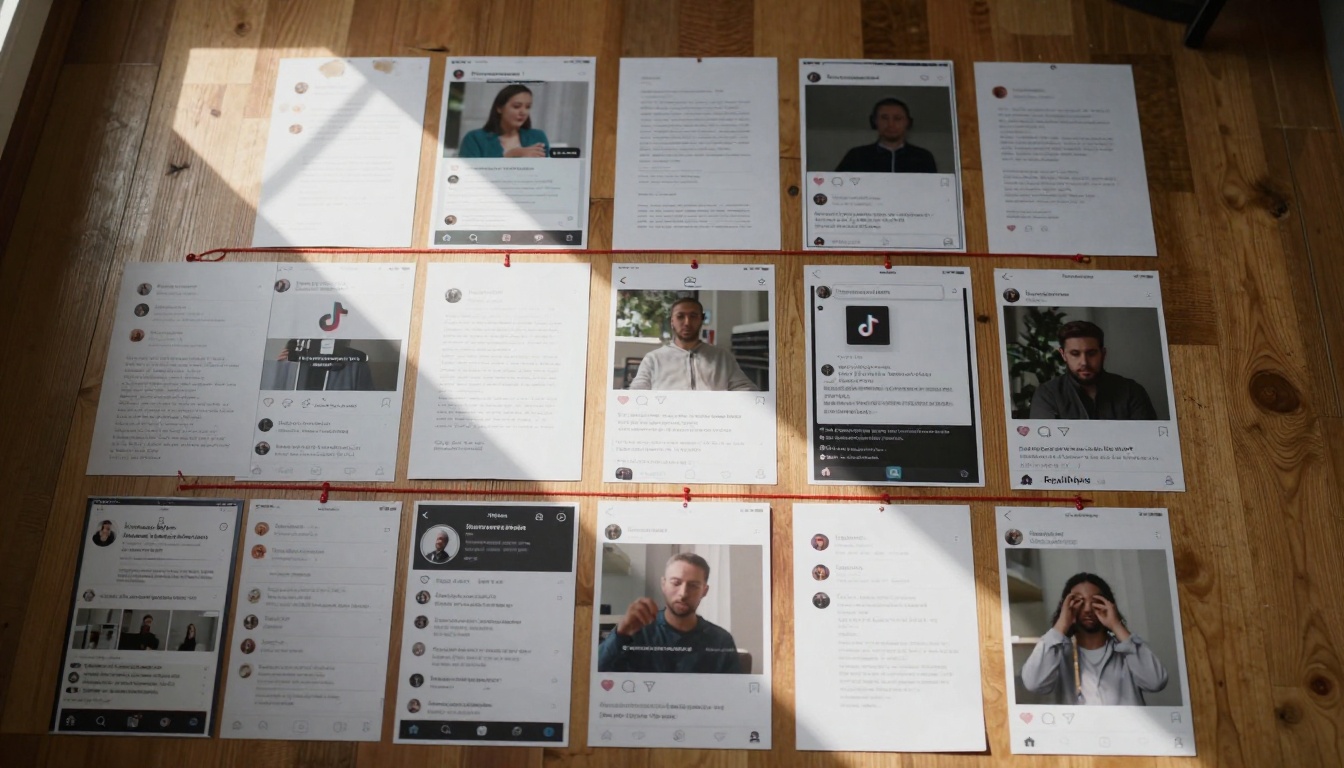
A bird's eye view shows printed TikTok screenshots connected by red string—a forensic analysis in progress. This represents the ongoing arms race between content creation and verification. What comes next?
- Better detection tools: AI will eventually be used to detect AI, creating a verification loop
- Digital provenance: Technologies like Content Authenticity Initiative aim to embed origin data in files
- Platform responsibility: Social media companies face pressure to implement better verification systems
- Educational initiatives: Media literacy must evolve to include synthetic media detection
The tools available on Picasso IA—from Robust-video-matting for foreground segmentation to Video-morpher for transformations—will continue advancing. So too must our ability to distinguish their outputs from reality.
Taking Action in Your Digital Life
The smartphone in your hand is both a window to authentic human connection and a portal to synthetic realities. Here's what you can do today:
- Develop skepticism: Question spectacular content, especially if it aligns perfectly with your beliefs
- Learn the signs: Memorize the common artifacts of AI-generated video
- Use verification tools: Bookmark resources for checking suspicious content
- Support transparency: Engage with creators who disclose their use of AI tools
- Advocate for standards: Push platforms to implement better authenticity labeling
The reality is that AI video generation tools like those on Picasso IA are here to stay. Platforms offering WAN-2.2-I2V-Fast, Kling-v2.5-Turbo-Pro, and Ray-2-540p will continue evolving, making synthetic content more convincing with each iteration.
Your role isn't to avoid this technology—that's impossible. Your role is to understand it, recognize it, and navigate it wisely. The next time you scroll through TikTok and see something that makes you pause, you'll have the tools to ask the right questions. You'll know what to look for, where to verify, and how to separate the human from the algorithmic.
The most important skill in the age of synthetic media isn't technical expertise—it's conscious consumption. It's the willingness to pause, question, and verify. It's understanding that every spectacular video carries the possibility of artificial origins. And it's recognizing that in a world where machines can mimic reality, our human capacity for critical thinking becomes our most valuable filter.


