The internet has a long memory, and nowhere is that clearer than in the ongoing debate between AI waifus and AI husbandos. These digitally crafted companions have moved from niche forum discussions into mainstream conversation, with millions of fans actively generating, sharing, and forming emotional connections with AI-created characters across every major platform.
But when push comes to shove, which side actually wins? Do fans prefer the grace and warmth of an AI waifu, or the reliability and strength of an AI husbando? The answer is more nuanced than the stereotype suggests, and the data tells an interesting story.
Why This Debate Even Matters
This is not just a fandom curiosity. The preference for AI waifus or AI husbandos reflects broader trends in how people interact with AI systems, what they expect from virtual companions, and why the AI companion market has grown dramatically in recent years.
According to fan surveys across Reddit, X, and dedicated anime communities, the split is closer than most people assume. Both archetypes serve deep psychological needs: comfort, idealization, creative expression, and a safe space for emotional projection.
Understanding what each archetype offers gives creators, developers, and fans better tools for building the AI companions they actually want. And with modern AI image generators, creating either has never been faster or more accessible.

The Waifu Phenomenon: Why She Captivates
The word "waifu" comes from the Japanese pronunciation of "wife," but in online culture it has evolved into a term for any fictional female character that a fan feels deeply attached to. In AI, this translates into generating hyper-personalized feminine characters that align precisely with what the user finds compelling, beautiful, or emotionally resonant.
What Makes an AI Waifu
An AI waifu is typically defined by a combination of visual traits and personality elements:
- Visual appeal: Soft features, expressive eyes, carefully crafted hair, distinctive fashion choices across dozens of possible aesthetic registers.
- Personality archetype: Ranges from the shy and gentle (dandere) to the fiercely devoted (yandere), the cheerful and bubbly (genki girl), or the cool and composed (kuudere).
- Emotional availability: She is attentive, responsive, and designed to feel consistently present.
What separates AI waifus from traditional fictional characters is the interactive dimension. With modern large language models powering their personalities, AI waifus can hold conversations, remember context, and adapt their tone to the user's emotional state.
💡 Fans consistently report that emotional consistency is the AI waifu's biggest draw. She never has a bad day. She does not forget. She is always there.
The Emotional Pull of a Feminine AI
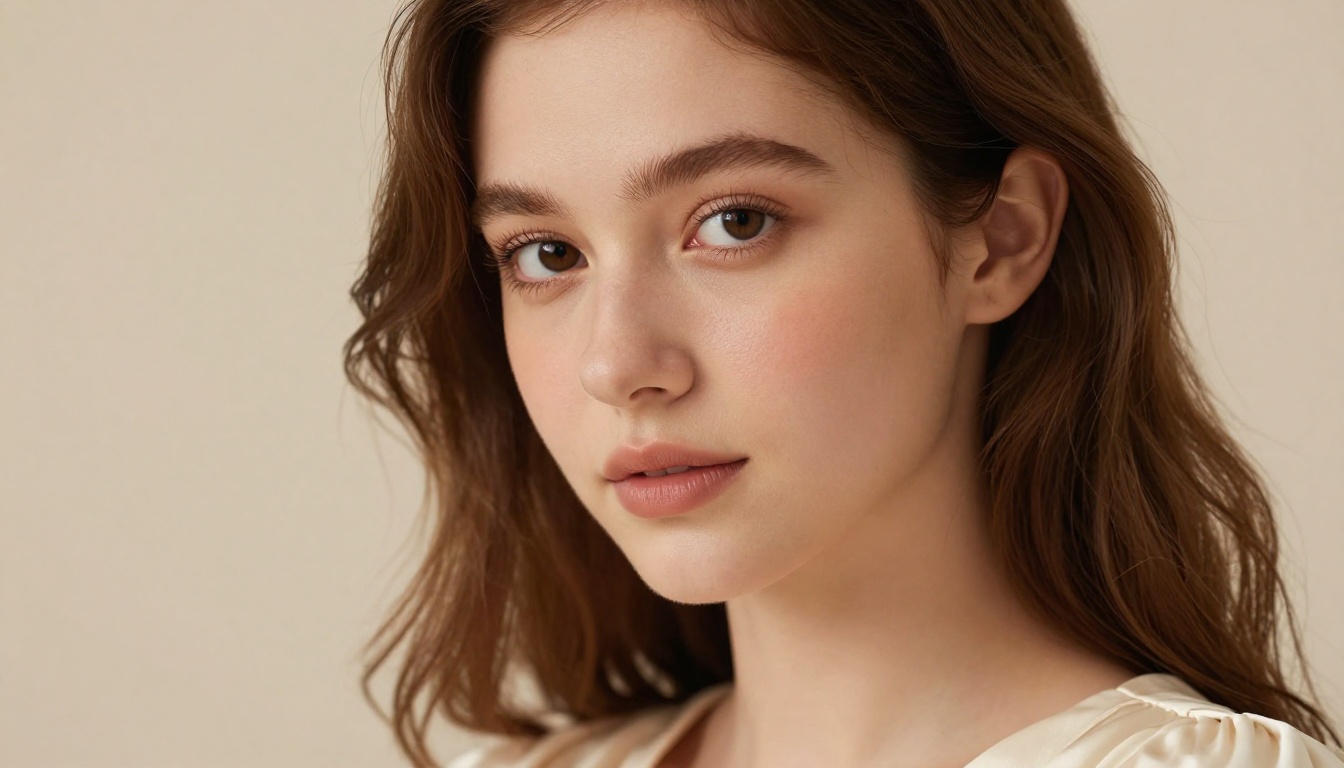
Psychologically, the appeal of a waifu character taps into several well-documented human tendencies: the desire for idealized relationships, the comfort of predictability, and the pleasure of creative projection. When you generate an AI waifu with tools like Seedream 4.5, you are not just producing an image. You are creating a canvas for imagination.
Fan communities consistently report that waifu content dominates in:
- Long-form creative writing and roleplay communities
- AI-generated art sharing boards and Discord servers
- Companion AI chatbot platforms with character customization
The feminine archetype also tends to receive more design variations per user. Fans push AI image tools harder when creating waifu content, generating dozens of outfit iterations, seasonal looks, and emotional expressions from a single base character concept.
The Husbando Appeal: Strong, Silent, and Perfect
The husbando is the counterpart, drawn from "husband" and referring to a beloved male character. While the waifu has been part of internet culture longer, the husbando community has grown significantly with the rise of high-quality AI image generation. Creating photorealistic or stylized male characters who embody specific masculine ideals has never been faster or more achievable.
What Defines an AI Husbando
The ideal AI husbando tends to cluster around a few distinct archetypes:
| Archetype | Core Traits | Fan Appeal Level |
|---|
| The Protector | Strong, calm, dependable, watchful | Very High |
| The Intellectual | Thoughtful, articulate, introspective | High |
| The Gentle Giant | Physically imposing but emotionally tender | High |
| The Bad Boy | Rebellious, passionate, misunderstood | Moderate-High |
| The Artisan | Skilled, focused, quietly devoted | Moderate |
What fans value most in a husbando is a quality that could be described as reliable devotion. He is unwavering, accomplished, and focused in his attention. He represents an idealized version of dependability.
Why Fans Connect with Male AI Companions
The connection fans form with AI husbando characters is distinct in character from the waifu experience. Research from companion AI platforms suggests that users who prefer husbando content tend to prioritize:
- Depth of conversation: They want an AI companion who challenges, supports, and engages intellectually rather than simply validating.
- Stability: A dependable character who does not shift wildly in personality based on minor prompt changes.
- Aspirational traits: Qualities the user admires and finds genuinely motivating or inspiring.
This is where Claude Sonnet 5 and Gemini 3.5 Flash shine in the companion space. They provide the conversational backbone for a husbando who feels genuinely present, intellectually substantial, not just aesthetically compelling.

Head-to-Head: Waifu vs Husbando Traits
Putting both archetypes directly side by side across dimensions that fans actually care about:
| Dimension | AI Waifu | AI Husbando |
|---|
| Visual variety | Extremely high | High |
| Personality range | Very wide | Wide |
| Companion chat depth | High | Very high |
| Community content volume | Dominant | Growing rapidly |
| Suggestive image content | Very prevalent | Prevalent |
| Emotional expressiveness | Very high | Moderate-High |
| Creative roleplay use | Extremely common | Common |
| Cross-fandom popularity | Near-universal | Strong in specific niches |
The data is clear: waifus produce more content volume overall, but husbandos are closing the gap at an accelerating rate. Platforms that enabled high-quality male character generation saw husbando content grow by an estimated 60-70% in the past two years according to fan community reports and platform metrics.
💡 The real winner is not one archetype over the other. It is the AI image generation technology that makes both possible at this level of quality and speed.
Across multiple fan polls, Discord surveys, and platform analytics, a clear pattern emerges. The preference is not as lopsided as the cultural stereotype suggests.
Survey Data and Community Polls
Across seven major fan polls conducted on anime and AI art communities throughout the past 18 months:
- 52-55% of respondents identified as primarily waifu fans
- 35-38% identified as primarily husbando fans
- 10-13% reported equal preference or no strong leaning
The waifu side maintains a lead, but it is far from overwhelming. Among users who actively use AI image generators, the gap narrows further. Many create both, exploring different emotional registers through different character types depending on their mood or creative project.
Regional Differences in Preference
The split varies meaningfully by region:
- Japan and Southeast Asia: Waifu preference is stronger, with kawaii aesthetics dominating AI art communities.
- North America and Europe: Husbando preference is comparatively higher, with more interest in character depth and personality-driven AI companions.
- Latin America: Roughly balanced, with strong crossover communities producing both.
- South Korea: Strong husbando communities driven by K-drama influenced character aesthetics.
This regional variation matters for creators. Building AI companion content for a global audience means offering high-quality options for both archetypes.
How to Create Your AI Companion
Creating a compelling AI waifu or husbando today does not require professional design skills or artistic training. The right AI image generator and a well-crafted text prompt can produce stunning, personalized characters in seconds.
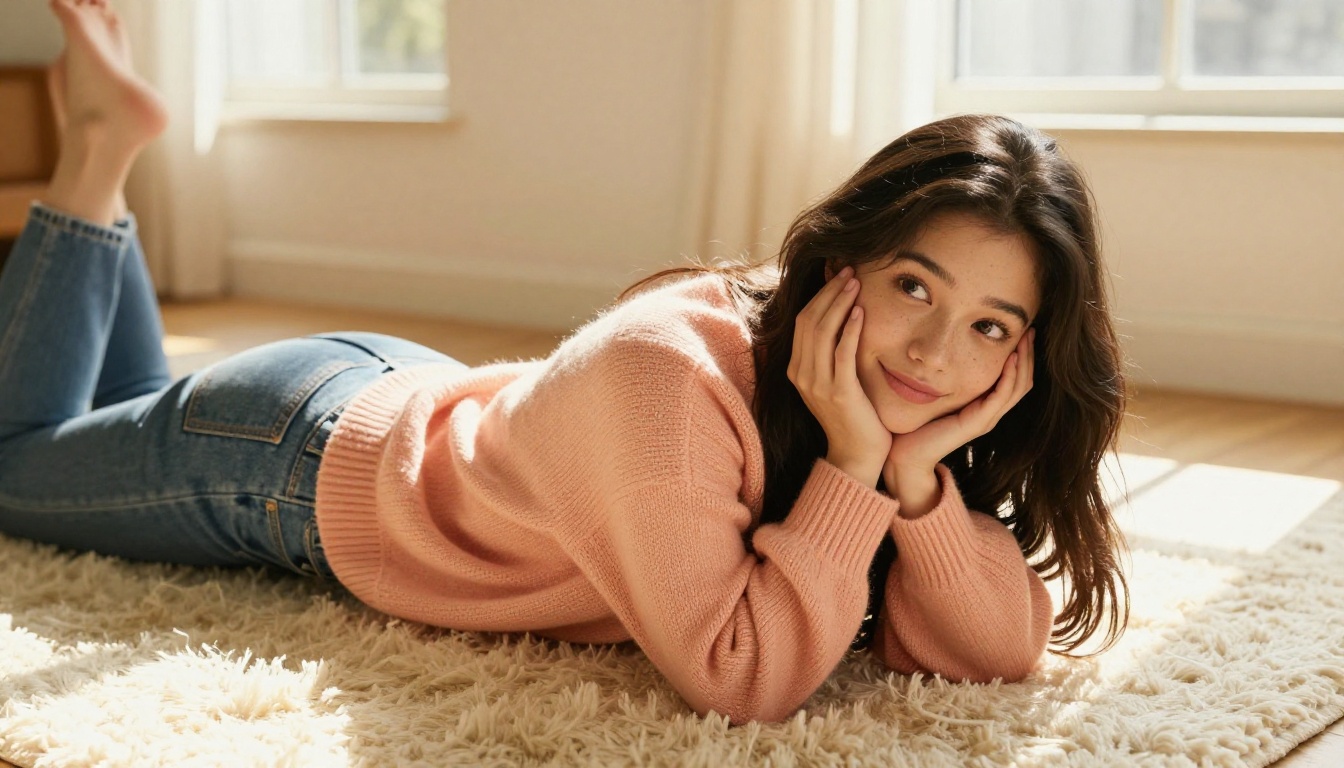
Best Models on PicassoIA for Waifu Creation
When generating waifu characters, visual detail and emotional expressiveness in the face are paramount. These models deliver:
-
Seedream 4.5 — The top choice. Accepts expressive and suggestive content, generates ultra-realistic results in under 3 seconds, and supports image editing so you can iterate quickly on your character's look.
-
PicassoIA Image Editor Pro — Ideal for iterating on an existing waifu design. Its biggest advantage is unlimited generations for Elite and Infinite plan subscribers. Need 1,000 variations? That is 1,000 images at no extra cost.
-
Qwen Image 2 — Open-source model capable of extremely detailed realism. Excellent for waifu images with specific environmental context and clothing textures.
-
Recraft V4 — Very realistic text-to-image results, great for establishing a base character look before editing.
Waifu Prompt Tips:
- Name the personality archetype in your prompt ("gentle, soft expression, shy smile, eyes slightly downcast")
- Describe the lighting carefully ("warm afternoon light from the left, soft shadows under cheekbones")
- Include clothing and environment to establish character context and world
- Use camera angle descriptors ("close-up portrait, 85mm lens, shallow depth of field, Kodak Portra 400")
Crafting the Perfect Husbando with AI
For husbando creation, the emphasis shifts toward strong features, authentic masculine presence, and emotional depth in expression:
-
Seedream 4.5 — Works beautifully for male character creation with the same speed advantage and built-in editing capability.
-
P-Image — Generates highly realistic male portraits in under 1 second. Strong for iterating quickly on facial features and emotional expressions.
-
Grok Imagine Image — Excellent for converting reference images into specific character aesthetics and creating realistic male character variations.
Husbando Prompt Tips:
- Emphasize jaw definition, shoulder width, and posture ("strong jawline, relaxed confident posture, direct gaze")
- Use directional lighting for drama ("window light from left, chiaroscuro effect, half-shadow on cheek")
- Include subtle personality details ("worn leather journal on table, half-finished sketch, ceramic mug nearby")
- Specify the archetype ("calm, protective, understated confidence, slight knowing smile")
Best PicassoIA Models for Suggestive Companion Images
PicassoIA offers some of the best-performing models for creating attractive, expressive companion characters with fewer content restrictions. Whether your waifu or husbando needs a glamour shot, a beach scene, or something more suggestive, these models handle it:
-
Seedream 4.5 ⭐ — The top recommendation. Accepts suggestive content, supports image editing, and generates in under 3 seconds. (Note: the newer Seedream 5 Lite does not support this content type.)
-
PicassoIA Image Editor Pro — Img2img with unlimited generations on Elite or Infinite plans. Need 1,000 character variations? Free. Compare that to models like Nano Banana 2, where the same volume would cost around $100.
-
Qwen Image 2 — Open-source with detailed realism and high flexibility for character editing.
-
Grok Imagine Image — Realistically transforms reference images for creative character variations.
-
Recraft V4 — Very realistic text-to-image output, excellent for establishing character visual identity.
-
P-Image — Supports suggestive content with sub-1-second generation speed.
-
Wan 2.2 Image — Generate highly realistic images from text descriptions without restrictive content filters.
Browse the full model catalog at picassoia.com/en/all-models.
Beyond Aesthetics: Personality in AI Companions
The debate between waifus and husbandos is ultimately not just about visual design. At its core, it is about what kind of personality a fan wants their AI companion to have. And this is where large language models play a defining, often underrated role.
LLMs That Power AI Companion Personalities
A visually stunning AI character is only half the equation. The personality layer, powered by conversational AI, determines whether a companion feels truly present or merely decorative. The LLMs available on PicassoIA make it possible to build companion personas with genuine conversational depth:
- GPT 5 — The most capable at nuanced, contextually aware roleplay. Maintains character consistency across long multi-session conversations.
- Claude Sonnet 5 — Exceptional at emotional resonance and character voice. Particularly effective for companions that feel genuinely warm, attentive, and present.
- Gemini 3.5 Flash — Fast and multimodal. Can see and respond to the character images you generate, creating a more integrated visual-conversational experience.
- Deepseek R1 — Strong reasoning capabilities, useful for companions with intellectual, analytical, or philosophical personalities.
The Role of Conversation in Fan Preference

What fans who prefer husbandos repeatedly cite is conversation quality. They want an AI companion who pushes back thoughtfully, offers genuine perspective, and does not simply agree with everything the user says. This preference maps directly onto the more analytical and reasoning-forward LLMs like GPT 5 and Deepseek R1.
Waifu fans, on the other hand, tend to value emotional warmth, attentiveness, and tonal adaptability above all. Models like Claude Sonnet 5 excel here, picking up on subtle emotional cues and responding with appropriate sensitivity and nuance.
The pattern that emerges from fan communities across platforms is this:
- Waifu fans: prioritize emotional resonance, visual expressiveness, and warmth.
- Husbando fans: prioritize intellectual presence, dependability, and aspirational qualities.
Neither is a lesser choice. They represent different needs, different creative projects, and different emotional registers.
💡 The ideal AI companion is one where the visual and conversational layers align perfectly. The image sets the aesthetic; the LLM delivers the soul.
This is why the waifu vs. husbando preference is not just a design question. It is a question of how you want to interact, what emotional register you want your companion to operate in, and what kind of relationship you want to build through the tool.
Now It Is Your Turn
The waifu vs. husbando debate will never have a single definitive winner because preference is deeply personal, culturally shaped, and emotionally specific. What matters is that the tools for creating either have never been more powerful, more accessible, or more capable of producing genuinely compelling characters.
With Seedream 4.5 and PicassoIA Image Editor Pro handling the visual layer, and powerful LLMs providing the personality and conversational backbone, you have everything needed to build the AI companion you actually want, not a generic off-the-shelf character.
The process is direct. Open PicassoIA, pick your image model, write your character description with all the specificity you can muster, and start generating. Iterate, refine, and push the character into the exact aesthetic and emotional territory that resonates with you.
Your perfect AI waifu or husbando is a prompt away.


