The barrier between imagination and visual creation has never been thinner. Where professional adult content once required studio setups, lighting teams, makeup artists, and post-production editing that could take days, today's AI tools transform text descriptions into photorealistic images in seconds. This isn't about replacing traditional creation methods—it's about expanding who gets to create and what gets created.
The Technology Breakthrough
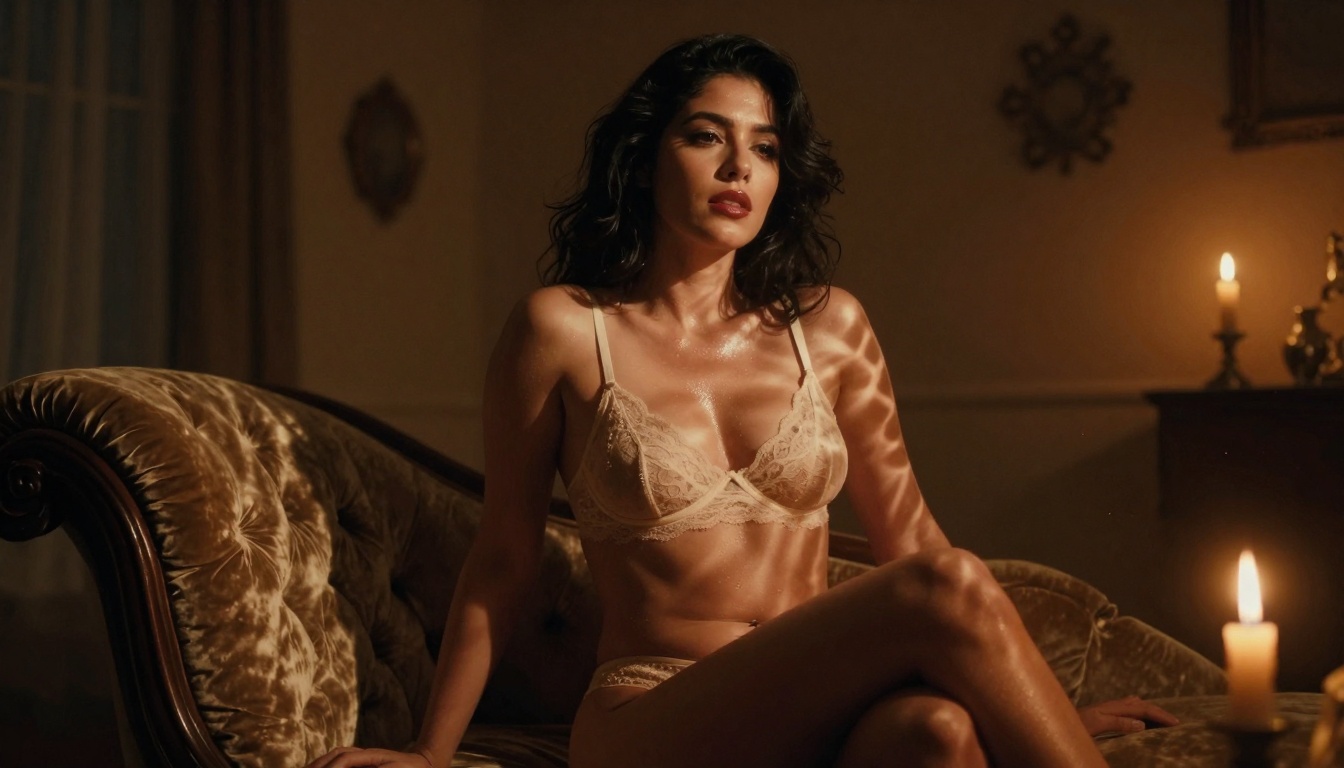
AI image generators like Flux and GPT Image 1.5 have evolved from producing cartoonish approximations to generating images indistinguishable from professional photography. The secret lies in their training on billions of images across every conceivable style, lighting condition, and composition.
💡 Key Insight: These models don't just generate "pictures"—they understand lighting physics, material textures, human anatomy, and artistic composition rules. When you prompt for "morning light through sheer curtains," the AI calculates light refraction, shadow softness, and atmospheric haze like a cinematographer would.
The progression has been exponential:
- 2021: Basic shapes, limited resolution, obvious AI artifacts
- 2022: Improved anatomy but still uncanny valley territory
- 2023: Professional quality in specific styles
- 2024: Photorealistic across all lighting conditions and compositions
- 2025: Cinematic quality with specific lens characteristics and film grain
Democratization in Practice
Traditional adult content creation had multiple gatekeepers:
- Financial barriers: Studio rentals, equipment, model fees
- Technical barriers: Photography skills, lighting knowledge, post-production
- Legal barriers: Model releases, location permits, age verification
- Distribution barriers: Platform approval, content guidelines
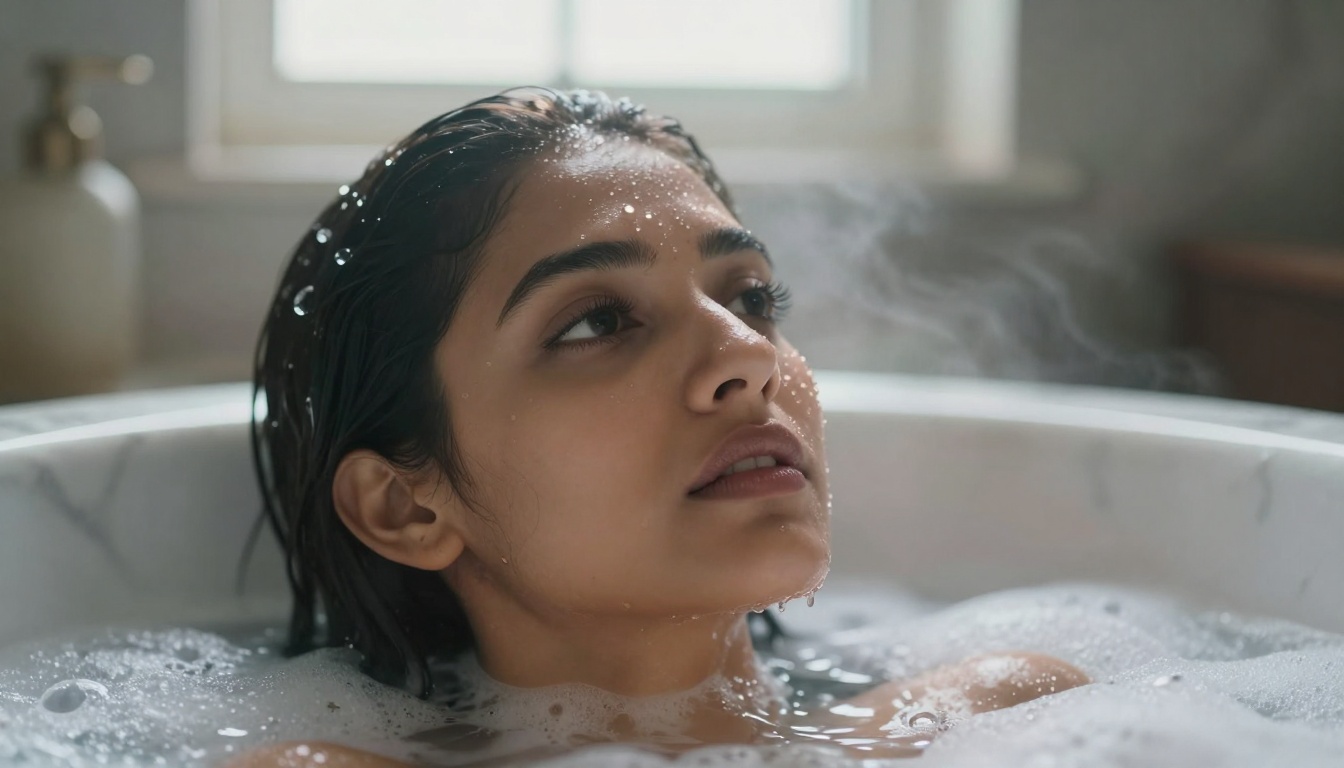
AI tools remove the first three entirely and significantly reduce the fourth. Someone with no photography experience can now create content that rivals professional studio work. The implications are profound:
Creator Economics Shift
| Traditional Method | AI Generation |
|---|
| $500-5000 per shoot | $0.10-2.00 per image |
| 1-3 day production time | 10-60 seconds generation time |
| Limited to available models | Unlimited character variations |
| Fixed locations | Any environment imaginable |
| Post-production required | Direct output with editing options |
The cost differential alone explains the rapid adoption. Where a small creator might have produced 10-20 images monthly with traditional methods, they can now generate hundreds daily.

Artistic Possibilities Unleashed
Beyond economics, the artistic freedom is unprecedented. Traditional photography is constrained by physical reality—you need actual locations, actual lighting conditions, actual models. AI generation operates in the realm of pure imagination.
Lighting Control Beyond Reality
Photographers spend years mastering lighting. AI models understand lighting physics at a fundamental level:
- Golden hour magic anytime, anywhere
- Cinematic chiaroscuro without complex setups
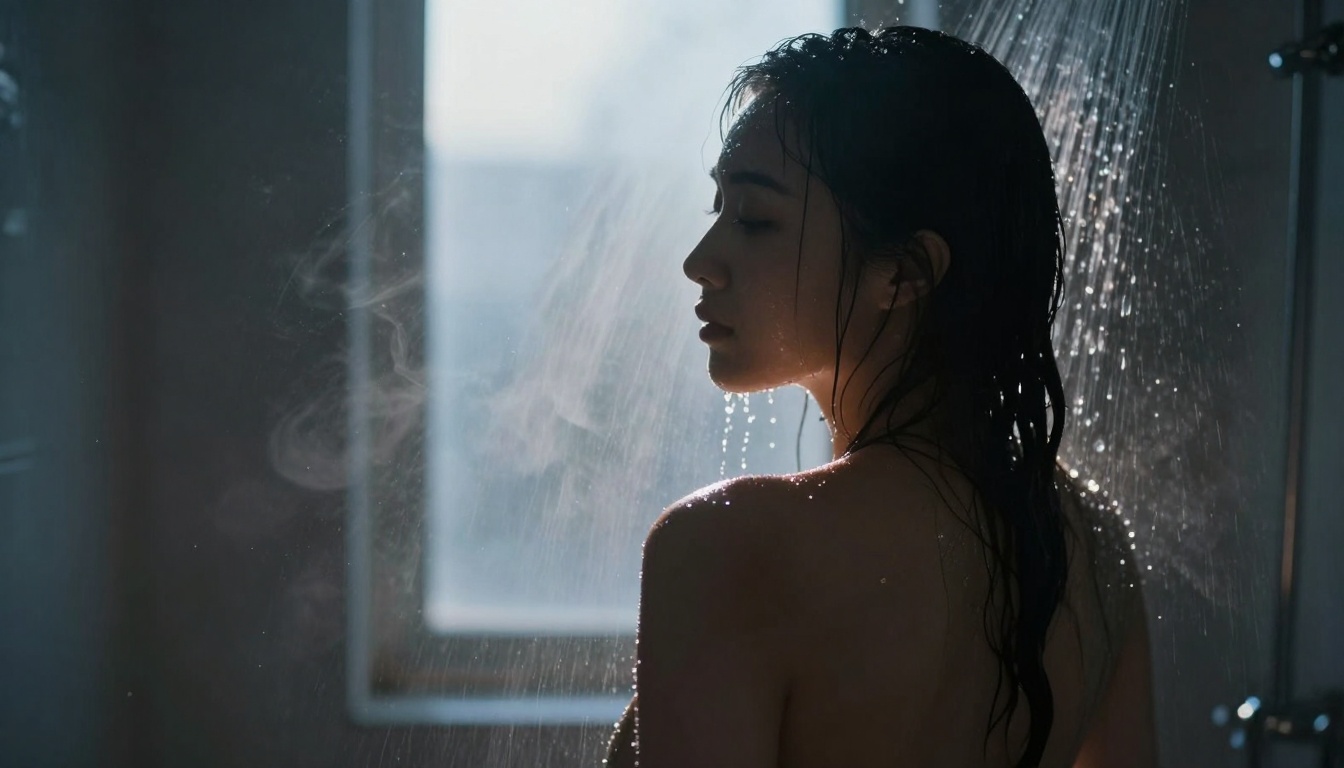
- Atmospheric effects (fog, steam, dust) without practical effects
- Impossible lighting angles (underwater glow, interior sunlight at midnight)
Location and Environment Freedom
- Historical periods without costume rentals
- Fantasy settings without CGI budgets
- Private moments in public spaces without privacy concerns
- Weather conditions on demand
The Technical Landscape
Several AI models dominate this space, each with unique strengths:
- Strengths: Exceptional anatomy accuracy, realistic skin textures
- Best for: Human-focused content, portrait work
- Unique feature: Consistent character generation across multiple images
- Strengths: Cinematic lighting, atmospheric effects
- Best for: Mood pieces, dramatic lighting scenarios
- Unique feature: Understanding of complex scene descriptions
- Strengths: Asian aesthetics, diverse ethnic representation
- Best for: Cultural-specific content
- Unique feature: Balanced representation across ethnicities
- Strengths: Fast generation, cost-effective
- Best for: High-volume production
- Unique feature: One-second generation times for simple prompts
Prompt Engineering for Quality Results
The difference between amateur and professional AI content often comes down to prompt quality. Here's what separates basic prompts from cinematic results:
Basic Prompt (Amateur)
"Beautiful woman in bedroom"
Professional Prompt
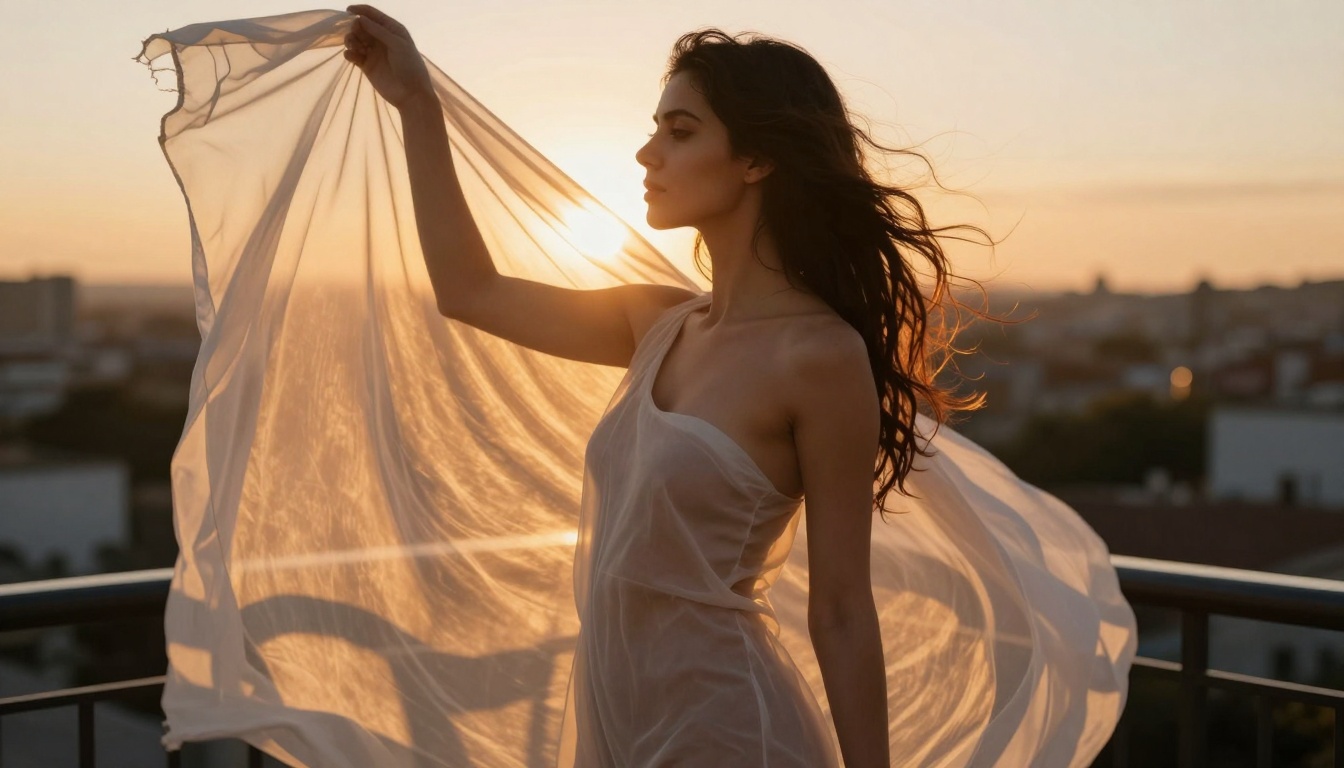
"Photorealistic portrait of woman in silk robe standing by floor-to-ceiling window overlooking city at night, morning light filtering through translucent curtains creating soft volumetric rays that illuminate her form, 85mm f/1.8 lens creating shallow depth of field with background city lights blurred into bokeh circles, Kodak Portra 400 film grain texture, realistic skin texture with fine pores visible, cinematic lighting with rim light from window"
Key elements professional prompts include:
- Lens specifications (focal length, aperture)
- Lighting physics (direction, quality, time of day)
- Material textures (specific fabrics, surfaces)
- Atmospheric effects (haze, dust, steam)
- Film/photography style (specific film stocks, color grading)
- Composition rules (rule of thirds, leading lines)

Ethical and Legal Considerations
The democratization brings significant questions that the industry is still grappling with:
Consent and Representation
- Character consistency: AI can generate the same "person" across multiple images
- Deepfake concerns: Technology that could create non-consensual content
- Age verification: Ensuring all generated characters appear adult
Platform Policies
Major platforms have developed AI-specific policies:
- Explicit vs. artistic: Distinguishing pornography from artistic nudity
- Consent documentation: Some platforms require "AI generated" labels
- Copyright status: Who owns AI-generated characters and images
Market Dynamics
- Professional displacement: Traditional photographers facing reduced demand
- Quality inflation: Consumer expectations rising with AI quality
- Specialization shift: From technical skills to creative direction and prompt engineering
Traditional creators are adapting their workflows:
Before AI Integration
- Concept development
- Location scouting
- Model casting
- Equipment setup
- Shooting session
- Post-production editing
- Distribution
After AI Integration
- Concept development
- Prompt engineering
- Batch generation
- Quality filtering
- Minor touch-ups
- Distribution
The time reduction is dramatic—from weeks to hours for similar output volume.
Hybrid Approaches
Many professionals now combine approaches:
- AI for concept testing before expensive shoots
- AI for background/environment generation with real models composited
- AI for variations on successful traditional shots
- AI for impossible shots that would be dangerous or expensive practically
Quality Benchmarks and Standards
As AI content floods the market, quality differentiation becomes critical:
Technical Quality Metrics
- Anatomical accuracy: Proper proportions, realistic joints/muscles
- Lighting consistency: Shadows matching light sources
- Material realism: Fabric textures, skin pores, hair strands
- Environmental coherence: Props matching era/location
Artistic Quality Differentiators
- Emotional resonance: Images that convey mood beyond surface aesthetics
- Narrative suggestion: Images that tell stories or suggest scenarios
- Composition mastery: Beyond basic rule-of-thirds to dynamic compositions
- Style consistency: Cohesive aesthetic across a creator's portfolio
The Human Touch
The best AI content still requires human curation:
- Selective editing: Choosing the best from hundreds of generations
- Prompt refinement: Iterative improvement based on results
- Artistic direction: Cohesive vision across multiple images
- Post-processing: Minor adjustments for perfection
Future Developments and Implications
The technology continues advancing rapidly:
Short-Term (6-12 months)
- Video generation: Tools like Sora 2 Pro and Veo 3.1 bringing motion to AI content
- Character consistency: Models that maintain exact characters across sessions
- Interactive generation: Real-time adjustments based on viewer feedback
Medium-Term (1-3 years)
- Full narratives: AI-generated storylines with consistent characters
- Personalized content: Algorithms generating content tailored to individual preferences
- Cross-medium integration: Text stories with matching visual content
Long-Term Implications
- Content abundance: Near-infinite supply of high-quality material
- Specialized niches: Hyper-specific content for tiny audiences becoming viable
- New art forms: Interactive narratives, personalized experiences
- Economic models: Subscription, tipping, patronage systems evolving
Getting Started with AI Content Creation
For those interested in exploring this space:
Beginner Path
- Start with free tier platforms to learn prompt basics
- Study photography composition and lighting principles
- Analyze professional AI content to understand what works
- Join communities for feedback and learning
Intermediate Development
- Master specific models (Flux for anatomy, GPT Image 1.5 for lighting)
- Develop consistent characters and styles
- Learn basic post-processing for final touches
- Build portfolio around specific themes or aesthetics
Professional Considerations
- Legal compliance research for your jurisdiction
- Platform-specific policy understanding
- Business model development (subscription, commissions, etc.)
- Community building and audience development
The tools exist, the barriers have fallen, and the creative possibilities are expanding daily. What matters now isn't access to technology but what you choose to create with it. The era of AI-powered content creation isn't coming—it's already here, and it's fundamentally changing who gets to create and what gets created.
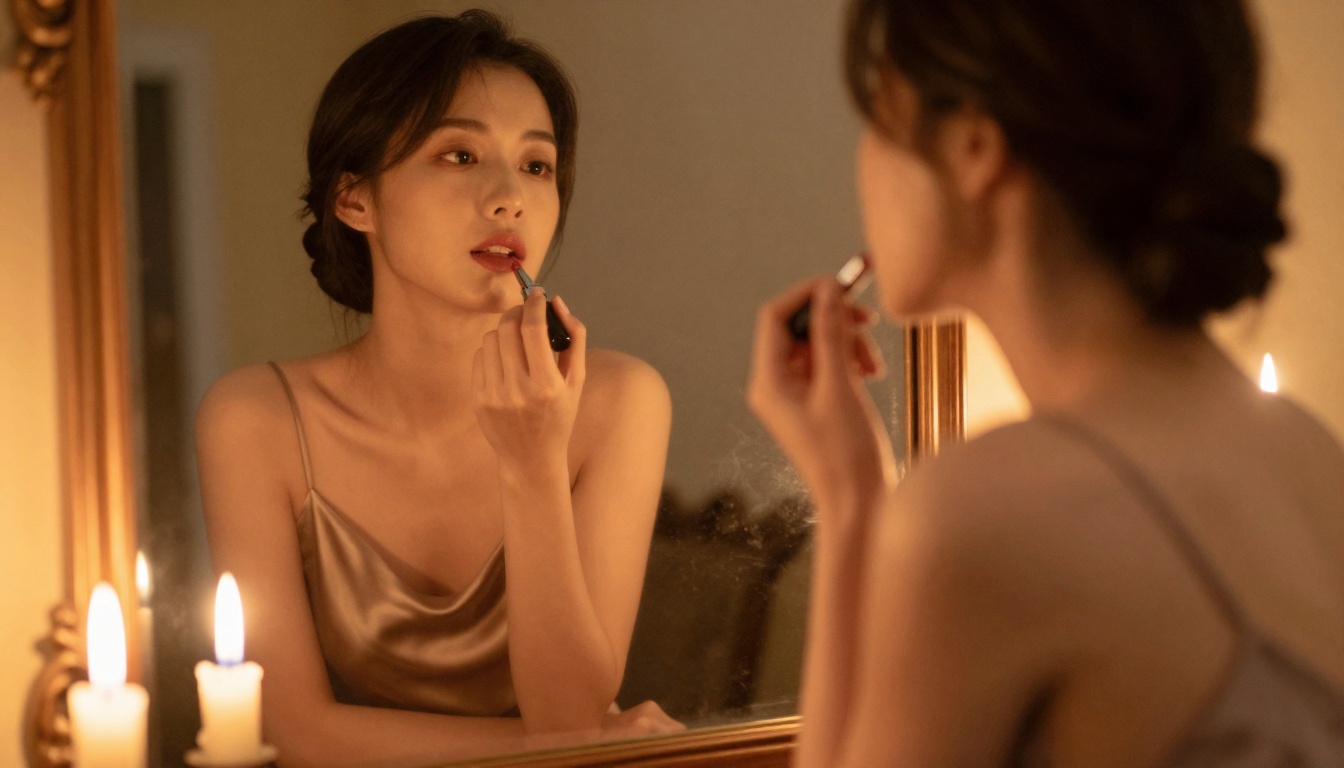
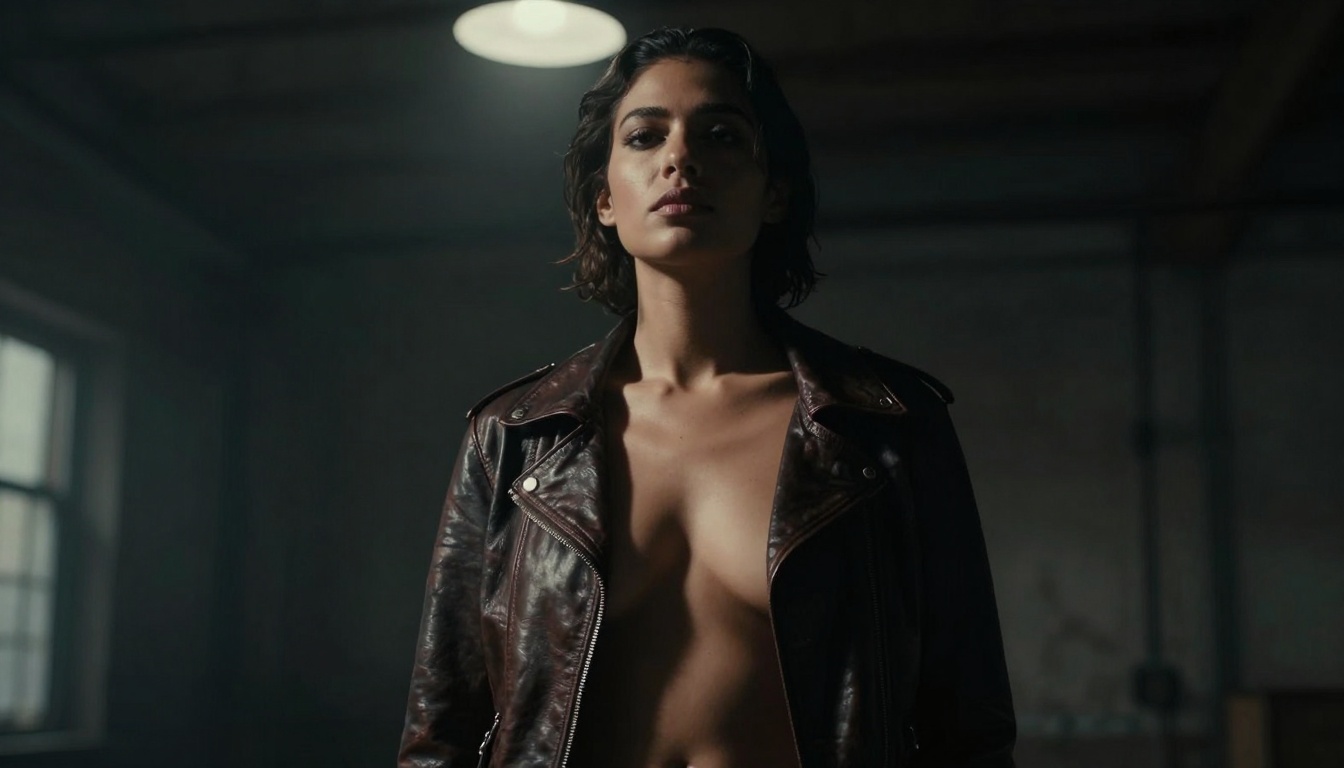
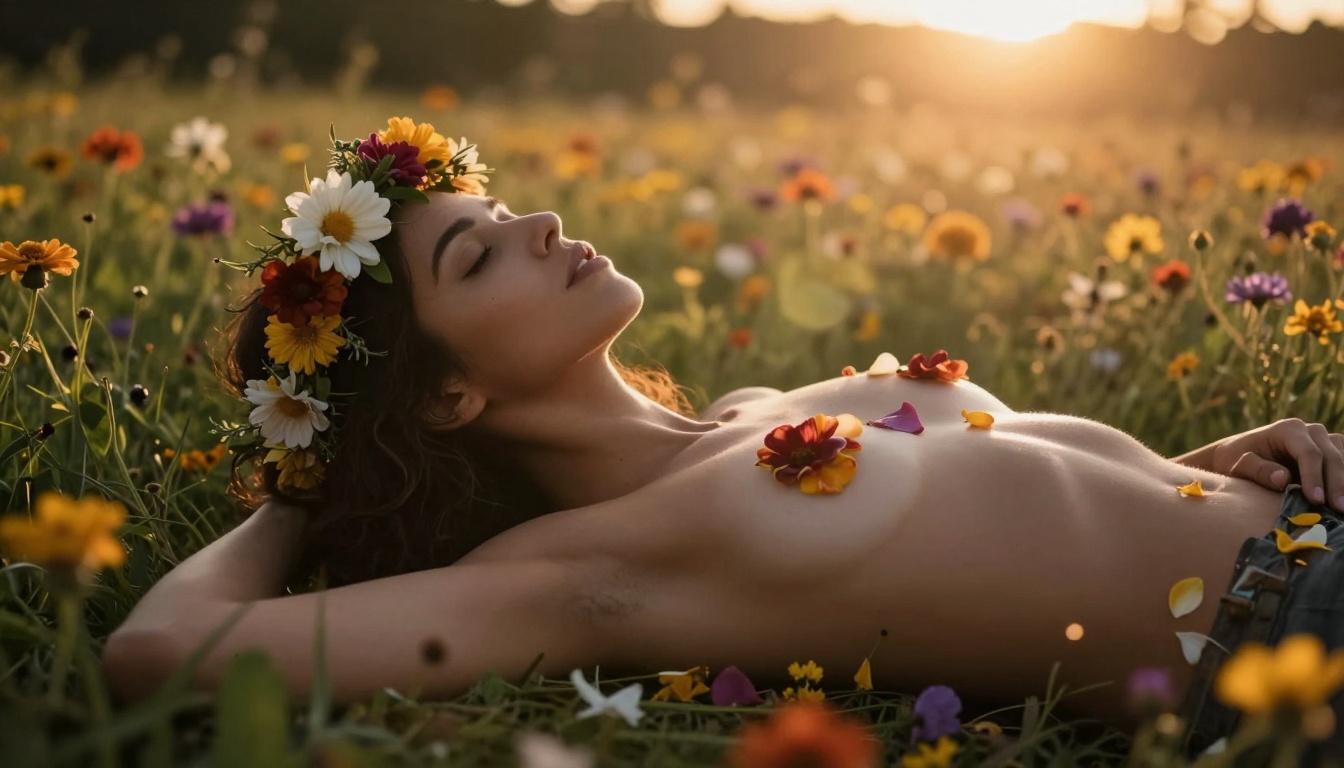
The images throughout this article were generated using AI tools available on PicassoIA. If you're interested in exploring this technology yourself, consider experimenting with the Flux or GPT Image 1.5 models to see what's possible when creativity meets advanced AI generation capabilities.


