There is something about the way anime male characters dress that stops you mid-scroll. Whether it is the flowing printed haori of a demon slayer, the sharp double-breasted coat of an elite officer, or the worn canvas layers of a shinobi wanderer, anime husbando outfit ideas carry a visual intentionality that mainstream fashion rarely matches. Every piece is chosen for a reason. Every texture, silhouette, and color tells you something about who this person is before they speak a single line.
This article takes the most celebrated anime husbando archetypes and breaks down how to translate them into real, wearable outfits. And for those who want to visualize a specific look before buying a single piece, the AI image tools available on PicassoIA can render any outfit concept in photorealistic detail.
What Makes a Husbando Outfit So Iconic
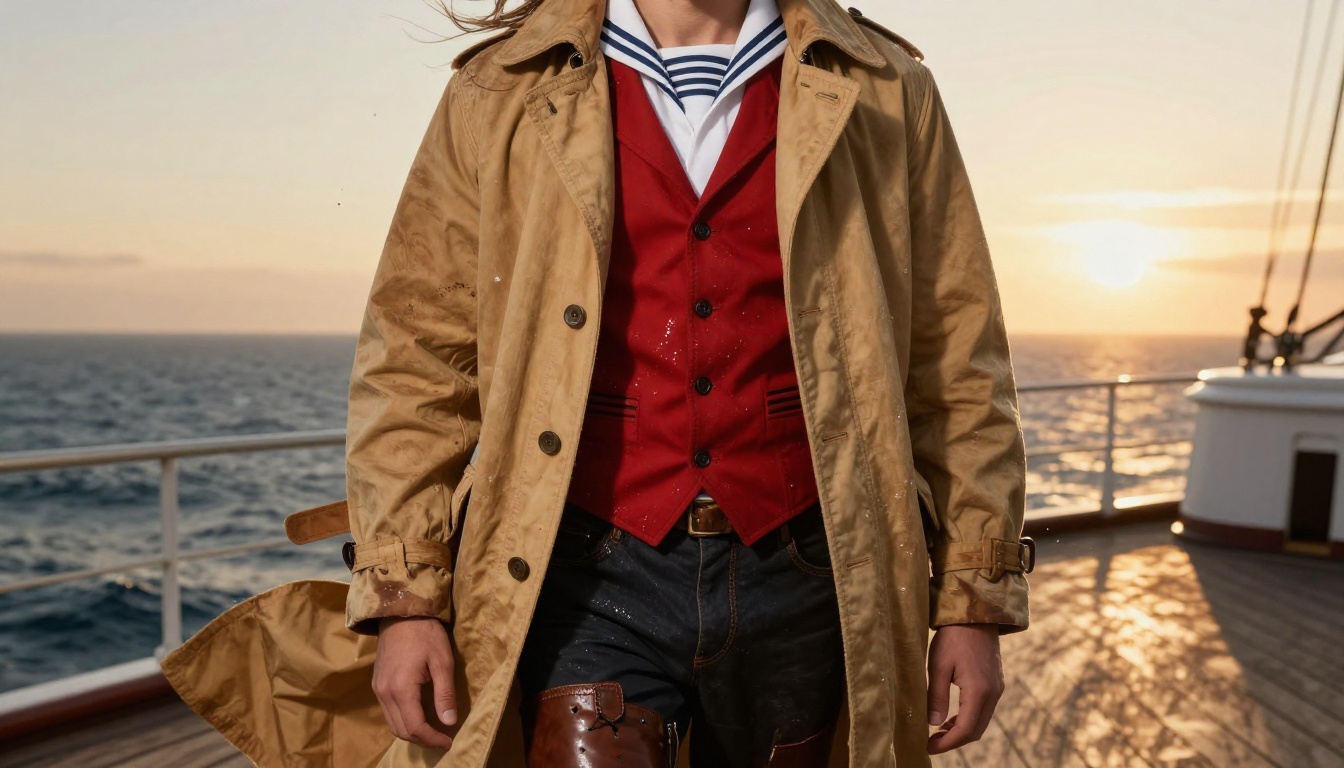
It starts with silhouette. Anime artists design characters with specific proportions in mind, and the clothes reinforce those proportions at every point. Long coats create height. Structured shoulders create authority. Slim-cut trousers create length. When you strip the exaggerated anatomy away and focus purely on garment design, what you are left with is genuinely excellent fashion logic.
The Signature Silhouette
The foundation of almost every recognizable anime husbando outfit is a strong outer layer paired with a clean, fitted inner layer. This contrast is the engine of the aesthetic:
- Structured outerwear: Trench coats, long blazers, haori, military overcoats. The outer layer sets the entire silhouette.
- Fitted inner layer: A slim shirt, fitted turtleneck, or compression layer beneath. Nothing bulky.
- Monochromatic or two-tone palette: Deep navy and white, black and charcoal, olive and cream. Color restraint creates sophistication.
💡 The Rule: One statement piece per outfit. The coat tells the story. Everything else is supporting cast.
Fabric and Detail That Tell a Story
Anime character designers use fabric texture to signal archetype immediately. Rough-woven hemp for the wandering fighter, pressed wool for the disciplined officer, embroidered silk for the noble heir. In real life, fabric texture is equally expressive:
| Anime Archetype | Recommended Fabric | Signature Detail |
|---|
| Military Officer | Structured wool blend | Brass buttons, epaulettes |
| Warrior/Shinobi | Linen, raw cotton | Wrap closures, asymmetric hem |
| Noble/Prince | Jacquard, woven silk | Embroidery, ornate trim |
| Dark Academia | Herringbone tweed | Fine knitwear, leather accessories |
| Tech-Wear Protagonist | Technical nylon | Utility zippers, D-rings |
| Athletic Hero | Compression fabric | Color-block panels, contrast seams |
The Haori Aesthetic
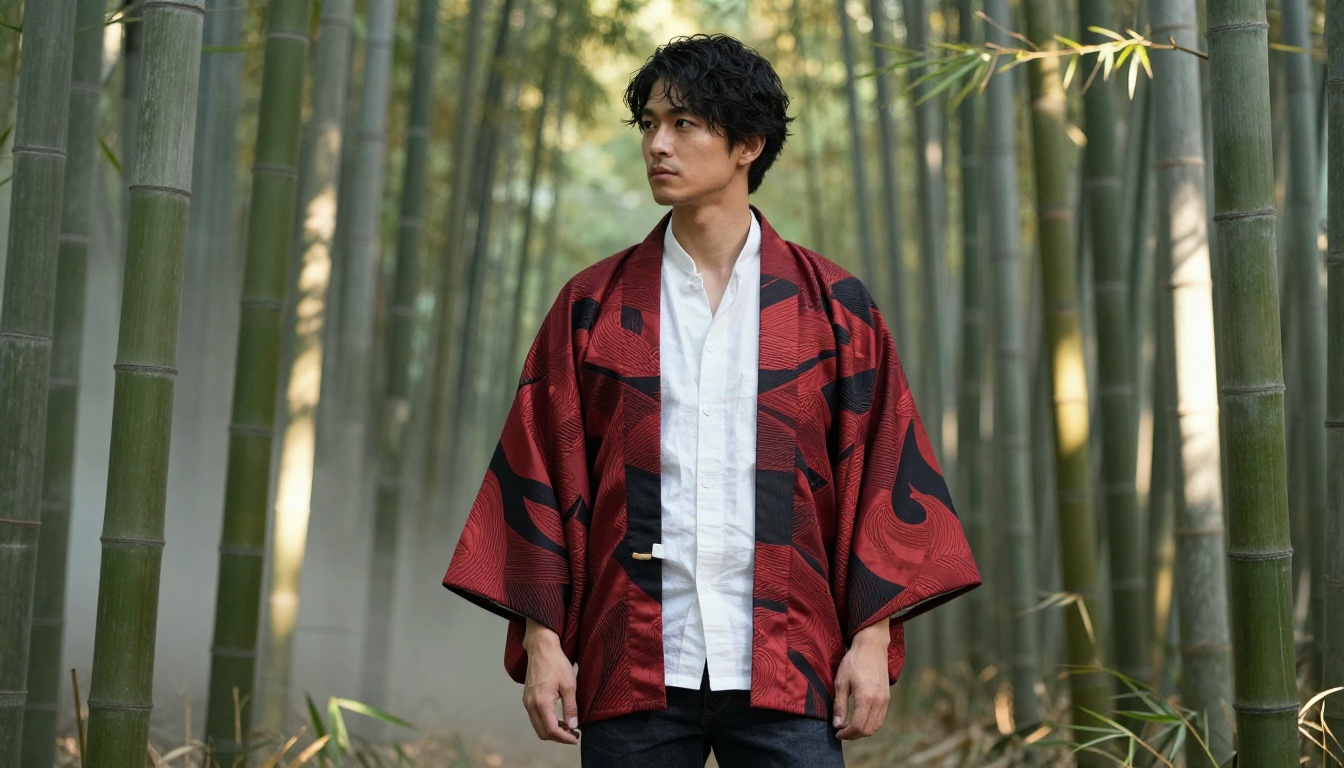
If one garment summarizes anime husbando fashion in a single piece, it is the haori. Worn open over a fitted shirt, the haori acts as a Japanese equivalent of a light outer layer, except the pattern carries all the personality. The Demon Slayer franchise brought this garment to every mood board in fashion-adjacent anime circles, but its appeal runs far deeper than any single series.
The haori is a real garment with centuries of history in Japanese dress. Today it sits naturally at the intersection of traditional wear and contemporary streetwear.
How to Wear It Today
Four practical rules for making the haori work in everyday settings:
- Choose pattern over solid color. A geometric or botanical print haori over a plain white fitted shirt creates the visual balance the look requires.
- Keep the base minimal. Slim jeans or tailored dark trousers let the haori lead. Competing patterns below the waist kill the effect.
- Proportion matters. Mid-thigh length is the sweet spot. Too short and it reads as a jacket. Too long and it overwhelms a shorter frame.
- Footwear sets the tone. Chunky sneakers push it into streetwear. Clean leather loafers lean into the traditional aesthetic.
The best fabrics for authentic haori drape are woven cotton, rayon blends, and lightweight silk. These move naturally and read as intentional rather than costumey.
💡 Worth Knowing: Contemporary Japanese brands like Kapital and Needles produce haori-adjacent outerwear that sits perfectly at the intersection of traditional silhouette and modern fabric technology. These pieces translate most naturally from screen to street.
Military and Tactical Style
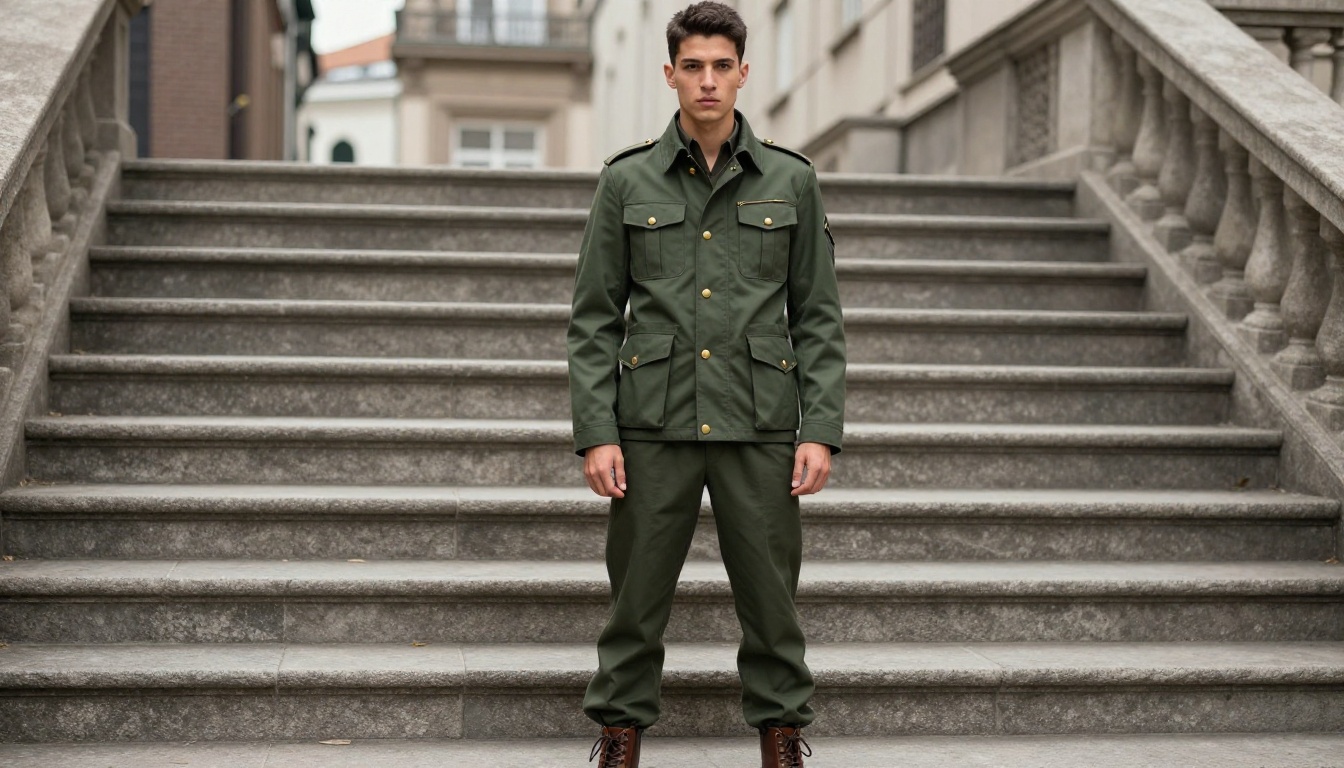
The military look might be the single most transferable anime husbando aesthetic into real-world wearing. From the Survey Corps jacket of Attack on Titan to the State Alchemist uniform of Fullmetal Alchemist, structured military-inspired clothing communicates authority, discipline, and a controlled elegance that translates cleanly into contemporary fashion.
Brass Buttons and Structured Cuts
The distinguishing details that make anime military style work outside of convention settings:
- Double-breasted coats with clean lapels and visible brass button hardware
- Fitted tapered trousers that end precisely at the ankle
- Knee-high or ankle boots with buckle or side-zip closure
- Minimal insignia: A single lapel pin, an embroidered chest pocket. Deliberate, not theatrical.
Building the look:
- Outerwear: Structured double-breasted wool coat in navy, forest green, or charcoal
- Shirt: Fitted button-down with high collar, white or ivory
- Trousers: Slim-fit, no pleats, slight taper to the ankle
- Boots: Chelsea boot or side-zip ankle boot with low-profile hardware
What keeps this aesthetic grounded is restraint. You are not cosplaying a character. You are borrowing the design logic of structured military tailoring, which has been genuinely stylish for centuries before anime existed.
Dark Academia Meets Anime
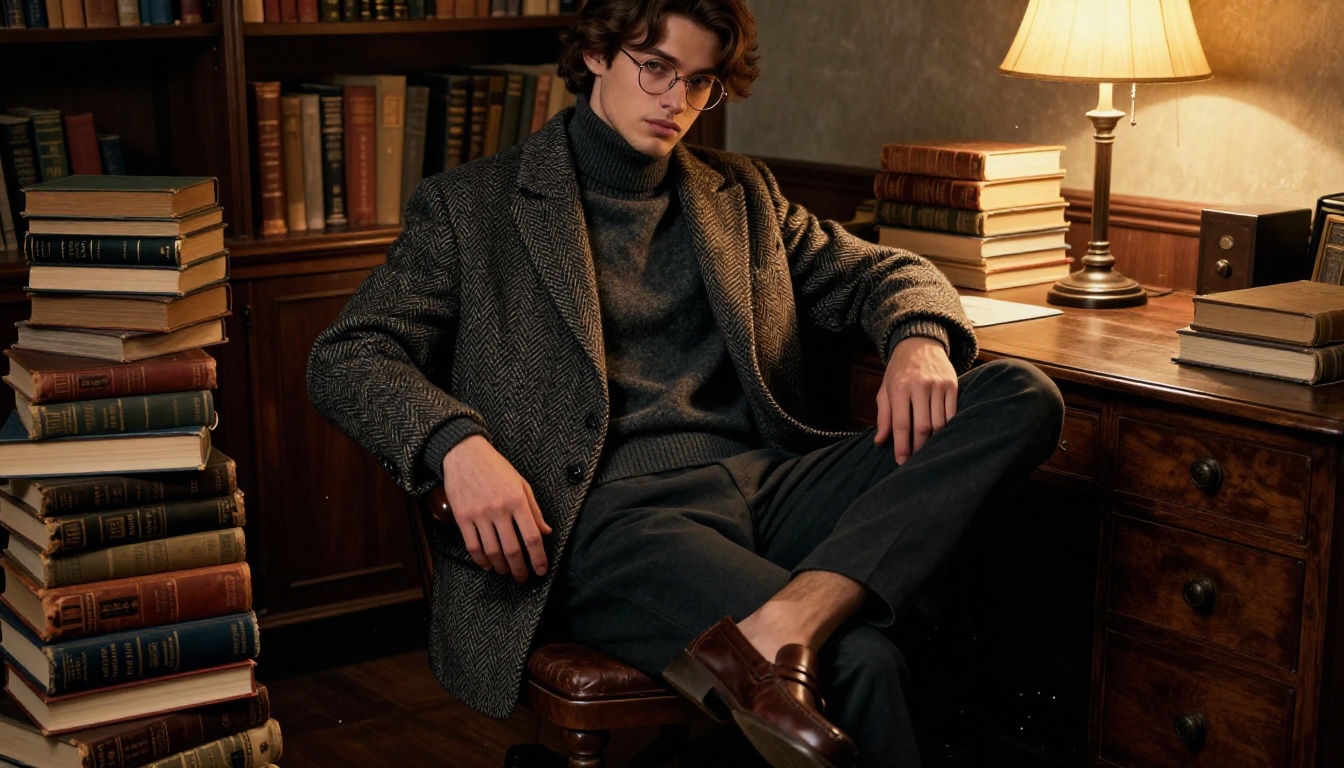
Dark academia as a fashion aesthetic was arguably built by anime before the internet gave it a name. The intellectually intense young man in a turtleneck and worn blazer, surrounded by old books and soft lamp glow, is a visual archetype running through dozens of beloved series. Bungo Stray Dogs, Moriarty the Patriot, The Case Study of Vanitas. All of them live in this particular visual space.
The Intellectual Protagonist Look
This is one of the most naturally wearable anime-inspired aesthetics in everyday life because it draws directly from existing real-world fashion: tweed blazers, turtleneck knits, wool trousers, leather loafers. The anime version amplifies the intentionality of layering and the precision of fit.
Five core pieces for this look:
- Oversized herringbone blazer: The slight oversize signals intellectual priority over fashion consciousness. That tension is the point.
- Fine-gauge turtleneck: Charcoal, forest green, or burgundy. It elevates any outfit without effort.
- Slim straight trousers: Dark grey or deep brown, no break at the ankle.
- Leather accessories: A watch with a brown leather strap, a worn leather satchel. These age beautifully.
- Wire-frame glasses: Optional but remarkably effective at landing the aesthetic fully.
💡 Investment Logic: This aesthetic rewards quality over quantity. Three exceptional pieces outperform ten forgettable ones every time, which mirrors how anime character wardrobes are constructed: every item chosen with intention, nothing included as filler.
Princely and Noble Elegance
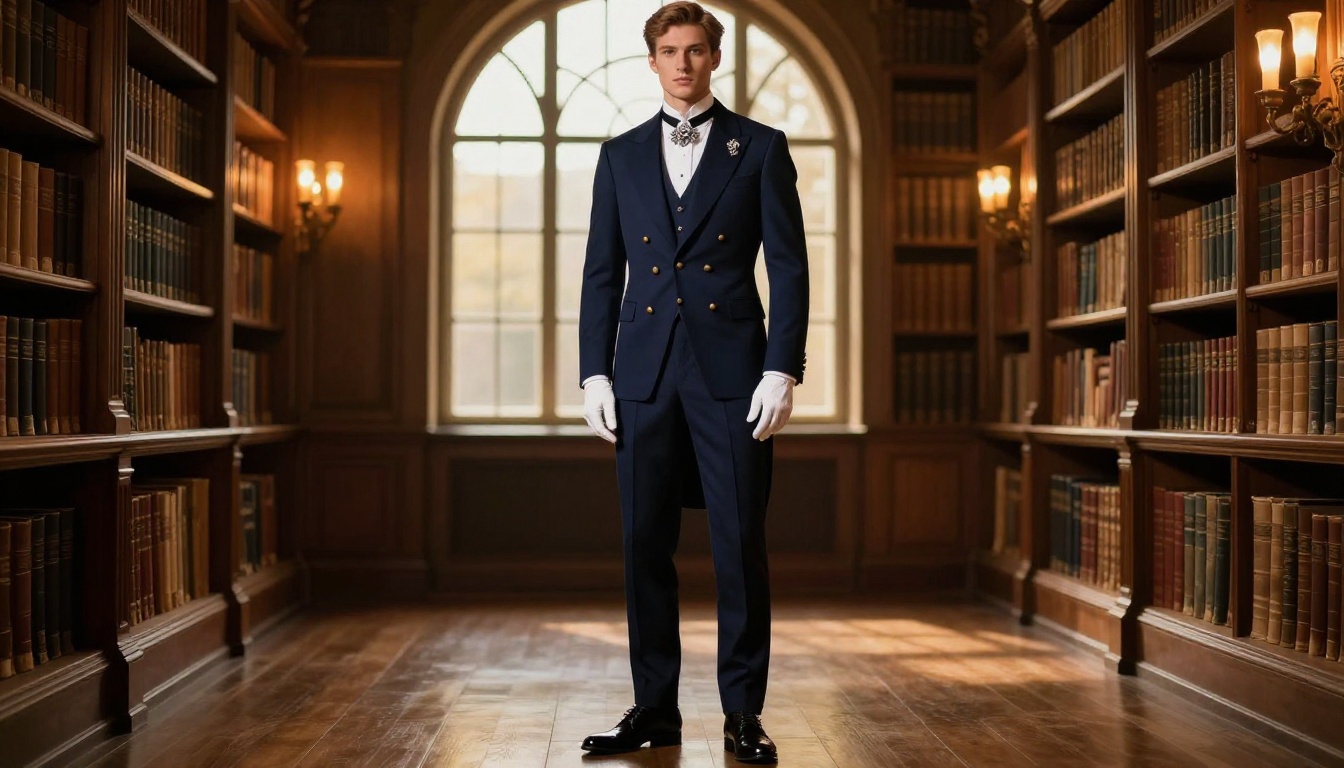
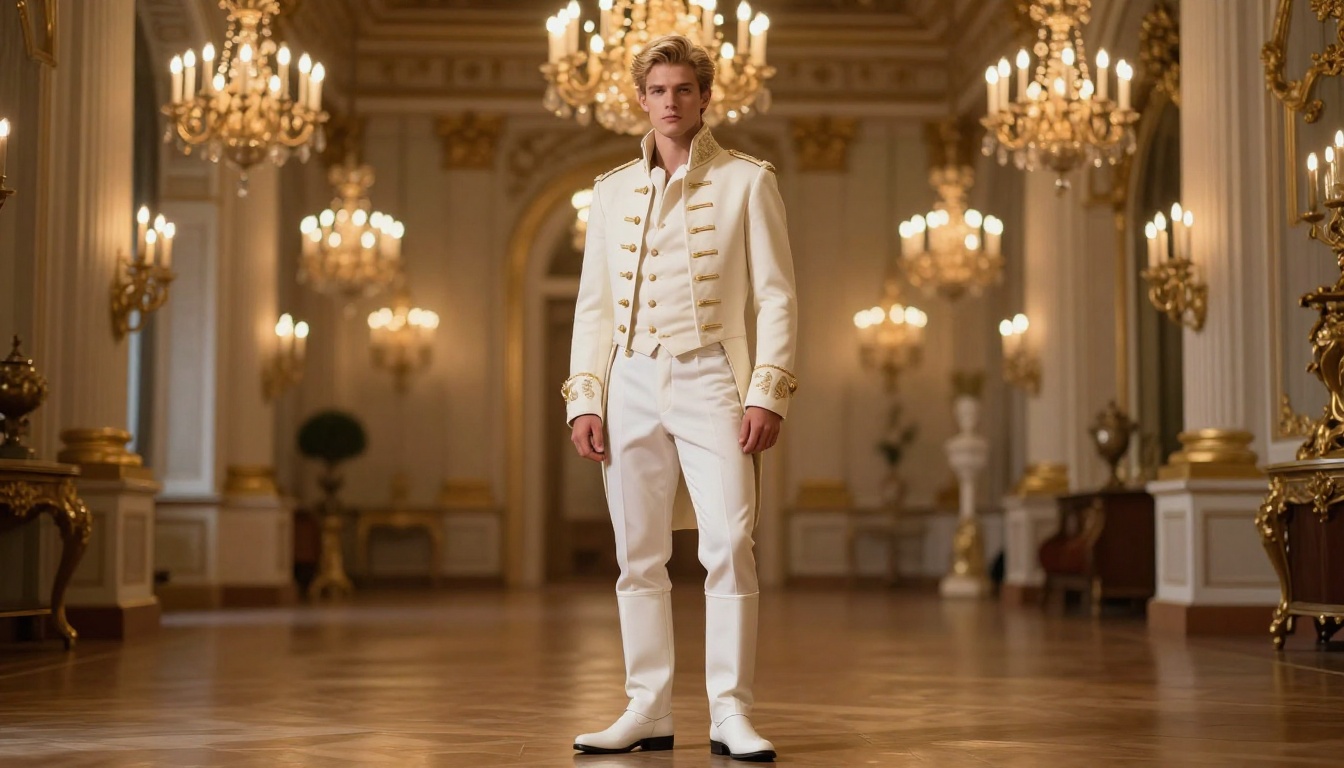
The noble prince archetype spans enormous range across anime. Fantasy royalty, elite academy hierarchies, centuries-old noble lineages. The common thread is formal elegance with a personal signature: always impeccably tailored, always carrying some distinctive color or detail that distinguishes the character from every other well-dressed person in the room.
When Anime Royalty Inspires Real Fashion
This aesthetic lives in the space between formal wear and theatrical costume. The approach that makes it work in real settings is calculated restraint:
- Long blazers and frock coats: A structured blazer hitting at the hip reads as princely without costume energy.
- Ivory or white as a primary color: A rare choice in men's formal wear that signals confidence when worn correctly.
- Embroidered or embossed detail: A subtle jacquard pattern on a lapel or shirt cuff adds depth without noise.
- Exceptional footwear: White leather derby shoes or clean Oxford boots close the look with precision.
This aesthetic performs brilliantly at formal events where the default expectation is a forgettable dark suit. A thoughtfully constructed ivory or pale blue structured coat with deliberate detail stands out for exactly the right reasons.
Shinobi-Inspired Streetwear
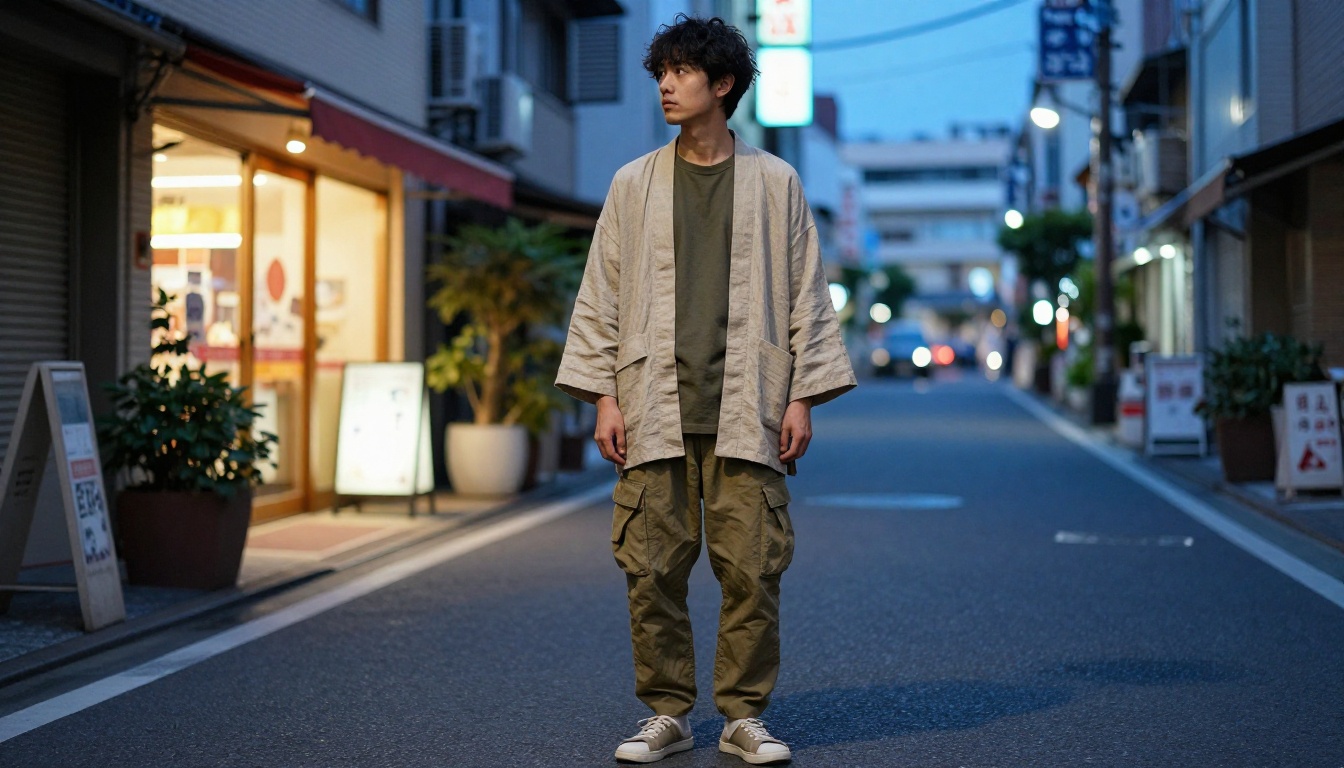
The Naruto franchise and its cultural descendants made shinobi aesthetics a permanent fixture in global street fashion. The underlying design logic is earthy tones, layered silhouettes, functional detail, and a studied ease that reads as effortless rather than constructed.
Earth Tones and Layered Silhouettes
The modern interpretation of shinobi-inspired streetwear for daily wear:
- Kimono-collar overshirt in linen or raw cotton: The open-front drape is the defining element.
- Layered neutrals: Build from a dark inner layer outward to lighter, looser pieces for visual dimension.
- Tapered utility or cargo trousers: Functional pocket details without going full tactical gear.
- Minimal footwear: Sandal-inspired sneakers, tabi-style socks, or clean low-profile trainers.
💡 Color Palette: Warm beige, olive green, rust brown, slate gray. These tones layer naturally, photograph beautifully, and carry genuine connection to the traditional Japanese textile palette that inspired the original designs.
The appeal of this aesthetic is how naturally it bridges Japanese heritage fashion and contemporary streetwear sensibility. It wears comfortably across seasons and works in creative professional settings just as well as casual ones.
Tech-Wear for the Modern Protagonist
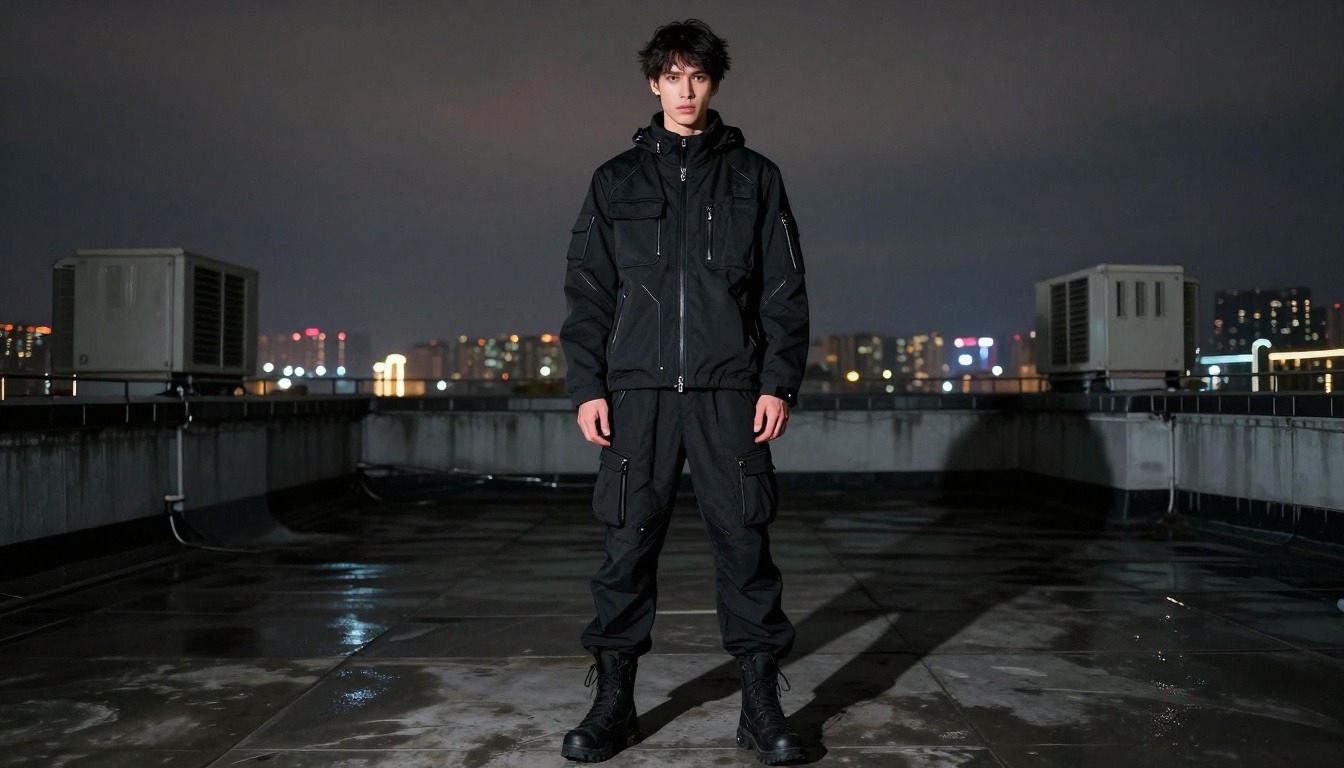
Urban anime set in contemporary or near-future environments consistently dress their male leads in structured, utility-forward dark outfits that communicate competence through deliberate functional design. Ghost in the Shell, Psycho-Pass, Cyberpunk: Edgerunners. All operate in this visual space and dress their protagonists accordingly.
Utility and Edge Combined
Tech-wear done correctly is not simply wearing everything in black. It is the precise combination of:
- Technical outerwear: Jackets with DWR-treated finishes, taped seams, and purpose-built pocket placement
- Articulated trousers: Gusseted construction and controlled cargo pocket integration for a modern, mobile silhouette
- Hardware as function: Visible zippers, D-rings, and buckles used as structural elements, not decoration
- Dark monochromatic execution: All black, all dark grey, or a carefully controlled two-tone dark palette
Tech-wear starter reference:
| Piece | What to Prioritize |
|---|
| Jacket | Technical nylon, minimum 3 exterior pockets, slim cut |
| Trousers | Gusseted crotch, side zip hems, tapered leg |
| Footwear | Low-profile chunky trainer or tactical boot |
| Bag | Sling or chest pack in matching dark colorway |
Brands like Acronym, Stone Island, and Y-3 have built entire design philosophies around this aesthetic. You do not need premium price points to access the look, but understanding what makes those garments function helps when building a more accessible version.
Use AI to Recreate Any Husbando Look
Before spending money on pieces you are uncertain about, AI image generation tools let you see exactly how a specific look comes together. Test color combinations, swap silhouettes, refine layering ratios. The output is photorealistic, which a traditional mood board cannot approach.
The practical workflow: describe your outfit concept in detail, generate a photorealistic reference image, iterate on any details that need adjustment, then use the finalized image as a concrete shopping reference. This process turns vague aesthetic inspiration into actionable direction and compresses weeks of uncertain browsing into a focused visual session.
Models Worth Trying on PicassoIA
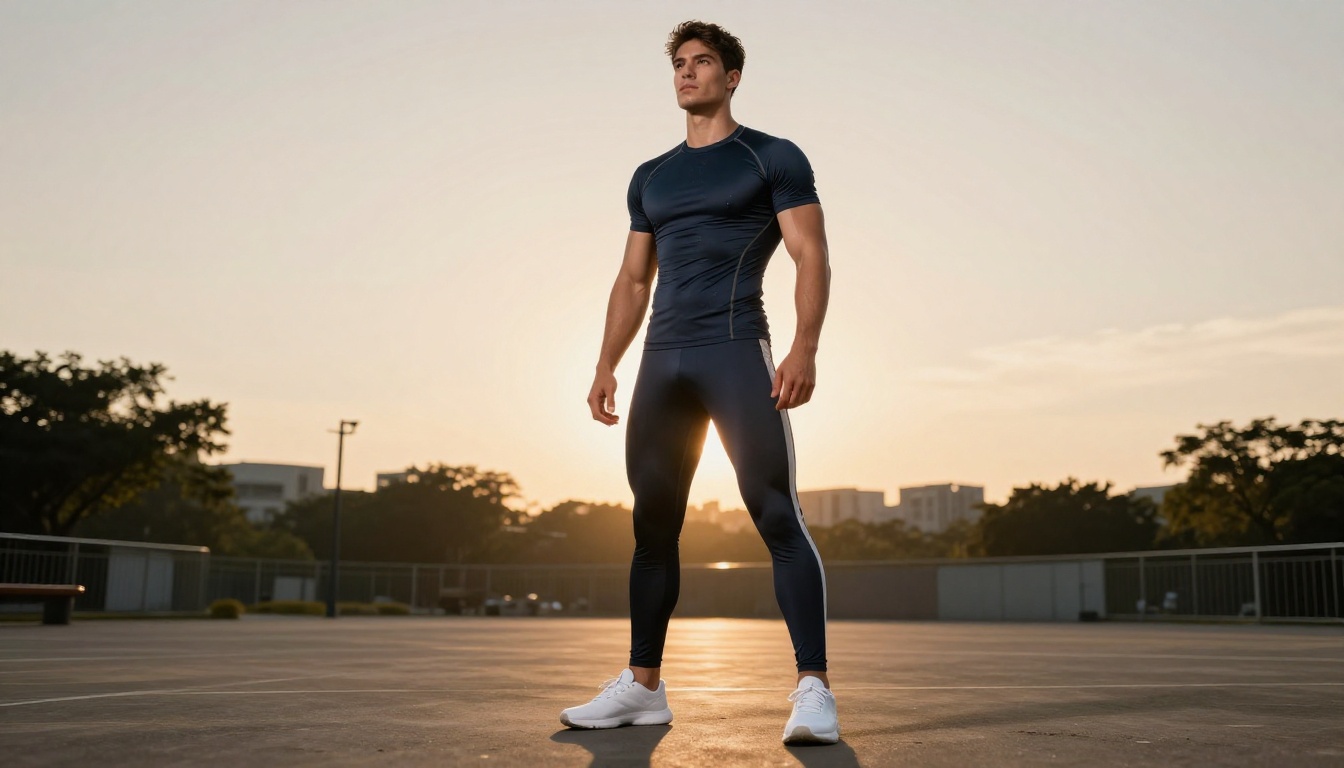
Several models on PicassoIA are particularly well-suited for anime-inspired fashion visualization:
Seedream 4.5 produces 4K photorealistic images with outstanding fabric texture detail. It handles complex layered outfits particularly well, capturing realistic drape and material variation across haori, long coats, and structured tailoring.
Seedream 5 Pro sharpens that output to full 2K precision, making it the right choice when fine embroidery, button hardware, or fabric weave texture needs to read clearly in the final image.
Krea 2 Medium sits at a beautiful intersection of illustrated warmth and photorealistic rendering. When you want something that honors the anime visual language rather than pulling entirely toward strict photography, this model delivers.
Krea 2 Large extends that quality further for lush, cinematic fashion imagery with exceptional detail across every garment element.
P Image Try On is the most directly practical tool for wardrobe planning. It places any outfit onto your own photo, bridging the gap between AI fashion visualization and your actual buying decisions.
GPT Image 2 handles nuanced prompt interpretation exceptionally well, making it ideal when you need to describe a specific outfit with precise and unusual detail combinations.
PicassoIA Image and PicassoIA Image Editor Pro offer unlimited generations without credit limits, which is invaluable when iterating rapidly through outfit variations. The Editor Pro version adds inpainting, letting you swap specific garment details without regenerating the entire image from scratch.
Qwen Image 3 and Hunyuan Image 2.1 both produce strong photorealistic character fashion results with excellent prompt responsiveness and accurate fabric rendering.
💡 Recommended Workflow: Start with Seedream 4.5 for initial concept generation. Use P Image Try On to visualize the look on yourself. Refine any specific details with PicassoIA Image Editor Pro without rebuilding from scratch.
Build Your Own Husbando Look Now
The anime husbando outfits covered here are not fictional costume concepts. They are fashion archetypes with genuine roots in real garment traditions, amplified through the lens of character storytelling. The haori draws from centuries of Japanese textile craft. The military coat from European tailoring history. The tech-wear silhouette from contemporary functional design philosophy.
Each of these aesthetics has a real-world version that wears well, photographs beautifully, and holds up beyond the novelty of the reference. The question is not whether these looks work in practice. They clearly do. The question is which one fits how you want to present yourself.
Every model referenced above is available at picassoia.com/en/all-models. Whether you want photorealistic reference imagery for shopping, detailed iteration on a specific outfit concept, or the ability to see a look on your own photo before committing, the right tool is there. Pick the archetype. Write the prompt. See the result.


