The debate between anime husbandos and realistic AI male characters is more personal than it looks. One side pulls you in with exaggerated features, vivid eyes, and the kind of emotional expressiveness only possible in stylized art. The other hits with raw physical detail, natural lighting, and the uncanny feeling that the person in front of you could step off the screen. Both are valid, both are beautiful, and both are fully generatable with AI today. The real question is which one resonates with you, and how you can create both on demand.
What Separates Anime from Realistic Husbando Art
Before you pick a side, it helps to understand what actually differentiates these two approaches at a visual and emotional level. It is not just about whether something looks drawn or photographed. The difference runs deeper than that.
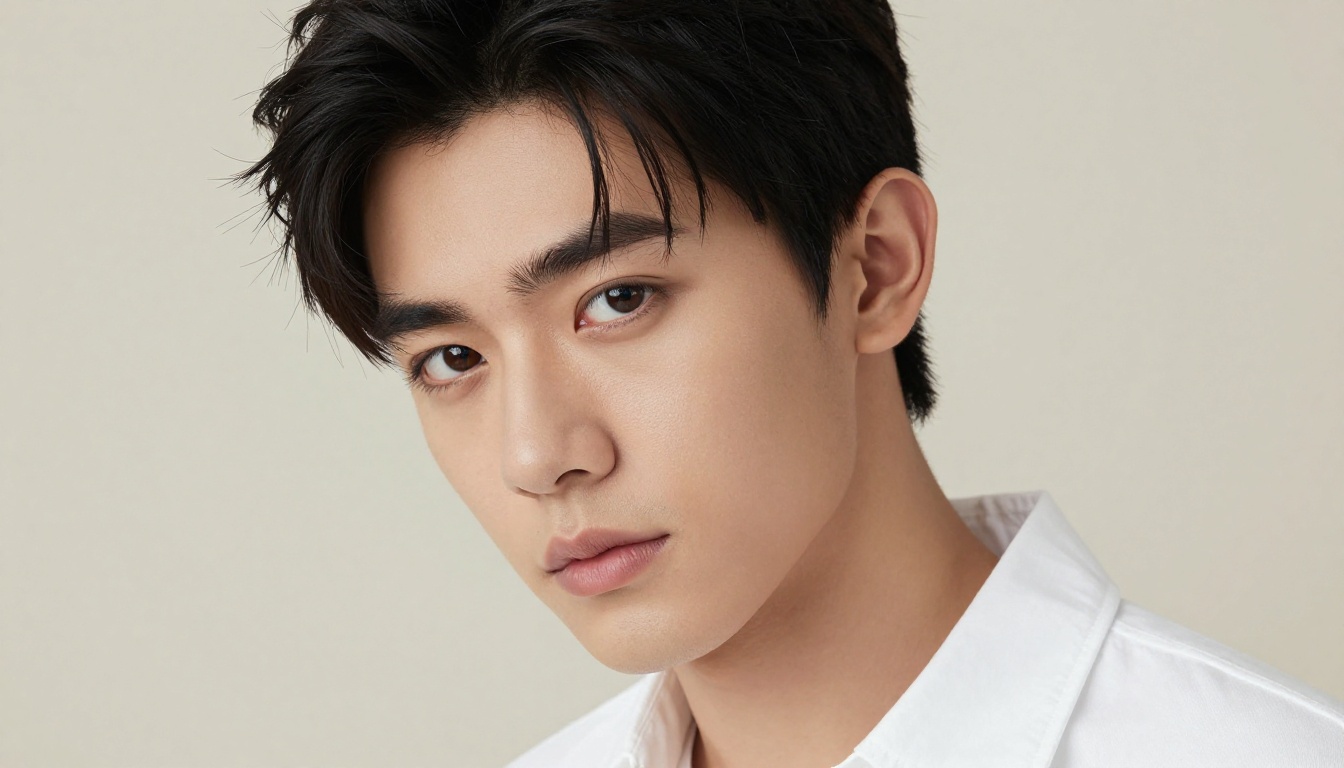
Anime Style: What It Actually Looks Like
Anime-style husbandos follow a visual language refined over decades: large, expressive eyes with high iris detail, simplified but precise facial anatomy, dramatic hair designs that often defy gravity, and color palettes that prioritize emotional signaling over naturalistic accuracy. The proportions are deliberately adjusted, with narrower noses, fuller lips, and skin textures that read as smooth and idealized rather than pored and lived-in.
The appeal is not a lack of realism. It is deliberate emotional coding. A character with large tearful eyes and soft pastel tones signals vulnerability and tenderness. One with sharp angular features, narrow eyes, and dark tones signals mystery and intensity. The visual shorthand does significant emotional work before a single word is said.
Realistic Style: Where the Details Live
Realistic husbando art or AI generation operates on a completely different emotional frequency. The power here comes from things like:
- Skin texture with visible pores, fine hair, and subsurface scattering that gives cheeks that warm, living glow
- Lighting physics that respond to the environment in ways that feel true to how light actually behaves
- Imperfect symmetry that reads as genuine rather than constructed
- Clothes that wrinkle, fabrics that have weight, and backgrounds that tell a story about who this person is and where they live
- Eye detail that captures the specific opacity and depth of real irises, not the graphic boldness of stylized ones
The emotional appeal is intimacy. A realistic AI husbando feels like someone you could actually encounter in a cafe, a library, or on a sunlit rooftop. That perceived closeness is a significant part of why people seek this style out.
A Visual Comparison
| Feature | Anime Style | Realistic Style |
|---|
| Eye proportion | Large, stylized | Natural, detailed iris |
| Skin | Smooth, idealized | Pored, subsurface scattering |
| Hair | Volumetric, expressive | Strand-separated, physically accurate |
| Emotional coding | Instant, visual archetype | Atmospheric, contextual |
| Lighting | Stylized, dramatic fills | Photographic, physically based |
| Presence | Narrative, world-implied | Immediate, moment-focused |
Which Style Actually Fits You
This is not a question with one correct answer. Your preference is shaped by what you are looking for emotionally, aesthetically, and contextually. Both styles satisfy different psychological needs, and many people find themselves drawn to each in different situations.
You Are Drawn to Emotional Archetypes
If the specific personality archetype matters more to you than visual realism, anime style tends to be the natural fit. Anime husbandos carry codified character types: the stoic protector, the warm sunshine boy, the brooding loner, the cocky rival who secretly cares. These personalities are communicated instantly through visual design.
You do not need to know anything about the character. The art style tells you. If you find yourself thinking "he looks like a tsundere" or "this gives me soft-spoken scholar energy" within seconds of seeing a character, you are reading anime visual language fluently. That fluency is emotionally rewarding in itself.
You Want Physical Presence and Realism
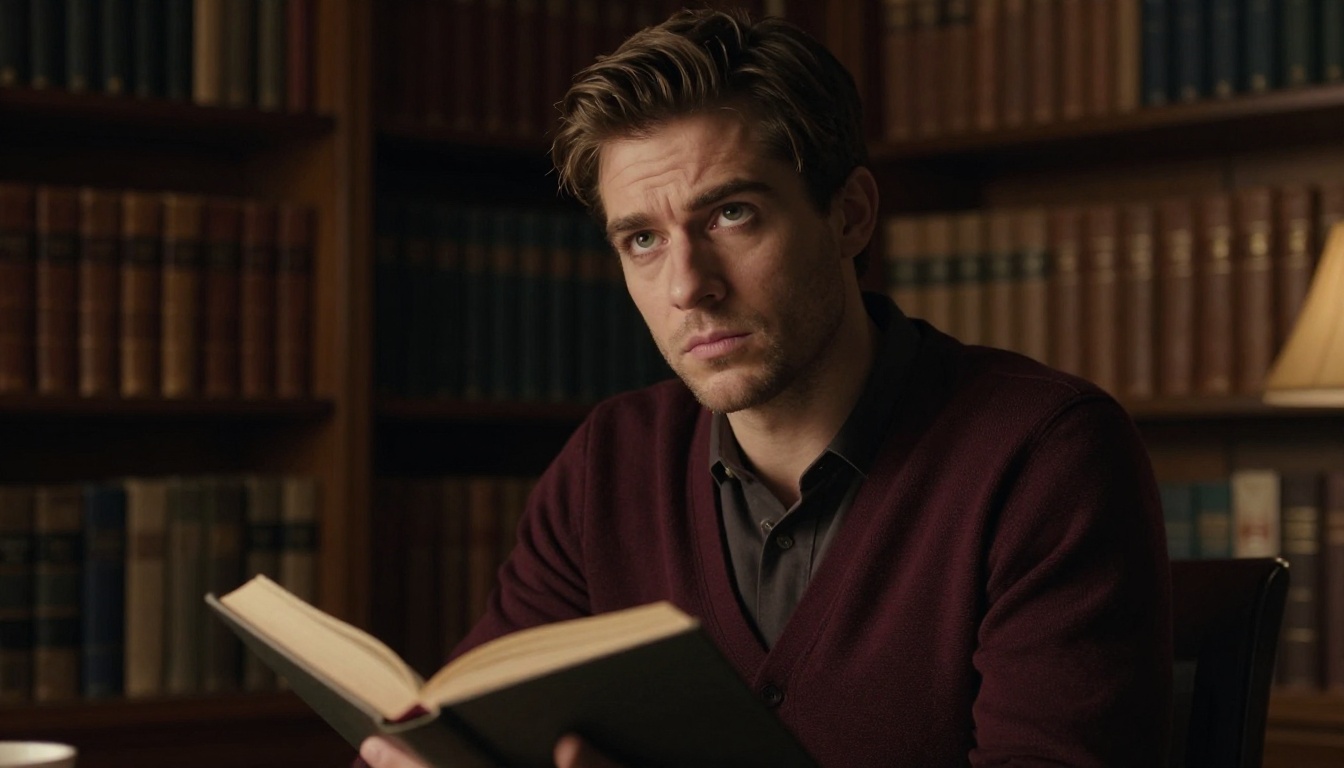
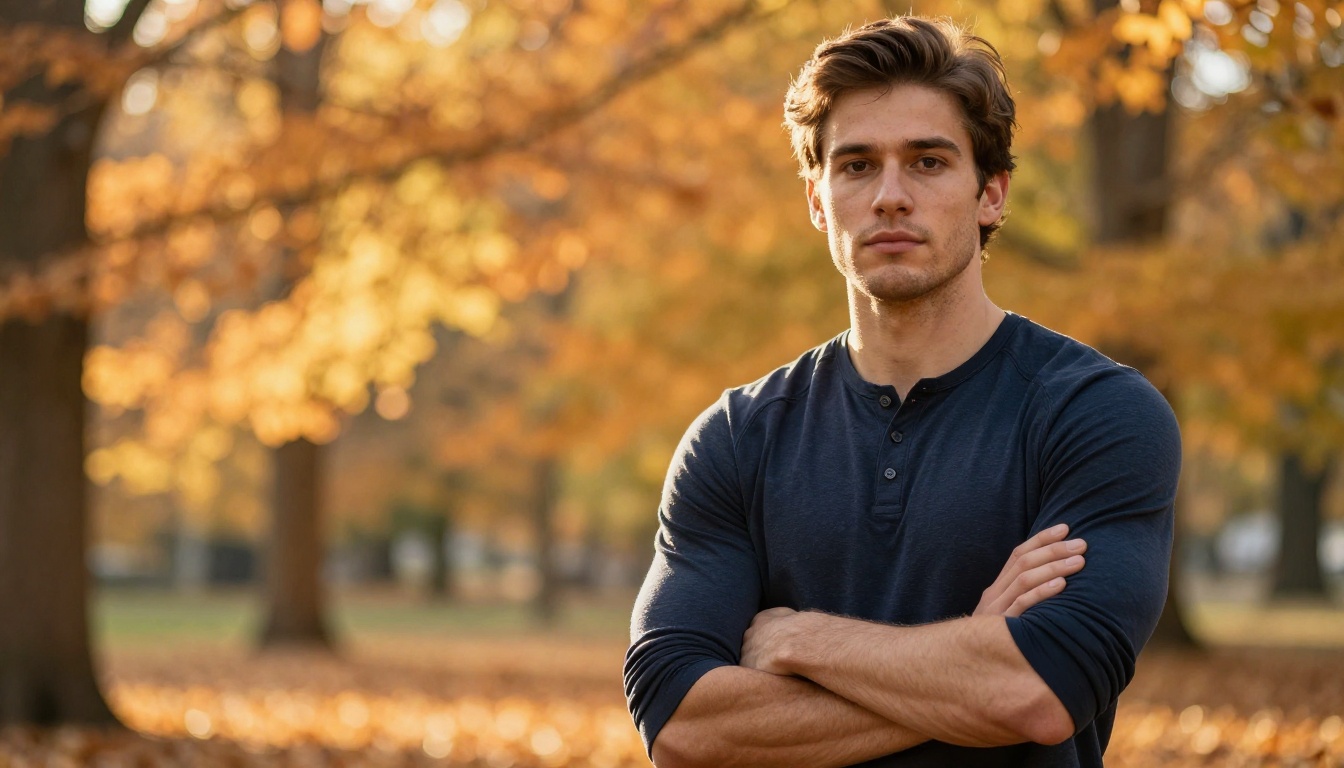
If what moves you is the feeling that someone is there, realistic AI generation operates at a different register entirely. You want to see how the light catches a jawline in the late afternoon. You want the collar of the shirt to sit the way it actually would on a real person. You want the slight crinkle at the corner of the eyes when they look slightly away from the lens.
This is where AI models like Seedream 4.5 and Flux 1.1 Pro Ultra have made remarkable progress. The images they produce carry that weight of physical presence that anime style simply does not attempt.
A Quick Style Finder
| If you relate to this... | Your husbando style is likely... |
|---|
| You have a favorite anime character type | Anime style |
| You prefer photography over illustration | Realistic |
| Emotional shorthand matters more than fidelity | Anime style |
| You want skin texture and imperfect beauty | Realistic |
| You love vivid, expressive color palettes | Anime style |
| You want the "this could be real" feeling | Realistic |
| You create original characters with backstories | Anime style |
| You want intimate portrait energy | Realistic |
💡 Many people enjoy both. Having an anime preference for fictional universes and a realistic preference for AI-generated characters is completely common, and PicassoIA gives you access to models optimized for both.
How AI Generates Anime-Style Characters
The AI landscape for anime-adjacent character generation has matured significantly. On PicassoIA, several models handle this aesthetic with strong results.
The Best Models for Anime Character Generation
Seedream 4.5 is particularly strong here. It handles stylized portraits with expressive, detailed features exceptionally well, producing clean, high-fidelity renders of anime-adjacent male characters. It supports both safe and suggestive content, making it the primary recommendation for this category.
Flux 1.1 Pro can also produce stylized characters when prompted correctly, though it defaults to photorealistic output. You steer it toward stylized anime-adjacent territory by describing the visual language you want rather than naming a specific art style directly.
GPT Image 2.5 Flare is another strong option. It excels at clean, crisp character renders with excellent definition, particularly useful for male character portraits that need strong emotional expressiveness in the face.
Qwen Image 3 rounds out the lineup with notable performance on detailed character faces and stylized portrait work.
Prompting Tips for Anime-Style Characters
Getting anime-adjacent results from AI image models is more about describing visual features than naming styles. What works consistently:
- Describe the eye structure explicitly: "large expressive dark eyes with detailed iris, long lashes, reflecting ambient light at the pupil"
- Specify hair behavior: "black hair with layered sections, slight natural movement, volumetric and glossy individual strands"
- Use emotional lighting: "soft key light from above-left, dramatic sculpting shadow under the jawline, clean fill from the right"
- Define the archetype through posture and expression: "seated at a window, one arm resting on the sill, looking away with quiet reserved intensity, lips slightly parted"
What to avoid in prompts: generic style labels that pull AI models toward inconsistent output. Describe the physical and emotional qualities directly, and be specific about what kind of attractive you are going for.
How AI Generates Realistic Husbandos
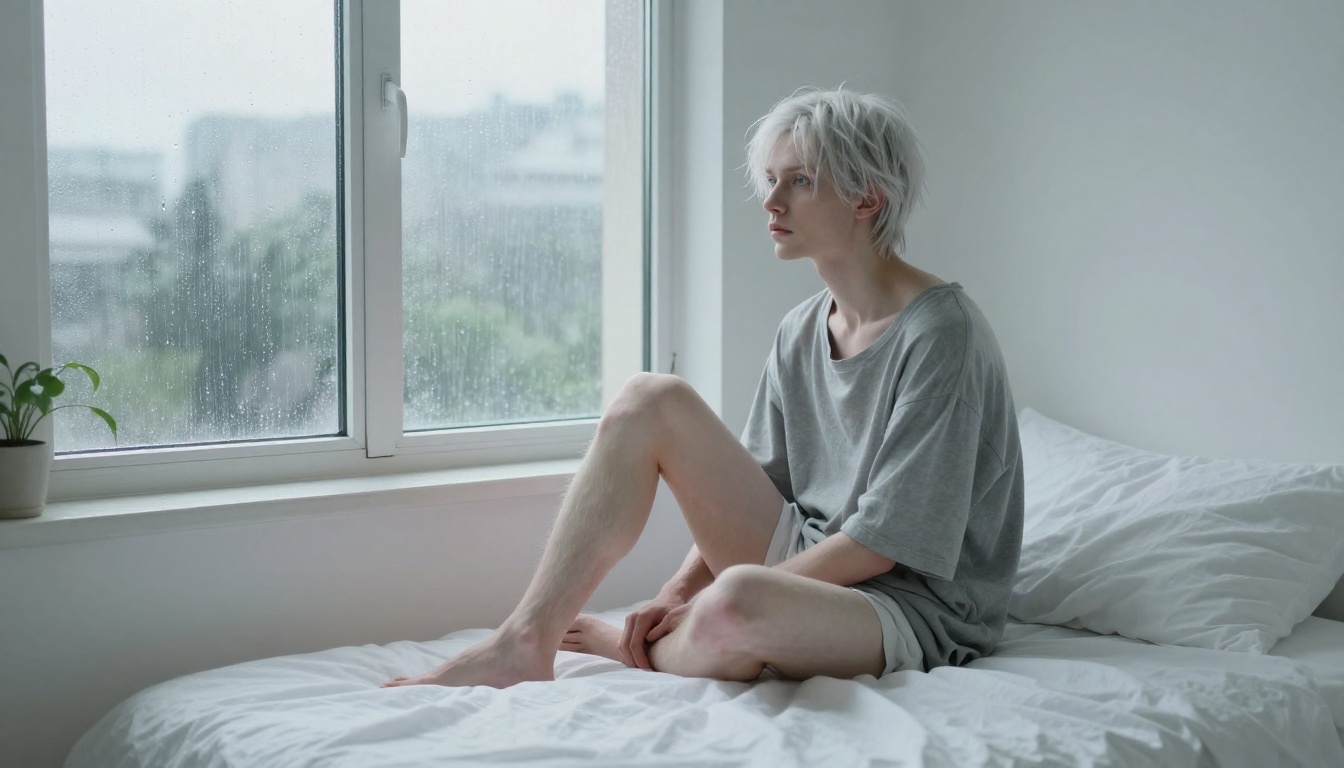
Realistic male character generation is where current AI models are at their most technically impressive. The detail ceiling has risen dramatically, and the best models now produce output that sits comfortably in the uncanny valley without falling in.
Seedream 4.5: Best for Photorealistic Husbandos
Seedream 4.5 is the primary recommendation on PicassoIA for photorealistic male character generation. It handles:
- Facial anatomy with high fidelity: pore structure, subsurface scattering, asymmetry that reads as human rather than constructed
- Skin across different tones accurately, with no bleaching, color drift, or skin smoothing artifacts
- Environmental light interaction: the model understands how morning light, golden hour, and overcast conditions modify skin appearance physically
- Body texture and fabric: fabric folds have physical weight, hair has realistic strand separation, clothing sits on the body the way it actually would
For suggestive and adult content specifically, Seedream 4.5 is the correct starting point on this platform. Do not use Seedream 5 Lite for adult content, as it filters this material and produces inconsistent results in this territory.
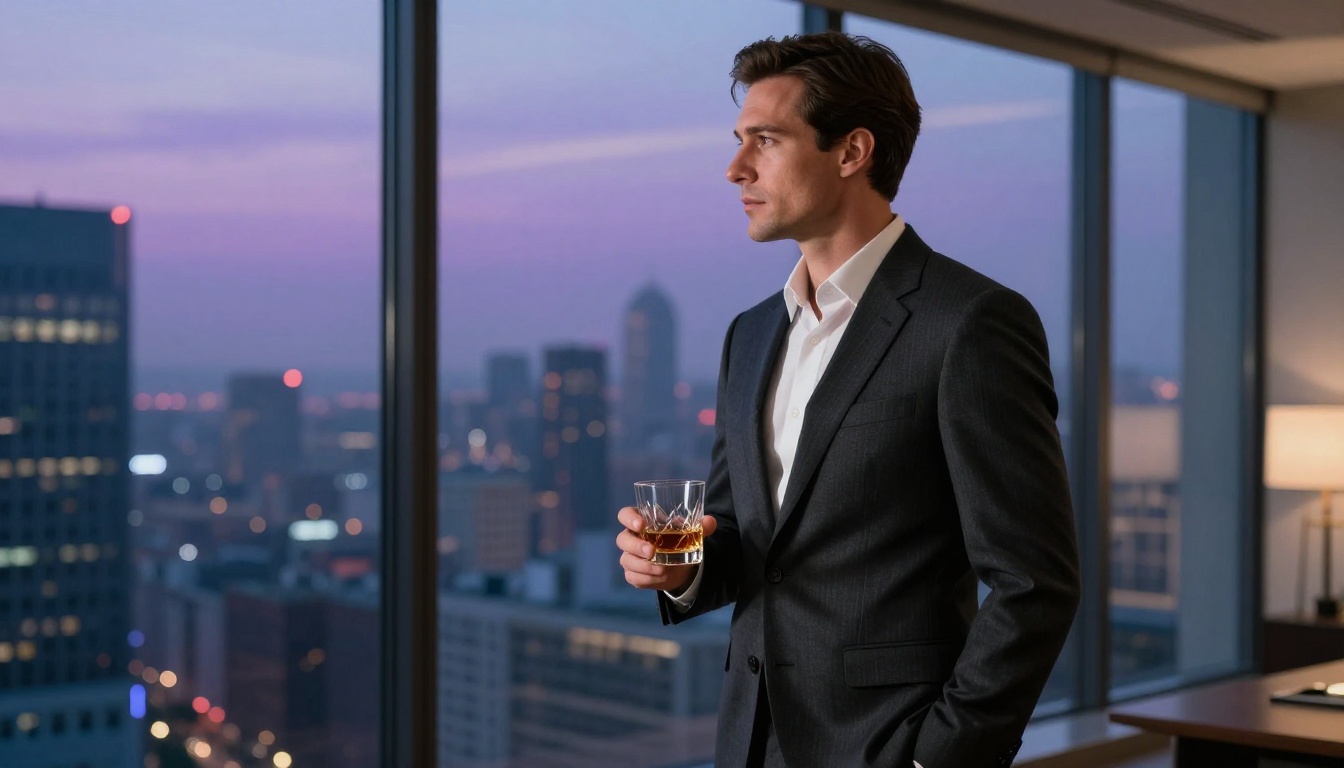
Flux 1.1 Pro Ultra: Photographic Realism at Its Peak
Flux 1.1 Pro Ultra excels at photographic realism with an extremely high detail ceiling. If your goal is images indistinguishable from professional portrait photography, this model's output is outstanding.
It performs best with:
- Long-form prompts describing physical specifics: camera model, lens focal length and aperture, lighting direction, film stock
- Environmental portraits: placing a character in a specific, richly described real-world context
- Fashion and styling: the model renders fabric texture, pattern detail, and clothing fit with accurate physical behavior
Use Flux 1.1 Pro for rapid drafts and iteration, then switch to Ultra for final high-resolution outputs.
💡 For realistic husbando generation, always specify: camera model, focal length, aperture, film stock, and lighting direction. These details anchor the model firmly in photographic output rather than generic AI renders.
Prompting Realistic Husbandos Effectively
The formula that consistently produces strong results:
- Subject description: physical features, age range, expression, posture
- Clothing and context: what they wear, where they are, what they are doing
- Lighting specifics: direction, quality (hard, diffused, ambient), color temperature
- Camera and lens: Sony A7R V, 85mm f/1.4, etc.
- Film stock: Kodak Portra 400, Fuji Pro 400H, Ilford Delta 3200
- Texture qualifiers: visible pores, fabric grain, subsurface scattering, ambient occlusion in fabric folds
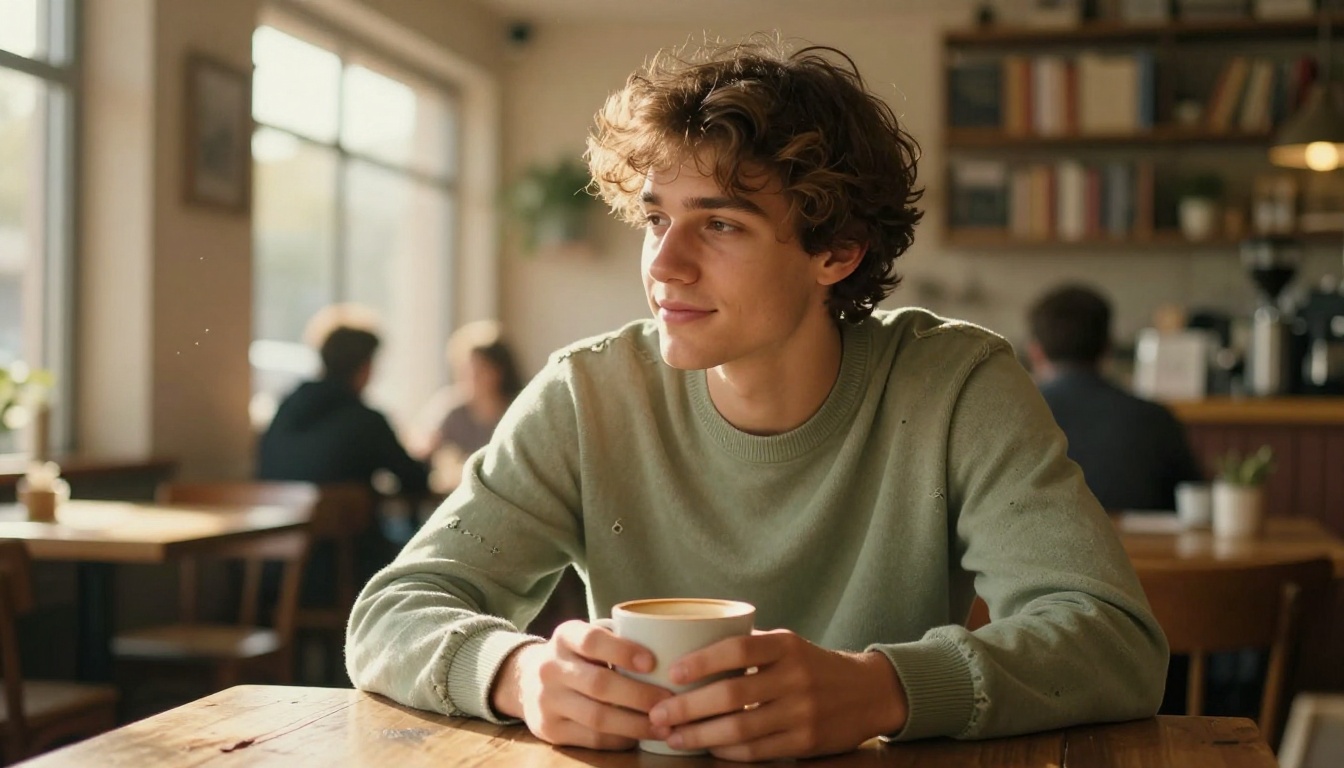
A prompt like "handsome dark-haired man in his late twenties sitting at a sunlit cafe in Paris, wearing a sage-green crewneck sweater, warm window light from the left, shot on 50mm f/1.8, Fujifilm Pro 400H, RAW 8K, visible fabric texture, photorealistic skin" gives the model everything it needs to anchor its output in photographic reality.
Same Character, Two Styles: What Actually Changes
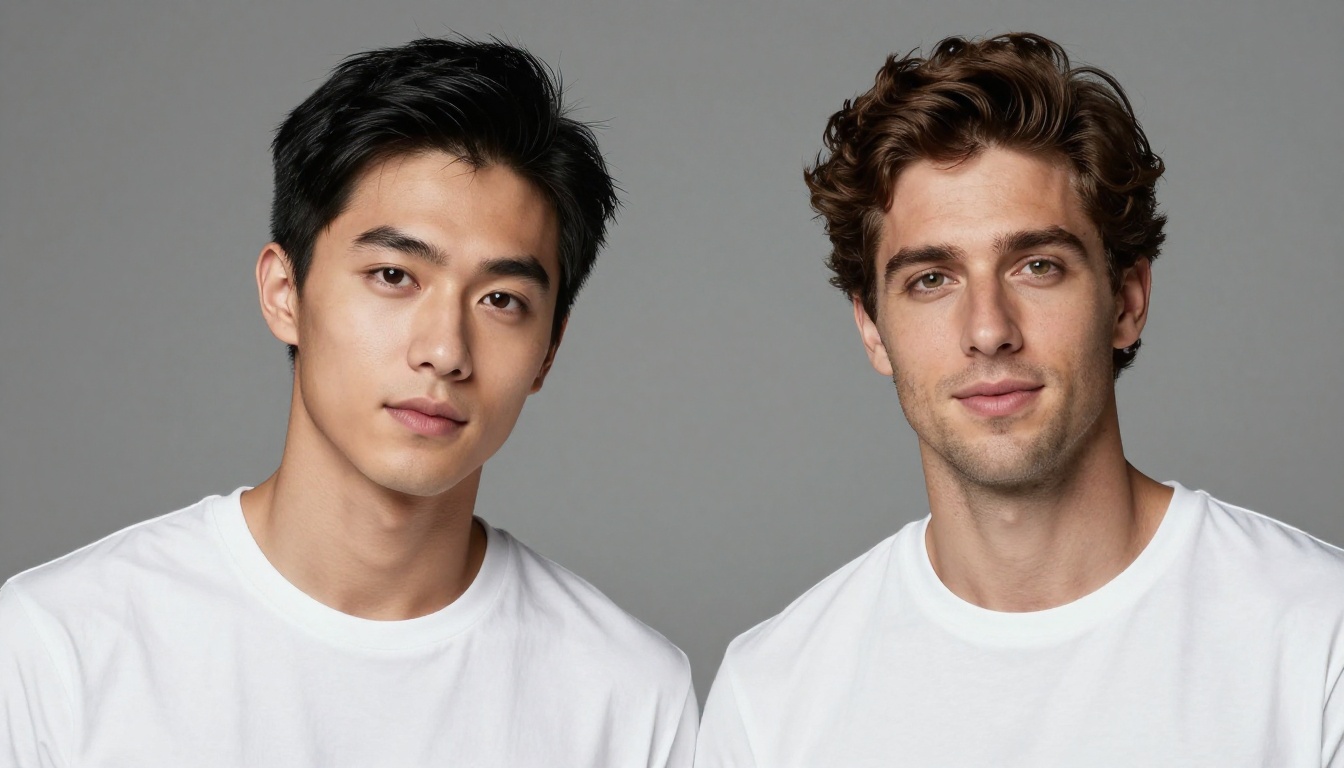
Imagine the same character concept: a quiet, reserved man in his mid-twenties who prefers books to parties, rendered in each style. What changes?
The Softness Factor
In anime style, emotional softness is rendered through deliberate visual choices: pale skin with no texture, large reflective eyes that catch light at specific angles, hair that flows with an almost liquid quality. The softness is designed in. It is an explicit aesthetic signal that communicates personality before any context is given.
In realistic style, that same softness is delivered through lighting and environment. The "quiet and introverted" quality comes from shooting with overcast light that produces no harsh shadows, from placing the character in a dim library with warm amber lamp light, from a slight downward tilt of the head and a book held close. The emotional quality is atmospheric rather than codified into the art style itself.
The Presence Factor
Anime style has something that realistic AI often cannot fully replicate: a sense of the character existing in a larger world. Because anime characters are designed for narratives, their visual design carries implied history. The way a collar sits, the particular detail of a pin on a jacket, the style of shoes, these point toward a story beyond the frame.
Realistic AI husbandos have immediate physical presence. You feel them here, in front of you, in this specific moment. There is no implied narrative, but there is an overwhelming sense of now: the texture of their shirt, the way the light is hitting their face today, the specific afternoon they are standing in.
Generating Suggestive Husbando Content with AI
For those specifically looking to generate adult or suggestive male character content, AI on PicassoIA handles both style directions, though the approach differs between them.
What Works in Adult Contexts
For realistic suggestive husbando content, Seedream 4.5 is the clear primary model. Its handling of anatomy, skin lighting, and naturalistic body positioning is the strongest in this category. It generates content that is attractive and suggestive without drifting into poor-quality output.
The PicassoIA Image Editor Pro provides unlimited generations for sustained iteration, letting you refine a character concept across many prompt variations until you land on exactly the right result without credit pressure.
Seedream 5 Pro is also worth trying for its improved detail fidelity, particularly for portraiture with expressive anatomy and skin across varied lighting conditions.
💡 Focus prompts on scene, body language, lighting, and atmospheric detail. The models respond strongly to sensory and environmental specificity rather than explicit action descriptors.
Prompting Suggestive Realistic Husbandos
The difference between generic AI output and something genuinely attractive in this context comes down to specificity:
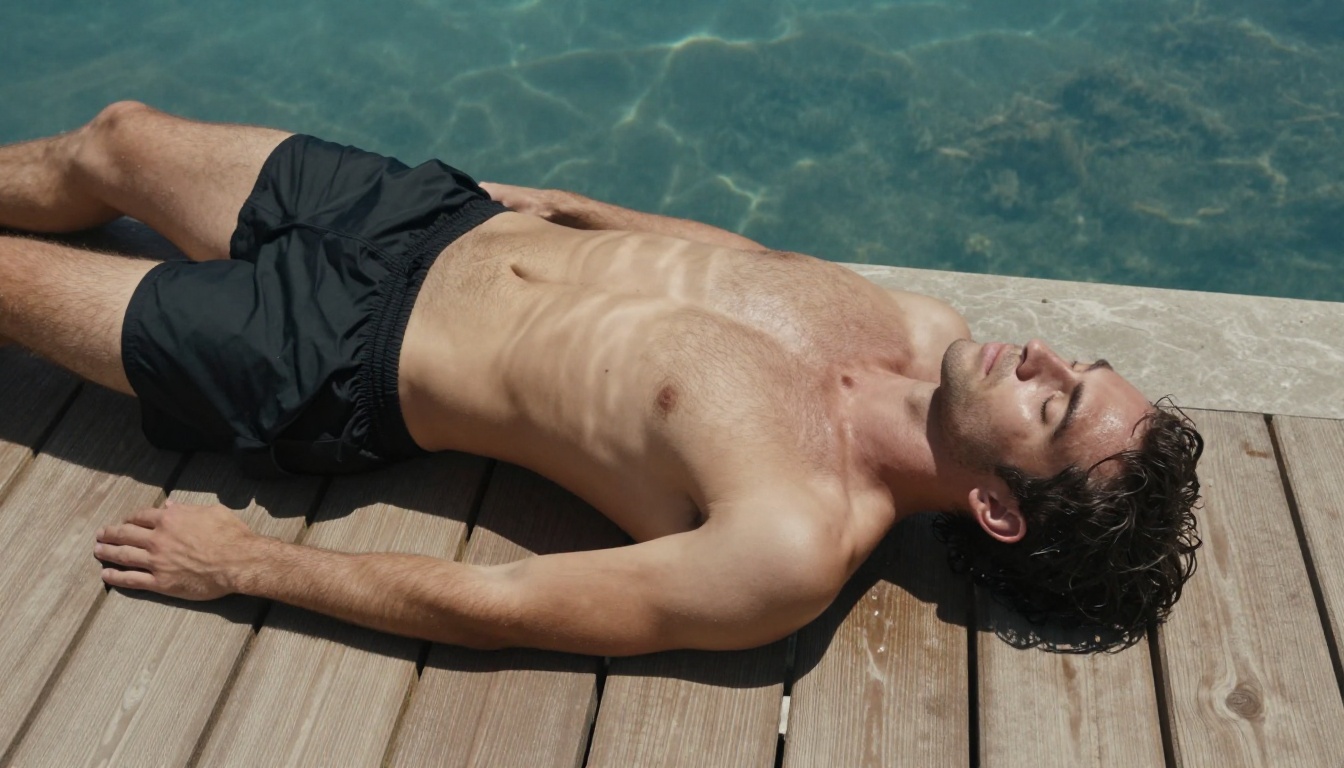
- Describe the exact body position with physical precision: "lying on his back, one arm extended, the other resting on his chest"
- Use lighting to create visual interest: rim lighting along the shoulder, dappled sunlight through blinds, warm lamp from the bedside
- Specify fabric and fit for clothing that is partially removed or minimal: "fitted black swim shorts, waistband slightly low, fabric with natural drape"
- Set the full scene: a bedroom at golden hour reads completely differently than a minimalist studio. The context changes the emotional register entirely.
Start Creating Your Husbando Today on PicassoIA
You have read both sides. Now it is your turn to actually test both. PicassoIA gives you access to over 91 text-to-image models, including every model mentioned in this article, all available in your browser with no installs required.
Start with Seedream 4.5 for your first realistic generation. Write a prompt that describes your ideal character with as much physical, environmental, and lighting detail as you can. Then run the same core concept through Flux 1.1 Pro Ultra and compare the outputs side by side. The differences are immediately instructive.
For stylized or anime-adjacent characters, GPT Image 2.5 Flare and Seedream 4.5 both handle expressive character faces with strong results. Adjust your descriptors toward the expressive, large-eyed, emotionally coded visual language discussed above and watch how the output shifts.
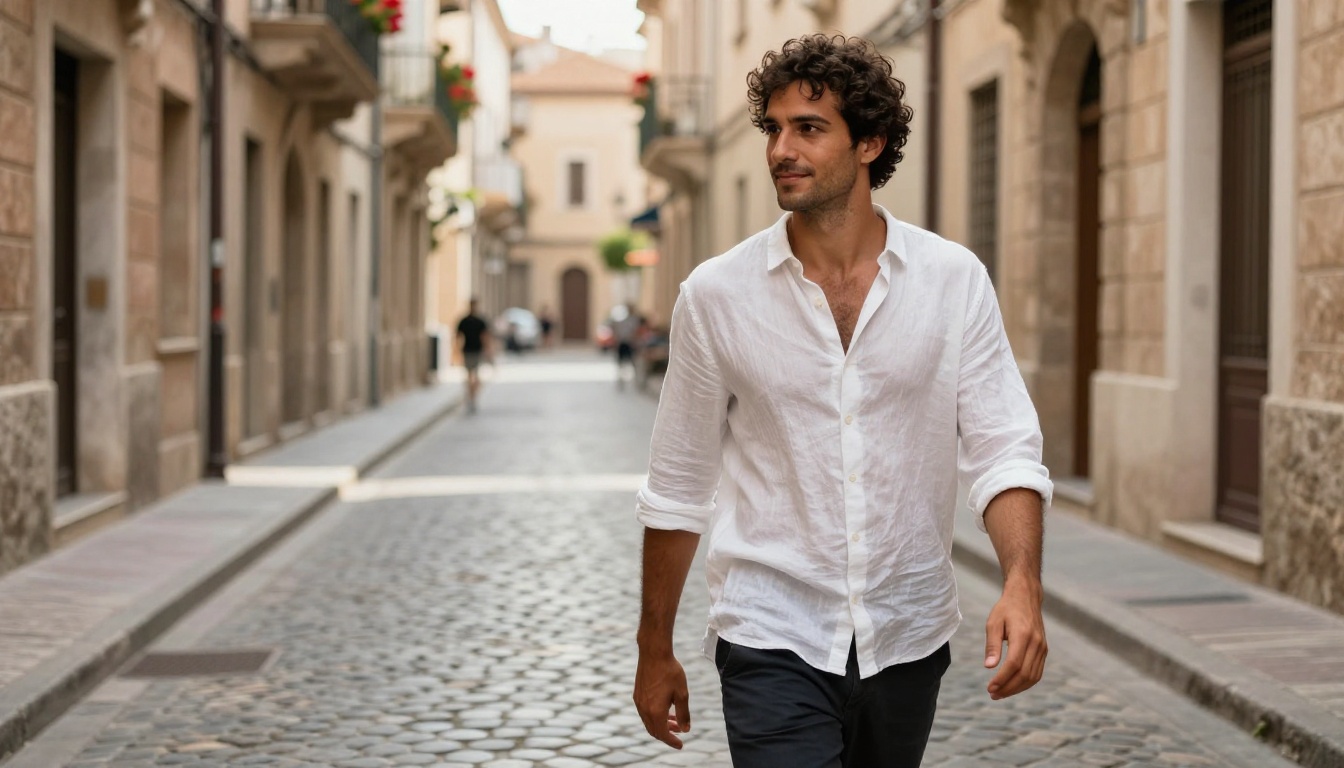
The answer to "which fits you" is not a fixed preference. It changes based on what you need from an image at any given moment: emotional shorthand and narrative depth from anime style, or physical presence and intimate realism from photorealistic generation. With PicassoIA, you do not have to commit to one permanently. You can generate both, right now, in minutes, and let the results tell you which one actually lands for you.


