Picking an AI companion style is one of those decisions that seems minor until you are staring at the output and it feels completely wrong. Anime and realistic are not just two options on a dropdown menu. They represent two entirely different philosophies about what a virtual companion should be, feel like, and do for you. The expressive exaggeration of anime has spent decades perfecting emotional readability. The photorealistic register triggers the brain's actual social recognition systems. Both approaches work, but they work for different people, different scenarios, and different creative goals. This article breaks down the real differences, the right use cases, and the specific AI models that will get you there.
What Style Actually Means for Companions
Style is not purely aesthetic. When you choose between anime and realistic rendering for an AI companion, you are choosing how the character communicates emotion, how much suspension of disbelief you will need to maintain, and what kind of scenarios the character can inhabit convincingly. The visual register of your companion sets the rules of the entire world they live in. Get the style wrong for your use case, and no amount of prompt refinement will fix the fundamental mismatch.
The Anime Aesthetic, Defined
Anime-style AI companions draw from decades of Japanese animation and manga conventions. Large eyes with elaborate iris detail, simplified but expressive facial geometry, dramatic hair colors and styles that defy gravity, and bodies that sit somewhere between stylized caricature and idealized proportion. These are not attempts at photographic realism. They are deliberately heightened representations of human features, designed to maximize emotional readability at a glance and to operate comfortably in stylized, fantastical, or fictional visual environments.
In the context of AI-generated imagery, anime-style outputs typically deliver:
- Exaggerated eye size relative to the face, often 40-60% larger than anatomically standard, with highly detailed iris patterns
- Smooth, gradient-based skin rendering with minimal surface texture, creating a clean, luminous appearance
- Bold, clean outlines around figure and hair elements that define shapes with graphic clarity
- Expressive hair silhouettes that communicate personality: spiky and angular for intense characters, soft and flowing for gentle ones
- High-contrast, saturated color palettes with intentional compositional weight rather than photographic color accuracy
- Simplified but consistent proportions that prioritize visual impact over anatomical precision
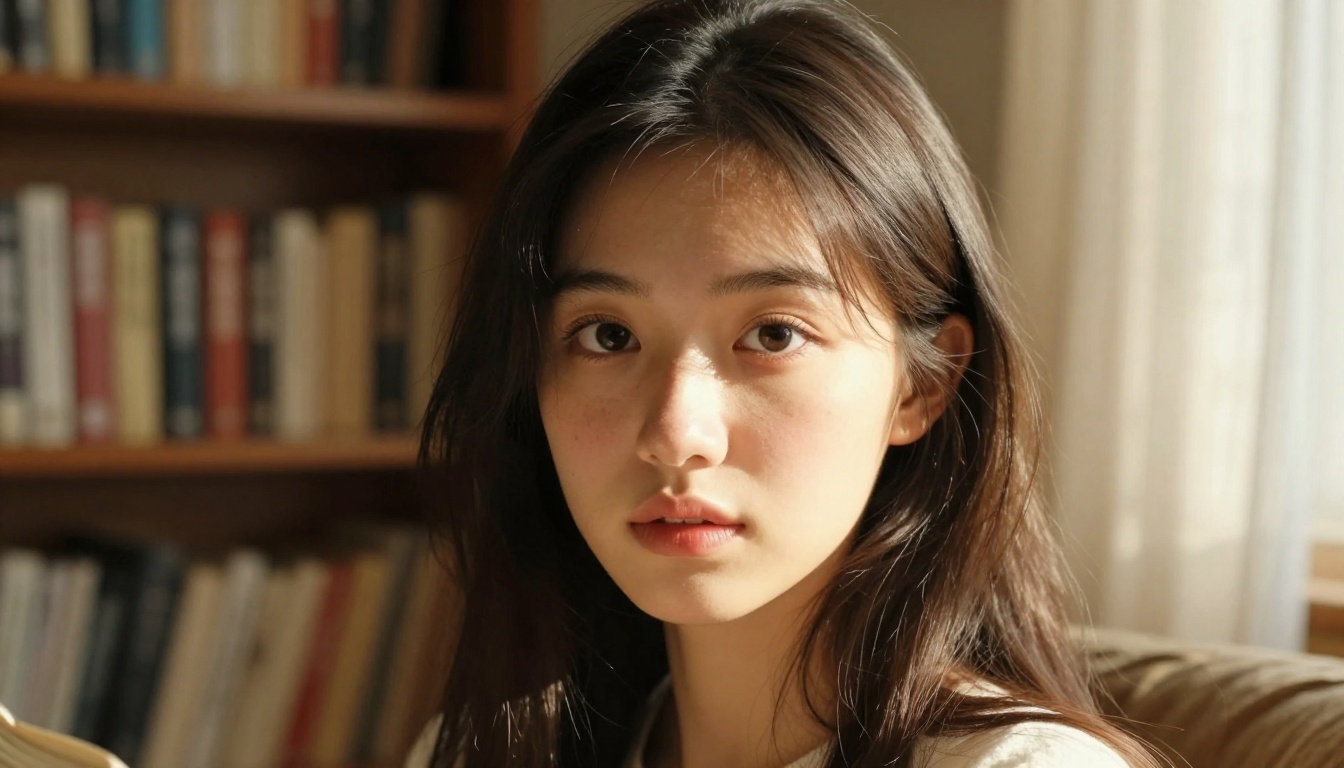
The most important thing to internalize about the anime aesthetic is that it is a communication system, not a failed attempt at realism. Its conventions exist because they work: the exaggerated eyes convey emotion faster, the simplified skin keeps attention on expression rather than texture, and the bold outlines make characters readable at small sizes and across complex backgrounds. These are strengths, not compromises.
The Realistic Aesthetic, Defined
Realistic AI companions aim for photographic plausibility. The goal is not perfection but believability: visible skin texture, natural light behavior, anatomically proportioned features, and subtle emotional expression rather than exaggerated performance. A realistic companion portrait succeeds when a viewer pauses, not because they think it is a photograph, but because nothing in it contradicts their knowledge of what human faces actually look like.
Core visual markers of quality realistic AI companion output:
- Visible skin micro-texture including pores, fine surface hairs, and natural color variation across different facial zones
- Anatomically accurate proportions with natural weight distribution, muscle definition under skin, and structural consistency
- Authentic lighting behavior with subsurface scattering on skin, particularly around the ears, nose tip, and lips where tissue is thinnest
- Subtle, complex emotional expression communicated through micro-expressions, natural eye behavior, and the precise tension of facial muscles
- Natural hair physics with per-strand highlights, shadow layering, and realistic movement that accounts for weight and texture
- Environmental consistency where the character's lighting matches the surrounding scene
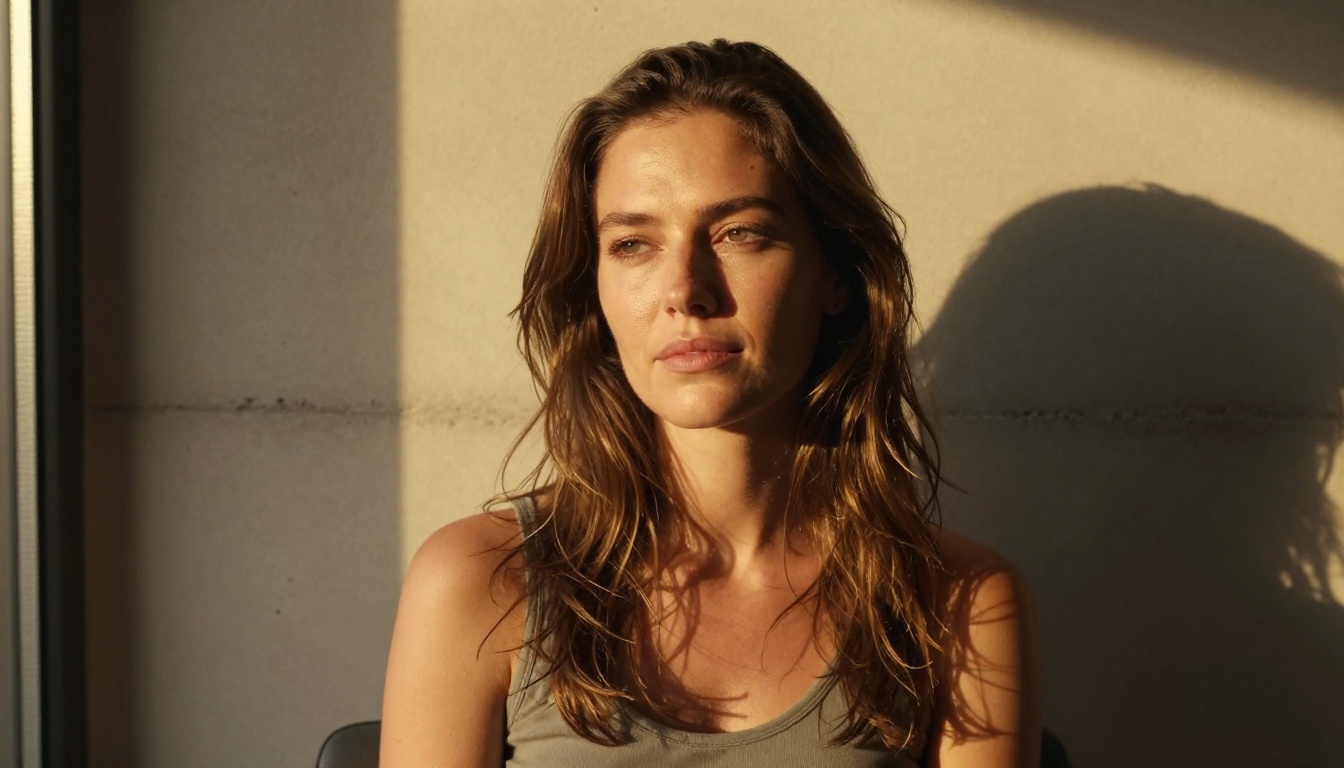
The realistic approach requires more from the AI model and more precision in the prompt. There are more ways for a photorealistic face to be wrong than there are for a stylized one. But when it works, the result has a presence and emotional weight that stylized approaches cannot replicate.
Anime vs Realistic: The Real Comparison
Before going deep on each style, here is a direct comparison across the factors that matter most for companion character design:
| Factor | Anime Style | Realistic Style |
|---|
| Emotional Expressiveness | Very High (exaggerated features signal instantly) | Moderate (requires viewer attention to read) |
| Believability | Low to Medium (stylized register) | High (triggers social recognition) |
| Fantasy Scenarios | Excellent fit | Tonal mismatch |
| Portrait Credibility | Stylized and illustrative | Photographic and documentary |
| Character Variety | Enormous (any hair color, eye style, fantasy features) | Limited by real-world plausibility |
| Intimacy Feel | Warm but abstract | Direct and physically present |
| 3D Model Compatibility | Strong (clean topology, clear edge loops) | Complex (requires very high detail meshes) |
| Prompt Complexity | Low to Medium | Medium to High |
| Iterative Speed | Fast (forgiving of prompt imprecision) | Slow (small errors create uncanny results) |
💡 Neither style is objectively better. The right choice depends entirely on the emotional relationship you want with the character, the scenarios you plan to create, and your personal visual sensibility. Most creators develop a strong preference after seeing both approaches applied to the same character concept.
When Anime Style Wins
Fantasy Worlds and Fictional Scenarios
Anime aesthetics are purpose-built for fantasy. Because the characters already operate in a visually stylized register, placing them in magical forests, futuristic cities, mythological settings, or game-world environments requires no visual justification. The style already signals to the viewer that this is not the literal world, and that signal gives you enormous creative latitude.
A photorealistic companion in the same magical forest fights the composition. The authentic skin texture and anatomical accuracy create an incongruity with the fantastical environment that pulls the viewer out of the scene. They start asking questions: why does this person look like a photograph in a world that clearly does not function like one? Anime characters inhabit those spaces without that friction, because the visual contract was already non-literal from the beginning.
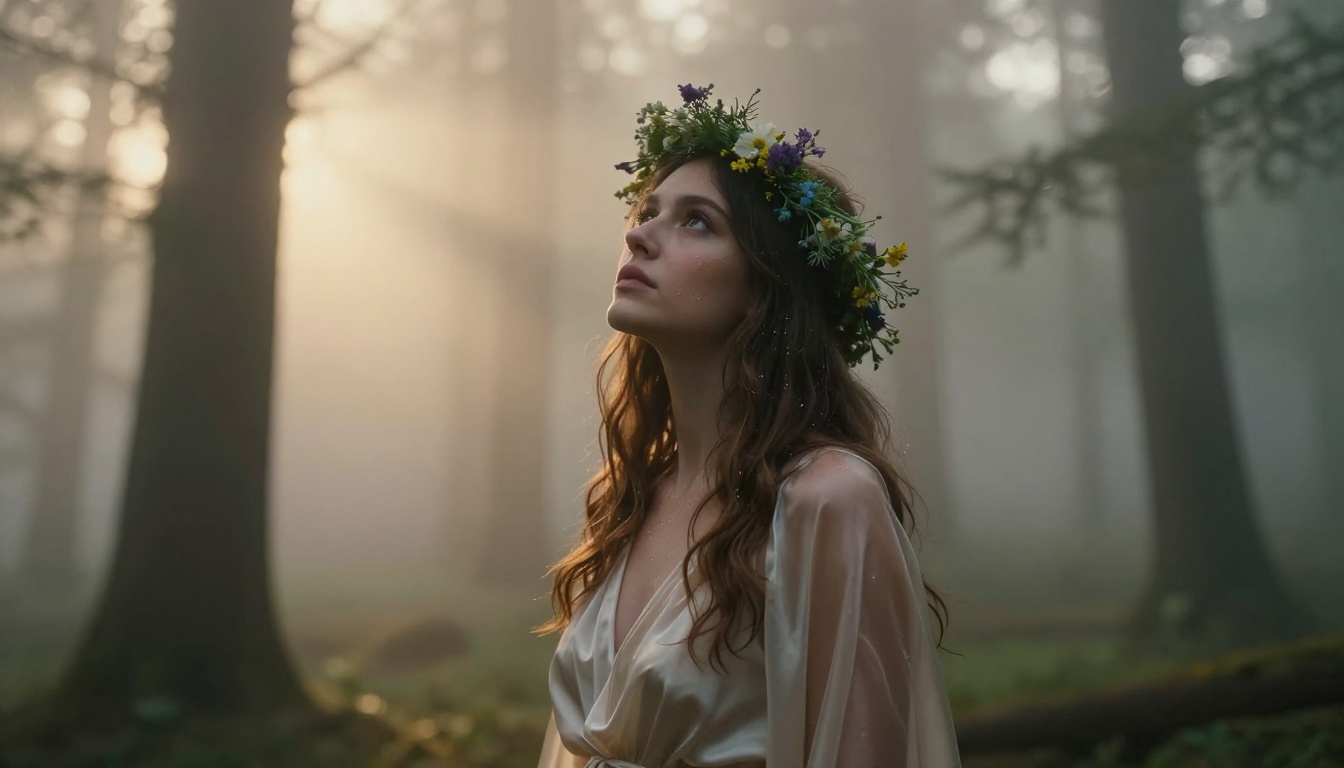
Anime-style companion generation is the natural choice for:
- Isekai and RPG-adjacent scenarios where the companion inhabits game-like worlds with non-realistic physics and visual rules
- Sci-fi settings where technology and aesthetics merge into something that clearly sits outside the present reality
- Historical fantasy drawing on specific genre conventions: samurai, sorcery, mythological creatures
- Purely imaginative characters with features that do not exist in the real world (fantasy eye colors, non-human ears, magical visual elements)
- Narrative companion design where the character needs to feel like a character from a story rather than a real person
Expressive Emotions at a Glance
The enlarged eyes and simplified facial geometry of anime-style characters are not arbitrary conventions. They are a visual communication system developed over decades to convey complex emotional states with minimal rendering effort and maximum speed. A slight change in the angle of large anime eyes communicates instantly whether a character is angry, frightened, in love, or amused. The viewer does not have to study the face. The message arrives immediately.
Realistic rendering requires far more subtle cues to achieve the same emotional transmission. Micro-expressions, lighting on skin, the behavior of natural eyes under different emotional states, the tension in facial muscles around the jaw and brow: all of these contribute to a complex, layered emotional read that works beautifully but demands more viewer attention and more time.
For companion scenarios where moment-to-moment emotional connection matters and where the character needs to communicate affect rapidly and clearly, anime's expressiveness is a genuine functional advantage. It is not a simplification. It is a deliberate prioritization of emotional signal over surface realism.
Personality Over Realism
Anime companion design encodes personality directly into the visual. A character with asymmetric two-tone hair and sharp angular eyes communicates a chaotic, intense personality before they speak or move. A character with neat, symmetrical features and soft, rounded lines signals calm dependability. That pre-verbal personality communication is a feature unique to stylized design. It does not work the same way in realistic rendering, where personality must be communicated through expression, pose, and context rather than through the structural features themselves.
This makes anime-style AI companions especially effective for:
- Persona-driven companion characters with strong, clearly defined personalities that need to be readable from the first frame
- Multiple companion sets where characters need to be instantly distinguishable from one another without relying on color-coded outfits alone
- Genre-specific archetypes that carry recognizable cultural weight for audiences who know the genre conventions
When Realistic Style Wins
Intimacy and Believability
The uncanny valley works in both directions. A highly realistic AI companion portrait sits outside the valley on the human side, creating a sense of genuine presence that stylized characters cannot replicate. There is something in the brain's social processing that responds differently to photorealistic faces, even when the viewer knows the image is AI-generated. The visual cues are close enough to the real thing that the social recognition systems activate anyway.
For companion experiences where the goal is emotional closeness or the sensation of connection with something that feels like a real person, photorealistic AI companions are more effective. The believability of natural skin texture, authentic eye behavior, and proportional anatomy triggers social recognition mechanisms that stylized characters bypass entirely. The companion feels present in a way that even the best anime-style character does not quite achieve.
Portrait and Professional Use
Realistic AI companions translate directly into use cases that require photographic credibility:
- Profile pictures and avatars that need to read as authentic photographs across social and professional platforms
- Character references for writing, game design, film pre-production, or casting concept work where realism is the baseline expectation
- Marketing and presentation materials where photorealism signals quality, effort, and authority to the audience
- Personal portraiture where the goal is an idealized portrait of a real person or a highly personalized character based on the user's own features and preferences
For any of these applications, anime-style output creates an immediate tonal mismatch that works against the purpose of the image.
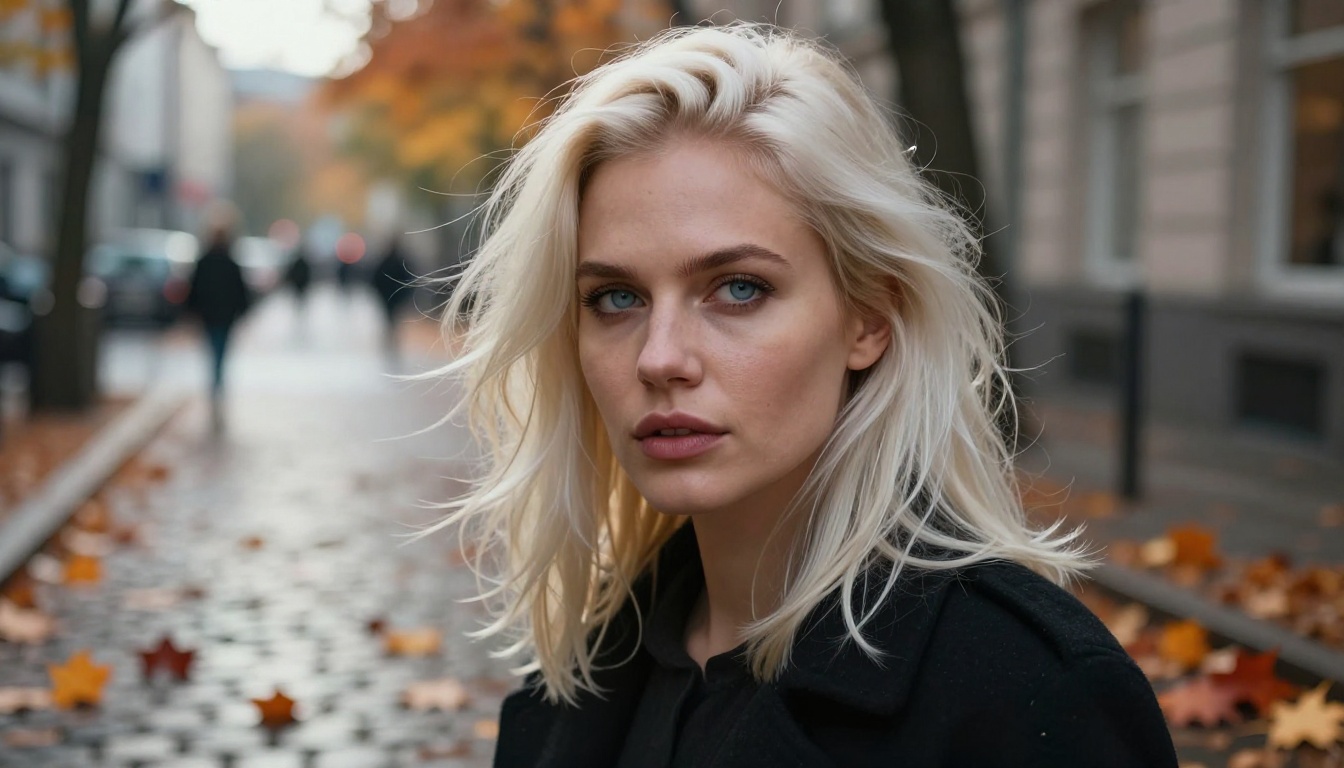
💡 Portrait tip: If you want a companion portrait that doubles as a usable avatar across professional platforms, start with a realistic model and apply stylistic adjustments afterward. Starting realistic and stylizing is significantly easier than the reverse.
Best Models for Anime-Style Companions
Krea 2 Medium
Krea 2 Medium is built specifically for the stylized end of the spectrum, designed for anime and painterly aesthetics. It handles the clean outlines, expressive eye rendering, and stylized hair physics that define quality anime character output. If your companion character lives in a fantastical or stylized world and you want output that honors the anime visual tradition rather than just approximating it, Krea 2 Medium is the natural starting point on PicassoIA.
The model excels at:
- Clean cel-shading adjacent rendering with strong, consistent outline definition
- Expressive character portraits with large, luminous, emotionally readable eyes
- Painterly backgrounds that match the stylized visual register of the character without creating a clash between foreground and background rendering styles
- Intentional color palettes that read as artistically composed rather than photographically captured
- Consistent character proportions across multiple generations of the same companion concept
For companions intended to inhabit RPG, fantasy, or isekai scenarios, Krea 2 Medium is the most direct route to output that feels native to those visual worlds.
Other Anime-Ready Models
Ideogram v4 Quality handles stylized character work with strong prompt adherence, making it reliable for companions with specific personality or aesthetic requirements that need to be maintained consistently across multiple generations. Its text rendering capability also makes it useful for companion scenarios where in-image text needs to be legible.
Ideogram v4 Balanced provides a middle ground between speed and quality for iterative character development. When you need to test many variations of a companion's appearance quickly before committing to a final high-quality render, Balanced is the right model for the exploration phase.
Recraft v4.1 brings strong art-direction capabilities that work well for anime companion design when you want precise control over the stylistic outcome, particularly for characters that sit between anime and Western illustration conventions rather than committing fully to either.
Riverflow v2.5 Fast is worth noting for rapid anime-style iteration: its speed allows you to test dozens of companion variations in the time it takes other models to produce a handful, which matters significantly when you are still in the character design phase.
Best Models for Realistic Companions
Krea 2 Large
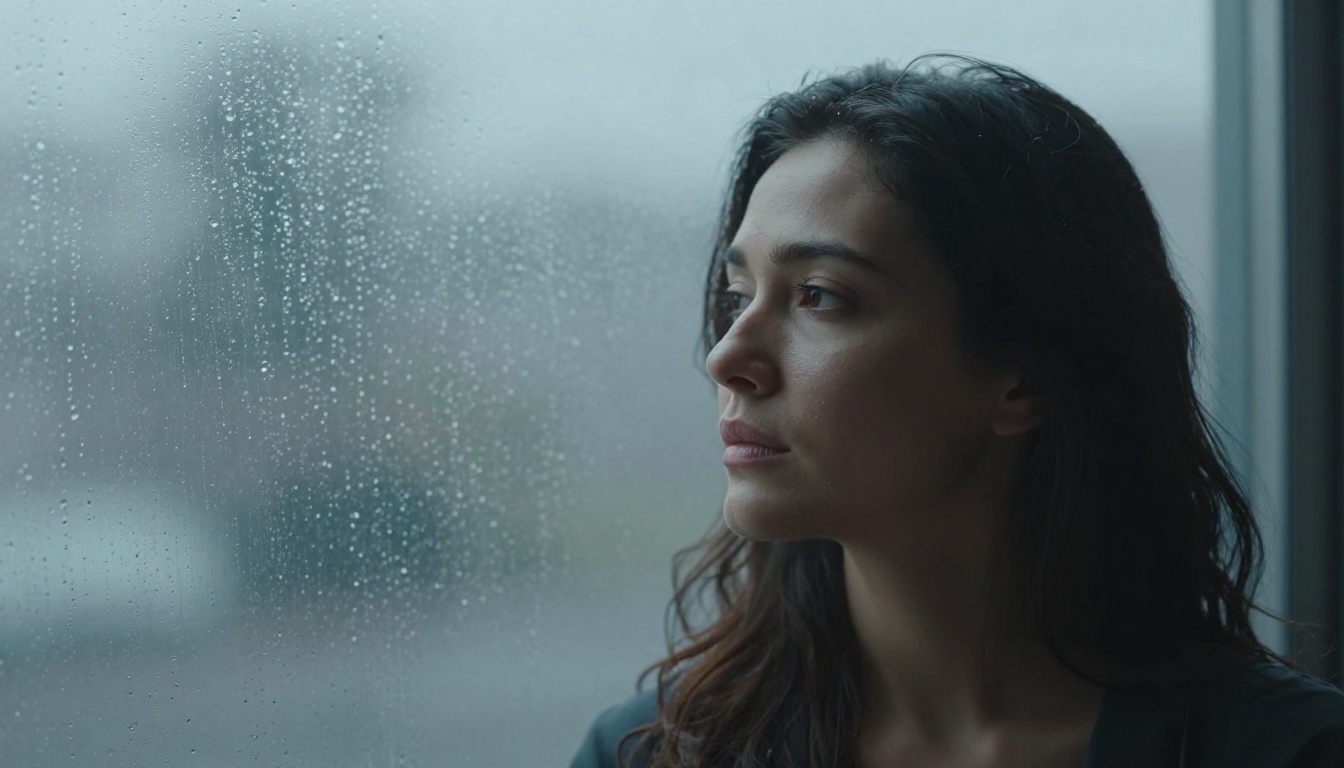
Krea 2 Large sits at the opposite end of the spectrum from its sibling. Designed explicitly for photorealistic output, it produces companion portraits with the skin texture, lighting behavior, and anatomical credibility that realistic character design demands. The model's particular strength in face rendering makes it ideal for companion work, where the face carries the entire emotional and identity load of the image.
Krea 2 Large delivers:
- Visible micro-texture on skin surfaces with authentic pore structure and natural variation
- Realistic subsurface scattering that makes skin read as organic and physically present rather than as a rendered surface
- Proportional facial anatomy with structural consistency that holds across different lighting conditions and angles
- Lighting that behaves consistently with real-world physics across the entire frame, including shadows that match the light source position
For realistic companion portraits where quality is non-negotiable, Krea 2 Large is the strongest starting point on the platform.
Seedream 5 Pro
Seedream 5 Pro generates sharp 2K output that gives realistic companion portraits the resolution required for detailed viewing at large sizes. At 2K, skin texture, iris detail, and individual hair strand behavior are all visible without compression artifacts. For companion portraiture intended for large display, detailed crops, or any format where the viewer will be close to the image, Seedream 5 Pro provides the output quality necessary to hold up under scrutiny.
The model's 2K output also makes it particularly strong for companion portraits that will be used as reference material for artists, 3D modelers, or production designers who need to work directly from the image.
Recraft and GPT Image 2
Recraft v4.1 Pro adds print-ready resolution to the realistic output pipeline, making it valuable when the companion portrait needs to hold up in physical formats alongside digital use.
GPT Image 2 offers particularly strong prompt comprehension that makes it reliable when your companion character description is complex or involves unusual combinations of features that other models might simplify or fail to hold consistently. For companions with highly specific visual requirements, GPT Image 2's prompt fidelity gives it an edge.
Working the Middle Ground
The Hybrid Approach
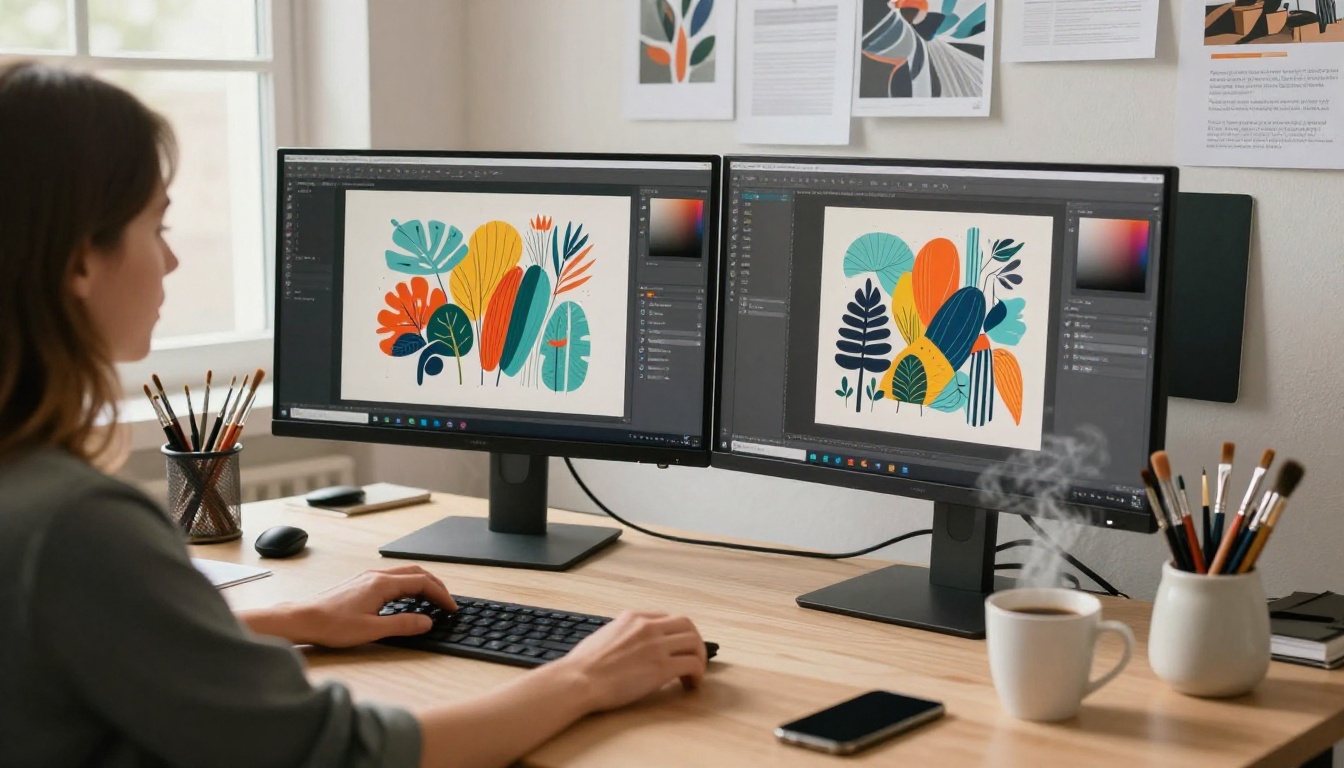
The binary framing of anime vs realistic obscures a rich middle territory that many of the most interesting AI companion designs inhabit. Semi-realistic styles, sometimes called "stylized realism," combine photorealistic skin and lighting behavior with the expressive eye proportions and clean aesthetic choices of anime character design. The result sits outside either category but draws the best from both.
This hybrid approach works particularly well for companion characters intended to be attractive and emotionally readable without being visually alien. The realistic rendering of skin and hair provides warmth, weight, and believability. Slightly enlarged, expressive eyes provide the emotional readability and aesthetic charm of anime. A simplified but internally consistent color palette provides visual coherence. The character reads as human but idealized, present but slightly heightened.
Riverflow v2.5 Pro and Reve 2.1 handle this stylistic middle ground effectively, offering prompt-driven control over where on the spectrum between pure realism and pure stylization the output lands. Both models respond well to prompts that explicitly describe the hybrid register: "semi-realistic, large expressive eyes, photorealistic skin texture, anime-inspired aesthetic."
💡 Hybrid strategy: Generate a detailed realistic base portrait with Krea 2 Large or Seedream 5 Pro. Use that image as a reference input for Krea 2 Medium to shift the stylistic register toward anime. The result typically combines the photorealistic skin and hair of the base with the expressive eye rendering of the anime model, without committing fully to either.
Editing and Refining the Character
Once you have a base portrait that captures the right style, refinement is where real character design work happens. PicassoIA's image editing tools let you iterate on companion portraits, adjust specific features, change clothing or context, or shift the overall stylistic register without losing the character's established visual identity.
Outpainting expands the canvas around a tight headshot, adding environment and body context to a portrait that was generated in close-up. Inpainting corrects specific areas (a hand that went wrong, an outfit detail that does not match the character's personality) without regenerating the full image and risking the loss of the elements that work. For companion portraits that need more resolution than the original generation provided, the platform's super-resolution tools extend output 2x to 4x while preserving the character's defining features.
The Grok Imagine Image Quality model is also worth trying for 2K companion portraits when you want a different generation pipeline's approach to the same prompt, since different models interpret the stylistic register of a detailed companion description in subtly different ways that are worth comparing before settling on a final output.
Build Your Companion Today
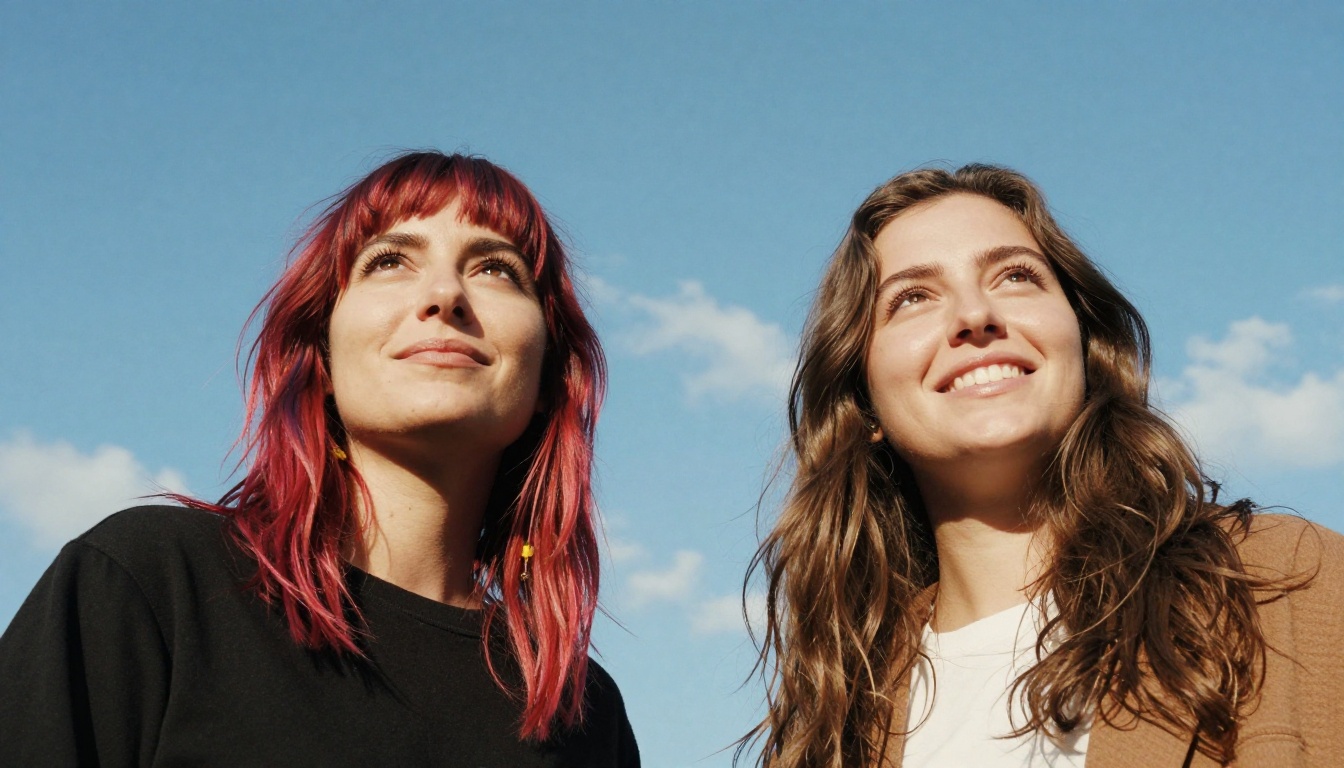
The choice between anime and realistic is not a permanent commitment. It is a starting point. Most creators who work with AI companion generation develop a clear preference after their first few sessions with each style. The fastest way to find yours is to build the same character concept in both registers and see which version you feel more connected to. The answer is usually immediate and obvious once both outputs are in front of you.
At picassoia.com/en/all-models, 91 text-to-image models cover the full spectrum from pure anime stylization to photorealistic portraiture, with the hybrid middle territory covered by several versatile models in between. Start with Krea 2 Medium for anime. Start with Krea 2 Large for realism. Use Riverflow v2.5 Pro or Reve 2.1 when you want to work the space between them.
Build your first companion. Try both styles with the same description. The right aesthetic will be obvious the moment you see them side by side.


