Ask any anime fan to describe their favorite waifu and you'll get a portrait painted in pure feeling. The word hits differently than "character" or "crush." A waifu is something more personal: a personality that feels specifically designed to reach into your chest and squeeze. And the reason so many of these characters have that effect comes down to something precise, their personality archetype.
Anime has spent decades refining a set of emotional blueprints, each one engineered to resonate with a different kind of longing. The tsundere whose walls finally crack. The kuudere whose quiet masks something oceanic. The genki girl who pulls you into her sunshine whether you want to go or not. Each type has its own logic, its own fan army, and its own aesthetic that AI tools are now recreating with photorealistic detail. This is the breakdown of the anime waifu personality types fans have loved the longest, and why they hit so hard.
Why Waifu Archetypes Hit So Deep
The term "waifu" comes from the Japanese pronunciation of "wife," but it's grown far beyond that. In fandom culture, a waifu is any fictional female character someone feels a profound personal connection to. The personality archetype is almost always the bridge that creates that connection.
The Psychology of Attachment
Character archetypes work because they distill emotional experiences into pure, recognizable forms. A tsundere captures the vulnerability behind hostility. A dandere channels the interior richness of quiet people who go overlooked in social situations. These aren't just anime tropes. They're emotional archetypes that speak to real lived experiences.
Research in narrative psychology consistently shows that audiences form parasocial attachments to fictional characters when those characters display authentic emotional conflict. Waifu archetypes, at their best, do exactly that. The appeal is never the behavior itself. It's the emotion underneath that fans feel they understand.
Why the Same Type Hits Differently Each Time
Part of what makes waifu archetypes endure is how infinitely remixable they are. A tsundere in a samurai drama hits completely differently than a tsundere in a slice-of-life school setting, even though the core emotional dynamic stays intact. This adaptability is what makes these types a permanent feature of anime character design rather than a passing trend.
💡 Tip: When using AI image generators to create waifu-inspired characters, the archetype determines the lighting, posture, and expression more than any other factor. A kuudere needs cool light and stillness. A genki needs movement and warmth. Design with archetype in mind.
The Tsundere: Cold Outside, Warm Inside
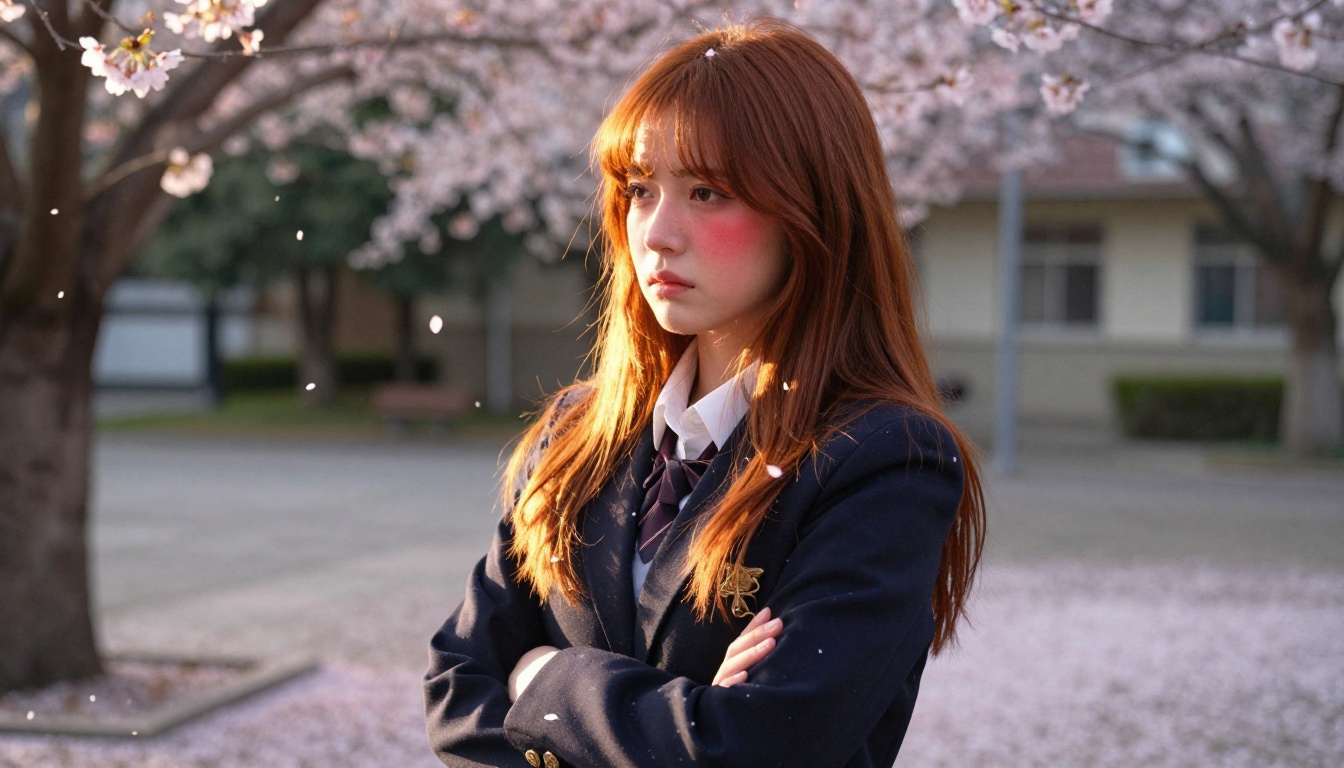
Few personality types have as devoted a following as the tsundere. The formula is deceptively simple: a character who presents a sharp, often hostile front to the world, particularly toward the person they're closest to, but who can't quite hide the warmth underneath. The blush gives it away every time.
Why the Walls Make It Work
The tsundere's appeal lives entirely in the gap between what she says and what she feels. When a tsundere says "It's not like I made this for you or anything" while handing over a home-cooked lunch, that gap is where fans fall in love. It's the oldest emotional story in the world: someone protecting themselves from vulnerability while desperately wanting connection.
Fans who love tsundere characters often describe it as the experience of feeling seen. The archetype resonates because many people walk through the world with similar armor, leading with sharpness because softness feels dangerous. Watching a tsundere let her guard down feels like permission.
The Visual Language of a Tsundere
In terms of visual design, tsundere characters tend to appear in school settings, carry themselves with a rigid closed posture, and show the betrayal of their feelings through physical tells: the blush, the averted eyes, the involuntary hair toss. The contrast between sharp expression and warm color (particularly the crimson blush against fair skin) is central to the aesthetic. To recreate this with AI tools, prompt for afternoon backlight, defensive body language, and a visible flush. The tension between the closed posture and the warm golden light does the emotional heavy lifting.
The Kuudere: Ice-Cold Composure
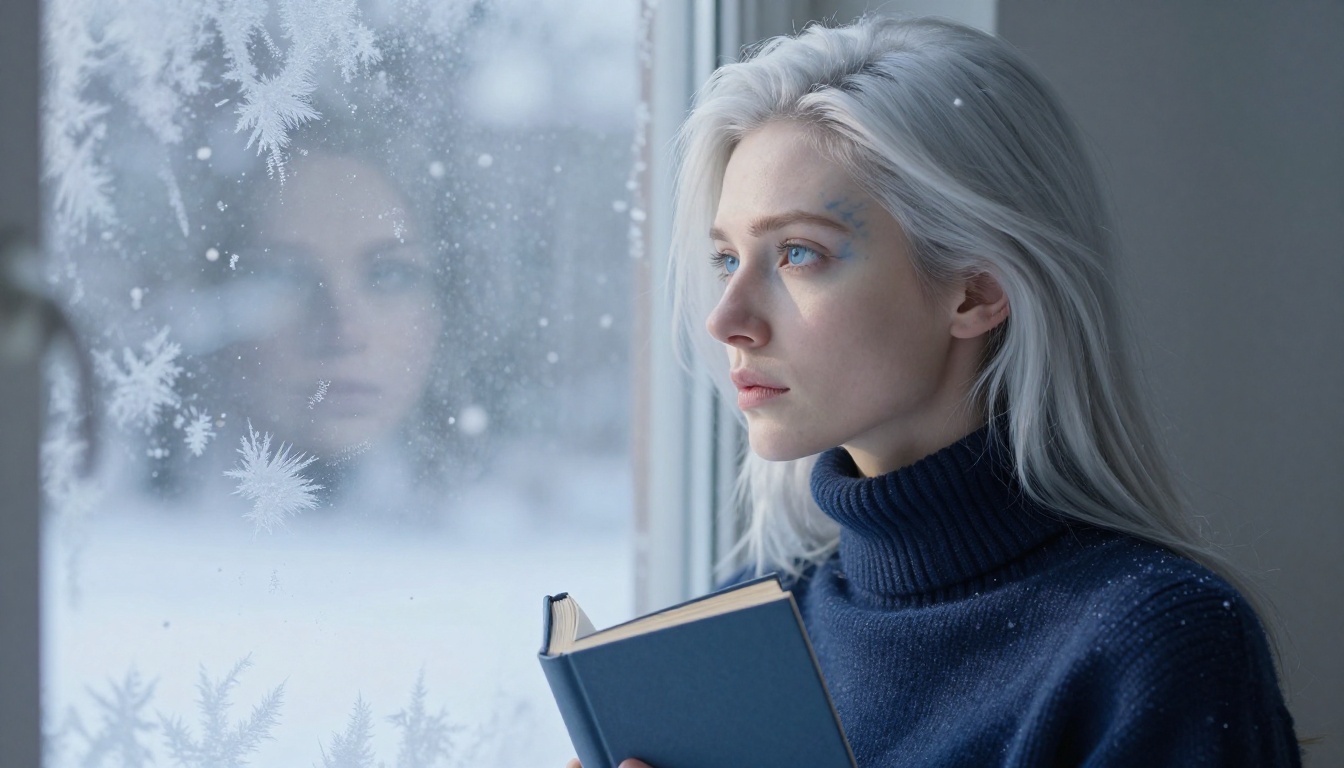
Where the tsundere wears her emotions on her face despite herself, the kuudere shows nothing. She is calm, precise, and economical with words and expression. Her composure isn't coldness. It's depth. And fans who love kuudere characters tend to be deeply loyal to them.
The Interior Ocean
The appeal of the kuudere is the conviction that there is an entire world behind that still surface. Fans who connect with this archetype are often drawn to the idea of someone who doesn't perform their emotions for others but who, when they do show something, means every word of it.
A kuudere's rare smile hits harder than ten expressions from a more outwardly emotive character. The economy is the point. Fans learn to read the micro-signals: a slight tilt of the head, a pause before speaking, the absence of her usual silence replaced by something said directly. These moments feel earned in a way that openly expressive characters can't quite replicate.
Generating Kuudere Aesthetics with AI
The kuudere aesthetic lives in cool light, negative space, and stillness. Winter settings, libraries, empty rooftops, and rain-streaked windows all serve this archetype visually. AI models like Seedream 4.5 and Flux 2 Pro handle the technical demands of this look well: cool-temperature lighting, pale skin with precision micro-detail, and the visual tranquility that's actually packed with implied depth.
The Genki: Unstoppable Energy
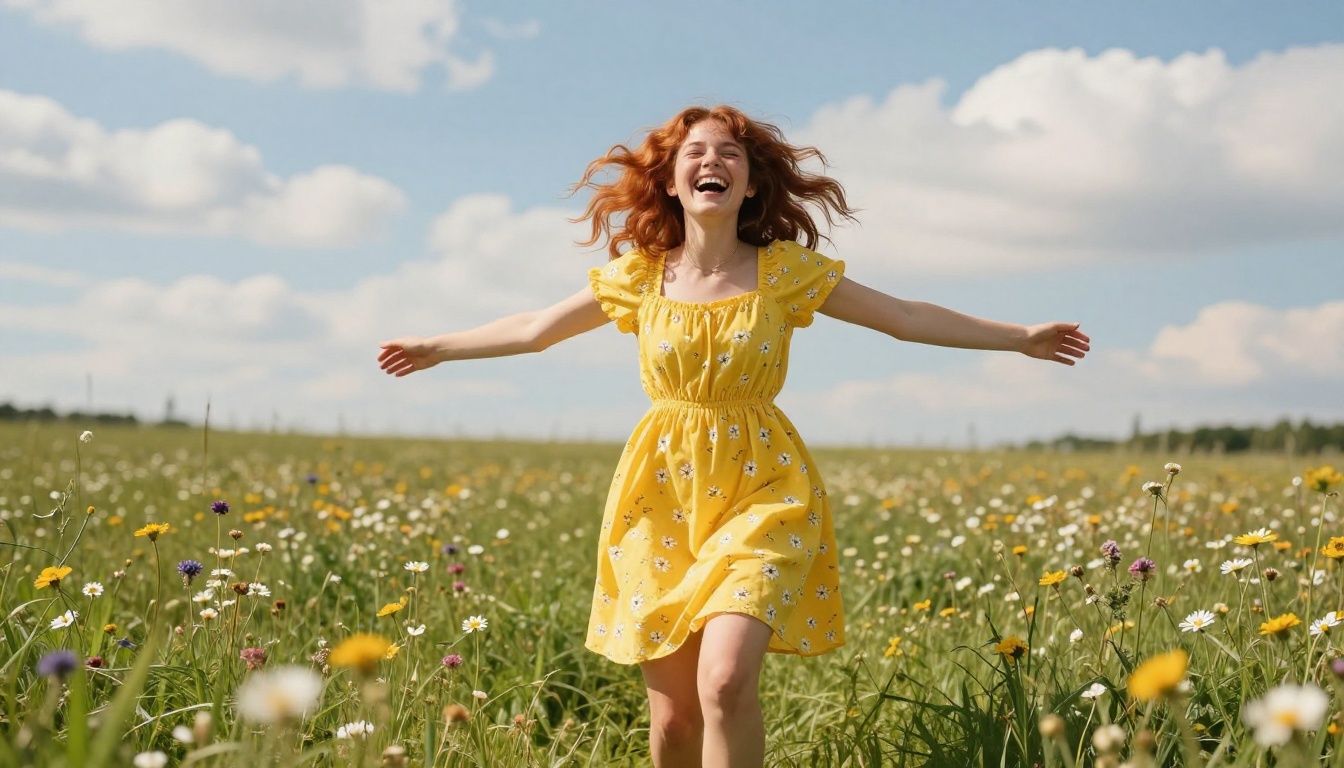
On the opposite end of the emotional spectrum is the genki (sometimes called deredere). This personality type is characterized by boundless, infectious energy. She isn't performing happiness. She is happiness, or something very close to it. The kind of person who makes a room brighter without trying.
Why Fans Love the Sunshine Character
Genki characters often function as emotional anchors in ensemble casts. In darker narratives, they serve as the reminder that joy is possible. In lighter stories, they drive momentum through sheer force of enthusiasm. Fans love genki characters because they're aspirational in a grounded way. Not perfect. Not particularly strategic. Just relentlessly, honestly alive.
The genki's appeal also lives in contrast: watching someone who finds genuine delight in small things tends to make those things feel more delightful by reflection.
Visual Traits of the Genki Type
Open body language, bright eyes, mid-motion poses, and warm saturated lighting define the genki visual. She's rarely still. Even in portrait shots, she feels like she's about to move. Natural outdoor settings, particularly sun-drenched meadows and busy festival scenes, anchor this archetype. The color palette skews warm and saturated: golds, yellows, sky blues.
| Archetype | Core Trait | Visual Signature | Signature Setting |
|---|
| Tsundere | Hidden warmth | Blush, crossed arms | School courtyard, golden hour |
| Kuudere | Quiet depth | Still expression, cool light | Library, winter window |
| Genki | Infectious energy | Open posture, bright light | Outdoor meadow, sunny |
| Yandere | Obsessive love | Intense gaze, deep shadow | Night, single candle |
| Dandere | Interior richness | Downcast eyes, shy glance | Quiet cafe, dusk |
| Onee-san | Warm authority | Direct eye contact, calm | Home interior, morning |
The Yandere: Love at Any Cost

Few anime waifu personality types generate as much conversation as the yandere. On the surface, the archetype is defined by love that has crossed into something obsessive and possessive. But the reason the yandere has such a devoted fan base goes deeper than the dramatic edge.
Why the Yandere Pulls Fans In
The yandere represents love taken to its absolute limit. What fans are drawn to is the intensity of feeling. A yandere loves with her entire self and nothing held in reserve. In a media landscape full of guarded, ironic, emotionally unavailable characters, that totality is striking. The yandere believes. She acts. She commits completely.
The darker elements create narrative tension that makes stories compelling. But the core emotional appeal is simply: someone who will never stop caring. For fans who feel overlooked or uncertain of their own lovability, that intensity reads as the ultimate fantasy of being truly, completely wanted.
The Fine Visual Line
The visual vocabulary of the yandere is built on contrast. Sweet exterior, intense eyes. Daylight presentation versus nighttime revelation. The signature yandere image almost always involves a close shot on the face, dramatic single-source lighting that creates harsh shadows, and some element of obsession made physical: photographs, handwritten notes, a worn keepsake held too tightly.
💡 Tip: For yandere-inspired AI images, use a single warm light source beside the face, specify f/1.2 shallow depth of field, and include "direct, unblinking eye contact" in your prompt. The moment you add the direct gaze, the archetype clicks into place. Flux 2 Max handles micro-detail of facial expression under candlelight with exceptional fidelity.
The Dandere: Quiet Depth
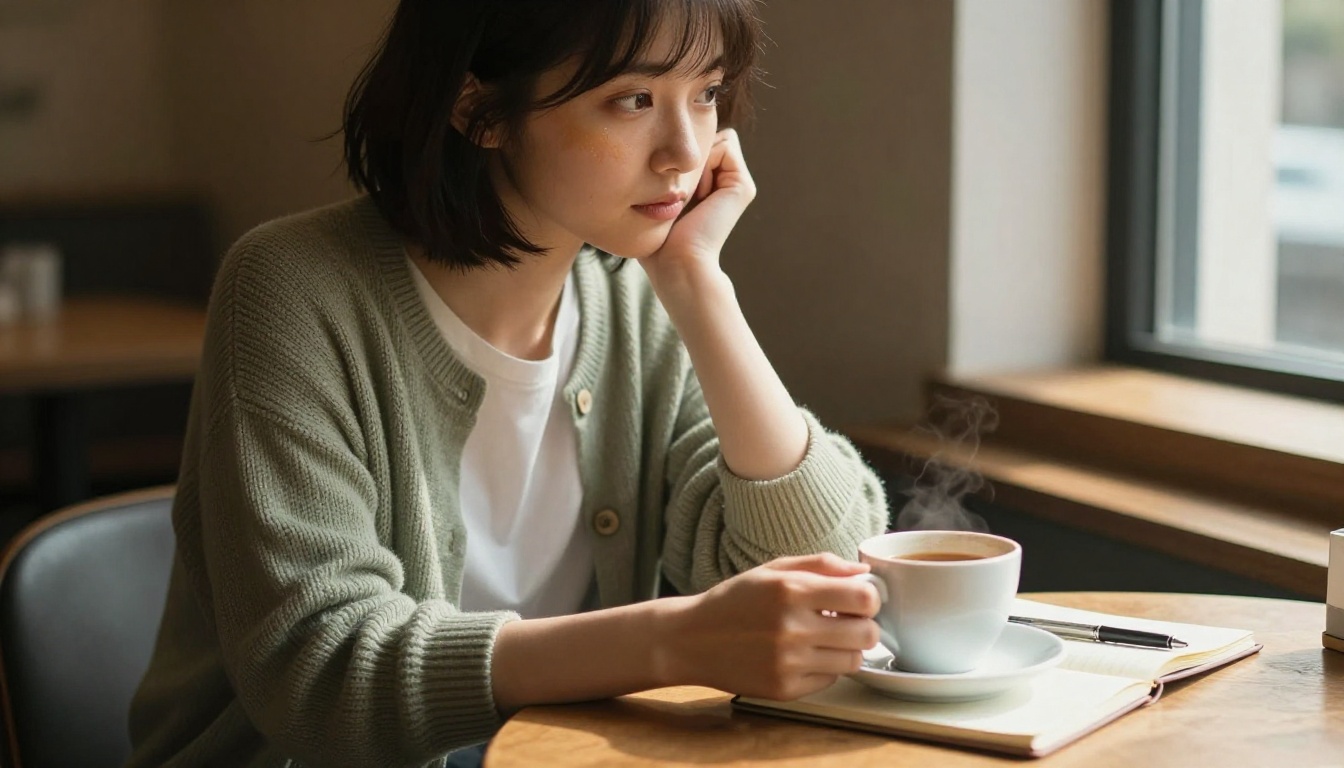
The dandere is the quietest of the major waifu archetypes and, for many fans, the most endearing. She doesn't speak much. She tends to stay at the edges of social situations. But everything she says, when she says it, lands with weight. She is the character who seems to be watching and thinking more than everyone else in the room.
The Silent Ones Who Speak Volumes
Fans who love dandere characters often identify with them directly. The appeal is the recognition of an interior life that doesn't make itself obvious to the room. A dandere isn't quiet because she has nothing to say. She's quiet because she's saying it very carefully and only when she's sure it matters.
There's also a particular quality to the relationship dynamic in dandere stories. Because she speaks rarely, her affection, when expressed, feels definitive. You know exactly where you stand, and it means something.
Capturing Dandere Visuals
The dandere aesthetic favors soft, warm light at low intensity. Late afternoon cafe windows. Amber reading lamps. The visual story is always: someone comfortable in their own stillness. Her gaze is usually downward or averted, but occasionally she looks up directly, and when she does, something shifts. Seedream 4.5 is excellent at rendering the soft, textured warmth this archetype needs.
The Onee-san: Warm Authority

Translated literally as "older sister," the onee-san represents warmth with substance. She's composed without being cold, nurturing without being passive, and carries an authority that comes from experience rather than dominance. The onee-san is the waifu archetype that fans tend to grow into rather than start with.
Big Sister Energy in Fandom
The onee-san appeals to fans who want a different kind of connection than the high-tension dynamics of tsundere or yandere. She offers stability, knowing warmth, and the sense that she has already thought through what you're anxious about and has a calm answer. Her affection is measured and genuine rather than volatile.
In terms of narrative role, onee-san characters are often mentors, protectors, or grounding forces in ensemble casts. They make the story feel safer even when it isn't. Fans who come to love this archetype often describe it as discovering what maturity in a character actually looks like.
How to Generate Onee-san Aesthetics
The onee-san visual is built on confidence without aggression. Direct eye contact, a warm half-smile, composed posture. She dresses elegantly but not flashily. Morning light works particularly well because it signals someone who woke early, has already done things, and is now calmly present. The linen-and-wood domestic aesthetic signals the same groundedness.
Key prompt elements for onee-san: morning window light from the left, direct relaxed eye contact, warm neutral tones, soft smile, domestic interior setting with good natural light.

The ability to visualize these archetypes with photorealistic fidelity has transformed how fans interact with waifu culture. AI image generation has made it possible to bring a specific personality type to life in seconds, with complete control over lighting, setting, and emotional register.
The Best Models for Waifu Aesthetics
Seedream 4.5 is the top recommendation for waifu content, including suggestive and glamour-focused outputs. It produces 4K-quality images with exceptional skin texture and emotional expression, handling the fine details of fabric, hair, and lighting that make a character feel grounded and real. It's uncensored and fast, making it the practical first choice for fans who want creative freedom without hard limits.
For maximum resolution and sharp precision across complex lighting scenarios, Seedream 5 Pro delivers 2K output with exceptional clarity. It's the model to reach for when you want final-quality results.
Flux 2 Pro and Flux 2 Max are excellent for environment-heavy compositions: the winter library for a kuudere, the sun-drenched rooftop for an onee-san, the rain-streaked study for a yandere. Both models handle architectural texture and complex lighting with precision.
Using LLMs to Build Character Backstories
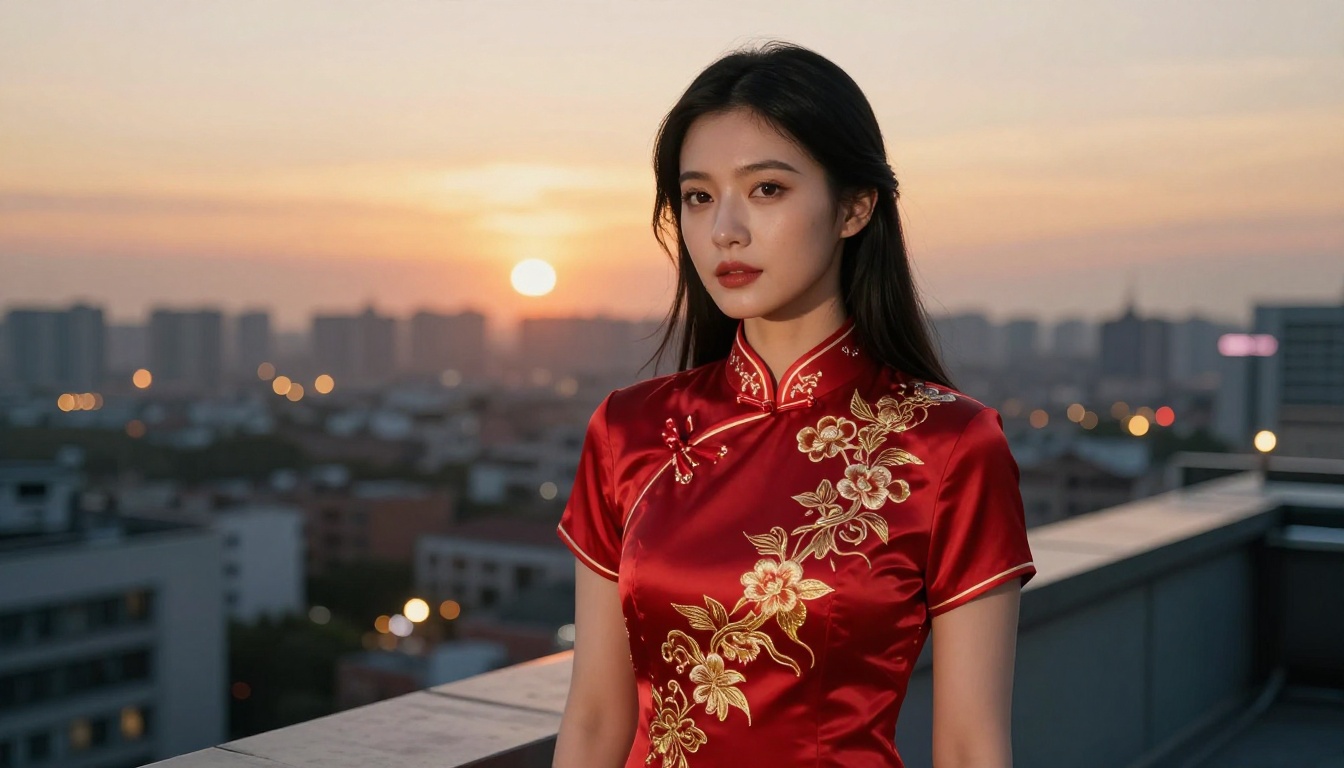
Waifu creation doesn't have to stop at visuals. Large language models on PicassoIA can help you build full character profiles, backstories, and dialogue samples for any of the archetypes above. Claude Sonnet 4.6 is particularly strong for character writing, handling nuance and tonal consistency across long-form character sheets. GPT 5 excels at multi-turn dialogue and scenario construction.
The workflow is straightforward: generate your visual with an image model first, then use an LLM to write the personality and backstory that fits the image you've created. The result feels coherent in a way that either layer alone can't achieve.
Giving Your Waifu a Voice
One underused layer of waifu creation is voice. Text-to-speech models add an entirely new dimension to a character. Speech 2.8 HD by MiniMax produces studio-quality AI voices with natural prosody and emotional range, ideal for bringing a dandere's soft monotone or a genki's bright rapid-fire speech patterns to life. For multilingual voice work across 30+ languages, ElevenLabs V3 offers natural dialogue synthesis with strong emotional control. Gemini 3.1 Flash TTS handles 30 different voices across 70+ languages, making it the strongest option for regional character voices or multilingual fan content.
💡 Tip: A kuudere voice should be slow, measured, and slightly flat in affect. A genki should speak quickly with rising intonation and frequent vocal warmth. Specify these qualities explicitly in your TTS prompt for results that actually sound like the archetype.
Voice model quick reference by archetype:
- Tsundere: Use Speech 2.8 HD with "slightly sharp, clipped delivery softening toward the end of sentences"
- Kuudere: Prompt for "low affect, measured pace, minimal tonal variation"
- Genki: Use ElevenLabs V3 with "high energy, upward inflection, warm tone"
- Yandere: Request "calm and sweet until the last word, then intense"
- Dandere: "Soft, slightly hesitant, barely above a whisper, sincere"
- Onee-san: "Warm, measured, confident without loudness, low register"
Start Creating Your Own Archetype
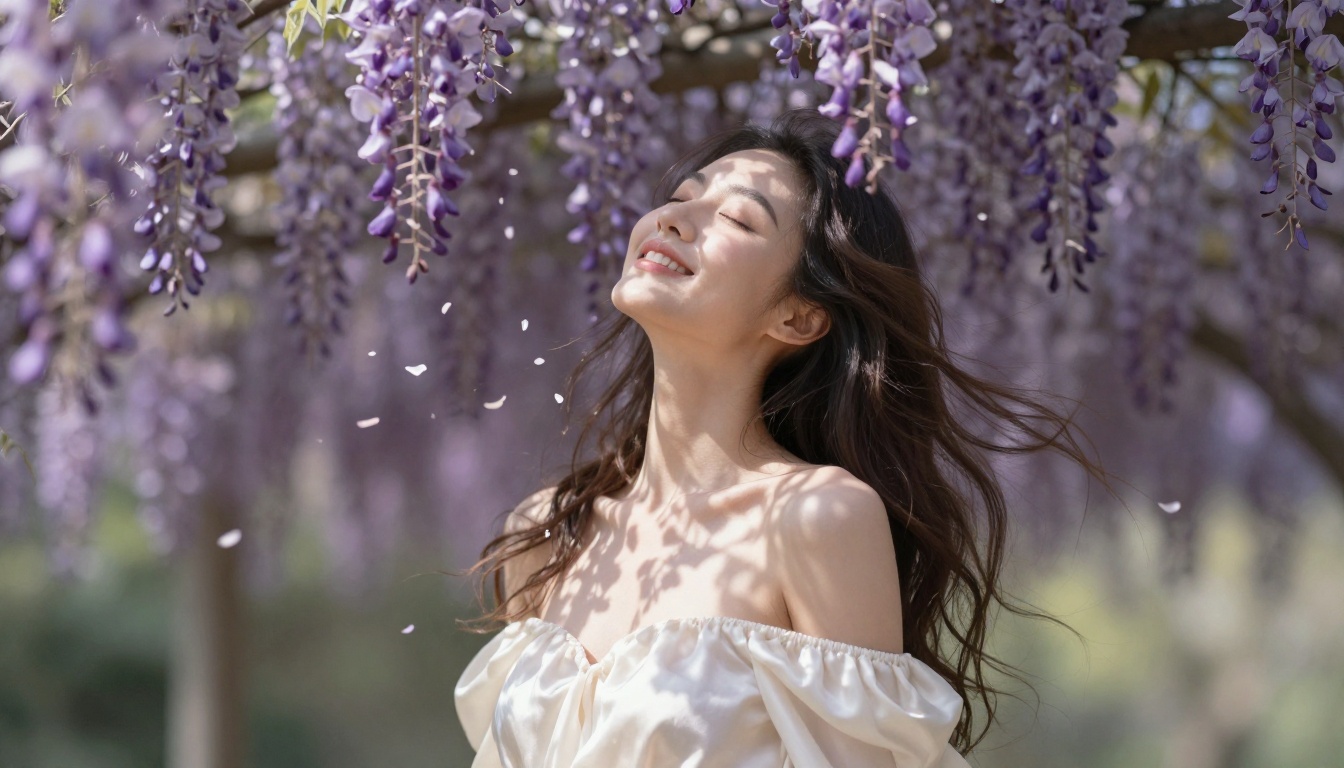
Waifu personality types have shaped anime culture for decades because they're not really about anime. They're about the emotional experiences that anime happens to be very good at rendering. The tsundere is about vulnerability behind armor. The kuudere is about depth behind stillness. The genki is about joy as a practice. The yandere is about love as a total commitment. The dandere is about the richness of interior lives. The onee-san is about strength expressed as care.
All of these archetypes are available to you right now, not just as characters to watch but as creative starting points.
The full creation workflow:
- Decide the emotional core: What feeling should she carry? Hidden warmth? Explosive joy? Quiet depth? Start there.
- Generate the visual: Use Seedream 4.5 with lighting and posture matched to the archetype.
- Write the character: Use Claude Sonnet 4.6 to build a personality sheet, personal history, and sample dialogue.
- Add the voice: Feed a line of that dialogue into Speech 2.8 HD to hear the character speak for the first time.
By the end of that workflow you have a character with a face, a story, and a voice. That's not a trope. That's a person.
Head to picassoia.com/en/all-models and start building. The archetype you love most is waiting to become something entirely yours.


