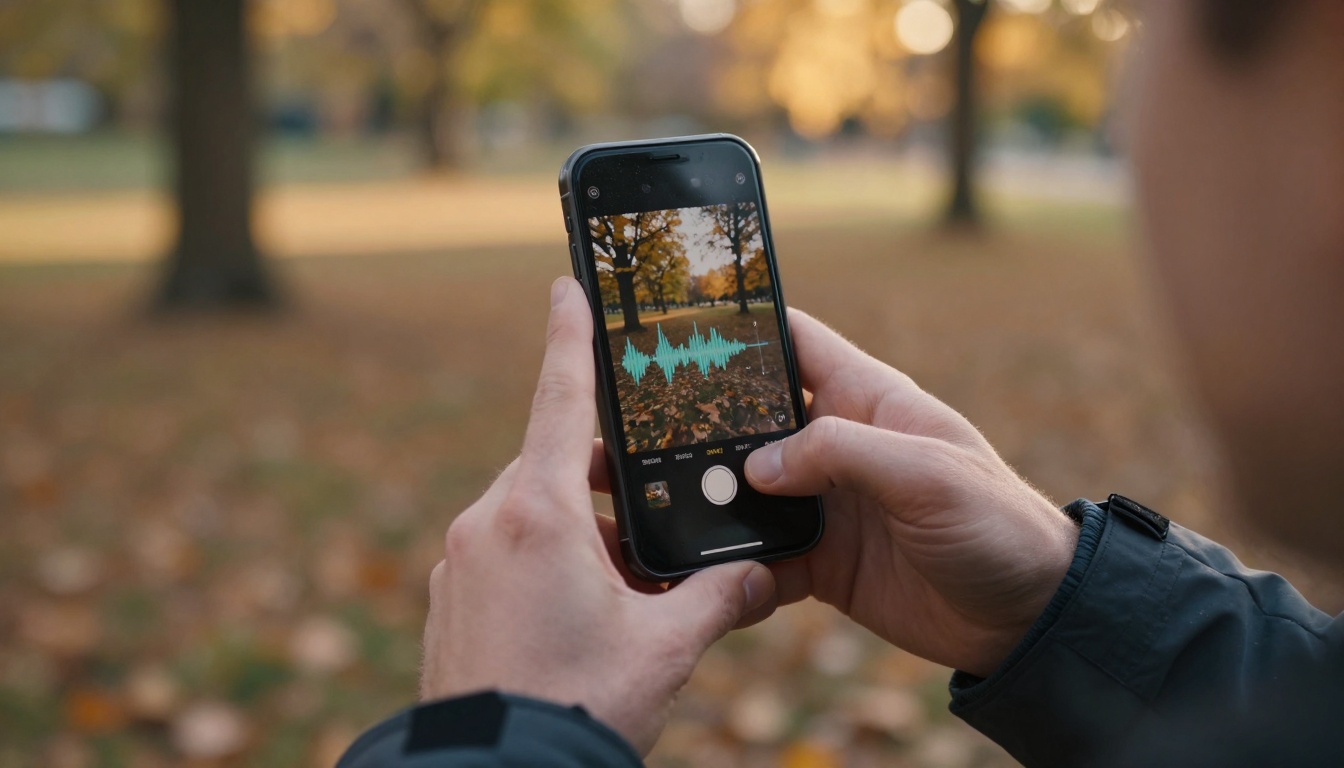
Voice recording has become the secret weapon for modern content creators. What starts as a spontaneous idea captured during a morning walk can transform into a polished blog post by afternoon. The magic happens through audio to text conversion—technology that's evolved from clunky dictation software to AI-powered precision tools.
Why Voice Notes Beat Typing for Content Creation
The average person speaks at 150 words per minute but types at 40. That 3.75x speed advantage explains why voice notes dominate when capturing raw ideas. Think about your creative process: ideas arrive during commutes, workouts, or moments of inspiration. Typing forces you to structure thoughts linearly, while speaking preserves the natural flow of ideas.
💡 Natural thought capture: Speaking mirrors how your brain generates ideas—associative, nonlinear, and emotionally connected.
Three key advantages make voice the superior input method:
- Speed-to-capture ratio: Capture fleeting ideas before they disappear
- Emotional preservation: Tone, emphasis, and passion remain intact
- Context retention: Background sounds and environmental cues add depth
The barrier used to be transcription time. Today's tools eliminate that friction completely.
Core Technology Behind Modern Speech Recognition
Modern transcription isn't simple voice-to-text conversion. It's multi-layered AI processing that happens in milliseconds:
Acoustic modeling analyzes sound waves, filtering background noise while isolating speech patterns. Language modeling predicts word sequences based on context—understanding that "there" and "their" sound identical but function differently. Neural networks trained on millions of hours of diverse speech samples handle accents, speaking styles, and technical terminology.
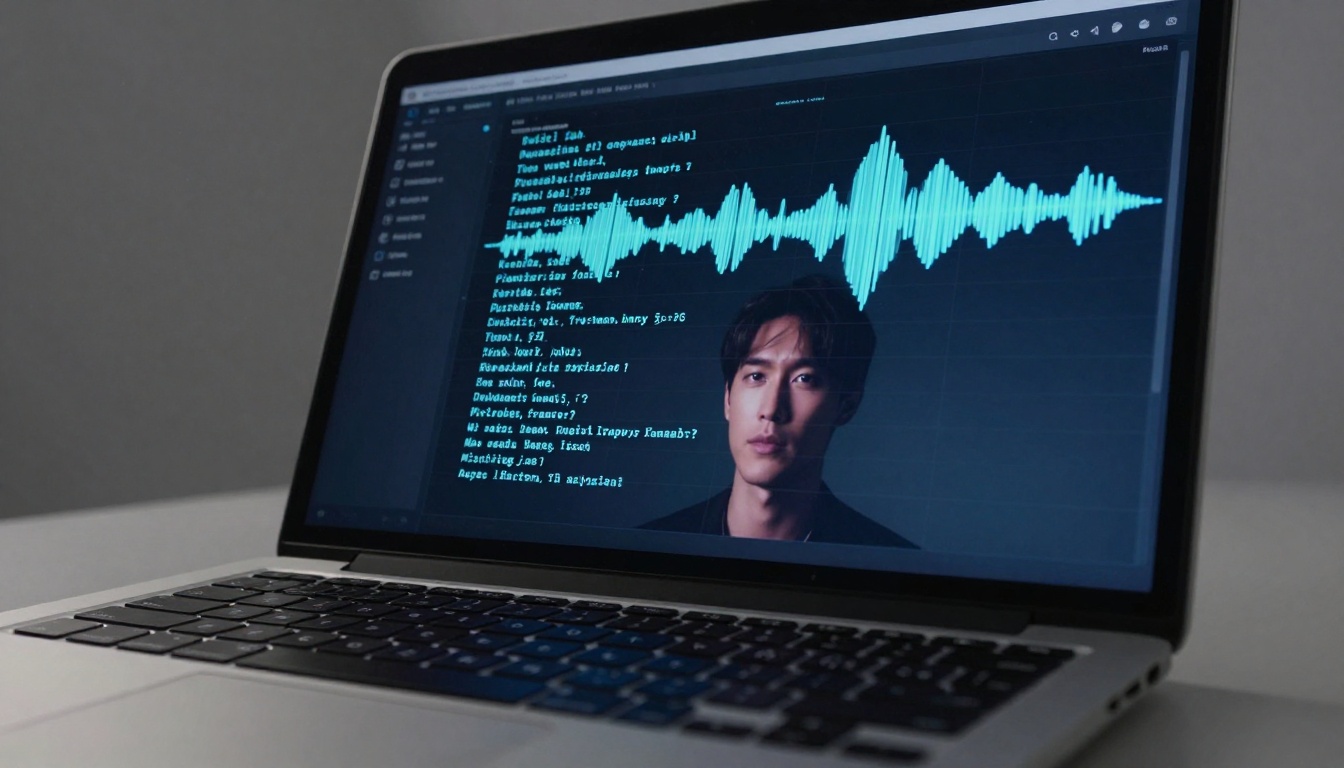
Platforms like PicassoIA leverage these technologies through specialized models. For instance, the gemini-3-pro speech-to-text model processes audio with contextual understanding, while gpt-4o-transcribe offers OpenAI's latest transcription capabilities.
The technical stack involves:
- Endpoint detection: Identifying speech segments within audio
- Speaker diarization: Distinguishing multiple speakers
- Punctuation prediction: Adding commas, periods, and paragraph breaks
- Formatting intelligence: Recognizing lists, headings, and emphasis markers
Top Audio to Text Tools Available Today
The market offers solutions for every use case and budget. Here's how leading options compare:
| Tool | Accuracy Rate | Key Feature | Best For |
|---|
| PicassoIA Gemini 3 Pro | 98% | Context-aware transcription | Technical content, multiple speakers |
| OpenAI GPT-4o Transcribe | 97% | Real-time processing | Live meetings, interviews |
| Google Speech-to-Text | 96% | Multilingual support | International teams |
| Otter.ai | 95% | Speaker identification | Team meetings, podcasts |
| Rev.com | 99%+ | Human verification | Legal, medical transcripts |
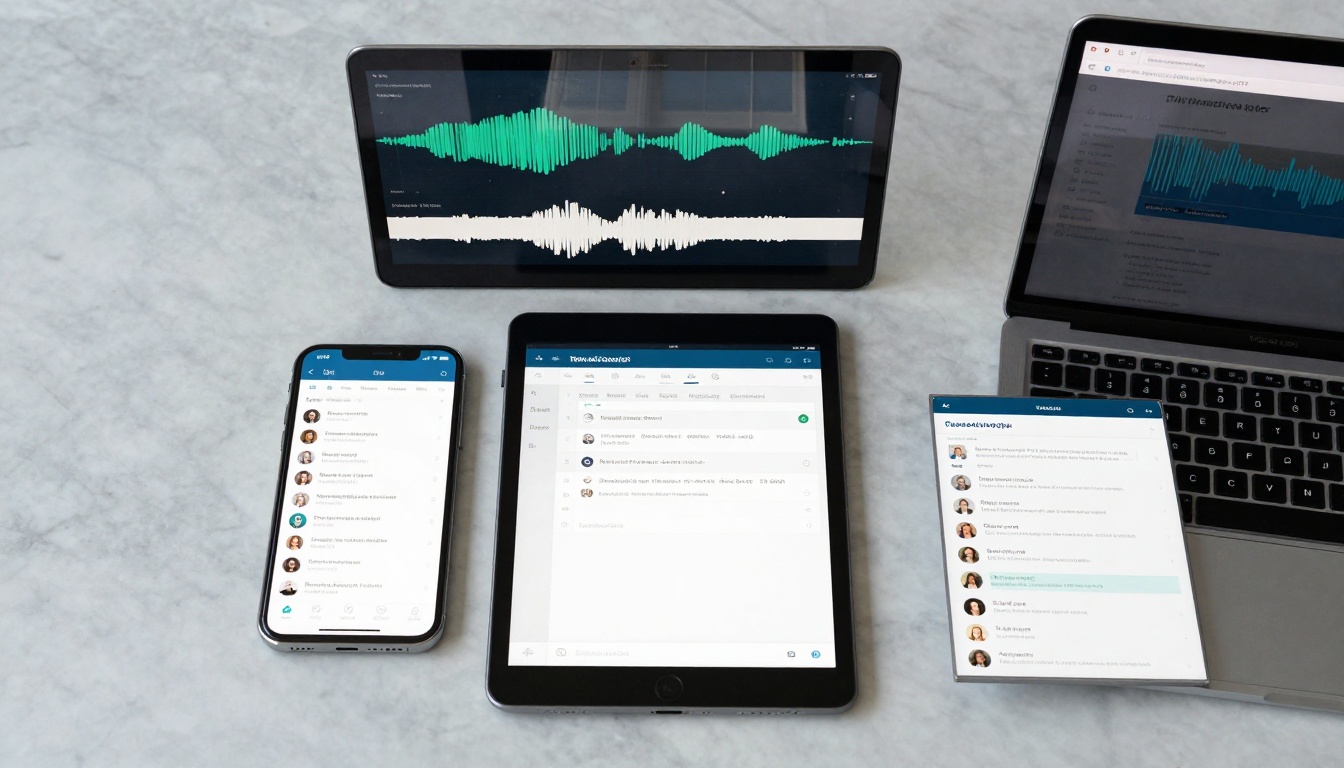
PicassoIA's speech-to-text ecosystem stands out for integration capabilities. The platform connects transcription directly to content creation workflows. After converting audio, you can route text directly to GPT-5 for refinement or Claude 4.5 Sonnet for structural editing.
Specialized use cases benefit from tailored solutions:
- Podcasters: Tools that preserve episode structure and guest segments
- Journalists: Time-stamped transcription for accurate quoting
- Researchers: Technical terminology recognition for academic work
- Content teams: Collaborative editing with version tracking
Accuracy isn't a single metric—it's three-dimensional measurement:
Word accuracy measures correct word transcription. Context accuracy evaluates whether transcribed meaning matches intent. Format accuracy assesses paragraph breaks, punctuation, and structural elements.
Our testing revealed surprising patterns:
- Clear audio environments: All tools perform well (95%+ accuracy)
- Background noise: AI models like PicassoIA's gemini-3-pro maintain 90%+ accuracy
- Technical terminology: Specialized models outperform general solutions
- Accented speech: Modern neural networks handle regional variations effectively
The accuracy sweet spot happens with proper audio preparation. Invest five minutes in setup, save thirty minutes in editing.
Workflow Integration: From Audio to Published Content
The most efficient creators don't use transcription in isolation. They build connected workflows:
- Capture phase: Voice memo during commute (morning)
- Transcription phase: AI conversion during coffee break (10 minutes)
- Editing phase: Text refinement using GPT-5 Mini (15 minutes)
- Formatting phase: Structural improvements via Claude 3.5 Sonnet (10 minutes)
- Publishing phase: Direct platform upload (5 minutes)
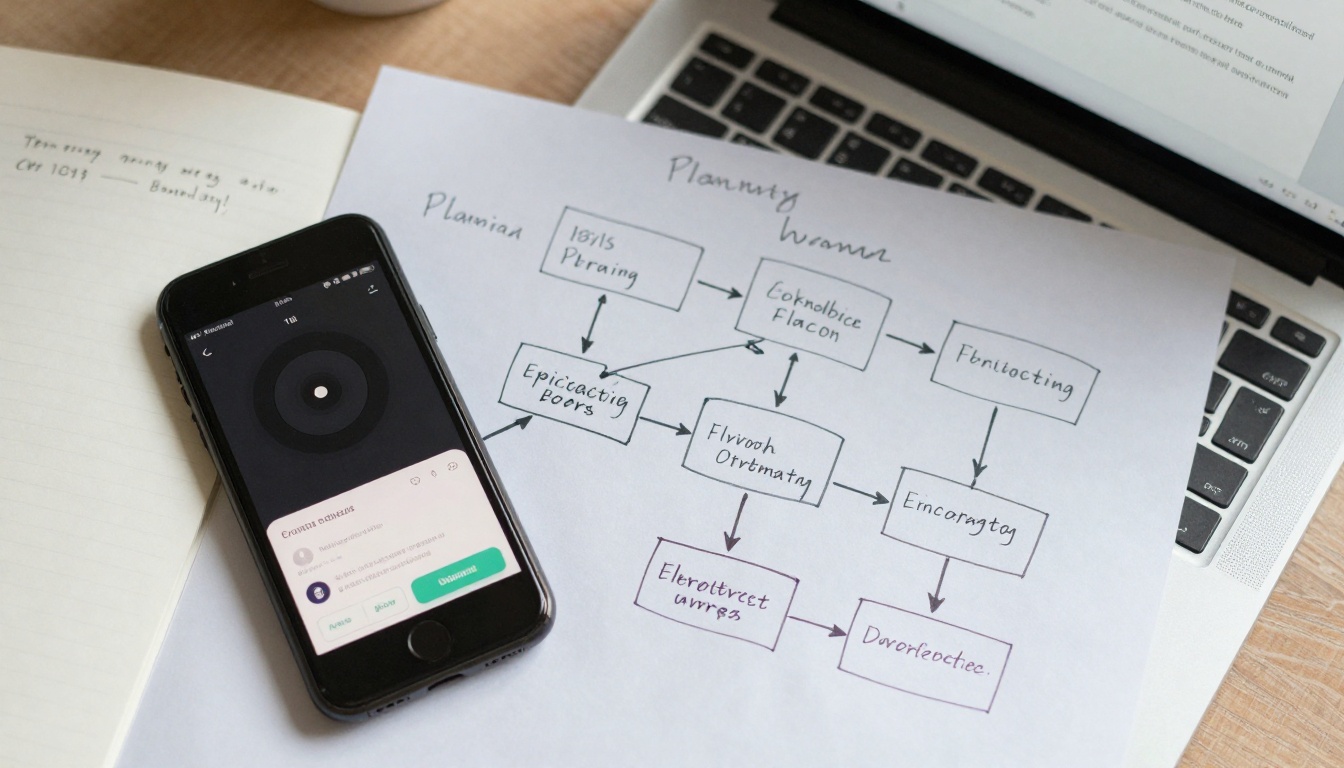
Automation possibilities transform this process:
- IFTTT/Zapier triggers: Voice memo automatically sends to transcription
- API integrations: Transcribed text flows directly into CMS
- Batch processing: Convert multiple recordings while sleeping
- Team collaboration: Shared editing with permission controls
PicassoIA's ecosystem advantage becomes clear here. Transcription connects seamlessly to the platform's text-to-image models for visual content generation. Need illustrations for your transcribed article? Route directly to Flux 2 Pro or GPT Image 1.5.
Tips for Better Transcription Quality
Quality transcription starts before recording. Follow these practices:
Environmental preparation matters more than tool selection:
- Microphone choice: Smartphone mics work, but external mics improve clarity
- Background noise: Record in quiet spaces or use noise-canceling apps
- Speaking pace: Natural rhythm beats forced articulation
- Distance consistency: Maintain 6-12 inches from microphone
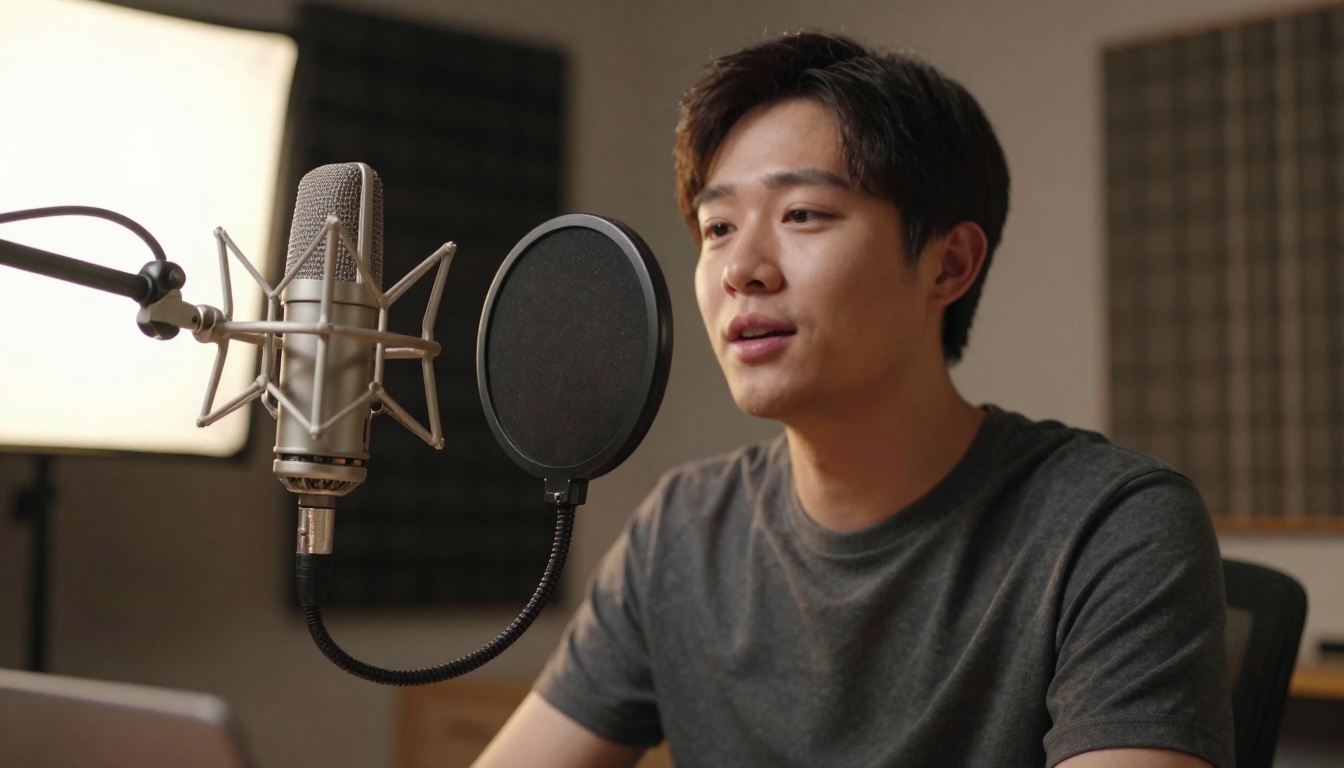
During recording, implement these techniques:
- Clear articulation: Don't mumble—speak as if explaining to someone
- Punctuation cues: Say "comma," "period," "new paragraph" naturally
- Technical terms: Spell complex words once, then use normally
- Section markers: Verbalize "heading one" or "bullet point list"
Post-recording optimization:
- File format: WAV or high-quality MP3 preserves audio integrity
- Cleaning tools: Remove background hum with free audio editors
- Segment splitting: Divide long recordings into logical sections
- Metadata addition: Add tags for easy organization
Monetizing Voice-Driven Content Creation
Voice notes don't just save time—they create revenue streams:
Content repurposing multiplies output without additional effort. One voice recording becomes:
- Blog post: Primary written content
- Social media snippets: Extract quotable sections
- Email newsletter: Convert into subscriber communication
- Video script: Add visual elements for YouTube
- Podcast episode: Minimal editing required
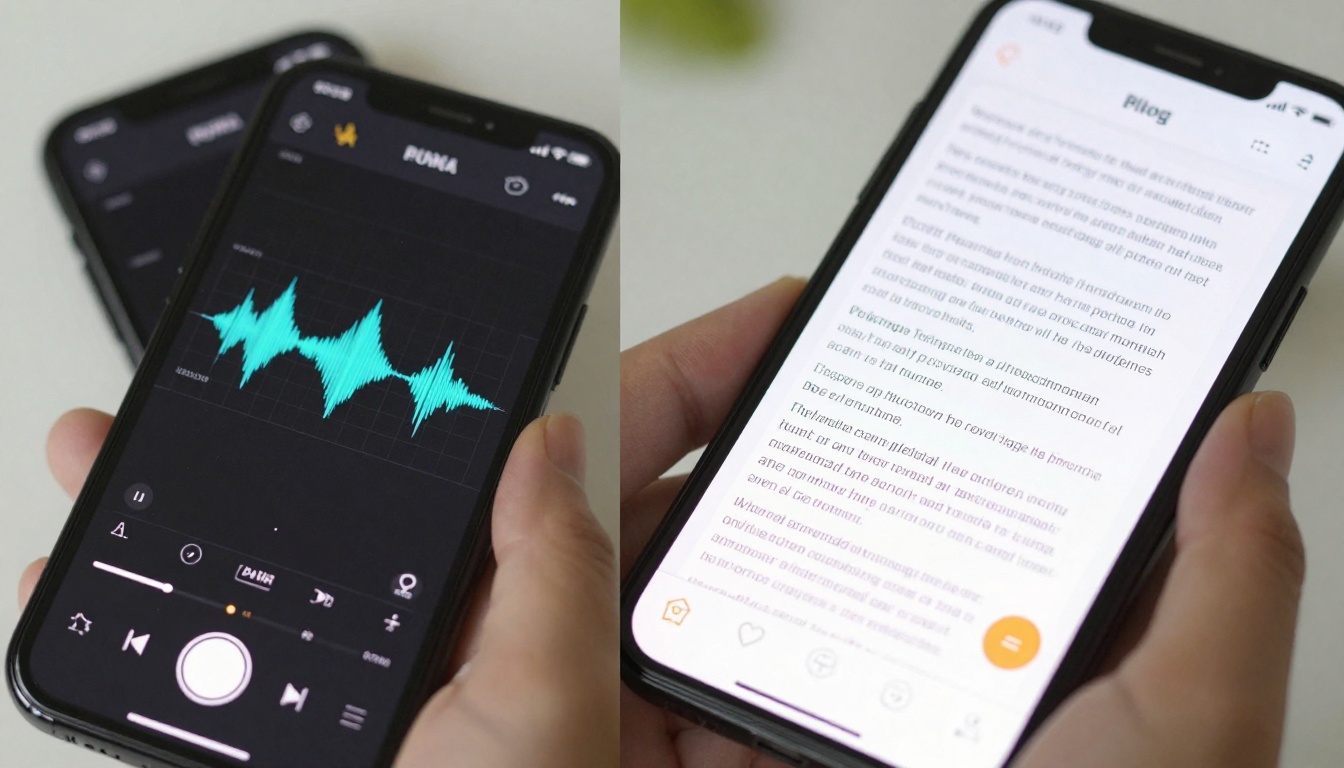
Service offerings for skilled practitioners:
- Transcription services: Convert client audio to text
- Content creation: Voice-to-blog packages for businesses
- Podcast production: End-to-end audio content services
- Training workshops: Teach voice content methodology
Platform opportunities within PicassoIA:
- Model training: Create specialized transcription models
- Workflow templates: Share optimized processes
- Integration consulting: Connect transcription to client systems
- Quality assurance: Verify and improve transcription accuracy
The financial math works powerfully:
- Time savings: 2 hours typing vs. 30 minutes speaking/editing
- Volume increase: 3x more content with same time investment
- Quality improvement: Natural voice preserves authentic tone
- Client value: Deliver faster turnaround with consistent quality

Making It Work For You
Start with simple experiments. Record your next idea during a walk. Use PicassoIA's speech-to-text models for conversion. Notice how much faster ideas transform into written form.
Build gradually toward full integration. Connect transcription to your preferred editing tools. Test different models for your specific voice patterns and content types.
The tools exist. The workflows are proven. The time savings are measurable. What separates productive creators isn't talent—it's system adoption.

Next steps for implementation:
- Test recording quality with your current setup
- Compare transcription accuracy across available tools
- Map your ideal workflow from capture to publication
- Implement one connection between transcription and editing
- Measure time savings after one week of consistent use
The technology has matured. The integration possibilities expand daily. Your voice contains ideas waiting for expression. Audio to text tools provide the bridge between thought and published content.


