Customer service has transformed dramatically with AI technology. Businesses now handle thousands of inquiries simultaneously while maintaining personalized, high-quality interactions. The right AI solution can reduce response times from hours to seconds, operate around the clock, and significantly cut operational costs.
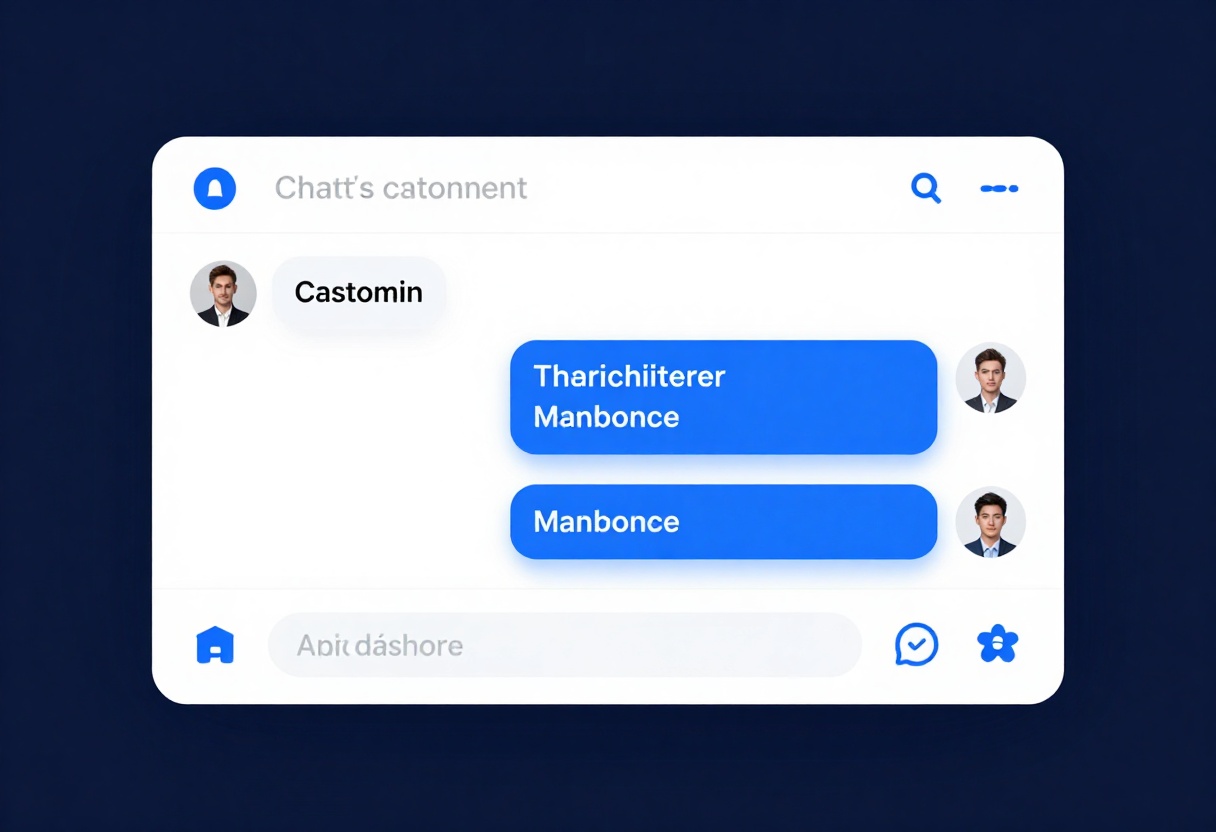
What Makes AI Customer Service Effective in 2027
The best AI customer service platforms combine natural language understanding with contextual awareness. They can handle complex queries, remember conversation history, and escalate to human agents when needed. Modern solutions integrate seamlessly with existing tools and provide insights that help businesses improve their service over time.
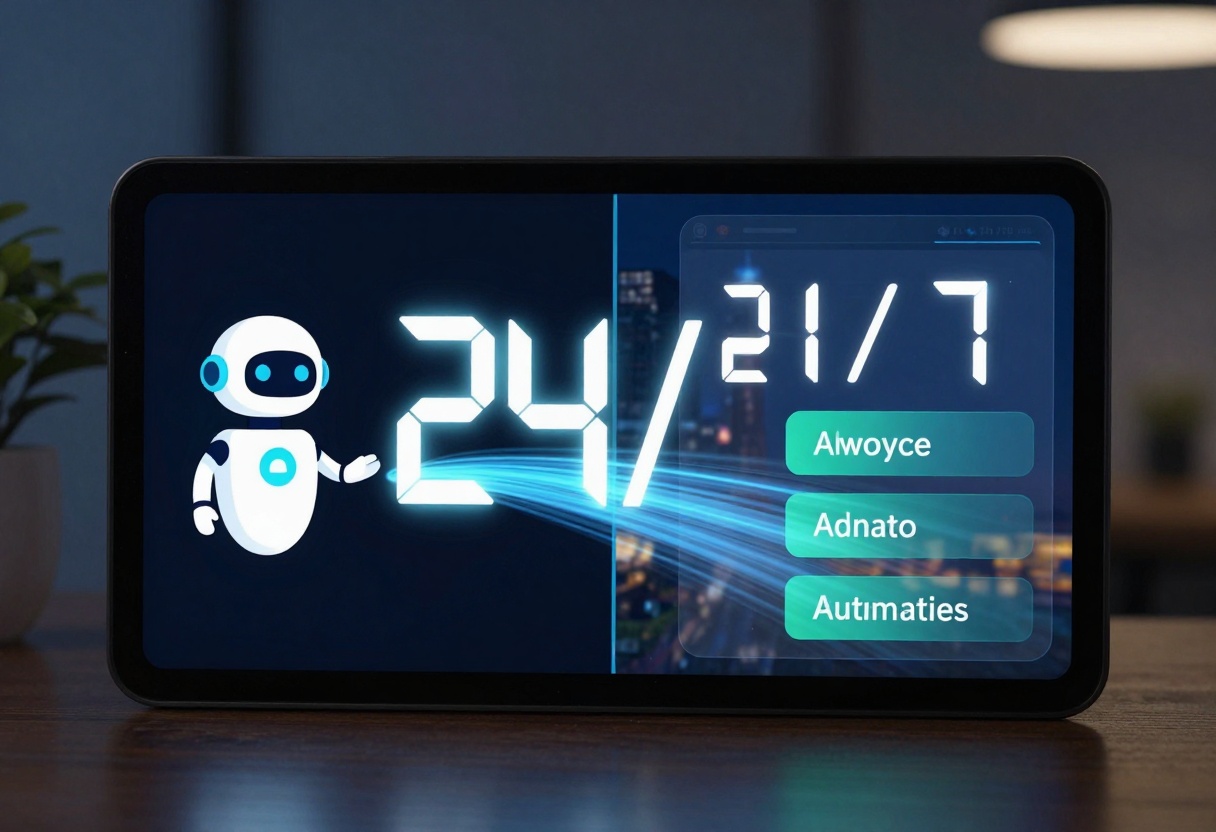
Key capabilities that separate exceptional AI from basic chatbots include multilingual support, sentiment analysis, and the ability to learn from each interaction. The technology has matured to the point where customers often prefer AI assistance for routine inquiries because responses are faster and available 24/7.
Why Businesses Are Switching to AI Support
Traditional customer service faces several challenges that AI solves elegantly. Human agents can only handle one conversation at a time, require breaks, and cost significantly more to scale. AI systems handle unlimited simultaneous conversations without fatigue, providing consistent quality regardless of volume.
The financial impact is substantial. Companies report reducing support costs by 30-60% while improving customer satisfaction scores. Response times drop from minutes or hours to seconds, and customers appreciate getting help immediately rather than waiting in queue.

Language Models for Customer Service
Large language models have become the foundation of modern customer service AI. These systems understand context, maintain natural conversations, and provide accurate information by accessing company knowledge bases in real-time.
GPT-5.2 for Customer Interactions
GPT-5.2 represents a significant advancement in conversational AI. The model excels at understanding customer intent, even when questions are phrased ambiguously or contain errors. It adapts its response style based on the customer's tone and provides explanations that match their level of technical knowledge.
The adjustable verbosity feature is particularly valuable for customer service. When customers need quick answers, the model provides concise responses. For complex issues requiring detailed explanations, it can expand its answers with step-by-step guidance.
What sets GPT-5.2 apart is its reasoning capability. Rather than simply pattern-matching responses, it can work through problems logically, consider multiple solutions, and explain its recommendations. This makes it suitable for handling technical support queries that require troubleshooting.

Multilingual Support Capabilities
Global businesses need AI that speaks their customers' languages fluently. Modern language models handle over 30 languages with native-level proficiency, automatically detecting the customer's language and responding appropriately.
This eliminates the need for separate support teams for each market. A single AI system can serve customers worldwide, maintaining consistent service quality across all languages. Translation happens seamlessly, and the AI understands cultural nuances that affect communication style.
Companies report that multilingual AI support opens new markets that were previously too expensive to serve adequately. The technology makes global expansion feasible for businesses of any size.
Voice AI for Customer Service
Voice interactions remain popular for customer service, and AI has made them dramatically more effective. Modern voice AI understands natural speech patterns, handles accents, and responds with natural-sounding voices that customers find pleasant to interact with.
Text-to-Speech for Automated Responses
High-quality text-to-speech has eliminated the robotic sound that made early voice AI unpleasant. Speech-2.6-HD generates natural, expressive audio that includes appropriate emotional tone based on the conversation context.
The system supports multiple voices and can be customized to match your brand personality. Happy and calm emotions work well for most customer service scenarios, while the system can adjust to be more serious when handling complaints or urgent issues.
Customers appreciate the clear pronunciation and natural pacing. The AI can slow down when providing important information like confirmation numbers, or speed up slightly during routine parts of the conversation to match natural speech patterns.
Real-Time Voice Conversations
Modern voice AI handles conversations in real-time without noticeable delays. Customers can interrupt the AI mid-sentence to provide additional information or clarify their question, just as they would in a conversation with a human agent.
The technology recognizes when customers are finished speaking and responds promptly. It also handles background noise well, filtering out ambient sounds to focus on the customer's voice. This makes it reliable even when customers call from noisy environments.
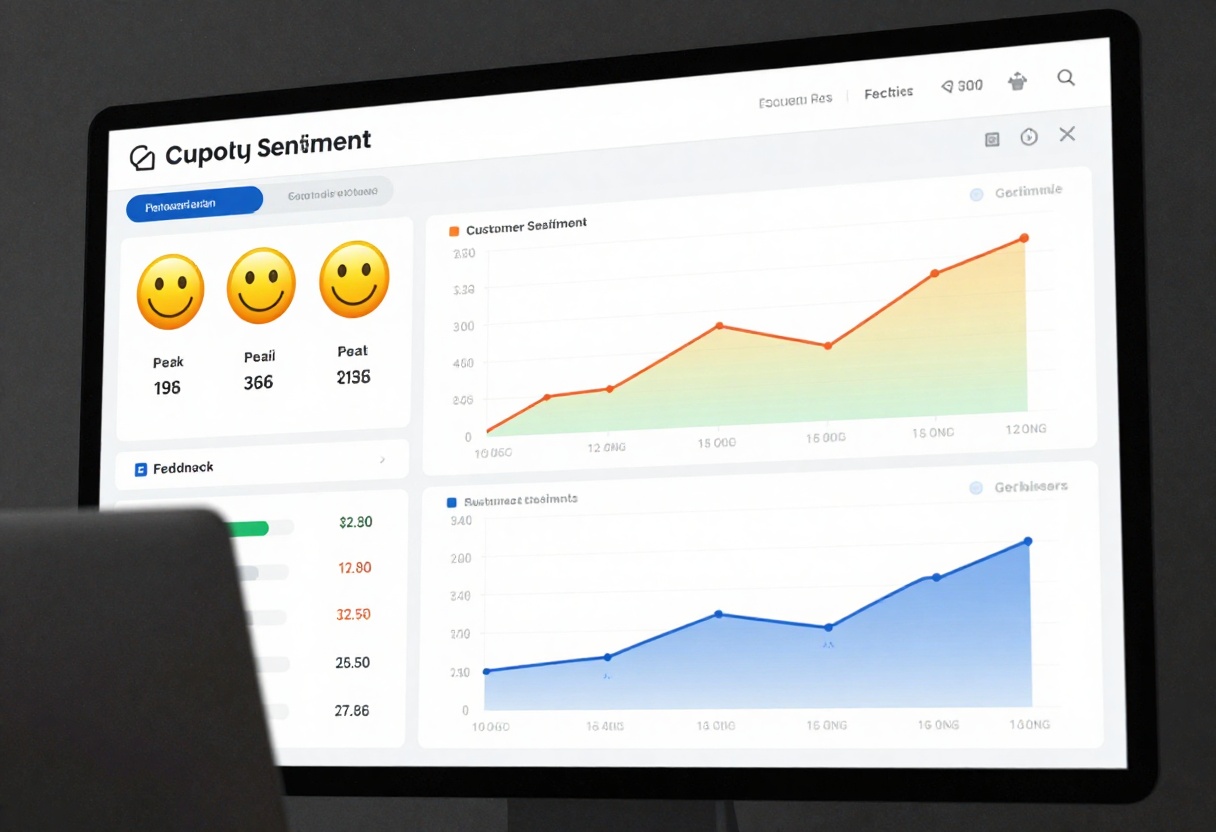
Sentiment Analysis and Personalization
Understanding how customers feel during interactions allows AI to adjust its approach and alert human agents when additional support is needed. Sentiment analysis has become remarkably accurate, detecting frustration, confusion, or satisfaction from text and voice cues.
Adapting to Customer Emotions
When AI detects frustration in a customer's messages, it can adjust its response style. It might offer to escalate to a human agent, provide more detailed explanations, or acknowledge the customer's concerns more explicitly before presenting solutions.
For satisfied customers, the AI can maintain a lighter, more efficient tone. It recognizes when someone just needs a quick answer and avoids over-explaining. This adaptability makes interactions feel more natural and customer-centric.
The system also identifies when customers are confused and automatically provides clarification or breaks down complex information into simpler steps. This prevents customers from giving up before their issue is resolved.

Personalized Service at Scale
AI systems remember previous interactions with each customer, creating continuity across conversations. When a customer returns with a follow-up question, the AI already knows their history and can pick up where the last conversation ended.
This extends to personalized recommendations and proactive support. If a customer frequently asks about a particular product category, the AI can mention relevant updates or new arrivals. For technical products, it can remember the customer's setup and provide assistance tailored to their specific configuration.
Personalization happens automatically without requiring customers to repeat information. The AI maintains context across different channels, so a customer who starts a conversation via chat can continue it by phone without explaining everything again.
Cost and Efficiency Benefits
The financial case for AI customer service is compelling. Beyond the obvious savings in staffing costs, businesses see improvements in efficiency that multiply the benefits.

Handling Peak Volume Without Scaling Staff
Traditional customer service requires staffing for peak volumes, which means paying for capacity that sits idle during slower periods. AI eliminates this inefficiency by scaling instantly to match demand.
During product launches, seasonal rushes, or unexpected events that spike support requests, AI handles the increased volume without degradation in service quality. Companies no longer need to choose between poor service during peaks or overstaffing during normal periods.
The cost savings compound over time. As the AI learns from each interaction, it handles a growing percentage of inquiries without human intervention, continuously improving ROI.
Reducing Average Handling Time
AI resolves most inquiries in under a minute, compared to the 10-15 minute average for human agents. This speed comes from instant access to information and the ability to process multiple tasks simultaneously.
When human agents do get involved, AI assists them by pulling relevant information, suggesting solutions, and handling routine follow-up tasks. This allows experienced agents to focus on complex issues that truly require human judgment.
The efficiency gains free up resources for other business priorities. Companies can reinvest the savings into product development, marketing, or expanding into new markets.
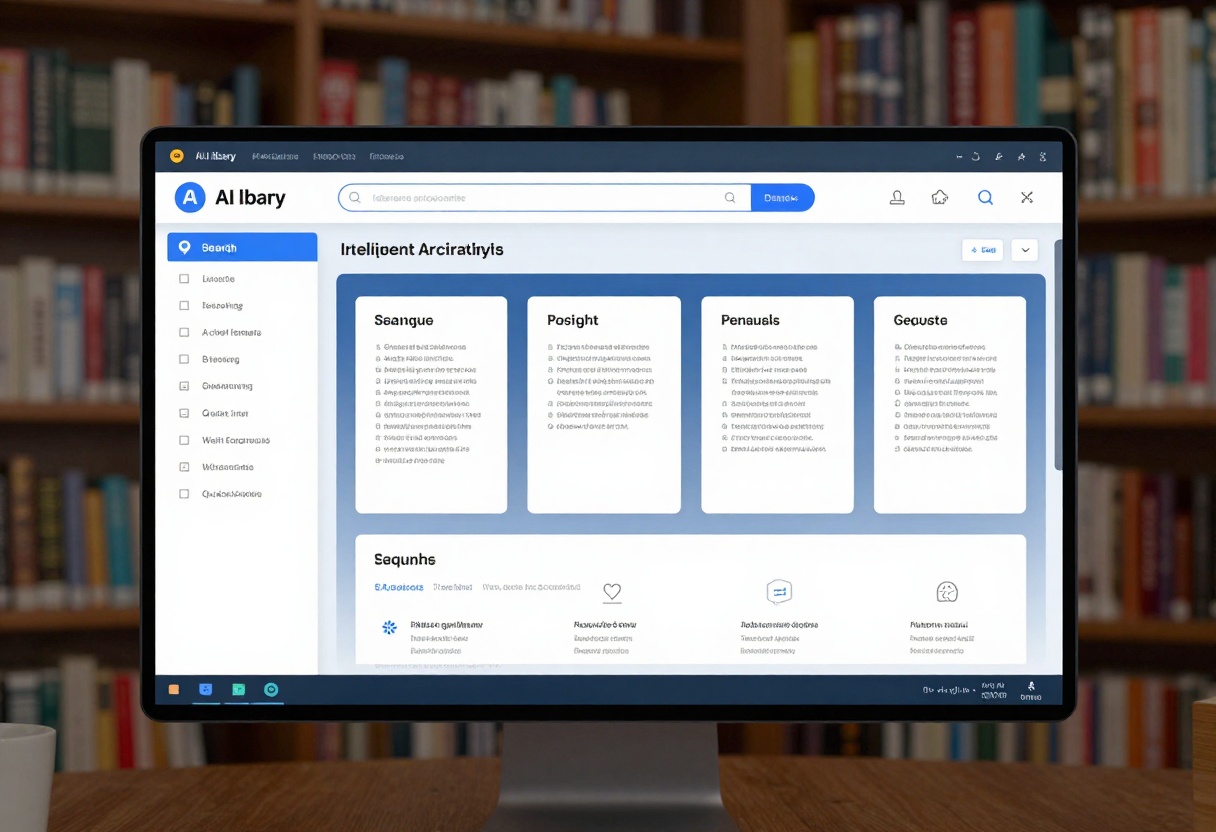
Integration with Existing Systems
Effective AI customer service connects with your current tools and workflows. Modern solutions integrate with CRM systems, help desk software, e-commerce platforms, and communication channels without requiring complete system overhauls.
Knowledge Base Integration
AI systems excel when they have access to comprehensive, up-to-date information. The best implementations connect directly to your knowledge base, product documentation, and internal wikis to ensure accurate responses.
The AI automatically stays current as you update documentation. There's no need to manually retrain the system or update response templates. When you publish new product information or change policies, the AI immediately incorporates this knowledge into its responses.
This integration also works in reverse. The AI identifies gaps in your documentation by noting questions it struggles to answer. These insights help you improve your knowledge base to better serve both AI and human agents.
CRM and Customer History Access
Connecting AI to your CRM provides the context needed for personalized service. The system knows each customer's purchase history, previous support tickets, subscription status, and preferences.
This allows the AI to provide relevant recommendations and anticipate needs. If a customer contacts support about a product that's nearly out of warranty, the AI can proactively mention renewal options. For subscription services, it can recognize customers who might be at risk of churning based on usage patterns.
The integration also ensures all interactions are logged and accessible to human agents. When escalation is necessary, the agent sees the complete conversation history and can pick up seamlessly without asking the customer to repeat information.
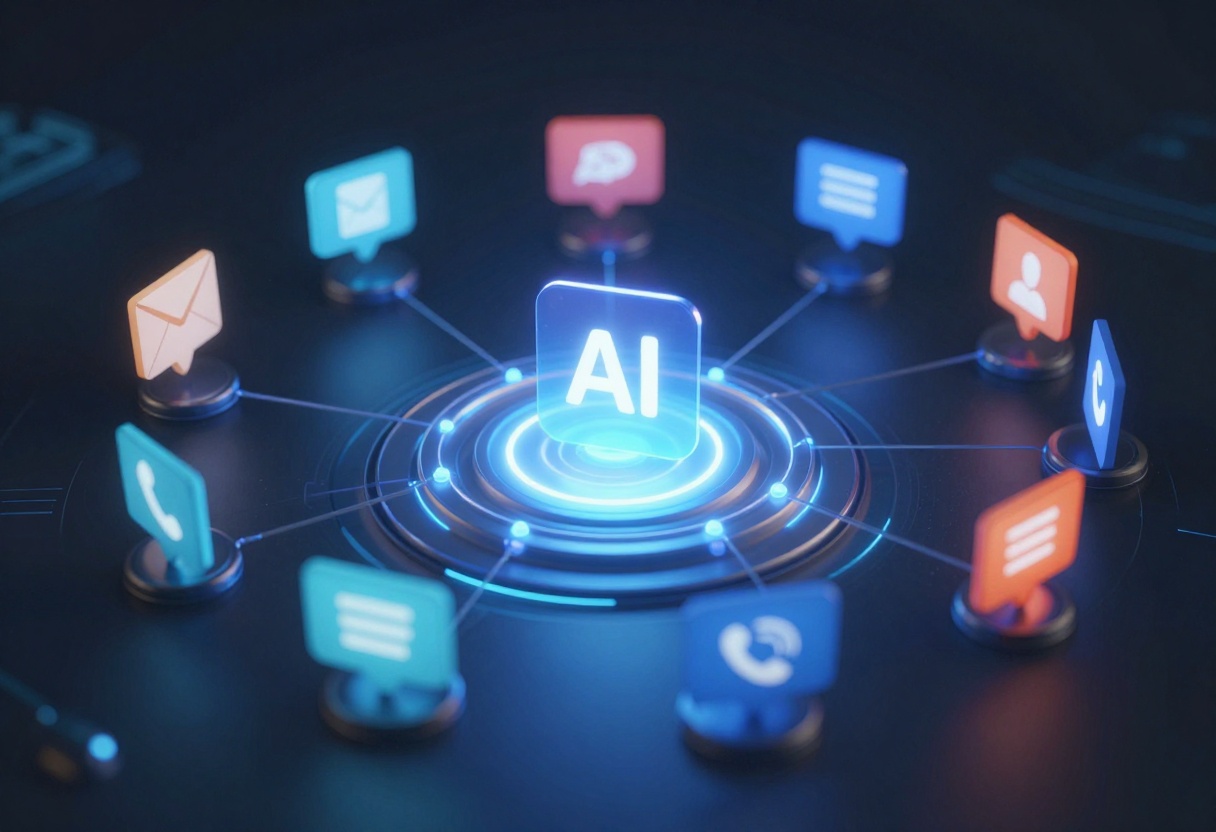
Omnichannel Customer Support
Customers expect to reach support through their preferred channel, whether that's chat, email, phone, social media, or messaging apps. Omnichannel AI provides consistent service across all these touchpoints.
Seamless Channel Switching
The most frustrating customer service experiences involve repeating information when switching channels. Modern AI eliminates this by maintaining conversation context across all channels.
A customer might start a conversation via chat on your website, continue it through email when they step away from their computer, and finish by phone when they need more complex assistance. The AI and any human agents involved see the complete history regardless of channel.
This flexibility reduces friction and accommodates how customers actually use technology. They can engage through whichever channel is most convenient at the moment without service quality degradation.
Social Media Integration
Social media has become a primary customer service channel, but managing multiple platforms is resource-intensive. AI monitors your social media accounts, identifies customer service requests among general mentions, and responds appropriately.
The system understands the difference between a customer asking for help and someone simply sharing their experience. It prioritizes urgent issues, responds promptly to questions, and can escalate negative feedback to human agents before it escalates into a larger problem.
This automated monitoring ensures no customer inquiry goes unanswered, even on platforms where you might not have dedicated staff monitoring 24/7. Response times improve dramatically, and customers appreciate getting help through their preferred social platform.
Using AI Customer Service on PicassoIA
PicassoIA provides straightforward access to the most advanced AI models for customer service applications. The platform eliminates technical complexity while giving you full control over how the AI behaves and responds to customers.
Setting Up GPT-5.2 for Customer Support
GPT-5.2 on PicassoIA offers the most sophisticated language understanding available for customer service. The model excels at maintaining natural conversations while providing accurate, helpful responses.
To begin using GPT-5.2 for customer support:
Access the model by visiting the GPT-5.2 page on PicassoIA. The interface provides clear controls for all configuration options.
Configure verbosity based on your customer service needs. Set it to "low" for customers who need quick answers to simple questions. Use "medium" for general support where balanced responses work best. Choose "high" when customers need detailed explanations or step-by-step troubleshooting.
Adjust reasoning effort to match query complexity. For straightforward questions about store hours or shipping status, "low" reasoning works well. Technical support or complex product questions benefit from "high" or "xhigh" reasoning, which allows the model to work through problems more thoroughly.
Set up system prompts to define your brand voice and service guidelines. The system prompt tells the AI how to behave, what information to prioritize, and when to escalate to human agents. Include your company policies, common workflows, and the tone you want the AI to maintain.
Configure token limits to control response length. Customer service responses typically work best at 150-300 tokens for concise answers, 300-500 tokens for standard responses, and 500-1000 tokens for detailed explanations. Adjust based on your needs.
The platform handles all technical aspects of running the model. You focus on configuring behavior to match your customer service standards, while PicassoIA manages infrastructure, scaling, and reliability.
Implementing Voice Support with Speech-2.6-HD
Voice interactions remain crucial for many customer service scenarios. Speech-2.6-HD on PicassoIA generates natural, expressive audio that customers find engaging and easy to understand.
Access Speech-2.6-HD to configure voice responses for your customer service system. The model supports multiple voices, languages, and emotional tones.
Select appropriate voices that match your brand personality. Professional, friendly voices work well for most business contexts. The platform offers multiple options, allowing you to choose voices that resonate with your customer base.
Configure emotional tone based on the context. "Calm" works well for most customer service interactions, providing a reassuring presence. "Happy" suits positive interactions like order confirmations or successful problem resolution. The AI can adjust emotion dynamically based on the conversation.
Set language and localization to serve your global customer base. The system supports over 30 languages and automatically adjusts pronunciation and phrasing to match regional preferences. Customers hear natural-sounding speech in their native language.
Optimize audio quality settings for your delivery channel. For phone systems, standard quality provides excellent clarity while minimizing bandwidth. For voice assistants or high-quality playback, increase the sample rate and bitrate for crystal-clear audio.
Control speech characteristics like speed, pitch, and volume to create the perfect voice experience. Slight speed adjustments can make long responses feel more dynamic, while pitch modifications help distinguish between different types of information.
The platform generates audio in real-time or as files you can cache for frequently-used responses. This flexibility allows you to optimize for both cost and performance based on your specific requirements.
Testing and Optimization
Before deploying AI customer service at scale, thorough testing ensures the system handles your specific use cases effectively. PicassoIA's platform makes testing straightforward.
Start with common customer inquiries from your existing support logs. Feed these questions to the AI and evaluate response quality, accuracy, and tone. Adjust system prompts and parameters based on results.
Test edge cases that represent challenging scenarios: angry customers, ambiguous questions, requests for information you don't provide, and complex multi-step issues. Ensure the AI handles these situations appropriately and escalates when necessary.
Monitor conversation quality as you roll out to real customers. The platform provides analytics on response times, resolution rates, and customer satisfaction. Use this data to continuously refine the AI's behavior.
Measuring Customer Service AI Success
Implementing AI changes how you measure customer service performance. Traditional metrics still matter, but new measurements become relevant as AI handles more interactions.
Key Performance Indicators
Resolution rate shows what percentage of customer inquiries the AI resolves without human intervention. Most businesses achieve 60-80% automated resolution within the first few months. This number typically improves over time as the AI learns from more interactions.
Average response time should drop dramatically with AI implementation. Instant responses become the norm rather than the exception. Track both initial response time and total resolution time to see the full impact.
Customer satisfaction scores often improve when AI is implemented well. Customers appreciate fast responses and 24/7 availability. Compare CSAT scores before and after AI implementation, and track how they change as the system matures.
Cost per interaction decreases significantly with AI handling routine queries. Calculate the fully-loaded cost of human agents versus AI processing to understand ROI. Include both direct costs and the value of being able to handle peak volumes without additional staffing.
Escalation rate indicates how often the AI determines human assistance is needed. A low escalation rate suggests the AI handles most scenarios independently. A high rate might indicate the AI needs better training or access to more information.
Continuous Improvement
AI customer service isn't a set-it-and-forget-it solution. The best implementations improve continuously through monitoring and refinement.
Review conversations regularly to identify areas where the AI struggles or provides suboptimal responses. These patterns reveal opportunities to improve system prompts, add information to knowledge bases, or adjust parameters.
Gather feedback from both customers and human agents. Customers can report when AI responses miss the mark. Human agents who handle escalated issues provide valuable insights into what the AI needs to handle those cases independently.
Update knowledge bases promptly when products change, policies update, or new information becomes available. The AI's effectiveness depends on having accurate, current information to draw from.
Test new features and capabilities as they become available. AI technology advances rapidly, and platforms like PicassoIA regularly add new models and capabilities that can enhance your customer service.
Future of AI in Customer Service
The rapid advancement of AI technology continues reshaping customer service. Understanding upcoming trends helps businesses prepare for the next phase of transformation.
Proactive Customer Service
AI is moving beyond reactive responses to proactive support. Systems analyze usage patterns, predict when customers might need help, and reach out before problems occur. This shift from "waiting for issues" to "preventing issues" represents a fundamental change in customer service philosophy.
Imagine a customer's internet connection starts showing signs of degradation. Instead of waiting for the customer to notice and contact support, AI detects the issue, runs diagnostics, and messages the customer with a solution, often resolving the problem before it impacts their experience.
This proactive approach reduces support volume while improving customer satisfaction. Customers appreciate businesses that solve problems before they become frustrating, and the efficiency gains are substantial.
Enhanced Multimodal Understanding
Current AI handles text and voice well, but future systems will seamlessly integrate video, images, and screen sharing. Customers can show the AI what they're experiencing rather than trying to describe it.
For technical support, this is transformative. Instead of lengthy back-and-forth about error messages or product issues, customers simply share a photo or screen recording. The AI analyzes the visual information and provides targeted solutions.
This multimodal capability extends to AR and VR customer service, where AI can guide customers through complex procedures using visual overlays and interactive demonstrations.
Emotional Intelligence
AI is becoming better at understanding and responding to emotional nuances. Future systems will detect not just what customers say, but the subtle emotional signals in their communication style, pacing, and word choice.
This emotional intelligence allows AI to provide more empathetic, human-like support. It knows when to be efficiency-focused and when to slow down and provide extra reassurance. It recognizes when a customer needs to vent frustration before moving to solutions.
The goal isn't to make AI indistinguishable from humans, but to combine the best of both: the speed and scalability of AI with the empathy and understanding humans provide.
Getting Started with AI Customer Service
Implementing AI customer service doesn't require a complete system overhaul. Most businesses benefit from starting small, learning from results, and expanding based on success.
Begin with a clearly defined use case where AI can provide immediate value. Common starting points include after-hours support, first-line triage, or handling routine inquiries that currently consume significant agent time.
Choose a platform like PicassoIA that provides powerful AI capabilities without requiring extensive technical expertise. The platform handles the complexity of running advanced models while giving you control over behavior and integration with your existing systems.
Test thoroughly with a subset of customer interactions before full deployment. Monitor quality closely and adjust configuration based on results. This measured approach minimizes risk while allowing you to learn what works best for your specific situation.
Plan for the transition of your human agents. AI shouldn't eliminate jobs but should free agents to focus on complex issues that truly require human judgment and creativity. Invest in training agents to work alongside AI, using it as a tool that enhances their capabilities.
As you gain experience and confidence, expand AI's role. Add new channels, handle more complex queries, and implement proactive features. The most successful implementations view AI customer service as an evolving capability that improves continuously rather than a one-time project.
The technology has matured to the point where businesses of any size can implement sophisticated AI customer service. The question is no longer whether to adopt AI, but how to do so in a way that best serves your customers and business objectives.


