E-commerce businesses face mounting pressure to deliver personalized experiences that match customer expectations. Generic product displays and one-size-fits-all marketing campaigns no longer cut it. Today's shoppers expect stores to understand their preferences, anticipate their needs, and present relevant options at just the right moment.
AI-powered personalization tools have emerged as the solution, helping online retailers create shopping experiences that feel custom-built for each visitor. These technologies analyze customer behavior patterns, predict purchasing decisions, and automate content delivery across multiple touchpoints.

Why Personalization Matters for Online Stores
Personalization directly impacts your bottom line. Studies consistently show that personalized shopping experiences lead to higher conversion rates, increased average order values, and stronger customer loyalty. When shoppers feel understood, they buy more and return more often.
The numbers tell the story. Businesses that implement effective personalization strategies see conversion rate increases of 15-30% on average. Customer lifetime value can jump by 25-35%, while cart abandonment rates typically drop by 10-20%. These aren't marginal gains, they're substantial improvements that directly affect profitability.
Beyond metrics, personalization creates meaningful connections. Customers remember stores that make shopping easy and enjoyable. They share positive experiences with friends, leave better reviews, and become brand advocates. In crowded markets where price competition erodes margins, these emotional connections often determine which businesses thrive.
Product Recommendation Engines
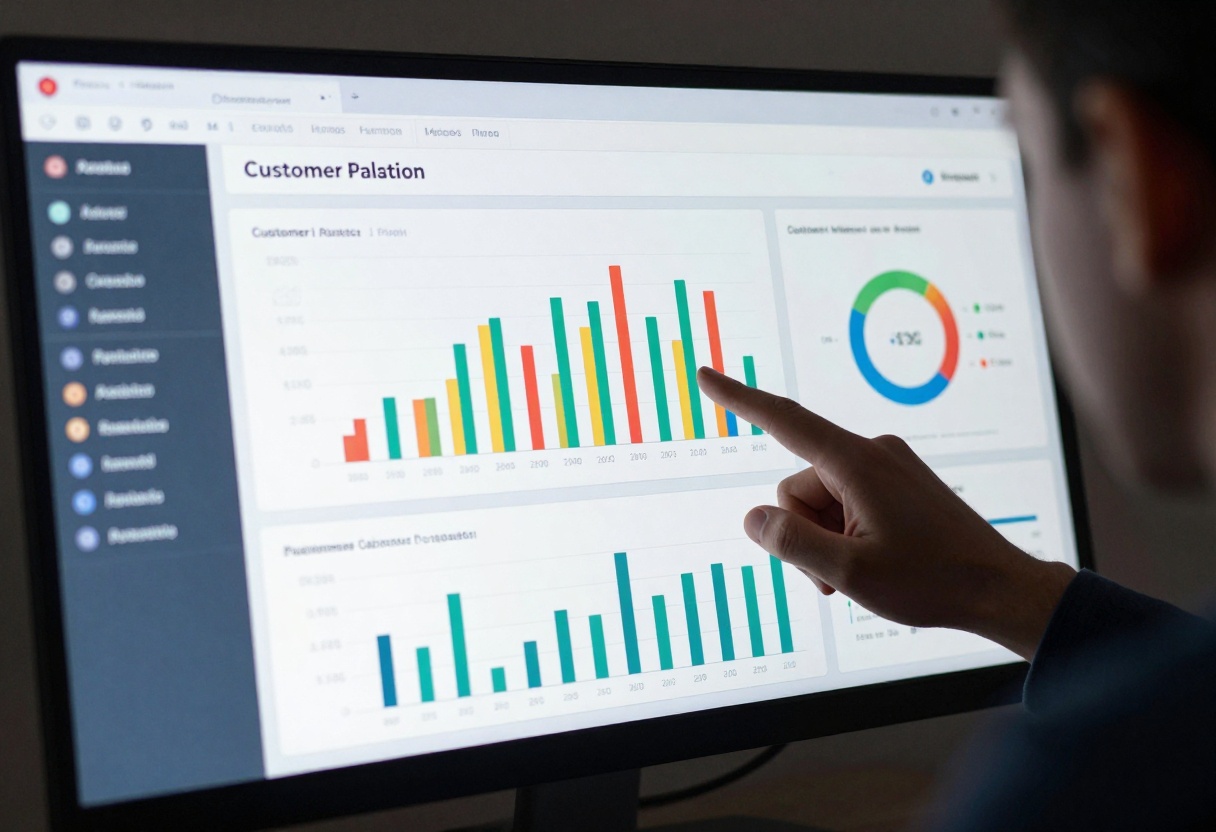
Recommendation engines form the backbone of e-commerce personalization. These systems analyze browsing history, purchase patterns, and customer demographics to suggest products that individual shoppers are likely to buy.
Modern recommendation engines use collaborative filtering to identify patterns across your entire customer base. If customers who bought product A also frequently purchase product B, the system learns this relationship and applies it to future shoppers. Content-based filtering takes a different approach, matching product attributes to customer preferences based on past behavior.
The best platforms combine multiple recommendation strategies. Amazon's system, for instance, uses collaborative filtering, content matching, and real-time behavioral signals. This multi-pronged approach helps explain why their "customers who bought this also bought" feature drives such impressive results.
Implementation typically starts with basic "frequently bought together" suggestions, then expands to personalized homepage displays, email campaigns, and post-purchase recommendations. The key is starting simple and gradually increasing sophistication as you gather more customer data.
Dynamic Pricing Strategies
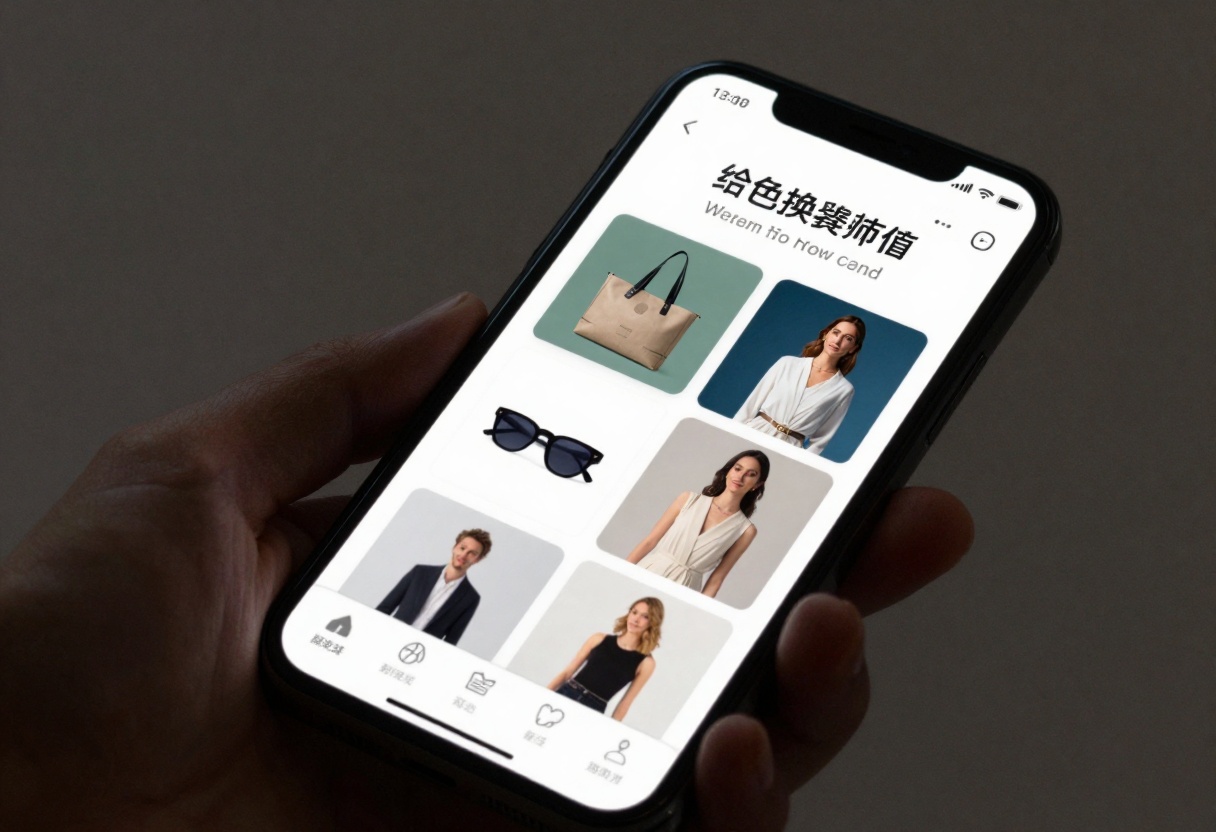
Dynamic pricing adjusts product prices based on demand, competition, inventory levels, and customer segments. AI algorithms process massive datasets to find optimal price points that maximize both sales volume and profit margins.
These systems monitor competitor pricing in real-time, tracking when rivals run promotions or adjust their strategies. They factor in inventory turnover rates, ensuring you don't get stuck with excess stock while maintaining healthy margins on fast-moving items. Customer purchase history helps determine price sensitivity, allowing targeted discounts for price-conscious shoppers while maintaining standard pricing for less sensitive segments.
Airlines and hotels pioneered dynamic pricing decades ago, but e-commerce has refined the approach. Modern systems can adjust thousands of product prices simultaneously, responding to market conditions faster than any human pricing team. They learn which products benefit from aggressive discounting and which maintain value at premium price points.
The ethical implementation of dynamic pricing requires transparency and fairness. Avoid discriminatory practices that penalize certain customer groups. Instead, focus on market-based adjustments that reflect genuine supply and demand dynamics. Clear communication about promotions and sale timing helps build trust rather than suspicion.
Intelligent Chatbots and Virtual Assistants
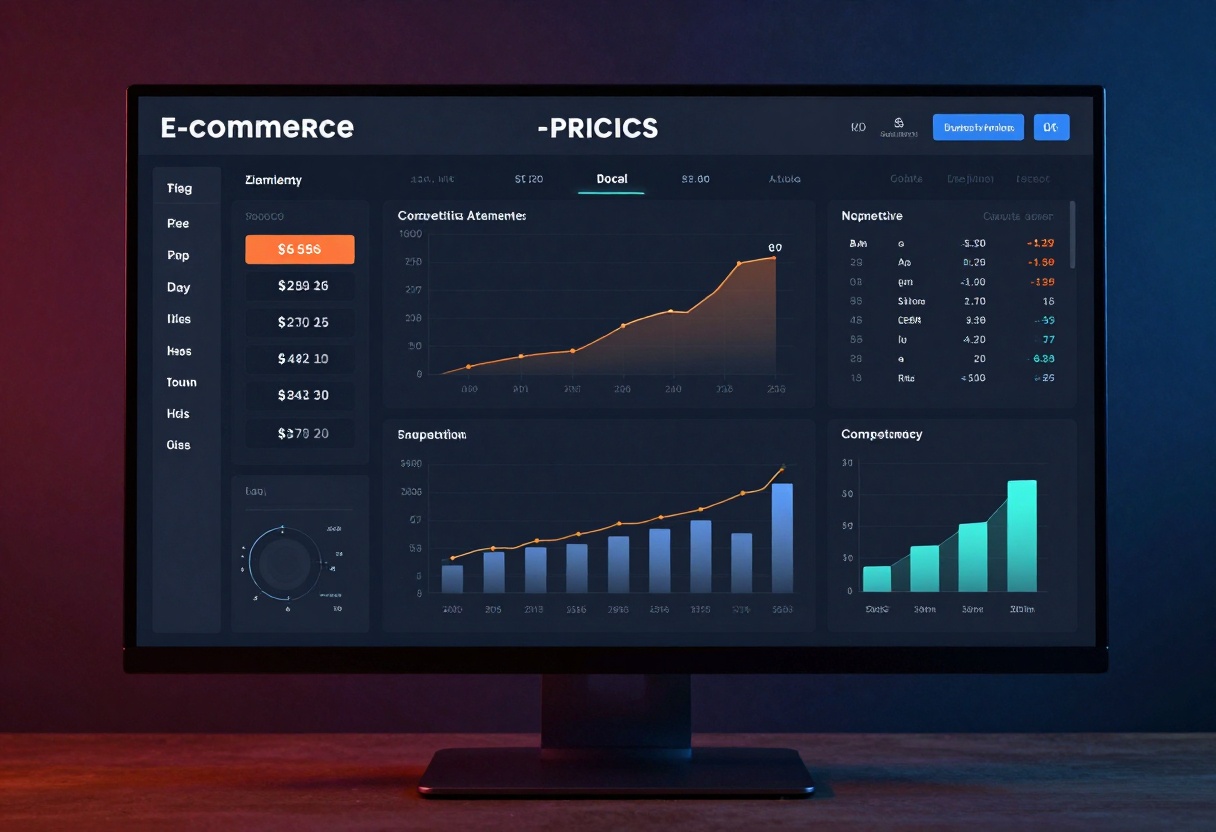
AI chatbots handle customer service inquiries, product questions, and purchase assistance 24/7. Modern systems understand natural language, maintain conversation context, and escalate complex issues to human agents seamlessly.
These virtual assistants do more than answer questions. They guide customers through product selection by asking relevant questions about needs and preferences. They provide size recommendations based on past purchases, suggest complementary items, and help troubleshoot common issues. The best chatbots learn from each interaction, continuously improving their responses and recommendations.
Implementation success depends on proper training and realistic expectations. Start with clearly defined use cases like order tracking, return policies, and basic product information. Gradually expand capabilities as the system demonstrates reliability. Always provide easy paths to human support when customers need more complex assistance.
The ROI on chatbots comes from handling high volumes of routine inquiries that would otherwise consume human resources. This frees your support team to focus on complex issues that require empathy, judgment, and creative problem-solving. Customers appreciate instant responses for simple questions while still having access to human help when needed.

Personalized Email Marketing
Email remains one of the highest-ROI marketing channels, and AI makes it dramatically more effective. Personalized email campaigns achieve open rates 2-3 times higher than generic broadcasts, with click-through rates that are equally impressive.
AI systems segment your email list automatically based on purchase history, browsing behavior, engagement levels, and demographic data. They determine optimal send times for each recipient, predict which subject lines will resonate, and select product recommendations tailored to individual interests.
Abandoned cart emails become sophisticated recovery campaigns. Instead of generic reminders, AI-powered systems send timely messages featuring the exact products customers left behind, along with related items they might want. They adjust messaging tone and incentive levels based on customer value and likelihood to convert.
Post-purchase sequences adapt to customer behavior too. First-time buyers receive different follow-ups than loyal customers. High-value purchasers get VIP treatment and exclusive offers. Infrequent shoppers receive re-engagement campaigns designed to rebuild interest without overwhelming their inbox.
The key to success is testing and iteration. Run A/B tests on subject lines, content formats, and product recommendations. Monitor engagement metrics closely and let the AI system learn which approaches work best for different customer segments.
Visual Search and Image Recognition
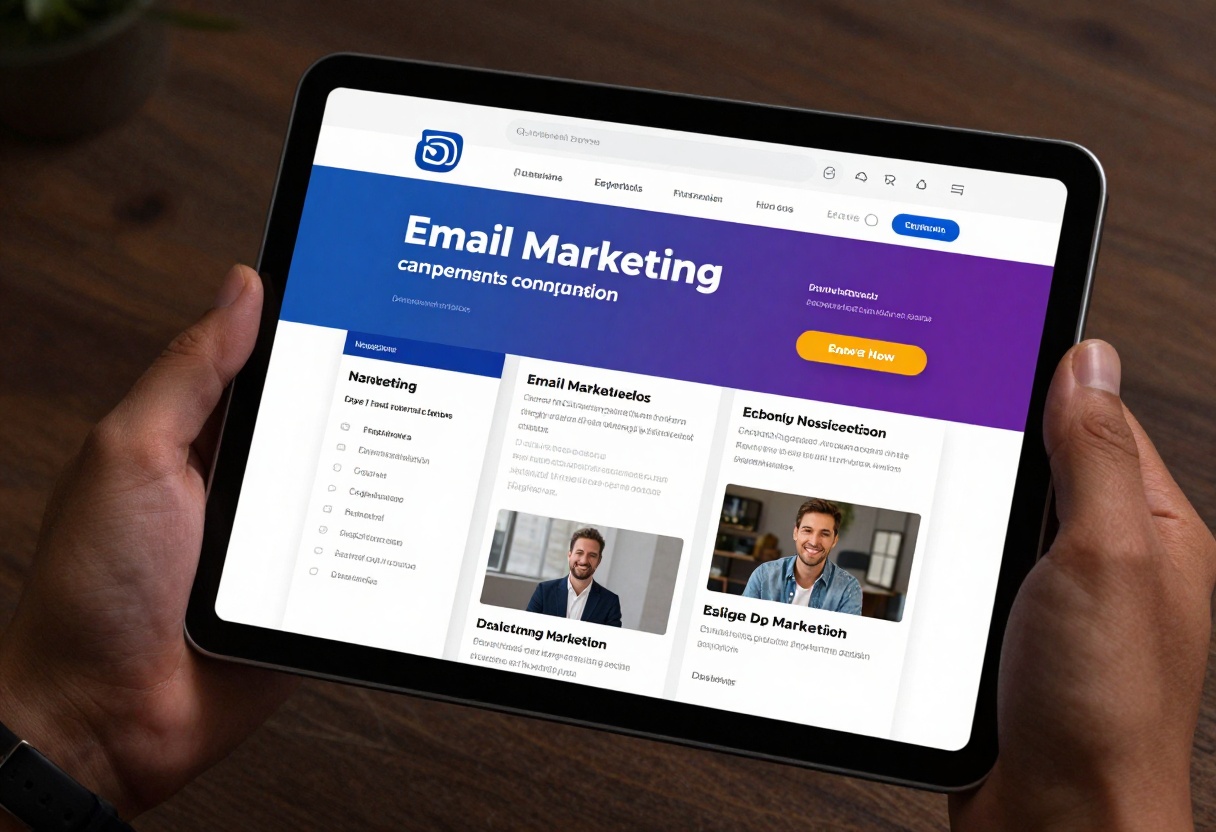
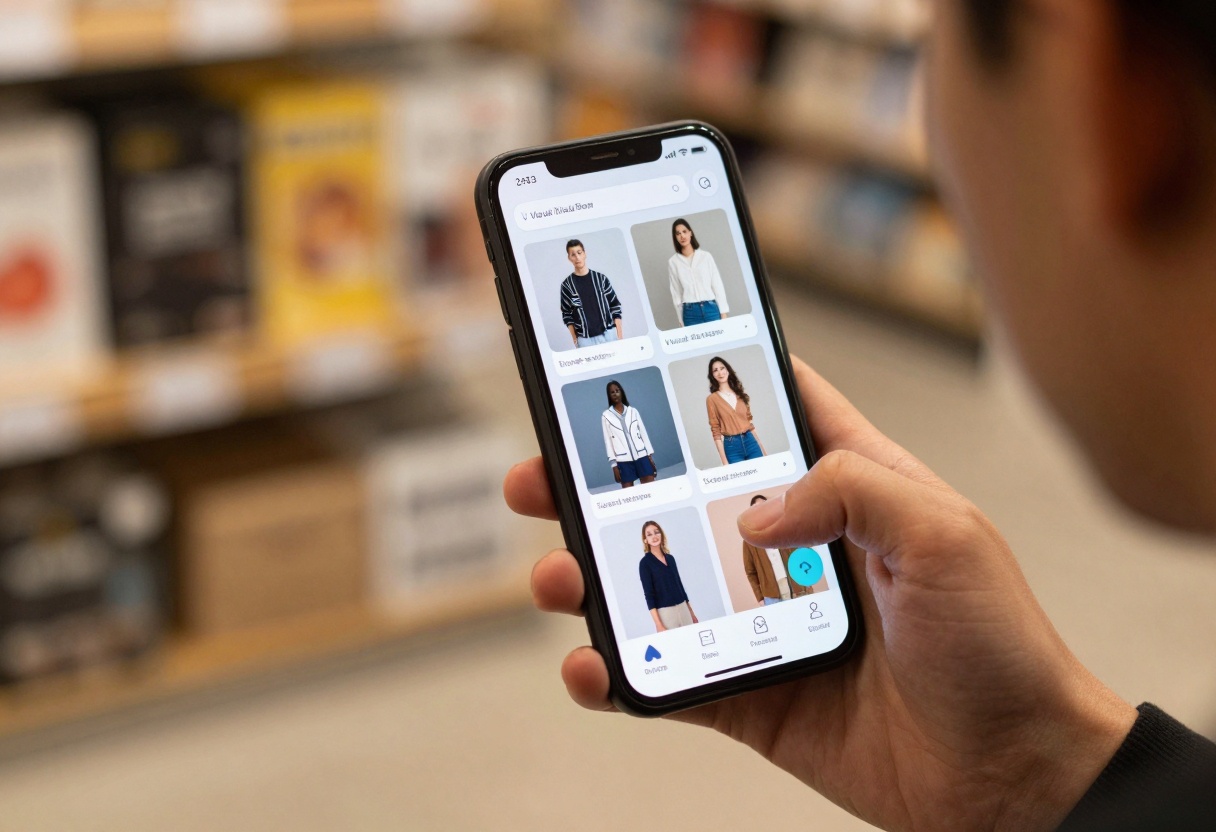
Visual search technology lets customers find products by uploading photos rather than typing search queries. This capability has transformed how people shop online, particularly for fashion, home decor, and design-oriented products.
AI image recognition systems identify objects within photos, matching them against your product catalog. They understand context, recognizing that a customer photographing a living room might be interested in furniture, rugs, lighting, or decorative accessories shown in the image. The technology handles variations in lighting, angles, and image quality remarkably well.
The shopping experience becomes more intuitive. Instead of struggling to describe "that specific style of mid-century modern chair," customers simply snap a photo and find exact or similar matches. This reduces friction in the discovery process and helps customers find products they might never have located through text search.
Pinterest and Instagram have popularized visual search in social contexts, but standalone e-commerce sites benefit just as much. Implement visual search alongside traditional text search and filters. Many customers prefer browsing product grids, but visual search serves as a powerful alternative for those who think visually or have seen something they want to recreate.
Inventory and Supply Chain Optimization
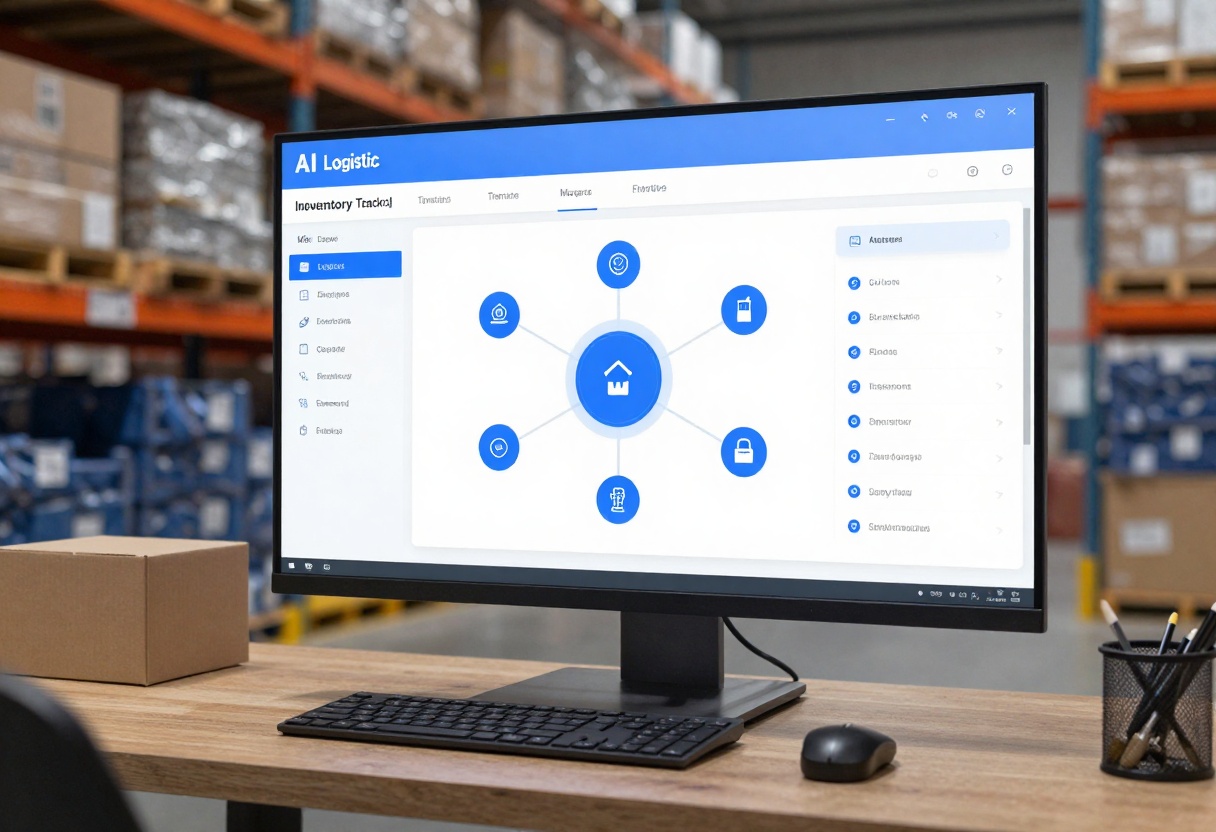
AI doesn't just improve customer-facing experiences. Behind the scenes, these systems optimize inventory levels, predict demand patterns, and streamline supply chain operations.
Demand forecasting algorithms analyze historical sales data, seasonal patterns, market trends, and external factors like weather or economic indicators. They predict which products will sell in what quantities, helping you maintain optimal stock levels. This reduces both stockouts that cost sales and excess inventory that ties up capital.
Automated reordering systems place purchase orders when inventory drops below calculated thresholds. They factor in lead times, minimum order quantities, and volume discounts. The most sophisticated platforms coordinate across multiple warehouses and distribution centers, ensuring products are positioned where demand is highest.
Predictive maintenance helps prevent fulfillment disruptions. AI monitors equipment performance data, identifying potential failures before they occur. This proactive approach minimizes downtime and keeps orders flowing smoothly.
The cumulative effect of these optimizations adds up quickly. Businesses typically see inventory carrying costs drop by 15-25%, while stock availability improves and fulfillment becomes faster and more reliable. These operational improvements directly support the customer experience while protecting margins.
Predictive Analytics for Customer Behavior
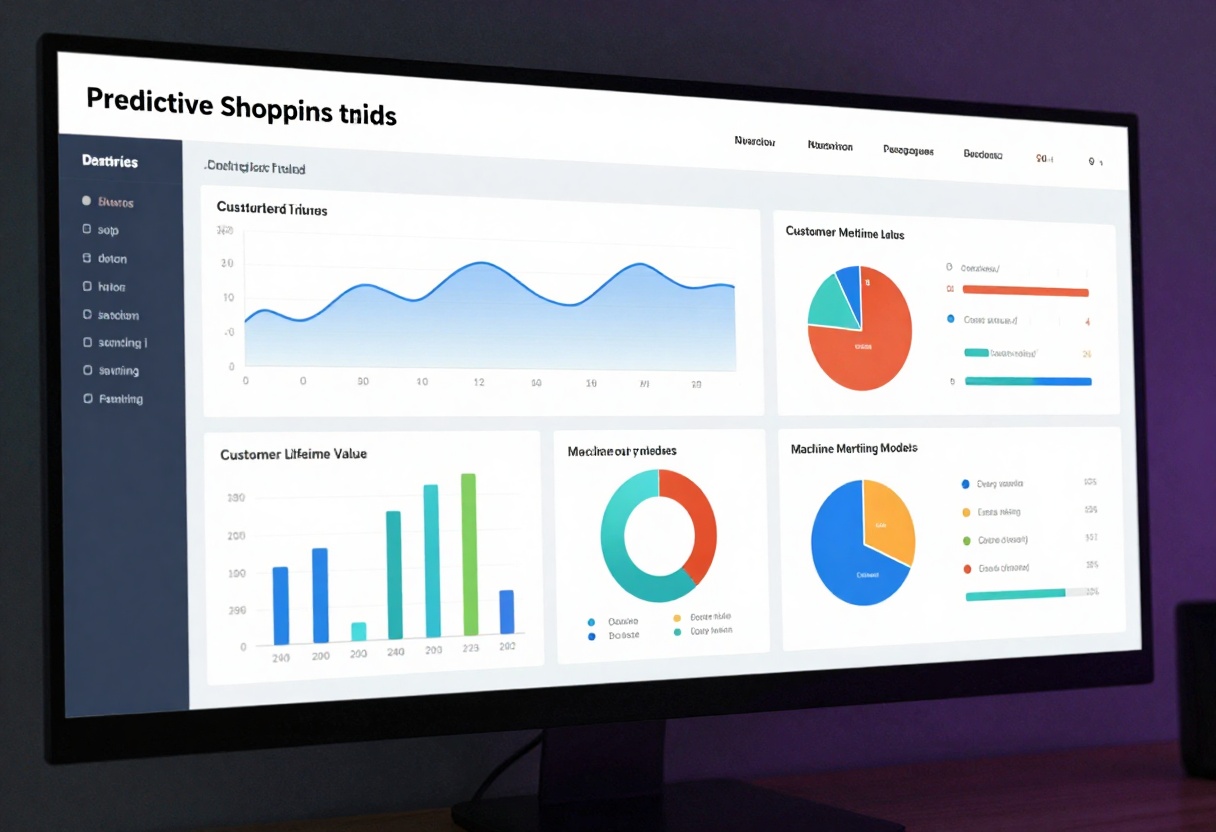
Predictive analytics tools forecast future customer actions based on historical patterns. These systems identify which customers are likely to make their next purchase soon, who's at risk of churning, and which segments show the highest lifetime value potential.
Churn prediction models analyze engagement metrics, purchase frequency, and behavior changes to flag at-risk customers before they leave. This early warning allows targeted retention campaigns that address specific concerns. A customer who hasn't visited in 60 days receives different outreach than one who's actively browsing but not buying.
Lifetime value predictions help allocate marketing budgets efficiently. Instead of treating all customers equally, you can invest more heavily in acquiring and retaining high-value segments while maintaining cost-effective strategies for lower-value groups. This improves overall marketing ROI and profitability.
Next purchase prediction identifies the right moment to reach out. Some customers shop monthly, others quarterly or annually. Timing outreach to match natural purchase cycles improves response rates while reducing the annoyance of poorly-timed promotions.
These predictive capabilities work best when integrated across your marketing stack. Share insights between email platforms, ad systems, and customer service tools. Create unified customer profiles that inform every touchpoint and interaction.
Customer Segmentation and Targeting
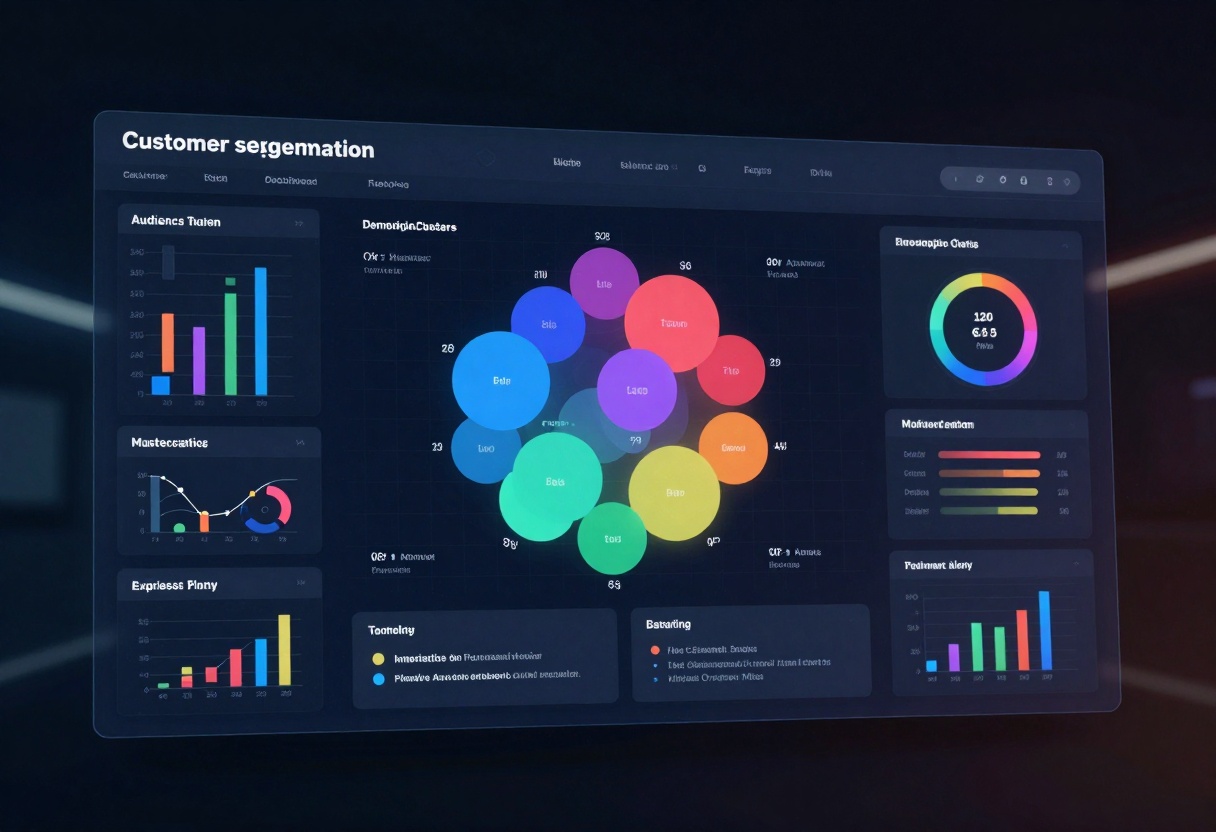
AI-powered segmentation goes far beyond basic demographic categories. Modern systems identify behavioral patterns, purchase motivations, and preference clusters that reveal meaningful customer groups.
Traditional segmentation might divide customers by age, location, or income. AI adds layers of behavioral data, creating segments based on browsing patterns, response to promotions, brand affinity, and purchasing motivations. These behavioral segments often predict future actions more accurately than demographic factors alone.
The system continuously updates segment assignments as customer behavior evolves. Someone who starts as a bargain hunter might transition to a premium customer as their income grows. New parents shift purchase patterns dramatically. Seasonal shoppers have different needs throughout the year. Dynamic segmentation captures these changes and adjusts marketing accordingly.
Micro-segmentation takes the concept further, creating highly specific groups based on combinations of attributes and behaviors. Instead of "millennial women," you might target "millennial women who browse on mobile, respond to influencer content, prefer sustainable brands, and typically shop on weekends." This specificity enables razor-sharp targeting and messaging.
The challenge lies in balancing segment granularity with operational feasibility. Too many segments become difficult to manage effectively. Focus on meaningful distinctions that warrant different marketing approaches rather than splitting hairs over minor differences.
Selecting personalization tools requires matching capabilities to your specific needs and constraints. Start by assessing your current pain points and opportunities for improvement.
Consider your technical resources and integration requirements. Some platforms offer plug-and-play solutions that work immediately, while others require significant development work to implement properly. Evaluate whether you have the technical expertise in-house or need vendor support for setup and maintenance.
Data quality and volume matter tremendously. AI systems need substantial data to learn effectively. If you're just starting out with limited customer data, begin with simpler tools that can deliver value quickly rather than sophisticated platforms that require massive datasets to perform well.
Budget plays an obvious but crucial role. Personalization tools range from affordable subscription services to enterprise platforms costing hundreds of thousands annually. Calculate expected ROI based on realistic conversion lift estimates. Start small if needed, proving value before scaling up to more comprehensive solutions.
Look for platforms that grow with your business. The right solution should handle your current needs while offering advanced features you can activate as your sophistication increases. Vendor lock-in can be costly, so prioritize platforms with robust APIs and data portability.
Creating Personalized Product Visuals with AI
Visual content makes or breaks e-commerce experiences. Product images, lifestyle photos, and marketing graphics need to resonate with your target audience. AI image generation tools help create personalized visual content at scale.
These tools can generate custom product mockups showing items in different colors, settings, or configurations without expensive photoshoots. Create lifestyle images featuring your products in environments that appeal to specific customer segments. A furniture retailer might generate images showing the same sofa in modern minimalist spaces for urban customers and cozy traditional settings for suburban buyers.
Seasonal and event-based content becomes easier to produce. Generate holiday-themed product images, seasonal color variations, or promotional graphics tailored to regional preferences. The speed and cost advantages compared to traditional photography are substantial.
Using nano-banana-pro for Personalized Product Images
nano-banana-pro on PicassoIA offers an excellent solution for creating high-quality product visuals and marketing images. This advanced text-to-image model transforms detailed prompts into professional-looking visuals perfect for e-commerce applications.
The model supports up to 14 reference images, making it ideal for creating variations of existing product photos or generating new lifestyle images that match your brand aesthetic. You can control aspect ratios to match different platform requirements, from square Instagram posts to widescreen banner images.
Getting started with nano-banana-pro:
- Visit the nano-banana-pro model page on PicassoIA
- Enter your prompt describing the image you want. Be specific about products, settings, lighting, and mood
- Upload reference images if you want the generated content to match existing product photos or brand aesthetics
- Select your preferred aspect ratio based on where you'll use the image
- Choose resolution settings (1K for quick previews, 2K for standard use, 4K for high-quality prints)
- Adjust safety filter levels based on your content needs
- Generate your image and download the result
The system outputs high-quality JPG or PNG files ready for immediate use in your e-commerce store, email campaigns, or social media. The ability to specify exact resolutions and aspect ratios eliminates post-processing work, while reference image support ensures consistency with your existing visual brand.
For personalization at scale, you can generate multiple variations targeting different customer segments. Create modern, minimalist product shots for urban professionals, warm and cozy lifestyle images for family-oriented shoppers, or bold, vibrant visuals for younger audiences. Each segment gets content that speaks directly to their preferences and aspirations.
The model's flexibility makes it valuable for ongoing content needs too. Generate seasonal variations, test different product presentations, or create A/B testing variants to identify which visual styles drive the best results. The cost and time savings compared to traditional product photography allow experimentation that would otherwise be prohibitively expensive.
Implementation Best Practices
Successful personalization requires thoughtful implementation and ongoing optimization. Start with high-impact, low-complexity features rather than trying to personalize everything at once.
Collect data responsibly and transparently. Clearly communicate what information you gather and how you use it. Provide easy opt-out mechanisms and respect privacy preferences. Trust is essential for personalization to work, since customers won't share information with businesses they don't trust.
Test extensively before rolling out new personalization features. Run A/B tests comparing personalized experiences against control groups. Monitor both immediate metrics like conversion rates and longer-term indicators like customer satisfaction and retention. Not every personalization attempt will succeed, and testing helps identify what actually works.
Monitor algorithm performance and bias. AI systems can inadvertently perpetuate or amplify biases present in training data. Regularly audit recommendations and predictions to ensure they serve all customer segments fairly. Watch for filter bubbles that limit discovery by showing customers only narrow product ranges based on past behavior.
Balance personalization with serendipity. While tailored recommendations drive sales, occasional exposure to unexpected products sparks interest and broadens customer relationships with your brand. Mix algorithmic suggestions with curated selections that introduce new categories or products customers might not find on their own.
Measuring Success and ROI
Tracking the right metrics helps you understand whether personalization efforts deliver real business value. Focus on both immediate performance indicators and longer-term business health metrics.
Conversion rate improvements are the most direct measure of success. Compare conversion rates for personalized experiences against baseline control groups. Track how changes in personalization algorithms affect this key metric over time.
Average order value reflects how well recommendations encourage customers to add items or trade up to premium options. Successful personalization typically increases this metric as customers discover products they genuinely want rather than settling for first available options.
Customer lifetime value captures long-term relationship quality. Personalization should increase how much customers spend over their entire relationship with your business, not just drive one-time purchase bumps. Monitor retention rates and purchase frequency alongside immediate sales metrics.
Return rates and customer satisfaction provide important quality checks. Poorly implemented personalization might boost short-term sales while creating bad experiences that drive returns and negative reviews. Track these metrics to ensure personalization creates genuinely better shopping experiences.
Calculate full implementation costs including software licenses, development resources, and ongoing maintenance. Compare these against incremental revenue and margin improvements to determine true ROI. Most businesses see positive returns within 6-12 months, with benefits accelerating as systems learn and improve.
The Future of E-Commerce Personalization
Personalization technology continues evolving rapidly. Several emerging trends will shape how businesses connect with customers in coming years.
Hyper-personalization moves beyond product recommendations to customize entire shopping experiences. Site layouts, navigation structures, and even brand messaging adapt to individual preferences. Some customers prefer detailed specifications while others want simple visual browsing. Future systems will recognize these differences and adjust accordingly.
Cross-channel personalization breaks down silos between online and offline experiences. Customers who browse products online receive personalized recommendations when they visit physical stores. In-store purchases influence online recommendations and email campaigns. Unified customer profiles power consistent experiences regardless of channel.
Ethical AI and transparent algorithms will become competitive advantages as customers grow more aware of privacy issues. Businesses that explain how personalization works and provide meaningful control over data usage will earn stronger customer trust and loyalty.
Voice and conversational commerce will expand personalization into new interaction modes. AI assistants will remember preferences, make contextual suggestions, and handle complex multi-step transactions through natural conversation. The challenge lies in maintaining personalization quality across these new interfaces.
Augmented reality will enable try-before-you-buy experiences powered by AI personalization. Virtual fitting rooms suggest sizes based on body measurements and past purchases. Home decor shoppers visualize how furniture looks in their actual spaces with color and style variations tailored to their preferences.
Taking the Next Step
E-commerce personalization has moved from competitive advantage to table stakes. Customers expect stores to recognize them, remember their preferences, and present relevant options. Businesses that fail to deliver personalized experiences lose sales to competitors who do.
Start your personalization journey by identifying one or two high-impact opportunities. Product recommendations on high-traffic pages or personalized email campaigns often deliver quick wins that build momentum for broader initiatives. Measure results carefully, iterate based on data, and gradually expand personalization across more touchpoints.
The AI tools exist today to transform your customer experience. The question isn't whether to implement personalization but how quickly you can deploy it effectively. Your customers are ready. Your competitors are already moving. The time to act is now.
Ready to create personalized visual content for your e-commerce store? Try nano-banana-pro on PicassoIA to generate professional product images and marketing visuals tailored to your audience.


