The gap between AI-generated images and real photographs has nearly closed in 2026. What used to require a professional camera setup, a skilled photographer, and hours of post-processing can now happen in seconds with a single text prompt. But with dozens of new models dropping this year, knowing which ones are actually worth using takes time most people don't have.
This article cuts through the noise. It covers the top AI image generators released in 2026, what each one does exceptionally well, who it's built for, and where it still falls short. No filler, no fluff. Just what you need to know to pick the right tool and start producing work that looks indistinguishable from photography.
What Changed This Year
2026 wasn't an incremental year for text-to-image AI. It was the year the technology stopped feeling like a tool and started feeling like a medium. Three things drove that shift in a meaningful way.
Photorealism Is Now the Baseline
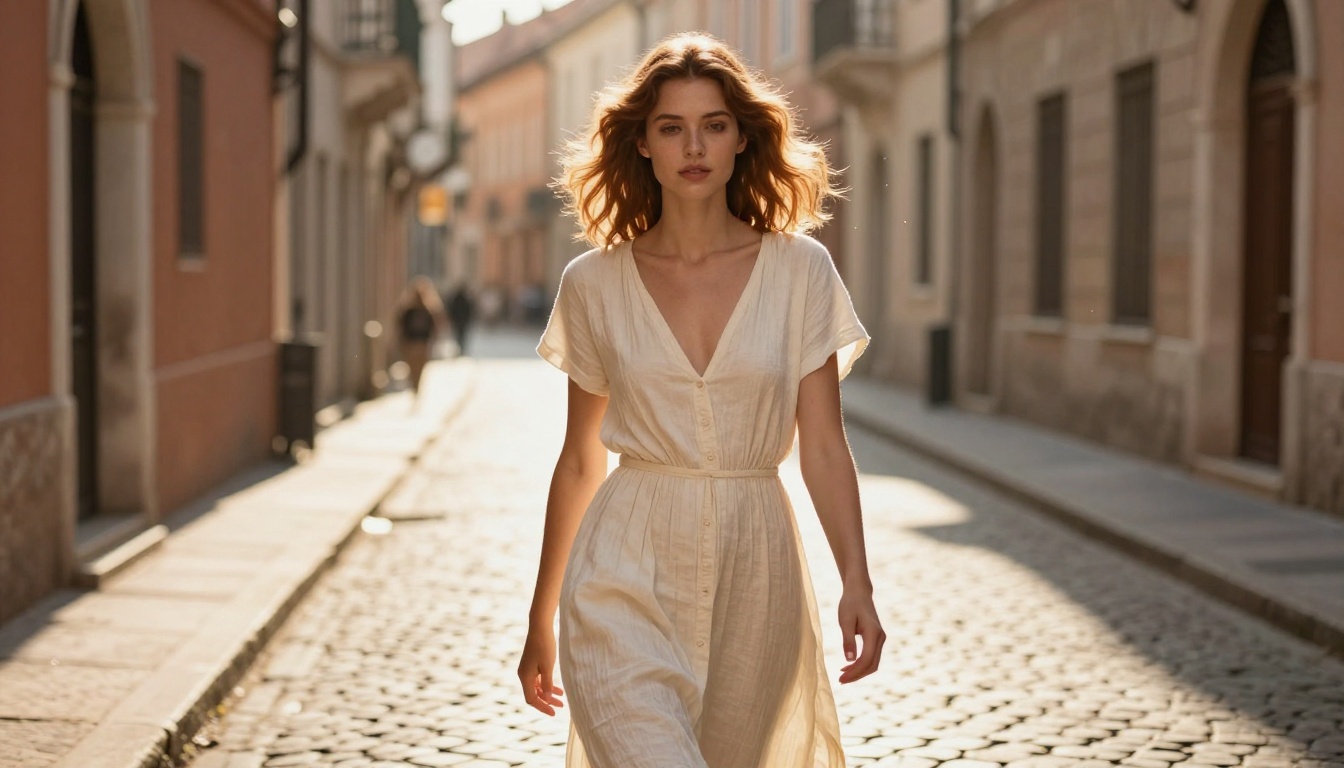
Every major lab now treats photorealism as a minimum requirement, not a premium feature. Models that couldn't render skin pores or fabric texture convincingly a year ago are now producing output that holds up at full resolution and at close inspection. The quality bar moved, and it moved fast. What used to be the output of a fine-tuned custom model is now what you get by default from the most commonly used public models.
Prompt Accuracy Crossed a Real Threshold
Earlier models required precise, highly structured prompts to get usable output. You had to know the syntax, the right keywords, the weighting tricks. In 2026, leading models handle natural language instructions with a degree of fidelity that removes that learning curve. You describe what you want in plain English and the model interprets it accurately. Spatial logic, lighting conditions, material textures — these are now actual controls rather than suggestions that the model might or might not honor.
Speed Stopped Being a Sacrifice
Fast models used to mean lower quality. That tradeoff has largely dissolved. Several models released this year operate at near-real-time speeds while maintaining output quality that would have been considered premium-tier just eighteen months ago. For anyone building real applications on top of image generation APIs, this is the biggest practical change of the year.
The Top Models Worth Your Time
These are the models that actually matter this year, evaluated on output quality, prompt adherence, community adoption, speed, and practical usability across real workflows.
GPT Image 2: OpenAI Goes All-In on Visuals
GPT Image 2 is the most significant release from OpenAI in the image generation space to date. It brings the company's language model expertise directly into visual output, with prompt adherence that feels closer to following precise instructions than loosely interpreting them.
What it does exceptionally well:
- Multi-element scene composition with correct spatial relationships
- In-image text rendering with high legibility
- Consistent object proportions and logical visual hierarchy
- Following detailed, multi-clause prompts without losing elements
Where it still falls short:
- Fine-grained photographic control like specific film emulation or lens rendering
- Dense compositions involving multiple interacting hands
- Highly specific lighting scenarios requiring sub-second directionality
💡 Best for: Marketing teams, content creators, and anyone who needs images that match a written creative brief with precision.
Seedream 4.5: ByteDance's Quiet Giant
Seedream 4.5 from ByteDance is one of the most visually impressive releases of 2026. It delivers 4K output with a level of texture detail and color naturalism that makes it the standout choice for portrait photography, fashion imagery, and any content where skin and fabric texture matter.
The model shows particular strength in:
- High-frequency texture rendering across skin, fabric, foliage, and water
- Color grading that reads as natural photography rather than AI processing
- Consistent lighting logic across complex multi-figure compositions
- Depth rendering that creates genuine three-dimensionality
If your use case involves people or fashion, Seedream 4.5 is the model that sets the 2026 benchmark.
Imagen 4 Ultra: Google Gets Serious
Google's Imagen 4 Ultra is the company's sharpest image generation entry yet. It handles fine photographic detail — individual hair strands, surface micro-textures, atmospheric haze — with a confidence that earlier Imagen versions couldn't match.
Where it stands apart from competitors is in landscape and architectural photography, where spatial coherence and lighting accuracy across a wide frame matter most. Aerial shots, wide-environment scenes, and architecturally precise interiors are its natural territory.
Wan 2.7 Image Pro: 4K Without the Wait
Wan 2.7 Image Pro from Wan Video delivers genuine 4K resolution output with a speed-to-quality ratio that's genuinely competitive at the top end. The standard Wan 2.7 Image sits just below it in resolution at 2K but operates at noticeably faster generation speeds.
For creators who need high-resolution output for print, large-format digital display, or video thumbnail work without paying for the slowest, most expensive cloud API endpoints, Wan 2.7 Image Pro fills a practical gap in the market.
💡 Best for: Creators who need high-resolution files for print or large-format display without long wait times or premium pricing.
Hunyuan Image 2.1: Tencent's Detailed Take
Hunyuan Image 2.1 from Tencent delivers 2K photorealistic output with particularly strong performance on human subjects. Facial detail, expression accuracy, and the way the model handles skin undertones across diverse subject types make it a serious option for portrait-heavy workflows.
It sits in an interesting position: slightly below the top-tier models in raw resolution capability, but competitive on output quality in the portrait category where it's been most clearly optimized.
Flux in 2026: Still Dominant
Black Forest Labs continued to expand the Flux ecosystem aggressively this year. Three releases stand out as the most practically relevant additions to the platform.
Flux Kontext Dev: Image Editing Redefined
Flux Kontext Dev changed how people think about AI image editing. Rather than relying on traditional inpainting with masks, it allows you to rewrite any part of an existing image using a text instruction while maintaining the visual logic of the surrounding scene.
The practical outcome: change a model's outfit, swap a background, alter lighting conditions, or replace a specific object — without losing composition, perspective, or overall image coherence. For creative professionals working with product imagery or campaign content, this is one of the most workflow-relevant releases of the year.
Paired with Flux Redux Dev for style-consistent image variations, the two models together cover the most common image editing needs without reaching for separate tools.
Flux 2 Klein 9B: Free and More Than Capable
Flux 2 Klein 9B brings HD image generation to the free tier. This 9-billion parameter model produces results significantly above what free models offered just a year ago, making it the right starting point for any user new to AI image generation.
The LoRA variant, Flux 2 Klein 9B Base LoRA, layers style customization capability on top of that base. For the large majority of everyday image generation needs — social content, blog imagery, reference material, quick iterations — the free Klein 9B covers the ground.
Flux 1.1 Pro Ultra Finetuned: Premium at Scale
Flux 1.1 Pro Ultra Finetuned sits at the premium end of the Flux stack. With 4MP output and fine-tuned custom model support, it's the option for professionals who need branded or stylistically consistent image generation at production volume.
This is the model to use when character consistency across a series of images is non-negotiable, or when you're producing imagery that needs to match a specific trained aesthetic rather than a generic photorealistic output.
Speed vs. Quality: The Real Tradeoff
Not every use case needs the highest-resolution output. Here's a realistic breakdown of where each major 2026 release sits across the speed-quality spectrum.

| Model | Speed | Output Quality | Best Use Case |
|---|
| GPT Image 2 | Medium | Excellent | Precise prompt adherence, brief-matching |
| Seedream 4.5 | Medium | Excellent | Portrait and fashion photography |
| Imagen 4 Ultra | Medium | Excellent | Landscapes, architecture, fine detail |
| Wan 2.7 Image Pro | Fast | Very Good | 4K output at competitive speed |
| Flux Kontext Dev | Fast | Very Good | Image editing and iterative remixing |
| Hunyuan Image 2.1 | Medium | Very Good | 2K portraits, detailed human subjects |
| Flux 2 Klein 9B | Fast | Good | Free tier, everyday generation |
| Flux Fast | Very Fast | Good | Quick iterations, real-time applications |
| P Image | Sub-second | Solid | Application integration, high-volume APIs |
Who Each Model Is Actually For
Picking the right model isn't about which one scores highest in benchmarks. It's about matching output style and capabilities to your specific workflow and volume.
For Photographers and Creatives
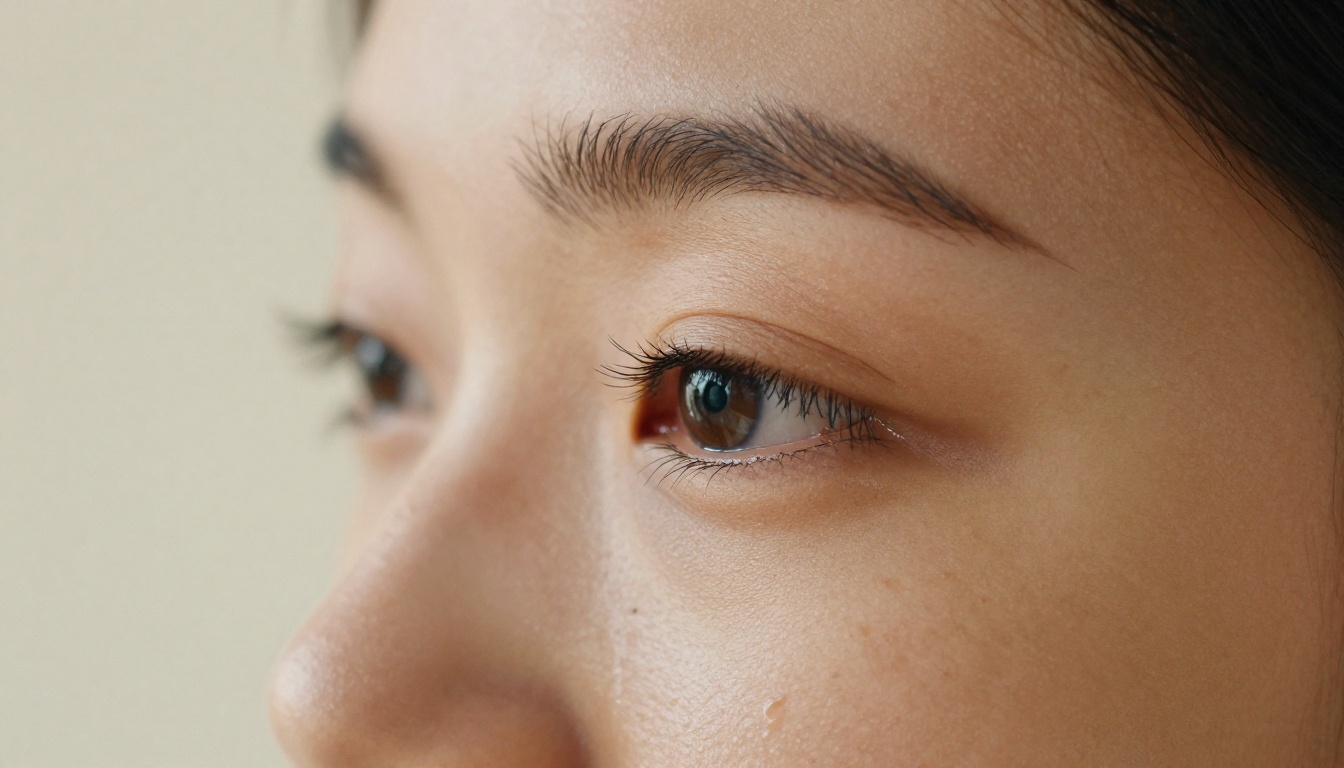
If you're building mood boards, testing lighting setups before a real shoot, or generating reference imagery for art direction, Seedream 4.5 and Imagen 4 Ultra are your best options. Both handle the kind of photographic specificity that professional creatives actually care about: lens characteristics, film emulation behavior, natural color palettes, and realistic light-on-surface interaction.
For portrait work specifically, Hunyuan Image 2.1 delivers facial detail and expression accuracy that rivals top-tier models at a lower cost per generation.
For Marketers and Brand Teams
GPT Image 2 is the standout here. When your use case involves matching brand guidelines, generating assets that align with a written brief, or producing imagery across multiple asset variants from a single source description, its prompt adherence is the most reliable in the field.
Pair it with Flux Kontext Dev for iterative editing and you have a tight production pipeline: generate a strong base image with GPT Image 2, then refine specific elements with Kontext Dev without re-generating from scratch.
For Developers Building Products
Speed and API reliability matter more than raw quality at high request volume. Flux Fast and P Image from Prunaai deliver sub-second and near-sub-second generation times that make real-time image generation in applications viable. Reve Create is worth noting for clean API behavior and consistent parameter handling in production environments.
The Portrait and Beauty Revolution
Portrait generation saw the most dramatic year-over-year improvement in 2026. The models listed above can now produce portrait images that hold up to close inspection at full resolution — something that was not consistently achievable twelve months ago.
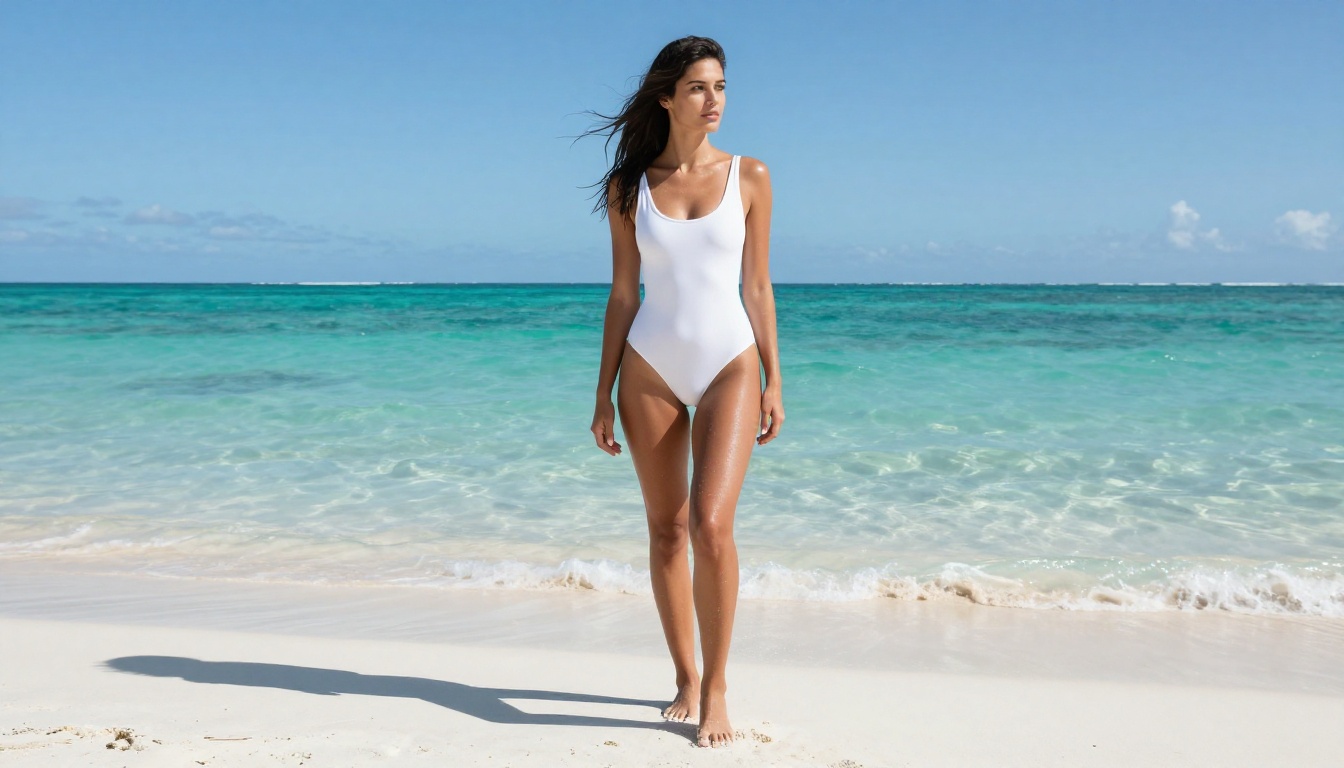
Skin Texture at 8K
The technical achievement that matters most in portrait generation isn't raw resolution. It's micro-texture fidelity at that resolution. In 2026, leading models now render individual pores, subtle skin variation across different areas of the face, fine facial hair, and the way light interacts differently with different skin tones. The result is portraits that look lived-in and real rather than polished into uncanny perfection.
Seedream 4.5 handles this with particular naturalness, avoiding the smoothed-out, plastic appearance that marked AI portrait generation for years.
Lighting Control Gets Precise
Specifying volumetric light direction, the falloff behavior of soft versus hard light sources, or the specific quality of late-afternoon sunlight raking across a textured surface are now real input parameters rather than approximate suggestions. Models like Imagen 4 Ultra and Hunyuan Image 2.1 respond to lighting instructions with enough precision to make them useful for pre-visualization in professional photography and film production.
Where AI Image Generators Still Fall Short
Despite obvious progress, consistent failure points remain across most models in 2026. Knowing them before you commit to a workflow saves significant frustration.
Hands and complex anatomy remain the most persistent structural problem. Isolated hands are handled far better than before, but hands interacting with objects or appearing alongside multiple other visual elements in dense compositions still produce errors at a frequency that makes them unreliable for professional output without manual review.
Character consistency across generations is still an unsolved problem at the base model level. If you need the same face, person, or character across multiple separate generations, you need either a custom LoRA or a model with explicit identity-locking features. Flux 1.1 Pro Ultra Finetuned addresses this for users willing to prepare a fine-tuned model, but it requires setup work that isn't trivial.
In-image typography has improved significantly — particularly with Ideogram v2 Turbo and Recraft 20B, which specialize in text rendering within images. But for general-purpose models, reliable legible in-image text is still inconsistent.
Physics simulation remains a visual approximation. Water flow, fabric in motion, and smoke behavior are recognizable but rarely physically coherent when examined closely. This limits their usability for any content where realism of movement is a requirement.
How to Pick the Right Model
Matching your primary output type to model strengths is the most reliable shortcut to the right choice.
Match your output type first:
Then filter by budget:
💡 Starting out: Begin with Flux 2 Klein 9B for free experimentation. It gives a solid baseline for what to expect before you invest in higher-tier models.
Try Them Yourself Right Now
Reading about these models only goes so far. The fastest way to form a real opinion is to run a prompt and see what comes back. Output quality differences are immediately obvious once you're looking at actual images side by side.
Every model covered in this article is accessible on PicassoIA. You can switch between GPT Image 2, Seedream 4.5, Flux Kontext Dev, Imagen 4 Ultra, and the rest through a single interface, without managing separate API keys, billing setups, or local installations for each one.
The most efficient way to compare models for a specific project is to write one strong, detailed prompt and run it across three or four models back-to-back. The differences in how each model interprets lighting, handles texture, renders faces, or manages spatial composition will be immediately apparent. You'll have a practical, informed answer in minutes rather than after hours of reading benchmark tables.
The models that shipped in 2026 represent a real step change in what's achievable with text-to-image AI. The quality is there. The speed is there. The only variable left is finding which model fits how you actually work. The best way to answer that question is to start generating.


