Creating video content with realistic AI companions has moved well beyond novelty. Whether you want to animate a photo of a virtual character, build long-form narrative content, or produce short clips for social media, the right AI video generator changes everything about the output quality. The gap between a stiff, robotic result and something that feels truly alive comes down to a few critical factors: motion coherence, facial fidelity, and how well the model interprets subtle emotional cues.
This article cuts through the noise and tells you exactly which models produce the most believable, expressive companion videos right now, how they compare, and where to access them without juggling five different subscriptions.
What Separates Realistic from Generic
Not all AI video models are built the same. Some are optimized for cinematic landscapes or abstract imagery; others are specifically designed to handle human characters with the nuance that makes a face feel alive rather than unsettling.
Motion Fidelity and Physics
The clearest sign of a weak video model is unnatural motion: hair that floats without weight, hands that morph between frames, or a body that glides across the scene without any physical grounding. Top-tier models handle secondary motion, the natural bounce of hair, the sway of clothing, the slight shoulder shift when someone turns, in a way that registers immediately as real.
Facial Expression Accuracy
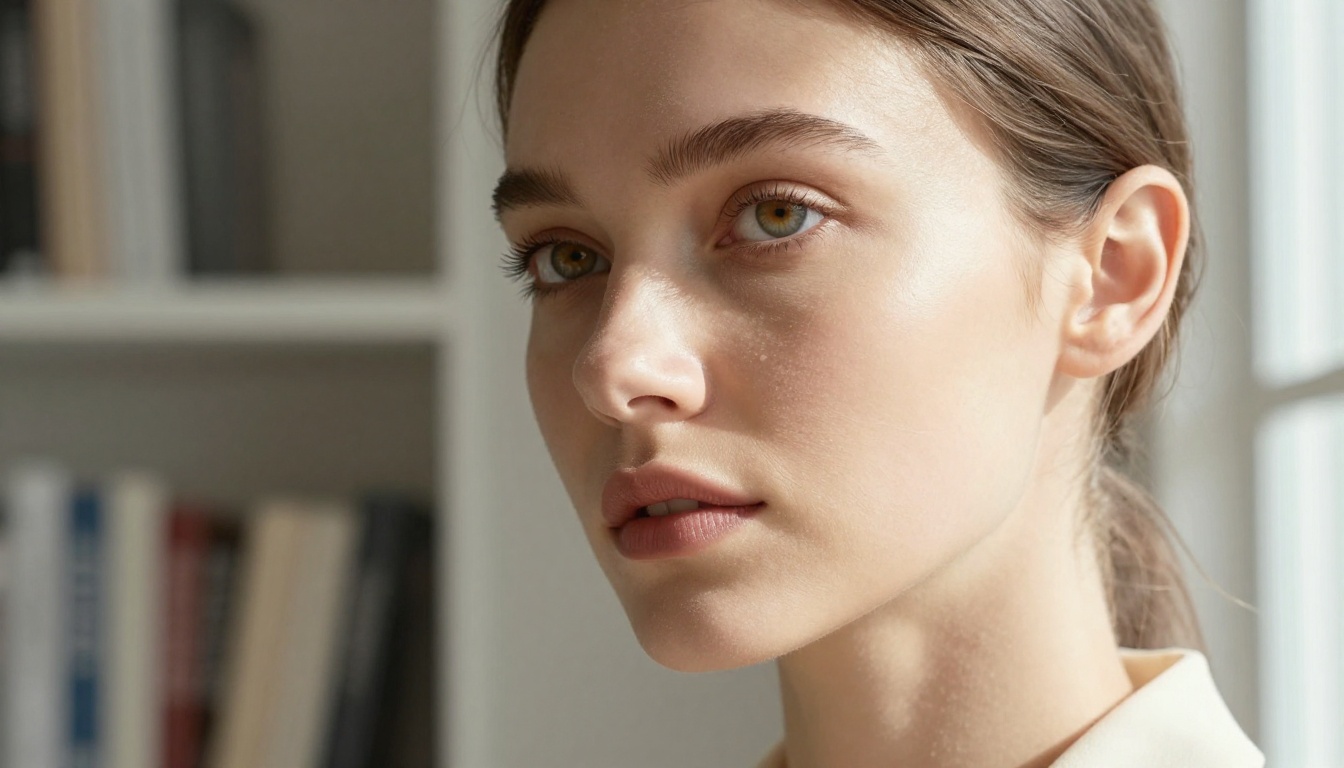
Expressions are where most models fail. A genuine smile involves the eyes as much as the mouth. Subtle emotion lives in the brow, the corners of the lips, and the slight tension around the jaw. Models trained on large, diverse datasets capture these micro-expressions; weaker models produce a fixed pleasant expression that never quite changes across the clip.
Native Audio Sync
A growing number of video generators now include ambient or synchronized audio in the output. When a companion character moves in a scene with realistic sound design, the whole clip feels produced rather than generated. Models like Flux 3 and Seedance 2.5 already ship with native synchronized audio baked into every generation.
The 5 Top Models Ranked
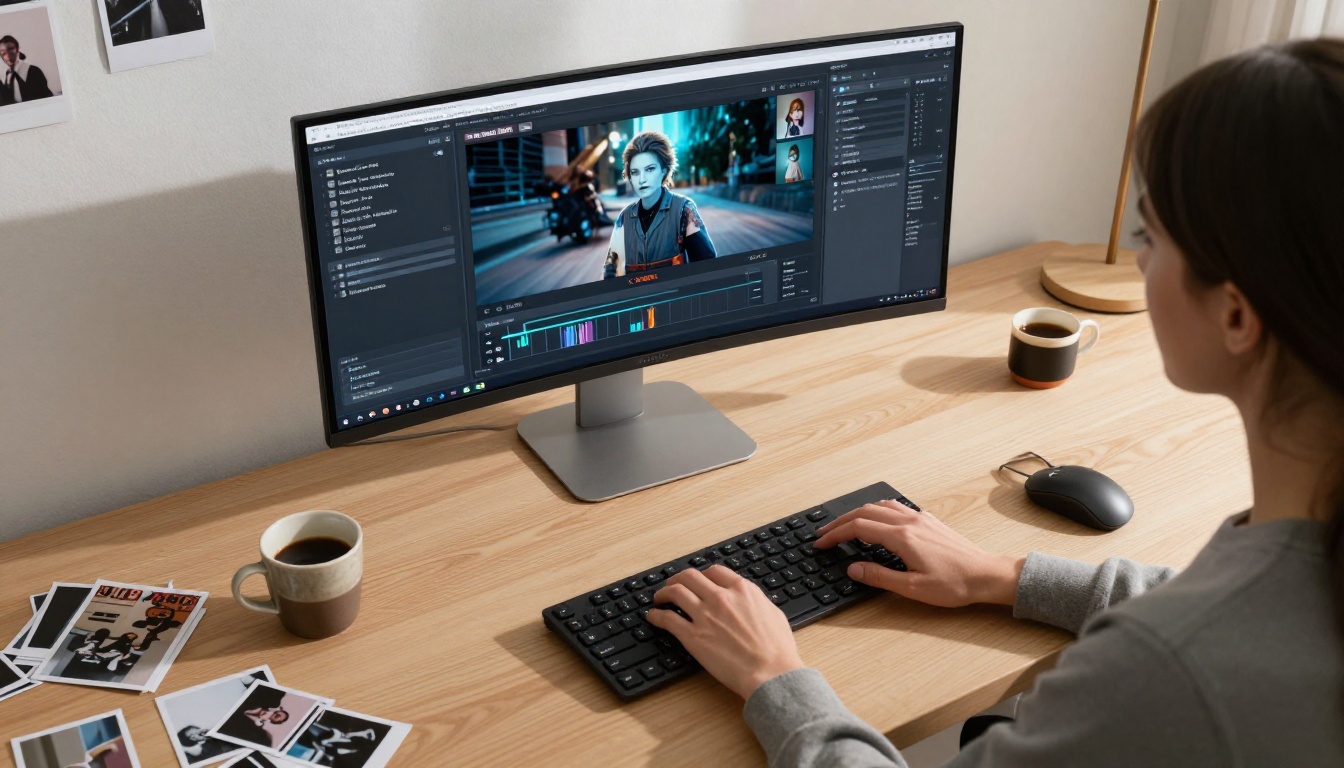
These five models stand above the rest for companion video realism right now.
Seedance 2.5 for Photorealism at Speed
Seedance 2.5 from ByteDance is the current benchmark for realistic human motion. It handles up to 30 seconds of video per generation, includes native audio, and produces consistently photorealistic skin, hair, and clothing physics. The model reads emotional prompts with precision: ask for a contemplative look and you get the eyes, not just a neutral facial pose.
💡 Tip: For companion videos, use emotionally specific adjectives in your prompt. "Warm," "contemplative," and "quietly confident" produce more nuanced results than generic action descriptions.
Seedance 2.5 Free on PicassoIA offers up to 10 seconds per generation at no cost, making it the best starting point for anyone new to AI companion video creation.
Kling v3 Video for Cinematic Character Motion
Kling v3 Video from Kwaivgi brings cinematic-grade character movement to text-to-video. Where many models struggle with full-body motion, Kling v3 tracks limb positions across the full clip with impressive consistency. It outputs at 1080p and handles both static poses with ambient motion and dynamic walking, turning, or gesturing sequences equally well.
It pairs naturally with Kling v3 Motion Control, which lets you specify camera movement independently from the character's action. For controlled, repeatable results in companion content, that separation is invaluable.
Veo 3.1 for Native Audio at 1080p
Veo 3.1 from Google represents the highest ceiling for text-to-video quality among models currently available. It generates 1080p video with synchronized native audio and handles complex lighting scenarios, indoor scenes, outdoor environments, and mixed-light conditions, without the flat look common in earlier generative models.
For companion videos set in rich environments, a café scene, a sunlit bedroom, or an autumn park, Veo 3.1 renders the setting as a living part of the scene rather than a static backdrop. The character and the environment feel part of the same photographic moment.
Veo 3.1 Fast and Veo 3.1 Lite are also available on PicassoIA for faster iteration at lower cost.
Hailuo 02 for Cinematic Storytelling
Hailuo 02 from Minimax produces 1080p cinematic video with a distinctive quality: it preserves facial identity across the full clip duration better than almost any other model at this price point. This matters enormously for companion content, where character consistency across multiple shots is the difference between a cohesive story and a series of unrelated clips.
Its image-to-video mode, Video 01 Live, accepts a reference photo and animates it with controlled motion while maintaining the person's face and expression throughout.
💡 Tip: Hailuo 02 responds well to camera movement descriptions. "Slow push in on her face as she turns slightly toward camera" produces far more engaging results than pose-only prompts.
Kling Avatar v2 for Face-to-Video
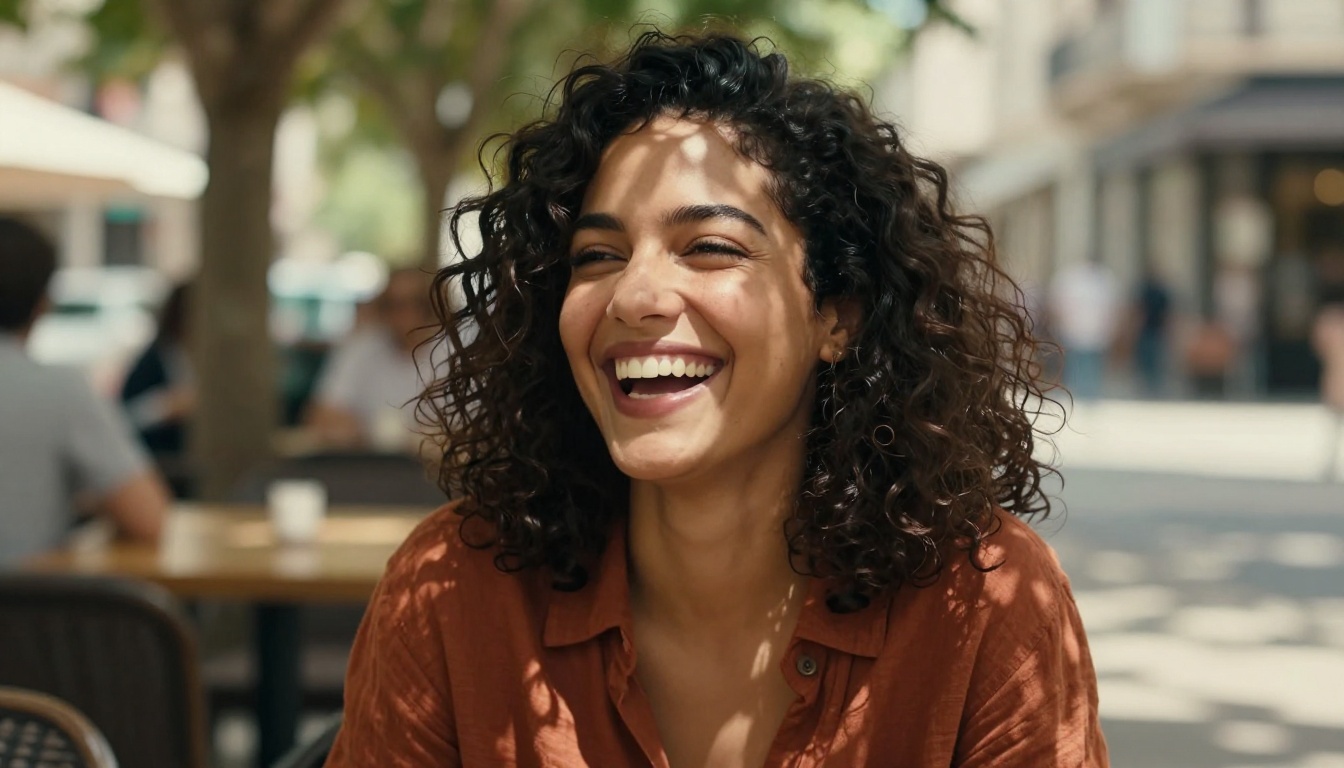
Kling Avatar v2 is purpose-built for one task: animating a face photo into a talking, emoting video character. Upload any portrait, describe the emotion and motion in your prompt, and the model produces a clip where that specific face is the star. Identity preservation in Kling Avatar v2 is exceptional, rivaling dedicated face tools but without the uncanny valley artifacts.
For anyone building a consistent AI companion persona across multiple pieces of content, this is the model that locks in the identity work.
How to Create Companion Videos on PicassoIA
PicassoIA gives you access to all the models above through a single interface. Here is the most reliable workflow for high-quality companion video output.
Choosing the Right Starting Image
For image-to-video models, the starting frame determines the quality ceiling. A high-resolution, well-lit portrait with a clear focal point, specifically the face, will always outperform a low-resolution or cluttered source image. If you do not have a suitable photo, use P Video Animate after generating a source image with PicassoIA's image generator.
Wan 2.7 I2V is particularly strong for image-to-video work, preserving color grading and fine details from the source image into the animated output.

Writing Motion Prompts That Work
Motion prompts for companion video need to describe three things:
- What the character does (turns her head, raises an eyebrow, glances sideways)
- How the camera moves (slow dolly in, gentle pan left, static hold)
- The atmosphere (warm afternoon light, cool blue-hour ambiance, dappled café sunlight)
Specificity wins. "She smiles" produces a mediocre result. "She tilts her chin slightly downward, the corners of her mouth curving into a quiet smile as warm afternoon light catches her cheekbone" produces something that feels lived-in and genuine.
Resolution Settings That Matter
For final content, always use 1080p when the model supports it. The difference between 480p and 1080p in close-up facial detail is significant, particularly in the areas that define realism: eyes, skin texture, and individual hair strands. Hailuo 02, Kling v3 Video, and Veo 3.1 all deliver native 1080p output.
For rapid prototyping, Hailuo 02 Fast at 512p is a fast, inexpensive way to validate a prompt concept before committing to a full-resolution generation.
Free vs Premium Options
Not every use case needs the highest-end model. PicassoIA offers genuinely capable free-tier options that produce usable companion video without spending anything.
What the Free Tier Gives You
Seedance 2.5 Free delivers up to 10 seconds of photorealistic video with native audio, completely free with unlimited generations. For short companion clips, social posts, or concept testing, this is a powerful option with no cost attached.
Ray Flash 2 720p from Luma is another free 720p text-to-video option. It handles cinematic composition well and generates quickly.
P Video offers free AI video from both text and image inputs, making it a versatile starting point for anyone building a companion content workflow on a budget.
When Paid Makes a Difference
Paid models earn their place when you need any of the following:
For production-quality companion content that will be published or distributed widely, the premium models produce results that justify the cost.
Side-by-Side Comparison
More Models Worth Your Attention
Beyond the top five, several other models offer specific capabilities that matter in companion video production.
Wan 3 for Long-Form Content
Wan 3 from Alibaba produces cinematic video with strong spatial coherence across longer durations. Its image-to-video variant, Wan 2.7 I2V, is one of the most reliable models for animating a still portrait into natural, fluid motion while preserving the source image's color and composition. If your companion content involves longer narrative sequences rather than short punchy clips, the Wan model family deserves a spot in your rotation.
Wan 3 Prime pushes output to 1080p for situations where top-tier resolution is required throughout.
LTX 2.3 Pro for 4K Output
LTX 2.3 Pro from Lightricks is the best option on PicassoIA when you need 4K resolution companion video. The model handles fine skin detail at 4K in a way that holds up to scrutiny on large displays. For content used in premium editorial contexts or high-resolution presentations, this is the right tool.
LTX 2.5 Fast brings 4K output with faster generation times for workflows where both quality and speed matter.
Dreamactor M2.0 for Character Animation
Dreamactor M2.0 from ByteDance is purpose-built for animating characters with expressive, pose-driven motion. It excels at full-body movement: a character crossing a room, sitting down, or performing a gestural action with the specific body language you describe in the prompt. For companion content where movement carries the emotional weight, Dreamactor M2.0 is worth targeted use.
Ovi I2V for Photo-to-Video with Audio
Ovi I2V from Character AI generates audio-accompanied video from any photo, which means your companion character gets both motion and an ambient soundscape in a single generation. The audio integration is native rather than post-processed, so sound and image feel like they belong to the same captured moment.

Real-World Use Cases
Virtual Influencer Storytelling
Virtual influencers are one of the fastest-growing content formats in 2027. AI video generators make it possible to build a consistent character and produce weekly content without a camera, crew, or physical model. The combination of Kling Avatar v2 for identity-locked clips and Seedance 2.5 for expressive full-body motion covers most production needs for this format.
Personalized AI Companion Clips
For apps and platforms that offer AI companion experiences, the ability to generate short personalized video clips from a character persona is increasingly a core product feature. Hailuo 02 and Video 01 Live handle the identity consistency that makes a recurring AI companion feel like the same person across every clip.
💡 Tip: Build a library of 10 to 15 base prompts for your companion character covering key expressions (greeting, laughing, thinking, speaking directly to camera) and test them across models to find which handles each expression type best.
Narrative and Immersive Content
For longer-form companion narratives, environmental richness matters as much as character quality. Veo 3.1 handles complex scene construction with native audio, making it the right choice when the companion video needs to feel like it was shot on location rather than generated.
Gen 4.5 from RunwayML is another strong option for cinematic motion with sustained visual quality across a full clip.
Your First Companion Video Starts Here
Every model in this article is available through PicassoIA's platform without separate subscriptions or API setup. Start with the free Seedance 2.5 Free tier to test your prompts, then step up to Kling v3 Video or Veo 3.1 when you need production-quality output.
The difference between a generic AI video and a genuinely realistic companion clip is almost entirely in the prompt and the model choice. Pick the right model for your use case, write a detailed motion prompt with emotional specificity, and use 1080p or 4K when the content demands it.
The full catalog of over 87 video models is available at picassoia.com/en/all-models. Whatever kind of companion content you want to produce, the right model is already there waiting for your first prompt.