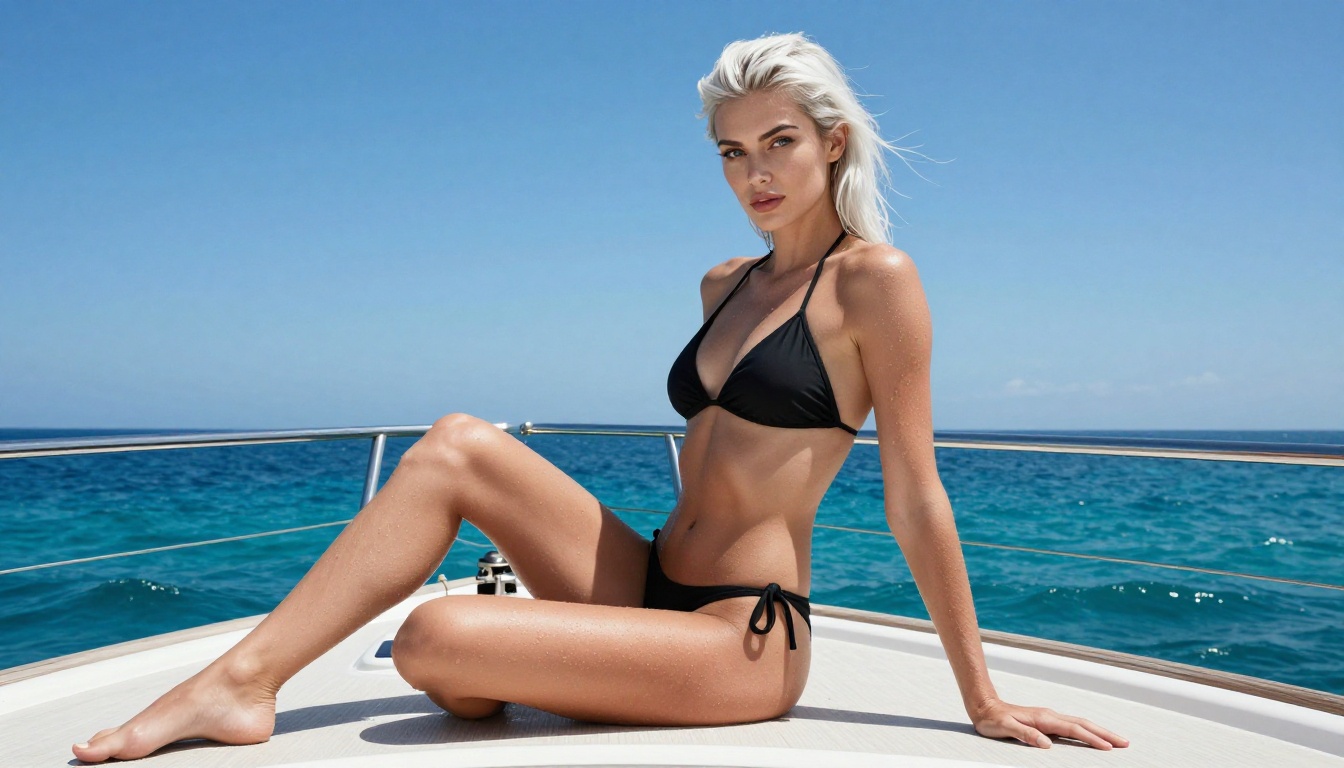
Best Anime NSFW AI Generator for 2027: Top Tools Ranked
In 2027, anime NSFW AI generators have reached a level of quality that was unimaginable just two years ago. This article ranks the top tools available, compares their strengths in photorealism, style control, and NSFW capability, and provides actionable prompt strategies to produce stunning anime character art.
Anime NSFW AI generators have fundamentally changed what's possible for digital artists, collectors, and anime enthusiasts in 2027. The category has matured beyond crude outputs into something genuinely impressive: photorealistic characters with expressive faces, intricate costumes, and cinematic lighting that could rival a professional illustrator's work. But with dozens of platforms flooding the space, knowing which tools actually deliver is half the battle.
This breakdown covers the best anime NSFW AI generator options available right now, what separates them from the crowd, and how to get the most out of each one — whether you're building a waifu collection, creating character art, or pushing the limits of AI-generated anime imagery.
Why Anime NSFW AI Is Booming in 2027
The demand behind the trend
The global anime market crossed $30 billion in 2025, and that appetite for anime-style content is directly fueling demand for AI generators that can produce it on demand. Adult anime content — once limited to hand-drawn doujinshi and niche platforms — has a massive, dedicated fanbase that was underserved by early generative AI tools built primarily for photorealistic Western-style imagery.
By 2026, the technology caught up. Models trained specifically on anime art styles can now produce characters that maintain consistent anatomical proportions, expressive emotional range, and stylistic coherence that earlier tools struggled with badly. The result is a market hungry for the best anime NSFW AI generator that actually works.
What separates a great tool from a mediocre one
Not all anime AI generators are created equal. The best ones share a few characteristics that distinguish them in real-world use:
Prompt fidelity: Does the model actually produce what you describe? Hair color, outfit details, pose specifics.
Anatomical consistency: Hands, fingers, and proportions remain one of the hardest problems in AI art.
Style range: Can it swing from soft watercolor-adjacent anime to sharp, high-contrast character art?
NSFW capability: Does it handle suggestive content tastefully without defaulting to censorship blocks or absurd results?
Resolution and output clarity: Can you get results clean enough to print or use commercially?
The Top Anime NSFW AI Generators in 2027
GPT Image 2: the photorealism king
GPT Image 2 is OpenAI's second-generation image model, and it has become a go-to for creators who want anime-style outputs with photorealistic quality baked in. Unlike earlier models that treated anime as a flat stylistic filter, GPT Image 2 understands the underlying anatomy and lighting logic, applying an anime aesthetic on top of a structurally sound photorealistic base.
Strengths:
Exceptional prompt understanding, even for complex scene descriptions
Strong face and hair rendering with consistent feature placement
Handles soft lighting and fabric textures at a level most competitors cannot match
Best for: Creators who want anime characters that look almost real, with cinematic quality that holds up at 4K.
Seedream 4.5: style control at its finest
Seedream 4.5 from ByteDance's research team arrived with serious hype, and it mostly lives up to it. The model's greatest strength is style control: you can steer outputs toward specific anime sub-genres — from shonen action aesthetics to shoujo softness to seinen realism — with unusual precision.
Strengths:
Best-in-class style modulation across anime sub-genres
Particularly strong with character outfits and accessories
Fast generation without significant quality trade-offs
Best for: Artists who need to hit a specific visual target, whether that's a particular era of anime style or a niche sub-genre aesthetic.
Wan 2.7 Image Pro: the high-volume workhorse
Wan 2.7 Image Pro is built for speed and consistency. If you're producing a large body of anime character art — say, a complete character lineup for a project — this is the model that won't lose its mind on attempt 47. The consistency across multiple generations from a single base prompt is genuinely impressive.
Strengths:
Superior batch consistency — characters look related when prompted similarly
Efficient generation times for high-volume workflows
Reliable NSFW handling with minimal censorship interference
Best for: Projects requiring many consistent characters, worldbuilding art, or anyone running systematic AI art workflows.
Hunyuan Image 2.1: Tencent's serious contender
Hunyuan Image 2.1 is Tencent's latest entry and it surprised a lot of people. It handles complex multi-character scenes better than most alternatives — a traditionally weak point for AI image generators. If your prompts involve two or more characters interacting, Hunyuan 2.1 is the place to start.
Strengths:
Multi-character scene coherence that most models fail at
Strong background environment detail
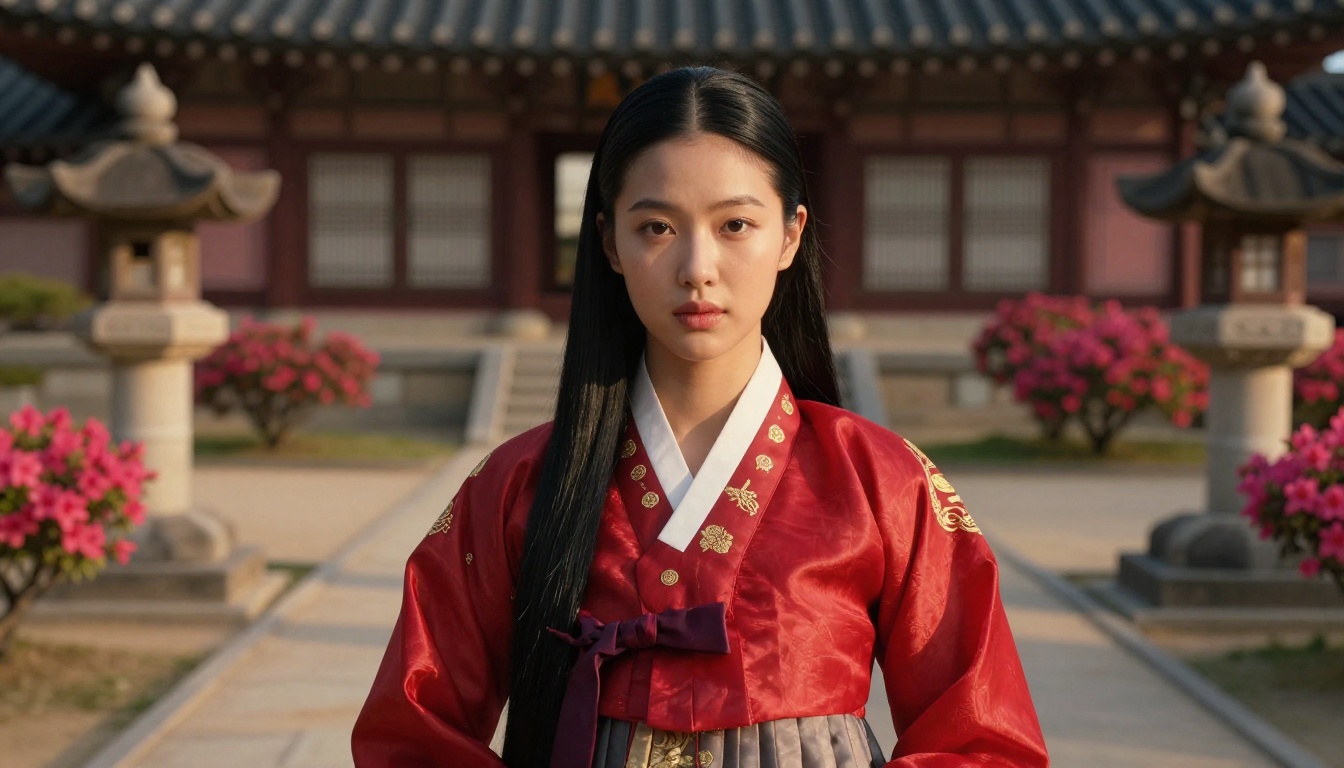
Good at cultural specificity — traditional Japanese, Korean, and Chinese aesthetic elements feel authentic
Best for: Scene composition with multiple characters, or art requiring culturally authentic settings.
Isaac 0.1: the dark horse
Isaac 0.1 is newer and less talked about, but it has carved a niche among NSFW anime art creators specifically. Its training appears to lean into character expressiveness — facial micro-expressions, body language subtlety — in ways that make outputs feel less stiff than many alternatives.
Strengths:
Unusually expressive character faces and poses
Good at capturing emotional subtext in character art
Strong in the suggestive and glamour NSFW range
Best for: Creators focused on character personality and emotional depth in their anime art.
Head-to-Head Comparison
Feature
GPT Image 2
Seedream 4.5
Wan 2.7 Pro
Hunyuan 2.1
Isaac 0.1
Photorealism
★★★★★
★★★★☆
★★★★☆
★★★★☆
★★★☆☆
Style control
★★★★☆
★★★★★
★★★☆☆
★★★★☆
★★★☆☆
Batch consistency
★★★☆☆
★★★★☆
★★★★★
★★★★☆
★★★☆☆
Multi-character
★★★☆☆
★★★☆☆
★★★☆☆
★★★★★
★★★☆☆
NSFW handling
★★★★☆
★★★★☆
★★★★★
★★★★☆
★★★★★
Speed
★★★★☆
★★★★★
★★★★★
★★★☆☆
★★★★☆
💡 No single model wins on every dimension. The best anime NSFW AI generator for your use case depends on what you prioritize. Run test prompts across at least two models before committing to a workflow.
What to Look for When Choosing
Style range matters more than you think
A model fine-tuned for one narrow style — classic 90s anime, for example — will excel there and underperform everywhere else. If you work across different anime aesthetics, prioritize models with broad style range, even if they're not the top performer at any single style.
Read the NSFW policy carefully
"NSFW capable" means different things across platforms. Some allow suggestive content but block anything beyond bikini-level. Others are fully uncensored. Most fall somewhere in between, and the line isn't always clearly documented. Test with boundary-adjacent prompts before investing time in a workflow.
Upscaling is not optional
Most AI generators produce output at 1024x576 or similar resolutions. For anything you plan to display at scale, use an upscaler. PicassoIA's super resolution tools can push outputs to 4x their original resolution without significant quality degradation — a step serious creators shouldn't skip.
How to Use PicassoIA for Anime NSFW Art
PicassoIA gives you access to all the models above — and dozens more — through a single platform without needing separate accounts or API keys for each.
Step 1: Pick your model
Go to the text-to-image section and select based on your priority:
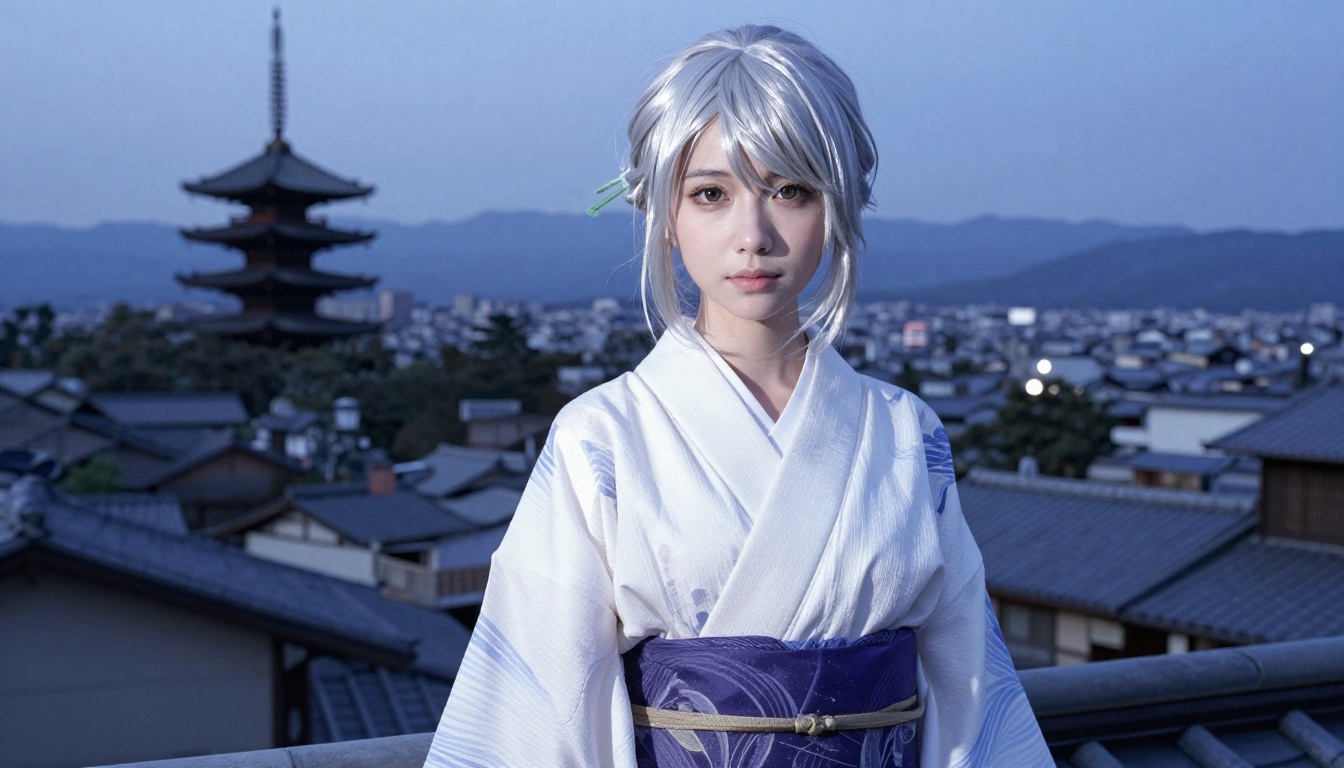
Example: "Beautiful anime girl, silver hair with jade hairpin, white yukata with blue wave pattern, traditional Japanese rooftop, moonlit, low angle shot, photorealistic, 8k"
Step 3: Adjust parameters
Most models on PicassoIA expose sampling steps, guidance scale, and seed controls. For anime NSFW specifically:
Lower step counts (20-30) are often sufficient for character portraits
Lock a seed when you want to iterate on a base composition without changing the core result
Step 4: Upscale your output
After generating, run the image through super resolution for a clean high-resolution final output.
Prompt Strategies That Actually Work
The anatomy anchor
One of the biggest failure points in anime AI generation is anatomical distortion — extra fingers, twisted spines, misaligned eyes. Anchoring your prompt with explicit structural cues helps significantly:
"Perfect anatomy, correct proportions, five fingers on each hand"
"Natural body proportions, realistic limb positioning"
These additions won't guarantee perfection, but they meaningfully reduce the rate of distorted outputs.
Lighting as a storytelling tool
The best anime NSFW art doesn't just show a character — it uses lighting to create mood and draw attention. Specific lighting prompts make a measurable difference:
Lighting Type
Prompt Language
Effect
Golden hour
"warm amber backlight, rim lighting, long shadows"
💡 Tip: Combining photorealism modifiers with anime character descriptors creates the "hyper-real anime" aesthetic that's trending heavily in 2027. The result is outputs that look like professional photography of characters who happen to have anime proportions and features.
Common Mistakes That Kill Output Quality
Overloading the prompt
More words is not always better. Prompts beyond 150-200 words often confuse models, creating outputs where too many competing instructions cancel each other out. Be precise, not exhaustive.
Ignoring negative prompts
Most AI image generators support negative prompts — descriptions of what you don't want. For anime NSFW specifically, negative prompts dramatically improve output consistency:
deformed hands, extra fingers, bad anatomy, blurry, low quality, watermark, text overlay
Skipping iteration
A single generation is almost never your best result. The workflow that produces consistently strong anime AI art:
Generate 4-8 variations from your initial prompt
Identify the strongest composition or character rendering
Lock the seed and refine the prompt from there
Upscale and optionally use inpainting to fix problem areas
Beyond Static Images: What Else AI Can Do
The tools available on PicassoIA go significantly beyond text-to-image generation. For anime art creators, several other capabilities are worth knowing:
Face Swap AI: Swap character faces across compositions while maintaining consistent art style — useful for creating character variants without regenerating from scratch.
Super Resolution: Scale up your anime AI outputs without quality loss. The upscaling tools are particularly effective with anime-style outputs where line clarity matters.
Inpainting and Image Editing: Fix specific problem areas — a distorted hand, an odd background element — without regenerating the entire image. This is one of the most underused capabilities in AI art workflows.
Background Removal: Isolate your anime characters from their backgrounds for use in composites, overlays, or other applications.
These tools work as a pipeline. Generate with your chosen anime model, upscale, edit problem areas, remove background if needed. Each step adds quality without requiring you to restart from zero.
Start Creating Your Own Anime Art
The best way to see which anime NSFW AI generator works for your specific use case is to run your own prompts and compare results. Every creator has different priorities — some care most about face quality, others about outfit detail or scene composition — and no written comparison fully substitutes for hands-on testing.
PicassoIA gives you access to GPT Image 2, Seedream 4.5, Wan 2.7 Image Pro, Hunyuan Image 2.1, and over 90 other text-to-image models from a single interface, without managing separate accounts or API credentials for each. Start with the same prompt across multiple models and let the outputs tell you which direction to go.
The quality ceiling for AI-generated anime art in 2027 is genuinely impressive. Whether you're creating waifu portraits, character art for a project, or just seeing what's possible, the tools are better than they've ever been — and they're available right now on PicassoIA.