The sensory revolution happening on TikTok isn't about flashy transitions or loud music—it's about the quiet, intimate sounds that make viewers' scalps tingle. Autonomous Sensory Meridian Response content has evolved from niche YouTube communities to TikTok's most reliable engagement engine, with videos tagged #ASMR accumulating billions of views monthly. What creators are discovering, however, is that producing consistent, high-quality ASMR content is both physically exhausting and creatively draining. That's where AI tools transform the entire production pipeline.
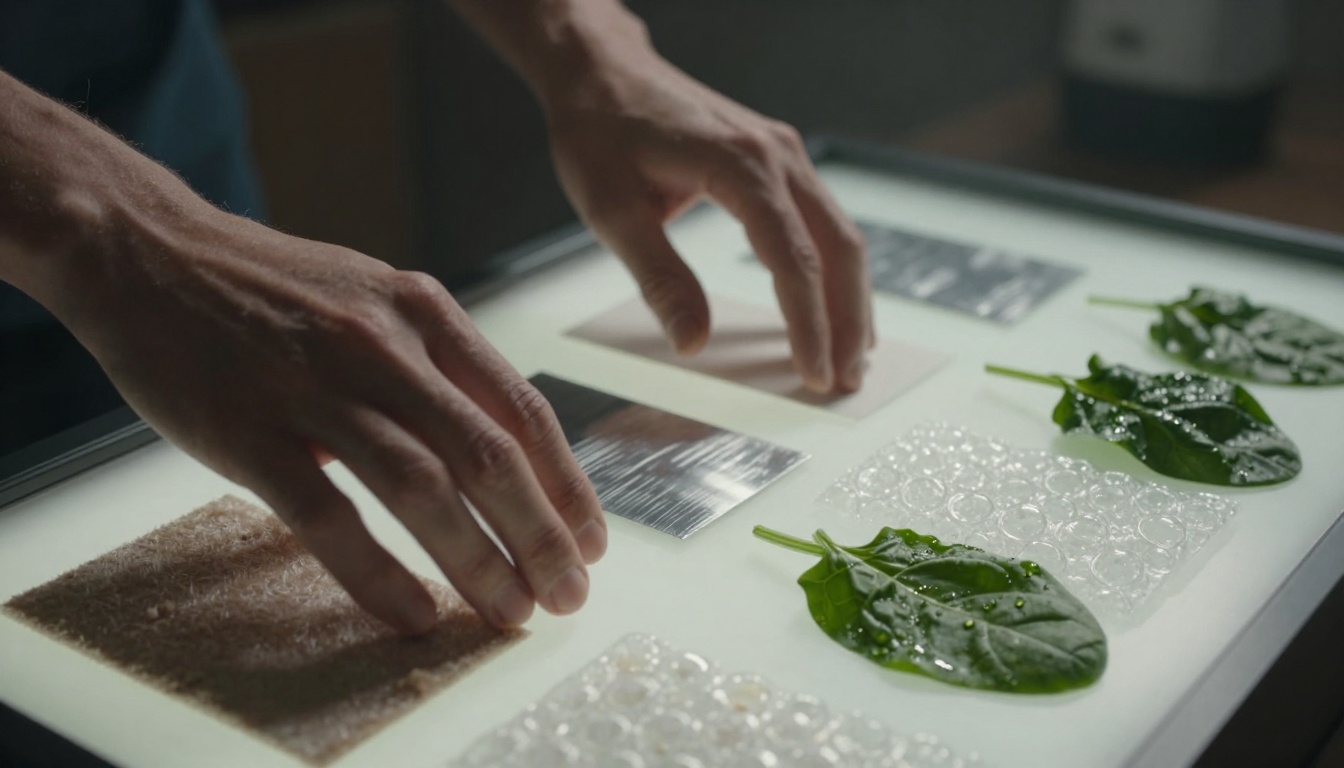
Every surface tells a different sound story when explored through AI-assisted texture analysis
Why ASMR Dominates TikTok's Algorithm
TikTok's algorithm doesn't just track views—it measures watch time completion rates, re-watch behavior, and session duration. ASMR content excels across all three metrics. When someone finds a satisfying whisper video or tapping sequence, they don't just watch it once; they save it, share it, and return to it repeatedly. This creates powerful signals that tell TikTok: "This content keeps people on the platform longer."
💡 The average ASMR TikTok video has 47% higher completion rates than standard content. Videos that trigger physical responses (tingles, relaxation) generate 3.2x more shares.
The platform's sound-sensitive design amplifies ASMR's effectiveness. TikTok automatically adjusts volume normalization, applies spatial audio processing, and optimizes for headphone listening—all features that enhance ASMR experiences. This technical infrastructure means ASMR creators have a built-in advantage, but it also raises audience expectations for production quality.
AI Voice Synthesis for Whisper Videos
Creating whisper content presents unique challenges: vocal strain limits recording sessions, consistency suffers with fatigue, and subtle mouth sounds vary day-to-day. AI voice synthesis tools solve these problems by generating perfect whispers from text input.
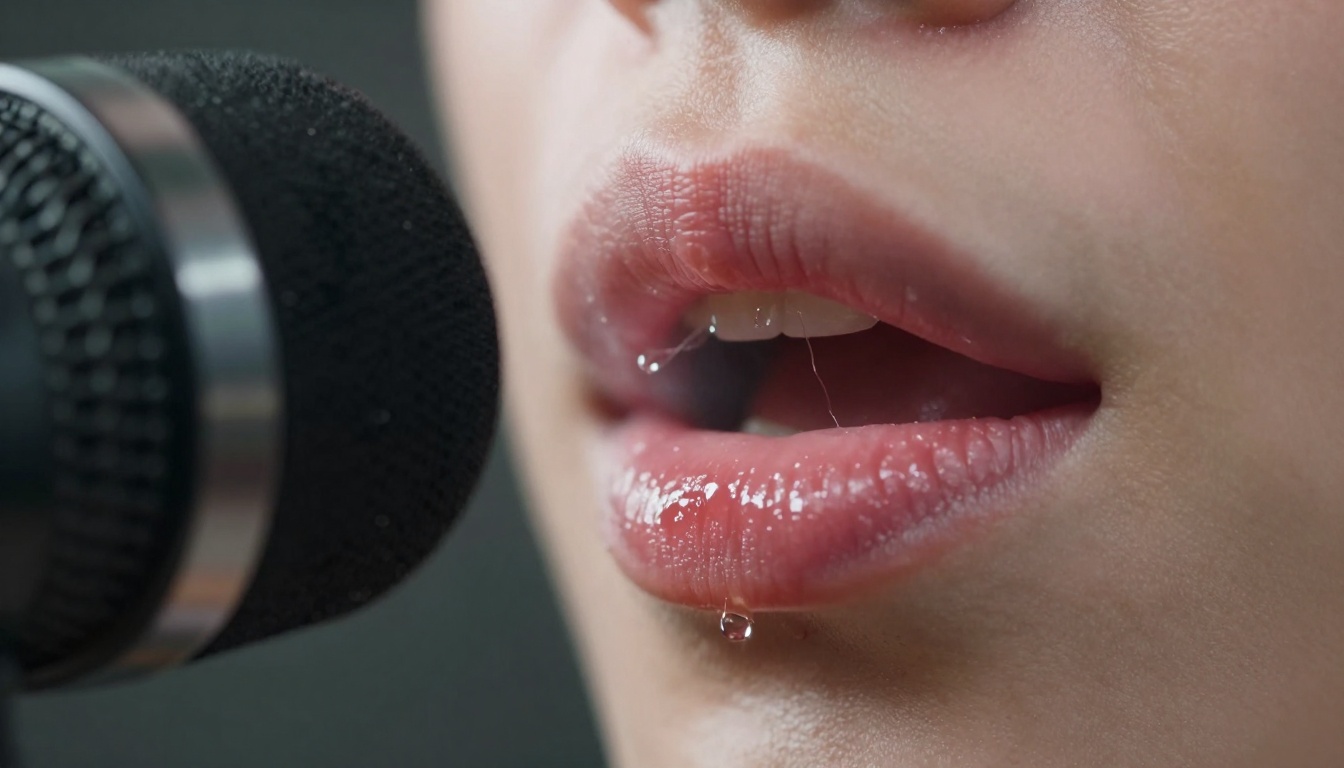
Intimate vocal details captured through AI-assisted recording optimization
Key capabilities of whisper-optimized AI voice tools:
| Feature | Traditional Recording | AI-Generated |
|---|
| Consistency | Varies with vocal fatigue | Perfectly consistent across sessions |
| Duration | Limited by physical strain | Unlimited length generation |
| Mouth Sounds | Natural but inconsistent | Programmatically optimized for ASMR |
| Language Support | Limited to creator's languages | 50+ languages with authentic accents |
| Post-Production | Hours of editing required | Real-time processing with effects |
The most effective platforms use neural voice cloning that captures a creator's unique vocal characteristics, then applies whisper-specific processing: reducing plosives, enhancing breath sounds, and optimizing frequency ranges for headphone listening. This creates content that feels personal while eliminating production bottlenecks.
While ASMR is primarily auditory, TikTok's visual component cannot be ignored. Viewers expect satisfying visual accompaniments to sound experiences. AI image generation tools create these visual elements with precision traditional photography can't match.
Top visual ASMR categories and their AI solutions:
- Texture close-ups - Flux 2 Klein 4B generates extreme macro shots of materials with perfect lighting for sound suggestion
- Satisfying patterns - Qwen Image 2512 creates mathematically perfect patterns that synchronize with sound rhythms
- Process videos - WAN 2.6 I2V transforms still images into satisfying process animations
- Before/after transformations - P Image Edit enhances existing footage with ASMR-optimized visual effects
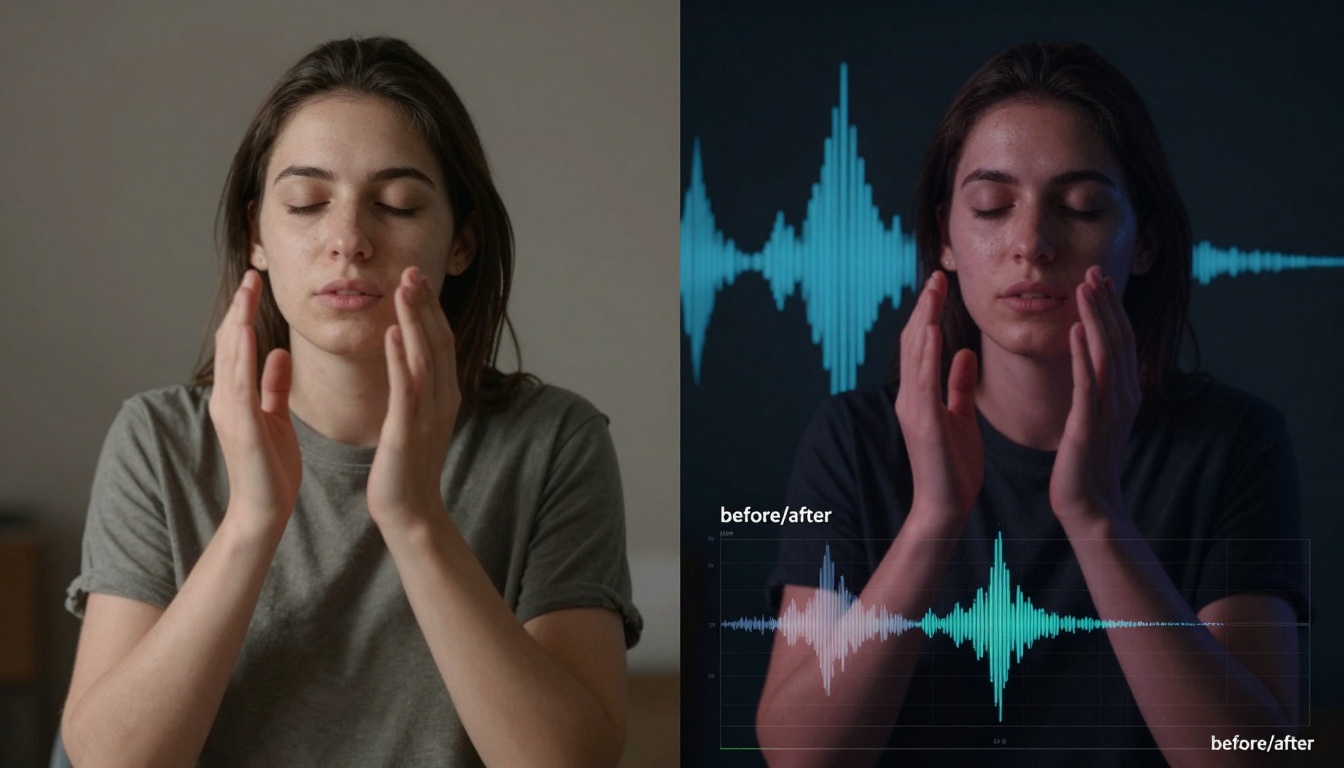
AI transformation takes ordinary footage to professional ASMR quality
Visual ASMR prompt engineering requires specific vocabulary:
- "Extreme macro shot showing individual fibers of velvet being compressed"
- "Slow-motion water droplet hitting surface with visible ripple propagation"
- "Perfectly symmetrical pattern unfolding with satisfying sequential revelation"
- "Tactile texture visible through directional lighting that emphasizes surface irregularities"
Raw ASMR recordings contain unwanted noise, inconsistent levels, and imperfections that reduce effectiveness. AI audio processing tools clean, enhance, and optimize these recordings automatically.
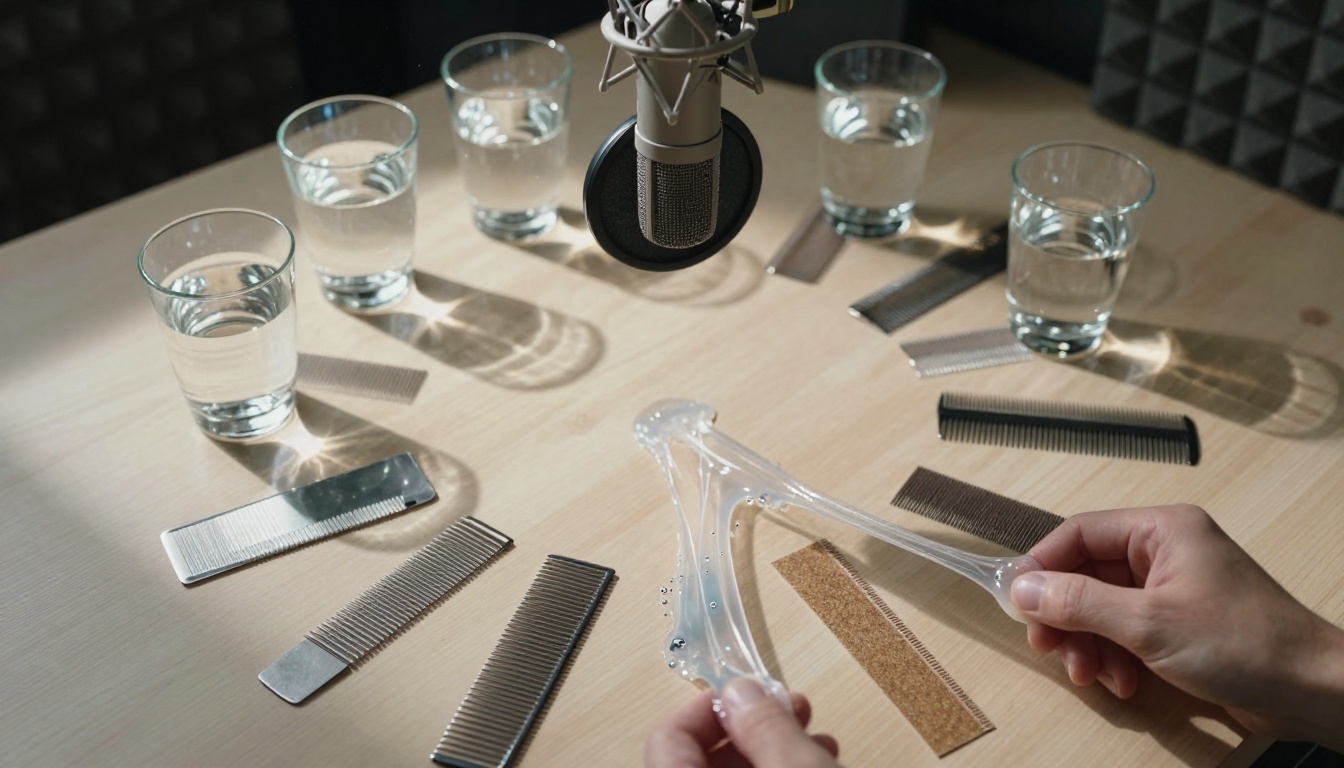
Professional audio analysis informs AI processing decisions
Critical audio processing stages for ASMR:
Stage 1: Noise Reduction
- Removes HVAC hum, electrical interference, and room resonance
- Preserves delicate mouth sounds and material textures
- Uses spectral subtraction algorithms that identify and remove consistent noise patterns
Stage 2: Dynamic Range Optimization
- Compresses loud peaks (plosives, sudden taps) without clipping
- Boosts quiet details (breath sounds, subtle crinkles)
- Applies multiband compression tailored to ASMR frequency ranges
Stage 3: Spatial Enhancement
- Creates binaural effects from mono recordings
- Simulates head movement and positional audio
- Uses HRTF (Head-Related Transfer Function) modeling for authentic 3D sound
Stage 4: TikTok Optimization
- Applies platform-specific loudness normalization
- Adds subtle high-frequency emphasis for smartphone speakers
- Creates versions optimized for headphones versus speakers
The most powerful AI applications transform existing non-ASMR content into satisfying sensory experiences. This opens massive content libraries for repurposing.
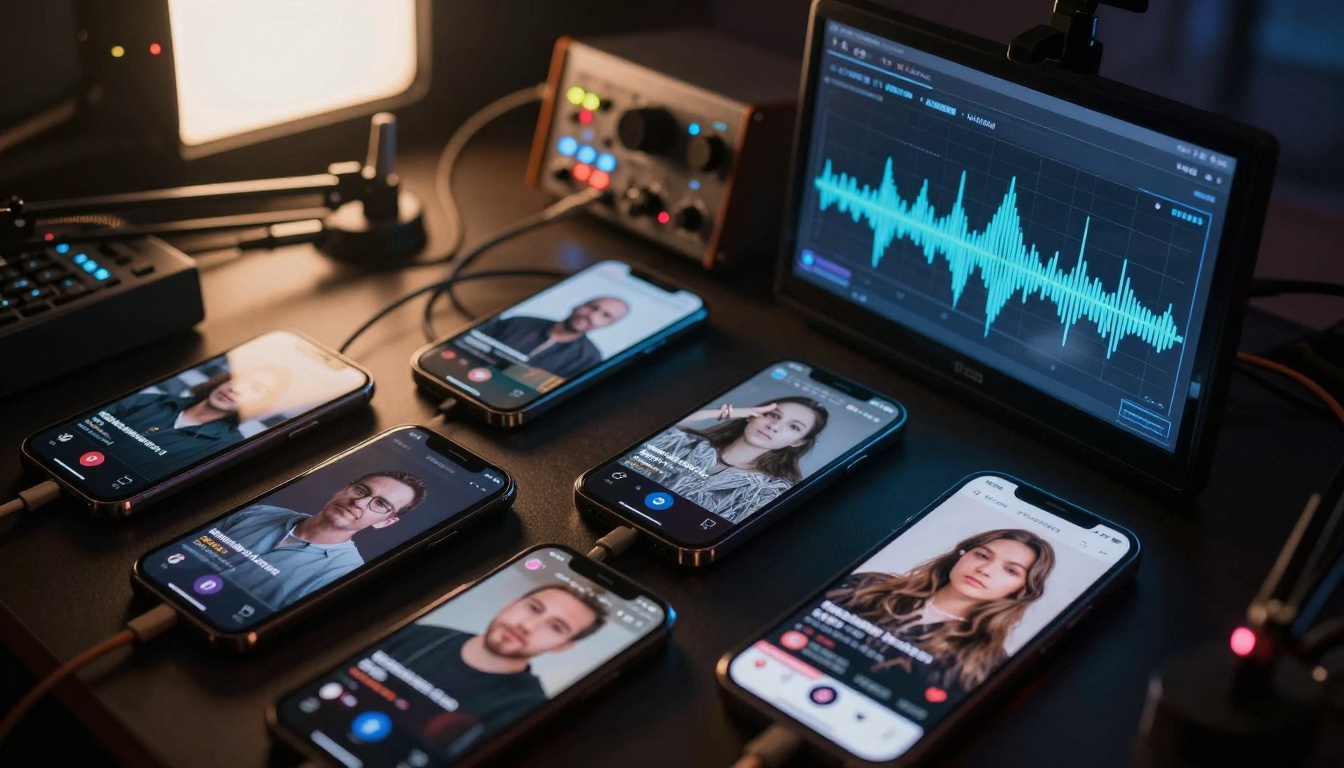
Multi-platform strategy leverages AI for consistent content output
Transformation workflows using AI video models:
From cooking videos to ASMR food content:
- Extract audio from cooking sounds (chopping, sizzling, pouring)
- Use Seedance 1.5 Pro to generate satisfying visual accompaniments
- Apply slowed motion to emphasize texture details
- Add macro inserts showing food textures up close
From nature footage to environmental ASMR:
- Isolate natural sounds (rain, leaves, water)
- Generate matching visual loops with Kling V2.6
- Apply time-stretching to create rhythmic patterns
- Add visual texture layers that mirror sound frequencies
From DIY tutorials to satisfying process videos:
- Extract building/creating sounds
- Use WAN 2.5 T2V Fast for rapid visualization
- Apply satisfying completion effects (final reveal, perfect alignment)
- Add progress visualization that syncs with sound
Creating Complete Sensory Experiences
The most successful ASMR TikTok videos don't just present sounds—they craft complete sensory environments. AI tools enable this through multimodal generation that synchronizes audio, visual, and even haptic suggestions.
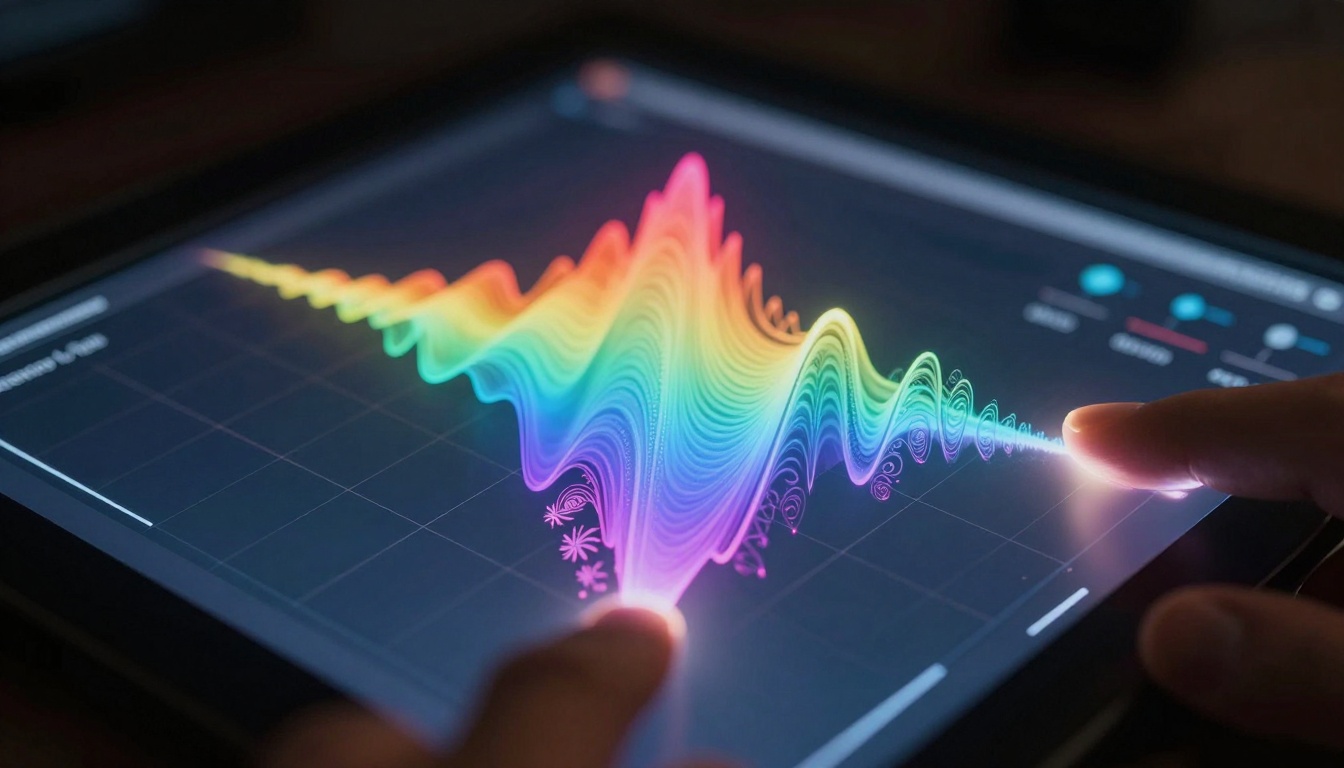
Complex audio patterns visualized through AI spectral analysis
Complete experience creation workflow:
Step 1: Concept Generation
- Input: "Satisfying organization of art supplies"
- AI generates: Sound palette (brush taps, container clicks, paper rustles)
- AI generates: Visual sequence (brushes aligning, lids closing, papers stacking)
- AI generates: Rhythm pattern (gradual acceleration to satisfying conclusion)
Step 2: Element Production
- Audio: GPT Image 1.5 generates reference images for sound matching
- Visual: Flux 2 Max creates satisfying process animations
- Sync: AI aligns audio peaks with visual actions frame-by-frame
Step 3: Platform Optimization
- TikTok version: Higher contrast, faster cuts, emphasis on completion moments
- YouTube version: Longer duration, gradual builds, detailed texture shots
- Instagram version: Square format, highlight reels, satisfaction payoffs
Step 4: Accessibility Enhancement
- Visual descriptions for hearing impaired viewers
- Sound descriptions for visually impaired viewers
- Cross-modal translation where sounds suggest visuals and vice versa
TikTok Algorithm Optimization with AI
Understanding TikTok's algorithm is one thing; actively optimizing content for it requires data analysis capabilities beyond human scale. AI tools parse thousands of successful ASMR videos to identify winning patterns.
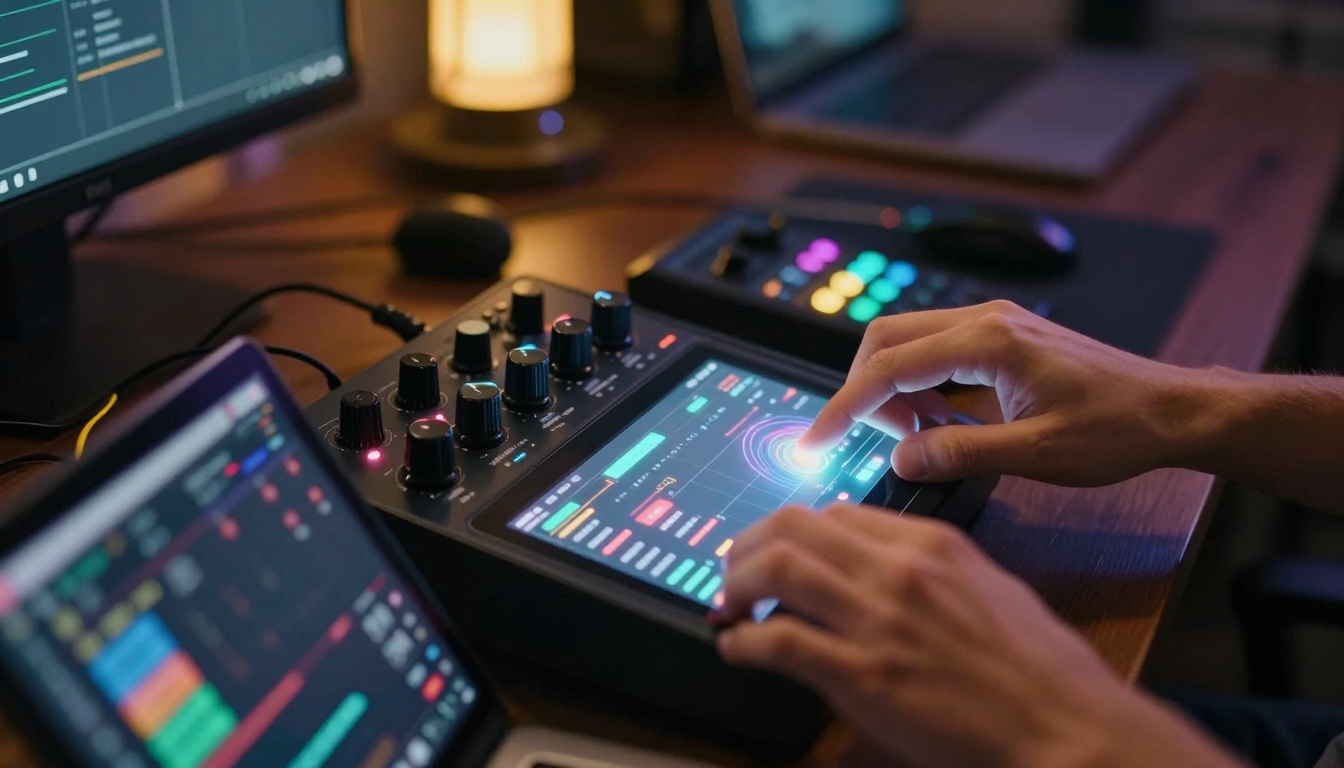
Real-time analytics inform AI-assisted content decisions
Algorithm optimization factors tracked by AI:
Watch Time Patterns:
- Ideal ASMR video length per category (whispers: 47 seconds, tapping: 72 seconds)
- Drop-off points indicating unsatisfying sections
- Re-watch moments indicating peak satisfaction
Sound Analysis:
- Frequency ranges that trigger strongest responses
- Rhythm patterns that maintain engagement
- Volume dynamics that create anticipation and payoff
Visual Composition:
- Camera angles that enhance texture visibility
- Lighting conditions that suggest tactile qualities
- Color palettes that correlate with relaxation responses
Hashtag Performance:
- Niche versus broad hashtag effectiveness
- Seasonal trend correlation (holiday ASMR, seasonal sounds)
- Cross-category hashtag combinations that reach new audiences
Comment Sentiment Analysis:
- Emotional responses categorized by sound type
- Request patterns indicating audience desires
- Critique patterns highlighting production issues
💡 AI analysis reveals that ASMR videos with gradual volume increases have 28% higher completion rates than those with consistent volume. The algorithm interprets gradual builds as "storytelling" rather than "static content."
Workflow Integration and Time Savings
The most significant benefit AI brings to ASMR creation isn't just quality improvement—it's time reclamation. Traditional ASMR production requires hours of recording, editing, and optimization for each minute of content. AI collapses this timeline.
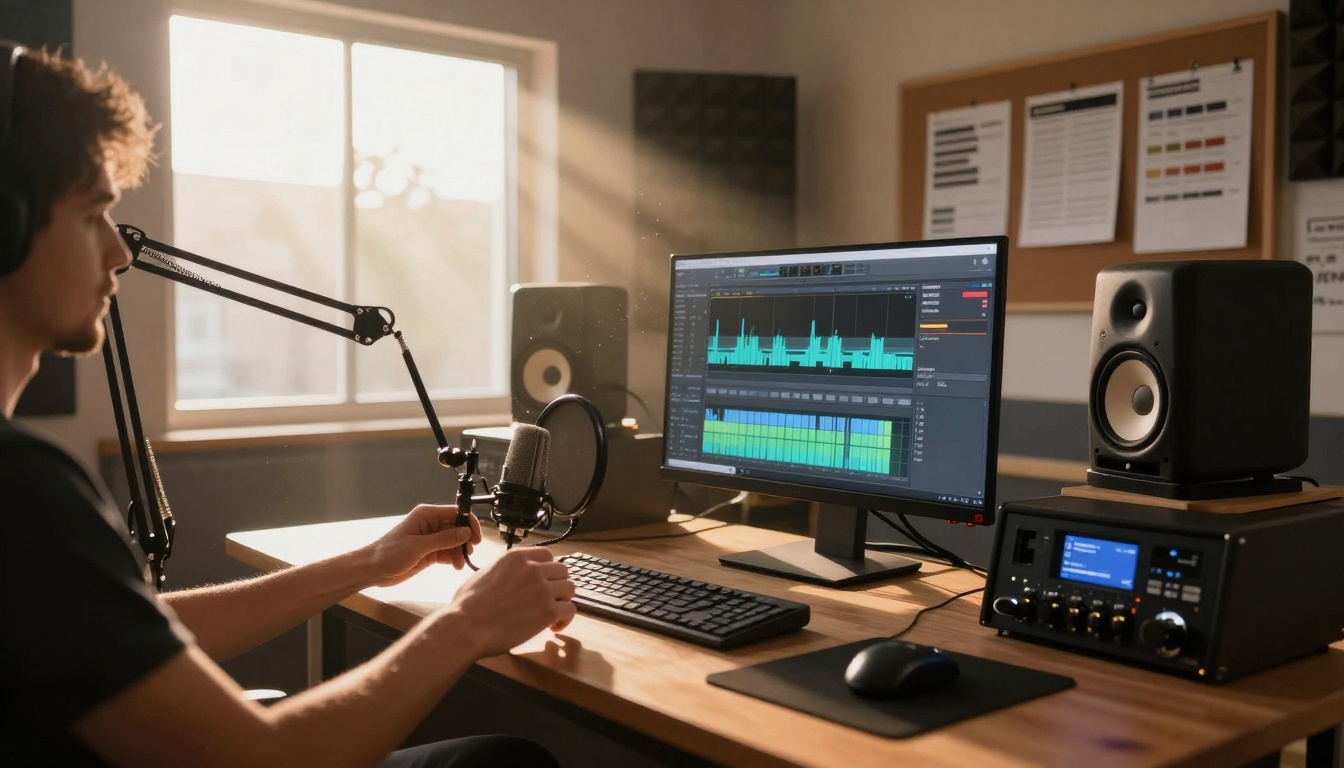
Integrated workflow from recording to publishing optimized by AI assistance
Time comparison: Traditional vs AI-assisted production
| Task | Traditional Time | AI-Assisted Time | Time Saved |
|---|
| Whisper Recording | 2 hours for 10 minutes | 15 minutes for unlimited | 1 hour 45 minutes |
| Sound Cleaning | 45 minutes per minute | Real-time processing | 45 minutes |
| Visual Creation | 3 hours per video | 20 minutes with generation | 2 hours 40 minutes |
| Platform Optimization | 30 minutes per platform | Automated across platforms | 30 minutes |
| Analytics Review | 1 hour daily | Real-time dashboard | 1 hour |
| Content Planning | 2 hours weekly | AI trend analysis suggestions | 1 hour 30 minutes |
Total Weekly Time: 14 hours 15 minutes saved per creator
Integrated AI workflow for daily ASMR production:
- Morning (15 minutes): Review AI-generated trend report, select daily themes
- Recording Session (30 minutes): Capture base sounds with AI real-time processing
- Generation Phase (20 minutes): AI creates visual accompaniments and enhancements
- Assembly (15 minutes): AI syncs audio/visual, applies platform optimizations
- Publishing (5 minutes): Automated posting across TikTok, Instagram, YouTube
- Analysis (Real-time): AI tracks performance, suggests tomorrow's content
This workflow produces 3-5 high-quality ASMR videos daily versus the traditional 1-2 videos with equivalent time investment.
The Sensory Content Revolution
ASMR represents just the beginning of sensory-focused content. As AI tools become more sophisticated, we're moving toward multisensory content generation that considers not just audio and visual elements, but suggested tactile experiences, temperature associations, and even scent memories.
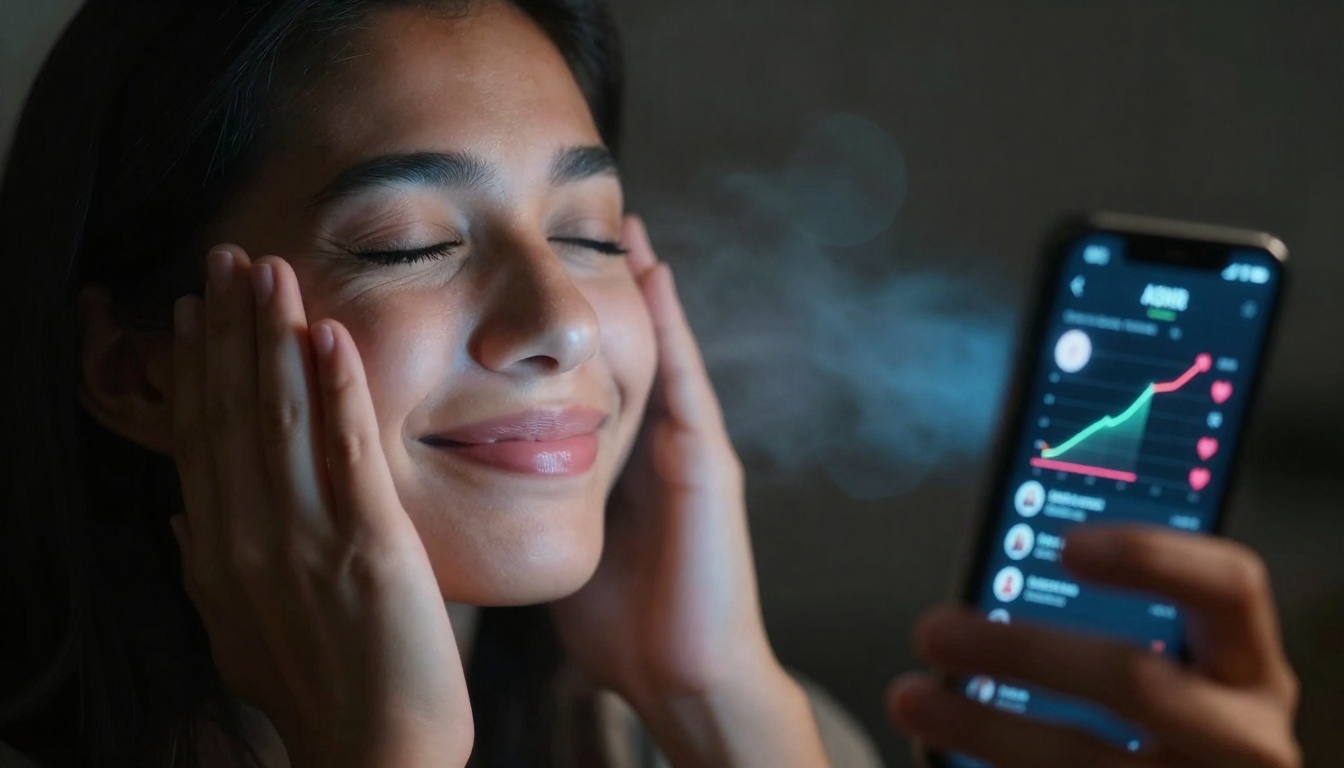
The satisfaction of creating content that genuinely affects viewers emotionally
Emerging AI capabilities for next-generation ASMR:
Cross-modal translation: Sounds that generate corresponding visual textures
Personalization algorithms: Content that adapts to individual sensory preferences
Real-time adaptation: Videos that adjust based on viewer engagement signals
Collaborative generation: AI-assisted brainstorming between creators worldwide
The barrier to creating professional ASMR content has disappeared. What required dedicated studios, expensive equipment, and technical expertise now fits in a workflow accessible to anyone with a smartphone and AI tool access. This democratization means more diverse sensory experiences reaching audiences who need them—whether for relaxation, focus, sleep aid, or simple pleasure.
Final consideration: The most successful ASMR creators using AI tools maintain their unique personal touch while leveraging technological assistance. The AI handles production consistency while the creator focuses on emotional authenticity—the combination that creates truly viral content.
Now that you've seen how AI transforms ASMR creation from exhausting manual process to streamlined creative flow, consider experimenting with these tools on your next TikTok video. Start with simple sound enhancement using P Image for visual accompaniments, or try Veo 3.1 Fast for turning still images into satisfying process videos. The combination of your creative vision with AI's production capabilities could create the next viral ASMR sensation that leaves viewers with that satisfying scalp tingle they keep returning to find.


