Fantasy warrior women rising from volcanic cliffs, elven archers hidden in bioluminescent forests, cybernetic soldiers standing in neon rain, sea goddesses emerging from crashing waves. If you have spent time trying to create vivid, adult-themed fantasy and sci-fi character art with AI, you already know the frustration: most tools lock you out before you even begin.
The demand for NSFW AI image generators that can handle serious fantasy and sci-fi art has exploded. Artists, worldbuilders, game designers, and creative hobbyists want tools that produce photorealistic, high-detail imagery without stripping away the creative freedom that makes these genres so compelling. This article breaks down exactly what works, which models deliver, and where to find them.
What Separates Good Fantasy AI Art From Generic Output
Creating genuinely great fantasy or sci-fi imagery with AI is not just a prompt game. It comes down to the model's architecture, training data, and how well it interprets complex compositional requests.
The Detail Problem in Generic Models
Most mainstream AI generators are trained with heavy safety filtering that strips out suggestive content and, as a collateral effect, often degrades the quality of complex character art. You end up with flat, lifeless figures in vague environments.
Fantasy and sci-fi art demands:
- Fine texture rendering (leather armor, skin detail, fabric drape)
- Complex environmental lighting (volcanic glow, alien bioluminescence, candlelight)
- Character anatomy accuracy and expressive poses
- Layered depth: foreground subjects, midground atmosphere, background world-building
When a model has been neutered for safety, it tends to fail on exactly these fronts. The image looks "clean" but sterile.
Why NSFW Capability Correlates With Artistic Quality
This is the part most people intuitively understand but rarely see explained: models trained with fewer content restrictions tend to produce more anatomically accurate, expressively posed, and visually rich characters. It is not about explicit content. It is about the model having seen and learned from the full spectrum of artistic human representation.
A model that can render a realistic, detailed human figure in minimal fantasy attire is also a model that can render realistic skin texture on a fully clothed warrior. The capability is inseparable from the training.
💡 The best NSFW AI art generators are not adult content tools with a fantasy skin. They are high-quality artistic engines that happen to not censor beauty.
The Models That Actually Deliver
Not all text-to-image models are equal. The differences in output quality, adherence to complex prompts, and rendering of fine detail are significant. Here is where each top model stands.
Flux 1.1 Pro Ultra
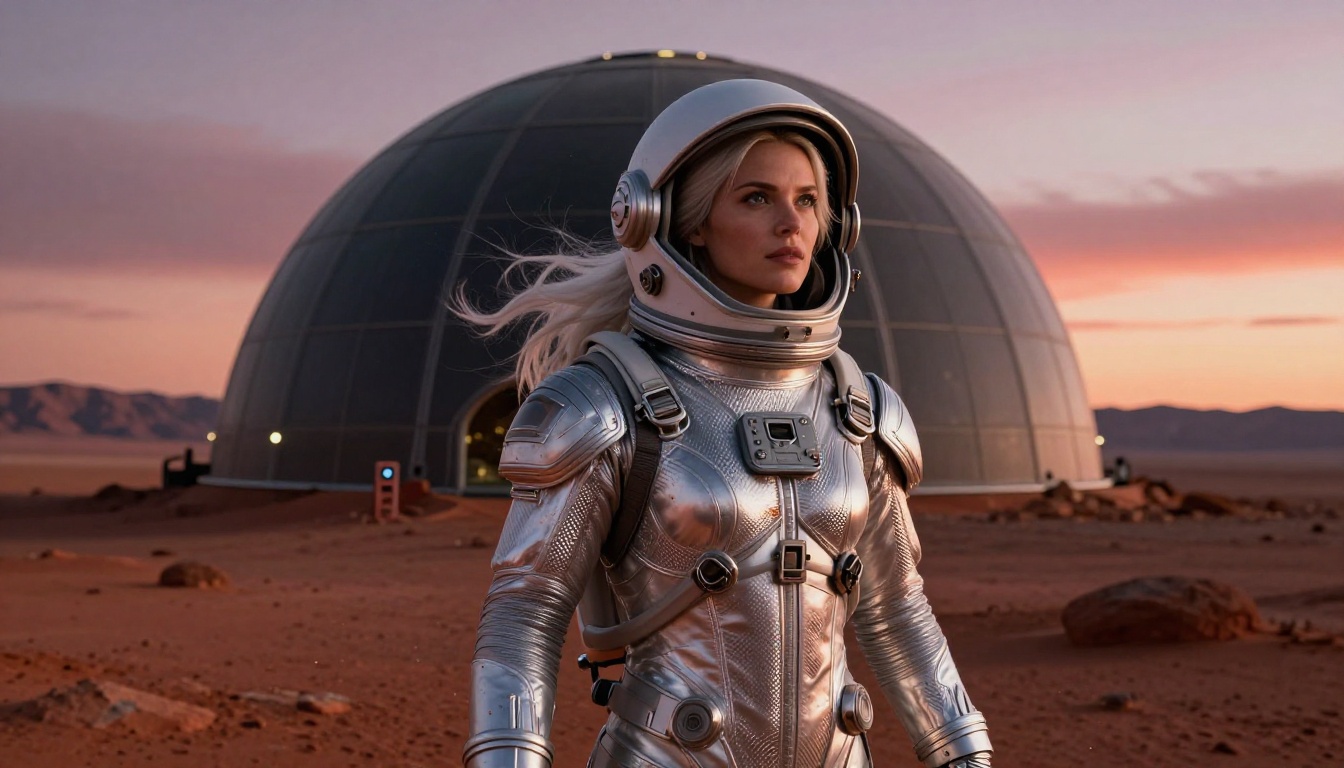
Flux 1.1 Pro Ultra from Black Forest Labs is one of the most capable models available for detailed character art. Its ultra-high resolution output makes it ideal for fantasy portraits where you need to see every strand of hair, every engraving on armor plate, and every subtle shift in lighting.
Strengths for fantasy and sci-fi:
- Exceptional prompt adherence for complex scenes
- Outstanding detail at 8K-equivalent resolution
- Rich texture rendering on fabric, metal, and skin
- Reliable anatomy on complex poses
Best for: Fantasy warrior portraits, elaborate costume design, cinematic character reveals.
Flux 2 Pro
Flux 2 Pro iterates on the Flux lineage with improved consistency and stronger environmental coherence. Where Flux 1.1 Pro Ultra excels at character detail, Flux 2 Pro shines when you need the character and environment to feel equally real.
Sci-fi landscapes, alien architecture, terraformed colony scenes: Flux 2 Pro renders them with a solidity and physical plausibility that makes the fantasy believable.
Best for: Sci-fi environmental scenes, character-in-world compositions, worldbuilding visuals.
Stable Diffusion 3.5 Large
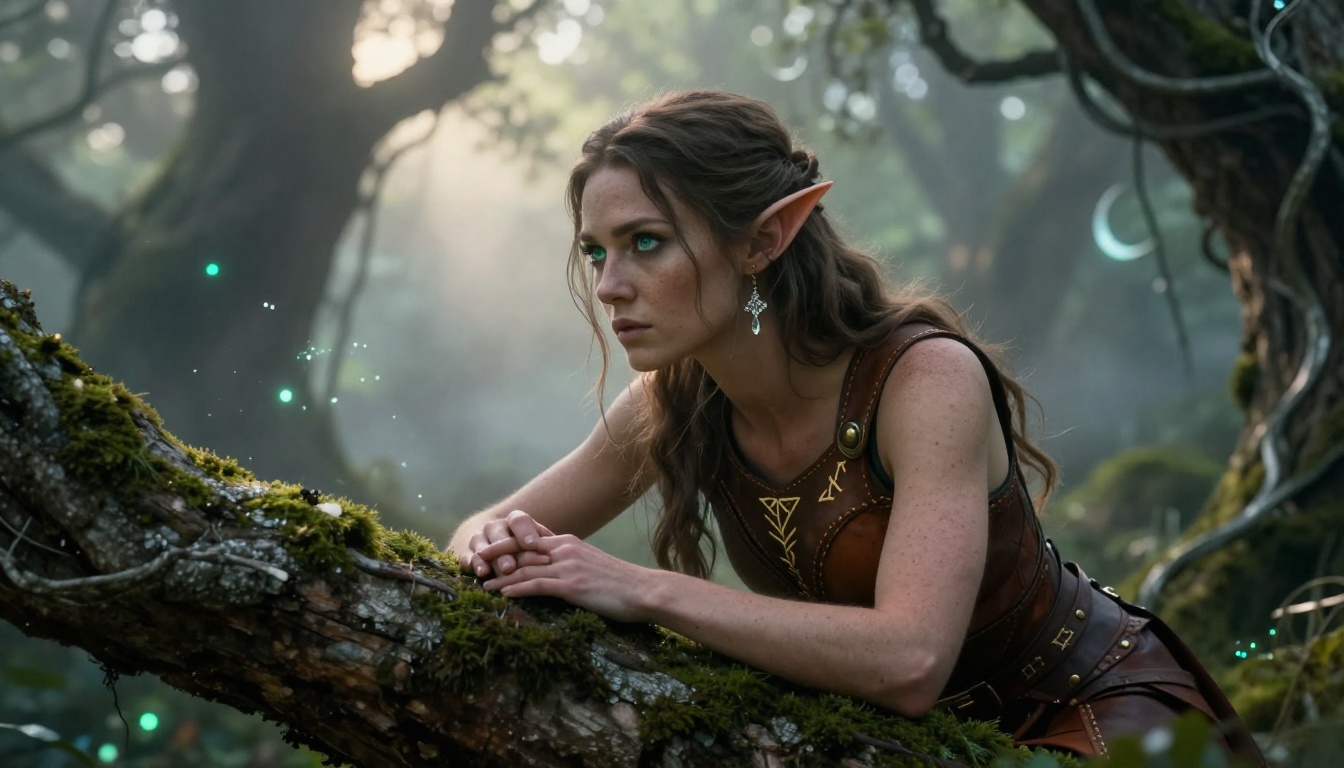
Stable Diffusion 3.5 Large from Stability AI occupies a unique position. It is highly customizable, supports LoRA fine-tuning for specific styles, and produces remarkably consistent character faces across multiple generations.
For fantasy art specifically, SD 3.5 Large handles:
- Elven features and non-human anatomy
- Fantastical lighting conditions rendered naturally
- Consistent character design across multiple images
Best for: Series work, consistent characters, elven and mythological aesthetics.
Realistic Vision v5.1
Realistic Vision v5.1 is a community favorite for a reason. Built specifically for photorealistic human subjects, it produces skin texture, hair detail, and facial expressions that consistently outperform larger generalist models on portraiture.
For NSFW fantasy art where the subject's physical presence needs to feel real, not rendered, Realistic Vision v5.1 delivers. The model handles:
- Film-grain-style photographic realism
- Natural skin tones and texture variations
- Expressive faces with emotional depth
- Fabric and material believability
Best for: Close-up character portraits, glamour-style fantasy art, photorealistic heroines.
Sci-Fi Art: Models Built for the Genre
Sci-fi AI art has its own demands. You need models that can render hard surfaces convincingly, handle industrial and futuristic environments, and produce characters that feel like they exist in a coherent technological world.
Seedream 4
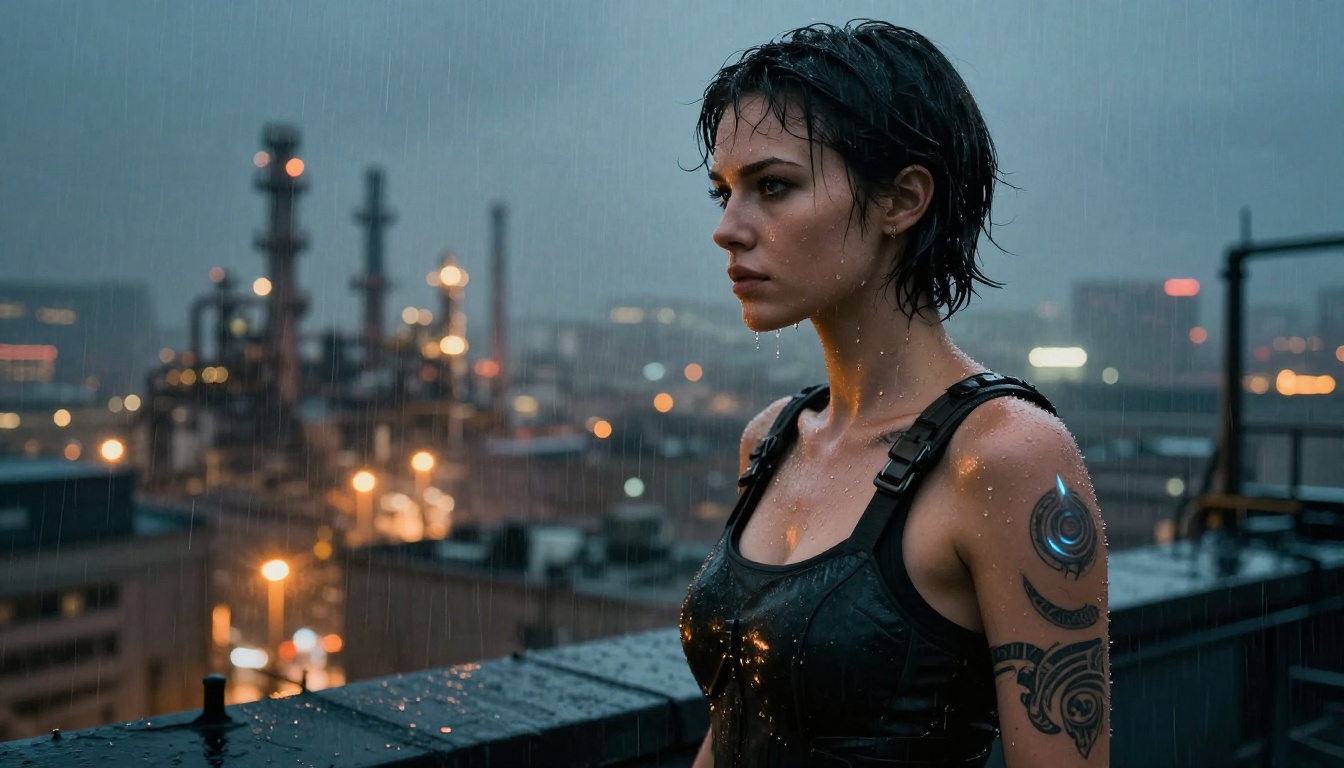
Seedream 4 from ByteDance produces ultra-high resolution output with remarkable coherence across complex scenes. For sci-fi art with rich environmental detail, it handles:
- Reflective metal and glass surfaces
- Rain, atmospheric haze, and particle effects
- Industrial architecture at scale
- Human figures integrated naturally into technological environments
GPT Image 1.5
GPT Image 1.5 brings OpenAI's language model strength into image generation. Its prompt comprehension is exceptional, which means you can write more natural, narrative-style prompts and get images that actually match your creative vision.
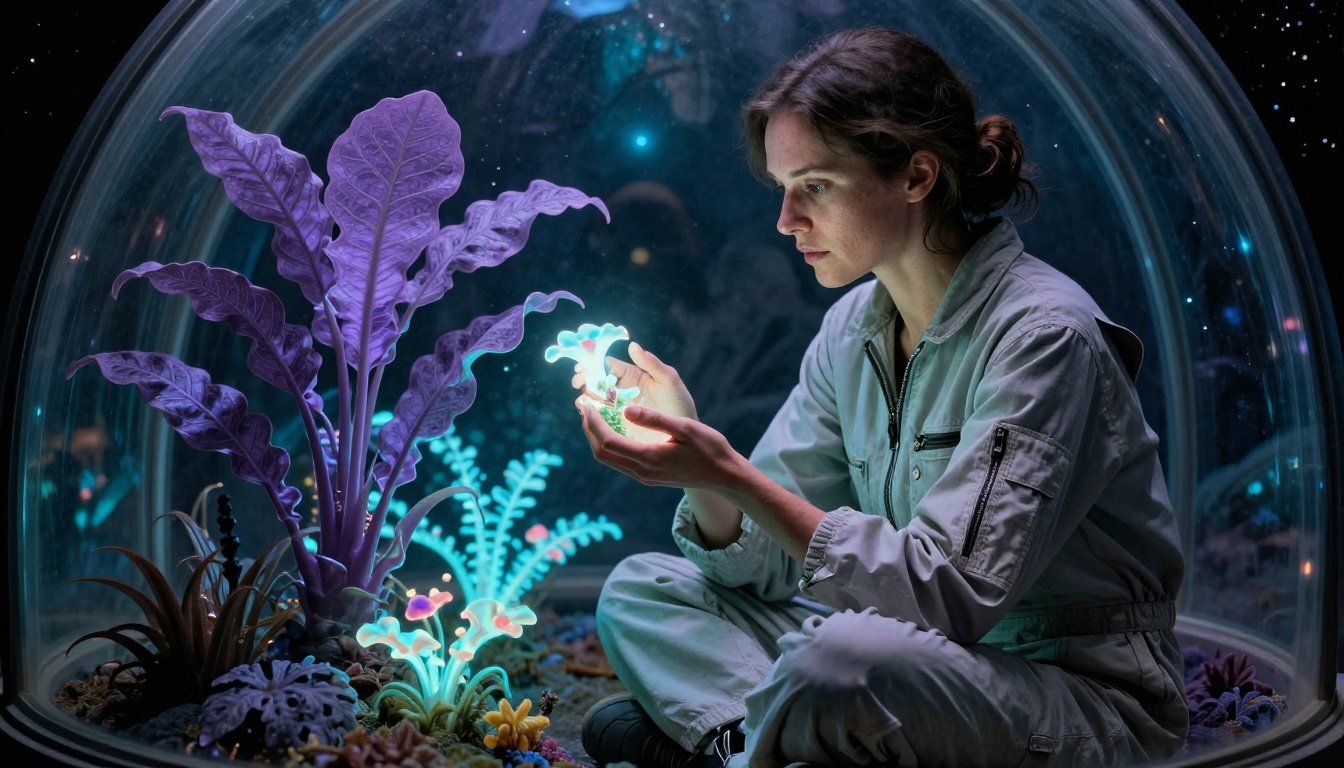
For sci-fi art, this means you can describe a scene in cinematic terms ("a biologist studying alien flora inside a glass biodome on an exoplanet at night") and get a result that interprets the narrative intelligence of the prompt.
Best for: Narrative-driven sci-fi scenes, complex prompt adherence, creative worldbuilding.
Imagen 4
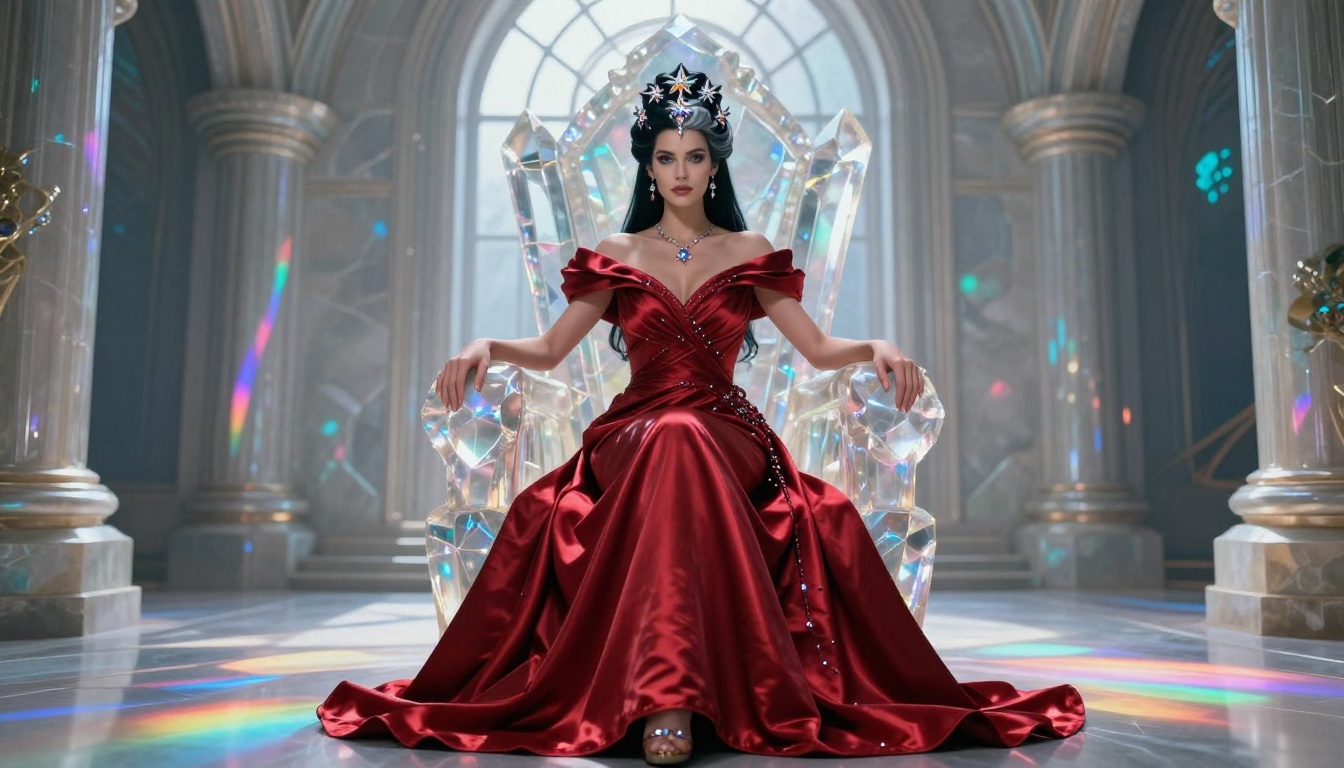
Imagen 4 from Google is the current flagship of photorealistic image generation. Its rendering of physical light, especially in complex environments (alien suns, bioluminescent caves, prismatic palace interiors), is exceptionally accurate.
For sci-fi art that needs to feel physically plausible:
| Feature | Imagen 4 Score |
|---|
| Lighting accuracy | Excellent |
| Surface texture rendering | Excellent |
| Character anatomy | Very Good |
| Prompt comprehension | Very Good |
| Environmental coherence | Excellent |
Prompting for NSFW Fantasy and Sci-Fi Art
The model is half the equation. The other half is how you prompt it. Most mediocre AI art comes not from weak models but from weak prompts.
The Anatomy of a Strong Prompt
A prompt that produces stunning fantasy or sci-fi art has five layers:
- Subject description: Who is in the scene, wearing what, doing what
- Environment: Where the scene takes place, in specific physical detail
- Lighting: Direction, color temperature, quality (volumetric, diffused, rim)
- Camera angle and lens: Low-angle, aerial, portrait, wide; specific focal length
- Texture and material details: What surfaces feel like, fabric weight, weathering
💡 Most people stop at layer 1 or 2. The difference between average and stunning is almost always layers 3, 4, and 5.
Environment and Lighting That Sells the Fantasy
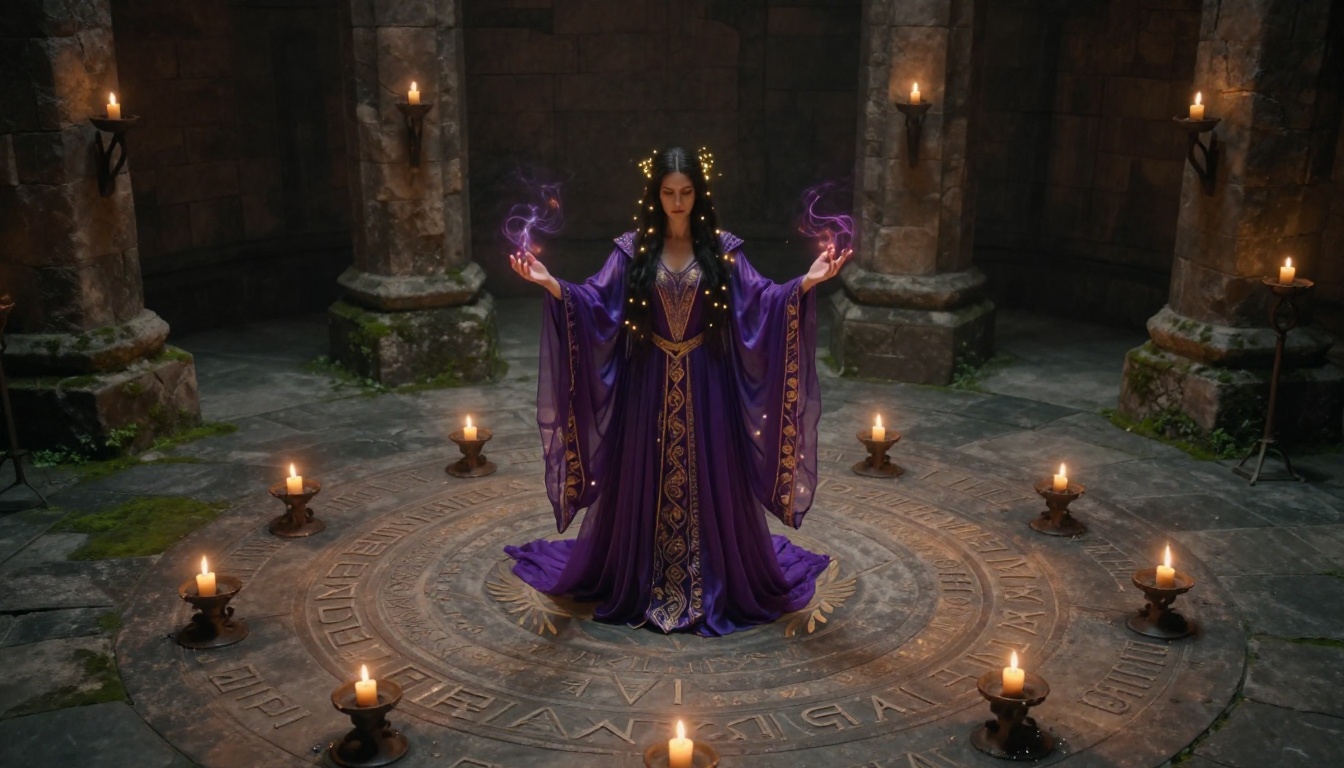
Fantasy art lives or dies on its environmental believability. An elven archer floating in a void is not fantasy art. She needs:
- A specific time of day (pre-dawn, golden hour, deep midnight)
- A light source with direction and color temperature (bioluminescent spores casting blue light from the left, morning mist backlit by a rising amber sun)
- Atmospheric effects (fog, mist, smoke, rain, falling ash, floating spores)
- Environmental textures (mossy bark, obsidian rock, wet flagstones)
The same applies to sci-fi. Do not prompt "futuristic city." Prompt "industrial colony at night, amber streetlights casting long shadows on wet asphalt, steam rising from manholes, distant smokestack glow."
Character Details That Create Realism
The physical details of your character are what separate AI art from AI snapshots. Specificity matters:
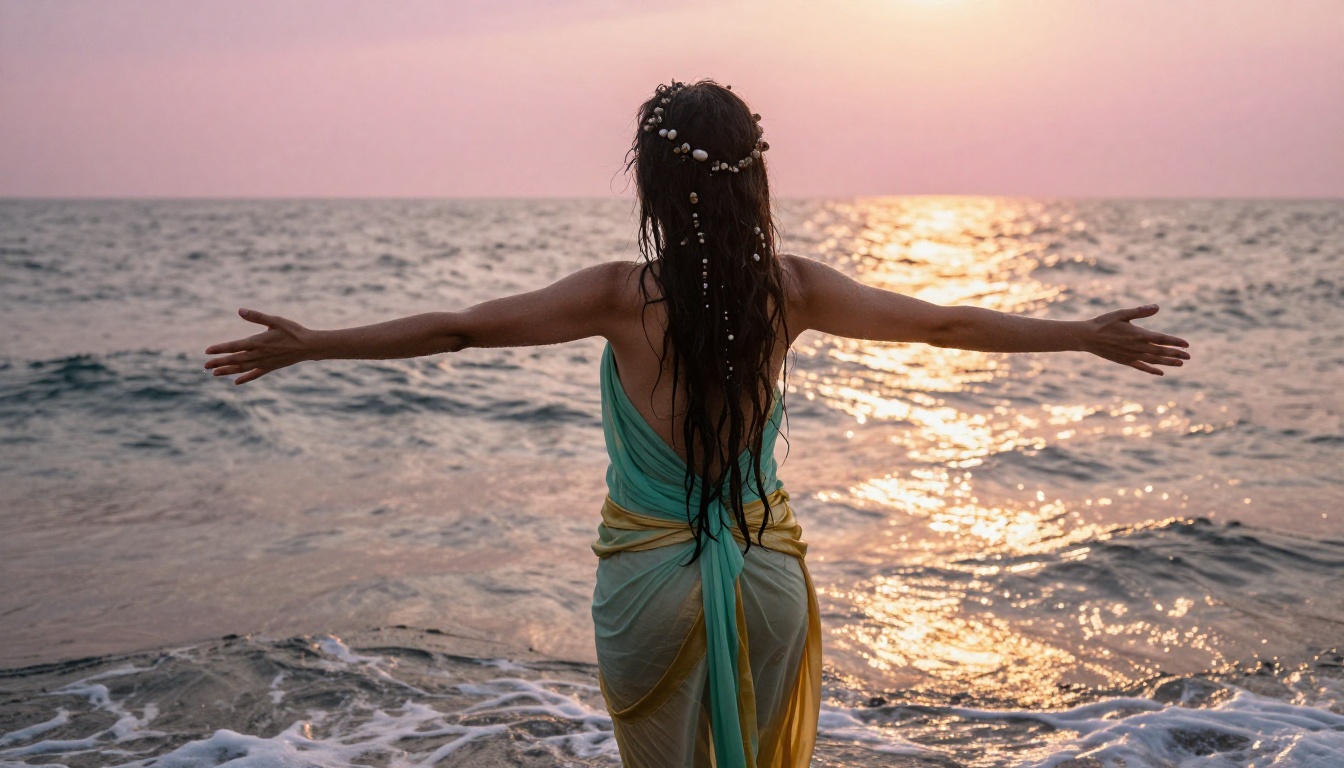
- Skin: "Pores visible, light freckles on shoulders, subtle tan line, a thin scar above the left eyebrow"
- Hair: "Drenched and clinging in individual strands, loose flyaways catching backlight"
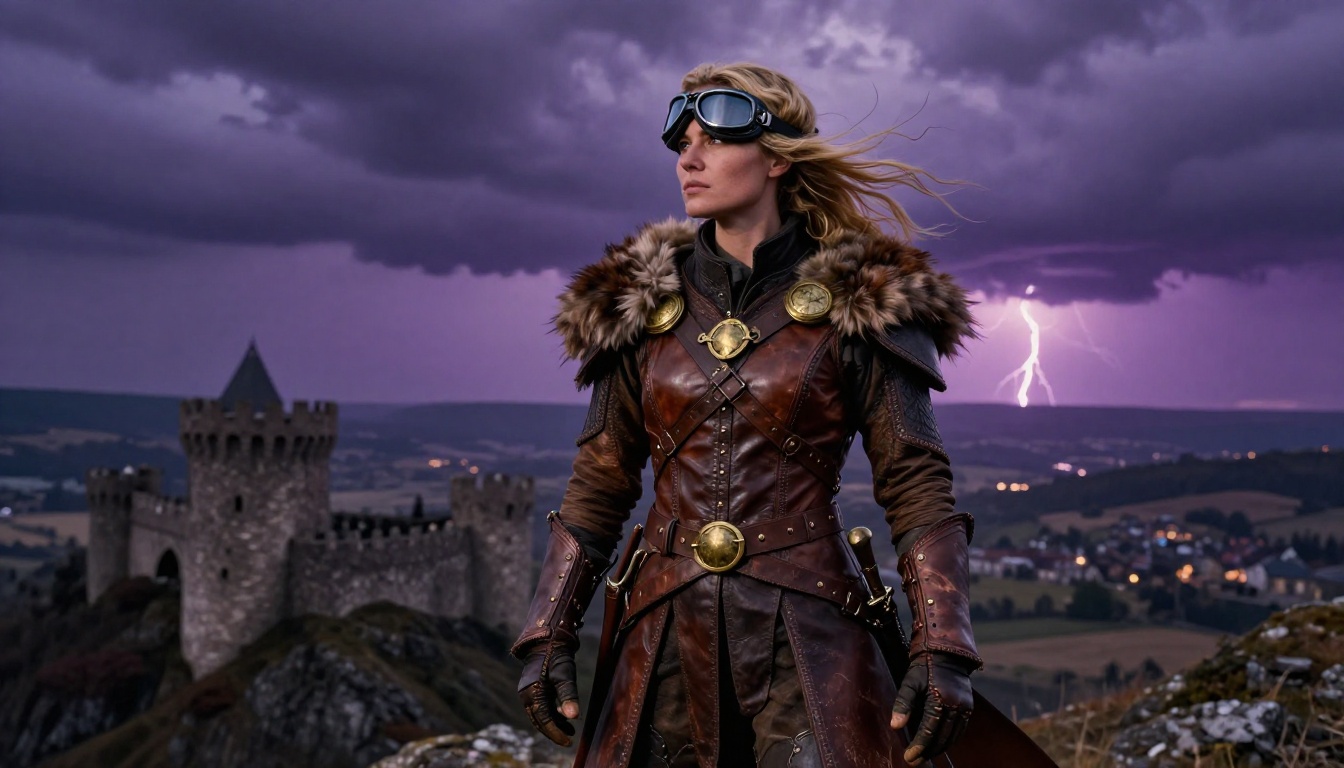
- Clothing: "Leather cracked at elbow joints, brass buckles oxidized green at the edges, fabric waterlogged and clinging"
- Expression: "Eyes focused but distant, slight tension in jaw, lips parted"
These details force the model to engage its highest resolution capabilities and produce images that feel genuinely inhabited by a real person.
How to Use Flux 1.1 Pro Ultra on PicassoIA
For fantasy and sci-fi NSFW art, Flux 1.1 Pro Ultra is the recommended starting point. Here is how to get the best out of it.
Step-by-Step Instructions
Step 1: Open the model page
Go to Flux 1.1 Pro Ultra on PicassoIA.
Step 2: Set your aspect ratio
For character art, use 16:9 for cinematic wide shots or 9:16 for portrait work. Avoid 1:1 for fantasy scenes as it cuts out environmental depth.
Step 3: Write a layered prompt
Follow the five-layer structure above. Include your subject, environment, lighting direction and color temperature, camera lens and angle, and specific material and texture details.
Step 4: Add quality modifiers at the end
Close every prompt with: RAW 8K photography, Kodak Portra 400, photorealistic, film grain, natural lighting, no CGI, no digital art --style raw
Step 5: Review and iterate
Generate 2-3 variations. The first pass reveals what the model interprets well and where it needs refinement. Adjust the prompt based on what is missing rather than starting over.
Parameter Tips for Best Results
| Parameter | Recommended Setting |
|---|
| Aspect ratio | 16:9 or 9:16 |
| Prompt length | 60-120 words |
| Quality suffix | RAW 8K, Kodak Portra 400, film grain |
| Style tag | --style raw |
| Iterations per prompt | 2-3 |
💡 For NSFW fantasy art specifically: be explicit about costume details and body language in the prompt. Vague descriptions produce vague results. Specificity is how you control the artistic register.
Model Comparison at a Glance
Here is how the top models stack up for fantasy and sci-fi NSFW art across the dimensions that matter most:
Beyond Text-to-Image: More Tools for Your Art
Once you have your base images, the full platform extends what you can do with them significantly.
Super Resolution upscales your generated images 2x-4x for print-quality output. A 1024px AI image becomes a sharp, detail-rich 4096px file suitable for print or professional use.
Inpainting and Outpainting let you fix specific areas of an image or expand its canvas. If your fantasy warrior's armor came out slightly off, inpainting targets just that element for correction without regenerating the full scene.
Face Swap AI replaces the face in any generated image with a reference face, giving you consistent character identity across multiple scenes. This is particularly valuable for building a consistent character across a fantasy series or narrative project.
Background Removal isolates your characters from their environments for compositing, game asset creation, or print use.
The combination of high-quality NSFW-capable text-to-image models with these post-processing tools creates a complete creative pipeline for fantasy and sci-fi art production.
Your Fantasy World Is One Prompt Away
The models are there. The platform is there. The only variable left is your creative vision.
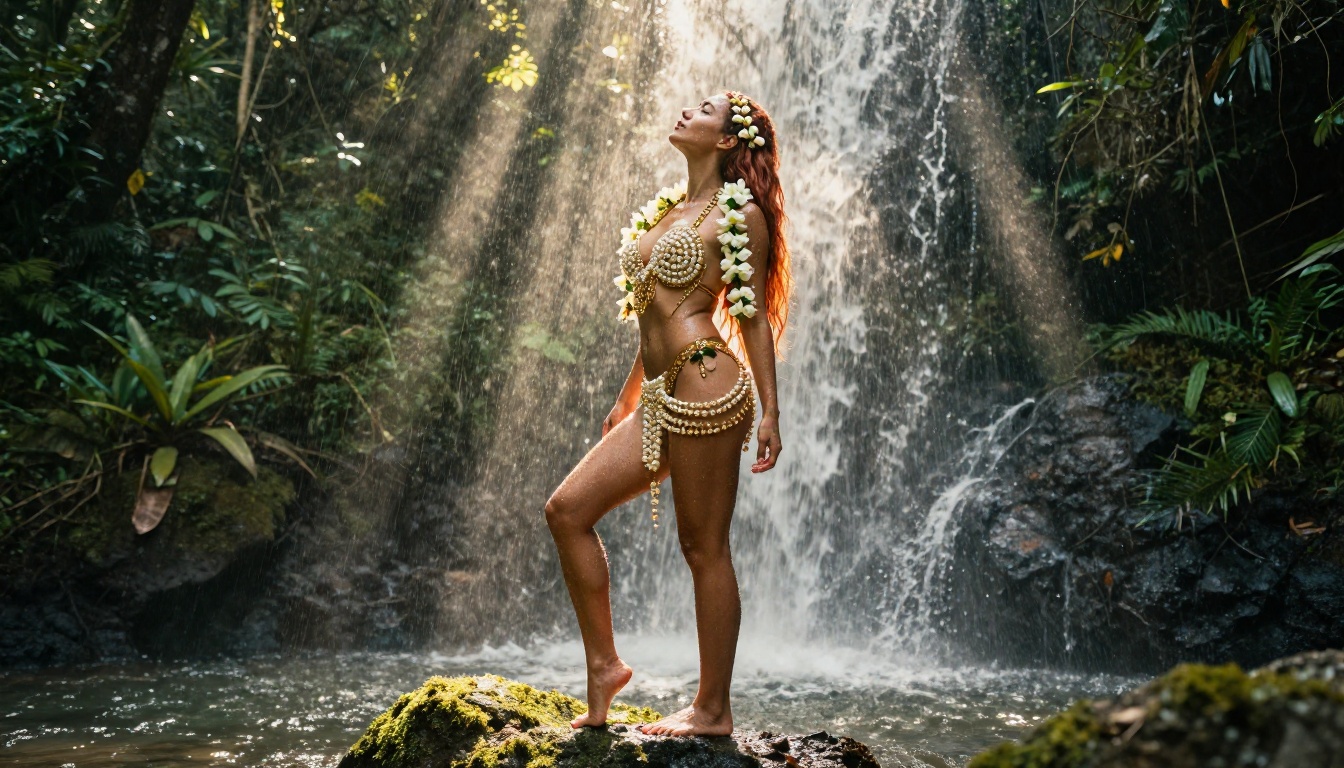
Start with a character you have been visualizing. Write out a prompt using the five-layer structure: subject, environment, lighting, camera, textures. Pick Flux 1.1 Pro Ultra as your starting model and generate three variations.
The difference between the mental image in your head and the image on screen closes with every iteration. With the right model and the right approach to prompting, fantasy and sci-fi AI art that felt impossible six months ago is now a matter of minutes.
PicassoIA gives you direct access to all the models in this article, with no installation, no local GPU requirements, and no waiting. Open a model, write your prompt, and see your fantasy world rendered in photorealistic 8K detail.
Your characters deserve to exist in full resolution.


