You are in 2027 and the bar for synthetic video content has never been higher. Creating NSFW AI videos with realistic sound and natural-flowing dialogue used to require an entire production team. Today, a single platform handles it all: video generation, voice synthesis, lipsync, and background music, all from a text prompt or a single image.
This breakdown examines the best NSFW AI video generator tools available right now, focusing specifically on those that produce convincing sound and dialogue, not just silent clips.
What Sets Audio-Ready Generators Apart
Most AI video tools generate visual content only. The models that actually stand out in 2027 are the ones that treat audio as a first-class output, not an afterthought you add in post-production.
Silent clips are not enough
When you create NSFW content through AI, the immersion breaks the moment there is no sound. Breath, ambient noise, voice, dialogue: these are what separate a compelling clip from a stiff, robotic sequence. The models leading this space understand that the audio layer is the emotional core of any video.
💡 Tip: Always check if a model supports "audio conditioning" or "audio-to-video" before generating. If it does not, plan to combine it with a lipsync or text-to-speech model after generation.
What "dialogue generation" really means
"Dialogue" in AI video generation refers to two distinct things. First, native dialogue: the model generates spoken words as part of the video output, matching mouth movement to the text prompt. Second, post-sync dialogue: you generate the video silently, then apply lipsync technology afterward using a separate audio track.
Both approaches work. The strongest workflows in 2027 combine both, starting with a high-quality generative model, then sharpening mouth movement with a dedicated lipsync tool.
The Top NSFW Video Models with Sound
Not all text-to-video models support audio. The ones below do, and they are the ones worth your time for creating NSFW AI video content with dialogue and realistic sound effects.
Veo 3 by Google
Veo 3 is the first major text-to-video model to generate synchronized audio natively. You describe a scene in a prompt and the model outputs video with ambient sound, character dialogue, and background audio baked in. No post-processing required.
For NSFW video creation, this is significant. You can describe intimate scenes with spoken lines, and the model produces both the visual and the audio output together. The Veo 3 Fast variant gives you the same audio capability at a faster generation speed, ideal when iterating on multiple scenes.
Audio capabilities:
- Native speech and ambient sound generation
- Dialogue conditioning from text prompts
- Emotional tone matching between visuals and audio
LTX-2.3 Pro by Lightricks
LTX-2.3-Pro accepts text, image, and audio as inputs. This means you can provide a voice recording or audio track and the model generates video that visually corresponds to what it hears. For NSFW content creation, this workflow lets you pre-record dialogue using a voice synthesis tool, then generate matching video around that audio.
The companion model Audio to Video by Lightricks takes this even further: you supply a static image and an audio file, and it animates the image to match the sound. This is perfect for animating a single character photo with pre-generated dialogue.
P-Video by PrunaAI
P-Video supports text, image, and audio inputs simultaneously. It sits in a sweet spot between creative flexibility and output quality. For NSFW scenarios, you can combine a character image with an audio track to get a coherent animated video without needing to write complex visual prompts.
Wan 2.5 I2V with Audio
Wan 2.5 I2V is an image-to-video model with audio conditioning support. If you already have an AI-generated or real reference image of your character, this model animates them while accounting for the provided audio. It is one of the cleaner choices for maintaining character consistency across multiple short clips.
Lipsync Models That Feel Real
Dialogue-based NSFW videos rely heavily on believable mouth movement. The models below are specifically built to sync lips to audio with frame-accurate precision.
Lipsync-2-Pro by Sync
Lipsync-2-Pro is the studio-grade option for anyone serious about production quality. It processes video and audio inputs and outputs a re-synced version where the character's mouth movements match the supplied audio track frame by frame. The output is indistinguishable from a real performance when the source materials are high quality.
For NSFW content, this means you can generate a video with any of the top text-to-video models, generate dialogue separately using a voice synthesis tool, then pass both through Lipsync-2-Pro to produce a final clip where everything aligns perfectly.
React-1 by Sync
React-1 goes beyond basic mouth movement. It handles emotional expression in addition to lipsync, adjusting the character's eyes, brow, and face to match the emotional tone of the audio. This is the model to use when you want NSFW dialogue-driven videos that feel genuinely expressive rather than mechanical.
💡 Tip: Use React-1 for close-up dialogue scenes where the face fills most of the frame. For longer, full-body shots, Lipsync-2-Pro's precision on mouth movement alone is sufficient.
Omni Human by ByteDance
Omni Human takes a photo and audio file as inputs and generates an animated video where the character speaks and moves in response to the audio. It is particularly strong at full-body animation, not just facial movement, making it ideal for NSFW scenarios where body language and movement matter alongside dialogue.
Kling Lip Sync
Kling Lip Sync is the lipsync variant from the Kling model family, already one of the most trusted video generation lines on the market. If you are already using Kling V3 Omni Video for generation, pairing it with Kling Lip Sync gives you visual consistency across the full pipeline.
Voice Synthesis for NSFW Characters
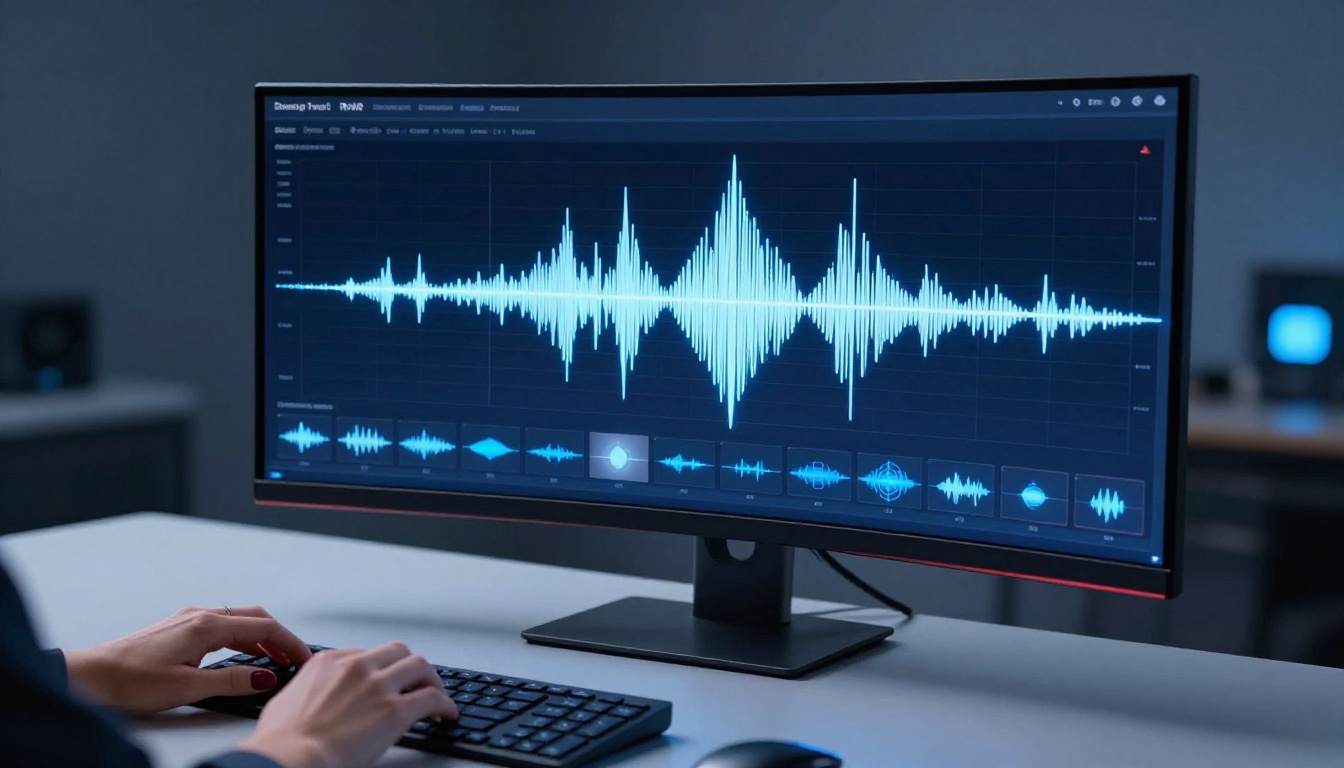
Before you can apply lipsync or audio-conditioned video generation, you need the audio itself. These text-to-speech models produce high-fidelity voices that work as dialogue tracks.
Speech-2.6-HD by MiniMax
Speech-2.6-HD is the current top-tier option for voice synthesis. It produces emotionally nuanced speech with natural pacing, breathing sounds, and tonal variation. For NSFW dialogue scenarios, this matters: a flat, robotic voice breaks immersion immediately, while Speech-2.6-HD produces output that sounds genuinely human.
Voice Cloning
Voice Cloning lets you feed a reference audio sample and replicate that voice for any text input. If you have a consistent character across multiple videos, cloning a voice ensures audio identity stays stable, the same way generating from a reference image keeps visual identity stable. This is a core tool in any serious NSFW content pipeline.
Speech-02-HD
Speech-02-HD is the established high-definition alternative, ideal for batch generation when you need to produce multiple dialogue tracks quickly. It is slightly faster than the 2.6 HD variant while maintaining strong quality for most use cases.
Adding Background Audio and Music

Dialogue is one layer of audio. Background music and ambient sound are what make a scene feel complete.
Music-01 by MiniMax generates vocal and instrumental tracks from a text prompt. Describe the mood of your NSFW scene and it produces a corresponding audio track you can layer underneath your dialogue.
Stable Audio 2.5 by Stability AI handles longer-form compositions with high audio quality. It works well for ambient background tracks that run continuously throughout a video without feeling repetitive.
💡 Tip: Mix background music at 15-20% of the dialogue volume. The goal is atmosphere, not competition with the spoken words.
How to Use Veo 3 on PicassoIA
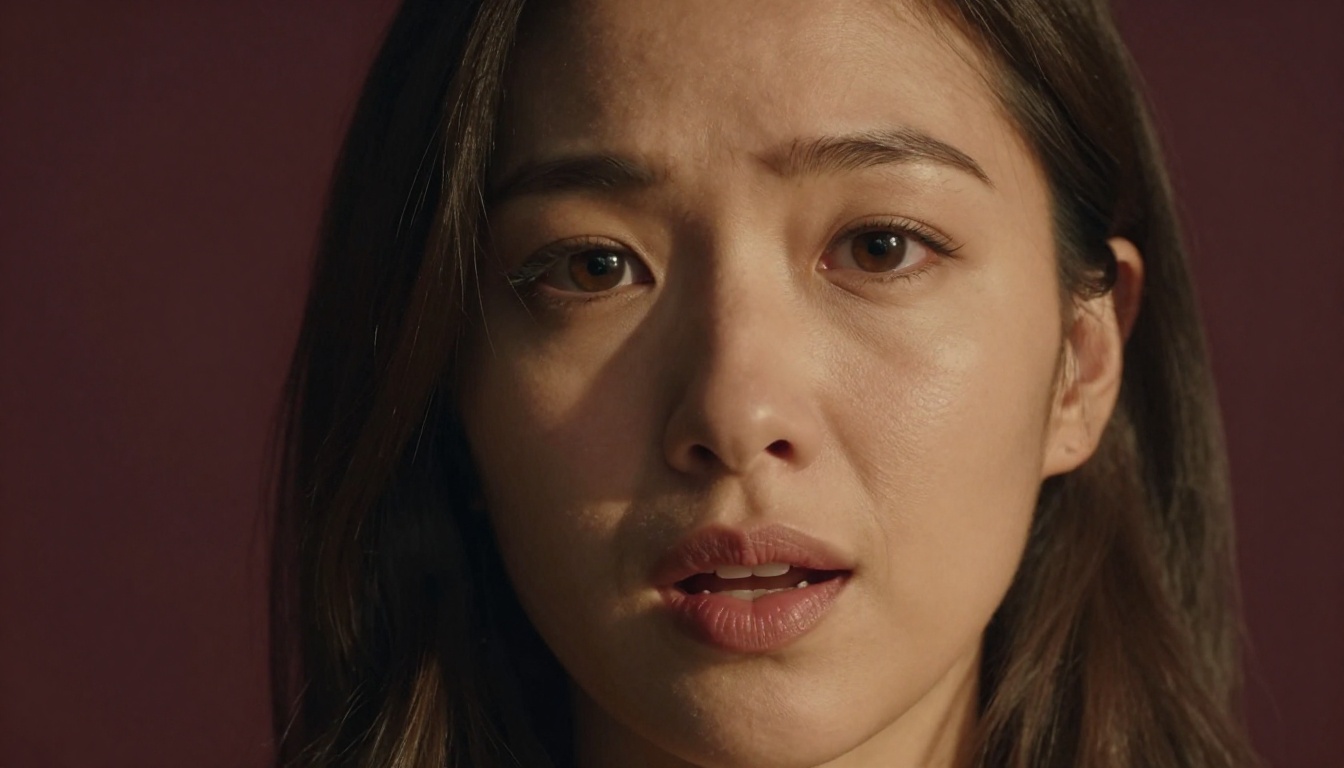
Veo 3 is available directly on PicassoIA and it is the fastest way to generate NSFW video with native audio. Here is how to use it step by step.
Step 1: Write a scene prompt with audio intent
Veo 3 responds well to prompts that describe both visual and audio elements. Instead of describing only what the character looks like, describe what they are doing, saying, and what sounds are present in the environment.
Example prompt structure:
"A woman in a silk robe sits near a window. She speaks softly, describing the scene around her. Ambient city noise from outside. Warm afternoon light. Cinematic, photorealistic."
The more specific your audio cues in the prompt, the more accurately the model generates matching sound.
Step 2: Set generation parameters
On the Veo 3 page, adjust these settings:
- Duration: 5-8 seconds per clip for dialogue scenes
- Resolution: 720p for fast iteration, 1080p for final output
- Aspect Ratio: 16:9 for standard video, 9:16 for vertical
Step 3: Review and iterate
Veo 3 generates audio natively. Listen to the output immediately after generation. If the dialogue does not match your intent, adjust the text prompt to be more specific about the spoken words or the emotional tone you want.
Step 4: Sharpen lipsync if needed
If the mouth movement is not perfectly synced, take the Veo 3 output and the audio track to Lipsync-2-Pro or React-1 for frame-accurate correction.
💡 Tip: Use Veo 3 Fast during the prompt iteration phase to reduce generation costs, then switch to full Veo 3 for your final outputs.
The Full Production Workflow
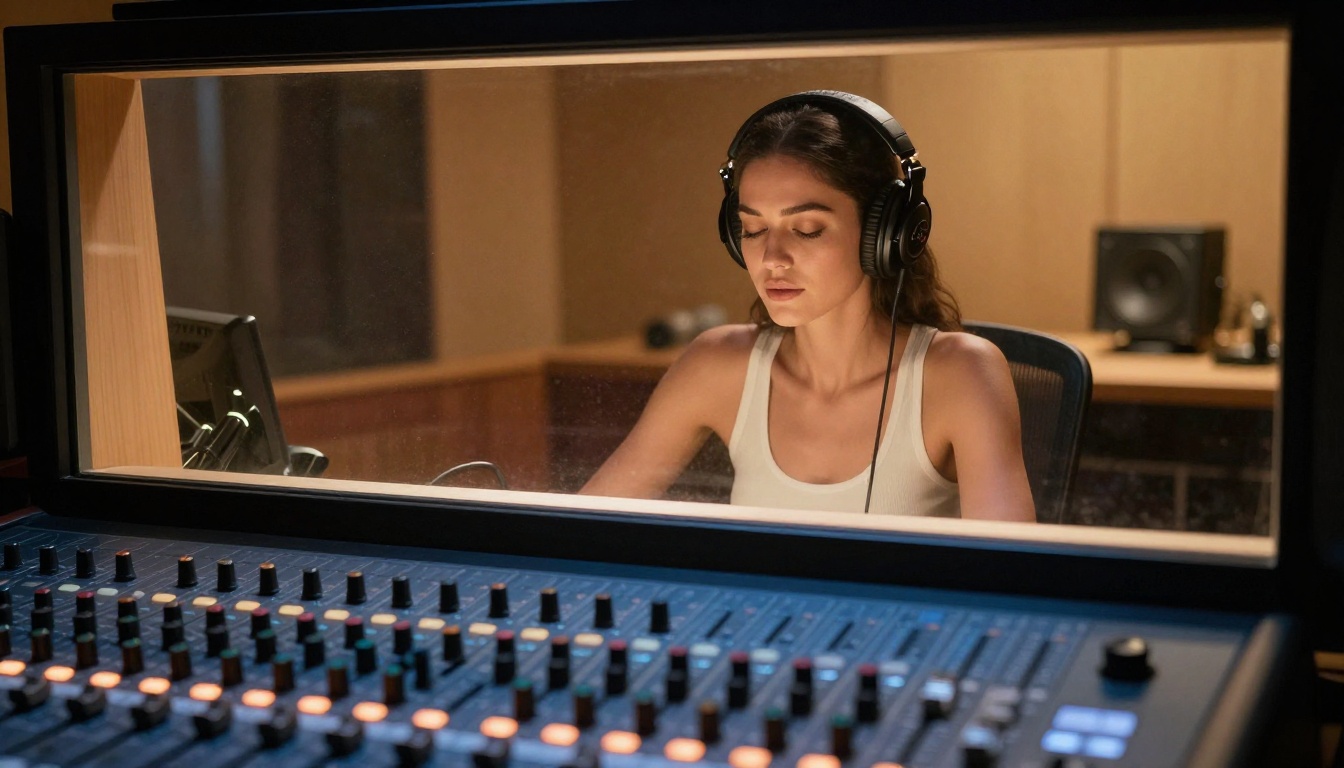
Here is how the pieces fit together for a professional-quality NSFW video with dialogue and realistic sound.
Step 1: Generate dialogue audio
Use Speech-2.6-HD or Voice Cloning to produce your character's spoken lines. Export the audio as a WAV file.
Step 2: Generate the visual video
Use LTX-2.3-Pro or P-Video with your audio file as an additional input. This gives the visual model audio context, resulting in better-aligned body language and natural motion.
Alternatively, use Veo 3 to generate visuals and audio together from a single prompt.
Step 3: Apply lipsync
Run both the video and audio through Lipsync-2-Pro for a clean final sync, or through React-1 if you want emotional expression added to the character's face.
Step 4: Layer background music
Add a background track from Music-01 under the dialogue at low volume to fill out the soundscape of the scene.
Best Models Side by Side
What Makes These Models NSFW-Ready
Not every AI video model accepts NSFW prompts. The tools listed above are available through PicassoIA, which provides access to models that work with adult-oriented content creation. The platform handles the generation pipeline without excessive restrictions on visual style or scene content, making it practical for creators working in this space.
What you get with this stack:
- Character consistency: Use reference images to maintain the same character across multiple clips
- Voice consistency: Clone a voice once and reuse it across all dialogue tracks
- Scene variety: Switch between outdoor, indoor, studio, and intimate settings without losing technical quality
- Audio realism: Natural breathing, voice inflection, and ambient sound included in outputs
The combination of Seedance 1.5 Pro and Hailuo 2.3 also deserves mention as strong motion-focused alternatives when you prioritize fluid body movement over native audio, pairing them with the lipsync and speech pipeline described above.
Common Mistakes to Avoid
- Prompting only visuals: If you want audio output, your prompt must include sound cues, spoken lines, or ambient descriptions. Models that support audio do not automatically generate it from a visual-only prompt.
- Skipping lipsync on dialogue close-ups: Imperfect mouth sync is most visible in close-up shots. Always run dialogue scenes through a lipsync model if the face is prominent in frame.
- Using a single model for everything: The strongest outputs come from combining specialized models: one for video generation, one for voice synthesis, one for lipsync. Trying to do everything in a single pass usually compromises at least one layer.
- Ignoring background audio: Dialogue alone sounds unnatural without ambient sound or music underneath. Always add a background audio layer, even if it is subtle.
Start Creating Your Own NSFW Videos
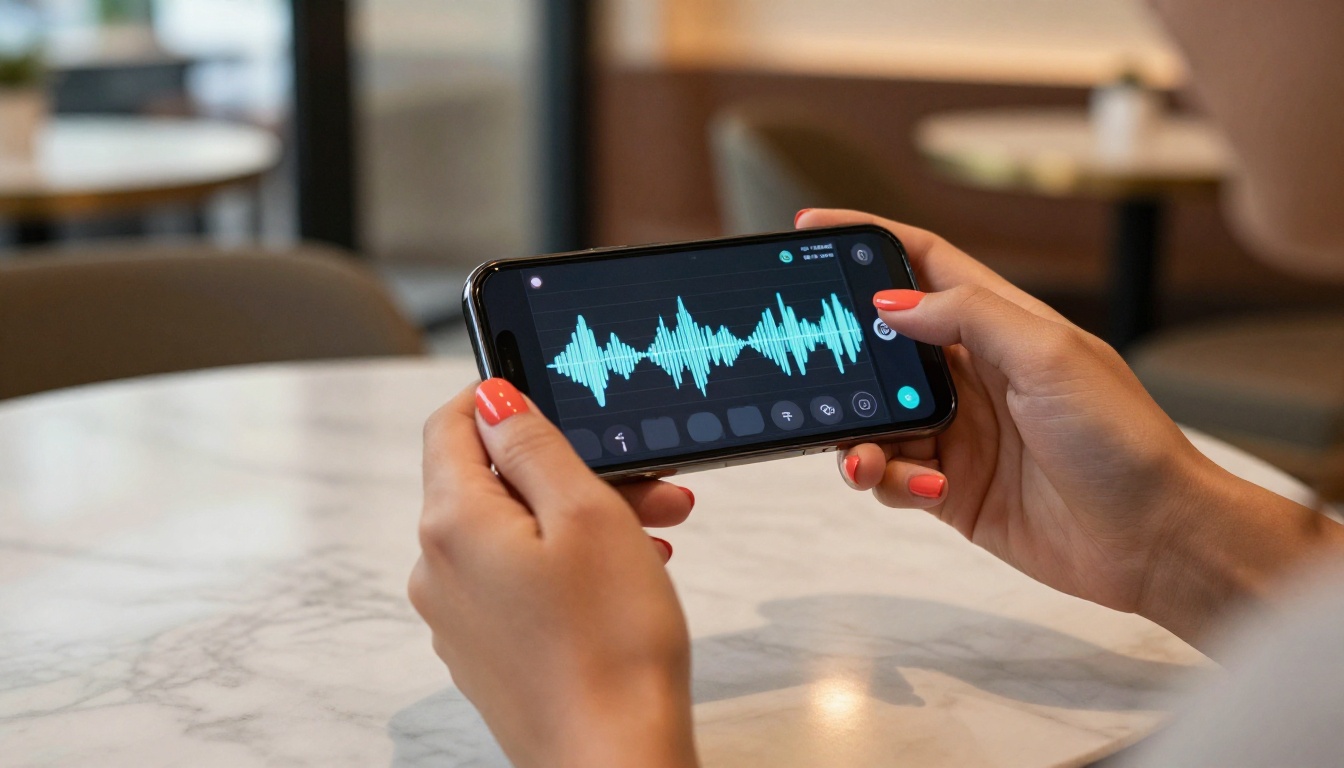
The pipeline described above is available to use right now on PicassoIA. Every model mentioned, from Veo 3 and LTX-2.3-Pro to Lipsync-2-Pro, React-1, and Speech-2.6-HD, is accessible from a single platform without juggling multiple subscriptions.
Start with a character image. Write a short dialogue script. Generate the voice with Speech-2.6-HD. Animate the video with LTX-2.3-Pro or Veo 3. Sync the lips with Lipsync-2-Pro. Layer in background music from Music-01.
That is the full workflow, and every piece is in one place. The tools are ready. The only thing left is your idea.


