If you've spent any time in AI image generation communities recently, you've probably seen screenshots showing uncensored outputs that look nothing like what standard tools produce. The buzz around Nano Banana Pro is real, and the results people are sharing are genuinely impressive. This article pulls together the best uncensored results from Nano Banana Pro so far, explains what makes them possible, and shows you the fastest way to get similar outputs on PicassoIA.
A quick framing note before we get into the results: "uncensored" here means non-explicit artistic content, the kind found in glamour photography, editorial fashion, and artistic portraiture. This is not about graphic content. The results below are suggestive, beautiful, and realistic, staying firmly within the artistic end of adult-adjacent imagery.
What Nano Banana Pro Actually Delivers
Nano Banana Pro is a text-to-image model that takes a permissive approach to creative prompts. Where most commercial generators apply layers of content filtering that block anything remotely suggestive, Nano Banana Pro interprets prompts literally. A prompt describing a woman in a bikini at the beach gets treated as exactly that: a photorealistic image of a woman in a bikini at the beach.
The model's output quality has earned it a serious following. Its photorealism is particularly strong in three areas:
- Skin texture: Pore detail, subsurface light scattering, and natural texture irregularities that most models smooth over into plastic-looking skin
- Lighting response: The model interprets lighting direction accurately, rendering shadow falloff and rim lighting the way a camera would capture it
- Fabric and material rendering: Sheer fabrics, wet textiles, and structured garments all behave physically correctly in the output
These qualities combine to produce results that pass for professional photography to most viewers, especially in medium-to-high resolution outputs.
The Model's Core Strengths
| Feature | Rating |
|---|
| Skin texture realism | ⭐⭐⭐⭐⭐ |
| Lighting accuracy | ⭐⭐⭐⭐⭐ |
| Prompt adherence | ⭐⭐⭐⭐ |
| Output consistency | ⭐⭐⭐⭐ |
| NSFW tolerance | ⭐⭐⭐⭐⭐ |
| Generation speed | ⭐⭐⭐⭐ |
| Fabric and material detail | ⭐⭐⭐⭐⭐ |
The NSFW tolerance rating reflects how reliably the model produces suggestive outputs without refusing or heavily modifying the prompt. Nano Banana Pro scores high here, consistently producing the requested imagery across a wide range of artistic NSFW prompts.
What "Uncensored" Really Means Here
AI model censorship operates at two levels: the model itself, and the platform hosting it. A fully uncensored model can still be effectively locked down if the hosting platform adds a safety layer on top. This is why the same model produces different results across different platforms.
Nano Banana Pro operates with minimal internal content restrictions. When hosted on a platform like PicassoIA that respects those settings, the model delivers its full capability: artistic nudity, glamour portraits, bikini photography, lingerie-style editorial work, all rendered with photographic realism.
💡 What this isn't: Nano Banana Pro is not a fully explicit generator. Prompts for graphic content still fail. The "uncensored" label refers specifically to its permissive handling of suggestive-but-tasteful content that mainstream tools block without any real justification.
Real Results Worth Seeing
The community samples circulating across platforms reveal a consistent pattern: Nano Banana Pro excels at natural-light scenarios and realistic skin rendering. The most shared outputs cluster into a few recurring categories.
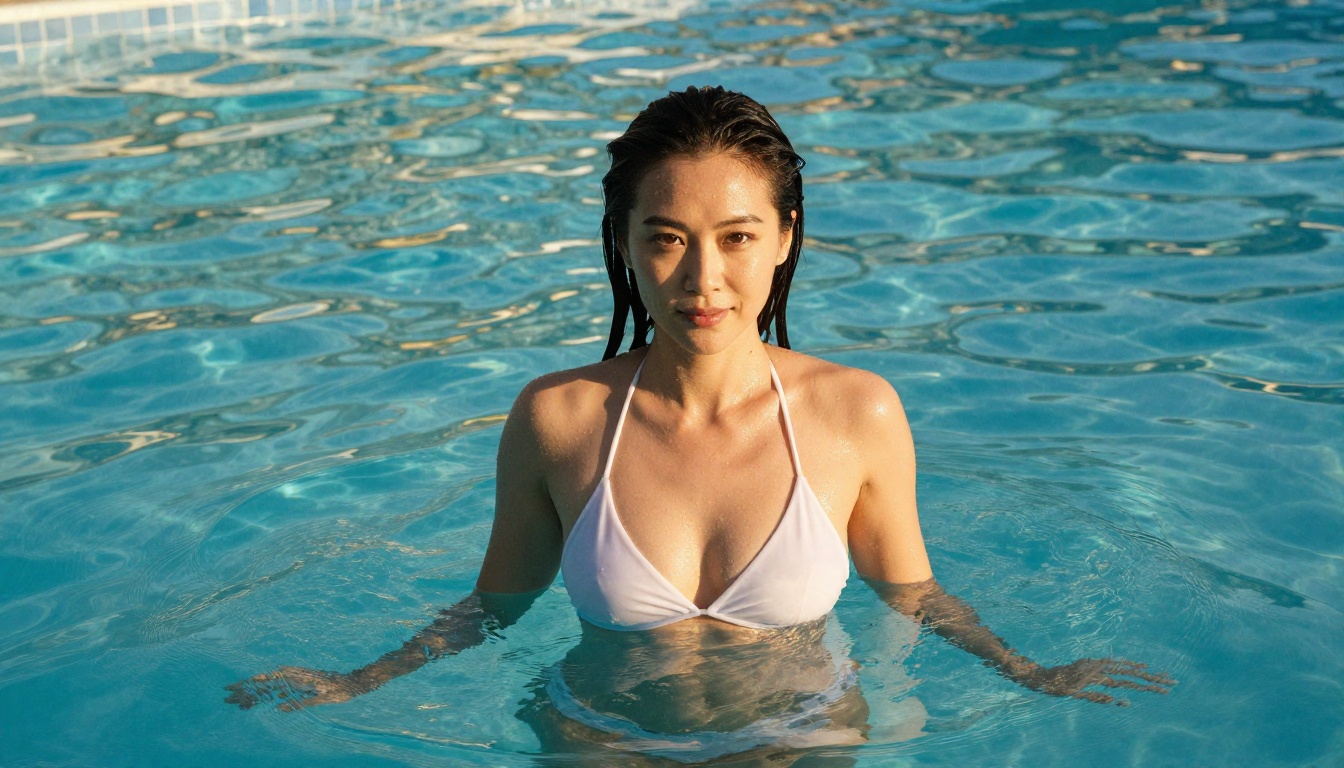
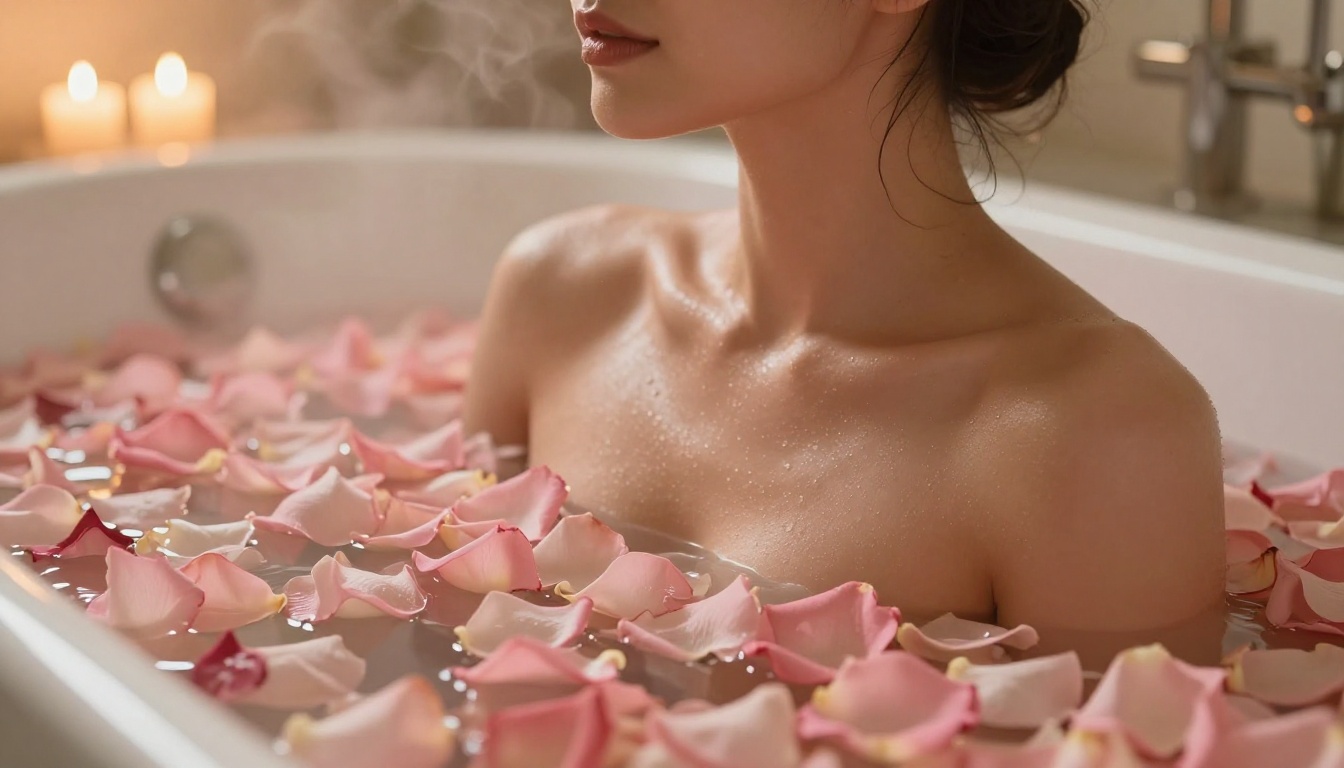
Pool and water scenes consistently get the most community attention. The model handles wet skin, water reflections, and outdoor natural lighting with impressive accuracy. The challenge for most AI models is that water introduces complex light interactions, and Nano Banana Pro navigates this better than competitors in this category.
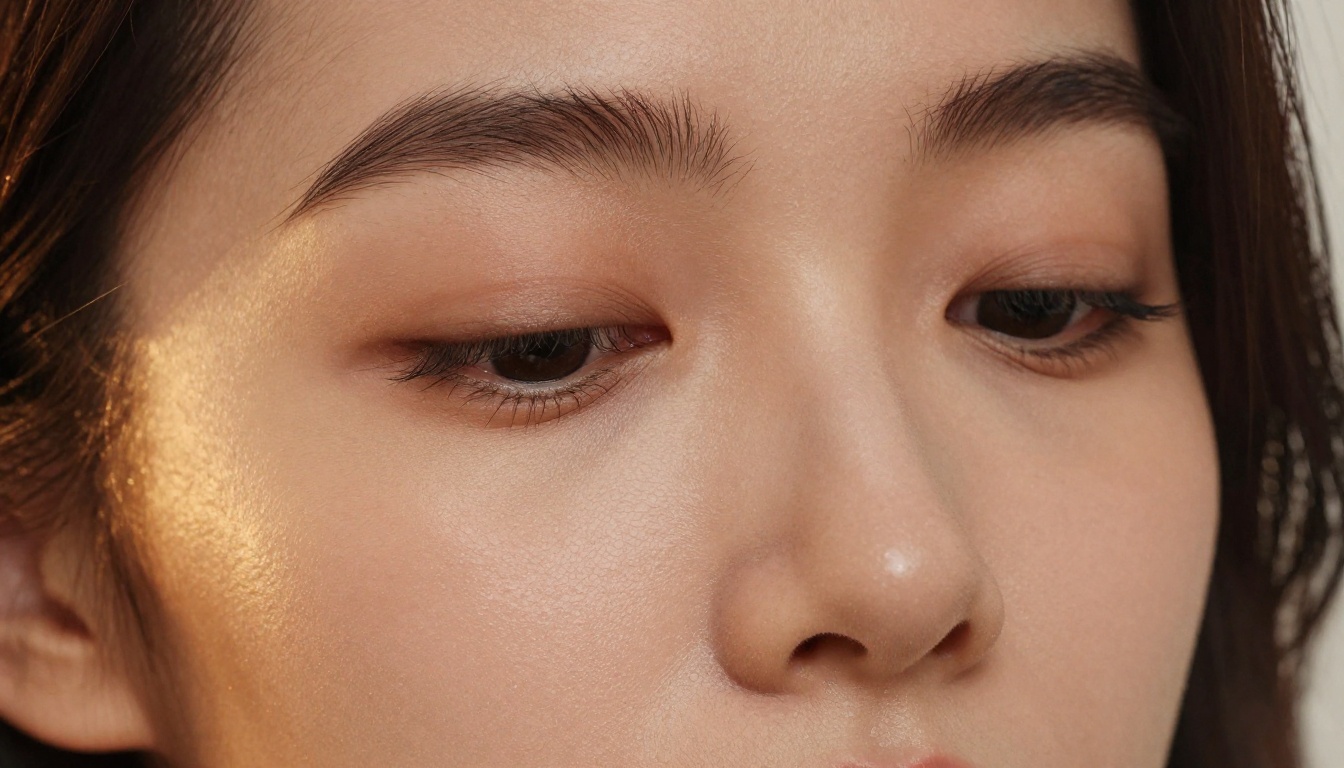
Portrait close-ups are another category where the model earns its reputation. The level of skin detail, eyelash rendering, and facial structure accuracy at close range is genuinely difficult for many models to match. The outputs look like retouched magazine photography rather than AI-generated images.
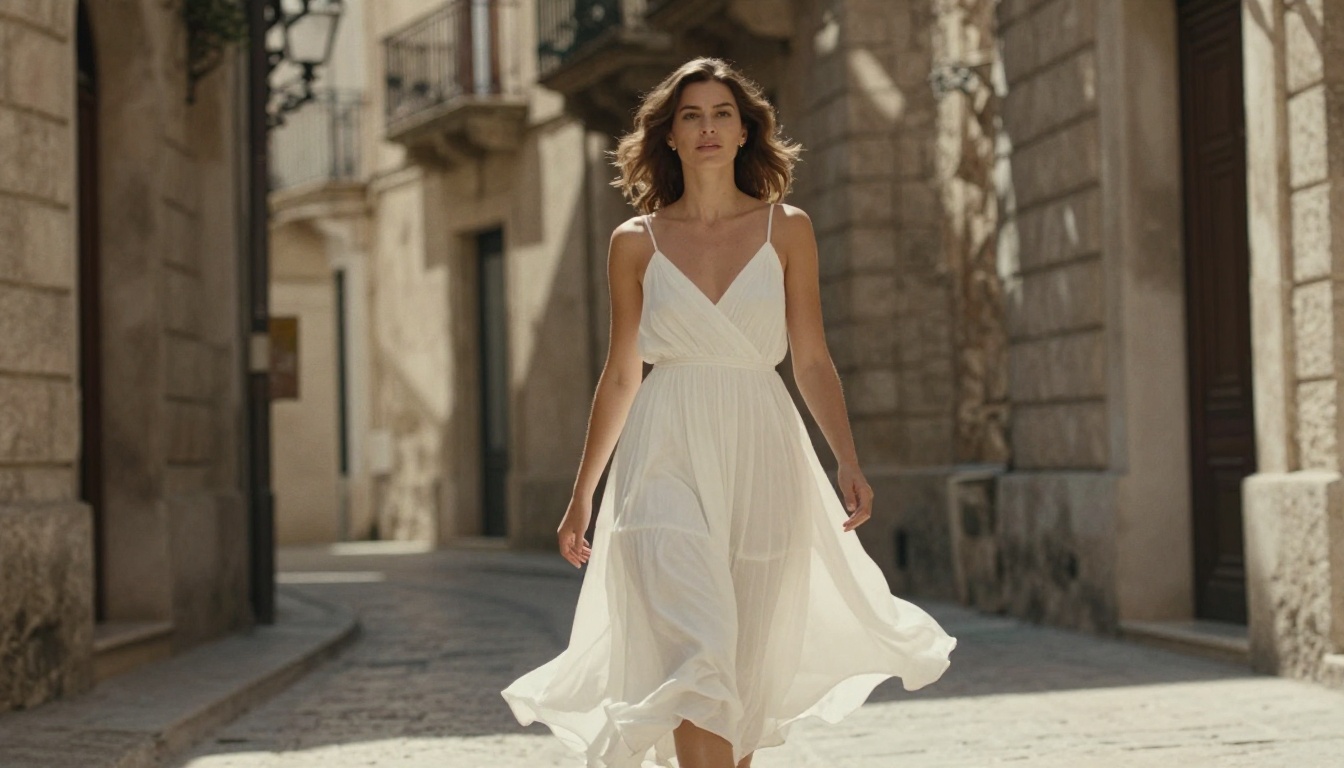
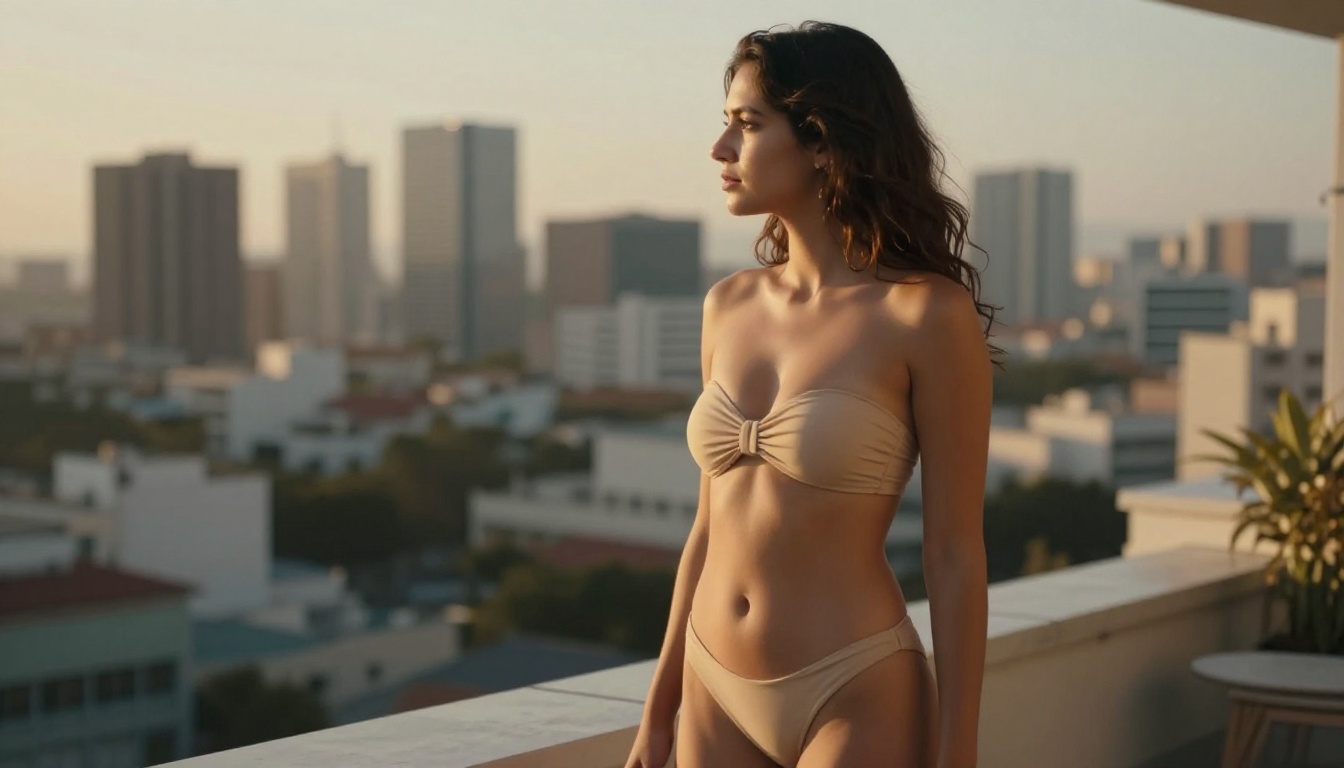
Fashion and lifestyle photography rounds out the top shared results. Outdoor scenes with architectural backgrounds, rooftop settings with city views at golden hour, and street photography-style compositions all demonstrate the model's range well beyond pure portrait work.
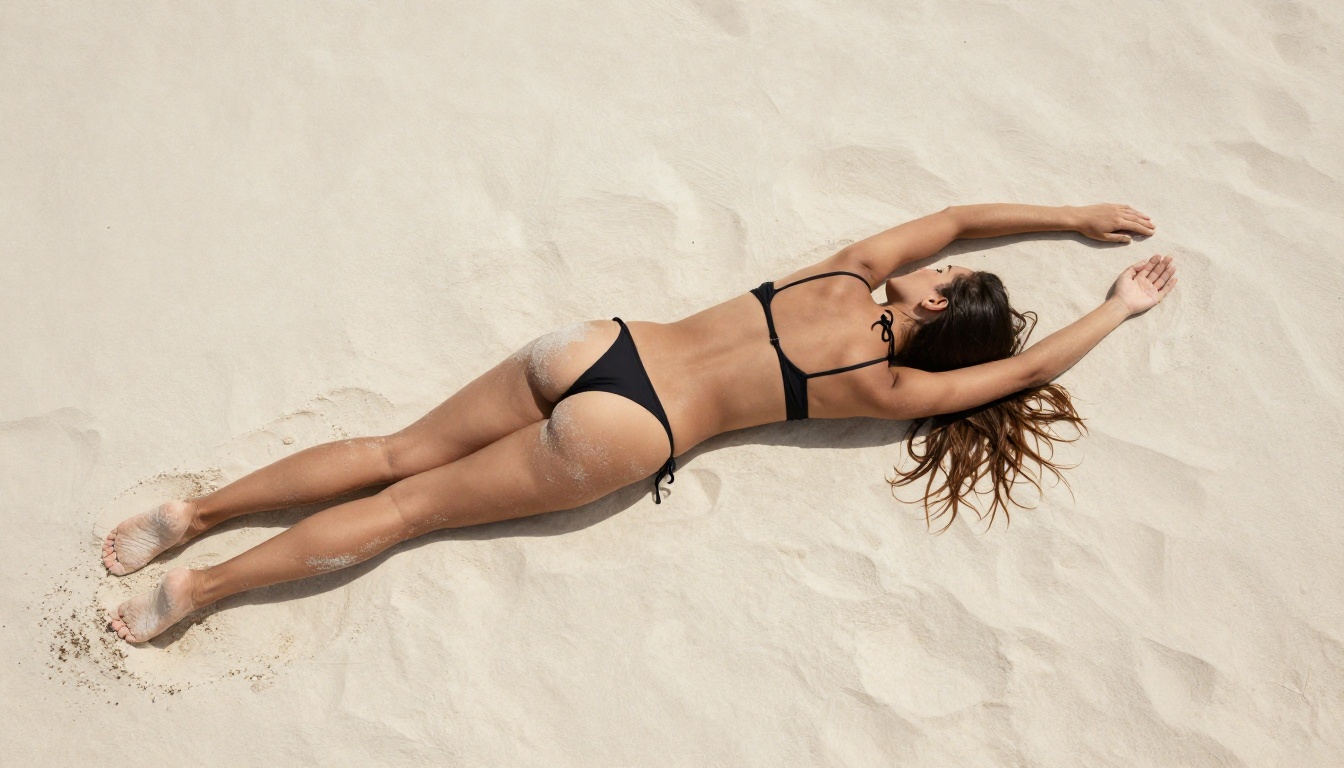
Aerial and overhead compositions appear in the best results less frequently but are worth noting. Nano Banana Pro handles perspective distortion and body proportions consistently even from unusual camera angles, which is an area where many models produce noticeably broken anatomy.
How to Use Nano Banana Pro on PicassoIA
PicassoIA hosts Nano Banana Pro alongside 90+ other text-to-image models in its collection. No setup, no local installation, no API credentials required. The model runs directly in your browser.
Step 1: Access the Model
Navigate to the Nano Banana Pro model page on PicassoIA. The interface presents a prompt input field alongside basic generation settings. You are generating within seconds of landing on the page.
Step 2: Write Prompts That Work
The most common reason users get mediocre results from Nano Banana Pro is underspecified prompts. This model responds to photographic specificity in a way that most people don't initially expect.
Weak prompt: "beautiful woman at the beach"
Strong prompt: "photorealistic close-up portrait of a woman in a white bandeau bikini standing waist-deep in turquoise ocean, late afternoon golden light, wet hair pushed back from face, water droplets on bare shoulders, slight smile, 35mm lens, shallow depth of field, editorial photography, Kodak Portra 400 film grain, 8K RAW"
The strong prompt specifies:
- Subject and outfit (bandeau bikini, waist-deep in water)
- Environment (turquoise ocean, late afternoon)
- Specific lighting (golden light with implied direction)
- Physical details (wet hair, water droplets, expression)
- Technical camera specs (35mm lens, depth of field)
- Style anchors (editorial, Kodak Portra 400)
These specifics don't just improve quality. They guide the model's creative interpretation toward exactly what you're visualizing, dramatically reducing the gap between intent and output.
💡 Prompt ending that works: Closing prompts with --ar 16:9 --style raw reliably pushes outputs toward photorealistic rendering over artistic stylization.
Step 3: Dial In the Settings
The PicassoIA generation interface exposes several parameters that significantly affect output quality:
- Guidance Scale (CFG): Values between 3.5 and 5.5 produce the most natural-looking results for this model. Higher values push contrast and saturation toward artificial territory.
- Sampling Steps: 28 to 35 steps produces balanced detail. Going higher than 40 rarely improves quality and noticeably slows generation time.
- Seed: Once a composition works, lock the seed to refine prompts without regenerating the whole layout from scratch.
- Negative Prompt:
"cartoon, 3D render, illustration, digital art, painting, neon, oversaturated, unrealistic skin, plastic skin, mannequin, airbrushed" is a reliable starting negative for this model.
The Best Model for This Type of Content in 2027
Nano Banana Pro produces excellent results. For consistently top-tier uncensored outputs, though, Seedream 4.5 is currently the strongest model on PicassoIA for this use case.
ByteDance's Seedream 4.5 was built with a fundamentally different philosophy around creative content. It handles suggestive prompts as natural artistic requests rather than content policy edge cases. Its skin rendering quality, compositional accuracy, and lighting realism all sit above Nano Banana Pro in head-to-head tests. For users prioritizing consistent uncensored artistic output, starting with Seedream 4.5 is the right call.
After Seedream 4.5, PicassoIA Image Editor Pro offers something uniquely practical: unlimited generation credits for subscribers. When you are iterating through dozens of prompt variations in a single session, the per-generation cost model on other tools adds up fast. Image Editor Pro removes that friction entirely.
Nano Banana Pro vs. Seedream 4.5
| Criteria | Nano Banana Pro | Seedream 4.5 |
|---|
| Skin texture detail | Excellent | Outstanding |
| NSFW content tolerance | High | Very High |
| Prompt adherence | Good | Excellent |
| Generation speed | Fast | Fast |
| Lighting accuracy | Very Good | Outstanding |
| Community sample volume | Growing | Extensive |
| Best use case | Portraits, water scenes | All artistic NSFW work |
⚠️ Model to avoid for NSFW: Seedream 5 Lite applies aggressive content filtering that refuses most suggestive prompts. Despite sharing the Seedream family name, it is not appropriate for this type of content creation.
Other Models Worth Knowing
PicassoIA's catalog includes several other models that perform well for artistic adult content:
PicassoIA Image Editor Pro
PicassoIA Image Editor Pro is the platform's in-house model, purpose-built for PicassoIA's generation environment. The standout feature is unlimited generations for subscribers. For iterating at scale, this is the most cost-efficient option on the platform, and its portrait and lifestyle quality is strong throughout.
Flux Dev
Flux Dev from Black Forest Labs stands among the most capable open-weight models for photorealistic generation. Its prompt adherence is exceptional, and its handling of artistic nudity carries a fine-art sensibility that suits boudoir photography and editorial work particularly well.
Nano Banana 2 and 2 Lite
The Nano Banana 2 variant is faster than Pro with slightly lower peak quality, useful for rapid concept testing before committing to full-resolution generation. Nano Banana 2 Lite trades quality further for speed, making it practical for generating reference thumbnails.
Seedream 5 Pro
Seedream 5 Pro generates sharp 2K images with outstanding detail for fully clothed fashion, lifestyle, and portrait work. Its content handling for suggestive content is stricter than Seedream 4.5, but for non-NSFW photorealism it is among the strongest options in the catalog.
Tips That Actually Work
These come directly from the users producing the best Nano Banana Pro results across communities:
1. Specify lighting like a photographer
"Warm afternoon light" produces a different result from "volumetric morning light from the left window." The more precise your lighting description, the more accurate the shadow and highlight behavior in the output. Include direction (left, right, overhead, backlit) every time.
2. Name your focal length
Including lens specifics changes composition naturally. "85mm portrait" produces a flattering compressed perspective with background blur. "35mm environmental" gives a wider frame with the subject set in context. "135mm telephoto" renders fine skin texture with the resolution you would expect from a dedicated portrait lens.
3. Use film stock references
Adding "Kodak Portra 400" or "Fujifilm Superia 400" to prompts pushes color grading toward warm, naturalistic tones that read as photographic rather than digitally processed. This single addition consistently improves the perceived realism of outputs across this model.
4. Lock seeds for iteration
Once you find a composition that works, save the seed and modify only the prompt. This lets you refine specific details (lighting direction, fabric texture, expression, background elements) without regenerating the entire base composition from scratch. Efficient iteration produces better results faster than starting completely fresh each time.
5. Batch test prompt variations
Run three or four prompt variations with the same seed before committing to a final generation. Small phrasing differences, changing "warm afternoon" to "late golden hour," can meaningfully shift the output color and mood without requiring you to run full generation cycles for each idea independently.
6. Add texture references to clothing
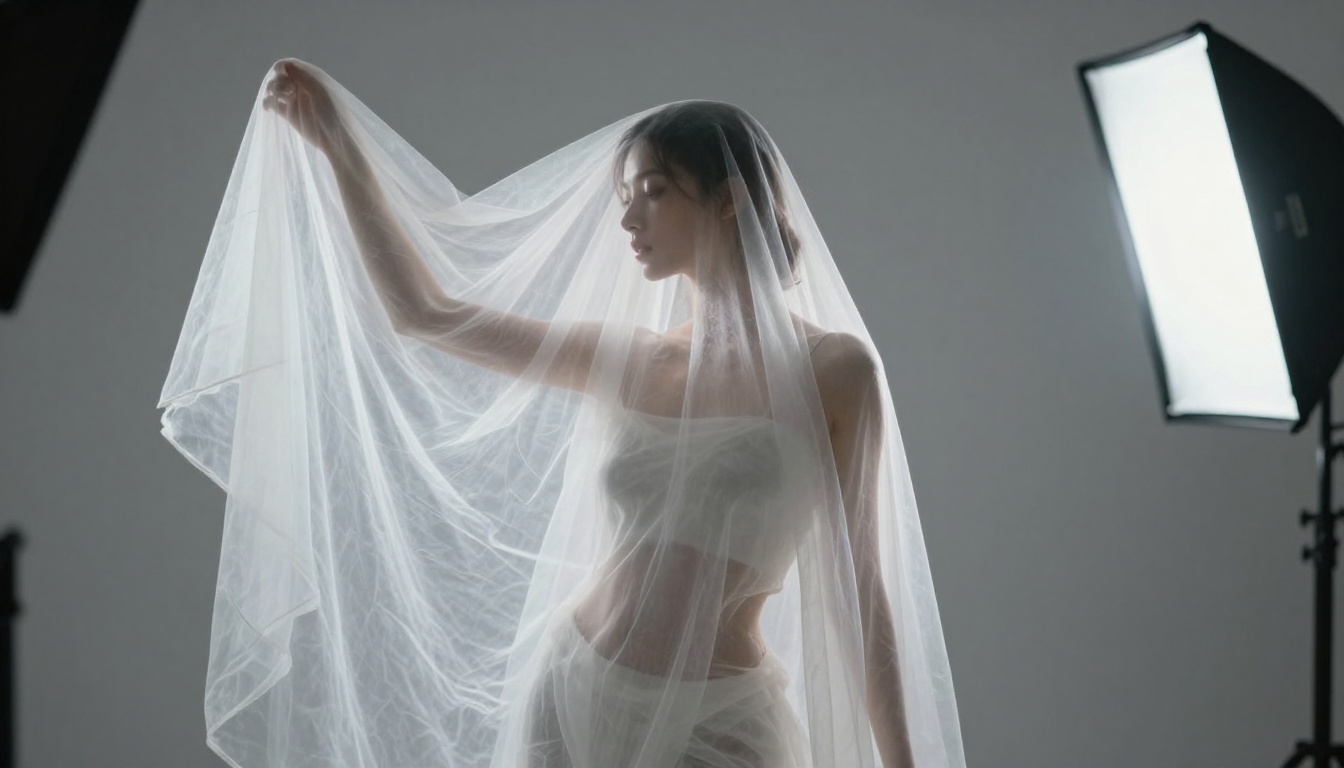
Prompts that specify fabric behavior produce more realistic garment rendering: "thin white cotton fabric clinging to wet skin," "sheer chiffon translucent against backlight," "matte satin bikini." Most users leave clothing descriptors vague, which is where realism breaks down.
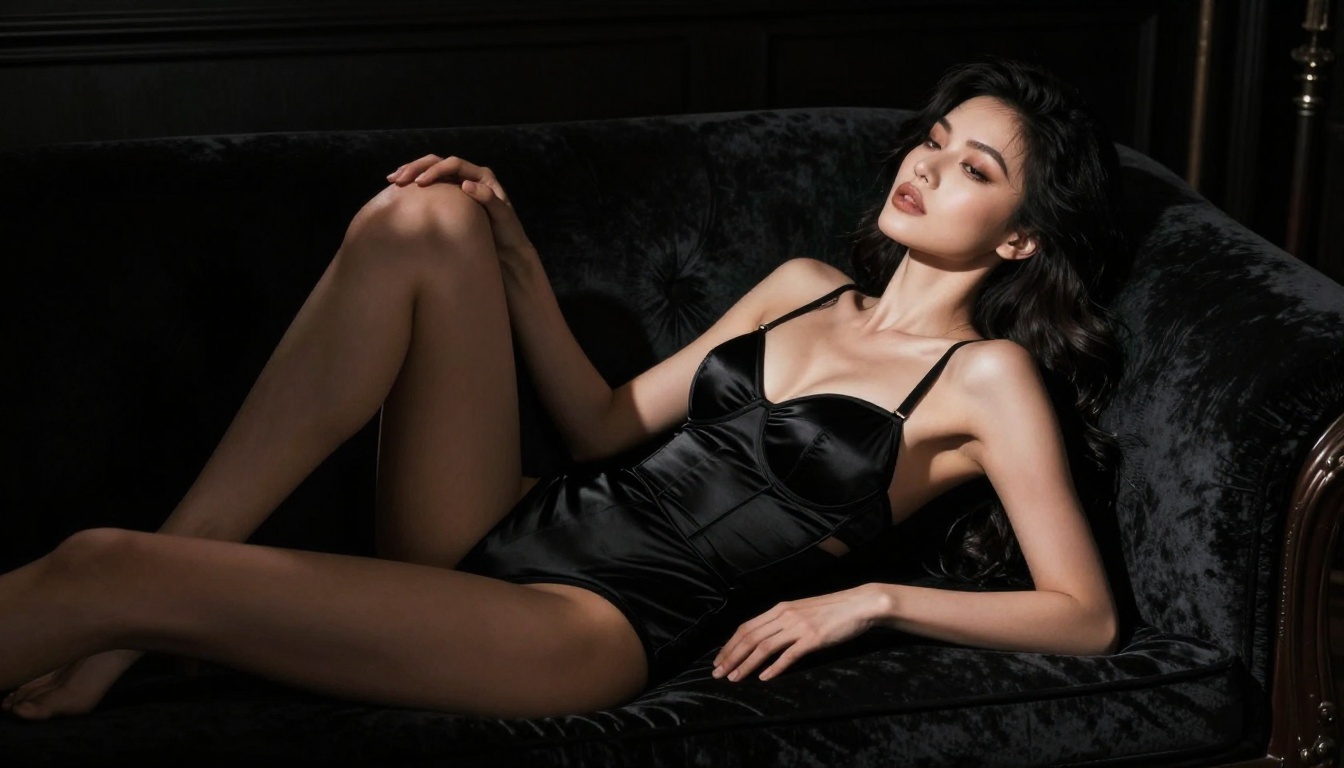
Full Model Comparison
Why PicassoIA for This Type of Work
Not every hosting platform delivers a model's full capability. Many add safety layers on top of already-permissive models, effectively re-censoring them after they've been loaded. The model name on the platform becomes meaningless if the platform restricts output at the hosting layer.
PicassoIA operates differently. The platform lets models run at their intended capability without additional filtering stacked on top. This is why Seedream 4.5 and Nano Banana Pro on PicassoIA produce results that other implementations of the same models often don't match.
The platform's catalog spans 400+ models across image generation, video, audio, and editing tools. If you want to see everything available across all categories, picassoia.com/en/all-models lists the full range.
Start Generating Your Own Results
The best Nano Banana Pro results you've seen in this article came from applying real photography logic to AI prompts. Lighting direction, focal length, film stock references, and compositional specificity all translate directly into output quality.
Start with Nano Banana Pro for your first run, then compare the same prompt against Seedream 4.5. That single side-by-side comparison will tell you more about which model suits your style than any written explanation.
For sustained high-volume generation, PicassoIA Image Editor Pro offers unlimited generations that remove the per-output cost friction entirely. And for the full catalog of models available across every category, picassoia.com/en/all-models is where to start.
The results are out there. Your prompts will determine whether yours match them.