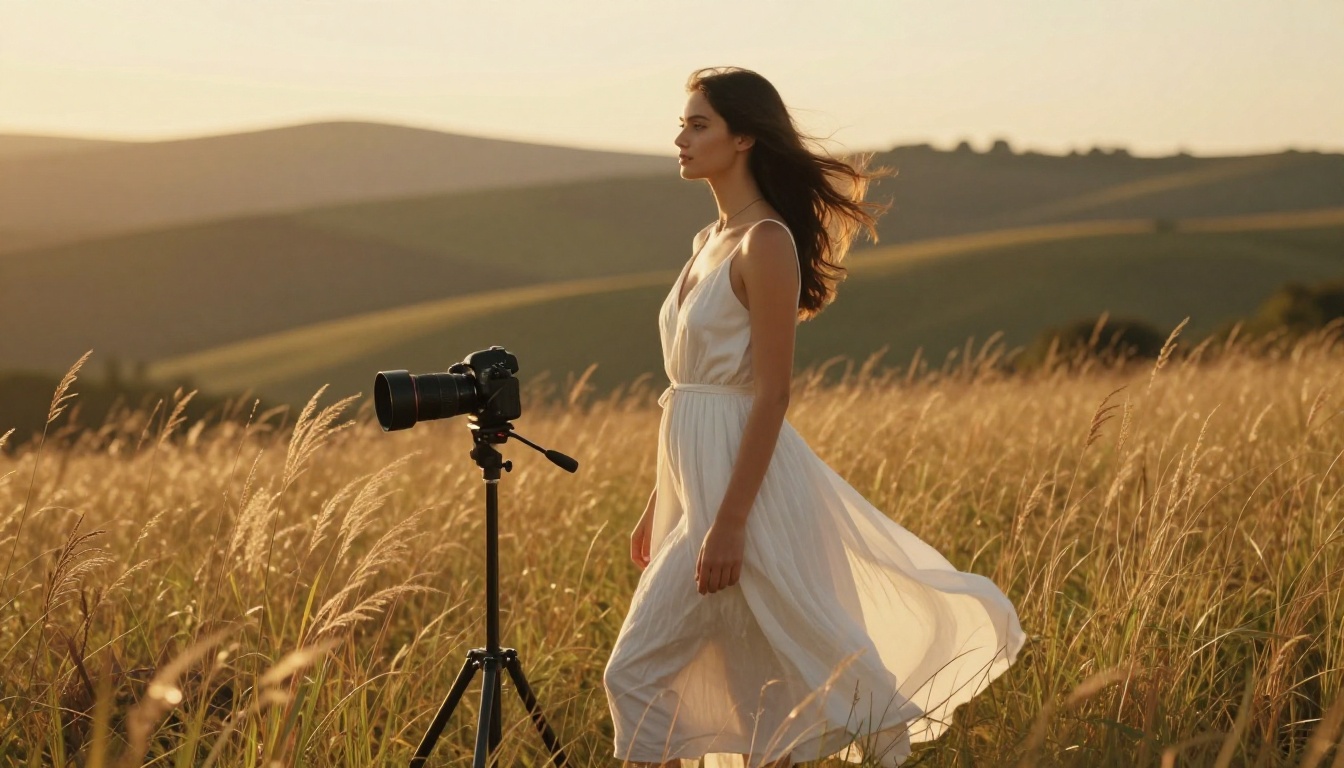
The question has been circling photography forums, industry panels, and client conversations for the past two years. In 2027, it has become impossible to avoid: can AI actually replace professional photographers? Not in some abstract technological horizon, but right now, this year, on real paying jobs. The answer is more layered than either side of the debate wants to admit, and it depends almost entirely on what kind of photography you are talking about.
The Numbers Are Hard to Ignore
The global stock photography market lost a significant portion of its microstock volume to AI-generated images between 2023 and 2025. Adobe Stock, Getty Images, and Shutterstock now all accept and host AI-generated content. Text-to-image tools are producing images that pass for professional photography at a casual glance. That is not speculation or a distant prediction; it is the current state of the industry.
But "passing for" and "replacing" are two very different things, and confusing them is how bad takes get made.
💡 The real question is not whether AI images look good. It is whether they can do everything a photographer actually does on a job.
Text-to-Image Quality in 2027
The step-change in output quality over the past 18 months has been dramatic. Tools like GPT Image 2 and Seedream 4.5 are generating images with photorealistic skin texture, accurate light behavior, and compositional intelligence that would have seemed impossible in 2022. A well-constructed prompt now produces a technically flawless portrait in under 30 seconds.
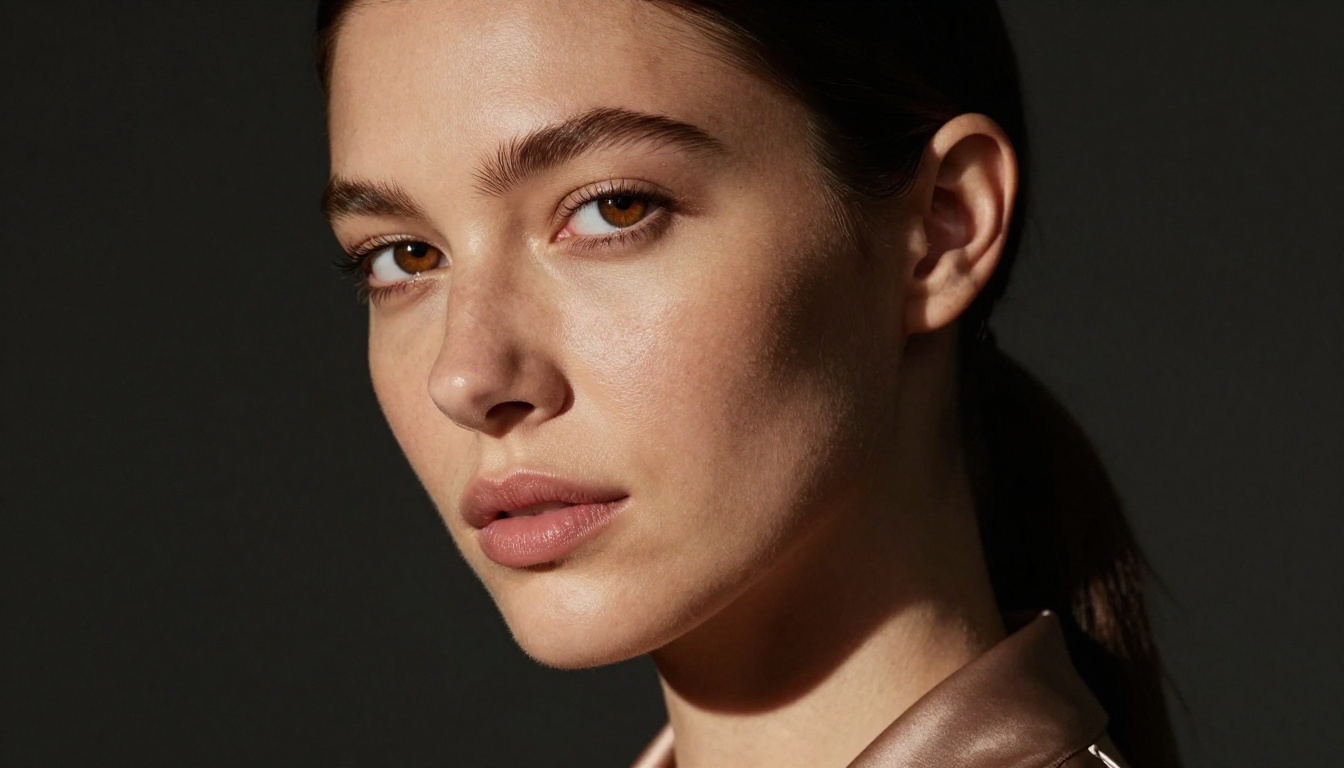
Hunyuan Image 2.1 and Wan 2.7 Image Pro push output resolution to 4K with cinematic-level detail and tonal accuracy. In controlled conditions, producing a clean product image or a generic portrait, AI output in 2027 is commercially viable.
| Capability | Professional Photographer | AI Image Generator |
|---|
| Technical output quality | Excellent | Excellent (in 2025) |
| Speed of delivery | Hours to days | Seconds |
| Authentic human moments | Yes | No |
| Real-world adaptability | Yes | Limited |
| Client relationship and direction | Yes | No |
| Legal and licensing clarity | Clear | Complex |
| Cost per image | High | Very low |
| Emotional authenticity | High | Zero |
The table makes the tradeoffs visible. AI wins on speed and cost. Photographers win on everything that requires being present in the world.
AI for Stock Photography
This is the category where displacement has been most direct and most measurable. Generic illustrative stock: a business professional at a laptop, a family at a dinner table, a woman smiling at her phone. These images are essentially prompts that anyone can now type. The economic logic of licensing a generic image for $5 breaks down completely when an equivalent can be generated for fractions of a cent.
Photographers who built microstock portfolios over years are experiencing this in real revenue terms. The images have not disappeared from catalogs; they have simply been undercut in volume and margin by AI tools that operate at a different scale entirely.
Automated Editing and Post-Production
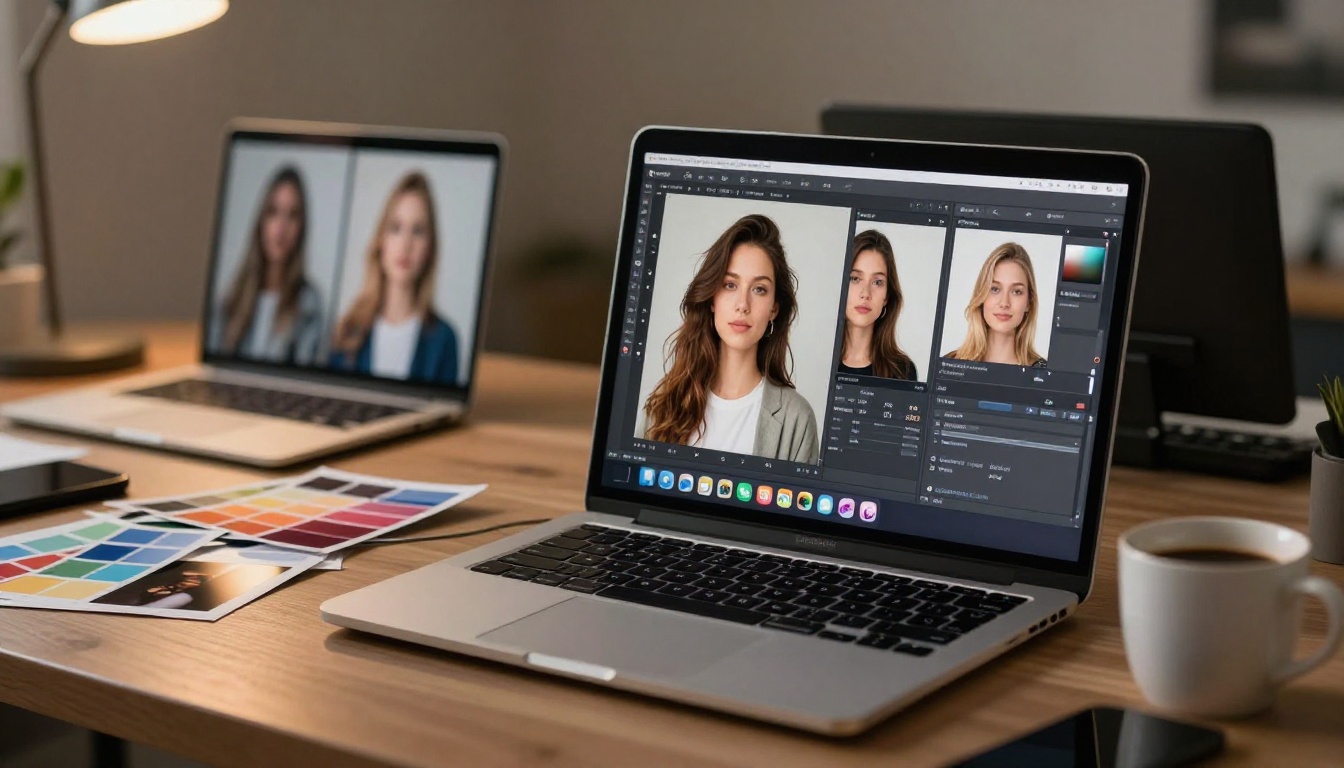
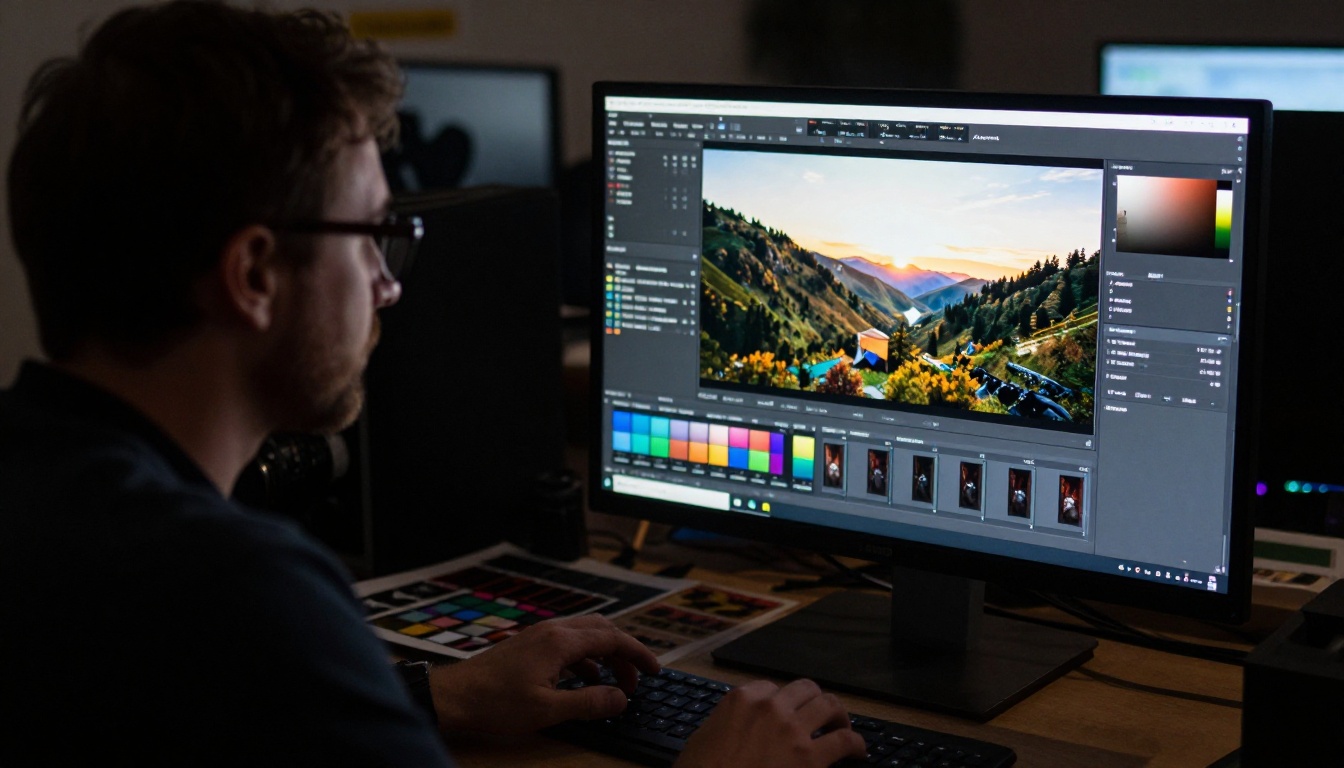
Beyond image generation, AI-powered editing has moved into territory that used to require skilled specialists and significant time. P Image Edit LoRA handles targeted, text-directed photo editing with impressive precision. Dust and Scratch v2 from Topaz Labs restores damaged and aged photographs that would previously require hours of manual retouching. Image Colorization brings black-and-white archives to life automatically.
For working photographers, the editing tools are largely a benefit: work that consumed hours now takes minutes. For businesses whose primary offering was retouching and post-production, the competitive pressure is real and growing.
What AI Still Cannot Do
This is where the conversation tends to get honest, and where the overblown claims about photography being "over" run into physical reality.
Reading a Room
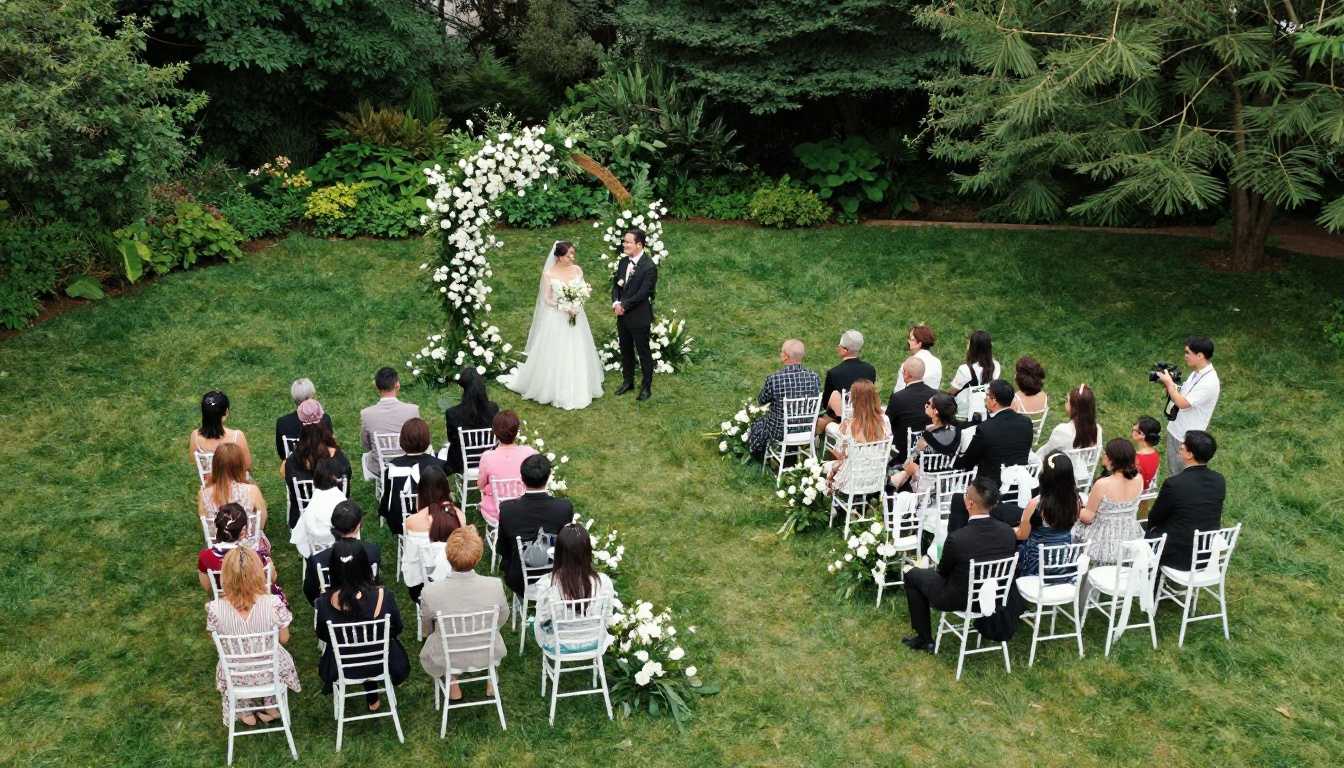
A working wedding photographer does not simply press a shutter button. They read body language across a crowded reception hall. They anticipate where an emotional peak is building twenty seconds before it arrives. They position themselves in the one corner of a room where the light and the moment will align, based on experience built over thousands of hours. They manage nervous clients, handle equipment failures mid-shoot, adapt when the schedule disintegrates, and deliver under pressure in environments that are never perfectly controlled.
No text prompt replicates any of that. AI generates a plausible image of a wedding. It does not document your wedding.
The Human Moment
Photojournalism, documentary work, street photography: the images that define these disciplines are fundamentally unrepeatable. They happened once, in a specific place, with specific people, under specific conditions, and a human being with a camera was present to record them. An AI image generator produces sophisticated fiction. It does not produce a record.
💡 AI can approximate the visual look of a photograph. It cannot approximate the fact that something happened.
The difference sounds philosophical until you consider what it means in practice. An AI-generated image of a protest has zero journalistic value. An AI-generated family portrait cannot capture the actual expression on your child's face on their fifth birthday. The evidentiary and emotional weight of a real photograph is irreplaceable.
Directing a Subject
A skilled portrait photographer directs their subject. They build trust across a shoot, draw out an expression that the subject did not know they were capable of making, manage awkwardness and self-consciousness, and create a collaborative dynamic that results in an image the client feels genuinely represents them. That process is relational. It is entirely human. It produces results that a technically perfect AI output simply cannot match, because the client's own authentic presence is not in the equation.
Where AI Is Already Winning
Accurate assessment of the situation means being direct about where the shift has already happened.
Commercial Product Photography
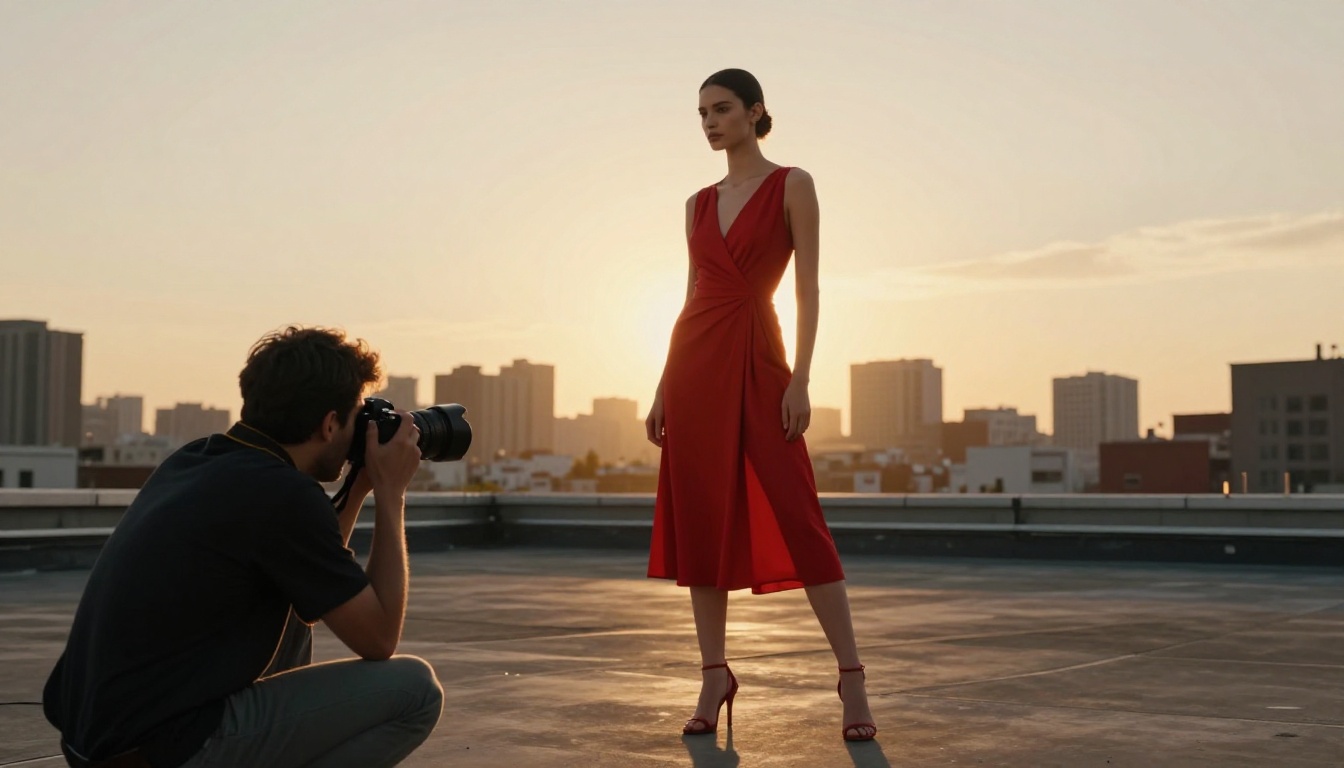
For standard product images, packaged goods on white backgrounds, basic e-commerce catalog shots, AI generation and AI-assisted editing are already commercially competitive. Flux 2 Klein 9B Base LoRA and Flux 2 Klein 4B Base LoRA produce highly controllable outputs well-suited to product mockups and commercial catalog imagery. Brands with high-volume e-commerce needs are already using AI to handle lower-tier SKUs while reserving photographer budgets for hero products and campaign imagery.
Social Media at Scale
A brand that needs 300 unique images per month for social content has a production logistics problem that traditional photography cannot economically solve. AI generation is solving it. The creative director and brand strategist still matter enormously; the individual photoshoot often does not.
Photo Restoration Access
P Image Upscale recovers sharpness and detail from degraded images in seconds. Combined with Dust and Scratch v2, old family photographs and archive images are being brought back to quality levels that were previously achievable only by specialist studios charging significant fees. This is one of the genuinely democratizing benefits of current AI tools: it opens access to restoration services that were previously available only to those with substantial budgets.
The Jobs Most at Risk
Not all photography categories face the same level of exposure. Some are genuinely vulnerable in 2027.
Stock and Microstock
As covered: the generic, illustrative, easily-described category is already commoditized. If your images could be generated from a straightforward text description and the average viewer would not notice the difference, that category is under sustained economic pressure.
Real Estate Photography
Wide-angle interiors, HDR exterior shots, virtual staging: a substantial portion of standard real estate photography can now be matched or supplemented by AI tools. Virtual staging alone, which required specialized software and trained operators, is now accessible to any agent with a subscription. The market for standard real estate photography will contract.
Volume Headshot Studios
Corporate headshots against neutral backgrounds, volume headshot events for large organizations, anything shot to a predictable template with standardized lighting: the post-production component of this work is being significantly compressed by AI tools. The original capture still requires a human, but the total time-and-skill investment is falling, and with it, the per-image rate.
Where Photographers Are Safe
The areas where human photographers remain irreplaceable are not marginal. They represent the highest-value, most emotionally significant photography work that exists.
Weddings and Events
No couple is going to accept AI-generated images at their wedding. The photographs from that day are irreplaceable records of something that actually happened, involving the real faces of real people they love. The demand for skilled wedding photographers is not declining. If anything, clients are more discerning because they have seen polished AI imagery and know the difference between that and a photograph that captures their specific, unrepeatable moment.
Editorial and Photojournalism
News photography, documentary work, and magazine editorial require a human presence in the world. The photograph has to be real. An AI-generated image of a political event, a natural disaster, or a cultural moment has zero editorial value precisely because it did not happen. The authenticity of the image is the entire point.
High-End Fashion and Advertising
At the top of the commercial market, fashion and advertising photography is a deeply collaborative, directorial discipline. The photographer brings vision, taste, relationships with talent and crew, and the creative dialogue with a client that turns a brief into something neither party could have visualized from a prompt alone. That collaborative output is part of what the client is purchasing.
How Smart Photographers Are Using AI
The photographers who are thriving in this environment are not ignoring AI tools. They are integrating them.
AI as a Production Speed Tool
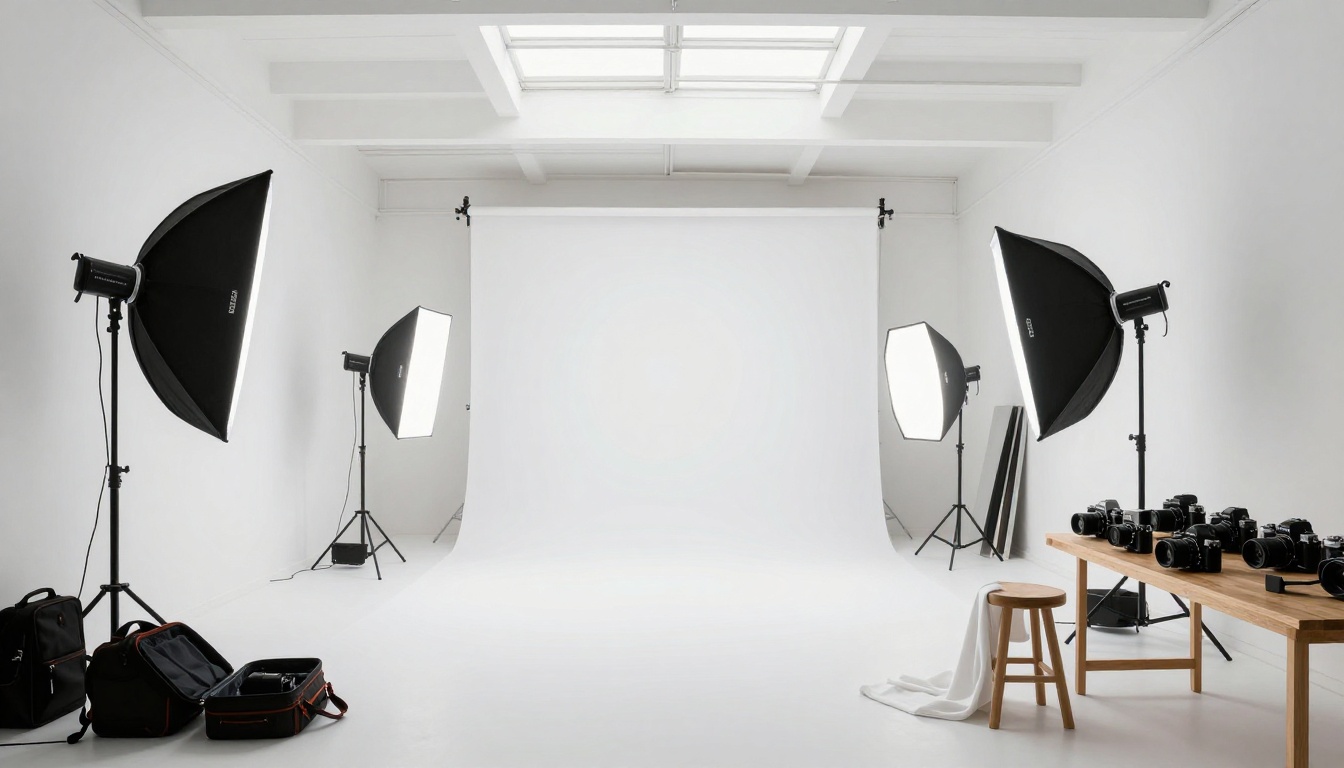
Post-production that used to require a full day now takes an hour. AI-assisted culling tools identify selects automatically from a shoot of hundreds of frames. Editing workflows trained on a photographer's specific style apply consistent color treatment across an entire job in minutes. Sharpening and noise reduction tools recover images from technically difficult conditions that would previously have ended up in the trash.
Photographers who adopt these tools are delivering faster, at more consistent quality, at lower per-image post-production costs. The ones who resist them are competing with a structural disadvantage.
AI for Pre-Visualization
AI generation is increasingly being used for pre-production: showing clients a rough visual direction before booking locations, models, or equipment. It is being used for composite elements in creative work: replacing skies, generating backgrounds for isolated subjects, creating environmental contexts for product images shot in studio. It extends what a single photographer can offer without requiring a full production crew.
Expanding What's Possible
Photographers are using tools like GPT Image 2 to concept-test ideas, generate reference images for client presentations, and push their creative range into visual territory that would be logistically impractical to shoot. The tool becomes an extension of the creative process, not a replacement for it.
💡 The most durable skill a photographer can build right now is knowing precisely what only a human can do, and doing that at a level no AI can approach.
The Real Answer in 2027
AI has replaced some photography work. It has not replaced photographers.
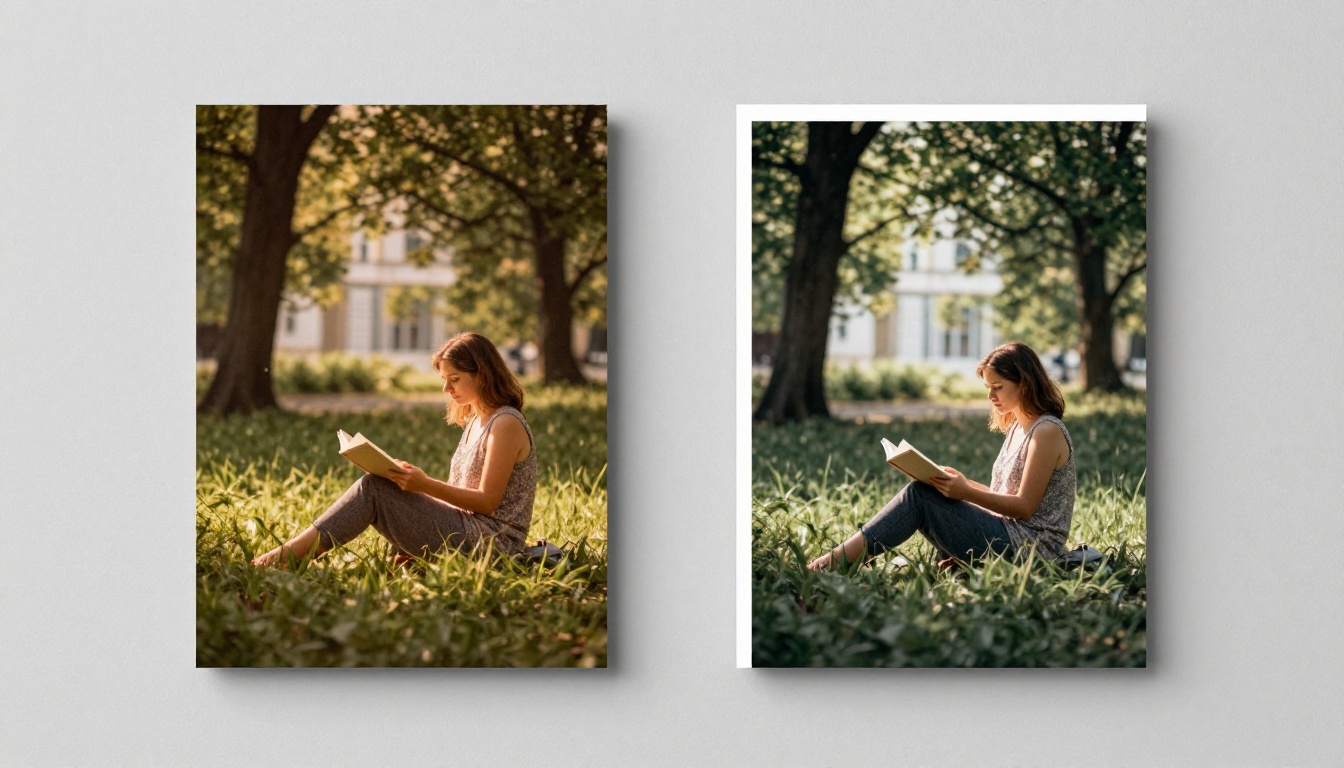
The categories that have been disrupted, generic stock, simple product work, volume retouching, were already low-margin commodities operating on thin creative differentiation. The categories that remain irreplaceable, events, editorial, high-end commercial, require human presence, judgment, adaptability, and the ability to build a real relationship with a real subject in real time.
What has changed is the baseline. The minimum visual quality clients expect is higher because they have seen what AI can produce. That raises the bar for what a photographer needs to bring: not just technical competence, but the specific human value that makes hiring a person worthwhile over generating an image from a prompt.
The question was never whether AI can produce a technically strong photograph in controlled conditions. It can. The question is whether a technically strong photograph is what you actually need. For the images that matter, for the moments that happen once and will not come back, the answer is still a person with a camera.
Whether you are a photographer looking to add AI tools to your workflow or simply curious about the current state of text-to-image technology, you can test the most capable models available right now. GPT Image 2, Seedream 4.5, Wan 2.7 Image Pro, and Hunyuan Image 2.1 are all available in one place. Generate photorealistic portraits, product images, and atmospheric scenes. Restore and sharpen old photographs with Dust and Scratch v2 and P Image Upscale. Try it yourself, form your own opinion about where the line falls between AI output and what a skilled photographer brings to a shoot.


