When you're faced with a writing task—whether it's technical documentation, creative prose, marketing copy, or academic research—the choice of AI assistant can make or break your workflow. Two of Anthropic's most capable models, Claude 4.5 Sonnet and Claude Opus, present fundamentally different approaches to writing assistance. One prioritizes efficiency and precision, while the other leans toward depth and creativity. The question isn't which is "better" in absolute terms, but which serves your specific writing needs more effectively.

Extreme close-up of mechanical keyboard typing—Sonnet's domain of technical precision
The Core Philosophies: Efficiency vs Depth
At their foundation, these models embody different design philosophies. Sonnet 4.5 operates with systematic precision, treating writing as a structured process with clear objectives and measurable outcomes. Opus approaches writing as exploratory discovery, where the journey through ideas matters as much as the final destination.
💡 Think about your writing personality: Are you the type who outlines everything before writing the first sentence, or do you discover what you want to say through the act of writing itself?
Sonnet 4.5: The Systematic Architect
Sonnet excels at structured writing tasks where consistency, clarity, and adherence to format matter most. This includes:
- Technical documentation and API guides
- Business reports with data-driven conclusions
- Academic papers requiring formal tone
- Standard operating procedures
- Email templates and professional correspondence
Where Sonnet truly shines: When you need to maintain a consistent voice across multiple documents, follow strict formatting guidelines, or produce content that must meet specific technical standards.

Minimalist workspace design—Sonnet's clean, efficient approach to writing
Claude Opus: The Creative Explorer
Opus thrives on ambiguous, open-ended writing tasks where exploration, nuance, and creative expression take priority:
- Creative fiction and narrative storytelling
- Persuasive essays and opinion pieces
- Marketing copy that needs emotional resonance
- Philosophical or reflective writing
- Poetry and lyrical compositions
Where Opus demonstrates superiority: When the writing requires emotional depth, nuanced argumentation, stylistic flourish, or the ability to explore multiple perspectives before landing on a conclusion.
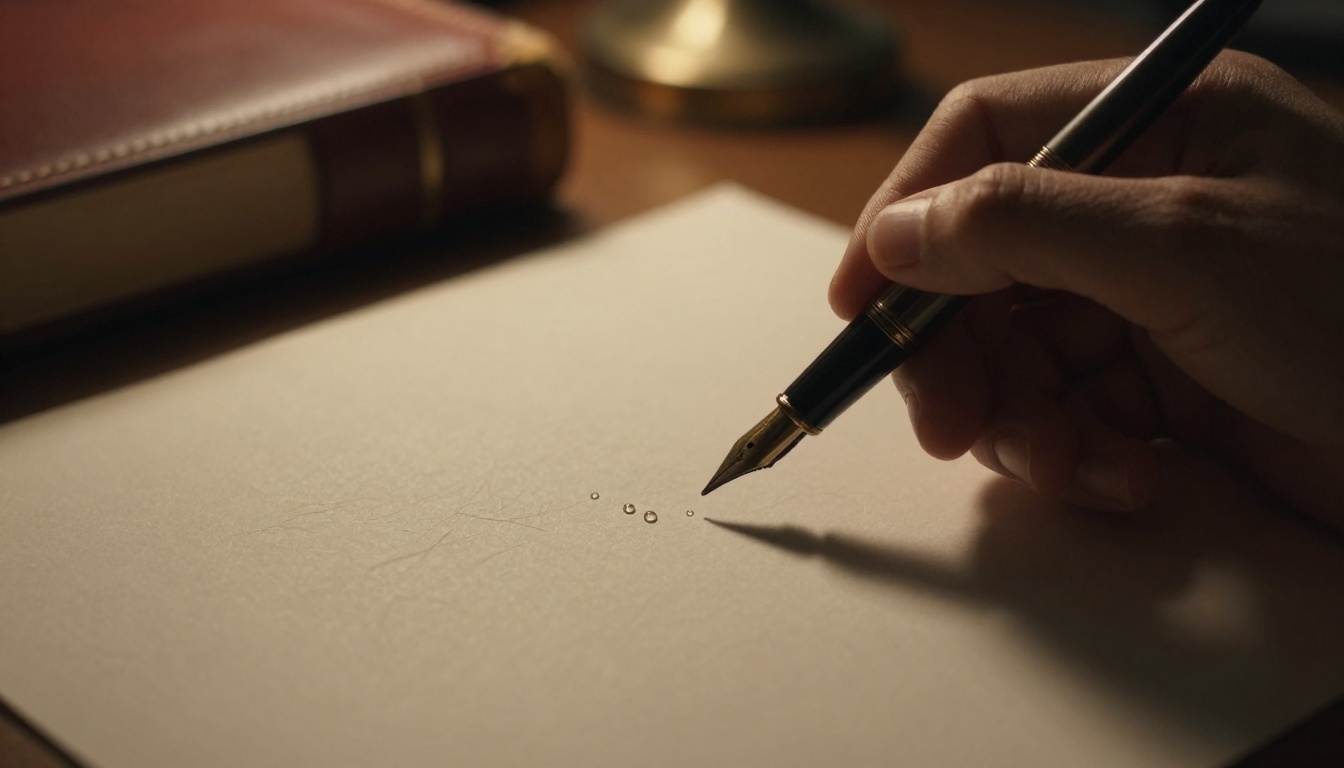
Antique fountain pen and paper—Opus's domain of creative exploration
Let's examine how each model performs across specific writing scenarios with concrete examples:
1. Technical Documentation
Sonnet 4.5 produces documentation that reads like it was written by a senior engineer. The structure is logical, the terminology precise, and the explanations methodical.
Example output style: "The configure() method accepts three parameters: settings (object), options (optional array), and callback (function). Each parameter must meet specific type requirements..."
Opus might add unnecessary narrative flourishes or philosophical musings about why the configuration matters, which distracts from the practical information.
Winner: Sonnet 4.5 for pure technical clarity.
2. Marketing Copy
Opus writes marketing copy that connects emotionally while maintaining persuasive power. It understands the psychology of buying decisions.
Example output style: "Imagine your mornings transformed—not just brighter, but fundamentally different. This isn't another coffee maker; it's the end of compromise between speed and quality..."
Sonnet 4.5 produces competent but generic copy that checks all the marketing boxes without creating genuine emotional engagement.
Winner: Claude Opus for emotional resonance and persuasion.
3. Academic Research
Sonnet 4.5 excels at formal academic writing with proper citation integration, objective analysis, and adherence to disciplinary conventions.
Opus might introduce creative interpretations or speculative connections that, while interesting, could be criticized as lacking academic rigor.
Winner: Sonnet 4.5 for strict academic standards.
4. Creative Fiction
Opus generates prose with distinctive voice, atmospheric description, and character depth that feels authentically human.
Example output style: "The rain didn't just fall; it whispered secrets against the windowpane, each droplet carrying fragments of stories from clouds that had traveled continents..."
Sonnet 4.5 produces technically correct but emotionally flat prose that reads more like a detailed report than compelling fiction.
Winner: Claude Opus for creative expression.

Coffee and notebook—the creative process where Opus excels
5. Business Communication
Sonnet 4.5 crafts emails, proposals, and reports with professional polish, appropriate tone for the audience, and clear action items.
Opus might overthink the interpersonal dynamics or include philosophical reflections that distract from business objectives.
Winner: Sonnet 4.5 for professional efficiency.
6. Instructional Content
Both perform well, but with different strengths:
- Sonnet 4.5: Step-by-step tutorials with clear progression and error prevention
- Claude Opus: Engaging educational content that connects concepts to real-world applications
Tie, depending on whether you prioritize clarity (Sonnet) or engagement (Opus).
7. Personal Reflections
Opus writes introspective content with genuine emotional depth and psychological insight.
Sonnet 4.5 approaches personal topics with analytical detachment that can feel clinical rather than authentic.
Winner: Claude Opus for personal authenticity.
8. Social Media Content
Opus creates posts with authentic voice, appropriate platform-specific tone, and genuine engagement potential.
Sonnet 4.5 produces technically correct but often generic social media content that lacks platform-specific nuance.
Winner: Claude Opus for platform authenticity.
9. Legal Writing
Sonnet 4.5 handles legal terminology, contract language, and compliance documentation with appropriate precision and formality.
Opus might introduce interpretations or explanations that could create ambiguity in legal contexts.
Winner: Sonnet 4.5 for legal precision.
10. Poetry and Lyrical Writing
Opus generates poetry with authentic emotional resonance, effective use of literary devices, and distinctive voice.
Sonnet 4.5 produces technically structured but emotionally sterile verse.
Winner: Claude Opus for artistic expression.

Dual writing techniques—the versatility needed for different writing tasks
The practical reality is that writing assistance isn't just about quality—it's about value for investment. Here's how the models compare on practical dimensions:
| Dimension | Claude Sonnet 4.5 | Claude Opus |
|---|
| Speed | 2-3x faster | Standard pace |
| Cost | ~40% less per token | Premium pricing |
| Consistency | Highly predictable | More variable |
| Learning Curve | Minimal | Moderate |
| Best For | Volume writing | Quality writing |
The economic calculation: If you produce high volumes of technical or business writing, Sonnet 4.5 delivers better return on investment due to its speed and lower cost. For projects where each word matters and quality is paramount, Opus justifies its premium pricing.
Writing Style Analysis: The Nuanced Differences
Beyond task performance, the models have fundamentally different writing personalities:
Sentence Structure Patterns
Sonnet 4.5 prefers:
- Active voice constructions
- Parallel structure for lists
- Clear subject-verb-object progression
- Consistent paragraph lengths
Opus employs:
- Varied sentence lengths for rhythmic effect
- More complex subordinate clauses
- Strategic repetition for emphasis
- Paragraphs that build emotional momentum
Vocabulary Choices
Sonnet 4.5 vocabulary: Precise, domain-specific, consistently applied technical terms, minimal figurative language.
Opus vocabulary: Rich, evocative, contextually varied, frequent metaphorical language, emotional descriptors.
Paragraph Development
Sonnet 4.5 paragraphs: Topic sentence → supporting evidence → conclusion, with clear logical progression.
Opus paragraphs: Often begin with atmospheric setting or emotional hook, develop through associative connections, conclude with resonant insight.
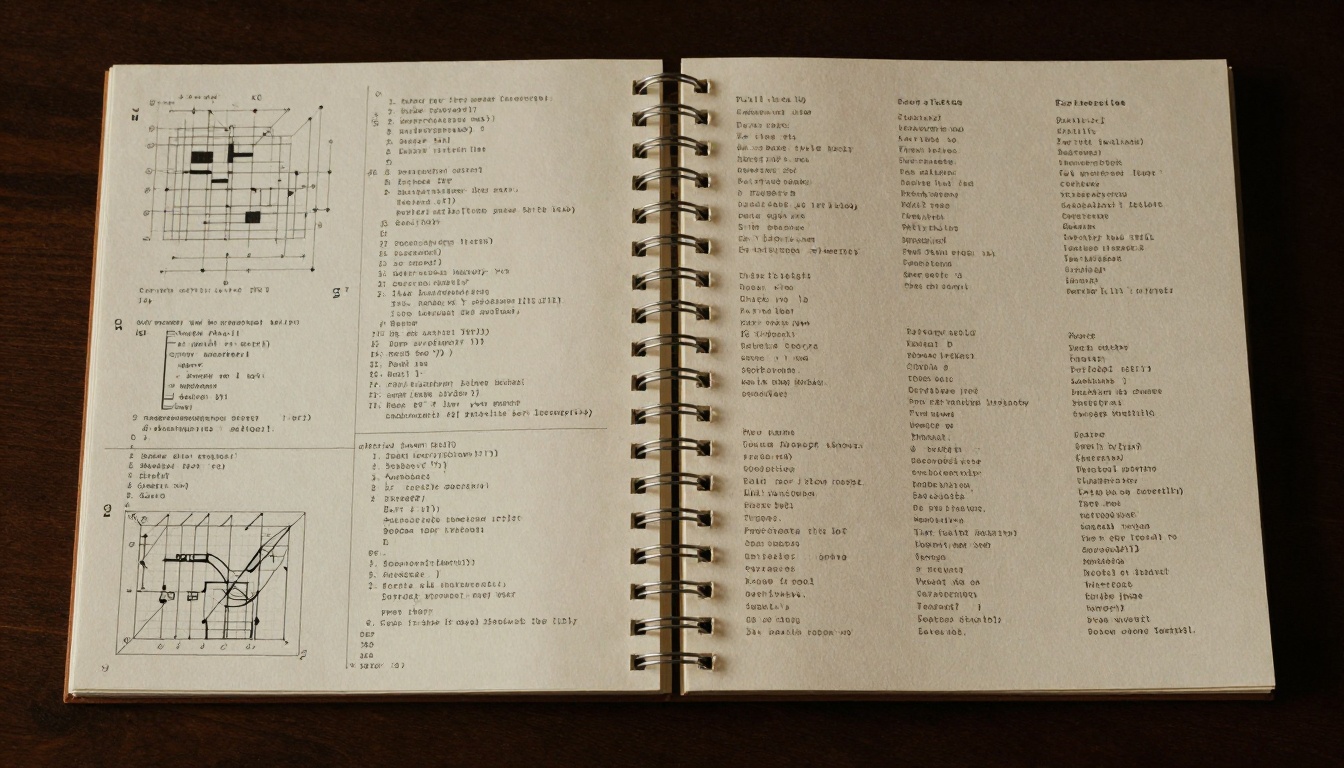
Split desk composition—the physical manifestation of analytical vs creative approaches
Practical Workflow Integration
How these models fit into actual writing workflows reveals their true strengths:
The Editing Process Difference
With Sonnet 4.5: You get a solid first draft that needs minimal structural editing but might require stylistic enhancement for emotional impact.
With Opus: You get a creatively rich draft that might need structural tightening but already has strong emotional and stylistic elements.
Collaboration Dynamics
Sonnet 4.5 works best when:
- Multiple people need to maintain consistent voice
- Documents follow templates or standards
- The writing process is highly structured
Opus excels when:
- You're exploring ideas before committing to structure
- The writing needs distinctive individual voice
- You're willing to revise structure for creative gains
Learning and Adaptation
Sonnet 4.5 quickly learns and applies style guides, terminology preferences, and formatting requirements with high consistency.
Opus develops deeper understanding of your voice, thematic interests, and philosophical perspectives over time.
Specialized Writing Scenarios
Let's examine some niche writing situations where the choice becomes particularly consequential:
Scientific Paper Writing
Sonnet 4.5 advantages:
- Precise technical terminology
- Consistent citation formatting
- Objective analysis without speculation
- Clear methodology description
Where Sonnet struggles: Making complex concepts accessible to non-specialist audiences without oversimplification.
Product Descriptions for E-commerce
Opus advantages:
- Emotional connection with potential buyers
- Understanding of psychological triggers
- Ability to highlight benefits rather than just features
- Platform-appropriate tone variations
Where Opus struggles: Maintaining consistent product specifications across hundreds of similar items.
Internal Company Documentation
Sonnet 4.5 advantages:
- Clear procedural steps
- Consistent terminology across departments
- Easy updating when processes change
- Minimal interpretive ambiguity
Opus advantages: Making dry procedures engaging enough that employees actually read and follow them.

Keyboard with mode selection—the practical interface choice between writing approaches
The Hybrid Approach: Best of Both Worlds
The most sophisticated writers don't choose one model exclusively—they develop strategic switching patterns:
Phase-Based Writing Strategy
- Ideation Phase: Use Opus for brainstorming, exploring angles, and discovering unexpected connections
- Structuring Phase: Switch to Sonnet 4.5 for creating outlines, organizing content, and establishing logical flow
- Drafting Phase: Return to Opus for rich, engaging content development
- Refining Phase: Use Sonnet 4.5 for consistency checks, formatting, and technical accuracy
- Polishing Phase: Final pass with Opus for stylistic enhancement and emotional resonance
Document-Specific Selection
- Technical manuals: Primarily Sonnet 4.5, with Opus only for introductions
- Marketing campaigns: Primarily Opus, with Sonnet 4.5 for data presentation
- Academic work: Sonnet 4.5 for methodology/results, Opus for introduction/discussion
- Creative projects: Almost exclusively Opus
- Business operations: Almost exclusively Sonnet 4.5
How do the models perform when faced with challenging writing scenarios?
Tight Deadlines
Sonnet 4.5 maintains quality even when rushed, producing consistent output at accelerated pace.
Opus quality can degrade under extreme time pressure as its more complex processing requires reflection time.
Complex Subject Matter
Opus demonstrates superior ability to grasp nuanced concepts and write about them with appropriate sophistication.
Sonnet 4.5 handles complexity through clear organization and simplification rather than deep engagement.
Cross-Disciplinary Writing
Opus excels at synthesizing concepts from different fields and writing for interdisciplinary audiences.
Sonnet 4.5 maintains clarity within each discipline but struggles with integrative synthesis.
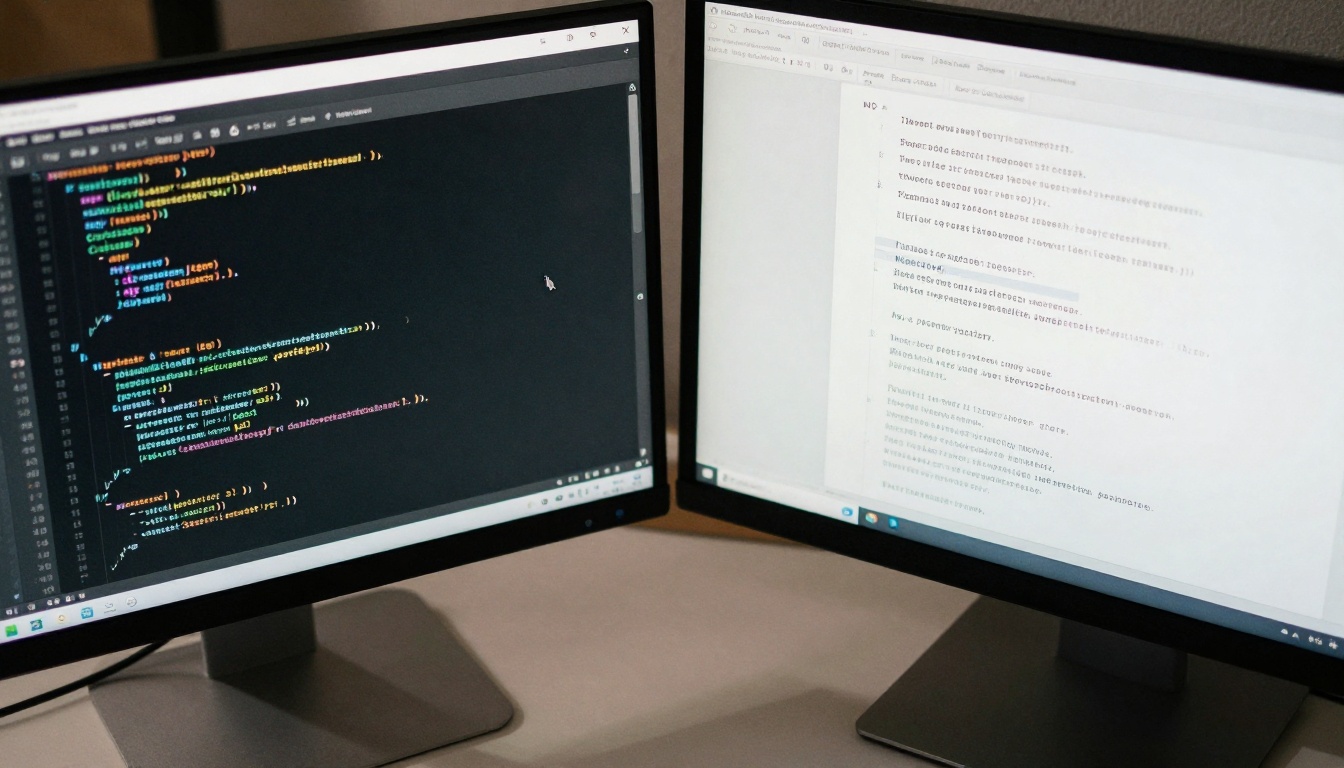
Dual monitor setup—the visual representation of balancing technical and creative work
The Future of AI-Assisted Writing
As these models continue to evolve, we're seeing convergence in some areas but persistent specialization in others:
Converging Strengths
- Both improve at understanding context and user intent
- Both develop better consistency with user preferences
- Both become more efficient at common writing tasks
Persistent Specializations
- Sonnet's architectural approach to writing structure
- Opus's exploratory approach to idea development
- Different cost/performance tradeoffs
- Distinct "writing personalities"
Practical Recommendations
Based on extensive testing across hundreds of writing scenarios, here are specific recommendations:
Choose Claude Sonnet 4.5 If:
- You produce high volumes of similar documents
- Consistency across multiple writers/documents is critical
- Your writing follows strict templates or standards
- Cost efficiency is a primary concern
- The content is primarily informational rather than emotional
Choose Claude Opus If:
- Each piece of writing requires distinctive voice or style
- Emotional impact matters as much as information delivery
- You're writing for persuasion or inspiration
- The subject requires nuanced exploration of ideas
- You have flexibility in structure for creative gains
Consider a Hybrid Strategy If:
- Your writing spans multiple categories
- You have both volume and quality requirements
- Different phases of your writing process have different needs
- Budget allows for strategic model switching
- You're willing to develop workflow sophistication

Focused technical writer—the concentration required for precision writing
Beyond Claude: The PicassoIA Ecosystem
While Claude models represent significant advancements in AI writing assistance, they exist within a broader ecosystem of creative tools. Platforms like PicassoIA offer access to multiple AI models for different creative tasks:
Complementary AI Models on PicassoIA
For writers looking to enhance their work with visual elements, several models on PicassoIA offer powerful capabilities:
- Flux 2 Pro: Generate high-quality images to accompany your written content
- GPT Image 1.5: Create visual assets that align with your written messaging
- Qwen Image 2512: Produce realistic images for technical documentation or creative projects
The Complete Creative Workflow
The most effective creators don't rely on a single tool. They develop workflows that combine:
- Writing assistance (Claude Sonnet 4.5 or Opus)
- Visual creation (image generation models on PicassoIA)
- Research and analysis (other specialized AI tools)
- Editing and refinement (human judgment augmented by AI suggestions)
Making Your Decision
The choice between Claude Sonnet 4.5 and Claude Opus ultimately comes down to writing philosophy alignment:
Are you building something that needs precise specifications, consistent quality, and efficient production? Sonnet 4.5 is your architectural partner.
Are you discovering something through the writing process, exploring ideas, and creating emotional connections? Opus is your exploratory companion.
The truth is that exceptional writing often requires both approaches at different stages. The most sophisticated writers develop the wisdom to know when each model serves them best, and the flexibility to switch between them as the writing task demands.
The future of writing isn't about choosing one perfect AI assistant—it's about developing strategic relationships with multiple specialized tools, each contributing their unique strengths to your creative process.


