Short-form video is the most competitive content format on earth right now. TikTok alone sees millions of clips uploaded every hour, and standing out means producing content that looks cinematic, moves convincingly, and grabs attention in the first two seconds. Seedance 2.0 changes the math on all of that. Built by ByteDance, the same company behind TikTok, this model was designed specifically to generate short, dynamic, high-motion video with built-in synchronized audio. Access it through PicassoIA and you can go from a text prompt to a TikTok-ready clip in under two minutes, no editing software, no camera crew, no post-production pipeline.
Whether you are a solo creator building a faceless channel, a brand trying to produce daily content at scale, or an agency managing dozens of client accounts, Seedance 2.0 on PicassoIA gives you the same output quality that used to require a video production team.

What Seedance 2.0 Actually Does
Seedance 2.0 is a text-to-video and image-to-video model that outputs video clips with native synchronized audio baked directly into the generation process. That distinction matters more than most people realize. Most AI video models produce silent output and require a separate audio step. Seedance 2.0 renders audio as part of the video: footsteps that match walking pace, ambient crowd noise, wind sounds, water movement, and more. All of it happens automatically based on what the model interprets from the scene.
The model supports up to 10 seconds of video at resolutions up to 1080p. Motion quality is one of its strongest traits, with realistic camera movement simulation, stable subject tracking, and physically plausible scene transitions. It handles both text-to-video generation (producing clips from a written description alone) and image-to-video animation (starting from a still image you supply as the first frame).
Built-In Audio Changes Everything
For TikTok, audio is not optional. The algorithm weights watch-time heavily, and watch-time is driven by audio retention as much as visual retention. A clip with ambient street noise, natural room tone, or synchronized environmental sound keeps viewers watching longer than a silent clip.
Seedance 2.0 solves this at the generation stage. You do not need to source royalty-free music or record voiceovers. The model produces spatially aware audio that fits the scene automatically.
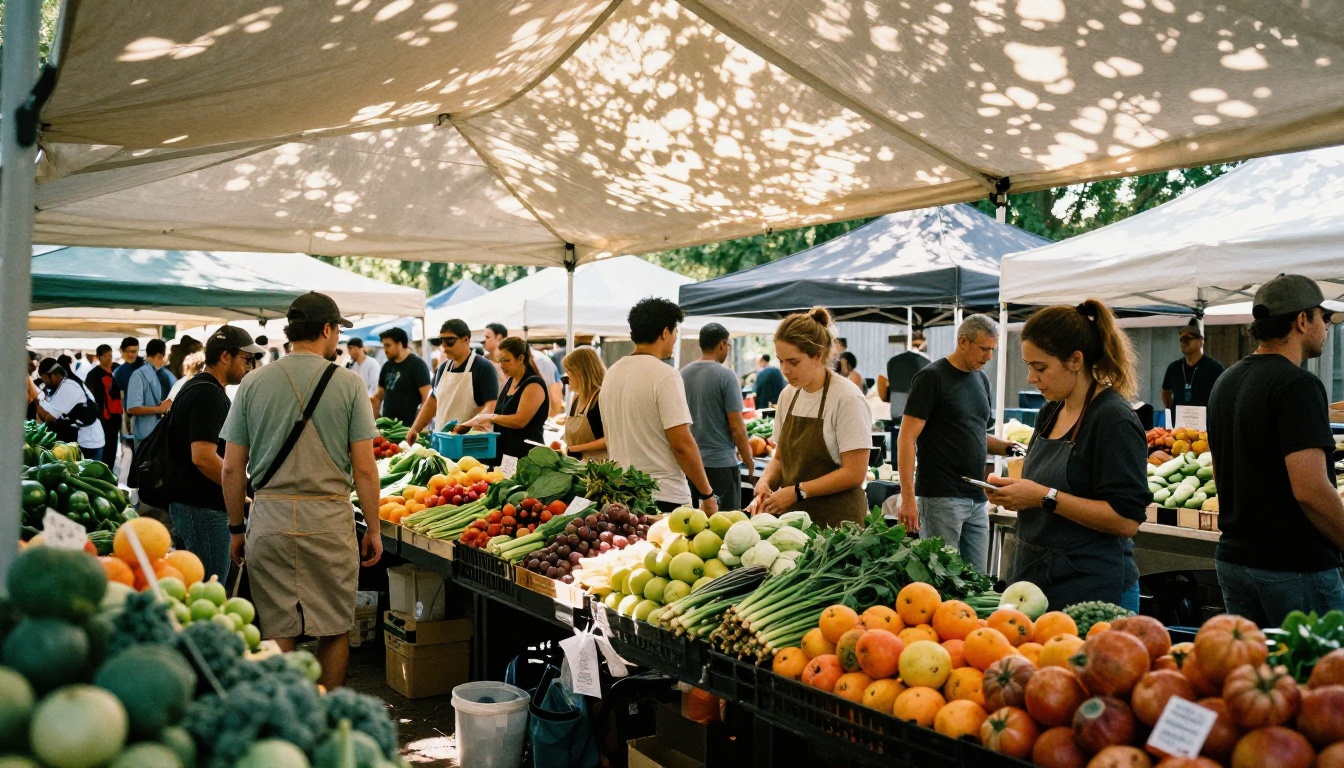
💡 Tip: If your prompt describes a busy market, the model will produce ambient chatter and footsteps. If it describes a forest, you get wind and rustling leaves. The more specific your environment description, the more accurate and immersive the audio output.
Speed vs. Quality Options
PicassoIA offers three variants of Seedance 2.0 built for different use cases:
For final TikTok posts, the standard Seedance 2.0 delivers the best output quality. For testing prompt variations before committing to a full generation, Seedance 2.0 Fast is the smarter choice.

Why TikTok Creators Choose This Model
The TikTok algorithm is notoriously difficult to crack with AI-generated content because most AI video looks generated. The motion is too smooth, the subjects too symmetrical, the environments too perfect. Seedance 2.0 addresses this by being trained on a massive dataset of real-world video content, including documentary footage, street video, and social media clips. The resulting output has organic qualities: camera micro-shake, natural depth-of-field shifts, and subjects that move with realistic weight and inertia.
The 9:16 Format Advantage
TikTok is a vertical platform. Most AI video models default to landscape 16:9 output, which requires cropping or letter-boxing before upload. Seedance 2.0 natively supports 9:16 vertical video generation, meaning clips fit TikTok's full-screen format without any post-processing. This saves time and preserves resolution at every step.
💡 Note: When specifying vertical output in your prompt, include "vertical video, 9:16 aspect ratio, portrait orientation" explicitly. The model will adjust scene composition to center subjects appropriately for vertical viewing.
Short Clips That Stop Scrolling
TikTok's average watch-through rate peaks between 6 and 10 seconds. That range maps exactly to Seedance 2.0's native output length. You are not editing down a 30-second video to find the best 8 seconds. You are generating exactly 8 cinematic seconds of visual storytelling, fully audio-synced, ready to upload.

How to Use Seedance 2.0 on PicassoIA
PicassoIA hosts Seedance 2.0 as part of its text-to-video catalog alongside more than 115 other video generation models. The process is straightforward but benefits from a deliberate workflow.
Step 1: Choose Your Generation Mode
Open the Seedance 2.0 model page on PicassoIA. You will see two input options:
- Text-to-Video: Write a prompt describing the scene, action, camera movement, and mood. No source image required.
- Image-to-Video: Upload a still image as the starting frame, then describe how the scene should animate.
For most TikTok content, image-to-video gives you more control over the final clip. You can generate a photorealistic still image first using PicassoIA's image generation tools, then animate it with Seedance 2.0 for a fully AI-powered production workflow.
Step 2: Write Your Motion Prompt
This is where most creators underperform. A motion prompt is not the same as an image prompt. You are describing movement and time, not appearance. Structure every motion prompt in three parts:
- Subject and starting state: What is in the frame and what is it doing at frame one?
- Motion over time: What changes? How does the subject move? Does the camera move?
- Environment and atmosphere: What is the setting and what audio context exists?
💡 Example Prompt: "A woman in a red linen dress walks slowly through a sunlit cobblestone street, her hair moving gently in the breeze. The camera dollies backward at walking pace. Morning light, warm amber tones, ambient city sounds, light foot traffic passing in background."
Step 3: Set Resolution and Duration
For TikTok final output, select:
- Resolution: 1080p for maximum quality
- Duration: 5 to 10 seconds, matching TikTok's optimal watch window
- Aspect Ratio: 9:16 for native vertical, or 16:9 if you plan to incorporate creative letterboxing in your edit

Step 4: Review and Download
Once generation completes, preview the clip directly in the browser. PicassoIA stores outputs in your account history, so you can revisit and download at any time. The download is the original quality file with no compression applied and no watermark, ready for direct upload to TikTok.
Prompt Writing That Actually Works
The difference between a generic AI video and a scroll-stopping TikTok clip almost always comes down to the prompt. Seedance 2.0 is a capable model, but it responds precisely to what you feed it.
What to Include in Every Prompt
Every effective Seedance 2.0 prompt for TikTok content should include:
- A specific subject: Not "a person" but "a young woman in a white linen dress"
- A clear action or motion: Not "walking" but "walking slowly toward the camera, glancing sideways at a shop window"
- A defined environment: Not "outdoors" but "a narrow Lisbon side street with terracotta rooftops and cobblestones"
- A lighting condition: "morning golden hour light from the left" or "overcast diffused midday light"
- A camera behavior: "slow dolly-in", "slight handheld micro-shake", "static wide shot with subject approaching"
- An audio context: "ambient street noise and distant church bells", "indoor cafe sounds and espresso machine", "soft ocean breeze with distant waves"
The more specific you are, the closer the output is to your vision. Seedance 2.0 handles detailed, layered prompts particularly well.
3 Prompt Mistakes to Avoid
1. Describing appearance instead of motion
Many creators write prompts that describe how a scene looks rather than how it moves. "A beautiful beach at sunset" produces something, but "waves rolling slowly across a wide beach at sunset, seafoam spreading across wet sand, camera tilted slightly downward from waist height, gentle breeze" produces a TikTok clip.
2. Overloading with multiple subjects
One moving subject with one camera movement outperforms five elements competing for the model's attention. TikTok audiences focus on one compelling element at a time. Give the model one clear focal point.
3. Ignoring audio context
Because Seedance 2.0 generates audio automatically, your prompt influences the soundscape even when you say nothing about sound. If you do not specify audio context, the model makes its own choice. That choice might not match your intention. Specify it deliberately.

Content Formats That Perform Best
Not every TikTok niche produces the same results with AI video. Some formats are a natural fit for what Seedance 2.0 does well, and others require adapting your approach.
Product Showcases
Consumer products placed in cinematic real-world environments perform well on TikTok. A bottle of perfume on a marble counter with morning sunlight drifting across it slowly. A pair of sneakers on a wooden floor with a camera push toward the laces. Seedance 2.0 handles inanimate objects in rich environments particularly well because motion focus stays on the camera movement and the lighting rather than complex human movement.
Lifestyle and Travel Clips
Travel content consistently earns significant organic reach on TikTok. AI-generated travel clips showing cities, coastlines, and street markets give creators the ability to produce globe-spanning content without a travel budget. Seedance 2.0's environment rendering is especially strong for exterior scenes with natural lighting conditions, making it a reliable tool for travel-themed accounts.
Faceless Channel Content
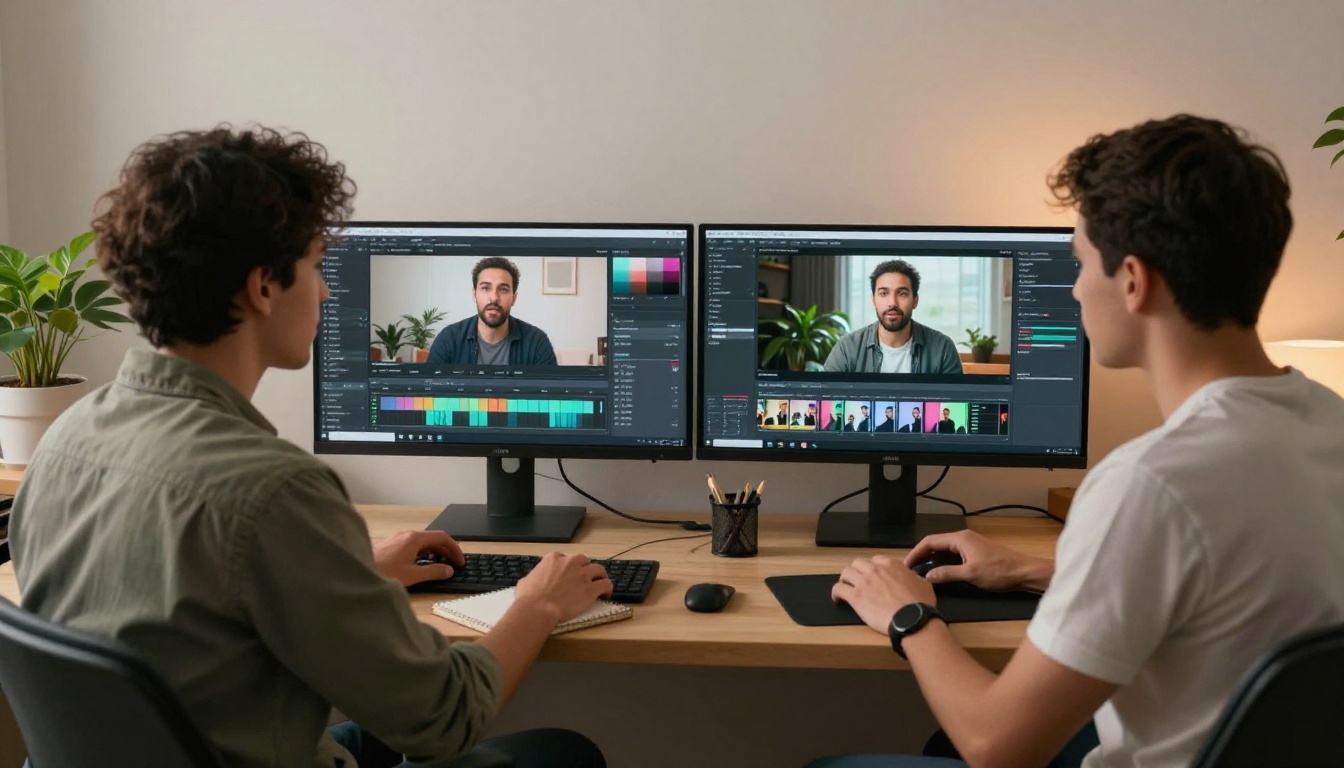
Faceless TikTok accounts, those that post content without showing a human presenter on camera, have grown substantially as a content format. Ambient scene videos, aesthetic clips, and POV-style footage are all achievable with Seedance 2.0 without any on-camera talent, filming setup, or location access.
Other AI Video Models Worth Comparing
PicassoIA's catalog includes more than 115 video generation models. Seedance 2.0 is the strongest option for TikTok-native content in most scenarios, but knowing what else is available helps you pick the right tool for each specific job.
Seedance 2.5 for Longer Content
Seedance 2.5 is the next generation of the same model family. It supports up to 30 seconds of video output, making it better suited for YouTube Shorts or longer-form TikTok storytelling. If your TikTok strategy involves educational formats or narrative arcs that need more than 10 seconds, Seedance 2.5 gives you room to work. The free tier is also available via Seedance 2.5 Lite for creators testing the format before committing to full quality runs.
Kling v3 for Cinematic Output
Kling v3 Video from Kwai produces cinematic 1080p video with a distinctly filmic quality that works well for branded content and narrative-driven TikTok series. Motion quality is excellent, though generation is slower than Seedance 2.0. Use Kling v3 when the clip needs to look like it came from a professional production rather than a high-speed content workflow.
Ray 3.2 for HDR Visual Quality
Ray 3.2 from Luma AI is built around HDR video quality and cinematic motion rendering. It excels in highly structured, well-lit scenes where tonal range matters. For TikTok content in visually saturated niches where image quality needs to stand above the average, Ray 3.2 is a strong alternative worth testing.
Veo 3 for Audio-First Content
Veo 3 from Google is one of the few models that rivals Seedance 2.0 on native audio generation. It produces longer-form clips with dialogue, ambient sound, and synthesized music generated together in a single pass. For TikTok content that requires spoken narration or character dialogue without a separate voiceover recording step, Veo 3 is worth exploring alongside Seedance 2.0.

From AI Output to TikTok Feed
Once you download your clip from PicassoIA, the path to posting is short. Seedance 2.0 output is production-ready in most cases.
What you typically do not need to do:
- Color grade (Seedance 2.0 output is already well-graded and exposure-balanced for natural-looking results)
- Add background audio (native audio is embedded in the file)
- Crop or reframe (if you specified 9:16 in your prompt)
What you may want to add:
- Text overlays or captions for accessibility and retention on muted autoplay
- Trim the start or end by a second if the model produced a brief transition frame
- A second clip stacked for A/B style content or a two-part narrative
TikTok accepts MP4 files, which is Seedance 2.0's native output format. Upload directly, write a caption with relevant hashtags, and publish.
💡 Upload Tip: TikTok's algorithm favors content uploaded without a watermark. PicassoIA downloads have no watermark applied, so you retain full quality and a clean file throughout the upload process.

Scaling Your TikTok Output with AI
One of the most underused capabilities of AI video tools is batch generation. If you are running a faceless account or an agency managing multiple client accounts, generating 10 to 20 video variations per day becomes realistic with Seedance 2.0. The workflow:
- Create a library of 5 to 10 core prompt templates for your niche
- Vary the subject, location, and lighting condition across each template variation
- Generate all variations in a single session on PicassoIA
- Download, caption, and schedule across the full week
This process takes roughly 30 to 60 minutes per week and can sustain a daily posting cadence indefinitely without creative burnout or production bottlenecks.
Combining Models for Higher Quality
Experienced creators use multiple PicassoIA models in sequence. One of the most effective workflows:
- Generate a photorealistic still image using PicassoIA's image generation tools with a precise, detailed composition prompt
- Use that image as the source frame for Seedance 2.0 image-to-video animation
- The model animates your precisely composed starting frame, giving you full control over the initial composition before committing to full video generation
This method produces more predictable, higher-quality results than text-to-video alone because you can see and refine the starting frame before any video credits are spent.
Measuring What Works
AI video generation lets you test at a scale that traditional production never could. Post three variations of the same concept with different motion treatments or settings. TikTok analytics will show you within 24 to 48 hours which approach retains viewers longest. Take that data back to PicassoIA, generate more content in the direction that performed, and repeat.
This feedback loop, fast generation, rapid posting, and data-driven iteration, is the real competitive advantage of AI video for TikTok creators. Traditional creators cannot afford to film and edit 20 variations of the same concept in a week. With Seedance 2.0, you can generate 20 variations in an afternoon.
Start Creating Your TikTok Videos Now
The fastest way to see what Seedance 2.0 does for your content is to run your first generation. Visit the Seedance 2.0 model page on PicassoIA, write a prompt describing your first TikTok idea using the structure outlined above, and generate your first clip.
If you want to experiment with different styles within the same model family, the Seedance 2.0 Mini gives you faster draft turnaround for prompt testing, while Seedance 2.5 opens up longer content formats when your strategy calls for them.
The full catalog of more than 115 text-to-video models is available at picassoia.com/en/all-models, giving you the flexibility to match the right model to every content format and platform you create for. Your next TikTok clip does not require a camera. It requires a good prompt and two minutes.


