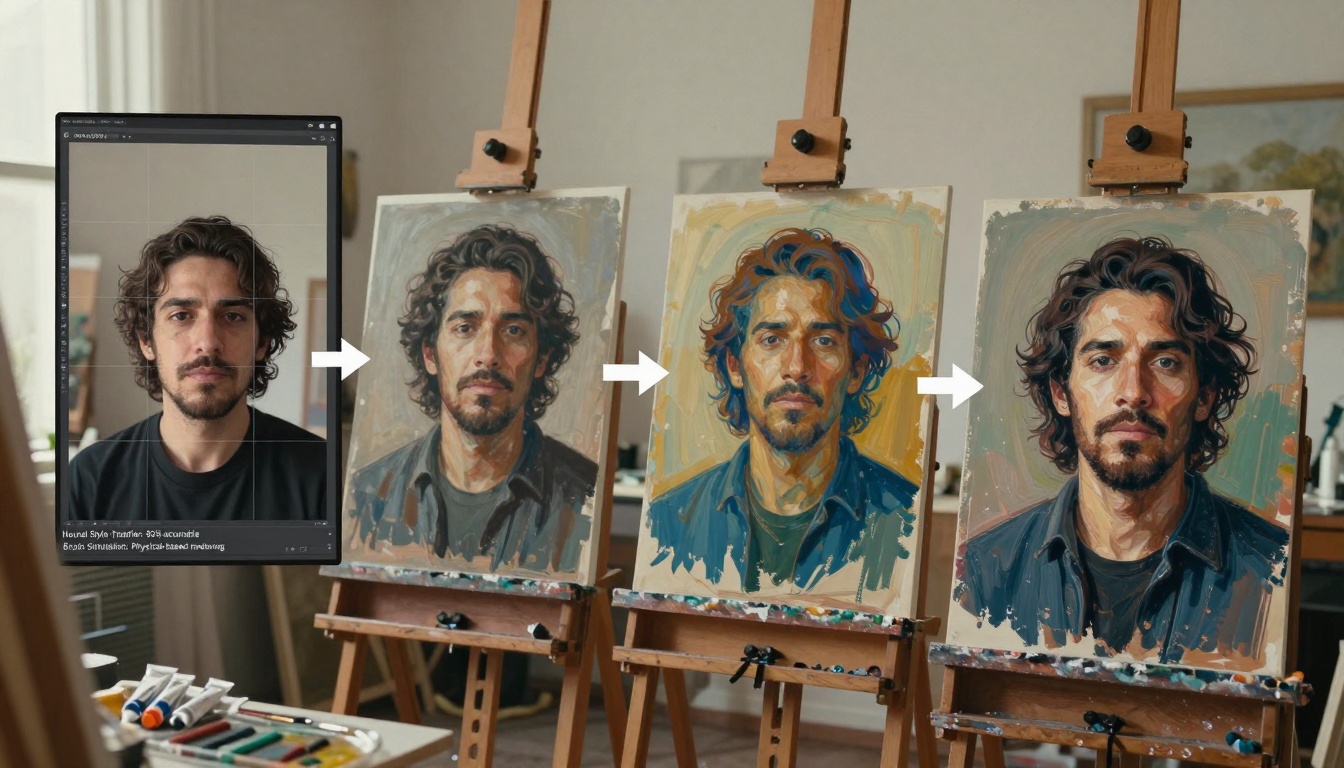
A detailed examination of vertical video production using AI tools, focusing on practical techniques that increase viewer retention and platform performance. This article covers specific workflows for creating engaging vertical content, from initial ideation through production optimization and analytics review.
The shift from horizontal to vertical video represents more than just format change—it's a fundamental rethinking of how content connects with audiences. Vertical videos outperform traditional formats by 30-40% on platforms like TikTok, Instagram Reels, and YouTube Shorts, but creating content that actually gets views requires specific techniques beyond simple orientation changes.
Why Vertical Format Dominates Mobile Consumption
Mobile devices have transformed viewing habits completely. 92% of social media consumption happens on smartphones, and users hold their devices vertically 94% of the time. The vertical format eliminates the cognitive friction of rotating devices, creating immediate engagement advantages.
💡 Platform Psychology: Vertical videos fill the entire screen, creating immersive experiences that horizontal videos can't match. This full-screen dominance translates directly to higher completion rates.
Viewer Retention Statistics
Platform
Vertical Retention Rate
Horizontal Retention Rate
Difference
TikTok
78%
42%
+36%
Instagram Reels
65%
38%
+27%
YouTube Shorts
71%
45%
+26%
The data shows consistent patterns: vertical content maintains viewer attention significantly longer. This isn't about quality—it's about format alignment with user behavior.
AI Tools Revolutionizing Vertical Production
Modern AI video generators have evolved specifically for vertical formats. Tools like Sora 2 Pro and Kling v2.6 now include native vertical output options, while WAN 2.6 T2V offers specialized vertical motion control.
Key AI Model Capabilities
Text-to-Video Models with Vertical Support:
Sora 2 Pro: 1080x1920 native vertical output with consistent character movement
Veo 3.1: Professional-grade vertical video generation with cinematic quality
Seedance 1.5 Pro: Optimized for social media vertical formats with built-in pacing
Kling v2.6: Specialized for mobile-first content with vertical aspect ratios
Image-to-Video Models:
WAN 2.6 I2V: Converts vertical images into dynamic vertical videos
Pixverse V5: Creates vertical animations from static vertical compositions
Parameter Optimization for Vertical AI
When using AI video generators, specific parameters dramatically affect vertical video performance:
**Critical Settings for Vertical AI Video:**

1. **Aspect Ratio**: Always set to 9:16 (1080x1920)
2. **Motion Control**: Vertical panning > horizontal panning
3. **Character Placement**: Center-weighted composition
4. **Text Positioning**: Lower third safe zones only
5. **Duration**: 15-45 seconds optimal for social platforms
Production Workflow That Actually Works
Creating successful vertical videos requires a systematic approach. The difference between viral content and ignored content often comes down to workflow consistency.
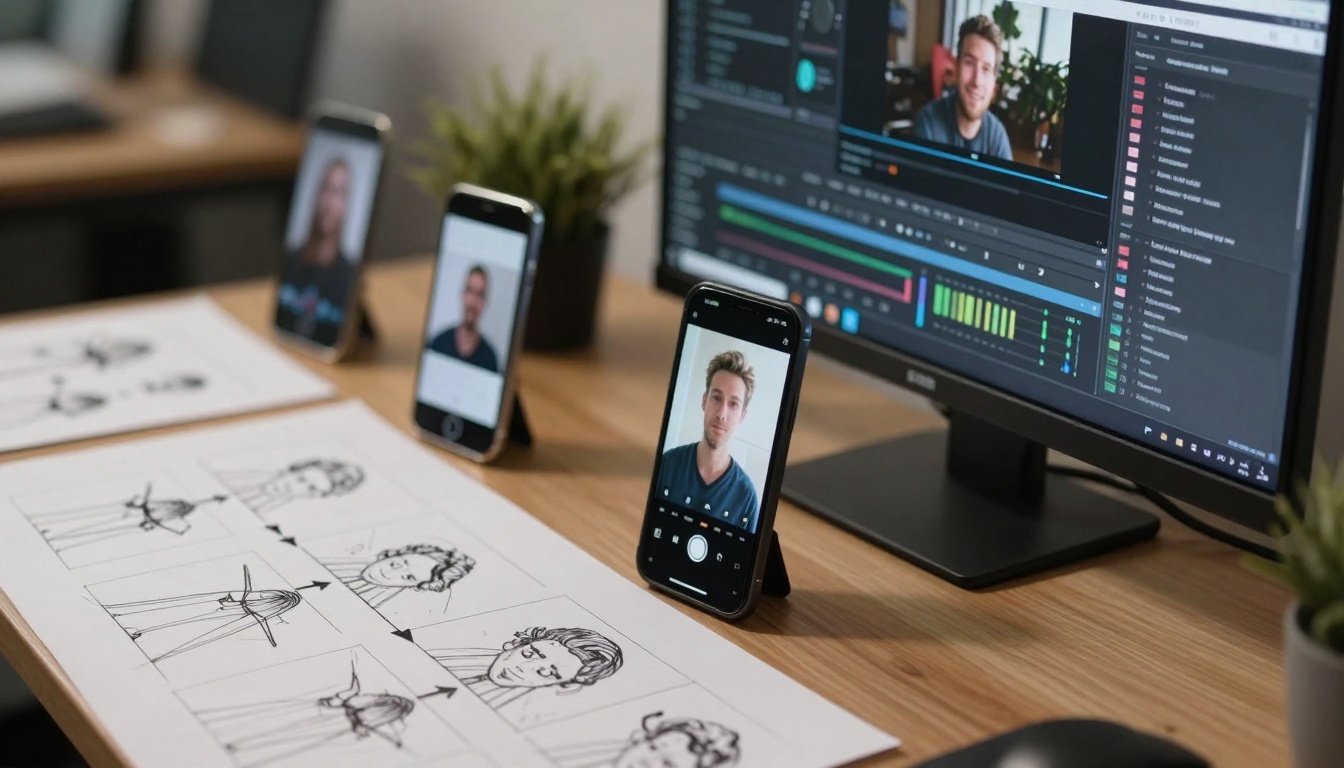
Traditional storyboarding fails for vertical content. Vertical storyboards must account for:
Eye movement patterns (top-to-bottom scanning)
Thumb interaction zones (lower screen accessibility)
Information hierarchy (critical content above fold)
💡 Vertical Composition Rule: Place the most important visual element in the center 60% of the frame. This ensures visibility regardless of device notch or UI elements.
Series creation: Multiple shorts on related topics
End screen utilization: Link to longer horizontal videos
Community tab integration: Announce shorts in community posts
Playlist organization: Group related shorts together
Analytics and Performance Tracking
Understanding what works requires detailed analytics review. Successful vertical video creators spend as much time analyzing performance as creating content.
Key Performance Indicators for Vertical Video
Primary Metrics to Track:
View completion rate: Percentage of viewers who watch entire video
Average watch time: Seconds viewed per viewer
Engagement rate: Likes, comments, shares per view
Audience retention: Where viewers drop off in the video
Secondary Metrics That Matter:
Sound usage: How many creators use your audio
Profile visits: Views converting to profile exploration
Follow rate: Percentage of viewers who follow
Share breakdown: Platform distribution of shares
Analytics Tools for Vertical Video
Platform-Native Analytics:
TikTok Analytics: Best for understanding trending content
Instagram Insights: Excellent for audience demographic data
YouTube Analytics: Most comprehensive for retention analysis
Third-Party Tools:
Social Blade: Cross-platform performance tracking
HypeAuditor: Authenticity and engagement verification
Tubular Labs: Competitive intelligence and trend forecasting
Common Mistakes in Vertical Video Production
Identifying and avoiding common errors dramatically improves vertical video performance.
Technical Production Errors
1. Horizontal to Vertical Conversion
Error: Shooting horizontal and cropping to vertical
Solution: Shoot native vertical from beginning
Impact: 40% lower engagement when cropped
2. Poor Audio Quality
Error: Relying on smartphone built-in microphone
Solution: External lavalier or shotgun microphone
Impact: 60% higher drop-off rate with poor audio
3. Incorrect Text Placement
Error: Text placed where platform UI covers it
Solution: Use platform-safe zones (lower third)
Impact: 35% lower information retention
Content Strategy Errors
4. Platform Misalignment
Error: Posting TikTok-style content to Instagram Reels
Solution: Create platform-specific variations
Impact: 50% lower platform recommendation
5. Inconsistent Posting Schedule
Error: Irregular posting without pattern
Solution: Consistent daily or weekly schedule
Impact: 70% lower algorithm promotion
6. Ignoring Analytics Data
Error: Creating without reviewing performance data
Solution: Weekly analytics review sessions
Impact: Missing optimization opportunities
Advanced Techniques for Professional Results
Once basic vertical video production is mastered, advanced techniques separate professional content from amateur efforts.
Vertical Camera Movement Mastery
Professional Vertical Movement Patterns:
Vertical reveal: Start tight on detail, pull out to reveal context
Vertical follow: Maintain subject in center during vertical pans
Vertical orbit: Circle subject while maintaining vertical framing
Vertical push-in: Move toward subject while keeping vertical composition
Movement Timing Guidelines:
Speed: 3-5 seconds per vertical movement
Acceleration: Smooth ease-in and ease-out
Purpose: Each movement should reveal new information
AI-Assisted Vertical Production Workflows
Modern AI tools streamline vertical video production:
Workflow Integration Example:
Ideation: Use GPT-5 for vertical video concept generation
Community health: Positive engagement to negative ratio
Getting Started with Your First Vertical Videos
The most successful vertical video creators share one common trait: they started creating before they felt ready. Perfectionism prevents more vertical video success than any technical limitation.
Immediate Action Steps
Today's Tasks:
Review existing content: Identify what already works
Set up basic equipment: Phone, tripod, external microphone
Create first vertical video: 30 seconds on familiar topic
Post to one platform: Choose based on existing audience
Connect with 3 creators: Study their successful techniques
Refine based on data: Make one improvement daily
Common Starting Points That Work
For Complete Beginners:
Topic: Something you already teach or explain regularly
Format: Simple talking head with clear value proposition
Length: 15-30 seconds focusing on one specific point
Goal: 10 videos in first week regardless of quality
For Existing Content Creators:
Topic: Repurpose most popular existing content
Format: Vertical adaptation of proven horizontal content
Length: Condensed version focusing on core value
Goal: Cross-promotion between horizontal and vertical
Your Next Vertical Video
The techniques covered provide a comprehensive framework for vertical video success, but implementation determines results. Every major social platform now prioritizes vertical content, creating unprecedented opportunity for creators who master this format.
The most effective approach combines technical production skills with platform-specific understanding and consistent analytics review. Successful vertical videos aren't accidents—they're the result of systematic application of proven techniques.
Start with one vertical video today using the simplest equipment available. Focus on delivering clear value in a format optimized for mobile consumption. Review the performance data, make one improvement, and repeat the process. Vertical video success accumulates through consistent application of fundamentals rather than seeking viral breakthroughs.
Platforms like PicassoIA provide powerful AI tools like Sora 2 and Veo 3.1 Fast that streamline vertical video production, but the creative vision and strategic implementation remain human responsibilities. The combination of AI efficiency with human creativity produces the vertical videos that actually get views.