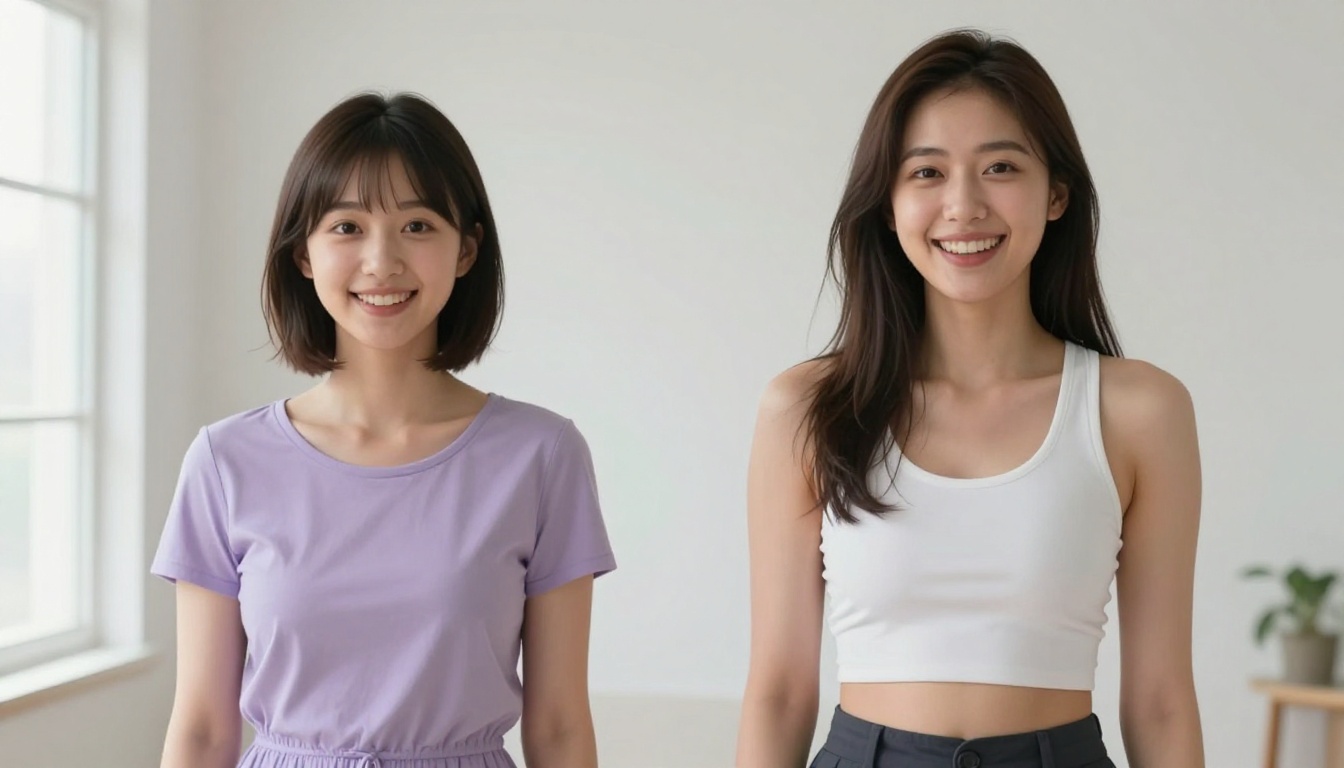
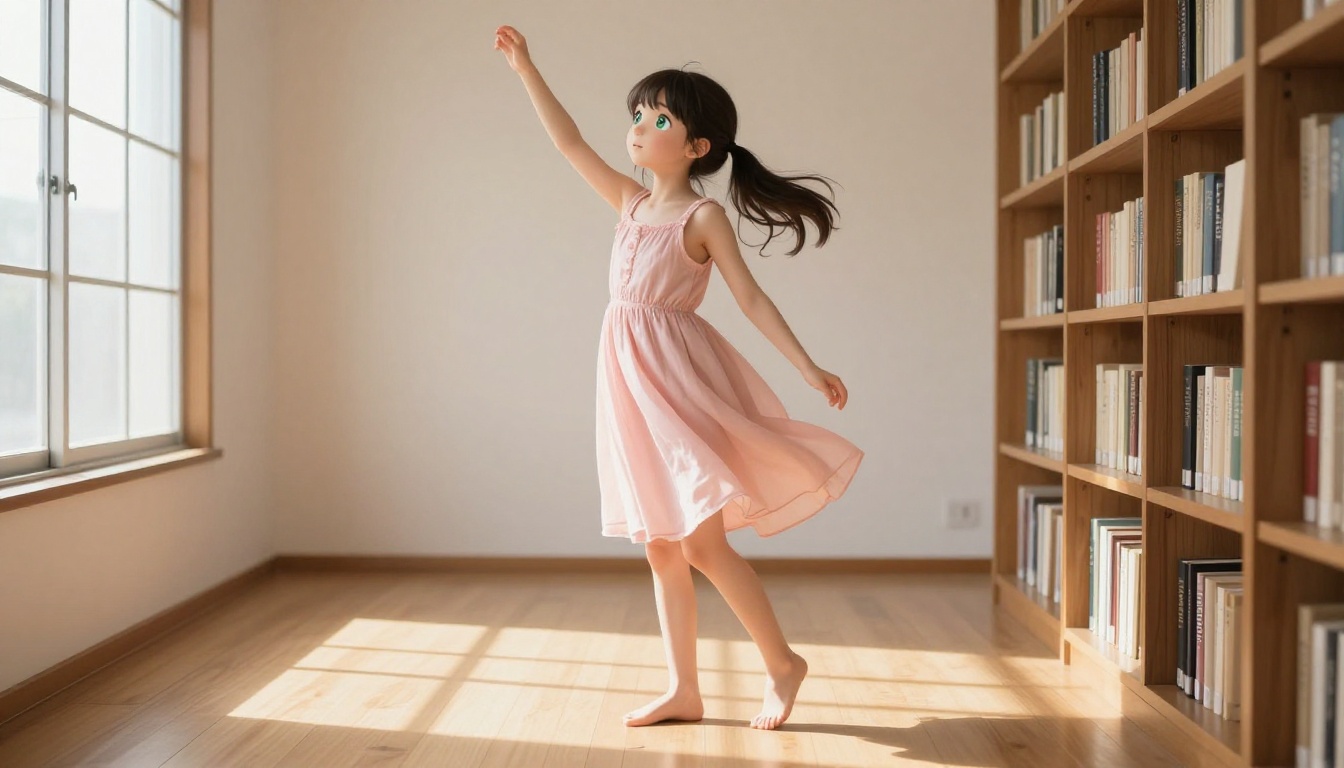
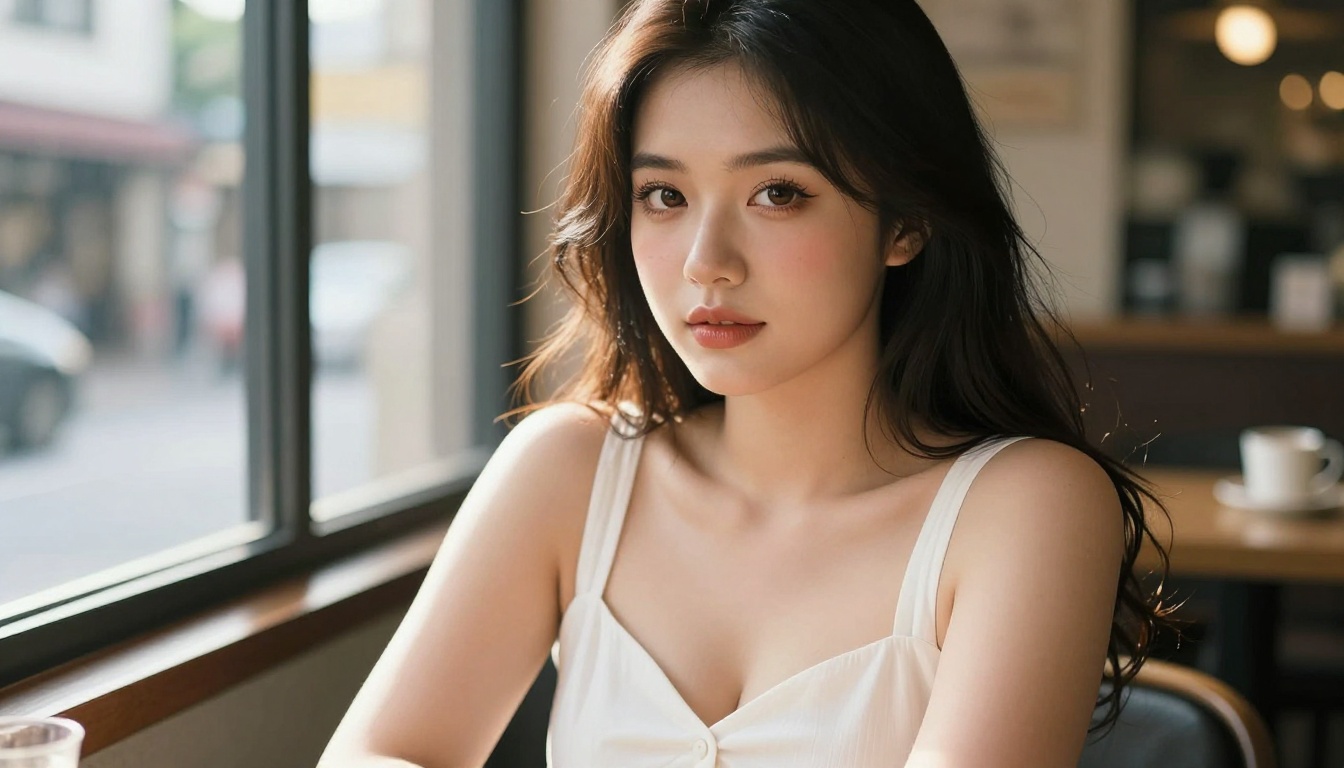
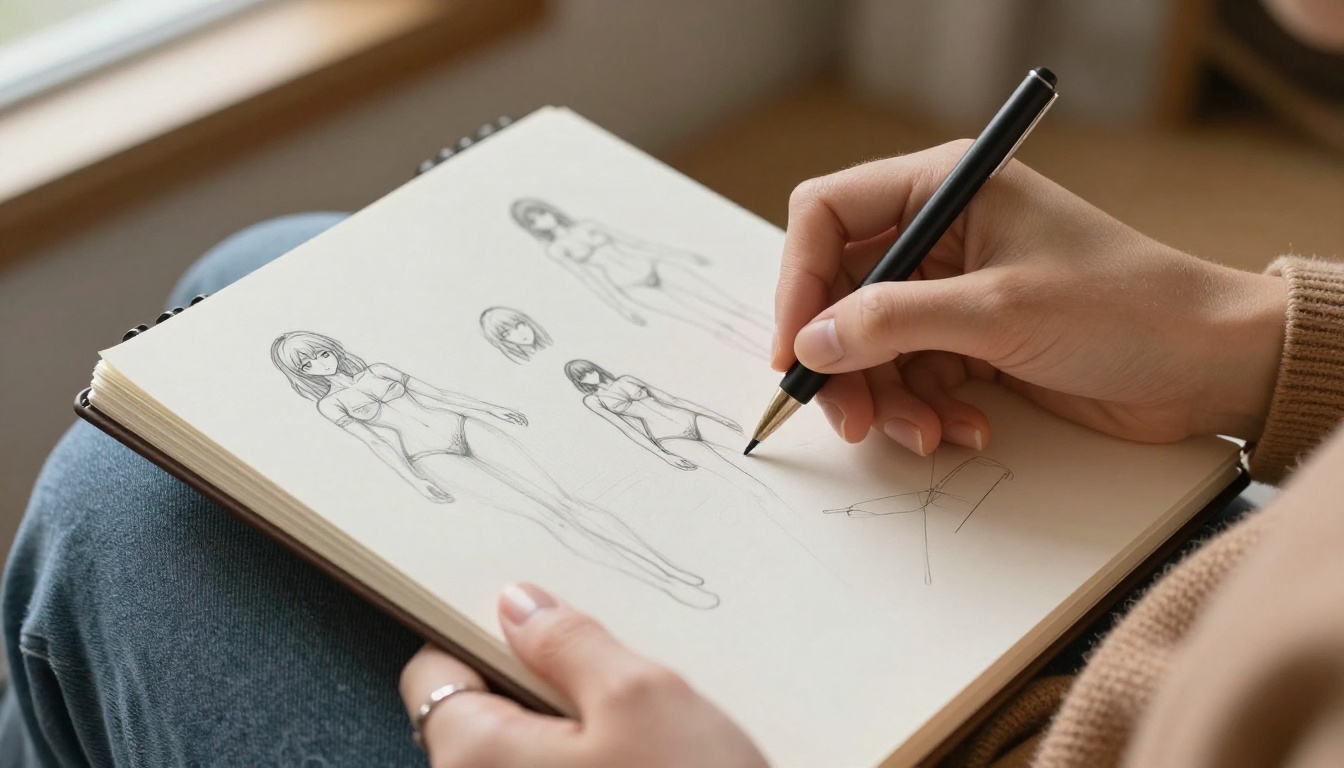
Custom Body Types for Anime Waifu Characters: Create Any Look with AI
From petite to curvy, athletic to statuesque, anime waifu characters come in countless body shapes that define their personality and visual appeal. This article shows you exactly how AI tools on PicassoIA make it possible to design any custom anime body type you can imagine, with no artistic skill required and no content restrictions holding you back.
If you've ever wanted to design a waifu character with exactly the right body proportions, you already know how frustrating the process gets without artistic training. Traditional character design demands years of anatomy study and proportional drafting practice. AI changes that entirely. With the right model and a well-written prompt, you can describe any body type in plain text and receive a photorealistic anime-inspired result in under three seconds.
This article breaks down the six most recognized anime waifu body types, explains what makes each one visually distinct, and shows you exactly how to generate any of them using AI models on PicassoIA.
Why Body Types Define a Waifu Character
Body proportions are not purely aesthetic preference. They communicate personality, backstory, and emotional tone before any dialogue or plot makes those qualities explicit.
Proportions That Speak Before Words
In anime storytelling, a character's physical build carries deliberate meaning encoded visually. A petite girl with large expressive eyes reads as gentle and emotionally accessible. A tall woman with controlled posture signals authority and composure. Viewers absorb these cues in under a second, forming emotional responses before any conscious analysis occurs.
This is why experienced character designers spend more time on body proportions than on any other single design element. The silhouette is the first impression. Everything else builds on top of it.
💡 Body proportions work like visual shorthand. Viewers process them instantly, building expectations for personality and narrative role before the character speaks a word.
Body Type as Identity Signal
In fan communities, body type is often the primary anchor for waifu character recognition. When a character is identifiable from a silhouette alone, that recognition is built entirely on proportions.
Custom waifu body types, particularly those that deviate from generic anime templates, stand out because they feel designed rather than default. That specificity is what makes a waifu character memorable rather than forgettable.
The 6 Core Anime Waifu Body Types
These categories are not rigid. Real character design blends and layers them constantly. But these six represent the most widely recognized archetypes in anime waifu character creation, and each produces reliably distinct results when used as AI prompt language.
The Petite Type
Proportions: Small frame, compact height, delicate bone structure, often with a slightly enlarged head-to-body ratio characteristic of anime styling.
Visual cues: Narrow shoulders, light limbs, often paired with twin tails or pigtails that amplify the sense of playfulness and youth.
The petite body type is consistently popular in anime because it generates strong character contrast. A compact body paired with an intense, fearless, or cunning personality creates the kind of gap between appearance and reality that produces truly memorable characters.
In AI generation, petite body types require explicit prompt language. The model needs direct signals: "compact feminine frame," "small delicate proportions," "petite build." Vague prompts default to average proportions.
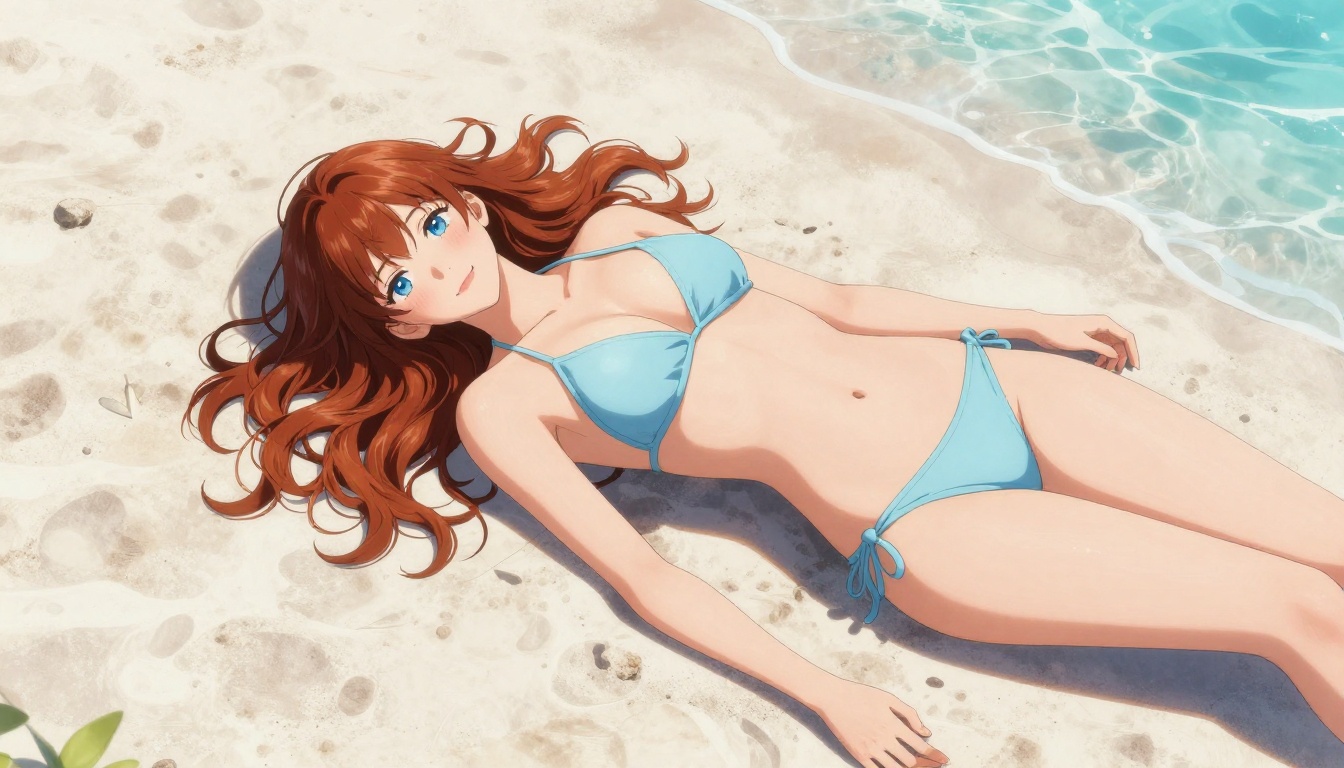
The Curvy Type
Proportions: Pronounced hourglass silhouette, full natural curves, defined waist-to-hip ratio, medium to average height.
Personality associations: Warm, nurturing, confident, often emotionally mature or experienced in worldly matters.
Visual cues: Clothing that drapes and moves with the figure, expressive eyes that read as warm rather than sharp, hair volume that matches the overall presence.
The curvy waifu type consistently ranks among the most generated categories on AI image platforms. It rewards precise prompt writing. Small differences in proportion language, "soft curves" versus "full hourglass figure" versus "voluptuous build," each produce meaningfully different visual outputs.
💡 For curvy characters: Include waist-to-hip ratio signals like "defined natural waist," "full hips," and "soft hourglass figure." Stack two of these terms for the most consistent results.
The Athletic Type
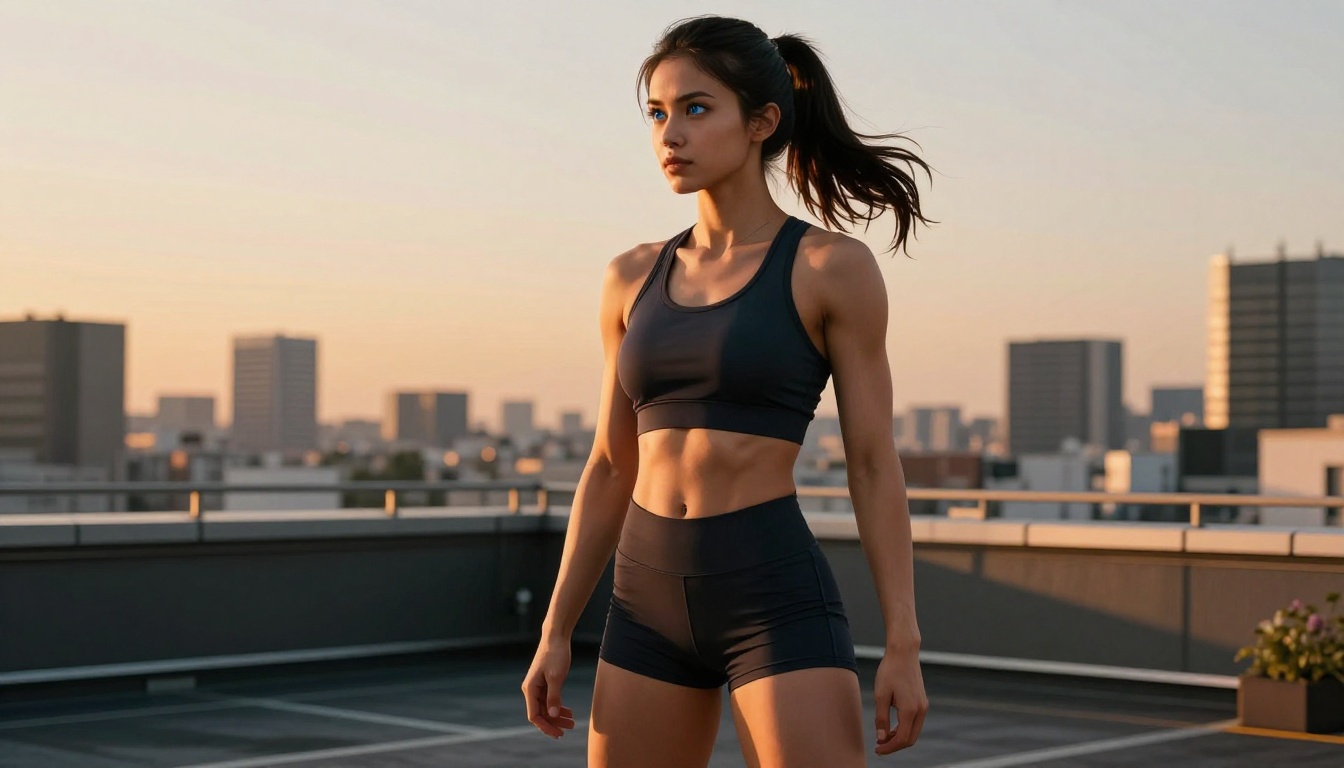
Proportions: Lean muscle definition, toned arms and legs, flat stomach, strong upright posture, medium to tall height.
Personality associations: Disciplined, competitive, self-reliant, often adventurous or physically active in daily life and narrative.
Visual cues: Fitted clothing that shows muscle tone without bulk, hair pulled back or cut short for practicality, a confident squared stance rather than a rounded or curved posture.
Athletic waifus work particularly well for action-oriented narratives and combat archetypes. Their visible physical capability makes their strength read as earned rather than granted. The build itself becomes part of the character's credibility.
In AI generation, athletic results depend on precise distinctions between "toned," "lean muscle definition," and "fit physique." These terms are not interchangeable in how current models interpret them.
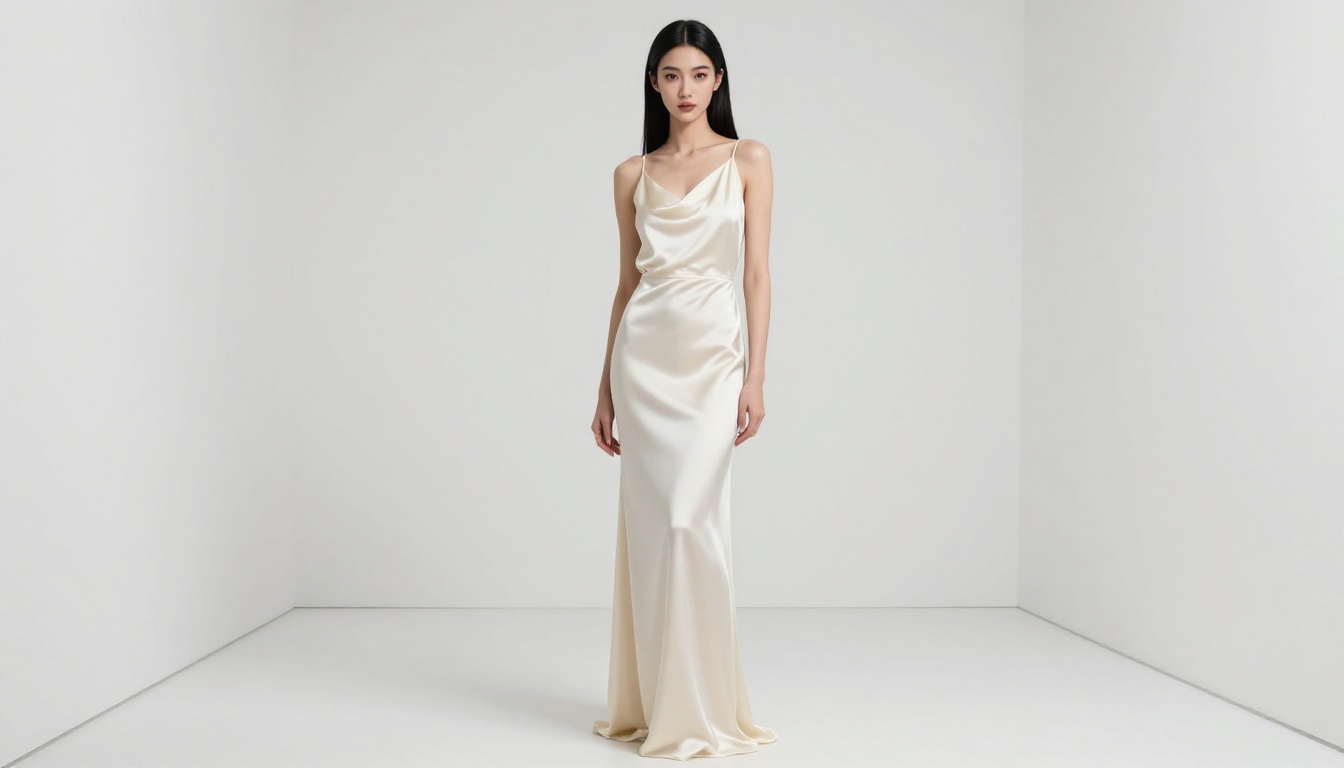
The Statuesque Type
Proportions: Tall, long elegant limbs, lean or moderately curved frame, high cheekbones, physically commanding presence that occupies space deliberately.
Personality associations: Composed, sophisticated, occasionally mysterious or emotionally reserved, sometimes perceived as intimidating on first encounter.
Visual cues: Flowing garments that emphasize vertical proportion, restrained accessories that do not compete with the natural elegance of the build, precise controlled movement.
This body type is less common in mainstream anime than petite or curvy variants, which is precisely part of its appeal. Rarity reads as exclusivity in character design. The statuesque waifu stands out in any ensemble because she occupies visual space differently from every other character type.
Body Type
Height
Defining Feature
Personality Tone
Petite
Short
Compact delicate frame
Energetic, expressive
Curvy
Medium
Hourglass silhouette
Warm, confident
Athletic
Medium-Tall
Lean muscle definition
Disciplined, capable
Statuesque
Tall
Long limbs, commanding presence
Composed, elegant
Slender
Variable
Lithe, graceful proportions
Calm, artistic
Exotic Fantasy
Variable
Non-standard features
Otherworldly, striking
The Slender Type
Proportions: Naturally lean without significant muscle definition or prominent curves, light bone structure, long graceful neck, naturally flowing limb proportions.
Personality associations: Artistic, introspective, poetic, often intellectual or creatively oriented, sometimes described as carrying a "quiet intensity."
Visual cues: Lightweight flowing clothing, understated accessories, soft color palettes, long straight or gently wavy hair that moves with the character's motion.
The slender type is the most contextually flexible of the six. In calm or intimate settings it reads as elegant and refined. In dramatic or high-stakes settings it reads as fragile, which is emotionally compelling in ways that physically dominant builds cannot replicate.
The Exotic Fantasy Type
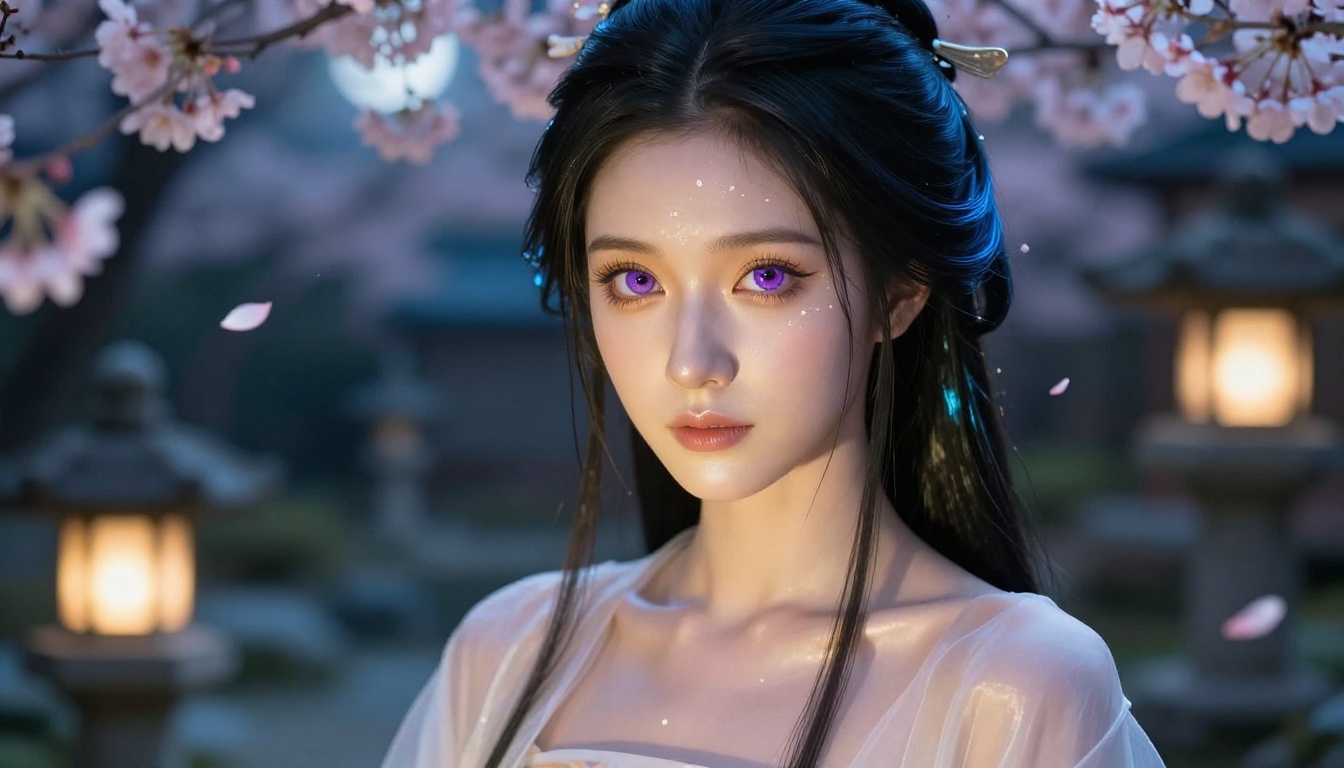
Proportions: Incorporates non-standard features such as unusual skin tones, distinctive eye characteristics, heterochromatic coloring, or proportions that suggest non-human or supernatural origin.
Personality associations: Mysterious, ancient, otherworldly, emotionally complex, powerful in ways that go far beyond physical capability alone.
Visual cues: Unconventional coloring (silver, gold, pale lavender skin tones), heterochromatic or luminous eyes, garments with cultural or mythological symbolism embedded in the design.
This is where AI generation pulls decisively ahead of every other creation method. Exotic fantasy features are impossible to find in photographic reference material, but AI renders them with photorealistic fidelity in seconds. There is no ceiling on how unusual or specific the design request can be.
How AI Makes Custom Body Types Possible
Traditional character design has a hard skill floor. You need anatomy knowledge, proportional drawing ability, and enough practice to execute what you can already visualize. AI removes the execution barrier entirely, leaving only the creative decision-making.
Text Prompts as a Design Blueprint
Current AI image models respond to body description language with precise and consistent outputs. "Petite anime girl, small compact frame, delicate feminine proportions" generates a meaningfully different result than "curvy anime girl, full hourglass figure, defined natural waist." These are not vague stylistic differences. They are structural differences in the output image.
Effective body type prompts stack descriptors across several dimensions:
Height indicators: petite, compact, short, tall, statuesque, average height
Combining two to three of these per prompt produces the most consistent body type results. Too few creates ambiguity. Too many creates conflicting signals the model has to average out.
The Precision of Modern AI Models
Earlier-generation AI models defaulted to a single standard proportional template regardless of prompt input. Ask for "petite" and receive average. Ask for "curvy" and receive the same average. The language was ignored or homogenized.
Current-generation models on PicassoIA have significantly improved physical prompt adherence. They have been trained on more diverse reference data, which gives them distinct internal representations for slender versus athletic, petite versus average, curvy versus statuesque.
This precision matters because the entire value of custom waifu body generation is specificity. A model that defaults to generic proportions defeats the purpose entirely.
💡 Iteration is part of the process. Generate three or four variations of the same body type prompt, select the best result, and then refine from there using an image editor model for precision adjustments.
Best AI Models for Anime Waifu Body Types on PicassoIA
PicassoIA hosts a lineup of AI models built for unrestricted detailed body type generation. These are the models to use and why each one fits the waifu creation workflow.
Seedream 4.5: The Top Choice
Seedream 4.5 is the strongest all-around model for custom waifu body generation. It accepts detailed anatomy and proportion prompts, handles adult content without restriction, and delivers photorealistic results in under 3 seconds.
What separates Seedream 4.5 from older models is its precision with proportion language. Descriptors like "soft hourglass figure" and "lean athletic build with toned limbs" translate accurately to visual output. The gap between what you describe and what you get is genuinely small.
It also supports image editing, meaning you can generate an initial character and pass it back through the same model to refine specific body areas without starting from scratch each time.
Important note: Seedream 5 Lite does not support NSFW content. For unrestricted waifu generation, use Seedream 4.5 specifically.
PicassoIA Image Editor Pro: Unlimited Refinement
PicassoIA Image Editor Pro is the model to use when you need to iterate without managing generation credits.
It works as an img2img editor. You start with a generated image and use it as the base for refinements. This workflow fits waifu body customization precisely: generate a base character with Seedream 4.5, then pass it through Image Editor Pro to adjust body proportions, clothing, or specific physical details until the result is exactly right.
The pricing model is the biggest practical advantage. Elite and Infinite plan subscribers receive unlimited generations at zero additional per-image cost. Compare this to per-generation models where 1,000 variations would cost approximately $100. With Image Editor Pro, 1,000 images cost the same as one.
Results return in under 1 second. A 3-generation free trial is available with no credit card required.
More Models Worth Using
Qwen Image 2 — Open-source model. Creates or edits any image in seconds with very detailed realism. Strong for unconventional body type and proportion requests.
Grok Imagine Image — Image-to-image transformations. Converts existing character images to new body styles with high realism.
Recraft V4 — Very realistic text-to-image output. Excellent for detailed proportional generation from descriptive prompts.
P-Image — Under 1 second generation speed. NSFW-capable. Best for rapid iteration when testing multiple body proportion prompt variations in sequence.
Wan 2.2 Image — Highly realistic text-to-image output with no content filters on body type prompts.
How to Use Seedream 4.5 for Waifu Body Types
Step 1: Open the Model
Navigate to Seedream 4.5 on PicassoIA. The model loads immediately in the browser. No additional software or local installation is required.
New users can start generating with a free trial. No credit card is required.
Step 2: Write a Body-Focused Prompt
Structure your prompt in four layers:
Character identifier: "anime-inspired young woman" or "anime girl"
Specific proportion details: height, waist, limbs, muscle tone, skin characteristics
Quality and style tags: "photorealistic, 8K, natural lighting, film grain, --ar 16:9"
Example prompt for an athletic waifu body type:
Anime-inspired young woman, lean athletic build, toned defined abs, strong legs, medium-tall height, sharp focused eyes, dark hair in high ponytail. Fitted sports attire. Golden hour sunlight, low angle camera shot, photorealistic, 8K, Kodak Portra 400, film grain, --ar 16:9
Step 3: Edit and Refine
If the first generation is close but not exact, use PicassoIA Image Editor Pro to make targeted adjustments. Pass the initial result as an image input and describe the specific change you want applied.
This iterative approach lets you converge on an exact body type across multiple passes, building consistency for a character you plan to generate repeatedly.
Prompt Tips That Actually Work
Words That Define Body Shape
Specific terminology produces reliable outputs. These terms consistently generate distinct body types in Seedream 4.5 and similar models:
Prompt Term
Body Type Output
"Petite compact frame"
Short, small-boned, lightweight build
"Soft hourglass figure"
Curves without extreme definition
"Lean athletic build"
Muscle tone, minimal bulk
"Statuesque tall figure"
Long limbs, commanding height
"Lithe slender form"
Light, graceful, minimal muscle or curve
"Natural full curves"
Voluptuous without exaggeration
"Delicate bone structure"
Fine features, light frame
Stack two terms for more precise results. "Petite soft curves" generates a clearly different output than "petite lean build," even though both start with the same height indicator.
Common Mistakes to Avoid
One-word body descriptors: "Curvy anime girl" produces average-looking results. "Curvy anime girl, soft hourglass figure, defined natural waist, full hips, medium height" produces a character with a specific, recognizable body type.
Skipping height language: AI models respond to relative height signals. "Petite" and "statuesque" each carry height information that directly affects proportional output. Omitting height language creates inconsistent frame results across generations.
Clothing before body: Many creators describe accessories and clothing before describing the body. Models prioritize early prompt elements. Lead with body type language, then add surface details afterward.
Contradictory terms: "Petite muscular bodybuilder" creates conflicting internal representations. Choose a primary body type and let secondary descriptors support rather than contradict it.
💡 Ordering rule: Body type language belongs in the first 15 words of the prompt. Everything else builds on that foundation. An ambiguous foundation does not improve with additional detail added after it.
Create Your Own Waifu on PicassoIA Right Now
Every body type described in this article, from the compact petite to the otherworldly exotic fantasy, is achievable in under 10 seconds with the right model and a well-structured prompt.
PicassoIA gives you access to a full lineup of models that accept detailed body type prompts without content restrictions. Seedream 4.5 is the starting point. PicassoIA Image Editor Pro is where you refine toward precision. The additional models listed above, Qwen Image 2, Grok Imagine Image, and Recraft V4, cover specific use cases when you need results the primary models do not deliver exactly.
There is no artistic skill requirement. There is no commission wait time. There are no content filters blocking what you want to create.
Pick a body type from this article, structure a prompt using the layered approach above, and generate your first result on Seedream 4.5 right now. Iterate, adjust the proportional language, and build the character exactly as you imagined it.
The full catalog of models, including additional options for image editing, character animation, and video generation from static waifu images, is available at picassoia.com/en/all-models.