Every great fictional male character starts with a decision: what does strength actually look like on this person? Not just physical build, but the specific weight of their presence, the way they carry tension in their shoulders, the exact shade of warmth in their eyes when they stop competing for a moment and just exist. Designing an athletic AI husbando from scratch is less about picking a body type from a dropdown and more about building a coherent human being, one detail at a time.
The tools have gotten good enough that the gap between what you imagine and what appears on screen is almost entirely about prompt precision. This article covers the full stack: how to think about body proportions, which facial parameters signal which personality types, what lighting conditions do for a physique render, and which models on PicassoIA actually hold up when you push them on realism.
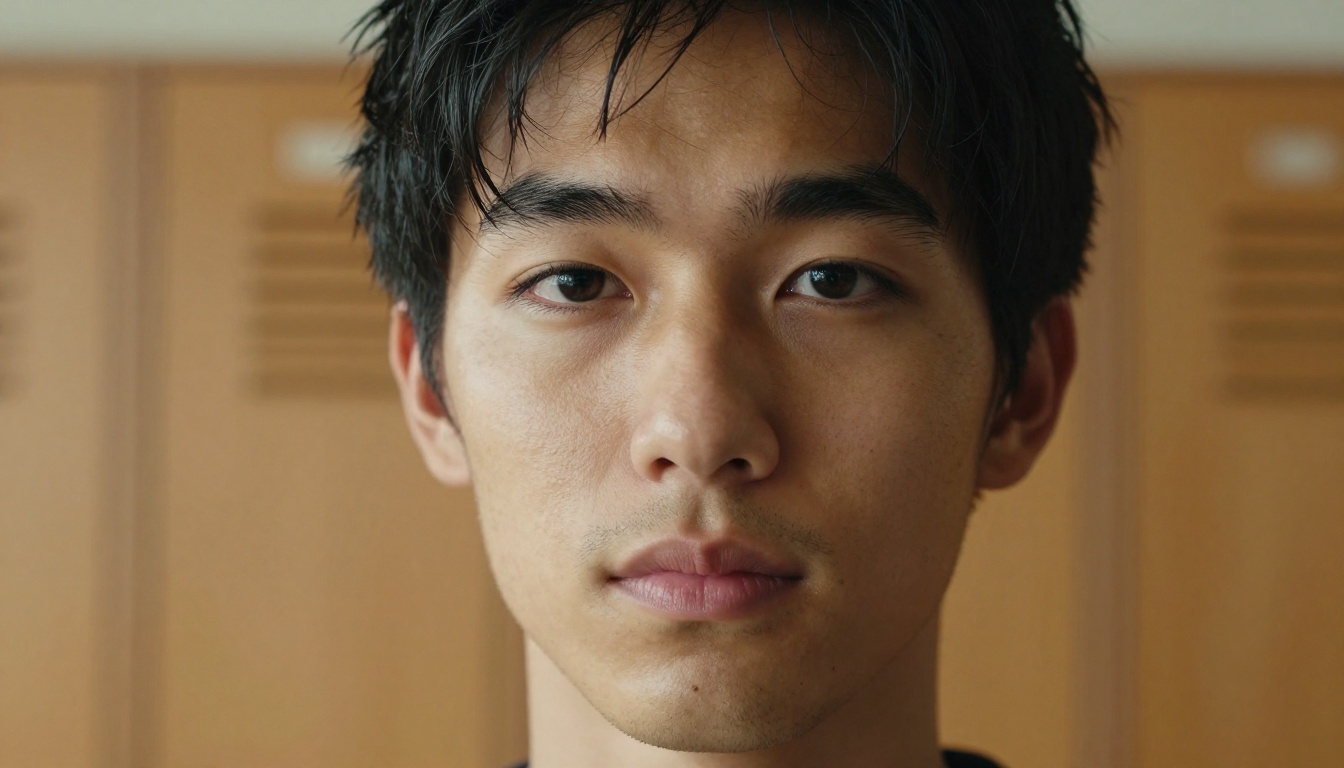
Body Architecture: Where to Start
The V-Taper Formula
The V-taper, broad shoulders, narrow waist, visible lats, is the foundational male silhouette for athletic character design. In prompt terms, it means being specific:
- Shoulder-to-waist ratio: "broad shoulders 1.6x waist width" beats "muscular build"
- Lat definition: "latissimus dorsi visible from rear view, flaring at mid-back" gives models something to latch onto
- Waist taper: "narrow athletic waist with oblique definition" rather than "slim" or "fit"
The ratio matters because different AI models interpret "athletic" wildly differently. Some default to bodybuilder mass. Others read it as lean runner. Being explicit about the proportional math keeps your results consistent across iterations.
Tip: Combine shoulder width with neck thickness. A proportionately thicker neck reads as more physically imposing without adding body fat. Try "thick athletic neck, prominent trapezius muscle insertion."
Muscle Groups Worth Detailing
Not all muscle groups need to be named. Some read automatically from context. But these specific callouts consistently improve output quality:
| Muscle Group | Why It Matters | Example Prompt Language |
|---|
| Trapezius | Signals athletic background, not just gym aesthetics | "prominent trapezius, athlete's posture" |
| Forearm vascularity | Adds realism to close and mid shots | "visible forearm veins, athletic vascularity" |
| Serratus anterior | Rare detail that separates generic from refined | "visible serratus anterior at ribcage edge" |
| Deltoid striations | Makes shoulder definition look earned, not inflated | "deltoid muscle striations under light" |
| Obliques | Completes the core silhouette from any angle | "visible external obliques at waist line" |
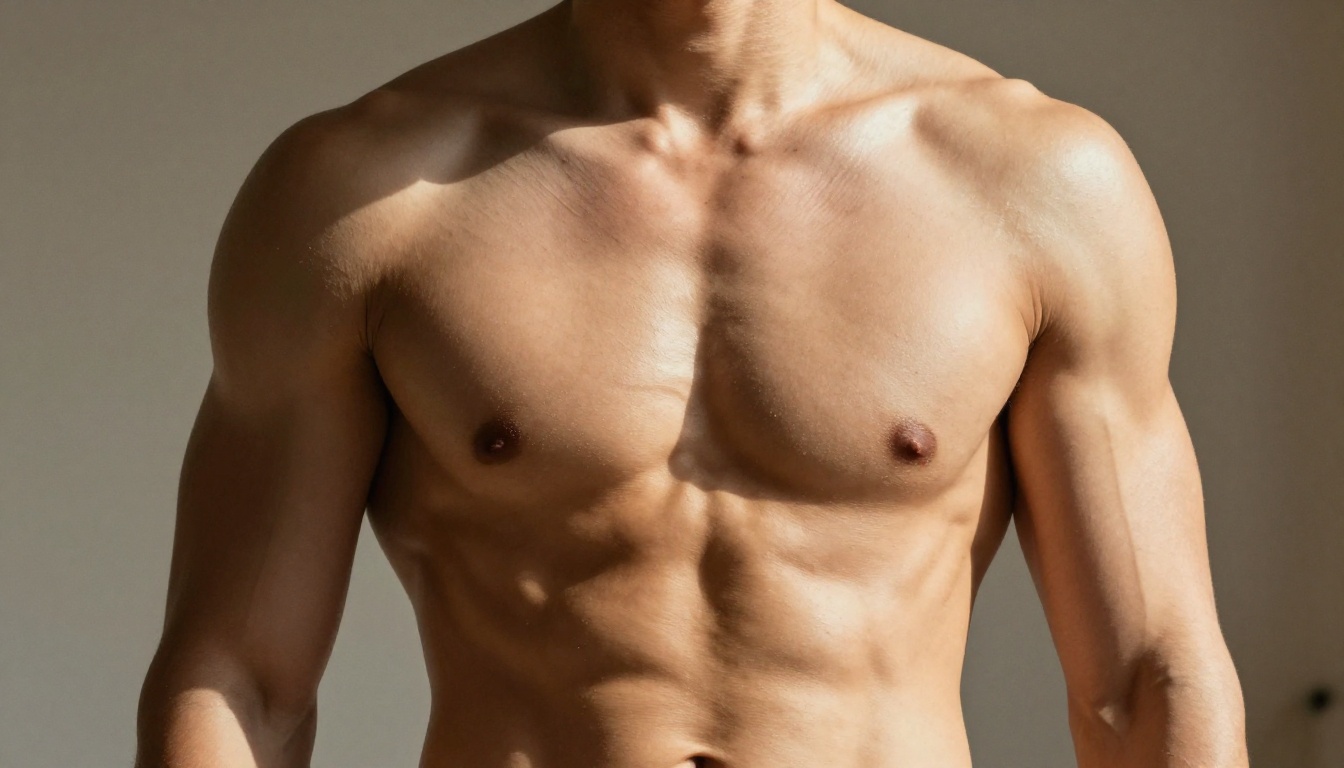
Prompt Anatomy for Male Characters
Skin Texture and Tone Parameters
Skin is where most AI generations fall apart on male characters. The default output tends toward either smooth-to-the-point-of-plastic or inconsistently textured. Getting realistic skin in a character you will be iterating on requires setting a baseline in your first prompt and keeping it consistent.
The parameters that actually move the needle:
- Pore visibility: "realistic skin pores visible at close range, natural skin texture"
- Perspiration detail: "light athletic perspiration on shoulders and chest catching light"
- Tone specificity: Use photographic references instead of vague descriptors. "Warm honey complexion, similar to ISO 400 film over natural daylight" gives models color calibration to work with
- Subsurface scattering: "skin with natural subsurface scattering, warm undertones visible at ear and cheekbone"
For tone diversity, be explicit. "Dark amber skin tone, natural warm undertones" or "fair skin with cool pink undertones, slight redness at cheeks from exertion" both output more reliably than "brown skin" or "pale."
Seedream 4.5 handles skin texture particularly well at 4K resolution. It preserves pore-level detail without over-sharpening, which matters when you are generating characters for close-up portrait work.
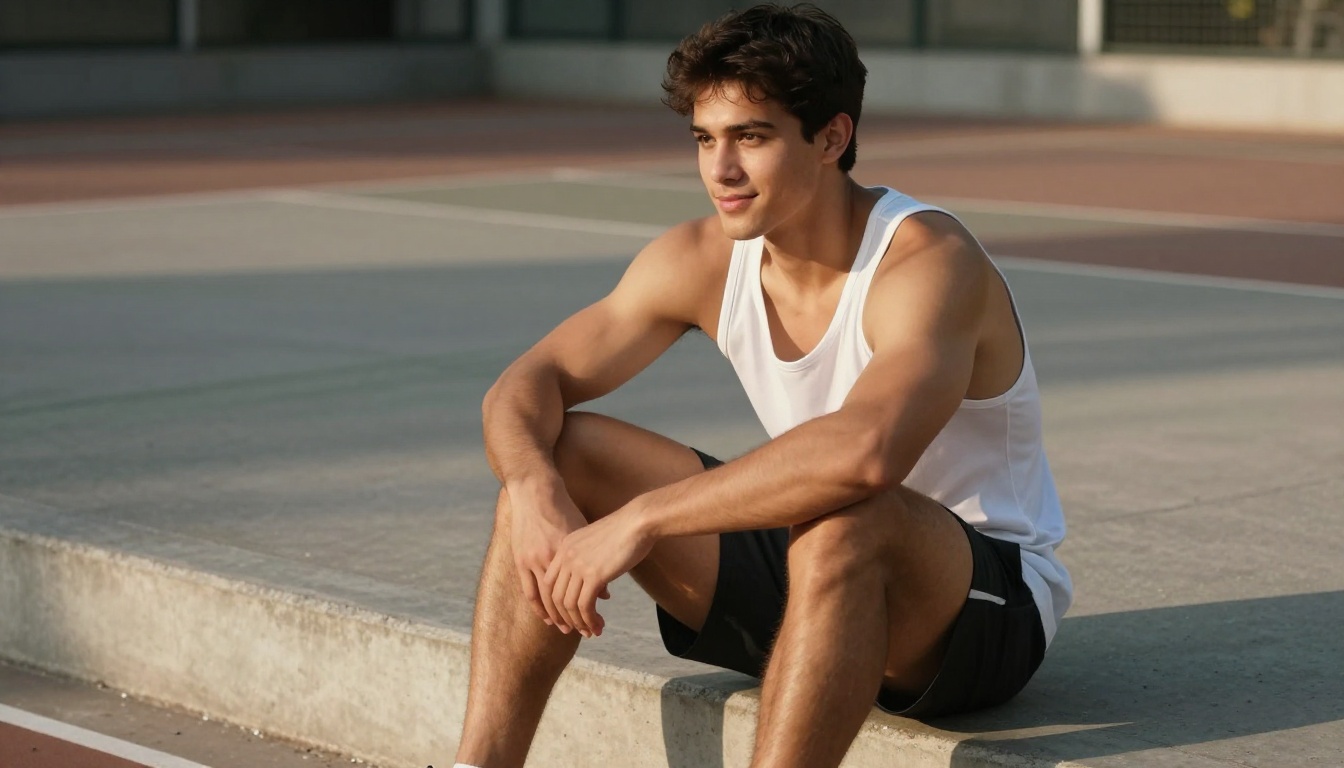
Facial Features That Define Personality
The same set of features reads completely differently depending on small parameter shifts. A sharp jawline with slightly downturned eyes reads as brooding. Round eyes with softer jaw angles read as approachable. You are doing character design, so be intentional:
The High-Cheekbone Structure:
- Works across most male face types
- "Prominent cheekbones, defined zygomatic arch" adds angular definition
- Pairs naturally with athletic builds
Eye Shape as Personality Signal:
- Slightly hooded: stoic, guarded, older-seeming
- Upturned at outer corners: warmer, more openly expressive
- Equal, almond-shaped: neutral baseline, works for most archetypes
Jaw and Chin:
- Square jaw with cleft chin: traditional athletic hero
- Softer jaw, slightly pointed chin: scholarly or sensitive archetype, still attractive
- Strong jaw without cleft: reliable, steady energy
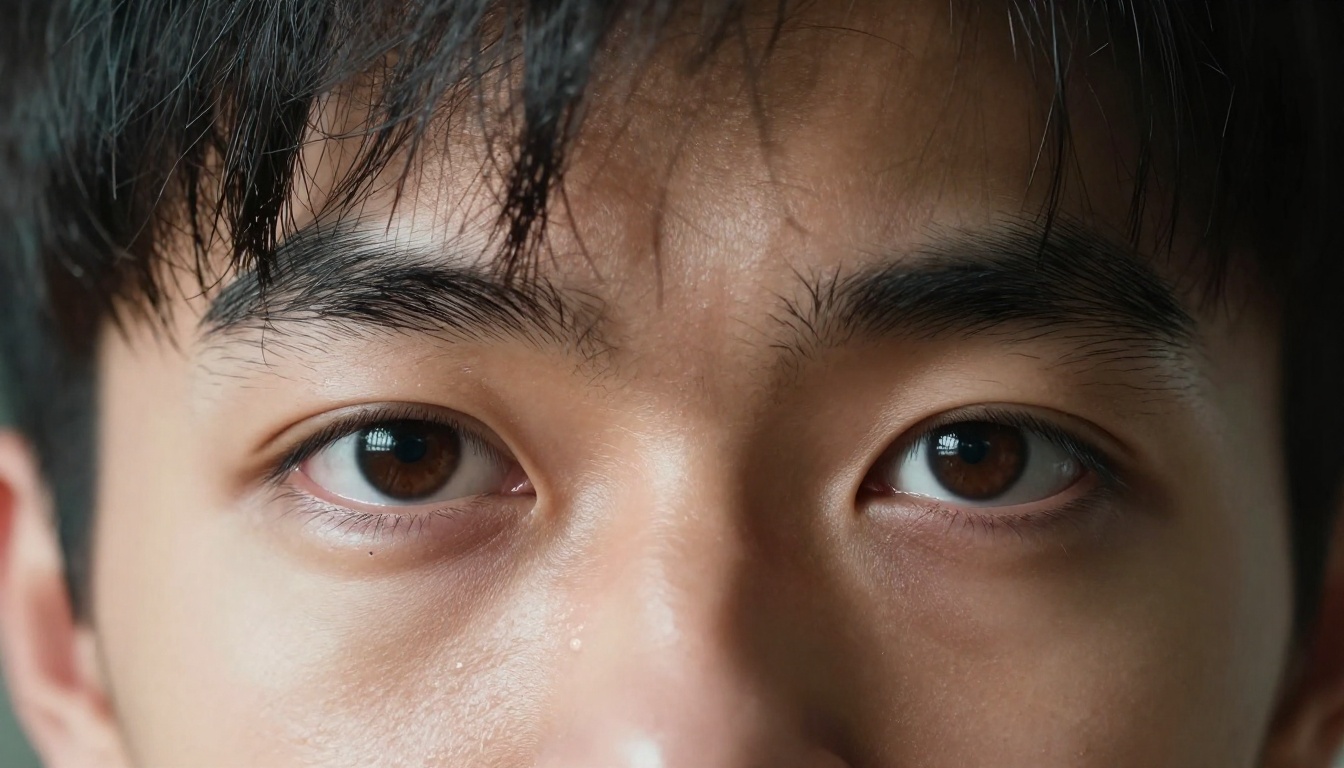
Pose and Body Language Signals
Pose is character writing in a single frame. What your character does with their hands, where their weight sits, and what their head angle communicates makes the difference between a body and a person.
- Relaxed weight on one hip: signals confidence without aggression
- Arms crossed but chin slightly lifted: self-contained, assessing the situation
- One hand in pocket, looking slightly off-frame: casual, internally preoccupied
- Leaning forward, forearms on knees: direct, engaged, wants to solve something
Pro tip: Add a horizon line reference in your prompts. "Character weight shifted to right leg, left hand loosely hanging, head turned 15 degrees left from camera, eye line at horizon" gives the model pose specificity that vague instructions miss.
Best Models for Athletic Character Rendering
Not every text-to-image model handles male athletic anatomy with equal care. Some compress limb proportions. Others treat muscle definition as a stylistic option rather than a technical requirement. Here is what actually works on PicassoIA:
Seedream 4.5 for Physique Accuracy
Seedream 4.5 is the strongest all-around performer for photorealistic male character generation at 4K. It handles:
- Proportional anatomy: Correctly renders shoulder-to-waist ratios without over-inflating
- Skin tone fidelity: Holds warmth and undertone consistency across iterations
- Detail retention at crop: Shoulders, hands, and forearms stay correctly rendered even in tight crops
Using Seedream 4.5 on PicassoIA:
- Open Seedream 4.5 on PicassoIA
- Set resolution to 4K output
- Start your prompt with body type parameters before adding environment or lighting
- Add "Kodak Portra 400 film grain, 8K RAW photography aesthetic" at the end to anchor the realism style
- Generate 3-4 variations and select the strongest anatomy for your base
Krea 2 Large for Skin Realism
Krea 2 Large excels when skin texture is the priority. If your character design lives in close-up portrait territory, this model produces the most convincing subsurface scattering and pore-level detail.
The tradeoff: it can slightly soften extreme muscle definition in favor of skin believability. For pure portraits and face design iterations, it is the better choice. For full-body athletic renders, Seedream 4.5 edges it out.
PicassoIA Image for Unlimited Iterations
PicassoIA Image is the practical choice for the iteration phase of character design. Designing a husbando from scratch means running 20-40 variations before you land on a face you want to commit to. With PicassoIA Image's unlimited generation model, you can run that volume without cost constraints disrupting your creative flow.
Once you have a base character face locked in, move to Seedream 4.5 or Krea 2 Large for the final high-fidelity renders.
Wan 2.7 Image Pro for 4K Finishing
Wan 2.7 Image Pro handles the final production render when you need poster-quality output. If your character design ends up as art for printing, profile imagery, or detailed scene work, this model's 4K output with strong compositional understanding is worth the extra generation step.
Also worth trying:
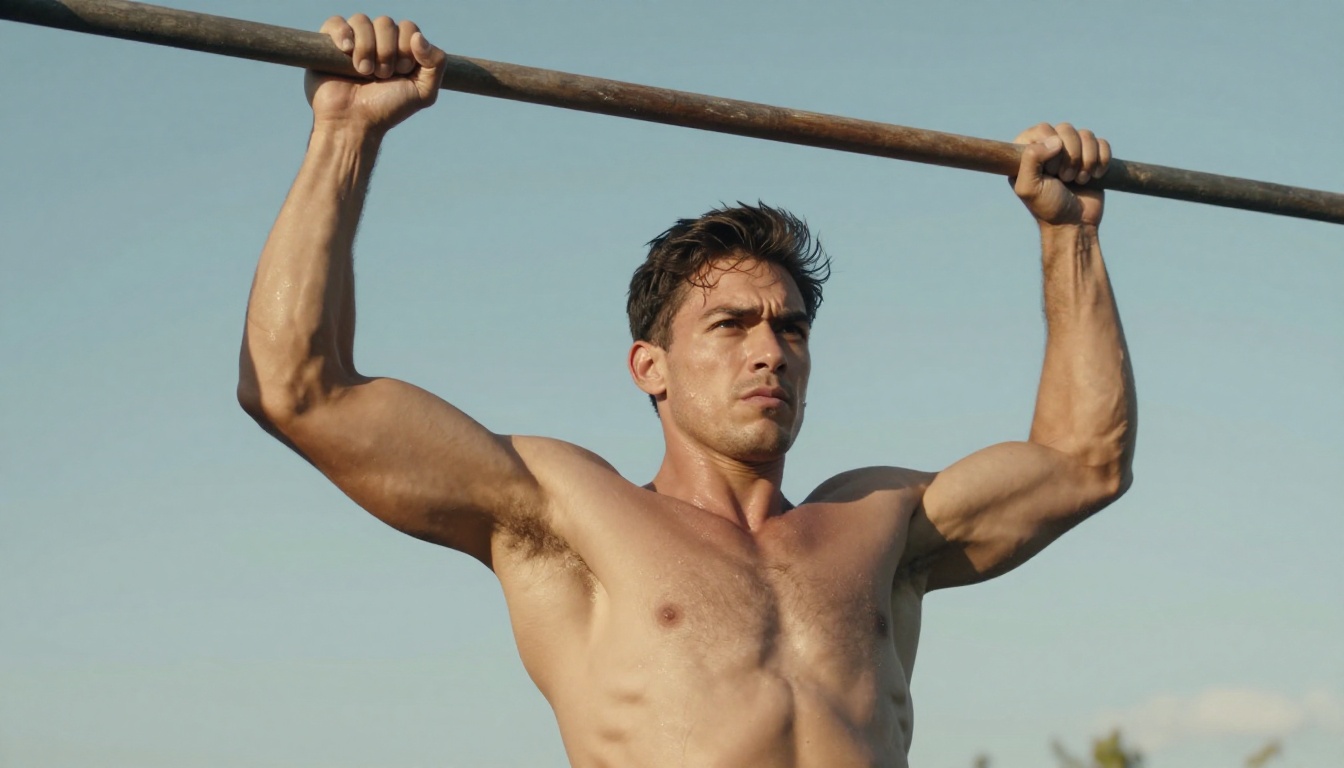
Styling the Athletic Look
Sports Gear That Reads Authentic
Clothing is not decoration in character design. It communicates sport affiliation, era, and economic context instantly. For athletic husbando design, the most common mistakes:
Generic athletic wear reads as stock photography. Over-branded gear, bright logos, and primary-color athletic kits are the visual equivalent of Comic Sans. They signal "sporty" without signaling anything specific about the person.
What works better:
- Minimalist compression wear: "fitted dark charcoal compression shorts, no logos, clean hem"
- Sport-specific context: "swimming team training singlet, worn at the collar from chlorine exposure" tells a story
- Wear and texture: "athletic tank faded from repeated washing, collar slightly stretched" adds lived-in realism
The fabric rule: Natural fibers render more realistically than synthetics in most models. If your character wears cotton, say so. "Cotton crew-neck tee, slightly wrinkled from movement" generates better than "athletic shirt" every time.
Lighting That Sculpts Muscle Definition
Lighting is where physique design actually happens. The same muscle structure reads completely differently under different light sources:
- Side lighting at 45 degrees: Creates shadow that defines muscle separation. Best for showcasing definition
- Overhead harsh light: Emphasizes top-of-shoulder and top-of-pec caps. Can look dramatic but flattens the torso
- Rim lighting from behind: Creates silhouette pop and separates the figure from the background. Strong for golden-hour and outdoor scenes
- Soft frontal light: Flattens definition but shows skin texture and face detail most clearly. Use for portrait-focused frames
For an athletic husbando who needs to look powerful without looking menacing, the most reliable formula is side lighting at roughly 40-45 degrees from the camera, slightly elevated above head height, with a fill light or environmental bounce from the opposite side to prevent harsh shadows from going fully black.
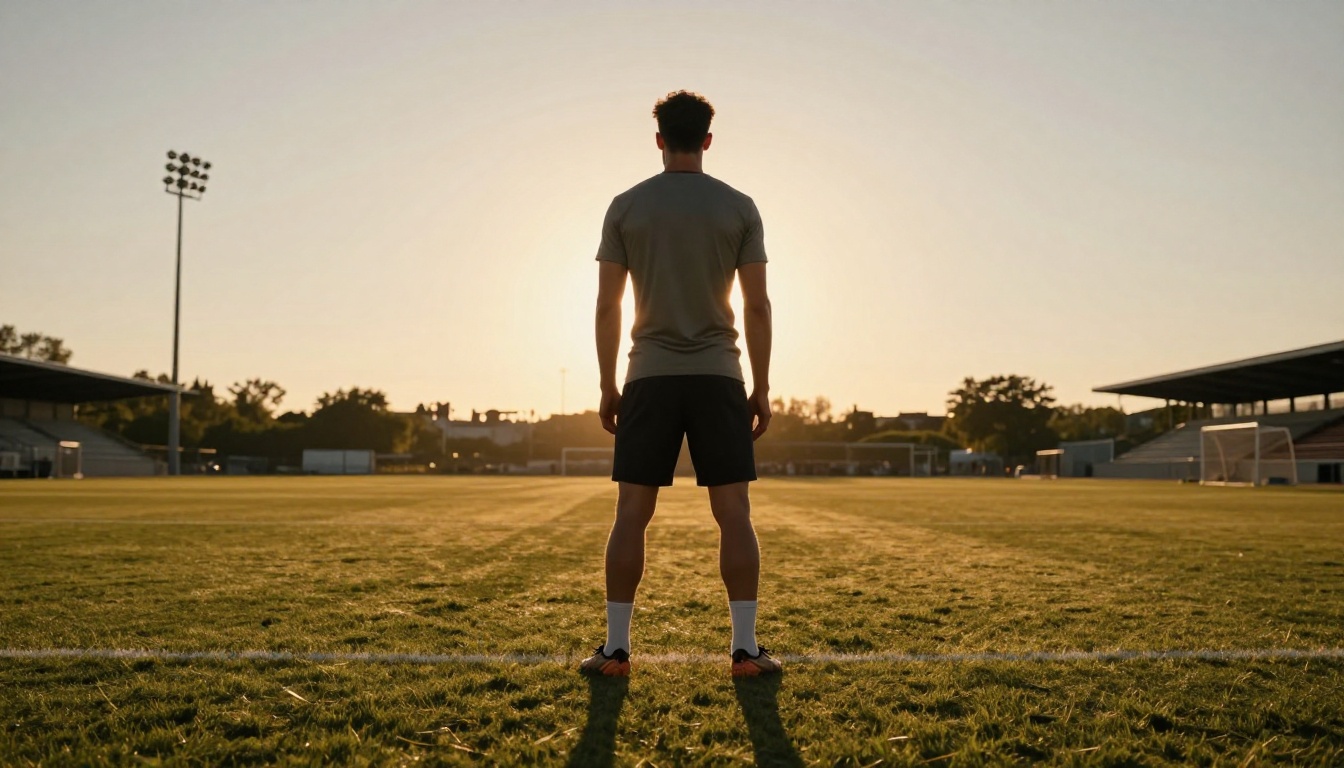
Personality Through Visual Archetypes
The Stoic Warrior
Visual signature: Slightly hooded eyes, strong symmetrical jaw, no obvious expression, weight balanced and still. Physical build tends toward precision over mass: a competitive martial artist's physique, not a powerlifter.
Prompt elements:
- "Calm focused expression, no visible emotion, mouth closed"
- "Internally still energy, weight balanced evenly across both feet"
- "Clean, minimal clothing, nothing flashy"
Best environment: Sparse, clean backgrounds. Empty training halls, overcast outdoor spaces, pre-dawn light.
The Warm Coach
Visual signature: Open expression, crow's feet at the corners of the eyes from genuine smiling, a slightly broader build that communicates safety more than competition. The kind of person you trust immediately.
Prompt elements:
- "Warm genuine smile reaching the eyes, slight crow's feet at corners"
- "Relaxed open body language, one hand extended slightly toward camera"
- "Lived-in athletic clothing, comfortable, not performance-focused"
Best environment: Warm afternoon light, sports fields, community gym settings with people blurred in the background.
The Rival Energy
Visual signature: The character you want to beat but also want to respect. Sharp eyes with an evaluating quality, a jaw set with controlled tension, a lean and efficient athletic build. Not the biggest person in the room, but the most precise.
Prompt elements:
- "Eyes with a measuring quality, slight intensity at the brow"
- "Jaw set with controlled tension, not aggressive but assessing"
- "Lean athletic build, explosive fast-twitch energy suggested in the stance"
Best environment: Competition settings, tracks, courts, anywhere that implies stakes.
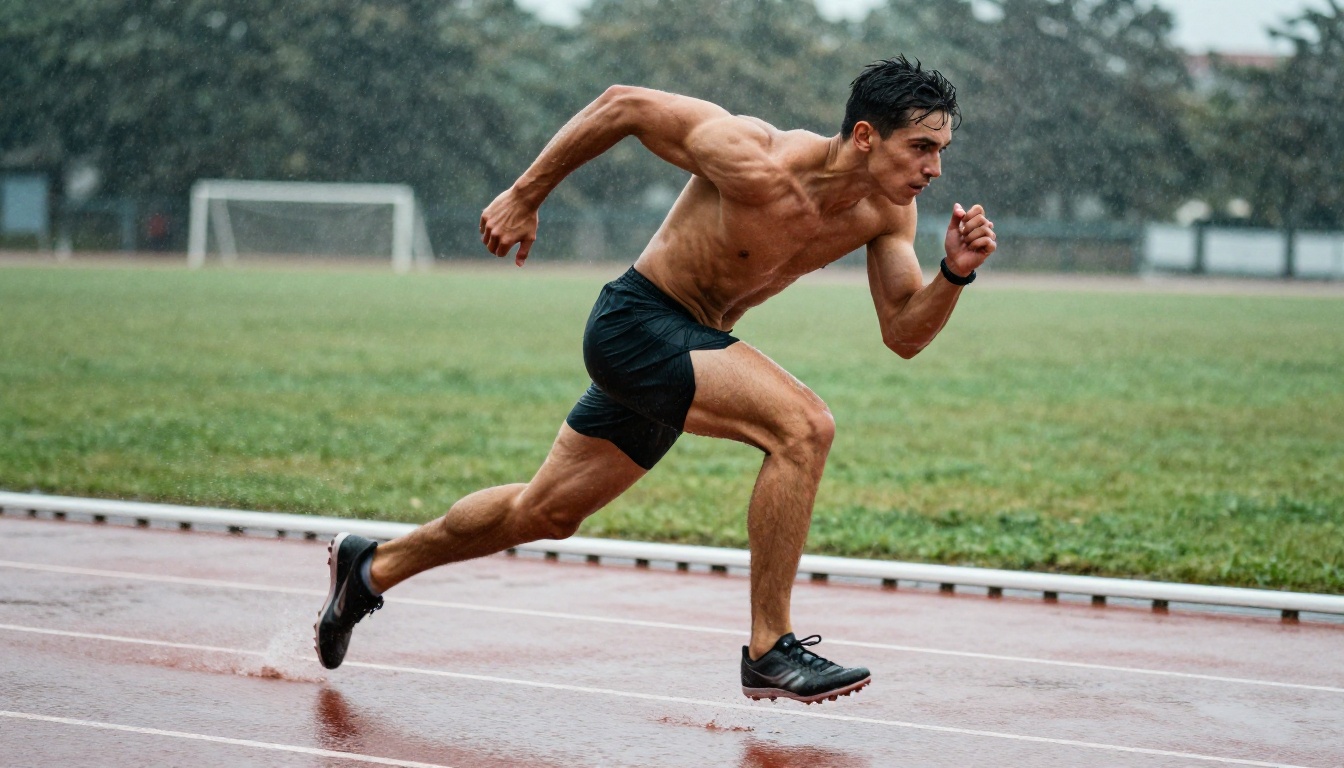
Refining and Locking Your Design
The Iteration Method That Actually Works
Most people iterate wrong. They change too many variables at once, which makes it impossible to know what fixed what. Treat character design like controlled testing:
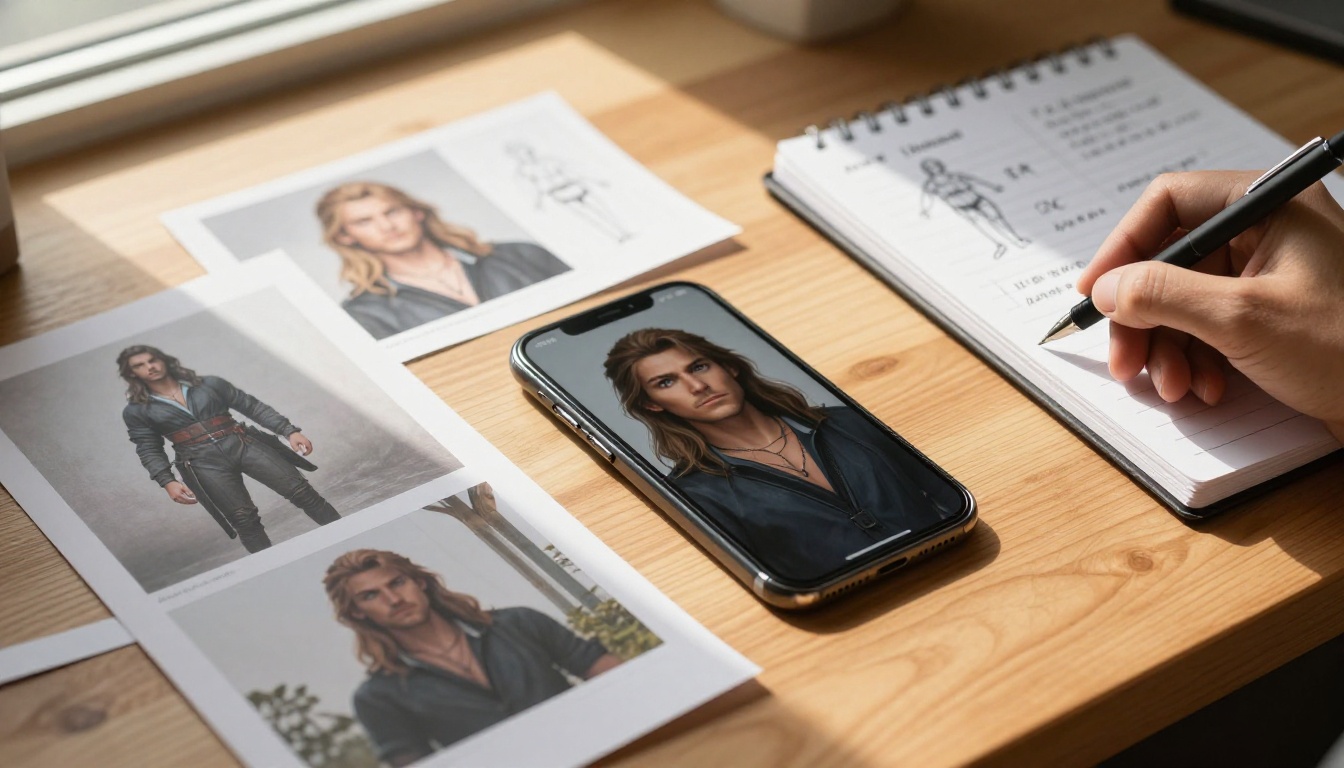
- Lock the face first. Generate 10-20 face-only portrait crops before touching the body. Faces take the most iterations to get right
- Build body parameters separately. Once the face is locked, describe the body in a separate test series
- Combine in the final prompt. Merge your best face description with your best body description and finish from there
PicassoIA Image Editor Pro becomes invaluable at the combination stage. When you have a strong base image and want to adjust specific elements, such as different hair, a changed expression, or a clothing swap, its editing tools let you iterate on existing images instead of starting over.
Achieving Consistency Across Images
One of the hardest parts of character design is maintaining identity across different scenes, poses, and lighting conditions. The same person should look like the same person whether they are sprinting in rain or sitting quietly in warm afternoon light.
What actually works:
- Seed locking: Use the seed parameter when available to anchor your generation style
- Detailed description anchoring: Keep a saved "character sheet" prompt block with the core physical description. Paste it at the start of every new prompt
- Flux Redux Dev for variations: This model specializes in image variations, taking your existing character render and producing alternates that maintain visual identity while changing pose, expression, or context
The character sheet approach: Write a 100-150 word description of your character's core physical traits. Save it. Prepend it to every generation prompt. This single habit produces more consistent results than any other thing you can do.
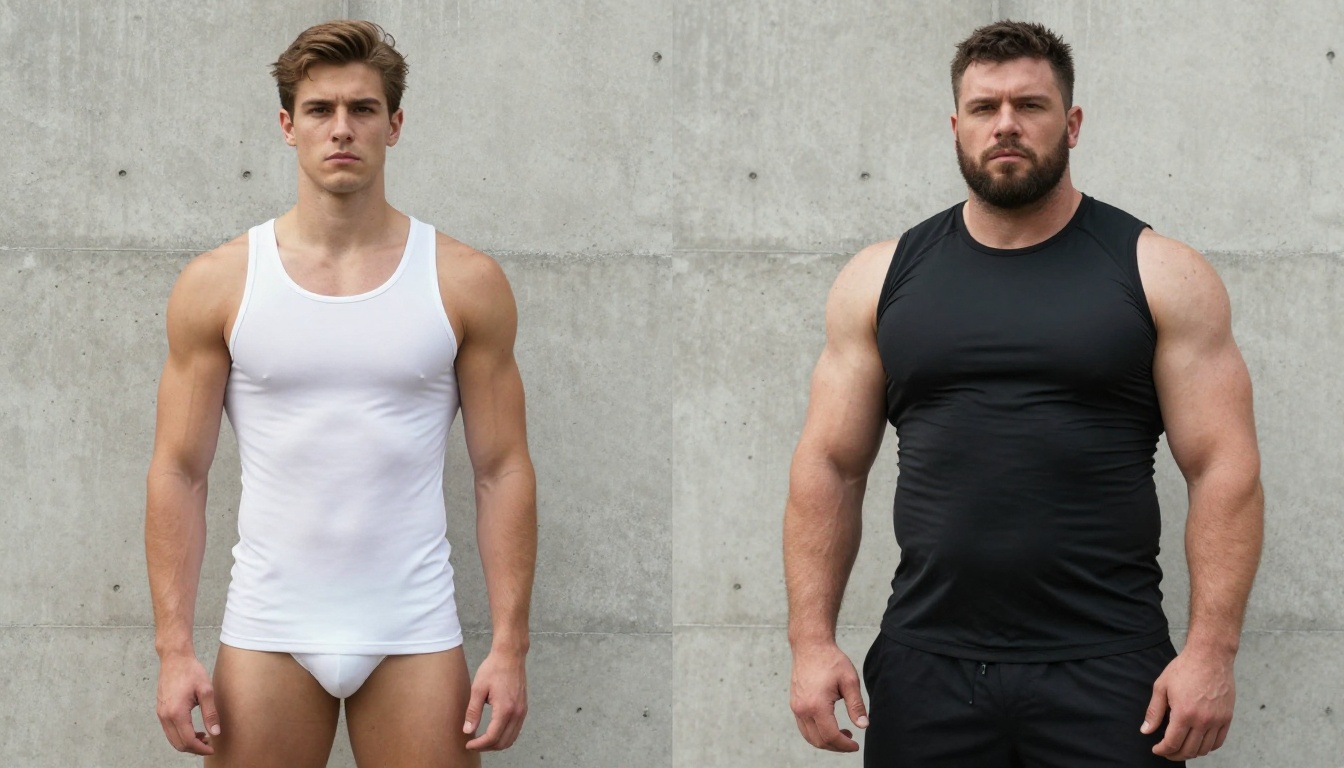
The Full Workflow in One Frame
Here is the complete process, distilled:
- Define the archetype (Stoic Warrior, Warm Coach, Rival Energy, or your own hybrid)
- Set the body blueprint using specific proportion language, V-taper ratio, and named muscle groups
- Build the face parameters separately, iterate 10-20 times until you have a result worth anchoring to
- Write the character sheet (100-150 words of core physical description to prepend every prompt)
- Select your model: PicassoIA Image for iteration volume, Seedream 4.5 for quality renders, Krea 2 Large for portrait skin detail
- Lock lighting before you finalize the scene (side at 40-45 degrees is the most reliable starting point)
- Use PicassoIA Image Editor Pro to adjust specific elements without full regeneration
- Achieve cross-scene consistency with Flux Redux Dev for variations that preserve character identity
Start Building Yours Today
The character you have in mind is closer to a finished render than you think. PicassoIA gives you 91 text-to-image models to work with, unlimited generation through PicassoIA Image, editing precision via PicassoIA Image Editor Pro, and the variation control of Flux Redux Dev for when you need your character across multiple scenes without losing identity.
Start with a face. Lock it down. Build outward from there. The whole system works better when you treat it like a creative collaboration rather than a single-prompt lottery. Your athletic AI husbando does not exist yet, but every tool you need to put him there is already live at picassoia.com/en/all-models.


