The visual revolution has arrived, and it's not limited to professionals with expensive studios or technical expertise. Fibo Bria represents a fundamental shift in how images are created—putting professional-grade photography capabilities directly into the hands of creators worldwide. This technology dismantles traditional barriers by providing instant access to hyper-realistic images across every category imaginable.
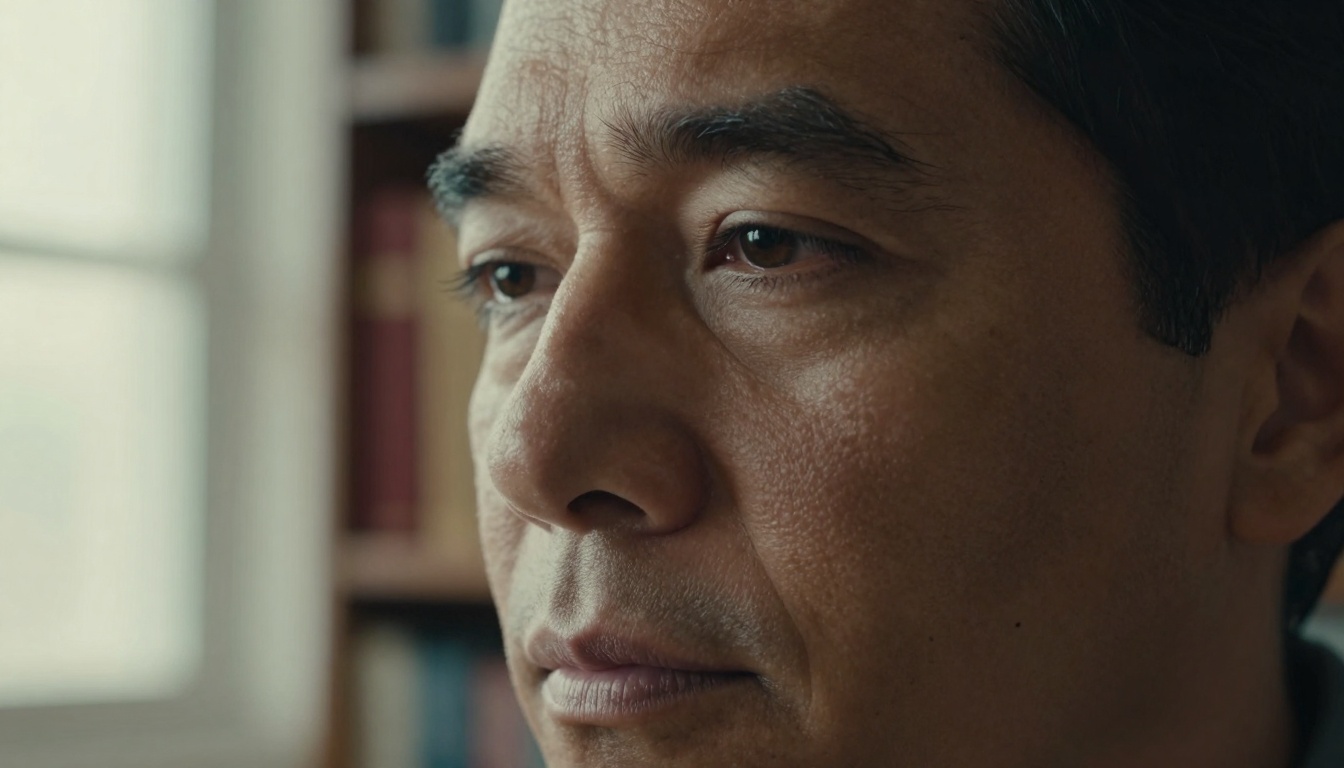
Above: Extreme close-up portrait generated with Fibo Bria technology, showing realistic skin texture and natural lighting.
What Fibo Bria Actually Does
Fibo Bria isn't just another AI image generator—it's a comprehensive visual creation platform that understands the nuances of professional photography. The system analyzes thousands of photographic principles: lighting dynamics, composition rules, material textures, color science, and depth perception. When you request an image, you're not getting a generic rendering; you're receiving a photograph that follows established photographic best practices.
The technology works through a multi-layered approach:
- Photographic analysis layer - Examines professional photography techniques
- Material understanding layer - Recognizes how different surfaces reflect light
- Composition intelligence layer - Applies established visual composition rules
- Lighting simulation layer - Calculates how light interacts with subjects and environments
- Post-processing emulation layer - Applies professional color grading and enhancement
The Cost Advantage Over Traditional Photography
Professional photography carries significant financial barriers. A single studio portrait session typically costs $300-800, while product photography ranges from $500-2,000 per product. Architectural visualization starts at $1,500 per rendering, and automotive photography often exceeds $3,000 per vehicle. These prices don't include equipment costs: professional cameras ($3,000-8,000), lenses ($1,000-4,000 each), lighting equipment ($2,000-10,000), and studio space ($1,500-5,000 monthly).
Fibo Bria eliminates these expenses entirely. The platform provides:
| Traditional Photography Cost | Fibo Bria Equivalent |
|---|
| Camera & Lenses: $5,000-15,000 | Included in platform |
| Lighting Equipment: $3,000-8,000 | Simulated perfectly |
| Studio Rental: $1,500-5,000/month | Virtual environments included |
| Model Fees: $500-2,000/day | Digital models at no cost |
| Post-production: $200-800/image | Automated professional grading |
| Total per project: $5,200-30,800 | Fraction of traditional cost |
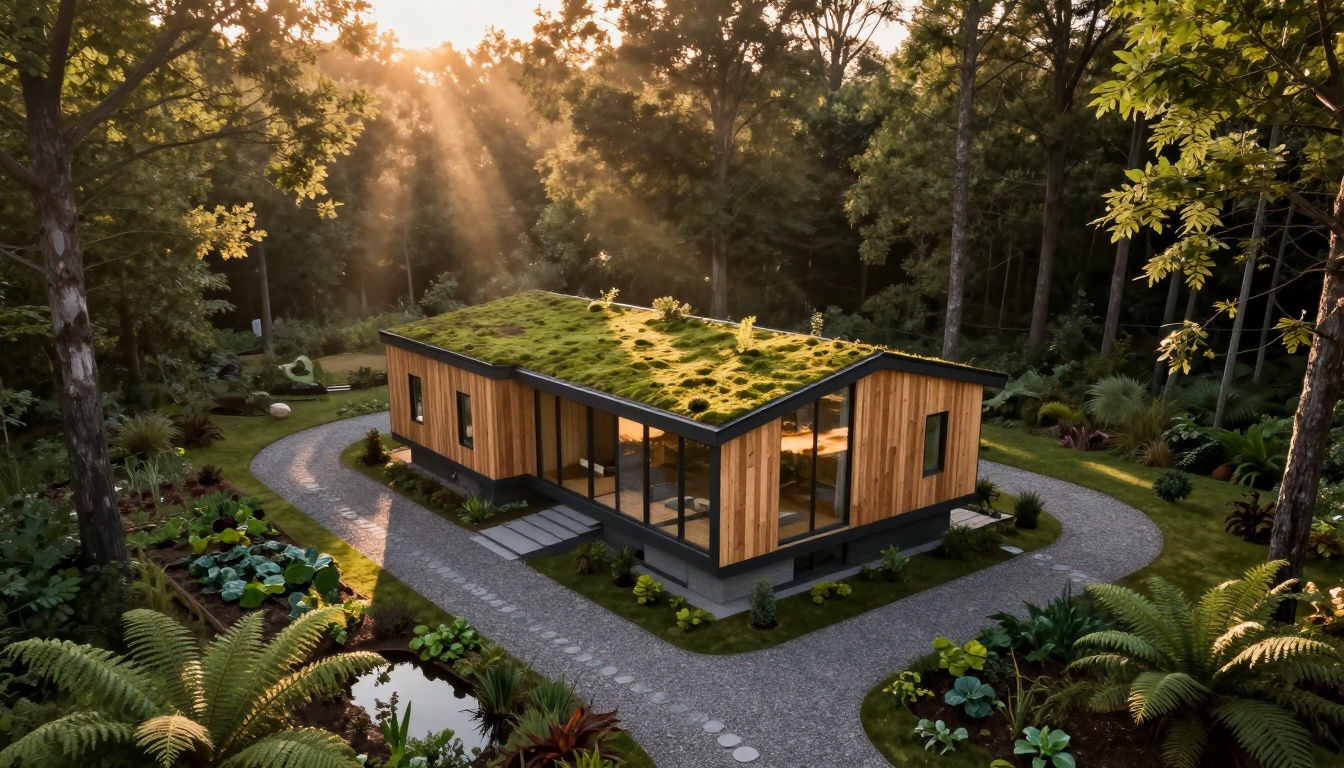
Above: Aerial visualization of sustainable home design, showing perfect lighting and material textures.
Real-World Applications Across Industries
E-commerce and Product Photography
Online retailers face constant pressure to produce high-quality product images. Traditional product photography requires studio setup, multiple angles, lighting adjustments, and post-processing for each item. With hundreds or thousands of products, this becomes prohibitively expensive.
Fibo Bria transforms this process. Retailers can generate:
- 360-degree product views with consistent lighting
- Lifestyle context images showing products in use
- Material close-ups highlighting texture and quality
- Comparative shots showing products alongside alternatives
- Seasonal variations adapting products to different contexts
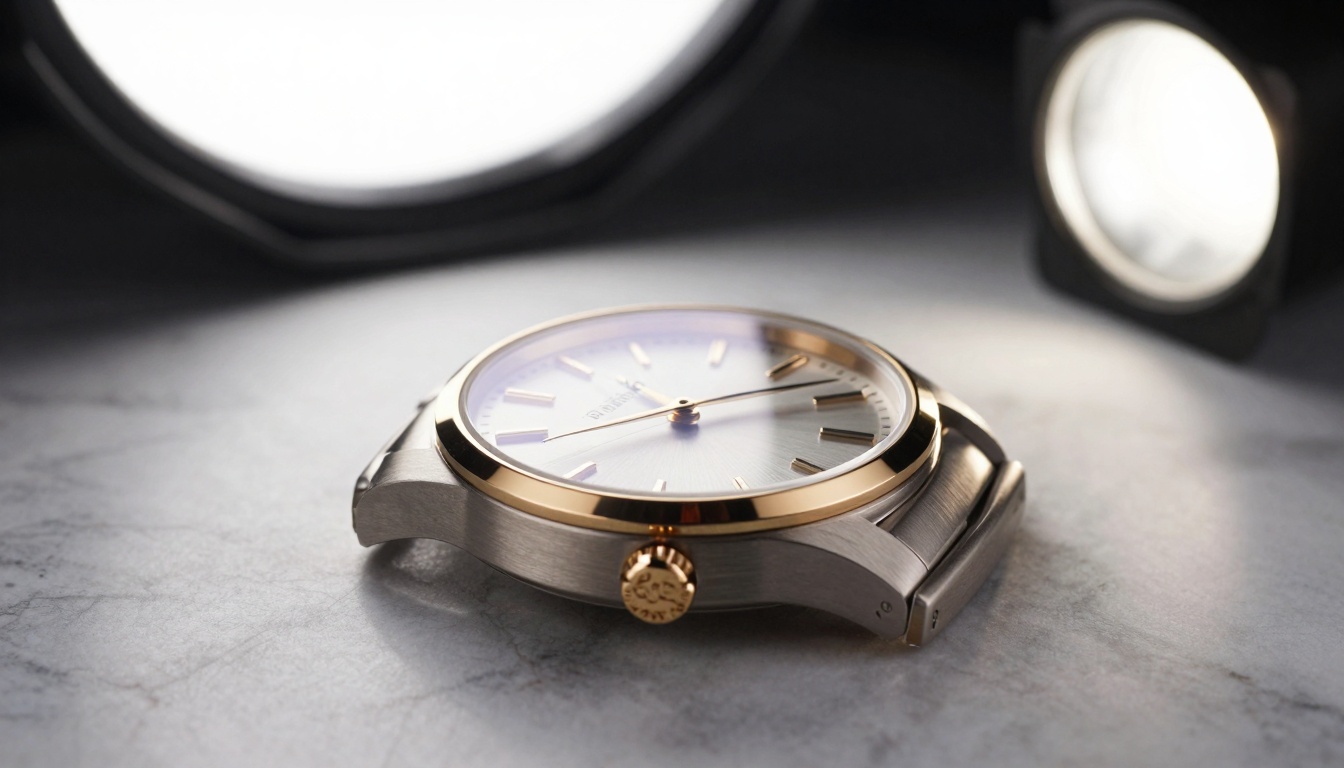
Above: Hyper-realistic product shot with perfect metallic reflections and marble texture.
Real Estate and Architectural Visualization
Property developers and real estate agents need compelling visualizations to market properties effectively. Traditional architectural rendering requires 3D modeling expertise, material selection, lighting setup, and rendering time that can span days for complex projects.
Fibo Bria's architectural capabilities include:
- Exterior visualizations with accurate lighting at different times of day
- Interior renderings showing material textures and spatial relationships
- Furnished versions with realistic decor and staging
- Seasonal variations showing properties in different weather conditions
- Aerial perspectives providing context and neighborhood views
Marketing and Advertising Content
Marketing teams constantly need fresh visual content for campaigns, social media, and advertisements. Traditional photo shoots require planning, coordination with models, location scouting, and post-production that delays campaign launches.
Fibo Bria enables marketing teams to:
- Generate campaign-specific imagery on demand
- Create consistent visual branding across all channels
- Produce A/B testing variations instantly
- Adapt visuals for different regions and demographics
- Maintain visual consistency throughout campaign cycles
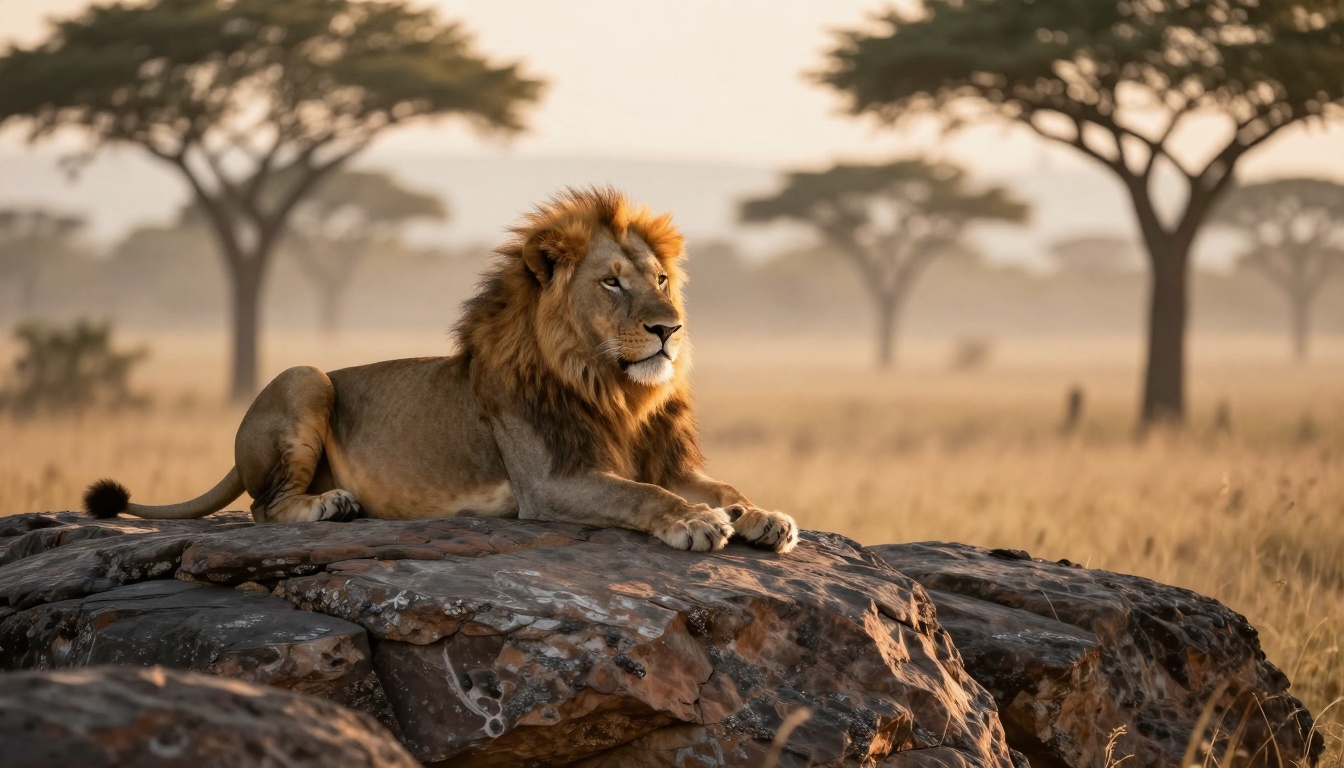
Above: Cinematic wildlife shot with individual fur details and perfect morning lighting.
Technical Excellence Behind the Scenes
Fibo Bria achieves its photographic quality through several technical innovations:
Advanced Material Understanding
The system doesn't just recognize objects—it understands how materials behave photographically. It knows that silk reflects light differently than cotton, that brushed metal creates specific highlight patterns, and that marble has unique veining characteristics. This material intelligence allows the platform to render surfaces with photographic accuracy rather than generic textures.
Professional Lighting Simulation
Lighting makes or breaks a photograph. Fibo Bria simulates professional lighting setups:
- Three-point lighting systems (key, fill, back lights)
- Natural light dynamics (golden hour, overcast, midday sun)
- Studio lighting patterns (softbox, beauty dish, snoot)
- Environmental lighting (neon signs, candlelight, street lamps)
- Mixed lighting scenarios combining multiple sources
Composition Intelligence
The platform applies established composition rules automatically:
- Rule of thirds positioning for balanced images
- Leading lines directing viewer attention
- Framing elements creating visual interest
- Depth layers (foreground, midground, background)
- Negative space for emphasis and breathing room
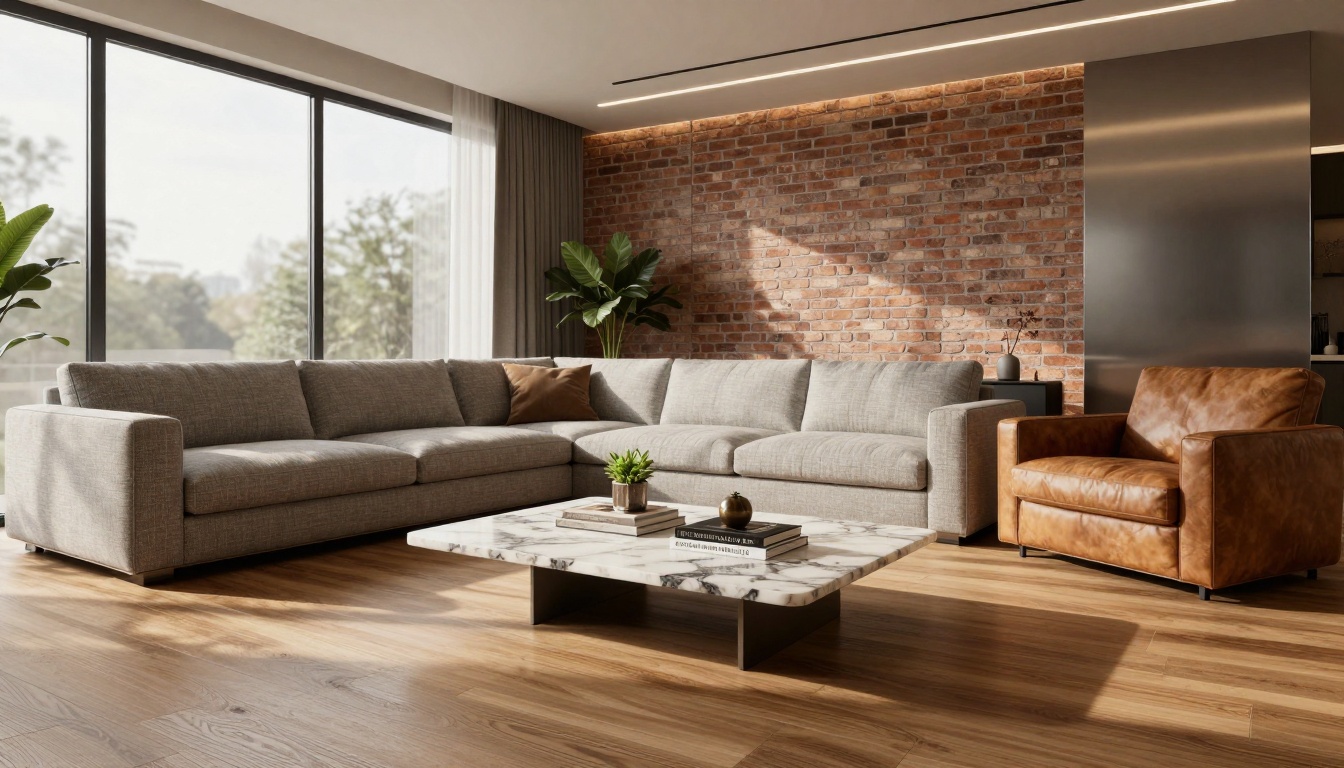
Above: Professional interior visualization showing accurate lighting and material details.
While many AI image generators exist, Fibo Bria stands apart through its photographic focus. Here's how it compares:
| Feature | Generic AI Generators | Fibo Bria |
|---|
| Photographic Quality | Artistic interpretations | Studio-quality photography |
| Lighting Control | Basic illumination | Professional lighting simulation |
| Material Accuracy | Approximate textures | Photorealistic material rendering |
| Composition Rules | Random placement | Professional composition application |
| Color Science | Vibrant but artificial | Accurate photographic color |
| Depth Perception | Flat or exaggerated | Realistic depth of field |
| Consistency | Variable results | Professional consistency |
| Practical Use | Artistic expression | Commercial and professional applications |
Fibo Bria integrates seamlessly with the broader PicassoIA platform, which offers a comprehensive suite of AI tools for visual creation. The platform includes specialized models for different applications:
This integration means users can move seamlessly between different stages of visual creation without switching platforms or dealing with compatibility issues.
Practical Implementation Guide
Getting Started with Fibo Bria
- Define your photographic needs - What type of images do you require? (portraits, products, architecture, etc.)
- Gather reference materials - Collect examples of the style, lighting, and composition you prefer
- Start with simple prompts - Begin with basic descriptions and refine based on results
- Iterate and refine - Use the feedback loop to improve image quality
- Batch process similar images - Maintain consistency across related visuals
Advanced Techniques for Better Results
💡 Pro Tip: When describing subjects, include specific material details. Instead of "a dress," try "a silk evening dress with lace detailing catching chandelier light."
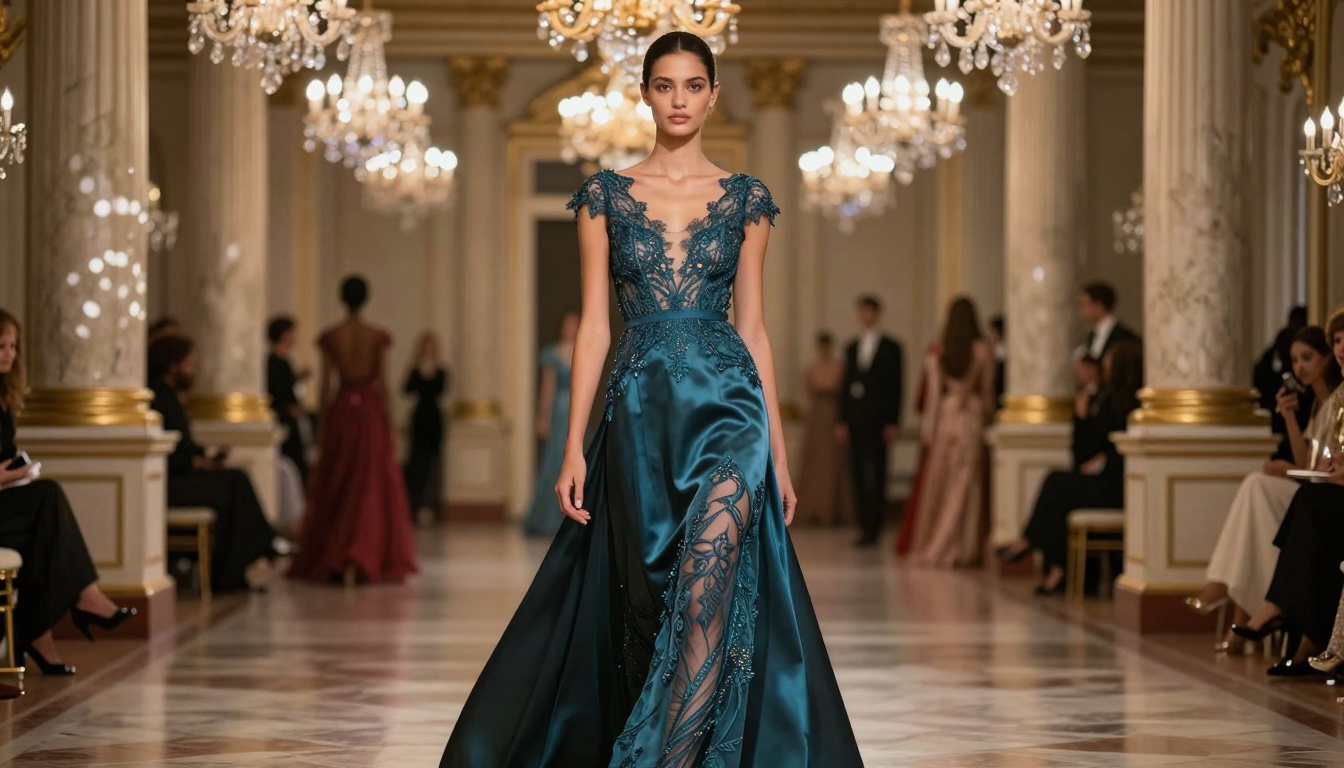
Above: Fashion photography with perfect fabric texture and ballroom lighting.
Lighting Specification: Always describe lighting conditions. "Golden hour sunlight from left side creating long shadows" produces better results than "well-lit."
Material Details: Include specific material characteristics. "Brushed metal with visible machining lines" versus "shiny metal."
Composition Elements: Mention composition preferences. "Rule of thirds with subject at left intersection" helps the AI understand your visual priorities.
Camera Specifications: Reference professional equipment. "85mm f/1.8 lens creating shallow depth of field" produces more photographic results.
Case Studies: Real Business Applications
Small Business Product Launch
A boutique skincare company needed professional product photography for their new line. Traditional photography would have cost $8,000+ for 12 products with multiple angles and lifestyle shots. Using Fibo Bria, they generated:
- 12 product hero shots ($0 vs. $300 each traditionally)
- 36 lifestyle context images ($0 vs. $150 each)
- 24 material close-ups ($0 vs. $100 each)
- 6 comparison images ($0 vs. $200 each)
Total savings: $8,400 vs. platform subscription cost
Real Estate Development Marketing
A property developer needed visualizations for a new residential complex. Traditional 3D rendering would have cost $25,000+ and taken three weeks. With Fibo Bria, they created:
- Exterior views at different times of day
- Interior renderings of all unit types
- Furnished versions showing potential decor
- Aerial perspectives of the development
- Seasonal variations (summer, autumn, winter)
Time saved: 3 weeks → 2 days
Cost saved: $25,000 → subscription-based
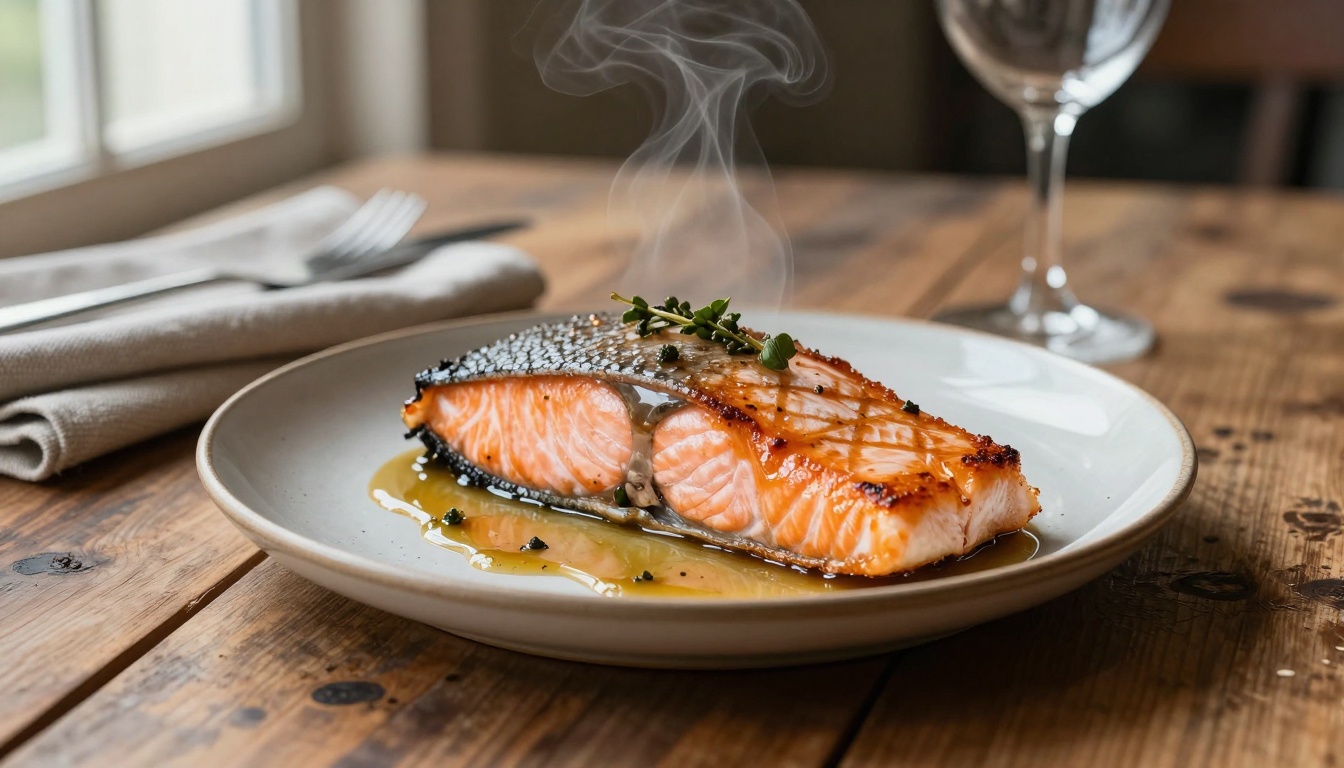
Above: Gourmet food photography showing perfect texture and lighting.
Addressing Common Concerns
Quality Consistency
Some users worry about inconsistent quality across different image generations. Fibo Bria addresses this through:
- Style consistency algorithms that maintain visual coherence
- Parameter locking for repeated elements
- Batch processing with consistent settings
- Reference image guidance using existing visuals as style guides
Commercial Usage Rights
All images generated through Fibo Bria come with commercial usage rights, making them suitable for business applications including:
- Advertising and marketing materials
- Product packaging and labeling
- Website and social media content
- Print publications and catalogs
- Television and film production
Customization and Brand Alignment
The platform offers extensive customization options:
- Brand color integration - Maintain corporate color palettes
- Style templates - Create and save preferred visual styles
- Consistency controls - Ensure visual coherence across campaigns
- Asset libraries - Build repositories of approved visual elements
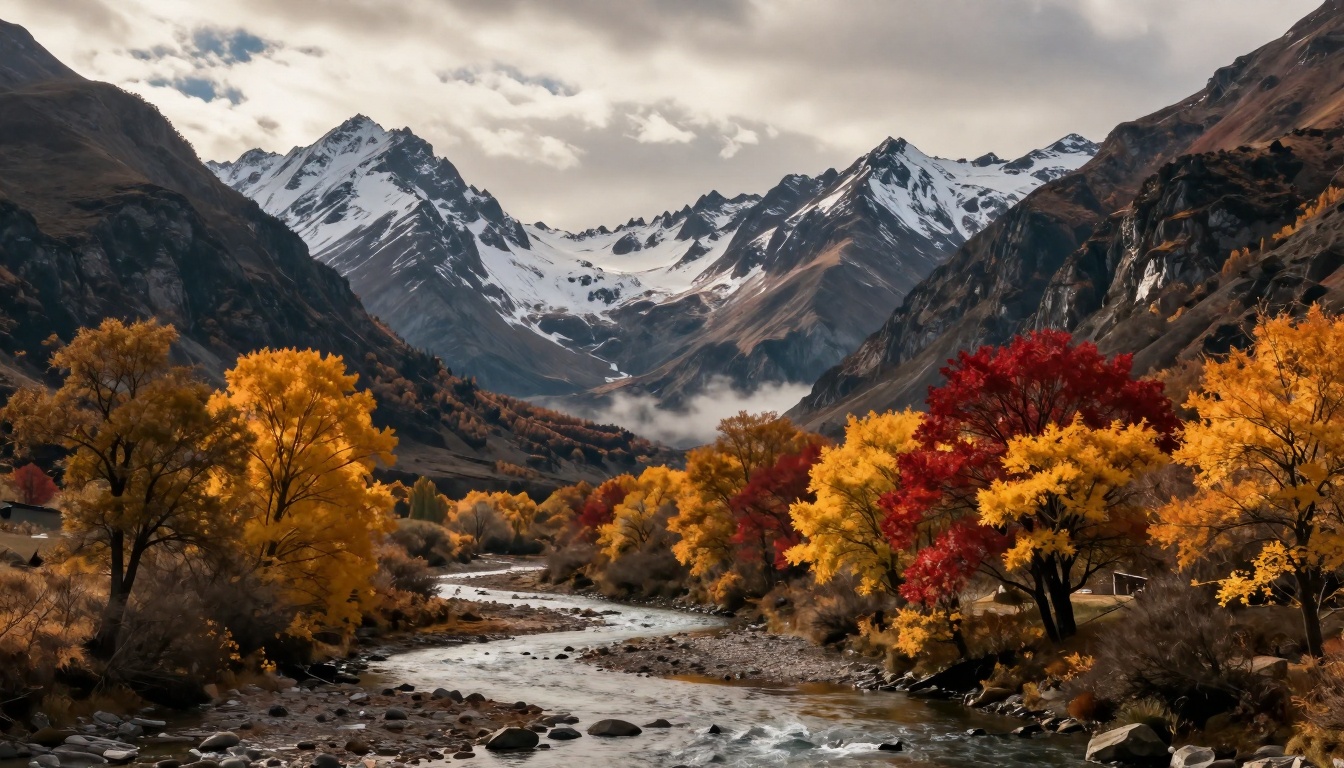
Above: Professional landscape shot with accurate autumn foliage and lighting.
The Future of Visual Content Creation
Fibo Bria represents more than just a tool—it signals a fundamental shift in visual content creation. As the technology continues evolving, we can expect:
Real-time collaboration features allowing teams to work simultaneously on visual projects
Advanced style transfer capabilities applying established photographic styles to new content
Integration with existing workflows connecting directly to design software and marketing platforms
Enhanced customization options providing even greater control over visual outcomes
Expanded material libraries covering increasingly specialized surfaces and textures
Creating Your First Professional Images
The barrier to entry has never been lower. Here's how to start creating professional images today:
- Identify your immediate visual needs - What images would benefit your business right now?
- Start with the PicassoIA platform - Access Fibo Bria alongside other professional tools
- Experiment with different approaches - Test various prompts and settings
- Refine based on results - Learn what works best for your specific needs
- Scale your visual production - Apply successful techniques across your content pipeline
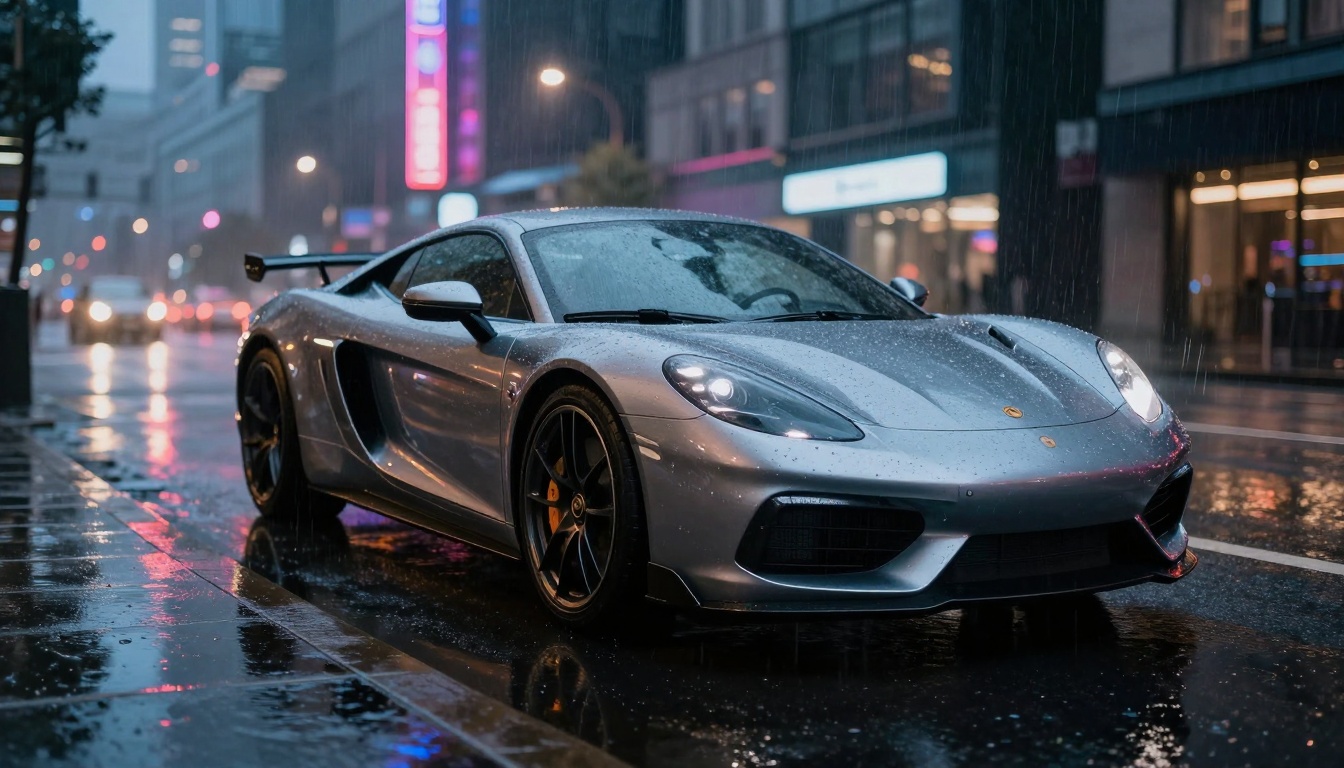
Above: Automotive photography with perfect reflections and urban atmosphere.
The democratization of professional photography isn't a future concept—it's happening right now through platforms like Fibo Bria. The ability to create studio-quality images without studio equipment, professional training, or significant financial investment represents one of the most substantial shifts in visual content creation history.
Every creator, marketer, business owner, and content producer now has access to visual capabilities that were previously reserved for professionals with substantial resources. This accessibility doesn't dilute quality—it expands opportunity. The same photographic principles that guided professionals for decades now inform AI-generated images, ensuring results that meet professional standards while being accessible to everyone.
The visual content you need for your projects, campaigns, and communications exists at your fingertips. The only question remaining is what you'll create first.


