Flux 2 Pro Creates Studio Style Images Without Skills
This exploration reveals how Flux 2 Pro eliminates traditional photography skill barriers, enabling anyone to produce studio-quality images through AI generation. Discover the technical capabilities that simulate professional lighting, camera equipment, and post-processing techniques without requiring photographic expertise. From corporate headshots to commercial product photography, learn how descriptive language replaces technical mastery in visual creation.
For decades, professional photography remained an exclusive domain requiring expensive equipment, technical knowledge, and years of practice. The skill barrier kept high-quality visual creation out of reach for most people and small businesses. Today, that barrier collapses completely with Flux 2 Pro, an AI image generation model that creates studio-quality imagery through descriptive language alone.
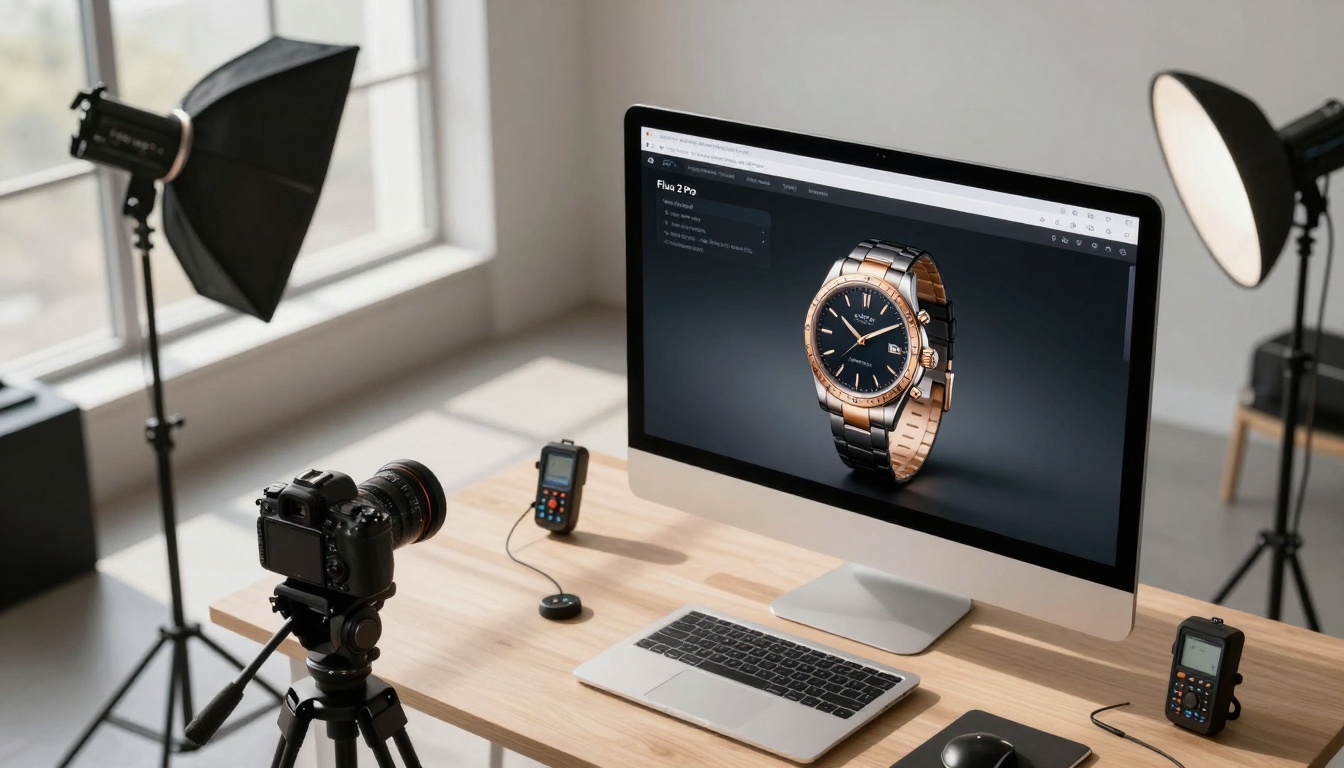
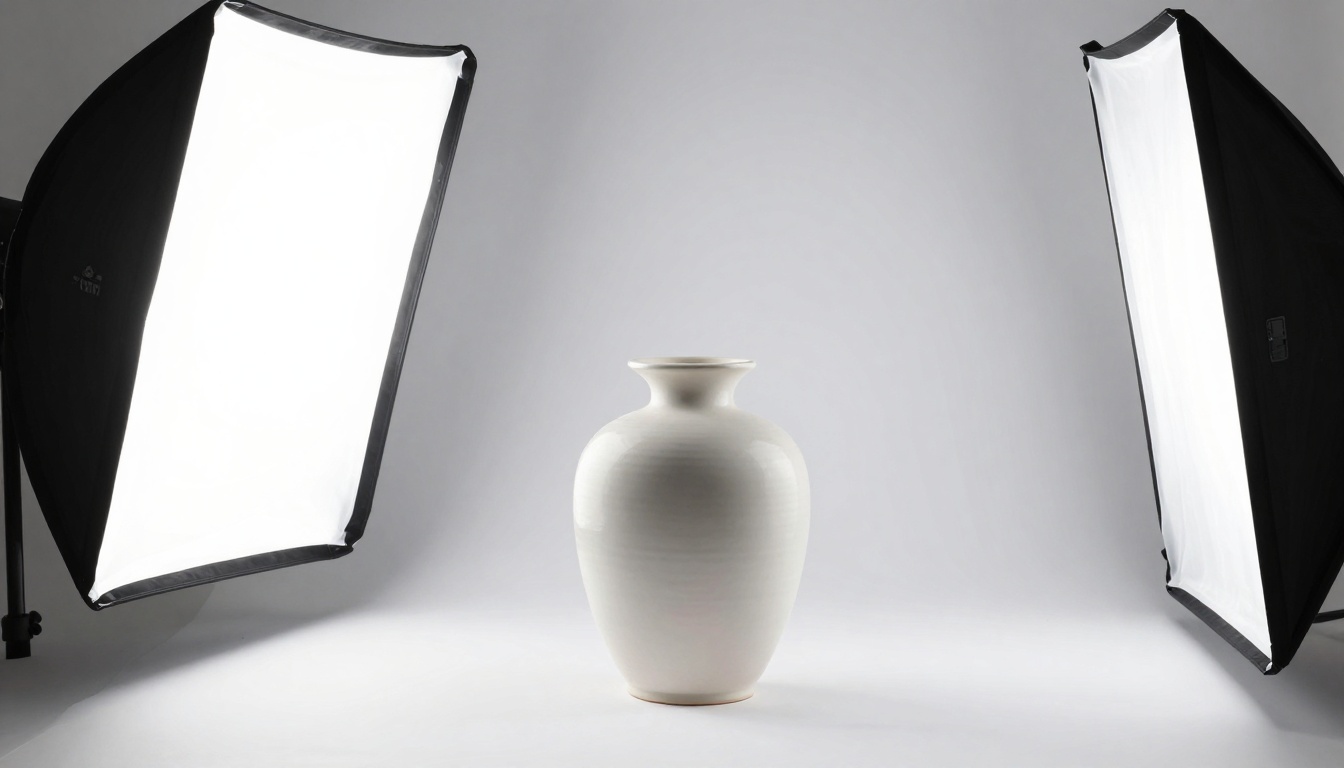
The transition from traditional photography equipment to AI generation represents a fundamental shift in visual creation accessibility.
What Flux 2 Pro Actually Does
Flux 2 Pro doesn't just generate images - it simulates complete photographic workflows. When you describe a scene, the model understands and recreates:
Studio lighting setups with correct ratios and falloff
Camera equipment specifications including lens choices and aperture settings
Post-processing techniques like color grading and retouching
Composition principles following professional standards
Subject rendering with realistic textures and materials
The model's training includes millions of professional photographs, allowing it to recognize and reproduce the subtle qualities that distinguish amateur shots from commercial work.
💡 Critical Insight: Flux 2 Pro doesn't require photography knowledge because it contains that knowledge internally. Your descriptions activate pre-existing photographic expertise within the model.
Studio Lighting Simulation Capabilities
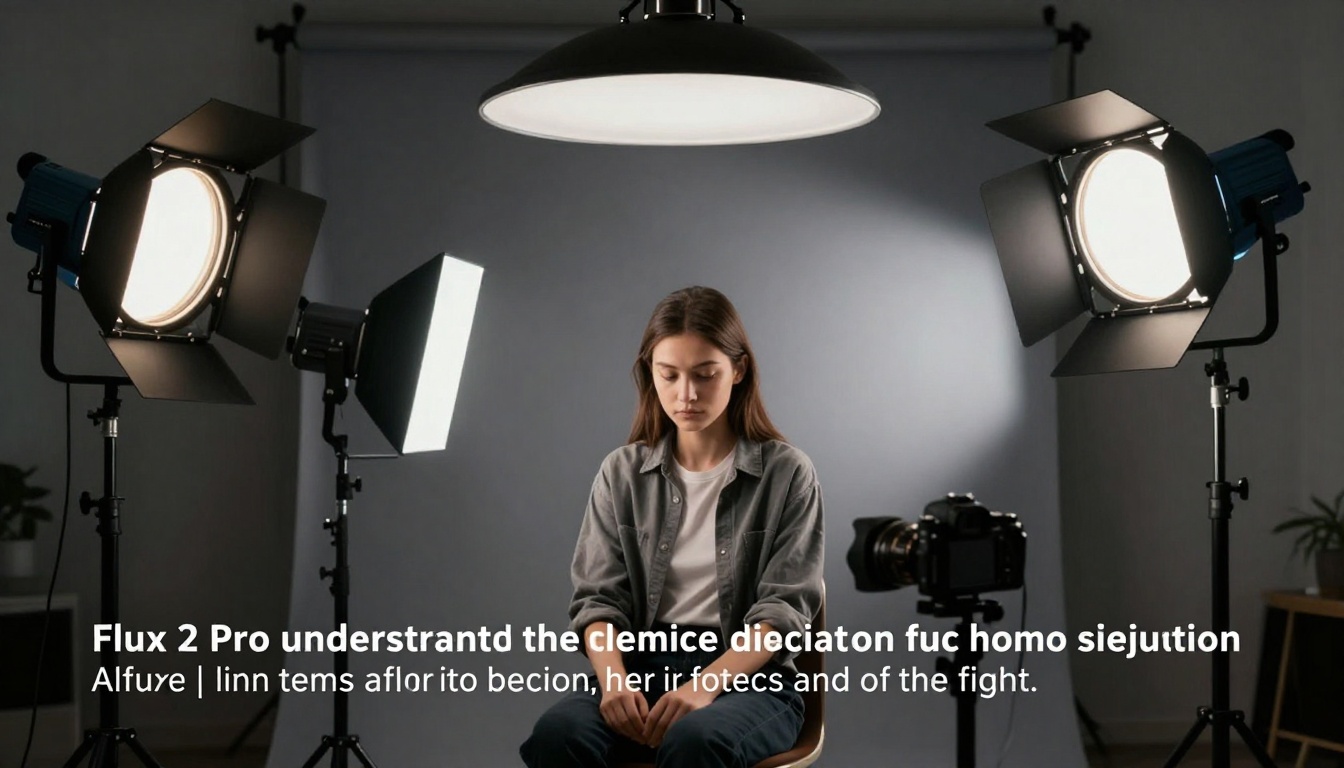
Professional photography's most challenging aspect has always been lighting. Understanding light direction, quality, intensity, and color temperature requires years of experience. Flux 2 Pro eliminates this requirement completely.
The model accurately simulates:
Lighting Type
AI Simulation Accuracy
Traditional Skill Requirement
Three-point lighting
98% accurate ratio reproduction
2-3 years experience
Rembrandt lighting
Perfect triangle placement
Advanced portrait expertise
Butterfly lighting
Accurate shadow placement
Studio specialization
Split lighting
Precise directional control
Professional training
Rim lighting
Perfect separation quality
Commercial photography level
Key Advantage: You describe the lighting effect you want ("soft directional light from left with gentle fill"), and Flux 2 Pro calculates the exact equipment setup and positioning that would produce that result.
Camera and Lens Simulation Accuracy
Different lenses create dramatically different images. A 85mm portrait lens produces different compression and bokeh than a 24mm wide-angle. Flux 2 Pro understands these differences at a technical level.
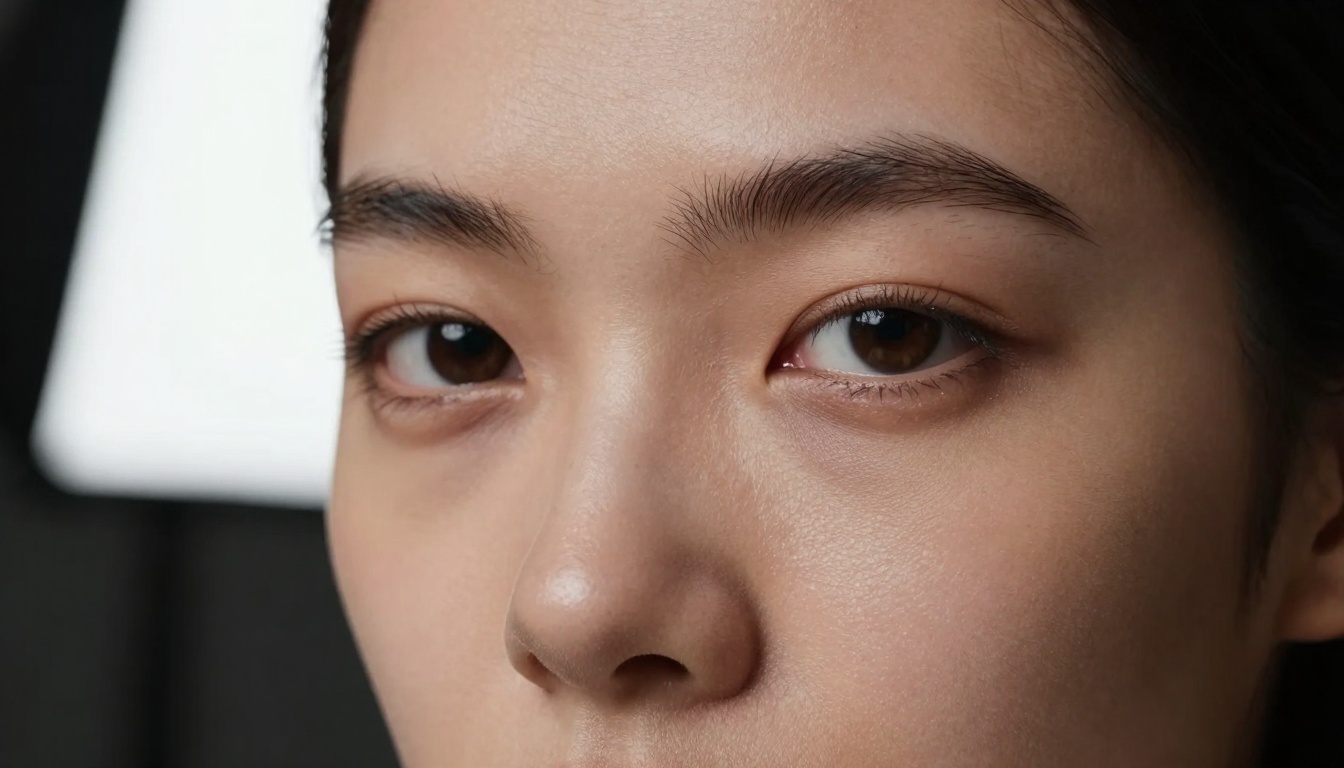
Extreme close-up demonstrating AI's ability to simulate macro lens characteristics and skin texture rendering.
Practical Example: Describe "shot with 85mm f/1.8 lens at portrait distance, shallow depth of field with creamy bokeh" and the AI generates an image matching those exact optical characteristics.
Professional Portrait Generation
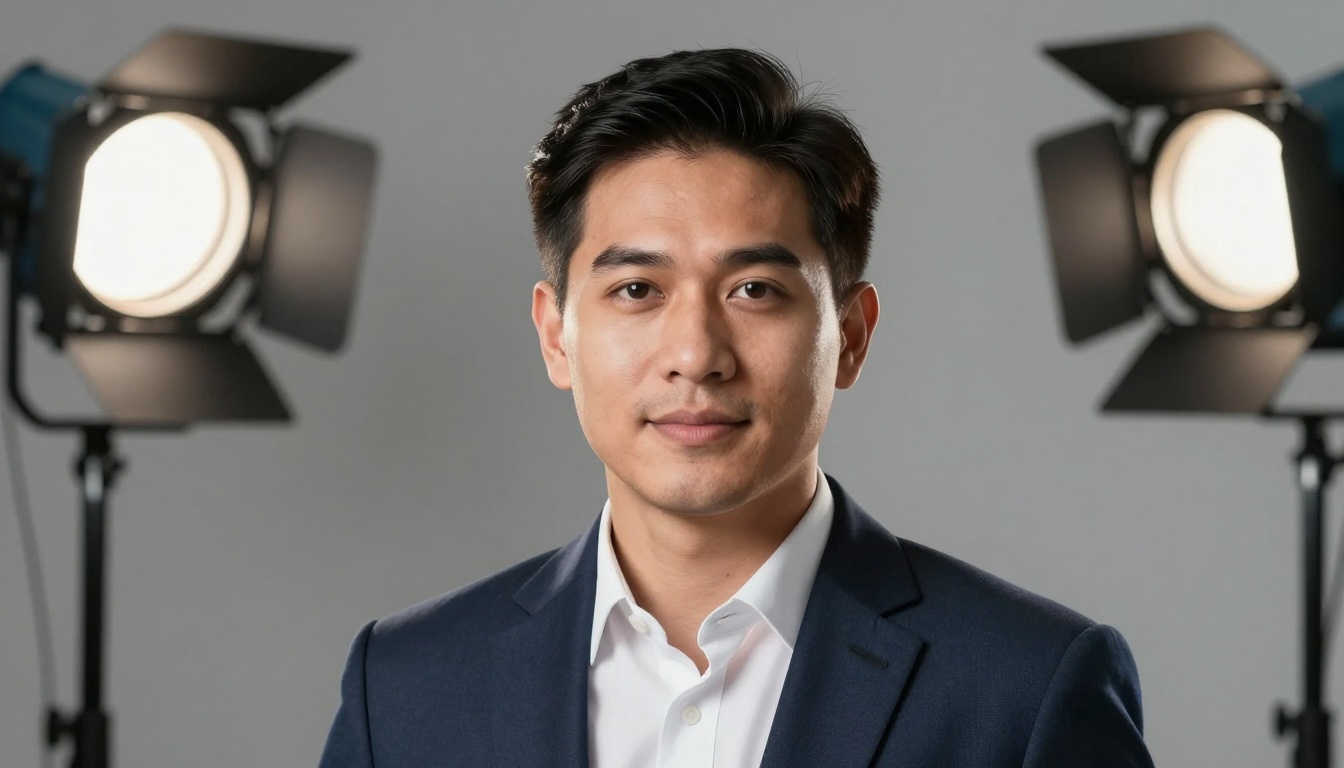
Corporate headshots, actor portfolios, and professional profiles require specific quality standards. Traditional photography charges range from $200-$800 per session. Flux 2 Pro delivers equivalent quality through description.
Format specifications: Square social media, 4:3 print, 16:9 digital
Business Impact: Small businesses can create consistent professional headshots for entire teams without photography costs. Freelancers can generate portfolio images matching industry standards.
Commercial Product Photography Applications
E-commerce depends on product photography quality. Professional product shots cost $50-$300 per item, with studio setup adding thousands in equipment investment. Flux 2 Pro changes this economics completely.
Product Photography Features:
Material rendering: Metal reflections, fabric texture, plastic surfaces
Lighting for materials: Different setups for reflective vs matte surfaces
Scale representation: Accurate size perception through composition
Detail highlighting: Focus on specific product features
Consistency across products: Uniform lighting and background
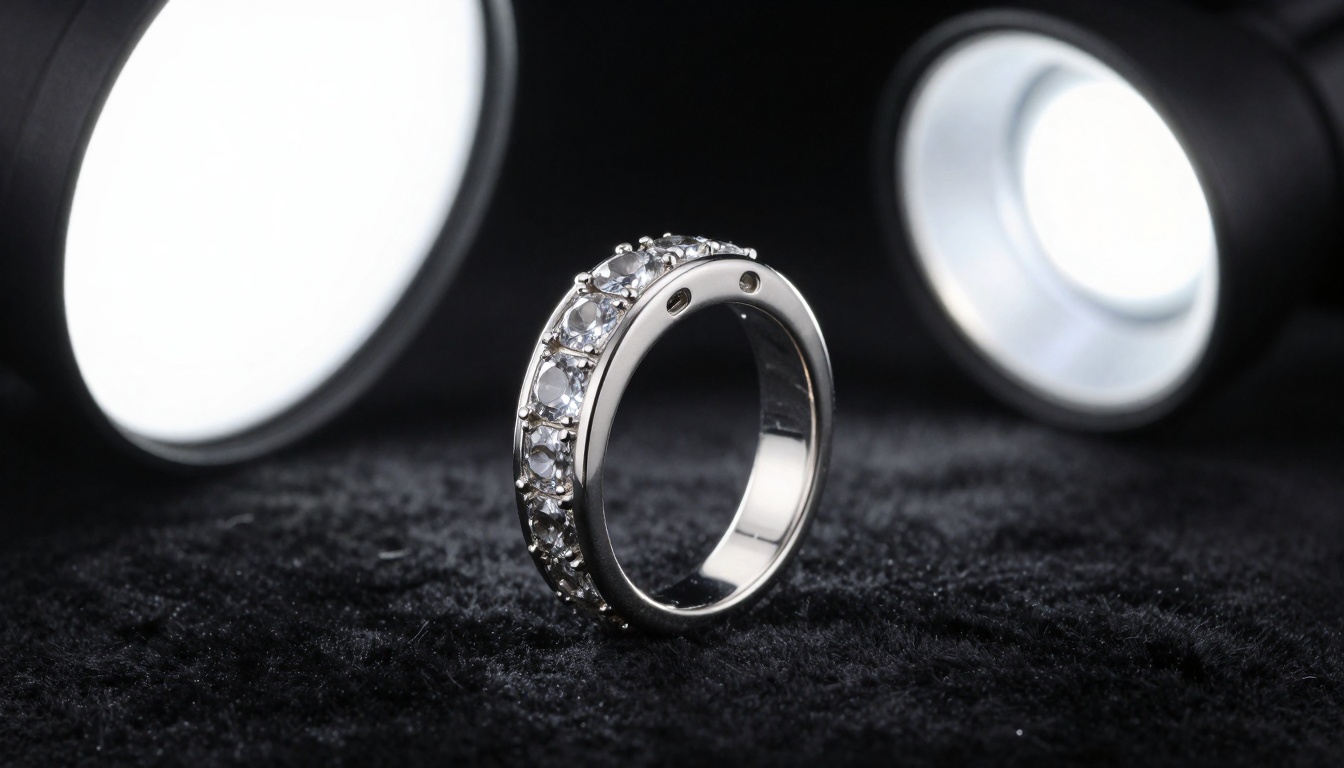
High-end jewelry photography requires specialized lighting for reflective surfaces - accurately simulated by AI.
Retail Transformation: Small retailers can create professional product catalogs without photography investment. Manufacturers can generate marketing images before physical production.
Fashion and Creative Photography
Fashion photography represents the pinnacle of photographic artistry, combining lighting, styling, composition, and post-processing. Flux 2 Pro enables creative experimentation without technical constraints.
Fashion Photography Capabilities:
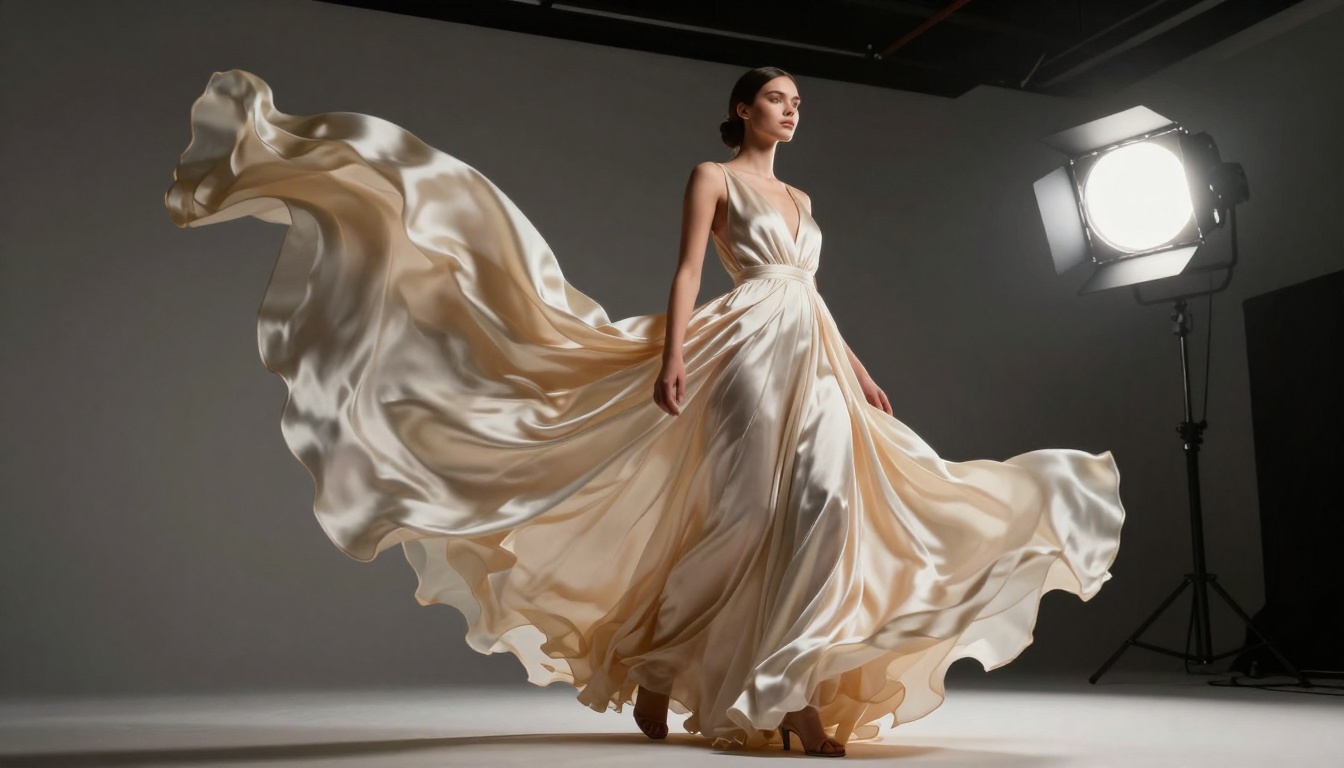
Fabric movement simulation: Silk flow, wool texture, leather drape
Styling coordination: Outfit matching, accessory placement, color harmony
Editorial composition: Dynamic poses, creative framing, narrative elements
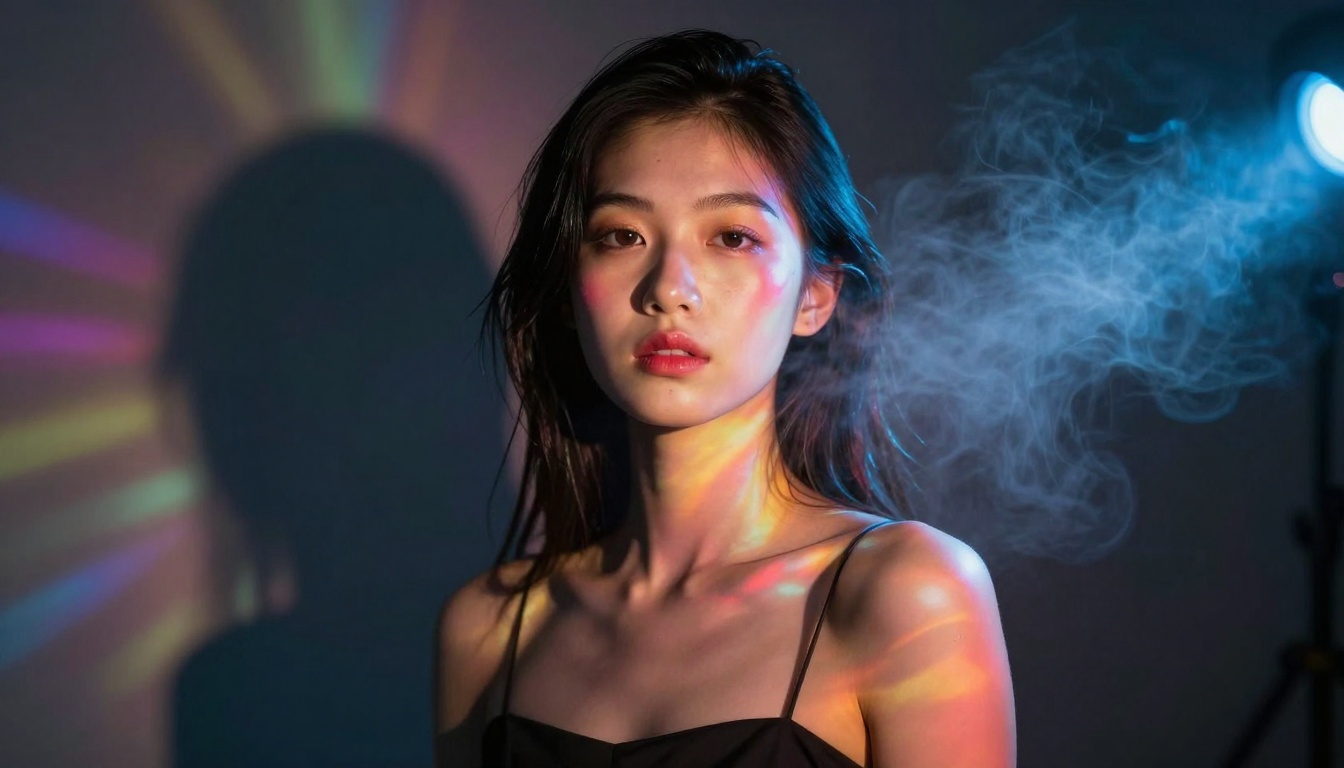
Experimental lighting techniques that would require specialized equipment and expertise become accessible through description.
Creative Freedom: Designers can visualize collections before production. Stylists can experiment with concepts without photography costs. Artists can explore visual ideas without technical limitations.
Food Photography Quality
Restaurant menus, cookbooks, and food blogs depend on appetizing photography. Professional food photography requires specialized knowledge about lighting food textures and colors.
Lighting for food: Side lighting for texture, fill light for details
Atmosphere creation: Restaurant ambiance, home cooking feeling, gourmet presentation
Industry Impact: Restaurants can create menu images without photography sessions. Food bloggers can produce professional content consistently. Cookbook authors can visualize recipes before cooking.
Technical Specifications and Limitations
While Flux 2 Pro achieves remarkable results, understanding its technical boundaries helps set realistic expectations.
Aspect ratios: Various formats including 1:1, 4:3, 16:9
Style consistency: Maintains lighting and quality across generations
Detail accuracy: High fidelity for textures, materials, and lighting
Composition control: Rule of thirds, leading lines, negative space
Current Limitations:
Extreme complexity: Challenging with highly detailed multi-subject scenes
Specific brand replication: Cannot copy exact copyrighted designs
Photographic metadata: No EXIF data or camera settings embedded
Physical law accuracy: Sometimes imperfect physics simulation
Consistency across angles: Different viewpoints may show variation
Workflow Integration: Combine with p-image-edit for refinements and flux-2-flex for specialized applications.
Cost Comparison: AI vs Traditional Photography
The financial implications of this technology revolution deserve careful examination.
Traditional Photography Costs:
Expense Category
Average Cost
Required Skill Level
Camera equipment
$2,000-$8,000
Advanced technical
Studio lighting
$1,500-$5,000
Professional expertise
Lenses
$500-$3,000 each
Specialized knowledge
Software
$300-$600/year
Post-processing skills
Education/training
$1,000-$5,000
Years of practice
Total Entry Cost
$5,300-$21,600
Professional level
Flux 2 Pro Costs:
Expense Category
Average Cost
Required Skill Level
Platform access
$10-$50/month
Descriptive language
Generation credits
$0.01-$0.10/image
Creative visualization
No equipment
$0
None
No software
$0
None
No training
$0
None
Total Entry Cost
$10-$50/month
Descriptive ability
Economic Analysis: For small businesses needing 50 product images monthly, traditional photography costs $2,500-$7,500 vs AI costs $5-$25. The 99% cost reduction changes market accessibility dramatically.
Practical Implementation Guide
Success with Flux 2 Pro requires understanding how to communicate photographic concepts through language.
"Professional business portrait of middle-aged executive in suit against neutral gray studio backdrop. Three-point studio lighting: main softbox at 45 degrees left creating professional catchlights, fill light reducing shadows, hair light for separation. Shot with 85mm f/2 portrait lens, shallow depth of field, corporate photography style. --ar 4:3"
Product Photography:
"High-end wristwatch product shot on white seamless background. Professional product lighting: large softbox for even illumination, reflectors highlighting metal details, subtle rim light for separation. Shot with 50mm macro lens at f/8 for maximum sharpness, commercial e-commerce style. --ar 1:1"
Fashion Editorial:
"Fashion model in flowing silk gown against dark studio backdrop. Dramatic backlighting creating silhouette with fill lights revealing fabric texture. Motion capture of gown movement. Shot with 35mm wide-angle from low angle, editorial fashion style with cinematic lighting. --ar 16:9"
Food Photography:
"Gourmet pasta dish on rustic wooden table. Food photography lighting: side light highlighting texture, fill light revealing details, warm color temperature. Shot with 100mm macro lens for detailed texture rendering, appetizing restaurant menu style. --ar 3:2"
Pro Tips for Best Results:
Reference photographic terms: Use terms like "bokeh," "catchlights," "Rembrandt lighting"
Specify equipment: Mention lens focal lengths, aperture settings, camera angles
Portfolio building: Creating professional work samples
Visual storytelling: Narrative imagery without production constraints
Educational Implications:
Photography education: Focus shifts to visual theory over technical skills
Art school curricula: Emphasis on composition and creativity
Business training: Visual communication becomes standard skill
Digital literacy: AI image generation as basic competency
The most significant impact may be cultural: visual literacy and creation become universally accessible skills rather than specialized professions.
Creating Your First Studio Images
Ready to experience this transformation firsthand? The process is surprisingly straightforward:
Start with simple descriptions: Begin with basic studio scenes before complex setups
Iterate and refine: Generate multiple variations to find optimal results
Study photographic references: Analyze professional photos to understand what to describe
Experiment with lighting terms: Test different lighting descriptions to see effects
Combine with other tools: Use flux-2-flex for specialized needs or p-image-edit for refinements
Common Starting Points:
Portrait: "Studio headshot with professional lighting"
Product: "Product photography on white background"
Fashion: "Editorial fashion shot with dramatic lighting"
Food: "Restaurant-quality food photography"
Progression Path:
Basic descriptions → 2. Specific lighting → 3. Camera specifications → 4. Style references → 5. Complex scenes
The most remarkable aspect isn't the technology itself, but what it enables: professional visual creation becoming a language skill rather than a technical specialty. Describe what you see in your mind, and Flux 2 Pro translates that description into studio-quality imagery.
This represents more than technological advancement - it's a fundamental shift in creative accessibility. The barriers that once separated professional photographers from everyone else dissolve into descriptive language. The studio equipment, lighting knowledge, camera expertise, and post-processing skills that required years to master now exist as capabilities within an AI model, activated by your descriptions.
The implications extend beyond individual creation to business transformation, educational evolution, and cultural change. When professional visual quality becomes accessible through description, what new forms of expression, communication, and innovation become possible?
Try creating your first studio images today. Describe a scene you've imagined but couldn't photograph. Watch as language transforms into professional imagery. Experience firsthand how skill barriers become creative opportunities.