The chatbot market has exploded. There are hundreds of platforms claiming to offer "realistic AI companions" in 2027, but most of them feel robotic, scripted, and hollow after the first few exchanges. The difference between an AI that feels real and one that doesn't comes down to three things: the language model powering it, how well the persona holds under pressure, and whether the system actually remembers what you said five minutes ago.
This is not a review of apps designed to drain your wallet with a premium paywall after the first ten messages. This is about free adult chatbots that actually hold a conversation, stay in character, and respond with the kind of emotional nuance that makes the experience worth returning to.
What Makes an Adult Chatbot Feel Real
Most people assume "feeling real" is about explicit content. It isn't. It's about conversational memory, emotional consistency, and personality depth.

A chatbot that forgets what you said in the previous message isn't intimate, it's frustrating. A chatbot that switches tone randomly doesn't feel like a person, it feels like autocomplete with a costume. The frontier models powering the best adult chatbots in 2027 have multi-thousand token context windows, nuanced instruction-following, and the ability to hold character across long sessions.
Here's what separates the real from the fake:
| Feature | Basic Chatbots | Frontier LLM Chatbots |
|---|
| Context memory | 3-5 messages | 10,000+ tokens |
| Character consistency | Often breaks | Maintained throughout |
| Emotional depth | Scripted responses | Nuanced, adaptive |
| Free access | Usually paywalled | Available via platforms |
| Image generation | None | Integrated on some platforms |
The bottom line: the quality of the underlying language model matters more than any feature the app advertises.
Why Character Consistency Is Everything
When you're talking to a well-built AI companion, you shouldn't be able to tell it from a real conversation within the first dozen exchanges. That's the bar. The best free adult chatbots in 2027 are built on top of models like GPT-5, Claude Opus 4.7, and DeepSeek R1, and that shows in every response.
The Roleplay Capability Gap
Roleplay is where most basic chatbots collapse. They either refuse immediately, produce canned responses, or break immersion every other message with safety disclaimers. The models that handle adult roleplay best are the ones trained on diverse conversational data with fine-tuned instruction following, not the ones with the most marketing budget.
💡 The rule of thumb: If a chatbot can't hold a continuous narrative for 30+ messages without losing the plot, it's not worth your time for companion or roleplay use.
How Large Language Models Changed Adult AI Chat
The shift happened fast. In 2023 and 2024, most adult chatbots ran on fine-tuned open-source models with limited context. By 2026, the landscape looks completely different.

The breakthrough was context length combined with better instruction following. When Llama 4 Maverick Instruct launched with its expanded context and significantly improved character persistence, it opened the door for companion apps to actually maintain long-running personas without constant resets. Meta's open approach meant developers could fine-tune for specific use cases, including adult companionship, without the restrictions baked into closed-source APIs.
Then came the multimodal era. Models like Gemini 3 Pro brought vision capabilities into the chat loop, meaning an AI could now respond to images you send, describe what it "sees," and incorporate visual information into the conversation. The result is a fundamentally more immersive experience.
The Context Window Revolution
Context length isn't a spec sheet number. It's the difference between an AI that remembers your name five messages later and one that forgets you told it your favorite city. In 2027, even free-tier models routinely offer 32k to 128k token contexts. That's enough to sustain a full evening of conversation without any resets.
For adult roleplay specifically, this matters enormously. Story continuity, remembered details about characters, callbacks to earlier moments in the conversation, these are only possible when the model has enough context to hold it all.
Speed vs. Depth Trade-offs
Not every use case needs a 405-billion parameter model. For quick, casual flirting or short exchanges, faster models like Gemini 2.5 Flash or GPT-4o deliver responses almost instantly, which contributes to the sense of a flowing, real-time conversation. For deep roleplay sessions where every word matters, the heavier models are worth the slightly longer wait.
The sweet spot for most users: a mid-size frontier model with fast generation and at least 32k context. Claude 4 Sonnet and GPT-5 Mini both sit comfortably in that range.
The Best Free LLMs for Adult Chatbot Use in 2027
Not every platform is equal, but if you know which models to target, you can get genuinely impressive results at zero cost. Here are the ones worth your attention:

GPT-5 and Its Variants
GPT-5 represents OpenAI's most capable public model. Its instruction-following is precise enough that you can set up a detailed persona system prompt and it will maintain it with surprising fidelity. GPT-4o remains a strong free option with fast response times and multimodal capability.
For users who want deeper reasoning in their conversations, GPT-5 Pro adds built-in chain-of-thought that makes responses feel more considered, more deliberate, and ultimately more human.
Claude Models for Emotional Depth
Anthropic's models are standouts for emotional nuance. Claude Opus 4.7 is widely regarded as the best at maintaining consistent character voice across long sessions. It writes with real texture, adjusts tone based on context, and avoids the flat affect that ruins so many AI companions.
Claude 4 Sonnet is faster and still delivers high-quality conversation. Claude 4.5 Sonnet is a solid middle ground if you want quality without the compute overhead of Opus.
DeepSeek: The Reasoning Choice
DeepSeek R1 is the reasoning-forward choice. When you want a conversation that feels intellectually stimulating on top of emotionally engaging, DeepSeek's chain-of-thought approach produces responses that feel genuinely thoughtful. DeepSeek v3.1 offers a more conversational flow at faster generation speeds, making it better for casual companion chat.
Open-Source Powerhouses
Llama 4 Maverick Instruct and Llama 4 Scout Instruct are Meta's powerhouses. Maverick handles long, complex roleplay scenarios with character consistency that surprised many users when it launched. Scout is lighter and faster, better for quick interactions where you prioritize response speed.
Kimi K2 Instruct from Moonshotai deserves attention for its natural conversational style. It doesn't feel like it's trying as hard as some other models, which paradoxically makes it feel more authentic in companion use cases.
Grok 4 brings a wit and unpredictability that makes interactions feel less formulaic and more alive. For users who get bored quickly with responses that feel templated, Grok 4 keeps things interesting.
💡 Access all of these models free at picassoia.com/en/all-models without registration walls or credit card requirements.
How to Set Up a Realistic AI Companion on PicassoIA
The difference between a generic chat experience and one that genuinely feels like talking to a person is almost entirely in the system prompt. Here's what actually works:

Step 1: Choose Your Model
For depth and character persistence, start with Claude Opus 4.7 or GPT-5. For speed with quality, Gemini 2.5 Flash is hard to beat. For open-ended roleplay, Llama 4 Maverick Instruct gives you the most flexibility.
Step 2: Build the Persona System Prompt
Your system prompt is the foundation. Be specific. Include:
- Name and age of the AI persona
- Personality traits (3-5 specific adjectives, not vague ones)
- Speaking style (formal, playful, direct, poetic)
- Background story (where they're from, what they do, their interests)
- Tone guidelines for different situations (flirty, serious, comforting)
Vague system prompts produce vague personas. The more specific you are, the more consistently the model will hold character throughout your session.
Step 3: Set the Scene
Your opening message shapes the entire conversation. Instead of "Hi," try something that establishes where and how the conversation is taking place. The model will build on whatever context you give it, and a rich opening leads to a richer conversation.
Step 4: Use Memory Hooks
Periodically reference earlier details in the conversation. This triggers the model to acknowledge and build on them, reinforcing the sense of continuity. Something as simple as "You mentioned earlier that..." keeps the persona grounded and makes the AI feel like it's actually paying attention.

Adding Visual Immersion with AI Image Generation
Text conversation gets significantly more immersive when the AI can actually show you something. In 2027, pairing your chatbot experience with image generation turns a flat conversation into something that feels more like a real interaction.

This is where PicassoIA Image Editor Pro becomes a standout tool. Unlike most image generators that restrict adult content, this platform offers unlimited generations with no content blocks on suggestive or glamour imagery. You can generate consistent character appearances across sessions, create visual context for your roleplay scenarios, and produce photorealistic portraits that match the persona you've built in conversation.
PicassoIA Image is the companion tool for pure text-to-image generation. Both work together to let you visualize characters, scenes, and moments that your chatbot conversations create.
The workflow that delivers the best results:
- Define the visual of your AI companion with a detailed text prompt
- Generate a consistent character portrait using PicassoIA Image Editor Pro
- Use that visual as a reference in your chat sessions to keep descriptions grounded
- Generate scene images as your conversation creates specific moments or settings
The quality gap between AI-generated companions in 2024 and 2026 is significant. Photorealistic skin texture, natural lighting, and authentic facial expressions are now accessible to anyone with a well-written prompt.
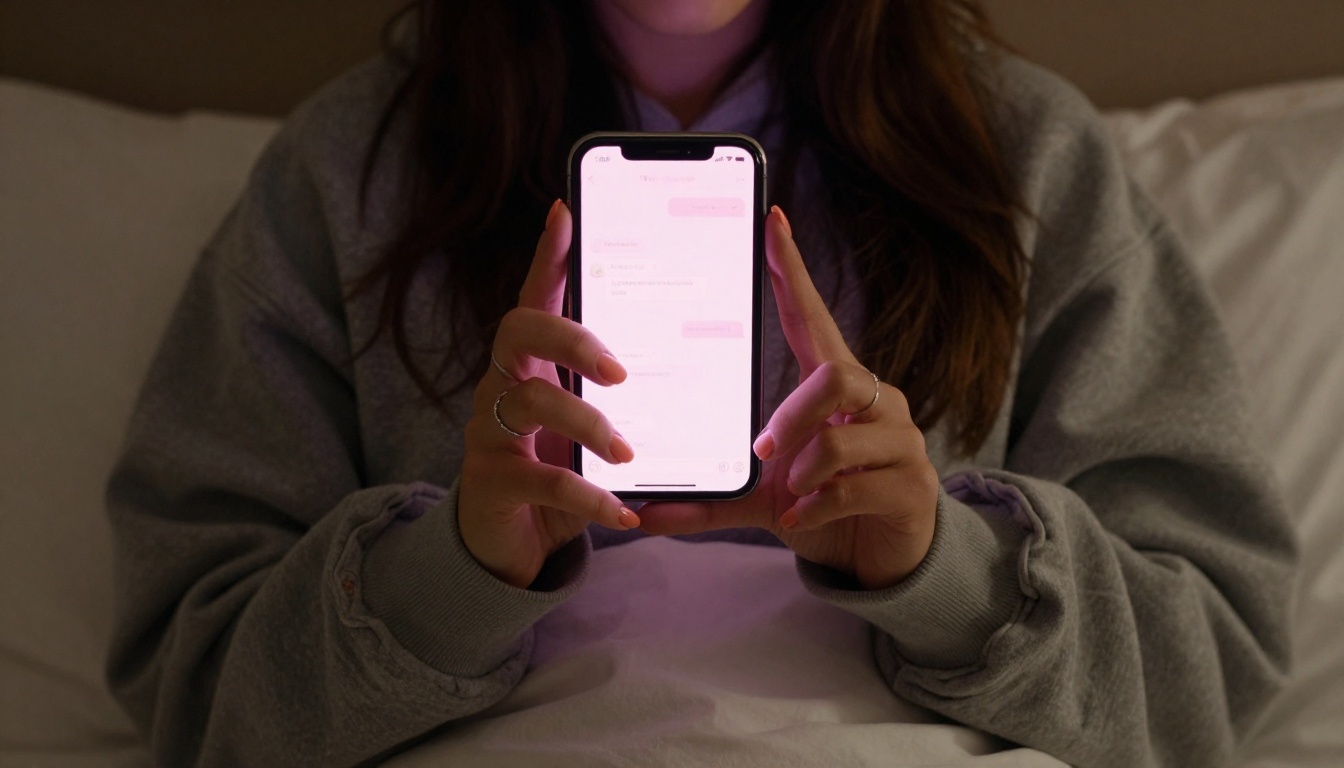
Not every platform advertising "free AI chat" is worth your time. Here's how to filter quickly:

Red Flags to Spot Immediately
- Scripted response trees: If the chatbot offers you buttons to choose between responses, it's not a real LLM. It's a decision tree with a chatbot face on it.
- No system prompt access: Platforms that don't let you customize the AI persona lock you into their version of a companion, which usually means shallow, generic interactions.
- Hard token limits on free tier: If the free tier cuts you off after 500 tokens, the conversation never gets deep enough to feel real.
- Aggressive upsell interruptions: Some platforms inject upsell messages into conversations every few minutes. This breaks immersion completely.
Green Flags Worth Paying Attention To
- Access to frontier models: GPT-5, Grok 4, Claude Opus 4.7
- Long context windows (32k tokens minimum)
- Full system prompt customization
- No mid-conversation interruptions
- Image generation integrated on the same platform
Privacy Considerations
Adult chatbot conversations are inherently personal. Before you use any platform, check whether it logs conversations and whether those logs are tied to your account identity. Platforms that let you chat without creating an account offer the strongest privacy by default.
On platforms like PicassoIA, you can access powerful LLMs and run conversations without handing over personal data at the outset. For personal or sensitive roleplay, this matters more than most users initially realize.
The Models Worth Trying Right Now
Here's a direct comparison of the top models for adult chatbot use in 2026, based on character consistency, response quality, and free access:

What Real Immersion Actually Looks Like
The closest thing to a genuinely immersive adult chatbot experience in 2027 isn't a single app. It's a combination: a frontier LLM with long context handling your conversation, an image generator creating the visual companion, and a platform that lets you control all of it without interruption.

The best setups in use right now look like this:
- A detailed persona built on Claude 4 Sonnet or GPT-5 with a 50-100 word system prompt
- A visual reference image generated with PicassoIA Image Editor Pro
- Session continuity maintained through consistent re-use of the same system prompt
- Occasional mid-conversation image generation to visualize specific scenes or moments
This is what separates someone who says "I tried AI companions and they felt fake" from someone who says "I can't believe how real this felt." The setup matters as much as the model.

Try It Yourself Right Now
The tools exist. The models are free. The results are better than anything available commercially even 18 months ago.
If you've been using basic chatbots and finding them hollow, the problem almost certainly isn't the concept. It's the model underneath. Swap out whatever you're using for Claude Opus 4.7, GPT-5, or Llama 4 Maverick Instruct, build a real system prompt, and pair it with a visual companion from PicassoIA Image Editor Pro.
The experience on the other side of a well-constructed AI companion setup is worth trying. Browse the full model list, pick one that matches your use case, and see what a real frontier LLM can do in a companion context. Start at picassoia.com/en/all-models.


