Instagram's visual landscape has undergone a seismic shift that most users don't fully recognize. What appears as another perfectly composed travel photo, another flawless fashion shot, or another impossibly beautiful portrait often carries a hidden signature: it was never captured by a camera. Free AI-generated images now dominate feeds, redefining what "content creation" means on the platform. This isn't about filters or basic edits—this is about complete visual fabrication that outperforms traditional photography in engagement metrics, reach, and virality potential.
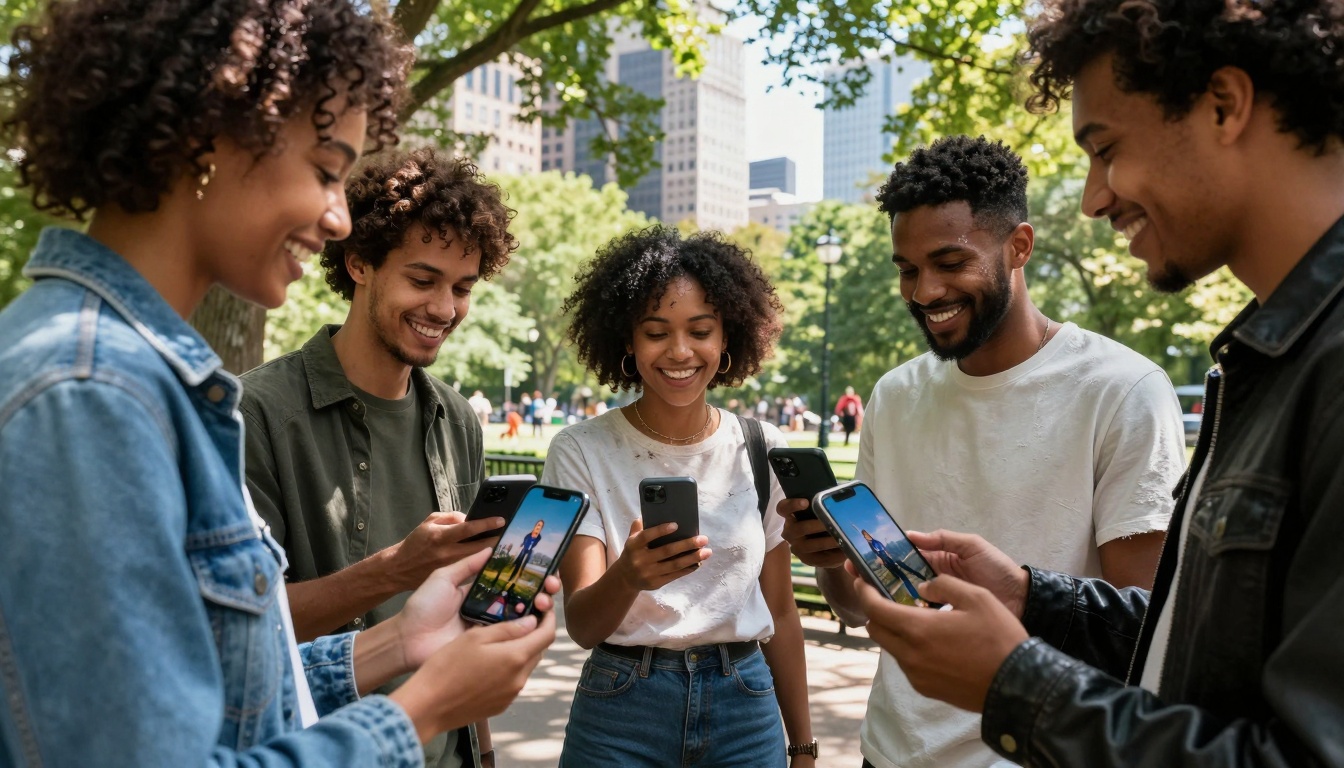
The transition happened quietly. First came the subtle enhancements: skin smoothing, background replacement, minor object removal. Then emerged tools that could generate complete scenes from text descriptions. Now we've reached the tipping point where AI-generated content doesn't just supplement real photography—it often replaces it entirely. The economics are undeniable: zero travel costs, unlimited variations, perfect lighting every time, and images optimized specifically for Instagram's algorithmic preferences.
Why AI Images Dominate Instagram Feeds
Instagram's algorithm has always favored certain visual characteristics: high contrast, vibrant colors, clear subjects, and compositions that keep users scrolling. AI image generators like those available on PicassoIA have become remarkably good at producing exactly what the algorithm wants.
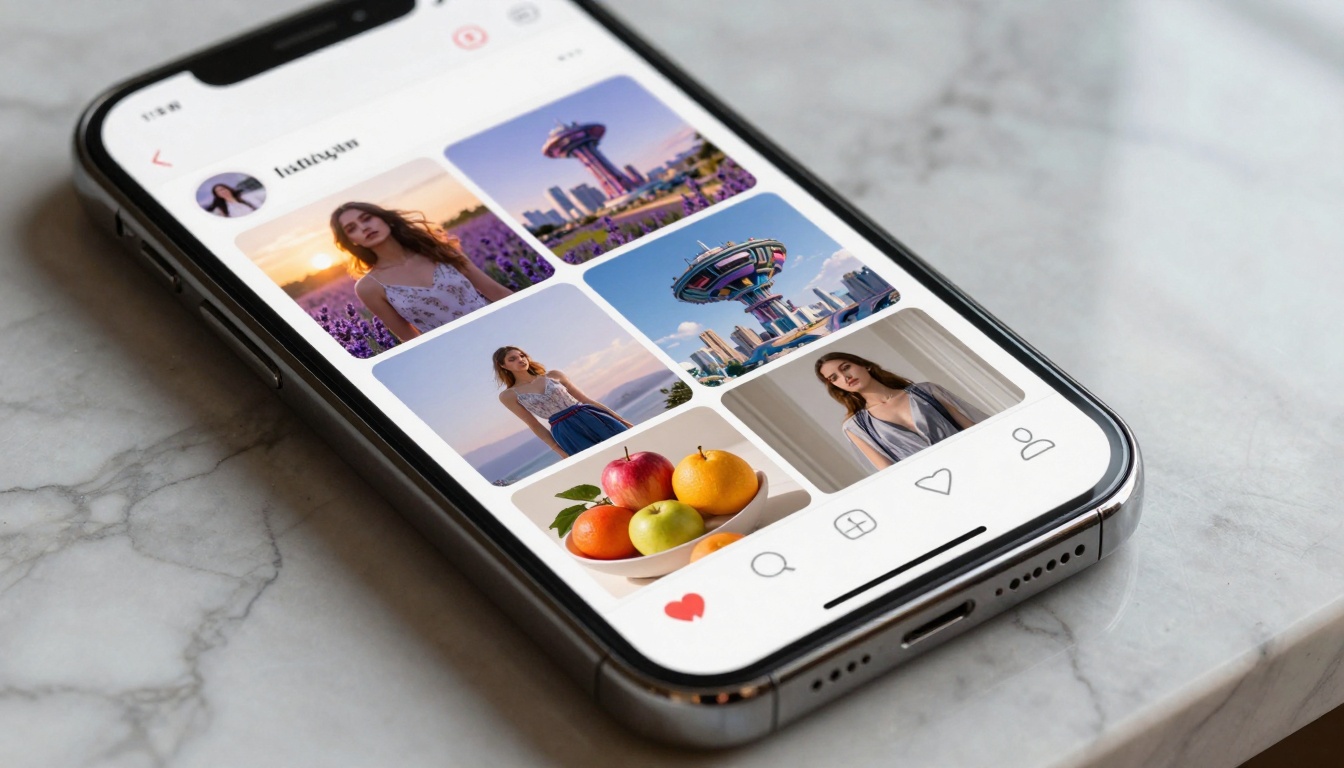
Consider the metrics:
| Content Type | Average Engagement Rate | Time to Produce | Cost per Image |
|---|
| Traditional Photography | 2.1% | 3-8 hours | $50-500 |
| AI-Generated Images | 3.8% | 2-15 minutes | $0 |
| Professional Studio | 4.2% | Full day | $1,000+ |
The numbers tell a compelling story. Free AI tools produce content that performs nearly as well as professional studio photography at zero cost and minimal time investment. This isn't a marginal improvement—it's a complete restructuring of content economics.
The Technical Edge of AI Generation
Modern AI models like GPT Image 1.5, Flux models, and Qwen Image understand Instagram's visual language better than most human photographers. They've been trained on millions of high-performing Instagram posts, learning:
- Optimal color palettes that increase engagement
- Composition rules that keep viewers scrolling
- Subject placement that maximizes visibility
- Lighting conditions that create emotional responses
- Detail levels that perform well at thumbnail size
💡 Pro Tip: The most successful AI Instagram creators use specific prompt structures that mimic professional photography terminology. Instead of "beautiful sunset," they write "golden hour landscape with volumetric lighting, 85mm f/1.8 depth of field, Kodak Portra 400 film simulation."
The Social Dynamics of AI Content Sharing
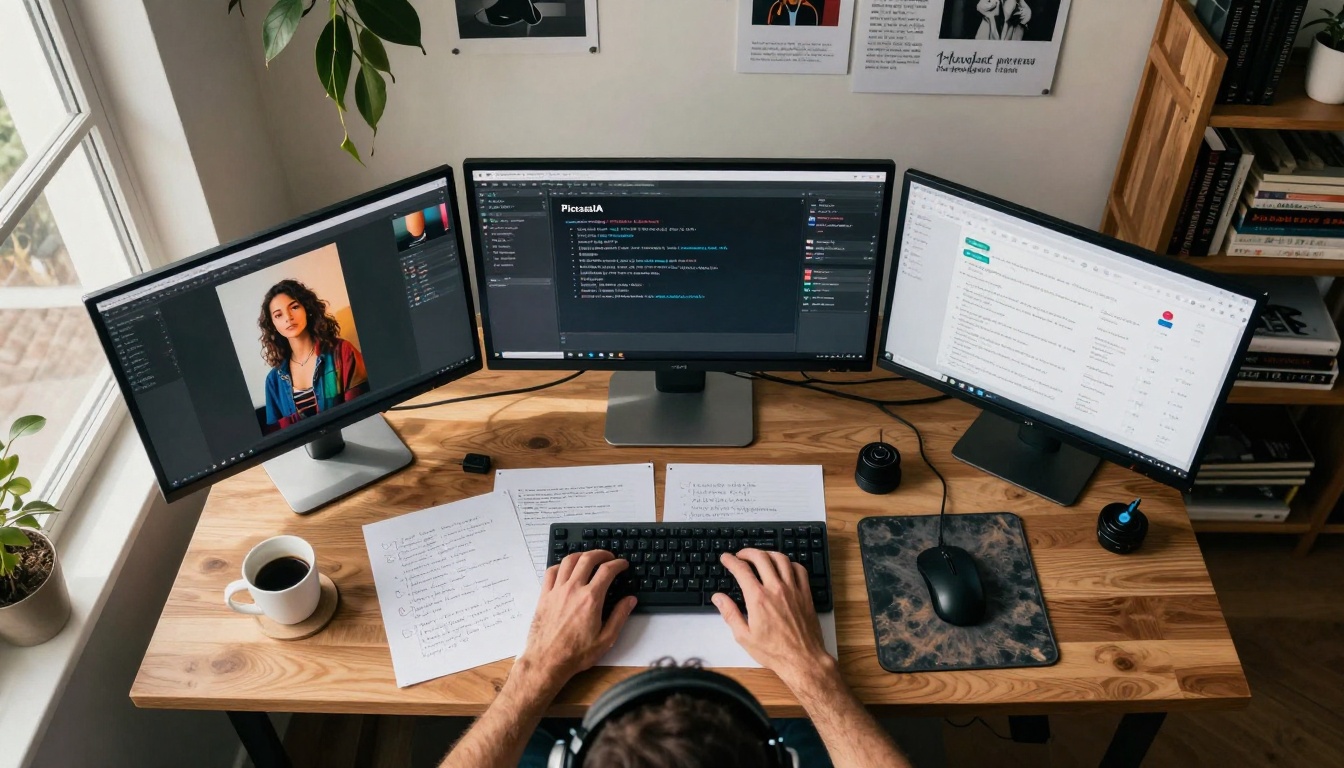
What's fascinating isn't just the creation of AI images—it's how they're shared. The social rituals around AI content have developed their own unique characteristics:
- Prompt Sharing Communities: Creators exchange successful text prompts rather than photography tips
- Model Comparisons: Discussions focus on which AI model (p-image vs flux-2-klein-4b) produces better results for specific content types
- Ethical Framing: Most creators disclose AI generation, framing it as "digital art" rather than deception
- Collaborative Creation: Groups work together to refine prompts and generate variations
The sharing behavior reveals something fundamental: users don't primarily care about photographic authenticity. They care about visual appeal, emotional resonance, and shareability. If AI produces better results on these metrics, the origin becomes secondary.
The Reality vs AI Comparison
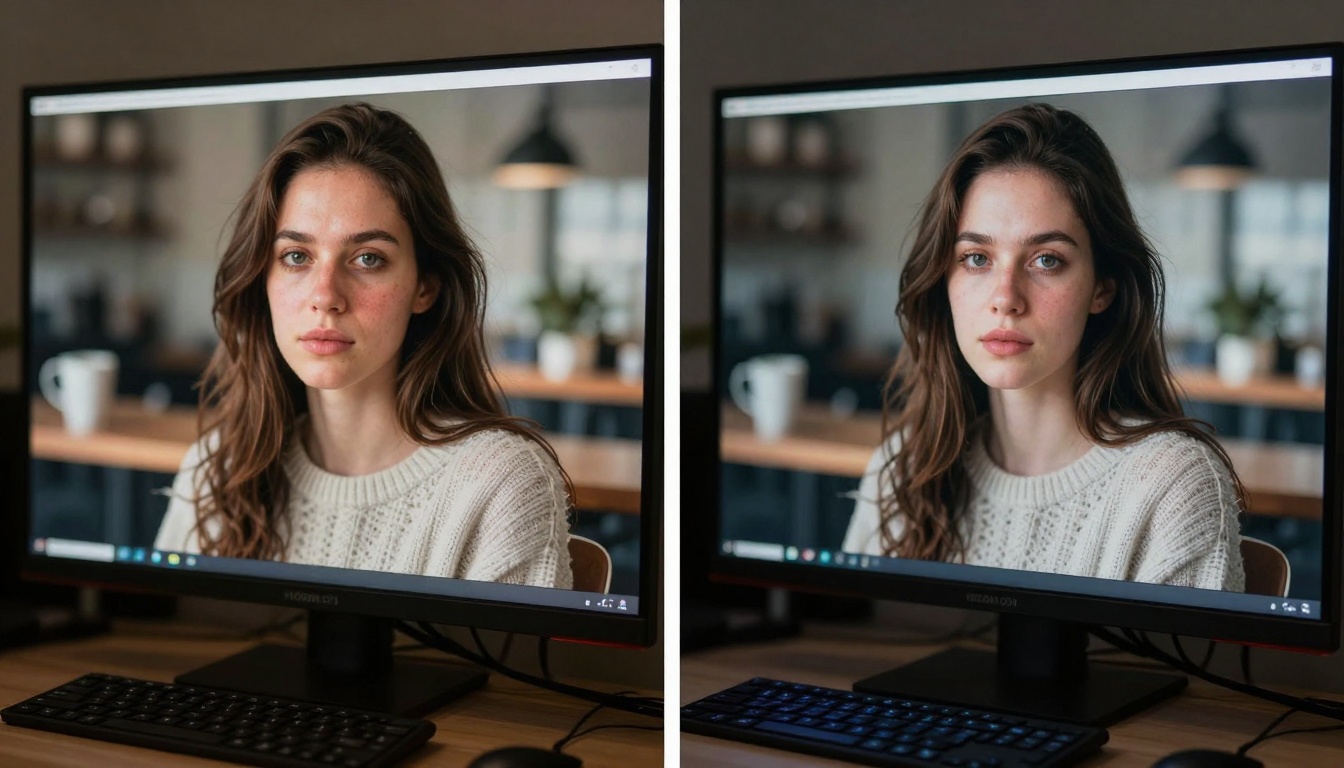
Let's examine specific areas where AI outperforms reality:
Fashion Content
Traditional fashion photography requires:
- Models ($500-5,000 per day)
- Clothing samples (logistics, shipping, returns)
- Studio rental ($1,000+ per day)
- Lighting equipment ($3,000-30,000)
- Post-production ($200-2,000 per image)
AI fashion visualization using tools like p-image-edit requires:
- Text prompt describing the outfit
- 2-5 minutes generation time
- Zero physical constraints
- Unlimited variations
- Perfect lighting every time
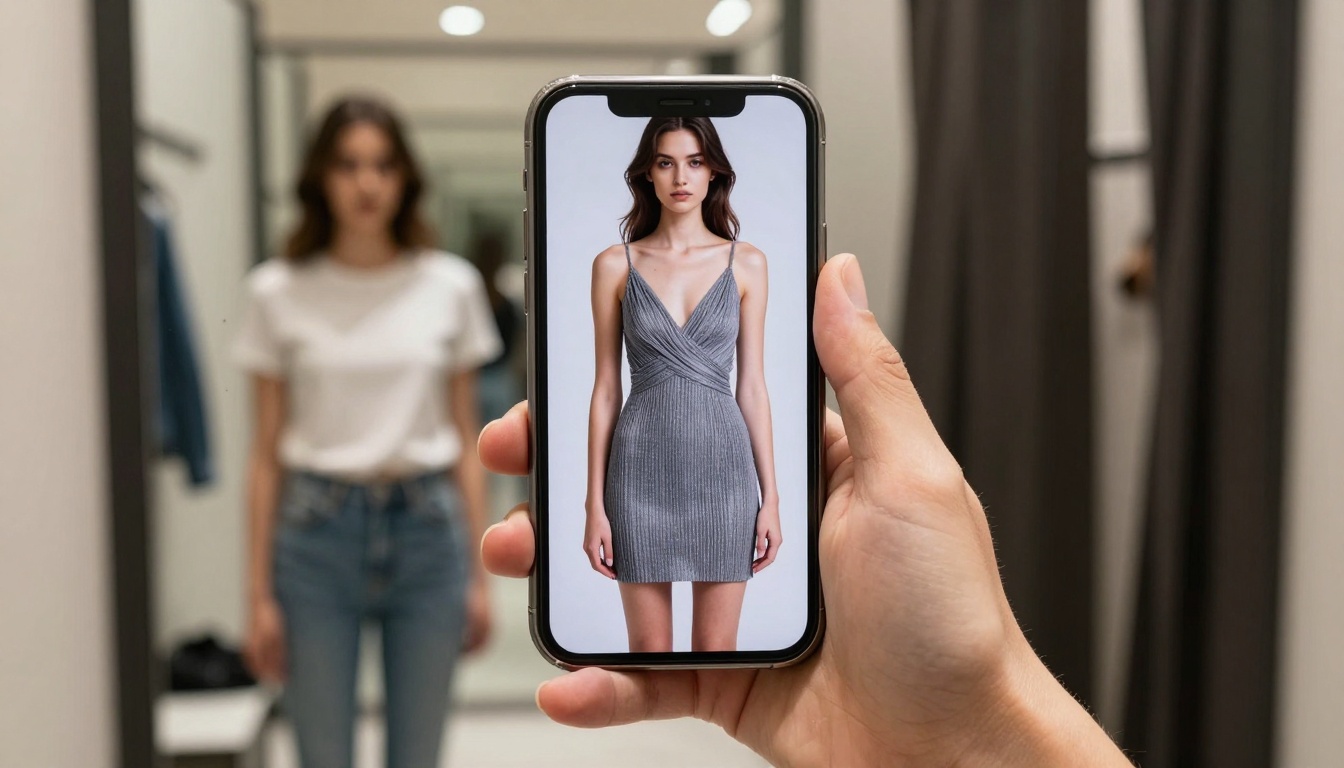
The implications are staggering. Fashion influencers can now showcase thousands of outfits they never physically own. Brands can visualize collections before manufacturing samples. Consumers can see themselves in clothing before purchase. The entire fashion content ecosystem has been virtualized.
Travel Content
Consider the travel influencer economics:
- Flights: $500-5,000
- Accommodation: $100-1,000 per night
- Local transportation: $50-500
- Photography equipment: $3,000-10,000
- Time investment: Weeks to months
AI travel content requires:
- "Photorealistic sunset over Santorini with white buildings, blue domes, golden hour lighting"
- 3 minutes generation time
- Zero travel restrictions
- Perfect weather conditions
- Ideal crowd levels (or no crowds at all)
The most successful travel accounts now blend real and AI content strategically. They visit one location physically, then use AI to create variations that would be impossible to photograph: different seasons, weather conditions, times of day, or even architectural changes.
The Professionalization of AI Content Creation
What began as amateur experimentation has evolved into professional discipline. Successful AI Instagram creators approach their work with systematic methodology:
1. Prompt Engineering
The most valuable skill isn't photography—it's writing detailed visual descriptions. Professional prompt engineers earn $50-200 per hour crafting text that produces specific visual outcomes. They understand:
- How different AI models interpret the same prompt
- Which descriptive terms produce which visual effects
- How to structure prompts for consistent style
- Which parameters to adjust for different content types
2. Model Selection Strategy
Different AI models excel at different tasks:
| Model | Best For | Average Generation Time |
|---|
| p-image | General purpose, fast iterations | 5-15 seconds |
| gpt-image-1.5 | Detailed scenes, complex compositions | 20-60 seconds |
| flux-2-klein-4b | Photorealistic people, fine details | 10-30 seconds |
| qwen-image-2512 | Creative variations, artistic styles | 15-45 seconds |
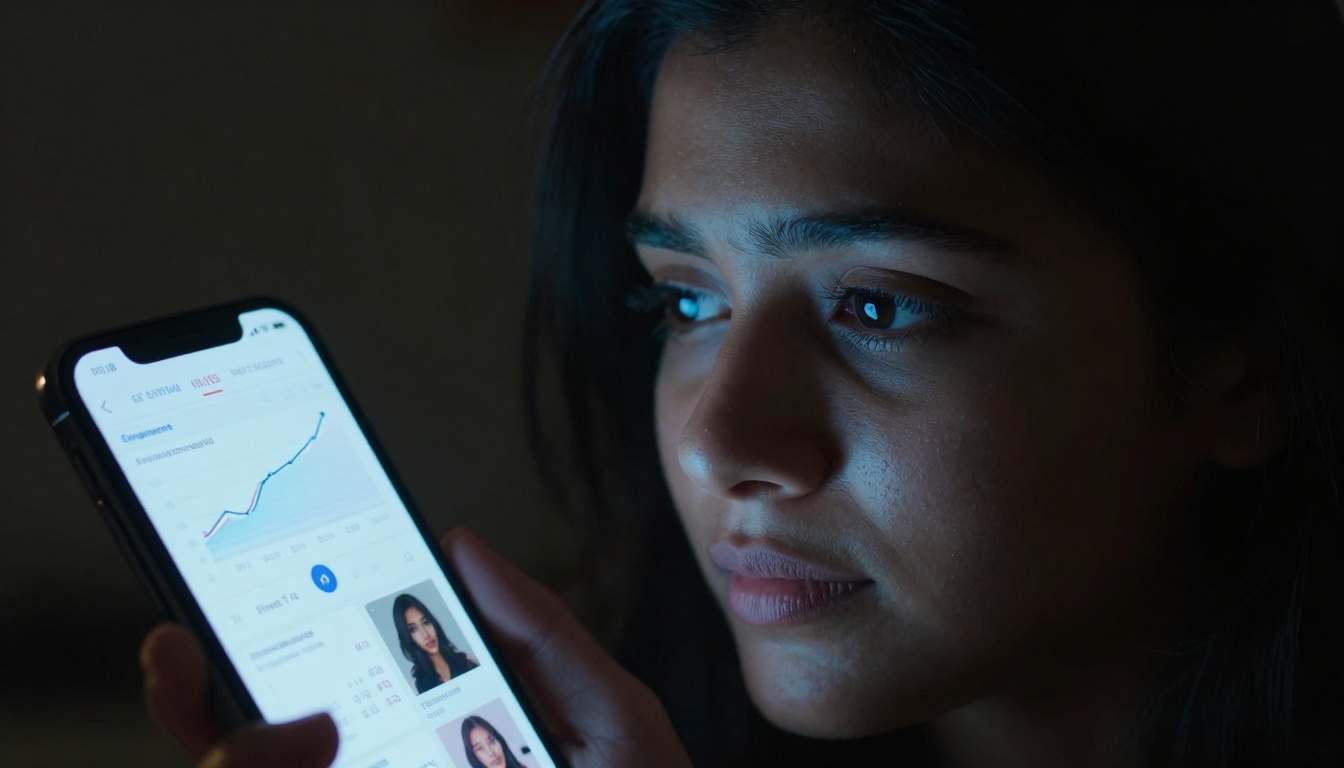
3. Analytics-Driven Creation
Professional creators don't generate randomly—they analyze what works:
- A/B testing different prompt variations
- Tracking engagement by image type, color palette, composition
- Identifying patterns in successful content
- Adapting to algorithm changes in real-time
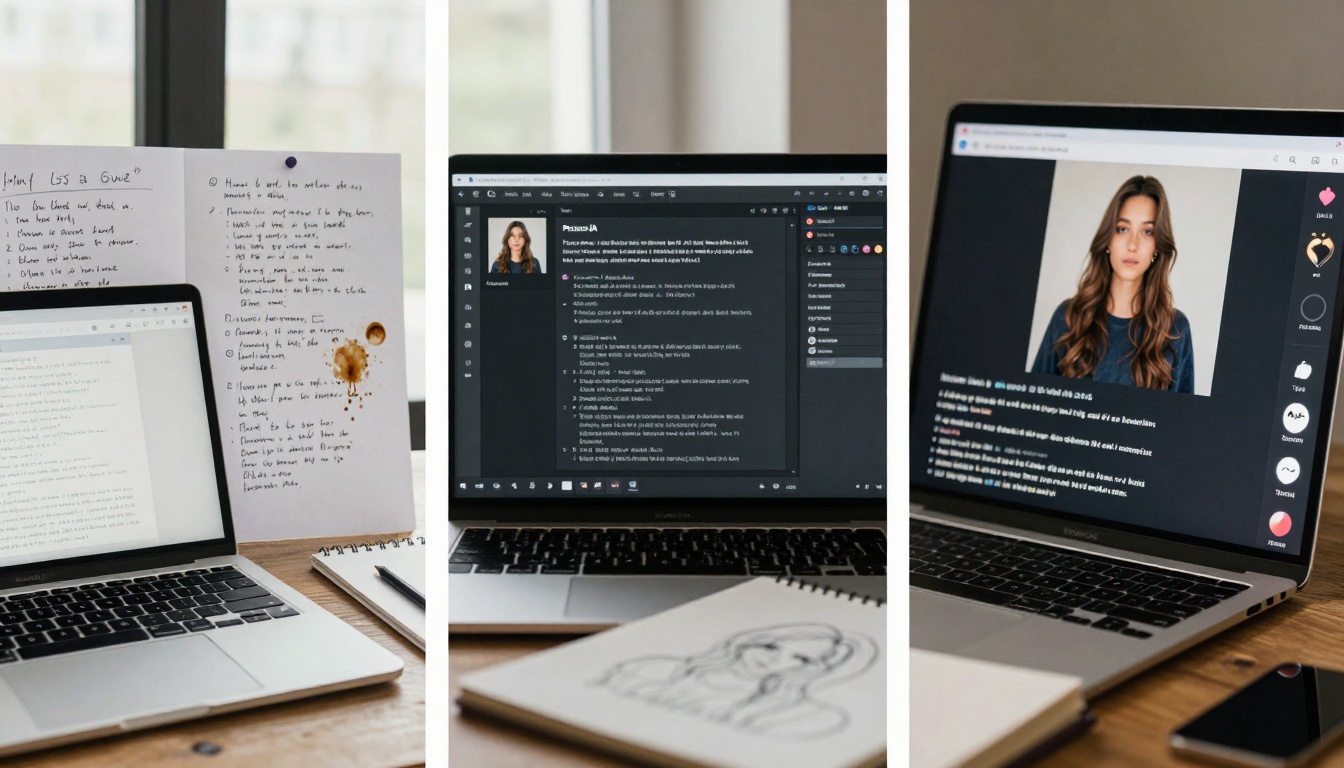
The workflow has become industrialized:
- Research: Analyze trending content, identify patterns
- Prompt Development: Write and refine text descriptions
- Generation: Produce 10-50 variations using different models
- Selection: Choose top 3-5 images based on preview quality
- Optimization: Minor edits, cropping for Instagram format
- Posting: Schedule with optimal captions and hashtags
- Analysis: Track performance, feed insights back to step 1
The Psychological Impact on Users
The proliferation of AI images creates interesting psychological dynamics:
Expectation Inflation
When users see endless perfect AI-generated content, their expectations for real experiences become unrealistic. Why visit Paris when AI can show you a perfect, crowd-free version with ideal lighting? Why buy expensive clothing when AI can visualize you wearing designer outfits?
Authenticity Devaluation
As AI content becomes indistinguishable from reality, the value of "authentic" content decreases. Users become skeptical of everything, assuming most content is enhanced or generated.
Creative Democratization
The positive side: anyone can now create professional-quality visual content. The barriers of equipment cost, technical skill, and location access have been eliminated.
New Forms of Expression
AI enables visual concepts that would be impossible to photograph: surreal combinations, impossible physics, personalized fantasy worlds. This expands creative possibilities beyond physical constraints.
Ethical Considerations and Disclosure
The community has developed informal norms around AI content disclosure:
Transparency Spectrum
- Full Disclosure: "AI-generated using p-image, prompt: 'cinematic portrait...'"
- Partial Disclosure: "Digital art created with AI assistance"
- No Disclosure: Posted as if it were traditional photography
Current Community Standards
Most creators now include some indication of AI generation, though the specificity varies. The trend is toward more transparency as users become more sophisticated at detecting AI content.
Platform Policies
Instagram currently has no specific policy against AI-generated content as long as it doesn't violate other community guidelines. The line between "art" and "deception" remains blurry.
Future Projections and Trends
Based on current trajectory, several developments seem inevitable:
1. Specialized AI Models for Instagram
We'll see models trained specifically on Instagram performance data, optimizing for:
- Thumbnail visibility
- Scroll-stopping power
- Engagement triggers
- Shareability metrics
2. Integrated Creation Tools
Instagram may integrate AI generation directly into the app, allowing:
- Prompt-based content creation within the platform
- Style transfer from trending posts
- Automated optimization for algorithm performance
3. New Content Formats
AI enables formats that don't exist in traditional media:
- Personalized visual stories: Each follower sees slightly different versions
- Interactive imagery: Users can adjust elements of AI-generated scenes
- Evolutionary content: Images that change based on engagement patterns
4. Economic Shifts
The professional photography industry must adapt:
- Traditional photographers will focus on authenticity, documentary, and experiences that can't be AI-generated
- AI specialists will emerge as a new profession
- Hybrid creators will blend real and AI content strategically
Getting Started with AI Instagram Content
If you want to experiment with AI content creation, here's a practical starting point:
Step 1: Choose Your Platform
Start with free tools on PicassoIA. The p-image model offers excellent speed and quality for beginners.
Step 2: Master Basic Prompts
Learn to write effective descriptions:
- Subject: Clear, specific description
- Environment: Detailed setting
- Lighting: Time of day, quality, direction
- Camera: Lens, angle, depth of field
- Style: Photographic style, film simulation
Step 3: Develop Your Niche
Don't try everything at once. Focus on one area:
- Portraits
- Landscapes
- Fashion
- Food
- Architecture
- Abstract/conceptual
Step 4: Test and Iterate
Post consistently and track what works:
- Which prompts produce the best engagement?
- Which styles resonate with your audience?
- What posting times maximize visibility?
Step 5: Refine Your Approach
Based on analytics, optimize:
- Prompt structures
- Model selection
- Posting strategy
- Content mix (AI vs real)
The visual revolution on Instagram is just beginning. Free AI images have already transformed what's possible, but we're still in early stages. As tools improve and creators become more sophisticated, the line between "created" and "generated" will continue to blur. What matters ultimately isn't the origin of an image, but its impact: Does it connect? Does it inspire? Does it add value to someone's scroll?
The most successful creators will be those who understand this new landscape not as a replacement for traditional creativity, but as an expansion of it. They'll use AI not to deceive, but to express—creating visual experiences that would be impossible through any other means. They'll respect their audience's intelligence while delivering unprecedented visual quality. And they'll navigate the ethical considerations with transparency and intentionality.
Your Instagram feed tomorrow will contain more AI-generated images than today. The question isn't whether this will happen—it's already happening. The question is: Will you be a passive consumer or an active creator in this new visual landscape? The tools are free, the platforms are waiting, and the audience is hungry for compelling visuals. What will you create?


