The right soundtrack transforms video content from ordinary to memorable. Music sets emotional tone, emphasizes visual moments, and keeps audiences engaged through longer sequences. Traditional music licensing presents challenges: expensive fees, complex rights management, and limited creative control. AI music generation tools offer alternatives that solve these problems while providing professional results.
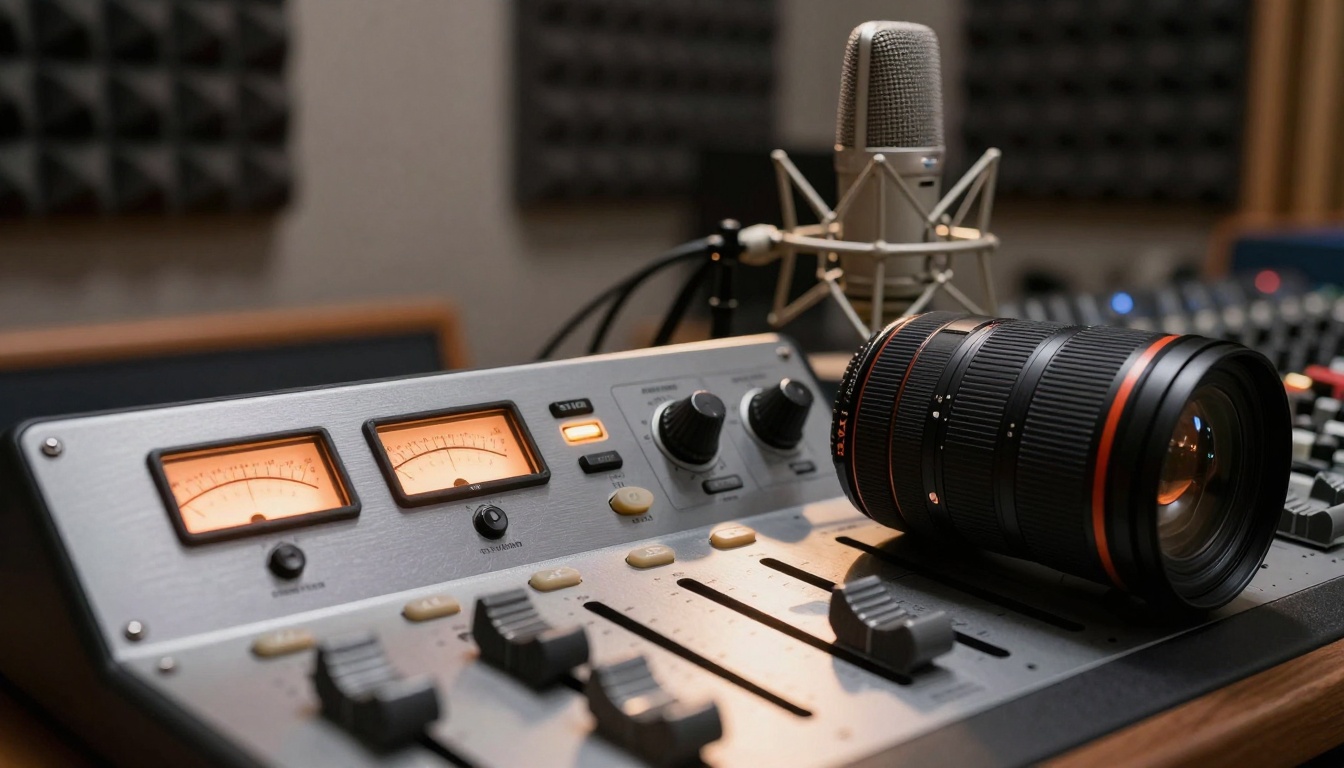
Professional audio setups demonstrate the complexity AI tools can simplify
Why AI Music Changes Video Production
Video creators face three persistent audio challenges: budget limitations, copyright compliance, and creative direction. Free AI music tools address each directly.
Budget realities: Professional music licensing costs $50-500 per track. Independent creators working with limited resources need alternatives that don't compromise quality. AI-generated music eliminates licensing fees while maintaining production value.
Copyright safety: YouTube's Content ID system flags unlicensed music, demonetizing videos or blocking uploads. AI-generated tracks avoid copyright claims since they're created specifically for each project, not sampled from existing works.
Creative control: Traditional libraries offer limited customization. AI tools allow precise adjustments to match video pacing, emotional tone, and specific moments. You define parameters like genre, tempo, mood, and instrumentation.
💡 Practical Tip: Start with short test videos using AI music before committing to longer projects. This helps you understand how different musical styles impact viewer engagement with your specific content format.
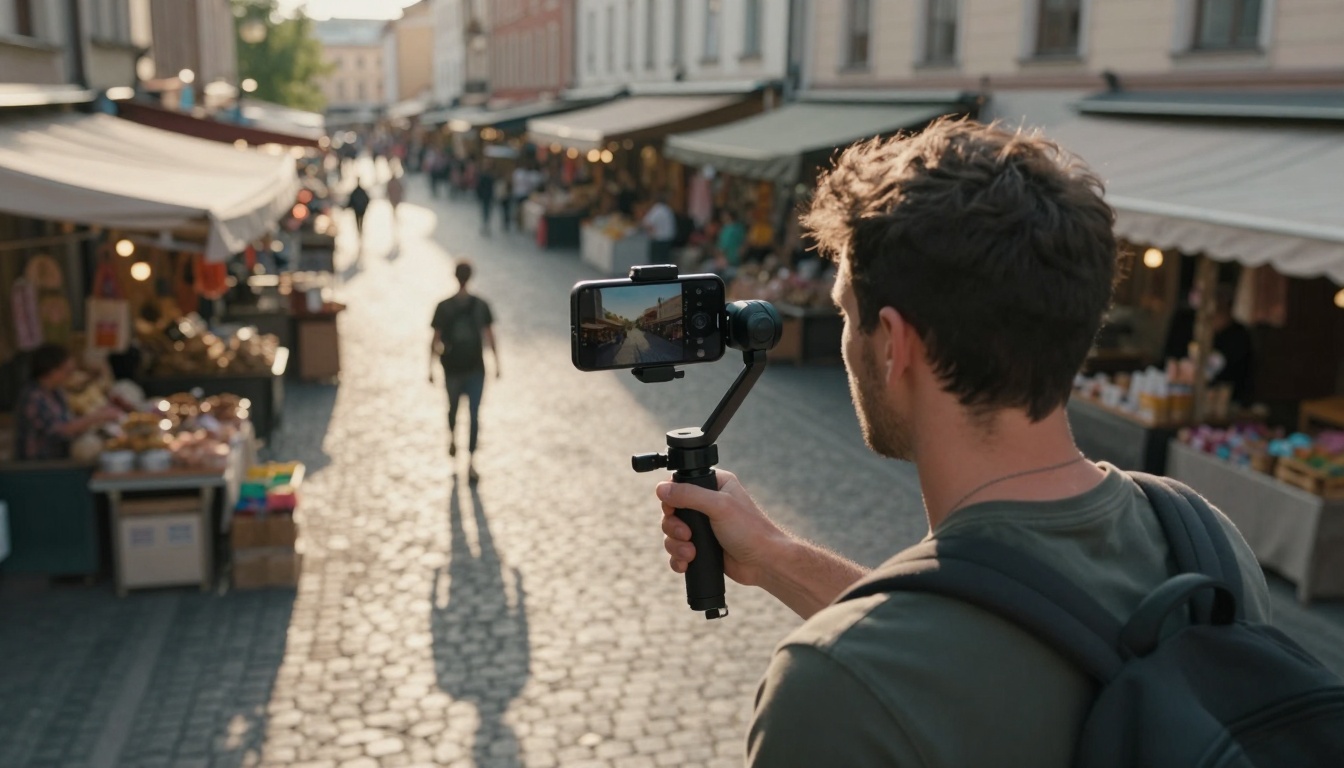
Mobile creators benefit most from accessible AI music solutions
Different creators need different solutions. Here's how leading free AI music tools compare for video production:
| Platform | Best For | Output Format | Customization | Limitations |
|---|
| AI Music Generator A | YouTube tutorials | MP3, WAV | Genre, tempo, mood | 5-minute max length |
| AI Composer B | Documentary scoring | MP3, MIDI | Instrumentation, structure | Watermark on free tier |
| Soundtrack AI C | Social media clips | MP3, stems | Style matching, beat sync | Limited genre options |
| Audio Creator D | Marketing videos | WAV, project files | Full parameter control | Monthly track limit |
Key differences: Some platforms focus on simplicity with preset styles, while others offer deeper control over musical elements. Consider your technical comfort level and specific needs before choosing.
Output quality: Free tiers typically match paid quality but may include watermarks or length restrictions. Test output through your video editing software to ensure compatibility with your workflow.
Integration options: Check if platforms offer direct exports to popular video editors like Premiere Pro, Final Cut Pro, or DaVinci Resolve. Seamless integration saves time during production.
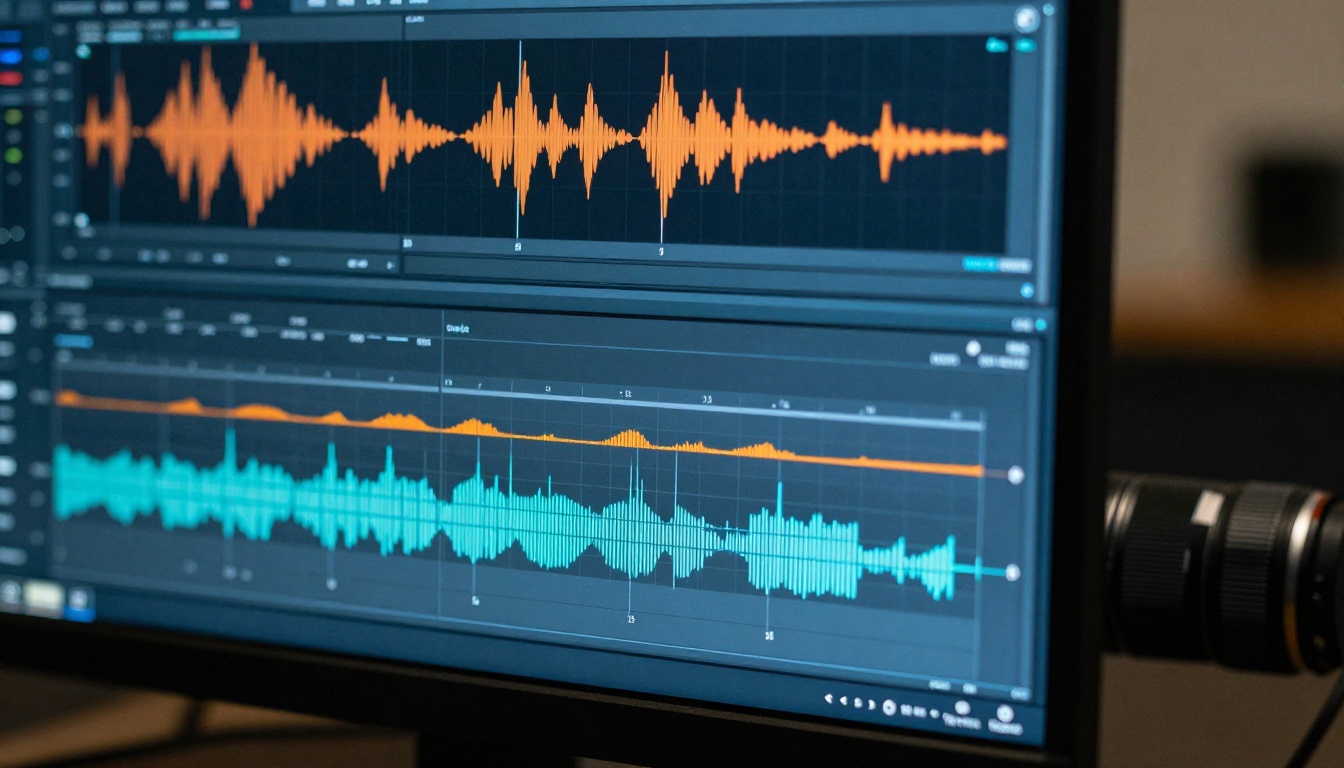
Modern DAW interfaces show the technical complexity AI simplifies
Practical Workflow Integration
Integrating AI music into existing video production requires strategic planning. Follow this sequence for optimal results:
-
Video rough cut first: Edit visual content before adding music. This allows the music to complement existing pacing rather than forcing edits to match predetermined audio.
-
Generate multiple options: Create 3-5 different musical approaches for each scene. Compare how different genres and tempos affect viewer perception of the same visual content.
-
Test synchronization: Import AI tracks into your timeline and check beat alignment with key visual moments. Most AI platforms allow tempo adjustments for better synchronization.
-
Layer with sound effects: Combine AI music with professionally recorded or generated sound effects. This creates fuller audio landscapes that feel more natural to viewers.
Common mistake: Using the same musical style throughout an entire video. Vary instrumentation and intensity between sections to maintain audience engagement.
Pro technique: Generate instrumental versions of your main theme, then create variations for different scenes (tense, joyful, reflective). This creates musical coherence without monotony.
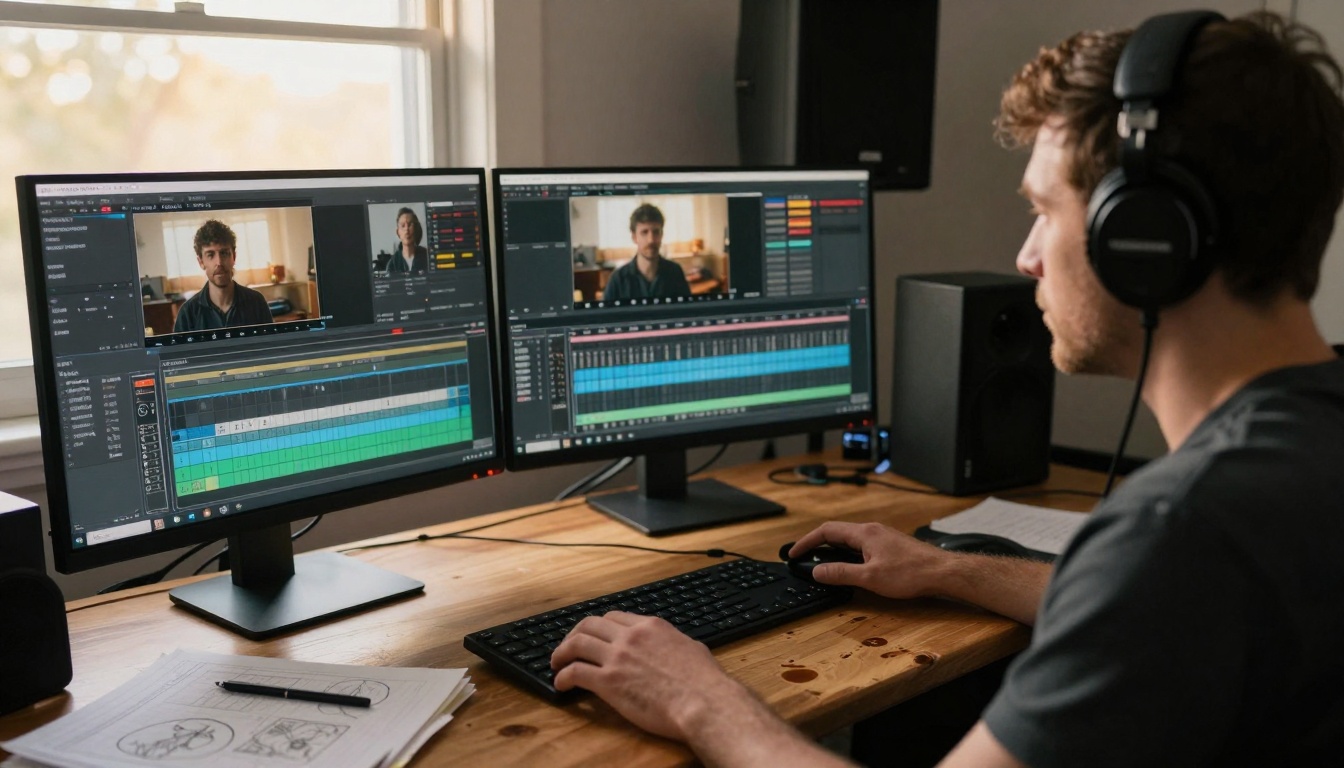
Home studios benefit from AI tools that replace expensive sample libraries
Copyright and Commercial Use
Understanding legal boundaries prevents future problems. Here's what free AI music tools typically allow:
Commercial use: Most free tiers permit monetization on platforms like YouTube, Twitch, and TikTok. Always verify specific platform terms before publishing revenue-generating content.
Attribution requirements: Some services require credit in video descriptions or end cards. Others operate attribution-free. Document requirements for each track you use.
Redistribution rights: Can you use the same track across multiple videos? Some platforms limit reuse to prevent library saturation with identical music.
Modification permissions: Check if you can edit generated tracks (shortening, remixing, adding effects). Full creative control requires modification rights.
💡 Legal Checklist: Before publishing, verify (1) commercial use permission, (2) attribution requirements, (3) platform-specific policies, and (4) territorial restrictions if distributing internationally.
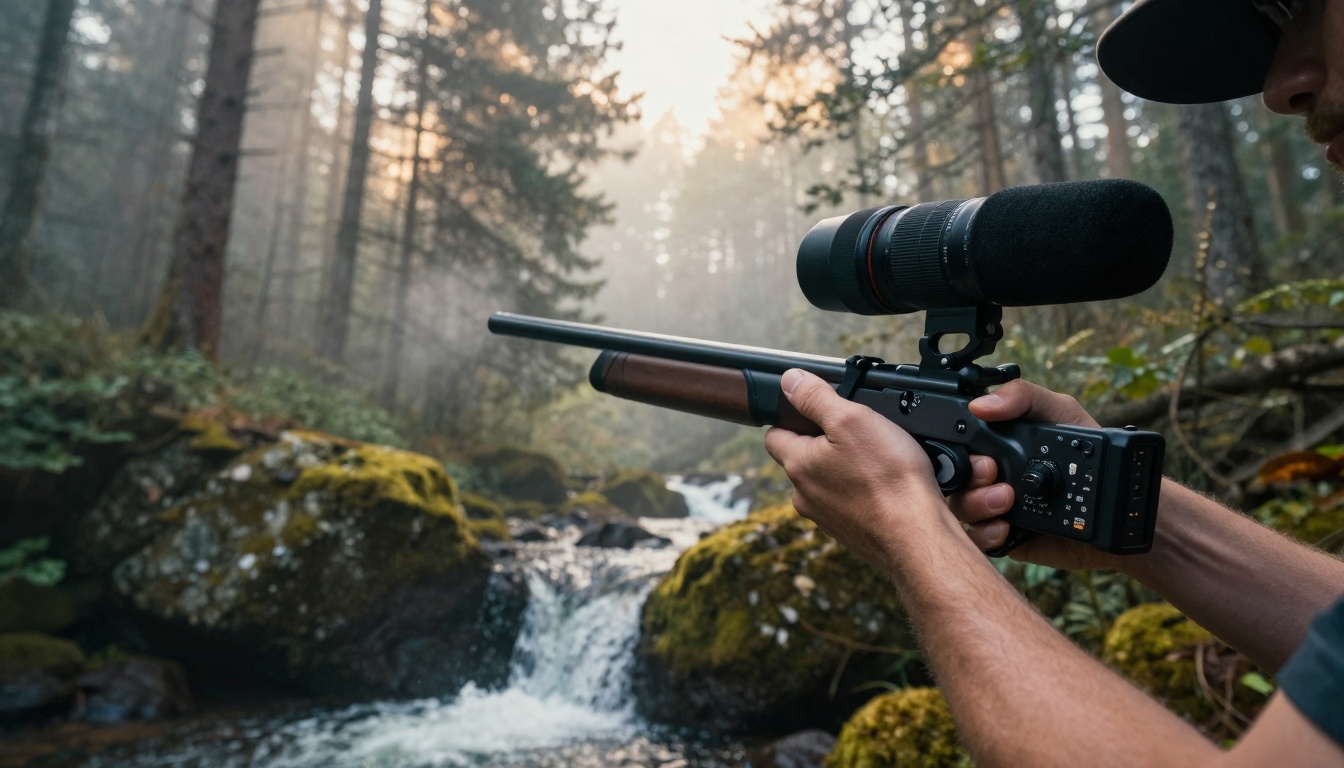
Field recording combined with AI music creates unique audio identities
Advanced Creative Techniques
Beyond basic background music, AI tools enable sophisticated audio design previously requiring professional composers.
Dynamic scoring: Generate multiple intensity levels of the same musical theme. Use quieter versions for dialogue scenes and fuller arrangements for action sequences.
Genre blending: Combine musical styles uncommon in traditional libraries. Merge electronic elements with orchestral arrangements for unique hybrid scores.
Temporal manipulation: Adjust generated music to match specific video durations precisely. Most AI tools allow exact length specification down to the second.
Stem separation: Some platforms generate separate instrument tracks (drums, melody, harmony). This allows mixing control unavailable with single-file music libraries.
Emotional mapping: Match musical parameters to visual emotional arcs. Increase tempo during exciting moments, reduce instrumentation during reflective scenes, shift key during transitions.
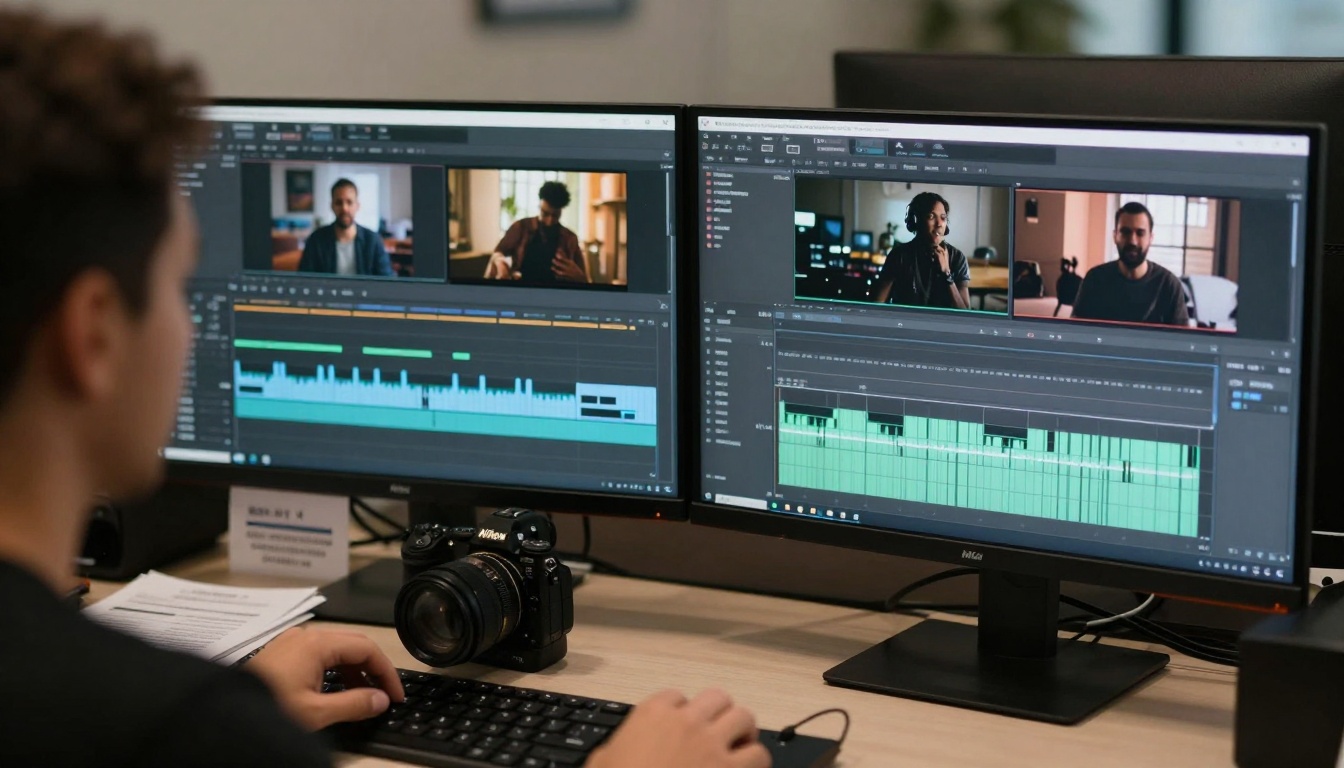
Precise synchronization elevates production quality significantly
Different video platforms benefit from tailored audio approaches:
YouTube tutorials: Clear, unobtrusive background music that doesn't compete with instructional narration. Simple instrumentation with steady tempo works best.
Instagram/TikTok: High-energy tracks with immediate impact. Short formats require music that establishes mood within the first 3 seconds.
Documentary films: Evolve musical themes that develop alongside narrative progression. Use instrumentation changes to mark different sections or perspectives.
Corporate videos: Professional, neutral music supporting brand messaging without overwhelming corporate voice. Avoid overly emotional or dramatic styles.
Gaming content: Dynamic music responding to gameplay events. Some AI platforms offer interactive music generation for real-time applications.
Live streaming: Background music that complements commentary without distraction. Lower complexity arrangements prevent cognitive overload for viewers.
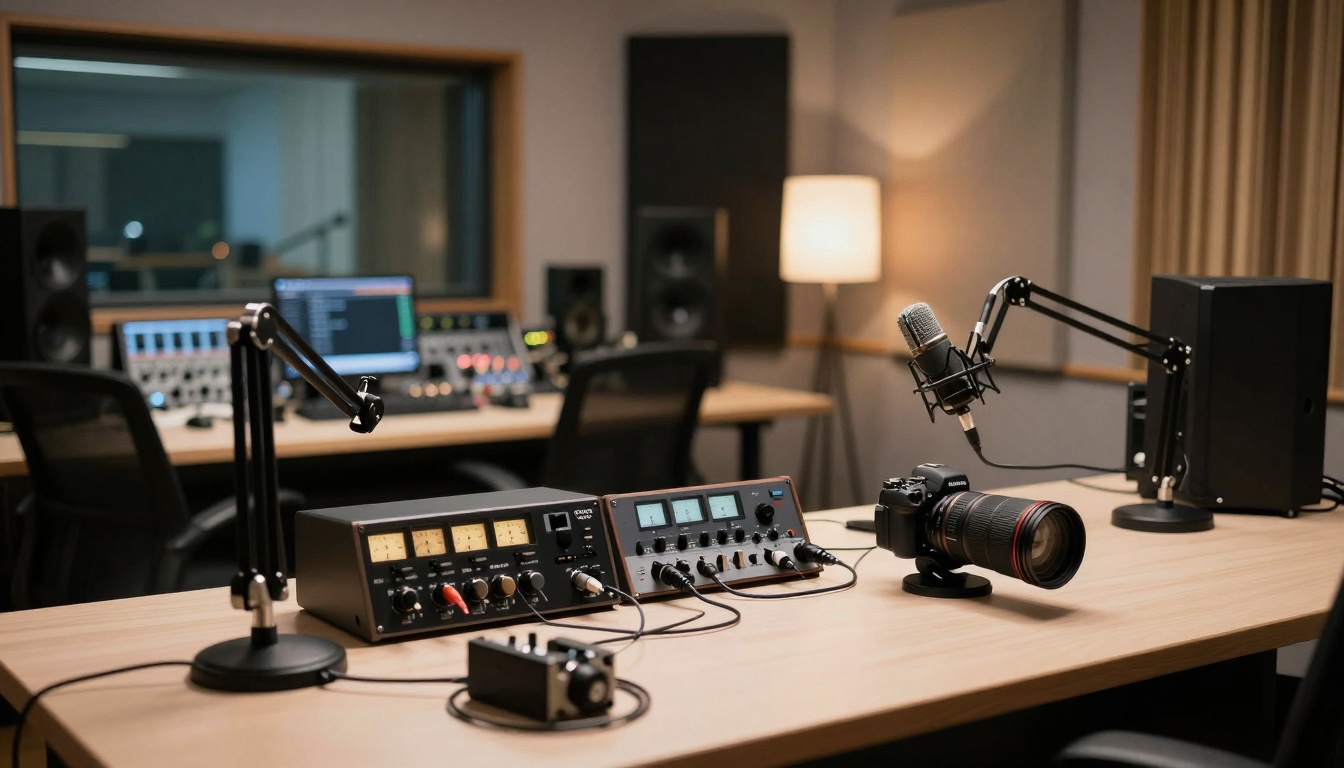
Podcast production demonstrates professional audio standards AI can achieve
Quality Assessment Criteria
Not all AI-generated music meets professional standards. Evaluate tracks using these quality metrics:
Instrument realism: Do virtual instruments sound authentic or synthetic? High-quality AI music uses advanced sampling and synthesis techniques.
Musical coherence: Does the composition follow logical progression rather than random note generation? Listen for thematic development and structural integrity.
Mix balance: Are different instruments properly balanced in the stereo field? Professional mixes have clear frequency separation and spatial positioning.
Dynamic range: Does the music have appropriate volume variations? Flat, unchanging intensity feels robotic and unengaging.
Emotional delivery: Does the music evoke intended feelings? Test tracks with sample video content to gauge emotional impact.
Technical specifications: Check sample rate (44.1kHz minimum), bit depth (16-bit for distribution, 24-bit for editing), and file format compatibility with your editing software.
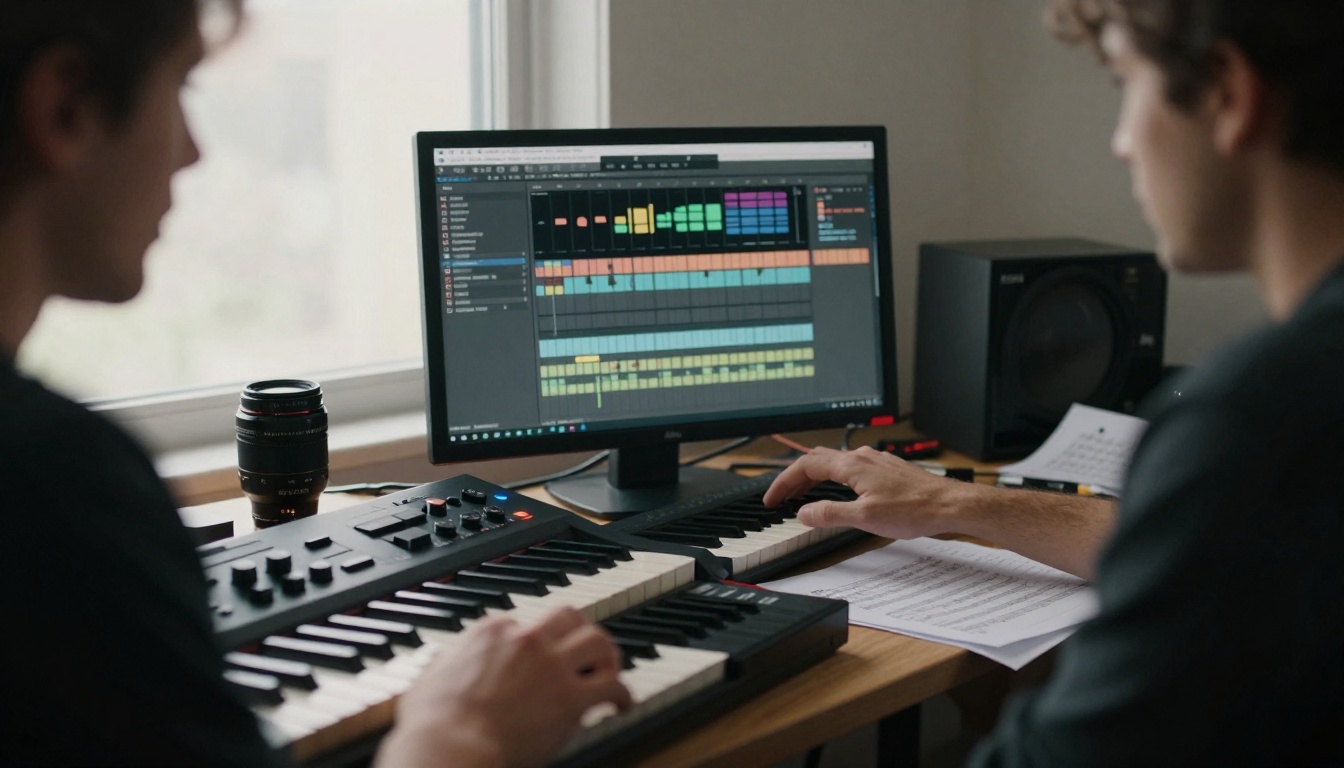
Film scoring demonstrates the artistic potential of AI music tools
Future Developments and Limitations
Current AI music technology continues evolving. Understanding trajectory helps plan long-term audio strategies.
Short-term improvements: Expect better instrument realism, longer composition coherence, and more intuitive parameter controls within the next 12-18 months.
Mid-term developments: Integration with video editing platforms, automatic synchronization with visual beats, and style transfer between different musical genres.
Long-term possibilities: Real-time music generation reacting to live video feeds, personalized music matching individual viewer preferences, and collaborative AI-human composition tools.
Current limitations: AI struggles with complex jazz harmony, culturally specific traditional music, and highly experimental avant-garde composition. Human composers still excel in these areas.
Ethical considerations: As AI generates more music, questions arise about musical originality, artist compensation models, and cultural representation in training data.
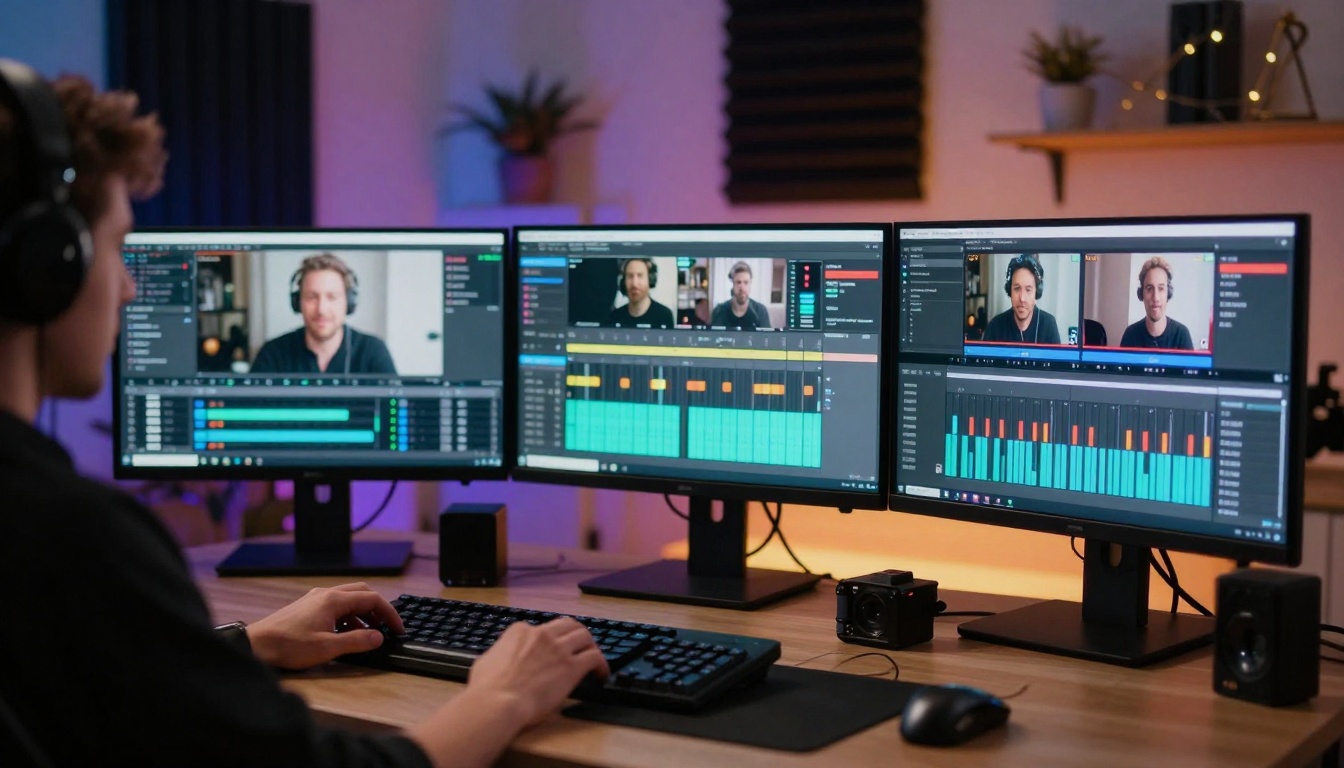
Live production demonstrates real-time audio integration possibilities
Getting Started Recommendations
Begin with simple implementations before attempting complex scoring projects:
-
Replace stock music: Start by swapping out existing library music with AI-generated alternatives in current projects. Compare audience retention metrics.
-
A/B test engagement: Create two versions of the same video with different AI music tracks. Monitor which receives better completion rates and engagement.
-
Build musical library: Generate variations of successful tracks for future reuse. Organize by genre, tempo, and emotional tone for quick access during editing.
-
Collaborate with AI: Use AI-generated music as starting points for further human refinement. Many professional composers now begin with AI sketches before adding personal touches.
-
Document preferences: Track which musical parameters work best with your specific content type. Build templates for recurring video formats.
The combination of professional video editing tools with AI music generation creates production possibilities previously requiring substantial budgets and specialized expertise. These free tools democratize access to quality audio, allowing creators at any level to enhance their visual storytelling.
Now create your own video soundtracks using AI music generation. Experiment with different platforms to discover which aligns best with your creative vision and technical requirements. Share your experiences and results with the creator community to help others navigate this evolving technology landscape.


