Anime fan projects have never been more ambitious. A few years ago, creating even a short animated sequence required expensive software, frame-by-frame illustration skills, or a team of people with months to spare. Today, a solo creator with zero budget and a solid internet connection can generate video clips that look like they belong in an actual production. That shift is driven almost entirely by free AI video generators, and the gap between what costs money and what does not has narrowed dramatically.
This article breaks down the real options. Not the platforms that promise "free" and then wall everything useful behind a paywall, but the tools and models that actually let you produce anime fan content at zero cost.
Why Anime Fan Projects Need AI Video
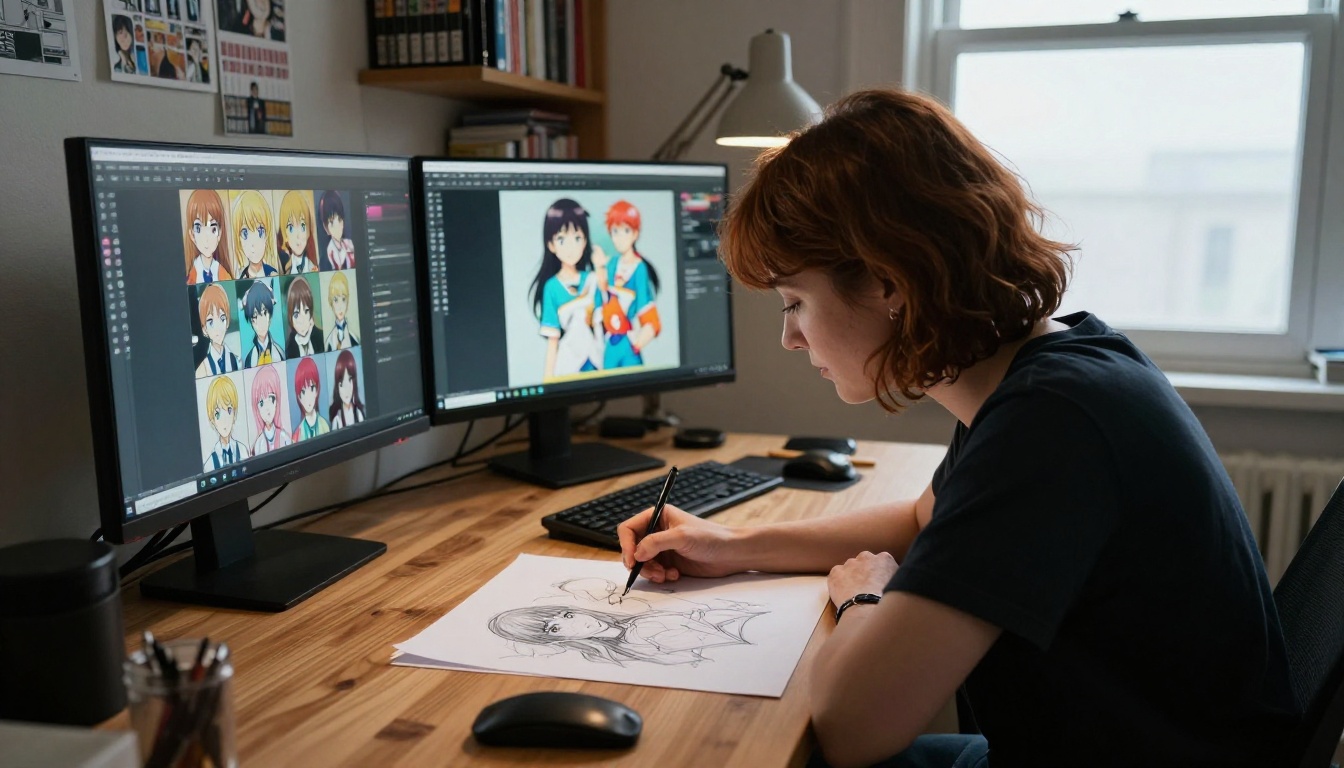
There is a specific pain point in anime fandom that traditional tools never solved well. Fan artists can draw beautifully. Fan writers can craft stories that rival the source material. But animating those creations, actually making characters move, speak, and exist in a scene, requires a skill set that takes years to build. Free AI video generators for anime fan projects close that gap in a way nothing else has.
The 3 Things AI Changes
1. Motion without keyframing. Traditional animation asks you to draw every frame. AI video generators produce motion from a single image or a text prompt. Feed in your fan art of a character, and the model handles the interpolation.
2. Scene generation at speed. Describing a scene in text and getting a 5-10 second clip back in under a minute is now standard. That changes what a one-person team can produce in a weekend.
3. No subscription required for entry-level output. Several production-quality models are genuinely free with no credit card. The freemium model still exists, but the free tiers are significantly more capable than they were 18 months ago.
What "Free" Actually Means
💡 "Free" in the AI video world means different things. Some platforms offer free credits that run out. Others are permanently free with soft quality caps. A handful are unlimited. This article focuses on models where you can produce real output at zero cost without time pressure.
The LSI keywords that matter here are: anime AI video maker free, AI animation generator for fans, free anime video creation tools, AI-powered anime clips, anime fan art video generator, free text-to-video anime, AI anime scene generator, and AI tools for anime fan projects. These concepts connect the tools to actual creator workflows.
The Best Free Models for Anime Video

The model you pick shapes everything: clip length, resolution, prompt sensitivity, and whether image-to-video is supported. Here are the standouts for anime fan project video generation.
Seedance 2.5 Lite
Seedance 2.5 Lite from ByteDance is the closest thing to a permanently free, production-capable video generator available right now. It supports clips up to 10 seconds, handles both text-to-video and image-to-video inputs, and produces output at a resolution that holds up in fan project contexts.
For anime fan creators specifically, Seedance 2.5 Lite is useful for:
- Animating static fan art into short character motion clips
- Generating environmental establishing shots from text descriptions
- Creating quick reaction clips or scene transitions
- Testing motion prompts before committing to a premium model run
The model reads prompts with good spatial awareness, meaning "character on the left, cherry blossoms falling from above" tends to produce that literal composition rather than interpreting it loosely.
The Wan Series
Wan 2.7 T2V handles text-to-video at 1080p, and Wan 2.7 I2V handles image-to-video, making them two halves of the same workflow. Wan 3 pushes further with cinematic motion control for longer, more composed sequences.
| Model | Input | Output Resolution | Best Use |
|---|
| Wan 2.7 T2V | Text | 1080p | Scene generation from scratch |
| Wan 2.7 I2V | Image | HD animated clip | Character animation from fan art |
| Wan 3 | Text or Image | Cinematic | Fan film hero sequences |
| Wan 2.1 1.3B | Text | 5-second clips | Quick scene drafts |
Wan 2.1 1.3b is the entry-level free option in the series. Five-second clips at no cost, ideal for generating quick test outputs before committing to a full scene in a higher-quality model.
AnimateDiff and Tooncrafter
AnimateDiff Prompt Travel was one of the first AI video generators to gain traction with anime creators specifically because it understood illustrated character styles. You write sequential prompt "waypoints" and the model transitions between them, which is directly useful for storyboard-to-animation pipelines where you have defined key moments.
Tooncrafter takes a different approach: feed it two illustration keyframes and it fills in the motion between them. For anime fan artists who already have finished character drawings, this is a direct bridge from static art to motion without requiring any text prompt for the visual style.

Image-to-Video for Anime Characters
This is the workflow that matters most for anime fan creators who already have art. The process is simple in concept: provide a source image, add a motion prompt, and the model generates a few seconds of video with that character or scene moving.
How the Workflow Works
- Start with your source image. This can be original fan art, a screenshot from a scene you want to recreate, or an AI-generated image that matches your character design.
- Write a motion prompt. Describe what should happen in the clip, not what the character looks like. "Hair blowing in the wind, eyes slowly closing, subtle smile appearing" works better than describing the character's appearance.
- Run the model. Most image-to-video models on PicassoIA return results in under two minutes for short clips.
- Iterate on the output. The first result often needs adjustment. Change the motion prompt, tweak the seed, or try a different model before concluding the shot does not work.
Wan 2.7 I2V in Action
Wan 2.7 I2V consistently delivers natural-looking motion from anime-style art. It preserves character proportions well and does not flatten the stylized look of the source image into something that looks generic. The model interprets motion prompts with a bias toward subtle, physically grounded movement, which reads as more cinematic than dramatic exaggeration.
💡 When using image-to-video with fan art, keep your motion prompts physics-based. "Hair flows left in gentle breeze" produces better results than "character looks cool and dynamic."
For background environmental scenes, Wan 2.6 I2V adds subtle parallax and depth motion that makes static backgrounds feel alive without requiring any character movement in the frame.
PicassoIA Video
PicassoIA Video is the platform's own unlimited free video generator. Both text and image inputs are supported, with no generation limits enforced. For fan creators who need to iterate rapidly through multiple takes of a scene, the unlimited access matters more than any single model's quality ceiling. You can run the same scene ten different ways in an afternoon without worrying about credits.

Text-to-Video for Anime Scenes
Not every fan project starts with existing art. Many creators want to generate original scenes from scratch, describing settings, characters, and actions in text and letting the AI build the visual from nothing.
Writing Prompts That Actually Work
The gap between a prompt that produces generic output and one that produces exactly what you pictured is almost always specificity. Compare these two approaches:
Weak prompt: "An anime girl in a forest looking sad"
Strong prompt: "Young woman with silver hair standing in a rain-soaked forest at dusk, drops falling from pine needles onto her dark coat, head slightly bowed, slow zoom toward her face, volumetric fog in background"
The second prompt gives the model a lighting condition (rain, dusk), a camera movement (slow zoom), a specific detail (drops from pine needles), and an atmosphere (volumetric fog). Every one of those elements shapes the output. AI-powered anime clips generated with detailed prompts show significantly better adherence to the intended scene than short, vague descriptions.
Common mistakes in anime scene generation AI prompts:
- Describing character appearance instead of motion and atmosphere
- Forgetting to include a camera movement directive
- Omitting lighting information (time of day, light source direction)
- Using emotional labels ("sad", "happy") instead of physical expressions ("tears on cheeks", "wide smile, eyes narrowed")
LTX 2.5 Fast and Ray Flash 2 720p
LTX 2.5 Fast generates 4K video from text in seconds. It is the fastest high-resolution option available on PicassoIA and performs particularly well on scenes with deliberate camera movement descriptions. The 4K output is useful when you plan to crop or reframe clips in post-production.
Ray Flash 2 720p from Luma is a free-tier model that punches well above its weight on cinematic framing. Fan creators use it for establishing shots, wide environmental scans, and sequences where camera movement matters more than character detail. LTX 2.3 Fast offers an earlier version of the same architecture that some creators prefer for its slightly different motion characteristics on close-up character shots.
CogVideoX 5B and Mochi 1
CogVideoX 5B is worth keeping in your rotation for dialogue scenes and character-focused clips. It handles human and humanoid character motion with good consistency across frames, which matters when you are cutting together multiple clips into a single fan film sequence.
Mochi 1 specializes in fluid, organic motion. For water scenes, fabric movement, or any clip where natural physical motion is the focus, it produces results that feel less mechanically interpolated than most other models. A single scene of rain falling on a pond, or a character's clothing catching the wind, benefits from Mochi 1's motion modeling.
Building a Full Fan Film Pipeline
Individual clips are one thing. Assembling them into a coherent short film is a different challenge, and AI tools address different parts of that pipeline.
Storyboard to Animation
The most reliable pipeline for a solo fan creator currently looks like this:
- Write the script. Scene by scene, note the visual action, not just dialogue.
- Generate still frames for each major shot using a text-to-image model. Use these as your visual storyboard.
- Animate each frame using image-to-video models like Wan 2.7 I2V or Tooncrafter.
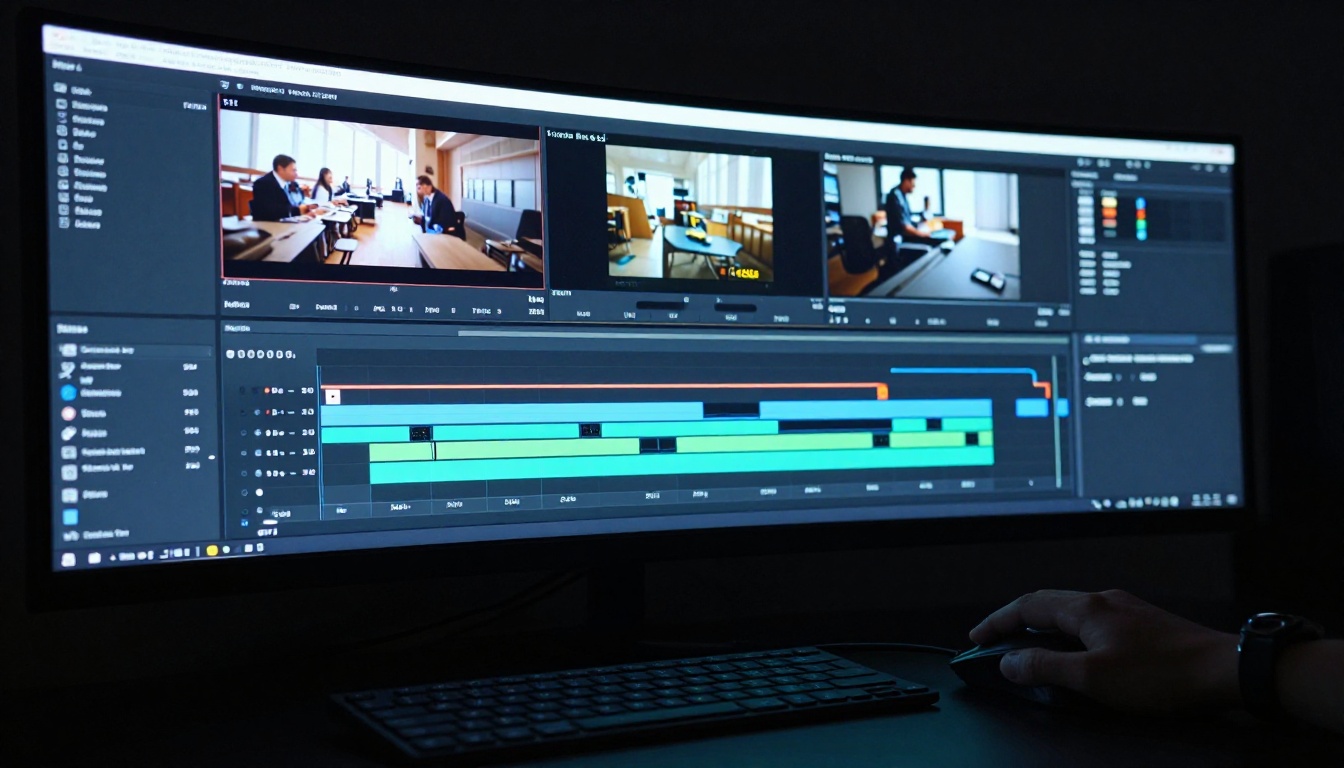
- Edit the clips in a video editor to assemble the sequence and control pacing.
- Add audio separately using text-to-speech, AI music generation, or recorded voice acting.
This pipeline is slower than people expect but produces dramatically more controlled output than pure text-to-video from scratch, because you maintain visual consistency across shots by using the same source image style throughout.
Audio and Lipsync Integration
PicassoIA includes both text-to-speech and lipsync tools, which close two of the biggest gaps in solo fan film production. Once you have animated clips, you can generate voice acting through the platform and sync it to character mouth movements without separate software.
For background music and sound design, the AI music generation models on the platform accept text descriptions of mood and style. "Melancholic orchestral string section, slow tempo, minor key, Japanese aesthetic influence" produces tracks usable in fan projects without copyright concerns.
Community and Sharing
Generated fan videos are catching traction on short-form platforms specifically because the AI-generated aesthetic has its own visual identity. Creators are building audiences around their specific character designs and AI-assisted storytelling style.
💡 When sharing AI-generated fan content, being transparent about your workflow is both ethically sound and often a draw for other fans who want to replicate it. Tutorial posts about your AI pipeline tend to outperform pure showcase posts by a significant margin.
The free anime video creation tools covered in this article are all accessible through a single platform, which means your workflow documentation stays simple: one URL, one login, multiple models.
How to Use PicassoIA for Anime Fan Projects
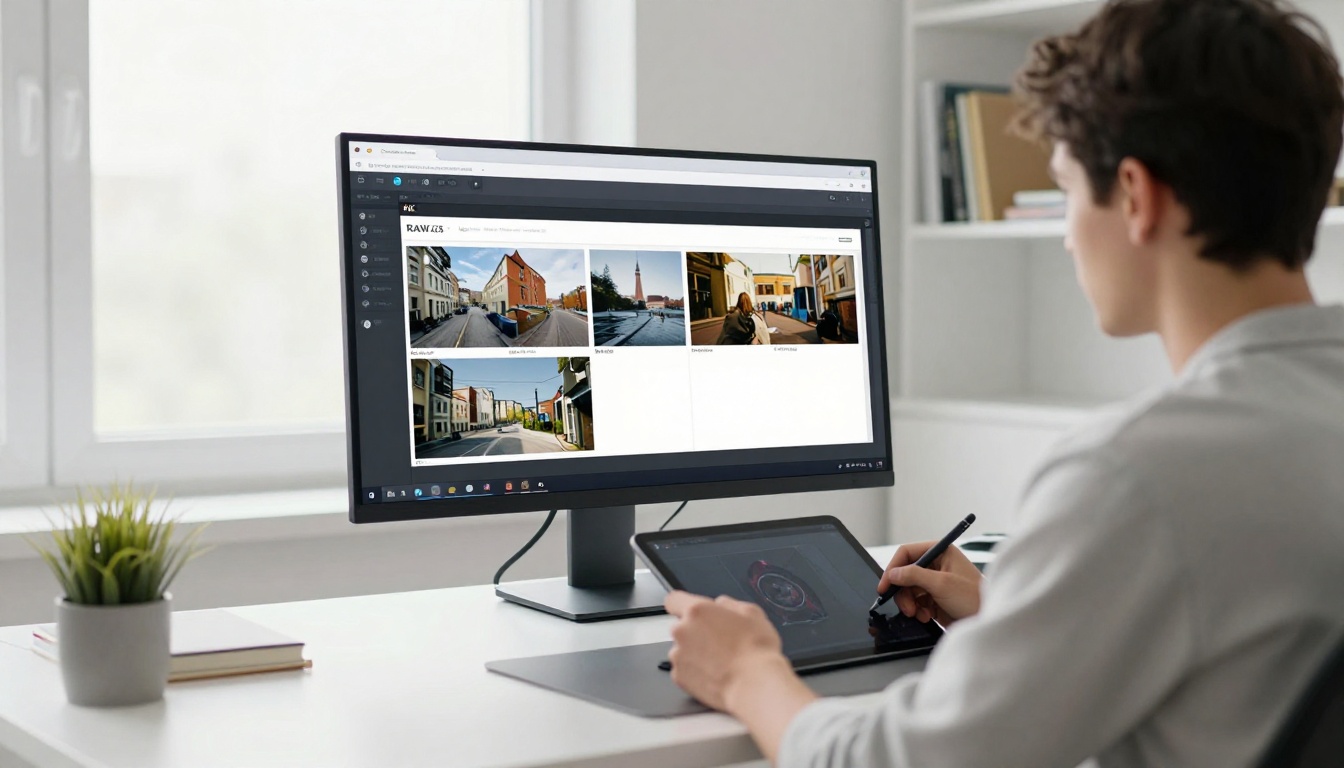
PicassoIA provides access to over 120 text-to-video models in one place, plus image generation, super resolution, and audio tools. For anime fan creators, the relevant workflow is straightforward.
Picking the Right Model
The platform organizes models by category with filtering. For anime fan video work, start with the text-to-video category and apply these criteria:
- Image-to-video support: Required if you are starting from existing fan art
- Free or unlimited: Filter for models with no credit requirements for your project volume
- Resolution: 720p minimum for anything you plan to share publicly
- Clip length: Some models cap at 5 seconds; others go to 10 or 30
Step-by-Step Workflow
Step 1. Go to picassoia.com/en/all-models and select the text-to-video category.
Step 2. For image-to-video, select Wan 2.7 I2V or Seedance 2.5 Lite as your starting point.
Step 3. Upload your source image. This is your fan art, a generated character reference, or any still that defines the visual starting point of the scene.
Step 4. Write a motion-focused prompt describing what moves, not what the character looks like. Run the generation.
Step 5. If the output does not match your intent, adjust the motion prompt first before switching models. Prompt iteration before model-switching is almost always the more efficient path.
Step 6. Download the clip and move to the next scene in your storyboard.
More Models Worth Knowing
Beyond the core recommendations, several other models have specific use cases that matter in fan film production.
A few notes on these:
Damo Text to Video is genuinely free and useful for drafting short sequences before committing to a higher-quality run on a more demanding model.
Hunyuan Video from Tencent produces some of the most realistic human motion available in this category, which matters when your fan characters are humanoid and need to read as convincingly physical.
Pixverse v6 includes native audio generation alongside the video output, which saves a production step if you want ambient sound built into the clip rather than added separately.
For precise motion control, specifically controlling camera paths and character blocking, Kling v3 Motion Control offers detailed camera direction inputs that most other models do not expose. That level of control is worth using when a specific shot composition matters to your story.
The AI video generator for anime fans ecosystem on PicassoIA also includes Wan 2.2 S2V for audio-synced video creation and Wan 2.2 Animate Animation for copying motion from reference clips onto your characters, which is useful when you want your fan characters to perform a specific movement style without writing it entirely from a text description.
Start Creating Your Anime Fan Project Now
The tools described above are not theoretical. They are running today, accessible through a browser, and the free-tier access is real. What that means in practice: a creator with an idea, a few reference images, and an afternoon can produce multiple minutes of animated fan content.
The workflow takes iteration. First clips rarely look like polished production output. The difference between early output and refined output in AI video synthesis comes from the same place it always has: understanding the tools, refining your prompts, and assembling the pieces with intention.
PicassoIA gives you access to the full stack in one place. From image generation that builds your character art, to text-to-video and image-to-video models that animate them, to audio tools that give them voice. All of the models linked throughout this article are accessible through the platform, most at zero cost.
Start with Seedance 2.5 Lite for free unlimited generation. Move to Wan 2.7 I2V when you want to animate your own art. When you are ready to push further, the full model library at picassoia.com/en/all-models has over 120 video models waiting.
The fan film you have been planning does not need a budget. It needs a starting frame.


