The landscape of AI image generation has transformed creative industries, but adult creators face unique challenges when seeking tools that respect artistic expression while delivering photorealistic quality. Unlike mainstream platforms with restrictive content policies, specialized AI generators offer nuanced approaches to sensual and artistic content creation.
Low-angle compositions create powerful visual statements without explicit content
Adult content creators operate in a space where artistic expression meets commercial demand. Traditional AI platforms often implement overzealous safety filters that block legitimate artistic work. These filters fail to distinguish between artistic nudity and explicit content, creating barriers for creators who focus on aesthetic, sensual, and artistic portrayals.
Three critical needs drive the demand for specialized tools:
- Realistic Human Likeness - Photorealistic skin texture, natural lighting, and anatomical accuracy
- Artistic Freedom - Ability to create sensual content without arbitrary restrictions
- Cost Efficiency - Free or affordable access to high-quality generation tools
The Only Free Text-to-Image Option
After analyzing 85 text-to-image models on PicassoIA, only one stands out as explicitly free: SDXL ControlNet LoRA. This model offers basic generation capabilities without payment requirements, though it comes with significant limitations for adult creators.
💡 Important: Free models typically implement the strictest safety filters. The trade-off between cost and content freedom requires careful consideration.
SDXL ControlNet LoRA Limitations
| Aspect | Rating | Notes |
|---|
| Realism | ⭐⭐⭐ | Basic human likeness capabilities |
| Safety Filters | ⭐⭐⭐⭐⭐ | Highly restrictive content policies |
| Speed | ⭐⭐⭐⭐ | Moderate generation times |
| Customization | ⭐⭐ | Limited parameter control |
| Cost | ⭐⭐⭐⭐⭐ | Completely free |
The reality: While free access appeals to budget-conscious creators, the strict safety implementation means most adult-oriented prompts will be blocked or heavily filtered.
Premium Models for Realistic Human Generation
For creators willing to invest in quality, several premium models excel at photorealistic human likeness. These tools understand the difference between artistic expression and explicit content, offering more nuanced approaches.
Top Models for Human Portraits

Aerial perspectives offer unique compositional possibilities
- qwen-image-2512 - Specifically mentions "human likeness" in capabilities
- Realistic Vision v5.1 - Optimized for portrait photography and human features
- flux-1.1-pro-ultra - Markets "raw realism" as a key feature
- ideogram-v3-quality - Ultra-realistic output quality
Safety Considerations by Model
Models with explicit safety mentions:
Models without safety mentions:
💡 Strategy: Creators should test models without safety mentions first, as they're more likely to accept artistic sensual prompts.
Speed vs Quality Trade-Offs
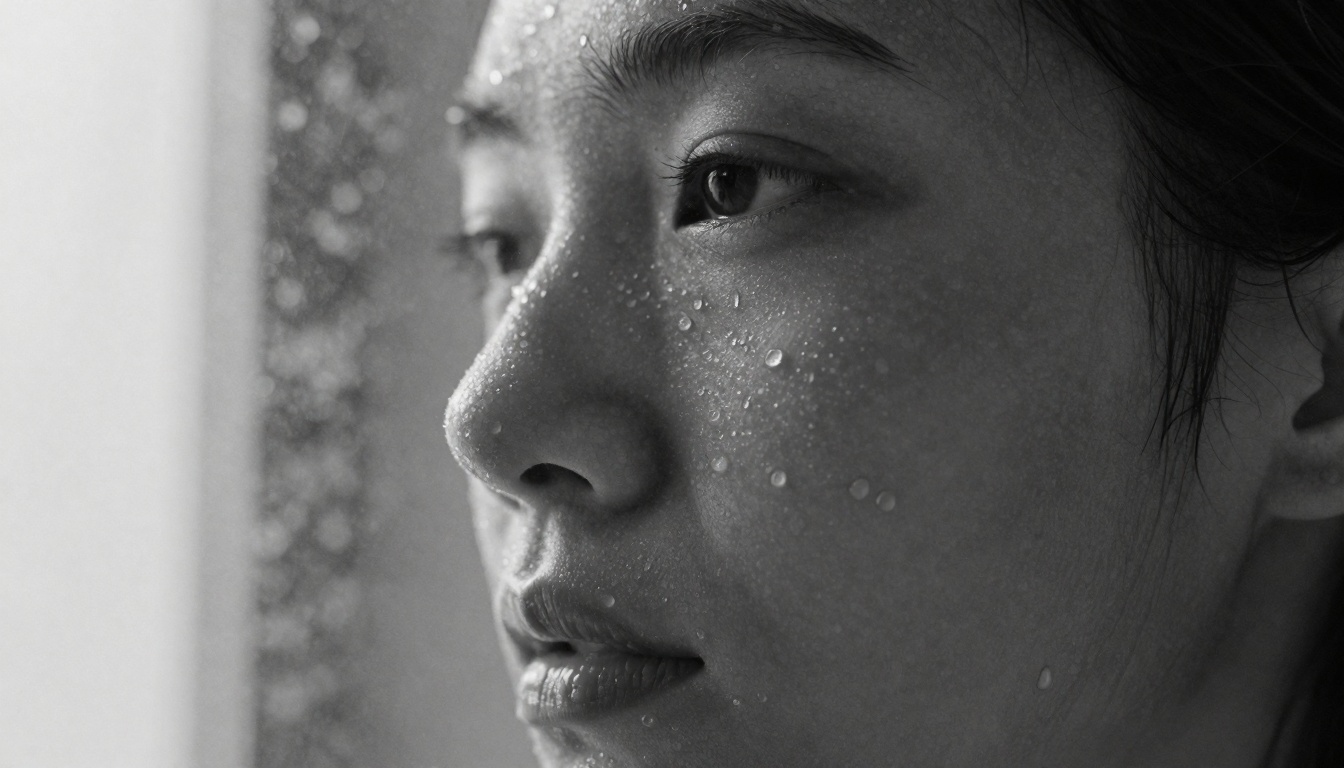
Macro photography emphasizes texture and detail without explicitness
Different models prioritize different aspects of generation. Understanding these trade-offs helps creators select the right tool for specific projects.
Generation Speed Comparison
Practical application: Use faster models for initial concept development, then switch to quality-focused models for final renders.
Prompt Engineering for Artistic Content
Creating successful AI-generated content requires sophisticated prompt engineering. Adult creators must master the language of suggestion and artistic reference rather than explicit description.
Effective Prompt Structures
Basic structure: [Subject description] + [Setting/context] + [Lighting conditions] + [Camera specifics] + [Artistic style]
Example breakdown:
- Subject: "A model with natural wavy hair, subtle makeup emphasizing full lips"
- Setting: "In an opulent Art Deco boudoir with rich mahogany furniture"
- Lighting: "Soft morning light streaming through leaded glass windows"
- Camera: "85mm f/1.8 lens at close distance, shallow depth of field"
- Style: "Shot on Kodak Portra 400 film, cinematic composition"
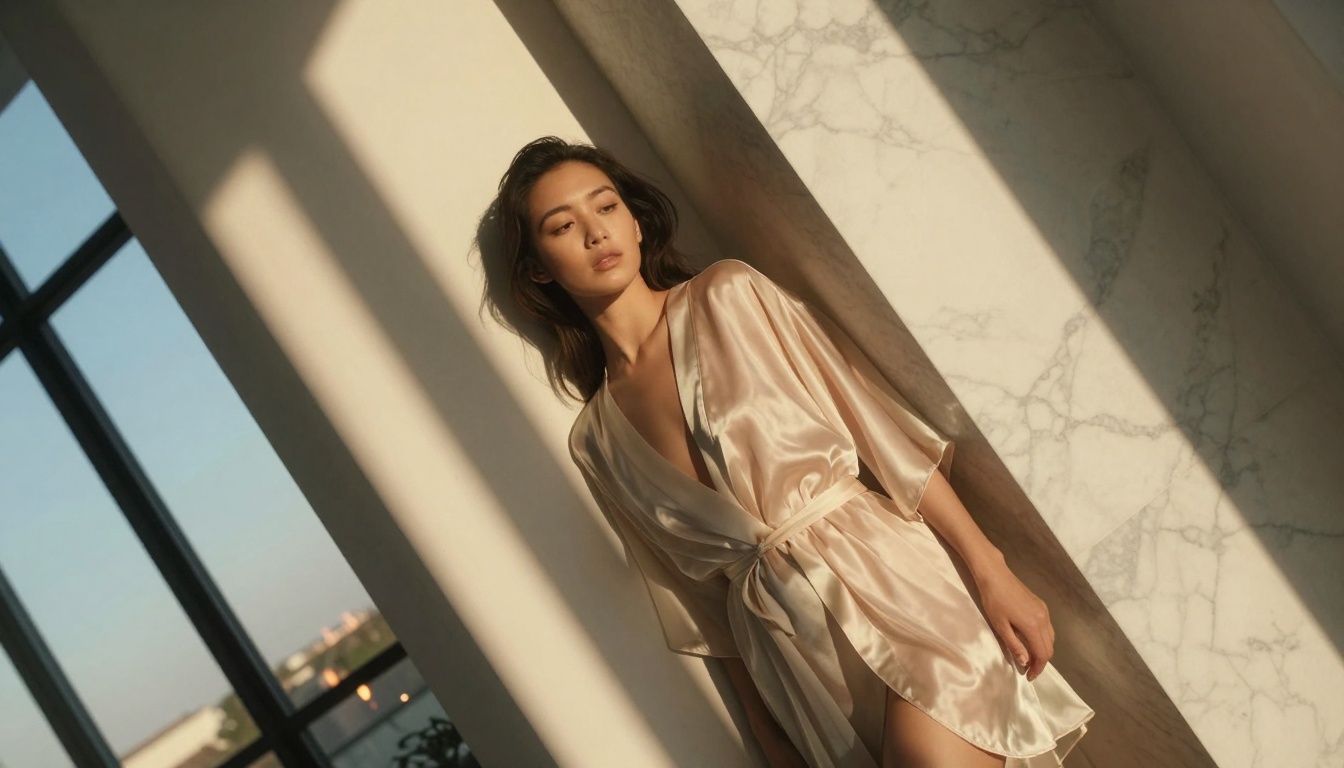
Dutch angles create dynamic tension in artistic compositions
Advanced Techniques
- Negative prompts: Explicitly state what you don't want ("no explicit nudity", "no vulgar poses")
- Artistic references: Mention specific photographers or art movements
- Texture emphasis: Highlight specific material qualities ("velvet against silk", "skin texture with peach fuzz")
- Composition rules: Reference photographic principles ("rule of thirds", "leading lines")
Cost Analysis for Adult Creators
Budget considerations significantly impact tool selection. While free options exist, their limitations often necessitate premium alternatives for professional work.
Cost Comparison Table
| Model Type | Average Cost | Best Value For |
|---|
| Free models | $0 | Testing, learning, basic concepts |
| Mid-tier premium | $0.05-$0.20 per image | Regular content creation |
| High-end premium | $0.30-$1.00 per image | Commercial work, final products |
| Enterprise solutions | Custom pricing | Studio-scale production |
Hidden costs: Time spent working around restrictions, regenerating blocked content, and platform switching all add to the true cost of "free" tools.
Technical Requirements for Photorealistic Output

Wide shots establish atmosphere and context without focusing on explicit details
Achieving photorealistic results requires understanding the technical aspects of AI image generation. Different models excel at specific technical challenges.
Key Technical Considerations
Skin texture reproduction: Models vary in their ability to render natural skin pores, fine hairs, and subcutaneous details. qwen-image-2512 and Realistic Vision v5.1 consistently perform well here.
Lighting accuracy: The interplay of light and shadow defines photographic realism. Models that understand complex lighting scenarios produce more convincing results.
Anatomical proportions: Consistent human proportions separate professional output from amateur work. This remains a challenge for many AI systems.
Material rendering: Distinguishing between silk, lace, velvet, and other fabrics requires sophisticated material understanding.
With numerous options available, creators need systematic approaches to selecting the right platform for specific projects.
Decision Framework
- Content type assessment: Determine the specific needs of each project
- Budget allocation: Match tool cost to project value
- Technical requirements: Identify necessary quality standards
- Workflow integration: Consider how tools fit into existing processes
Multi-Platform Approach
Smart strategy: Use different platforms for different stages:
- Concept development: Fast, inexpensive models
- Refinement: Balanced speed/quality models
- Final output: Highest quality premium models
Legal and Ethical Considerations
Adult creators must navigate complex legal and ethical landscapes when using AI generation tools.
Key Considerations
Content ownership: Understand platform terms regarding generated content rights
Model training data: Consider the ethical implications of training data sources
Platform policies: Review content guidelines before committing to specific tools
Audience expectations: Align content with viewer expectations and comfort levels
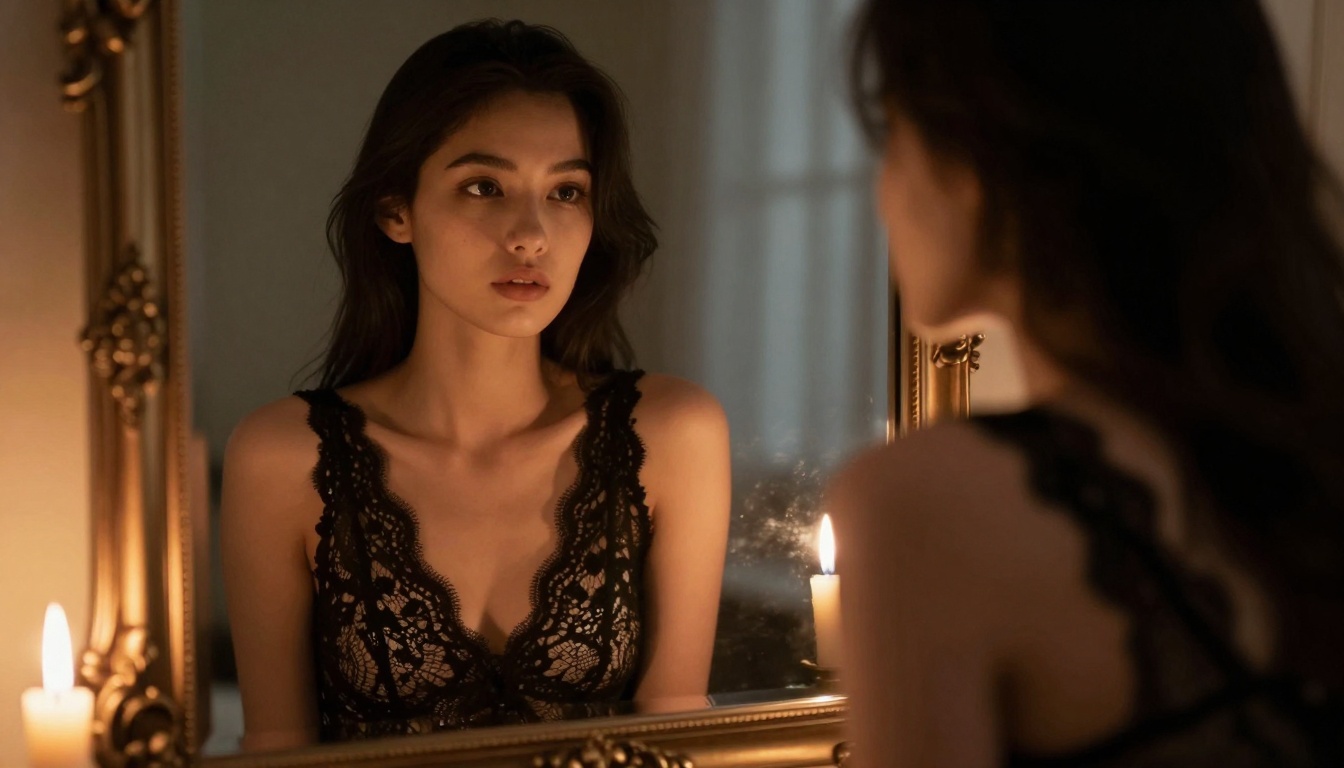
Mirror reflections add narrative depth and compositional complexity
Future Trends in AI Generation
The AI generation landscape evolves rapidly. Several trends will significantly impact adult creators in coming years.
Emerging Developments
Reduced restrictions: Growing recognition of artistic expression may lead to more nuanced content policies
Improved realism: Continuous advances in photorealistic human generation
Specialized tools: Platforms specifically designed for artistic sensual content
Cost reduction: Increased competition driving down premium model pricing
Practical Testing Recommendations
Before committing to any platform, creators should conduct systematic testing to evaluate suitability for specific needs.
Testing Protocol
- Basic functionality: Verify core generation capabilities
- Content acceptance: Test boundaries of acceptable prompts
- Quality assessment: Evaluate output against professional standards
- Workflow efficiency: Measure integration into production processes
Test Prompt Examples
Portrait focus: "A professional portrait photograph of a model in elegant attire, studio lighting, 85mm lens, natural skin texture"
Atmospheric scene: "A model in a luxurious setting, cinematic lighting, emphasis on mood and atmosphere"
Detail emphasis: "Close-up focus on fabric texture and lighting interplay, artistic composition"

First-person perspectives create intimate viewer connections
Workflow Integration Tips
Successfully incorporating AI tools into creative workflows requires strategic planning and adaptation.
Integration Strategies
Batch processing: Generate multiple variations simultaneously to compare results
Quality tiers: Use different quality settings for different project stages
Prompt libraries: Maintain organized collections of successful prompts
Output management: Implement systematic approaches to organizing generated content
Common Integration Challenges
Consistency maintenance: Ensuring consistent style across multiple generations
Quality control: Managing variable output quality
Workflow disruption: Minimizing disruption to existing creative processes
Skill development: Building necessary prompt engineering expertise
Community and Support Resources
Successful AI tool usage often depends on community knowledge and support resources.
Valuable Resources
Platform communities: User forums and discussion groups
Tutorial content: Educational materials from experienced creators
Tool documentation: Official platform guides and technical references
Peer networks: Connections with other creators using similar tools
Building Support Networks
- Platform-specific groups: Join communities focused on specific tools
- Skill-sharing sessions: Participate in knowledge exchange opportunities
- Collaborative projects: Work with peers to develop shared expertise
- Continuous learning: Stay updated on platform developments and techniques
Quality Control Procedures
Maintaining consistent output quality requires systematic quality control procedures.
Quality Assessment Framework
Technical criteria: Resolution, color accuracy, noise levels
Artistic criteria: Composition, lighting, emotional impact
Content criteria: Alignment with creative vision, audience appropriateness
Practical criteria: Production readiness, editing requirements
Implementation Steps
- Establish standards: Define specific quality requirements for each project type
- Create checklists: Develop systematic evaluation tools
- Implement review processes: Build quality checks into workflows
- Maintain documentation: Record quality decisions and rationale
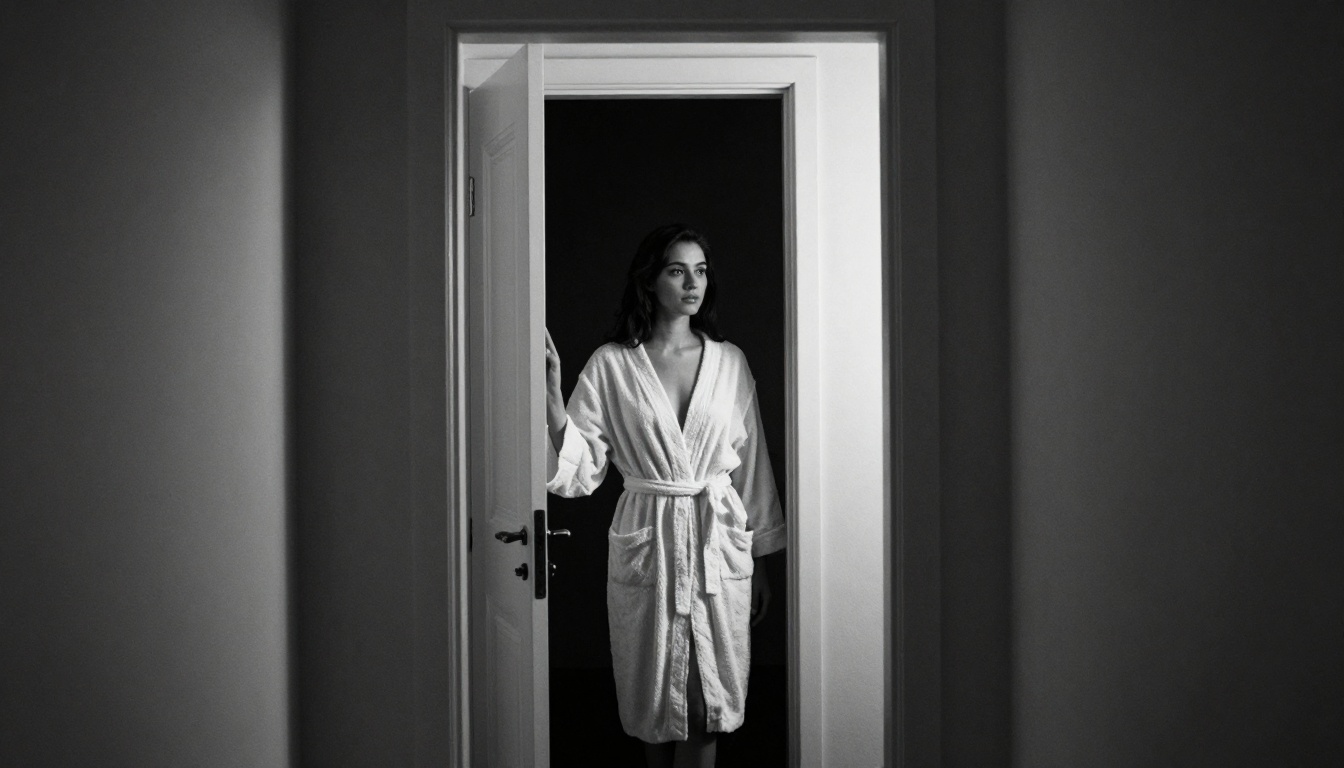
Architectural frames within frames create sophisticated visual narratives
Advanced Technical Considerations
Beyond basic generation, several advanced technical factors influence output quality and suitability.
Resolution and Detail
Output resolution: Higher resolutions allow more detail but increase generation time
Upscaling options: Post-generation enhancement possibilities
Detail preservation: Maintaining fine details through generation process
Compression artifacts: Avoiding quality loss in output files
Color and Tone
Color accuracy: Faithful reproduction of intended color schemes
Tonal range: Maintaining shadow and highlight detail
Consistency: Uniform color treatment across multiple generations
Style matching: Aligning with specific visual styles or periods
Business Considerations for Professional Creators
For creators operating commercial enterprises, additional business considerations apply.
Cost-Benefit Analysis
Direct costs: Platform fees, generation expenses
Indirect costs: Time investment, learning curve, workflow adjustments
Revenue potential: Content monetization opportunities
Competitive advantage: Unique capabilities offered by specific tools
Business Integration
Production scaling: Managing increased content volume
Quality standardization: Maintaining brand consistency
Client expectations: Meeting specific client requirements
Market positioning: Strategic tool selection for competitive advantage
Personal Development Pathways
Building expertise with AI generation tools requires dedicated skill development.
Skill Development Areas
Prompt engineering: Mastering the language of effective generation requests
Technical understanding: Comprehending model capabilities and limitations
Artistic application: Applying generation tools to creative vision
Workflow optimization: Streamlining generation within production processes
Learning Resources
Official documentation: Platform technical guides and reference materials
Community knowledge: Shared expertise from experienced users
Practical experimentation: Hands-on testing and exploration
Professional training: Structured educational programs and courses

Detail shots emphasize texture and intimacy without explicitness
Creating Your Own Images
The most effective way to understand AI generation capabilities is through direct experimentation. Each platform responds differently to specific prompts and parameters.
Start with basic prompts focusing on artistic elements rather than explicit content. Test different models to understand their unique characteristics and limitations. Build gradually toward more complex generations as you develop understanding of each tool's capabilities.
Remember that photorealistic quality often requires premium tools, but free options provide valuable learning opportunities. The balance between cost, quality, and content freedom varies significantly across platforms.
Testing different approaches reveals which tools best match your specific creative needs and artistic vision. Document successful prompts and techniques to build a personal reference library for future projects.
Continuous experimentation remains essential as AI generation technology evolves rapidly. Regular testing ensures you stay current with platform capabilities and can adapt to changing tools and opportunities.


