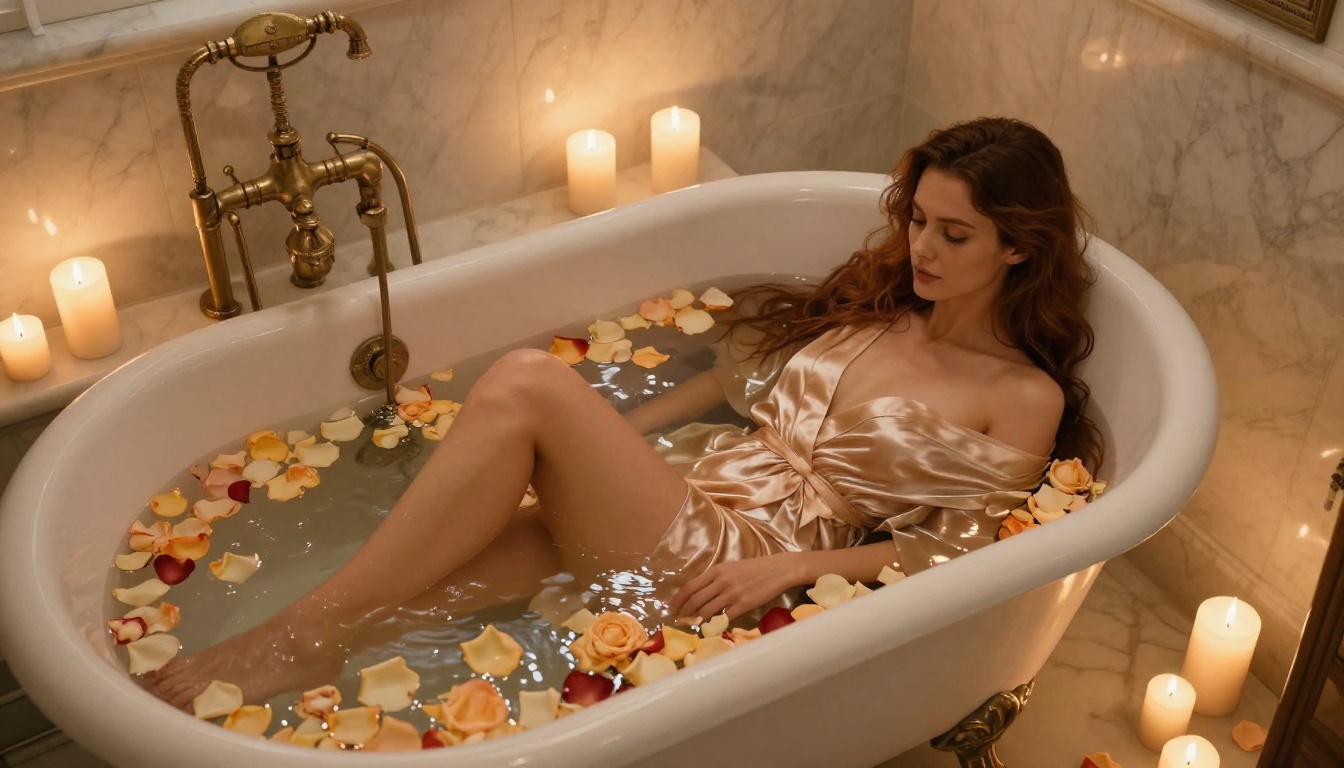
The most current and updated list of free NSFW AI image generators available in 2027. From Flux Dev to Stable Diffusion and Realistic Vision v5.1, find the right model for photorealistic AI-generated images, with prompting tips and step-by-step instructions.
The landscape of free NSFW AI image generation changed dramatically in 2026. What once required expensive subscriptions, VPNs, or shady third-party websites can now be done on legitimate platforms with professional-grade models, often at zero cost. If you've been hunting for a reliable, updated list of free NSFW AI image generators that actually deliver in 2026, this is the resource you've been looking for.
This article breaks down every tool worth using, the models behind them, how to get the best results, and what separates serious options from outdated lists that were accurate two years ago.
The NSFW AI Landscape in 2027
What Changed This Year
Three things pushed free NSFW AI image generation into a new era: model quality, accessibility, and policy shifts from major platforms.
In 2024 and early 2025, most high-quality NSFW generation was locked behind paywalled platforms or self-hosted setups requiring serious technical knowledge. By mid-2025, the release of Flux Dev and Flux 2 Dev created a baseline quality standard that changed user expectations overnight. These models produce photorealistic human anatomy with detail that makes older models look rough by comparison.
The second shift was accessibility. Platforms began offering these models on free tiers, supported by ads or usage caps rather than strict subscriptions. You can now run a generation with Flux Schnell in under five seconds at no cost, with results that professionals were paying for in 2023.
The Paywall Problem Is (Mostly) Over
Previously, accessing NSFW-capable models meant one of three things:
Paying $20-50/month on a dedicated adult AI platform
Running Stable Diffusion locally with enough VRAM and technical setup
Using heavily moderated platforms that rejected anything suggestive
💡 When iterating on a prompt, start with Flux Schnell to get composition and lighting right. Then switch to Flux Dev or Realistic Vision v5.1 for the final high-detail render.
How to Use Flux Dev for NSFW Images
Flux Dev is the top free option for photorealistic NSFW image generation in 2027. Here's exactly how to use it on PicassoIA.
Step-by-Step on PicassoIA
Step 1: Go to the Flux Dev model page
Navigate to Flux Dev on PicassoIA. No account required for basic use, though creating one unlocks higher generation limits.
Step 2: Write a detailed prompt
Output quality scales directly with prompt specificity. Vague prompts produce vague results. Include:
Lighting (natural window light, golden hour, candlelight)
Camera angle (low angle, close-up, aerial)
Style modifier: photorealistic, RAW 8K, film grain, Kodak Portra 400
Step 3: Set aspect ratio to 9:16 or 16:9
For portraits and figure photography, 9:16 (vertical) gives more natural framing. For environmental shots, use 16:9.
Step 4: Run the generation
Flux Dev typically takes 15-30 seconds. If the first result isn't right, change one element at a time rather than rewriting the entire prompt from scratch.
Step 5: Upscale if needed
Use PicassoIA's Super Resolution tools to upscale generated images 2x-4x while preserving detail.
Parameter Tips for Flux Dev
Inference steps: Higher steps (30-50) produce cleaner results. For drafts, 20 steps is sufficient.
Guidance scale: Between 3.5-7 works best for realistic human subjects. Going above 8 tends to over-sharpen and create artifacts.
Negative prompts: Always include cartoon, illustration, painting, CGI, 3D render, oversaturated to keep outputs photorealistic.
Stable Diffusion Still Delivers
Stable Diffusion 3.5 Large remains one of the most versatile free options available. The architecture's age hasn't stopped it from being competitive when used correctly.
SD 3.5 Large vs. SDXL
Both models are free on PicassoIA. Here's how they compare for NSFW use cases:
SD 3.5 Large Turbo offers roughly 3x faster generation at a slight quality cost, making it ideal when you're iterating rapidly. SD 3.5 Medium sits between the two in speed and output quality.
💡 For SDXL users who want extra control over poses and body positioning, the SDXL Multi ControlNet LoRA model on PicassoIA allows you to guide composition more precisely using reference poses.
Realistic Models Worth Knowing
Not all "realistic" AI models live up to the label. These two have proven themselves consistently in 2027.
Realistic Vision v5.1
Realistic Vision v5.1 was purpose-built for photorealistic human generation. It handles skin tones, hair texture, and fabric folds with noticeably more accuracy than generalist models. It's particularly strong at generating portraits from unusual angles without the anatomical distortions that affect other models.
Its weakness is complex backgrounds. Outdoor environments can look slightly rendered if you don't anchor the scene with specific environmental details in your prompt. The fix: add phrases like photojournalism, shot on location, natural ambient light, film grain to reinforce the realism signal.
RealVisXL v3.0 Turbo
RealVisXL v3.0 Turbo builds on the SDXL base but fine-tunes it specifically for photorealistic outputs at high speed. The turbo designation means it's optimized for fewer sampling steps, typically 8-15, without the quality degradation you'd expect from cutting steps on standard SDXL.
This makes it one of the best options if you're generating multiple variations to find the right composition before committing to a longer, higher-quality render.
What Makes a Good NSFW AI Generator
Most lists focus on whether a tool is free. That matters, but it's not the whole picture. Here's what actually separates useful tools from time-wasters in 2027.
Resolution and Detail
Minimum useful output for NSFW AI images is 768px on the short side. Anything below that and fine details, facial features, skin texture, fabric edges, will be blurry and unconvincing. Models like Flux 2 Pro and Flux 1.1 Pro generate at 1024px or higher by default.
Free tier limitations usually cap output resolution. Know what resolution you're getting before investing time crafting a prompt.
Prompt Flexibility
Some models are tuned in ways that cause them to silently reject or reinterpret suggestive prompts. Models like Proteus v0.2 and Proteus v0.3 have looser filtering while still producing high-quality outputs. DreamShaper XL Turbo is another model known for respecting the full range of a prompt rather than substituting safer alternatives.
Generation Speed
Speed matters when you're iterating. A model that takes 3 minutes per generation will slow your creative workflow significantly. The fastest free options in 2026:
Getting good NSFW AI images isn't just about picking the right model. These methods apply across all models listed above.
Skin Texture and Realism
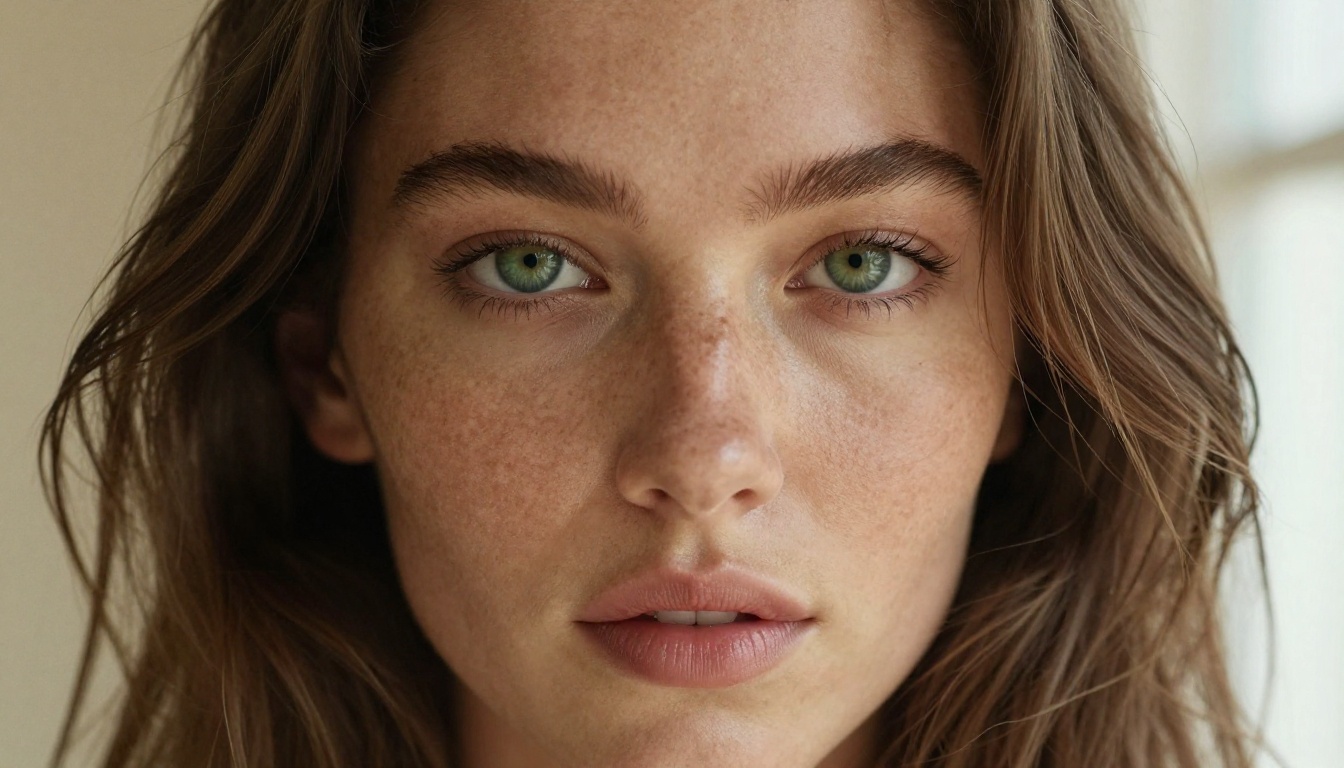
The single most effective phrase for photorealistic skin in 2027 is: subsurface scattering, pore-level skin detail, natural skin imperfections, Kodak Portra 400 film grain. These terms activate different training data pathways in photorealistic models and consistently produce more convincing skin texture.
Avoid perfect skin and flawless complexion if you want realism. Those phrases typically produce waxy, over-smoothed outputs.
Lighting That Works
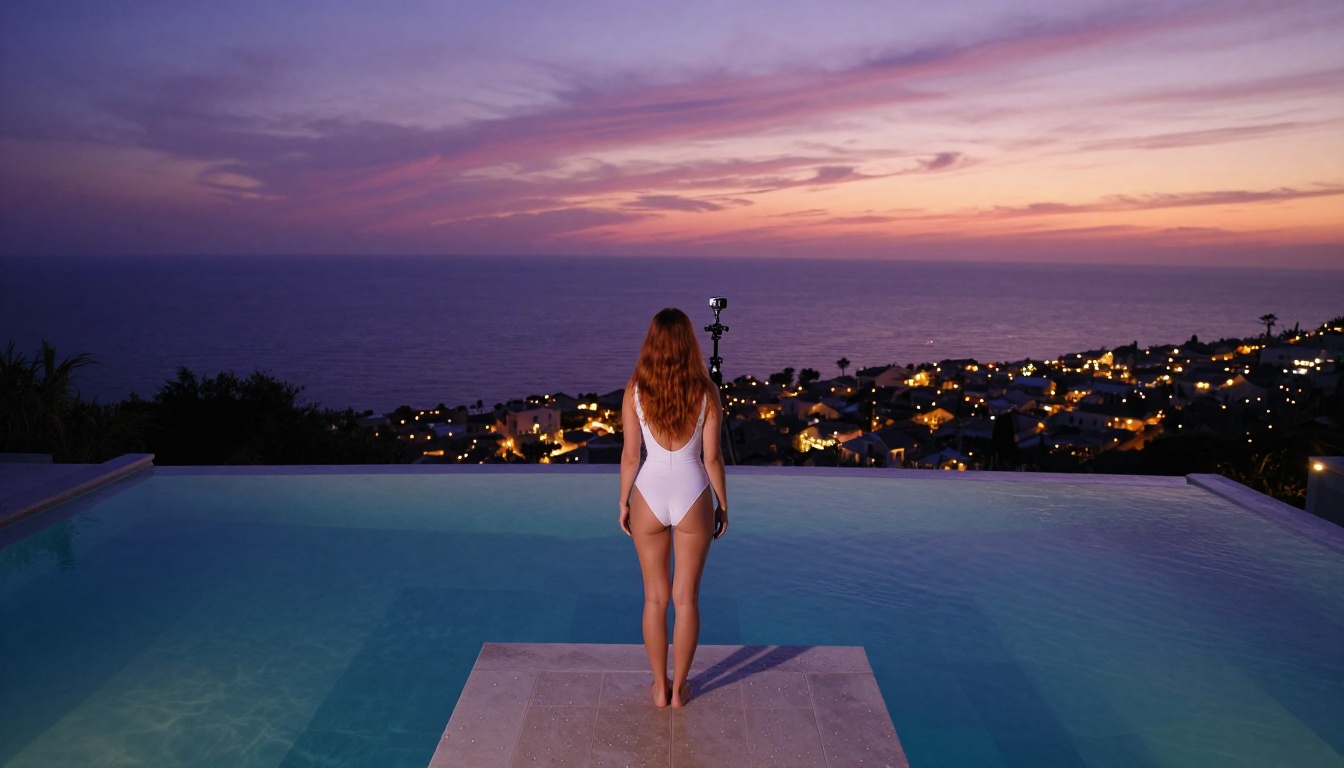
Lighting makes or breaks photorealistic AI images more than any other single factor. These descriptors reliably produce strong results:
Golden hour: volumetric warm golden light from the left, long shadows, amber tones
Studio portrait: single Rembrandt light from upper right, soft shadow, catchlight in eyes
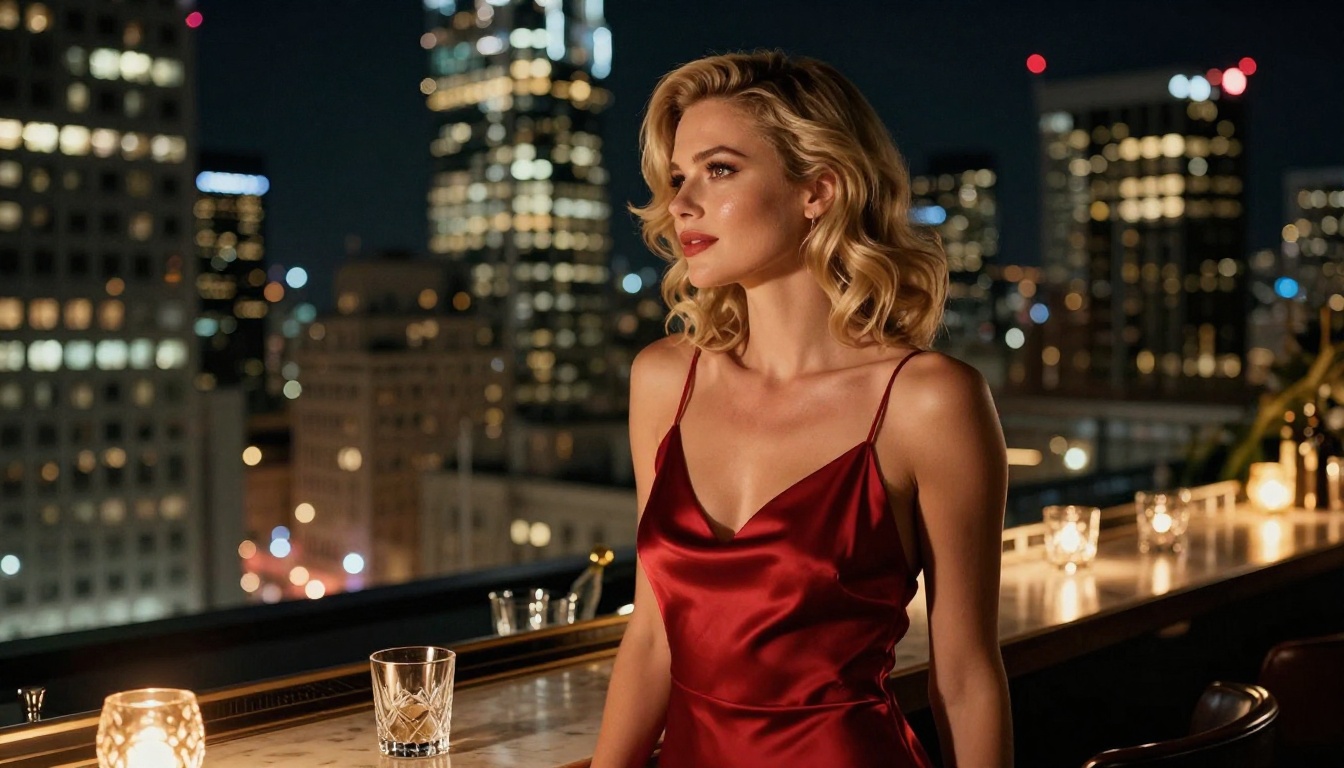
Intimate interior: warm incandescent lamp, shallow depth of field, dust motes in light shafts
Natural outdoor: overcast diffused daylight, no hard shadows, even skin tone illumination
Specificity matters more than anything. Good lighting tells the model almost nothing. Soft morning window light from the right casting a gentle Rembrandt pattern gives it something concrete to work from.
Negative Prompts Worth Using
Always include a strong negative prompt. This block works across most photorealistic models:
If you need consistent character appearance across multiple generations, p-image-lora and SDXL Multi ControlNet LoRA allow you to inject style and character data directly into the generation process. This is particularly useful for creating series of images with the same subject.
Newer Models Worth Watching
Beyond the established names, a few newer models on PicassoIA are showing strong results for NSFW image generation in 2027.
Seedream 4.5 from ByteDance handles complex compositional prompts with high accuracy, particularly scenes with specific environmental details. It's not the fastest, but its prompt adherence is excellent.
Playground V2.5 takes a different approach, optimizing for aesthetic appeal rather than strict photorealism. If you want outputs that look more like high-end fashion or glamour photography rather than documentary realism, this model's aesthetic tuning sets it apart.
Ideogram v3 Quality surprised many users with its figure generation quality in 2026. Originally known for text rendering, the v3 architecture made substantial improvements to human anatomy accuracy.
Flux 2 Max sits at the premium end of the Flux 2 lineup and produces the highest-fidelity outputs in the series. If you're doing serious work and want maximum resolution with no compromises, this is the model to reach for.
Editing and Refining Your Results
Generating a good base image is only part of the workflow. PicassoIA offers several tools for refining outputs after generation.
Inpainting lets you fix specific areas, a misshapen hand, an odd background element, clothing that didn't render correctly, without regenerating the entire image. The model fills in the masked area while preserving the rest of the composition.
Outpainting expands the canvas beyond the original frame, useful for adding environmental context to a tightly framed portrait.
Super Resolution upscales images 2x-4x with AI-informed detail, critical when a free tier generation caps your output resolution.
Face Swap allows replacing facial features across images, preserving the composition while changing the subject.
The Right Model for Every Scene
Here's a quick-reference breakdown of which model to reach for in different scenarios:
The tools are all available right now. Whether you start with Flux Dev for its photorealism, Flux Schnell for speed, or Realistic Vision v5.1 for portrait accuracy, PicassoIA has all the models listed here in one place, with free tiers that require no credit card.
The biggest difference between average results and impressive ones is almost always the prompt. Apply the lighting and texture methods from this article and you'll see immediate improvements. Try variations, switch between models for different scenes, and use inpainting to refine details that don't land on the first generation.
With over 91 text-to-image models available, there's no single right answer for every use case. Experiment with Proteus v0.3 for a stylized aesthetic, RealVisXL v3.0 Turbo when you need speed without sacrificing realism, or Flux 2 Pro when quality is the priority.
The best image is the next one you generate. Start now at PicassoIA.