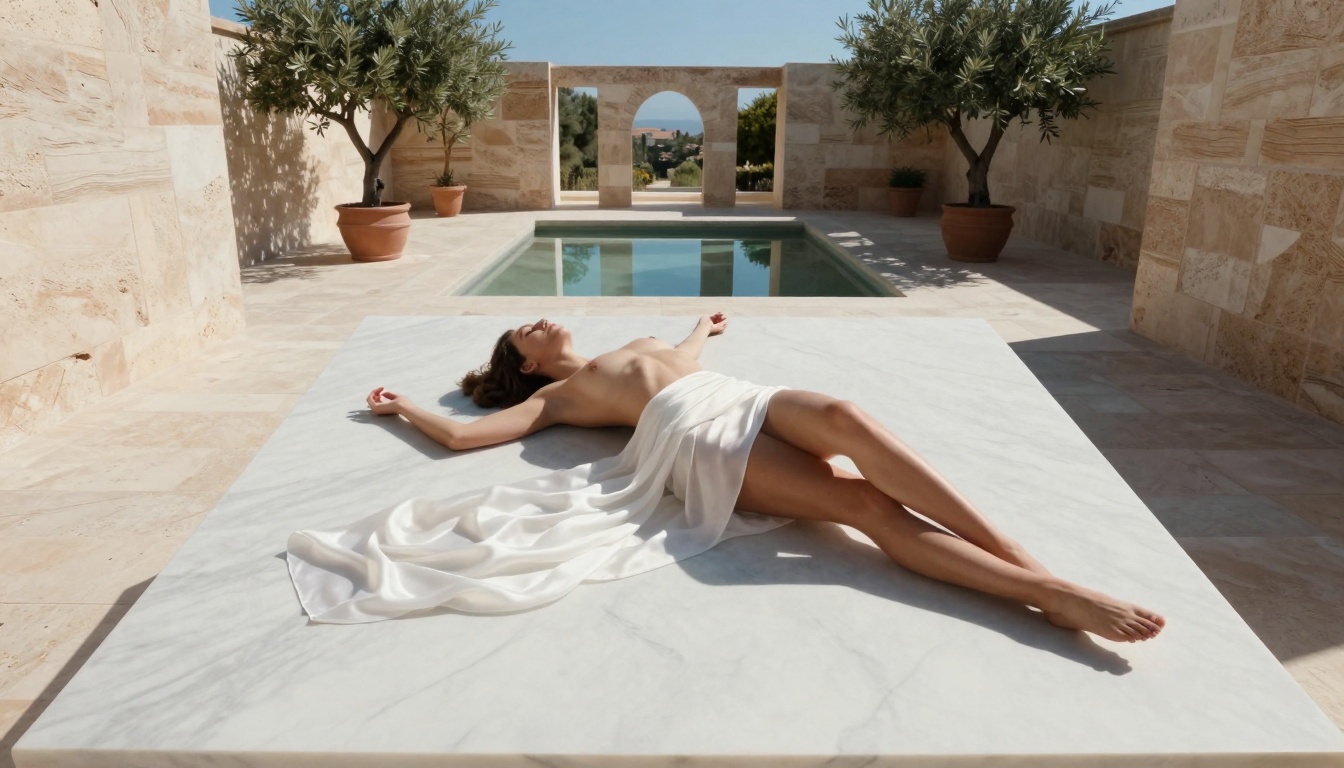
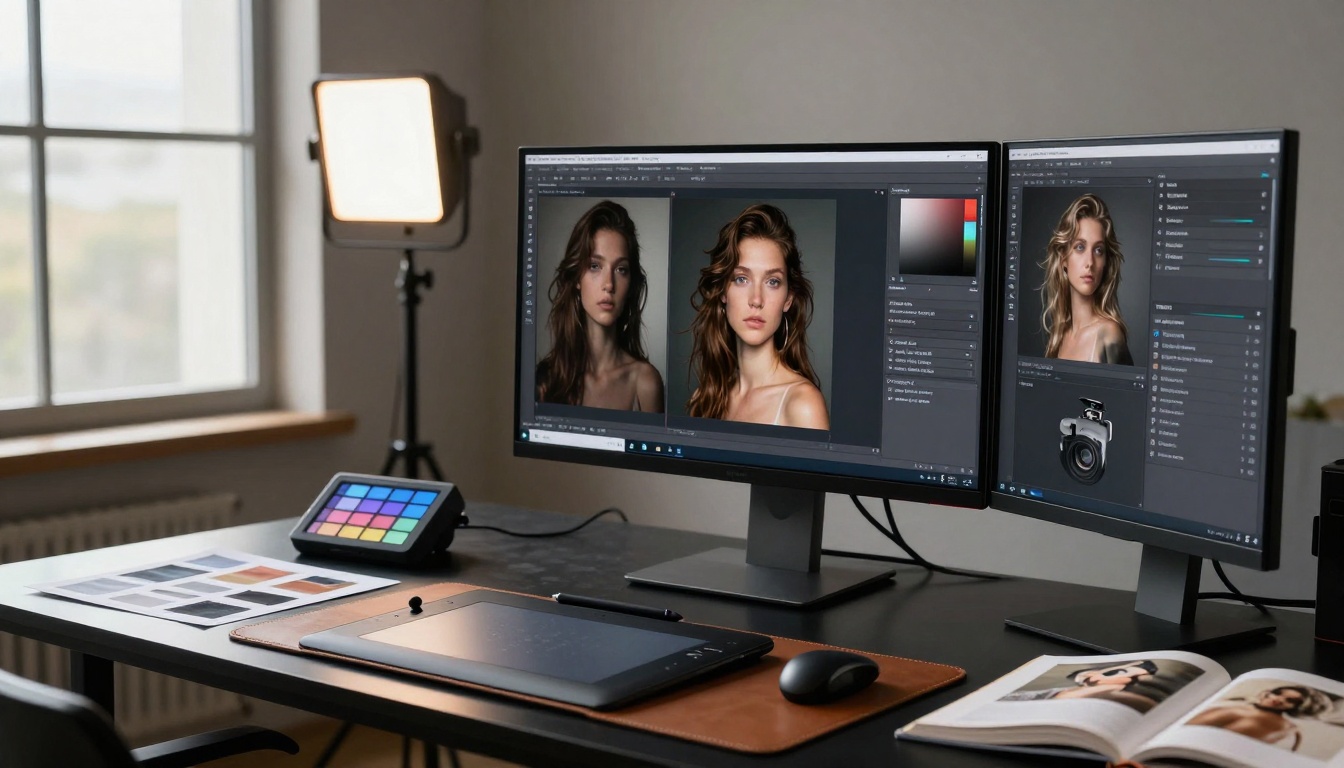
The landscape of artistic expression has fundamentally transformed as free NSFW AI image generators reach professional-grade quality in 2027. These tools—including sophisticated models like Flux-2-Pro, GPT-Image-1.5, and P-Image—deliver photorealistic suggestive imagery with nuanced understanding of artistic intent, ethical boundaries, and cinematic lighting simulation. What previously required expensive photography setups, model hires, and studio rentals now happens through accessible AI systems that understand everything from fashion editorial aesthetics to fine art tradition. This revolution isn't about replacing human creativity but augmenting it with tools that democratize professional capabilities while maintaining artistic integrity and technical precision. The convergence of computational efficiency, quality convergence, and ecosystem integration has created a new creative paradigm where barriers disappear and artistic possibilities expand exponentially.
The creative landscape is undergoing a seismic shift that few saw coming. What began as niche experimentation has exploded into a mainstream revolution where free NSFW AI image generators are fundamentally changing how artists, photographers, and creators approach suggestive imagery. This isn't about replacing human creativity—it's about augmenting it with tools that understand artistic intent at levels previously unimaginable.
When we talk about NSFW in the AI context, we're discussing a sophisticated spectrum that ranges from artistic nudity and suggestive fashion to conceptual human form studies. The free tools available today handle this range with nuance that would have been impossible just two years ago. What makes 2027 different is the convergence of three critical factors: photorealistic quality that rivals professional photography, ethical boundaries that maintain artistic integrity, and accessibility that removes all financial barriers.
💡 The Accessibility Revolution: Free doesn't mean limited anymore. The most advanced models now offer their core capabilities at zero cost, creating an ecosystem where artistic expression is democratized rather than gatekept by subscription fees or hardware requirements.
How Free AI Models Actually Work
Understanding the technology behind these generators reveals why 2027 represents a tipping point. Modern AI models like Flux-2-Pro and GPT-Image-1.5 operate on fundamentally different architectures than their predecessors.
The Architecture Breakthrough
Diffusion models have evolved from simple pattern recognition to sophisticated artistic intelligence systems. Here's what changed:
Component
2024 Capability
2026 Advancement
Understanding Context
Basic prompt matching
Nuanced artistic interpretation
Anatomical Accuracy
Generic human forms
Photorealistic muscle structure & skin texture
Lighting Simulation
Basic illumination
Cinematic lighting with real physics
Ethical Boundaries
Binary filters
Sophisticated artistic nuance detection
Style Adaptation
Limited style transfer
Professional photography emulation
The real breakthrough isn't just in quality—it's in how these models understand artistic intent. When you describe "volumetric morning light catching delicate skin texture," modern generators don't just match keywords—they simulate the actual optical physics of light interacting with human skin at microscopic levels.
The Training Data Evolution
Early models trained on public datasets with limited artistic quality. Today's free generators leverage curated artistic collections that include:
Classical figure studies from art history archives
Professional fashion photography with proper lighting
Cinematic cinematography for lighting reference
Anatomical references for accurate human form representation
This training approach creates models that understand artistic tradition while generating contemporary work. The P-Image model, for example, demonstrates this evolution with its ability to recreate specific photographic styles from descriptive prompts alone.
The Professional-Grade Free Options Available Now
Let's examine the actual tools changing the game. These aren't hobbyist toys—they're professional-grade systems available at zero cost.
1. Flux Ecosystem: The Quality Benchmark
The Flux family of models represents the current state of the art in free AI image generation:
Flux-2-Pro: Highest fidelity for professional applications
Flux-2-Max: Maximum parameter control for artistic refinement
Flux-2-Flex: Adaptive style matching for diverse creative needs
What sets Flux apart is its understanding of three-dimensional space. When generating human forms, it doesn't create flat illustrations—it builds volumetric figures with proper lighting interaction across surfaces. The skin doesn't look painted; it looks like living tissue with subsurface scattering, pore texture, and natural imperfections.
2. OpenAI's GPT-Image Series: The Context Master
GPT-Image-1.5 brings something different to the table: contextual intelligence. Where other models excel at visual fidelity, GPT-Image understands the narrative and emotional context behind prompts.
Key strengths include:
Understanding artistic mood from descriptive language
Maintaining character consistency across multiple images
Preserving anatomical proportions in dynamic poses
This makes it particularly valuable for conceptual art where the image needs to communicate specific emotional or narrative content beyond mere visual accuracy.
3. Qwen-Image Series: The Technical Specialist
Qwen-Image-2512 excels where technical precision meets artistic expression. Its training emphasizes:
Lighting accuracy with proper shadow falloff
Material texture simulation for fabrics and surfaces
Environmental integration of figures into spaces
Color science matching professional photography standards
For creators working on fashion concepts or editorial-style imagery, Qwen-Image delivers the technical polish expected from professional photography while maintaining the creative freedom of AI generation.
4. Specialized Editing: P-Image-Edit
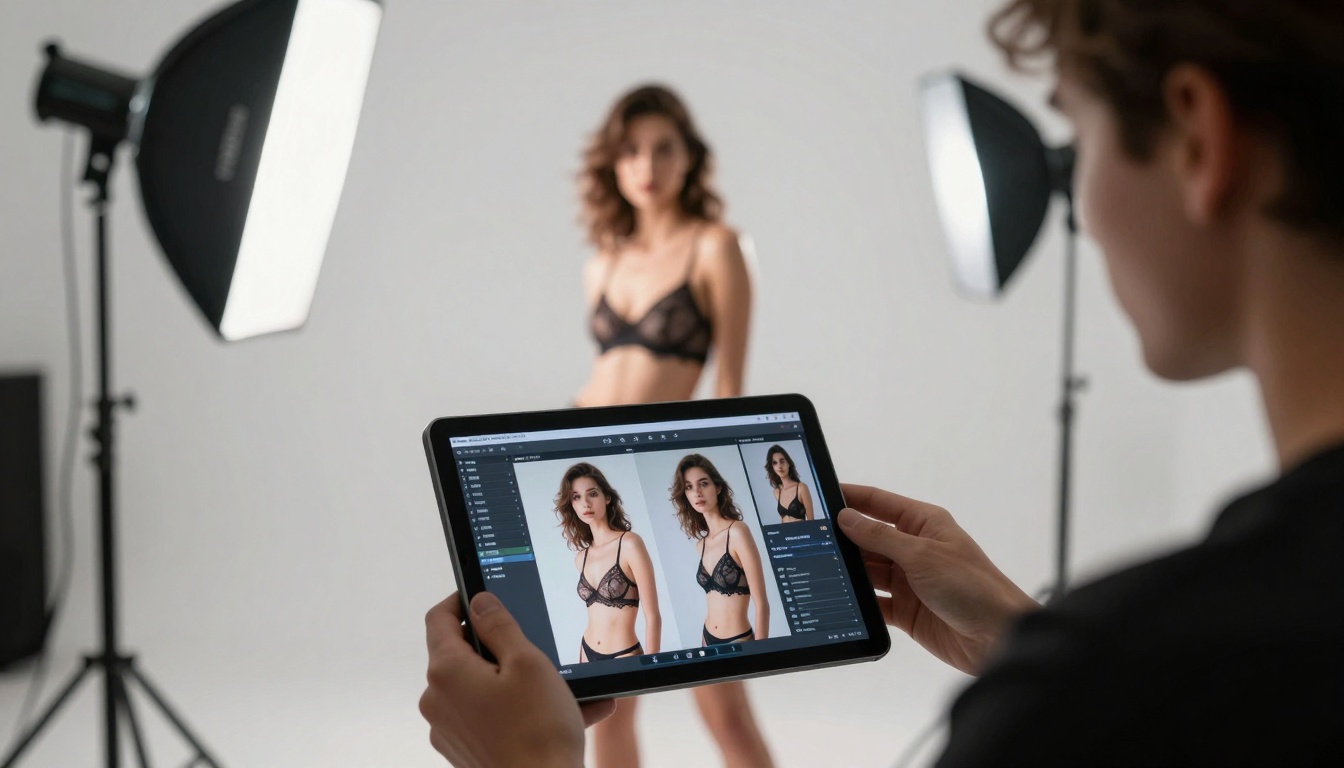
The P-Image-Edit model represents a different approach: refinement rather than creation. This tool takes existing images and applies sophisticated edits based on natural language instructions.
Common professional uses:
Lighting adjustment: "Add cinematic rim lighting from left"
Pose refinement: "Adjust shoulder position for better silhouette"
Style adaptation: "Make this more fashion editorial less fine art"
This capability turns free AI from generation tool to complete creative workflow, allowing iterative refinement that previously required hours in Photoshop.
The Ethical Framework: How Free Doesn't Mean Unconstrained
A common misconception about free NSFW AI generators is that they operate without boundaries. The reality is more sophisticated—and more interesting.
The Three-Layer Constraint System
Modern free generators implement multi-layered ethical frameworks:
What this creates is artistic freedom within ethical parameters. The generators understand the difference between:
Artistic nudity in classical tradition
Suggestive fashion photography
Human form studies for anatomical reference
Conceptual art exploring identity and expression
The Professional Workflow Integration
Free tools aren't isolated anymore. They integrate into professional creative pipelines:
Traditional Photography → AI Generation → Human Refinement → Final Output
This integration happens through:
Reference image uploading for style matching
Parameter sharing between different models
Iterative refinement based on artistic feedback
Quality control using professional standards
The result is hybrid creativity where human artists leverage AI capabilities while maintaining artistic direction and ethical oversight.
Practical Applications Changing Industries
Free NSFW AI generators aren't just for experimentation—they're transforming professional fields.
Fashion and Editorial
The fashion industry has embraced these tools for concept development:
Pre-visualization of photoshoot concepts before hiring teams
Mood board creation with specific lighting and styling
Model pose exploration without physical limitations
Fabric simulation for design evaluation
Cost savings are substantial: What previously required $5,000-10,000 photoshoots for concept testing now happens for zero marginal cost with AI visualization.
Fine Art and Gallery Work
Contemporary artists use these generators for:
Study creation before committing to physical mediums
Style exploration across different artistic traditions
Series development with consistent thematic elements
Exhibition planning with complete visual previews
The Nano-Banana-Pro model has become particularly popular in fine art circles for its ability to emulate specific art historical styles while generating contemporary content.
Entertainment and Media
Film and television productions leverage these tools for:
Character design visualization
Scene composition testing
Costume concept development
Storyboard creation with specific visual styles
The time compression is revolutionary: What took weeks of concept art iteration now happens in hours with AI-assisted workflows.
Technical Considerations for Quality Output
Getting professional results from free generators requires understanding their technical parameters.
Prompt Engineering for Photorealism
The difference between amateur and professional output often comes down to prompt specificity:
Basic Prompt: "Beautiful woman in elegant pose"
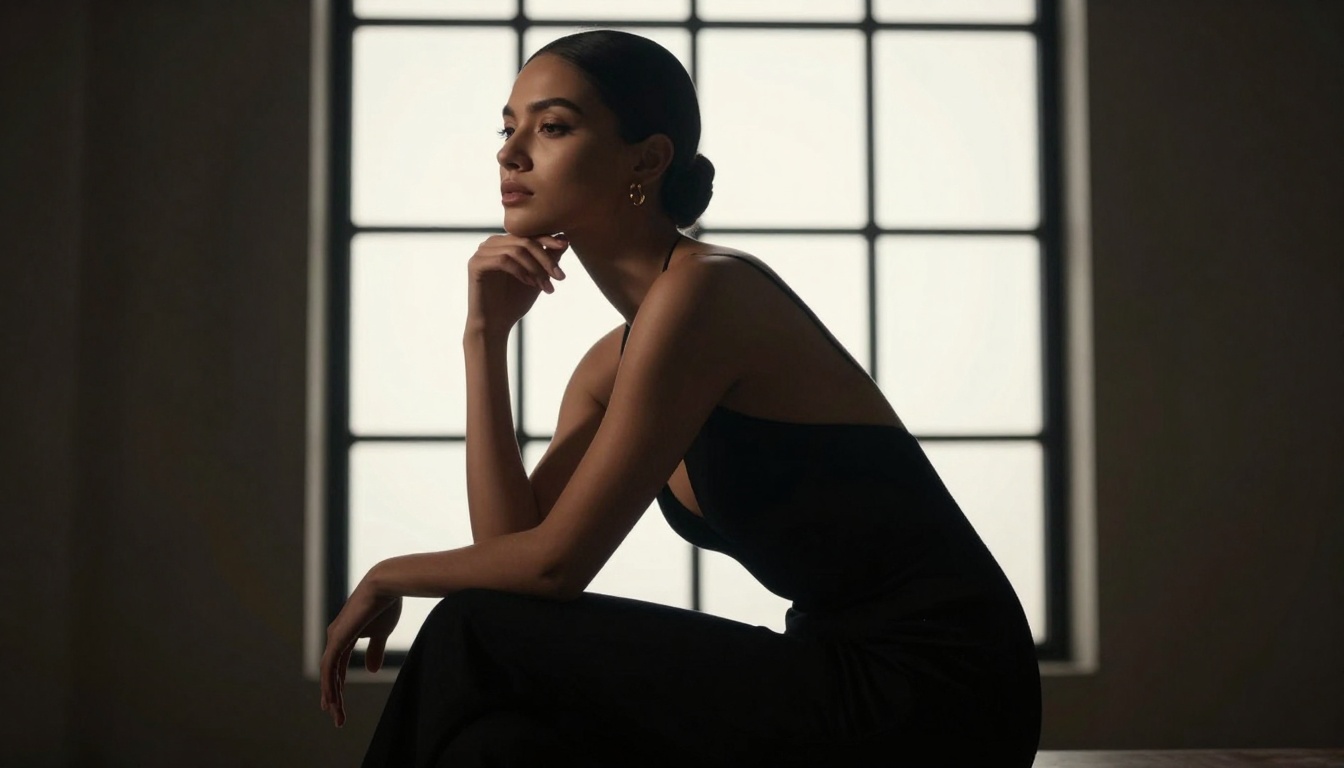
Professional Prompt: "Photorealistic 8K cinematic portrait of sophisticated female figure in contemplative pose against minimalist studio backdrop, volumetric window light from left creating chiaroscuro contrast, 85mm f/1.8 lens with shallow depth of field, natural skin texture with subtle imperfections visible under directional lighting, Kodak Portra 400 color science with warm neutral tones, professional fashion editorial style"
Professional users don't generate single images—they create iterative sequences:
Concept generation with broad parameters
Style refinement based on initial results
Lighting adjustment for specific effects
Detail enhancement for final polish
Series creation with consistent elements
This approach leverages the strengths of different models: using Flux-2-Max for initial concept, GPT-Image-1.5 for narrative consistency, and P-Image-Edit for final refinement.
The 2027 Landscape: What's Different Now
Several factors make 2027 the breakthrough year for free NSFW AI generators:
Computational Efficiency Breakthroughs
The hardware requirements have dropped dramatically:
2024: Required high-end GPU (RTX 4090 equivalent)
2026: Runs on consumer laptops and cloud instances
Result: Accessibility increased 10x while cost dropped to zero
This efficiency comes from model optimization techniques that maintain quality while reducing computational load by 80-90%.
Quality Convergence
The quality gap between free and paid tools has essentially disappeared:
Visual fidelity: Photorealistic output at 8K resolution
Artistic nuance: Understanding of specific styles and traditions
Advertising: 40-50% reduced iteration time for campaign concepts
New Business Models Emerging
The free access enables:
Micro-commission work previously economically unviable
Experimental projects with limited budget but high creative potential
Educational initiatives teaching advanced techniques without cost barriers
Collaborative networks sharing expertise and refined prompts
Addressing Common Concerns
Quality Consistency Questions
Early AI generators suffered from inconsistent output quality. Modern systems address this through:
Parameter stabilization across generation sessions
Style preservation within creative series
Quality thresholds rejecting substandard outputs
Reference adherence maintaining specific artistic directions
Ethical Boundary Management
The concern about boundary enforcement is addressed by:
Multi-layer filtering at prompt, generation, and output stages
Contextual understanding differentiating artistic from explicit intent
Industry standards adoption following professional photography guidelines
Transparent parameter control allowing creator oversight
Artistic Authenticity Preservation
The question of human creativity value finds answer in:
Collaborative workflows where AI augments rather than replaces
Directional control maintained by human artists
Style development through iterative refinement
Originality preservation through unique prompt combinations
The Creative Invitation
What makes 2027 remarkable isn't just the technology—it's the creative possibilities now available to everyone. The barriers that once separated professional artists from aspiring creators have fundamentally changed. The most sophisticated tools for exploring human form, artistic expression, and visual storytelling are now accessible at zero cost.
This represents more than technological advancement—it's a cultural shift in how we approach artistic creation. The conversation has moved from "Can AI create art?" to "How can artists best leverage AI capabilities?" The free generators available today provide the tools for that exploration without financial constraint.
The invitation is open: explore Flux-2-Pro for maximum fidelity, experiment with GPT-Image-1.5 for narrative intelligence, refine with P-Image-Edit, and discover how these tools can enhance your creative workflow. The only limit is artistic imagination—the technical barriers have been removed.