The line between AI-generated imagery and actual photography has blurred to near invisibility. What started as blocky, surreal digital art has evolved into something that feels genuinely photographic - images so realistic they could pass for professional photography in any magazine or gallery. For those exploring NSFW content creation, this evolution has created unprecedented opportunities. Free AI image tools now exist that produce work rivaling paid platforms, with quality that often surprises even experienced creators.
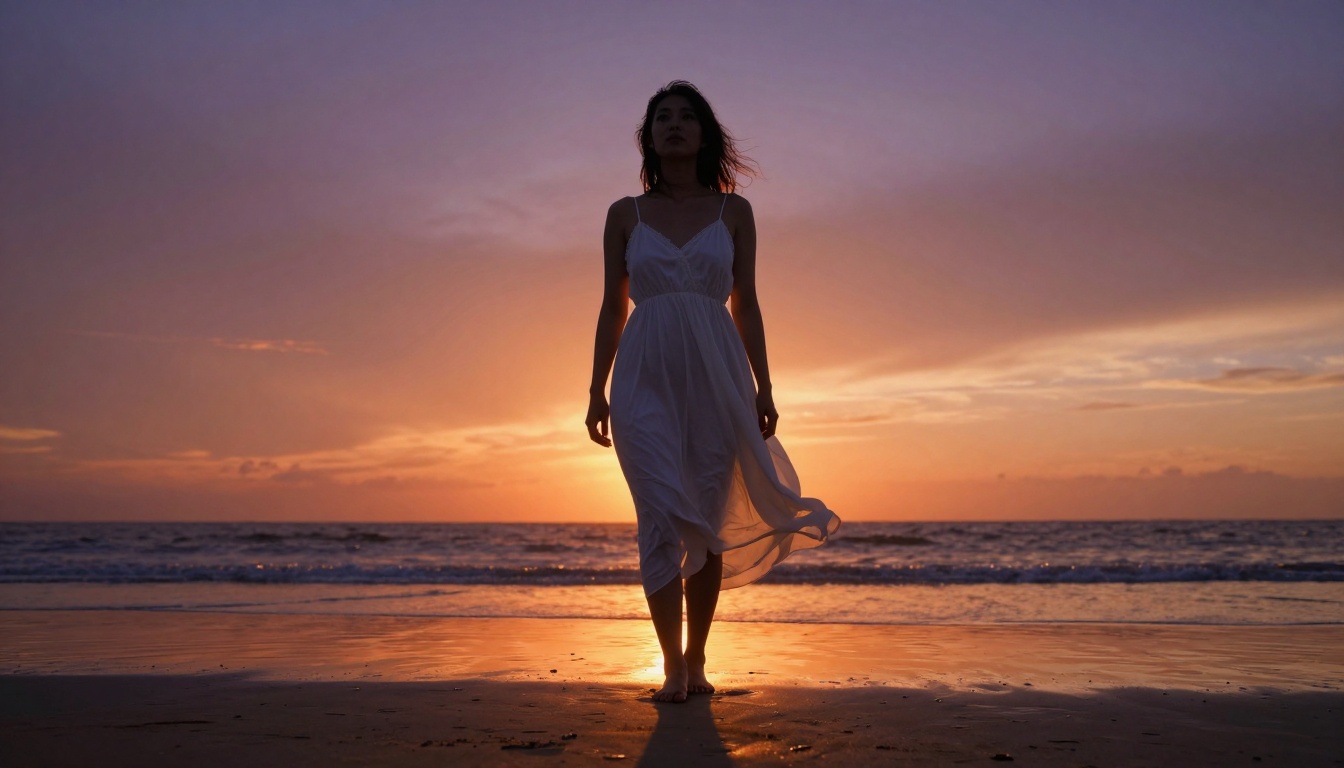
Low-angle beach silhouette showing realistic fabric texture and natural lighting
Why Realism Matters in NSFW Content
Photorealistic AI generation isn't just about technical achievement - it's about emotional authenticity. When images feel real, they connect differently. The subtle imperfections, natural lighting, authentic textures all contribute to content that feels human rather than artificial. This matters for several reasons:
- Audience engagement: Realistic content maintains viewer attention longer
- Artistic credibility: Photorealism elevates NSFW work from mere fantasy to artistic expression
- Commercial viability: Professional-looking content opens doors to legitimate platforms
- Creative satisfaction: There's genuine artistic accomplishment in creating something indistinguishable from photography
💡 Critical Insight: The most successful NSFW AI content doesn't scream "AI-generated." It's quietly authentic, with subtle details that only emerge upon close inspection. Skin texture, lighting imperfections, natural fabric folds - these are the markers of quality that separate amateur work from professional output.
Several free platforms have emerged that deliver shockingly realistic results. These aren't toy applications - they're sophisticated tools using the same underlying technology as expensive paid services.
1. Community-Driven Platforms
Stability AI's Free Tier offers access to Stable Diffusion models with minimal restrictions. While not specifically NSFW-focused, the platform's flexibility allows creators to achieve remarkable realism through careful prompt engineering. The key advantage? Complete control over output parameters and the ability to train custom models for specific aesthetic preferences.
Hugging Face Spaces provides free access to hundreds of specialized models, many optimized for photorealistic human generation. The community-driven nature means constant innovation, with new techniques emerging weekly. The downside? Inconsistent quality across different spaces, requiring experimentation to find reliable models.
2. Browser-Based Solutions
TensorFlow.js implementations running directly in browsers eliminate installation headaches. These tools use client-side processing, meaning no data leaves your computer - a significant privacy advantage for NSFW work. While limited by browser capabilities, modern implementations can produce impressive 1024x1024 images in under a minute.
WebGL-accelerated platforms leverage your GPU directly through the browser, achieving speeds comparable to desktop applications. The tradeoff? Hardware dependency - results vary dramatically based on your graphics card.
3. Local Installation Options
For those comfortable with technical setup, local Stable Diffusion installations offer the ultimate freedom. Completely free, completely private, and with unlimited generation capacity. The learning curve is steep, but the payoff is complete artistic control without any platform restrictions.
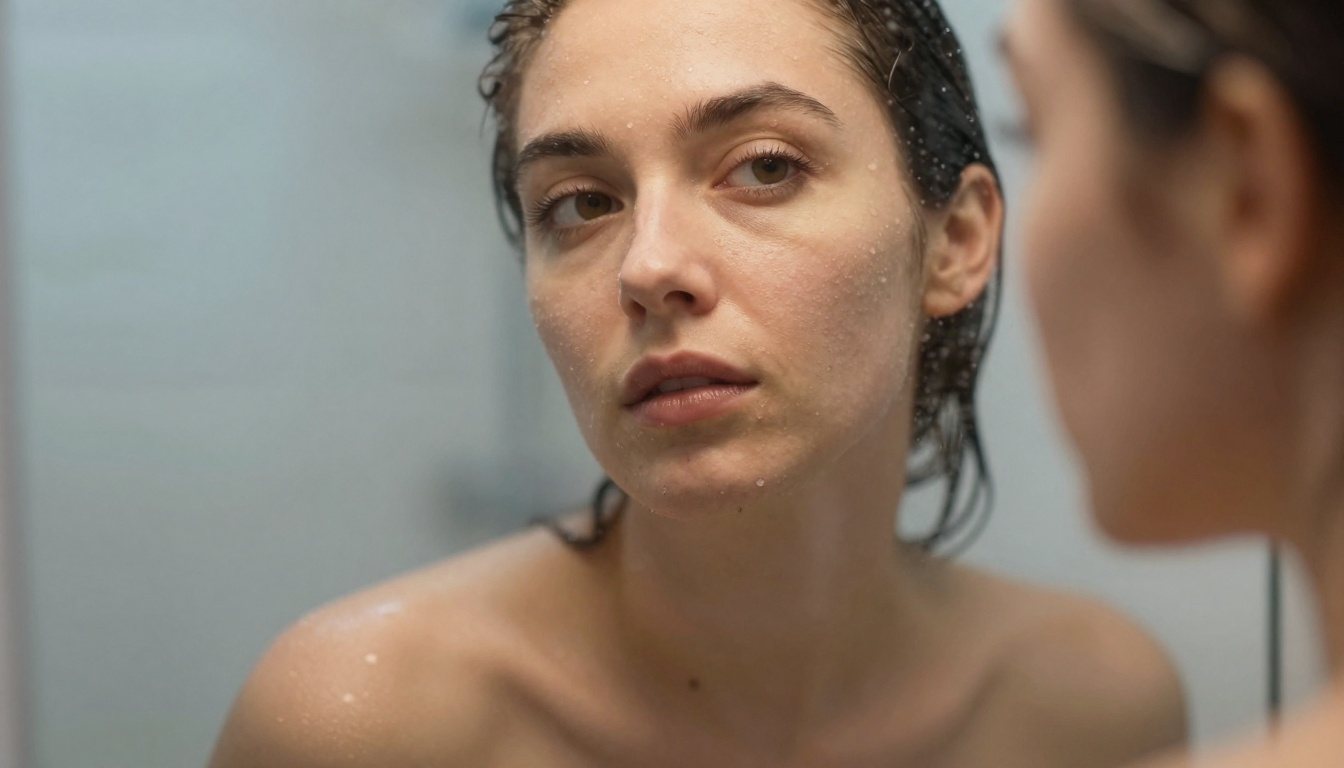
Intimate bathroom scene showing realistic skin texture and natural imperfections
Technical Requirements for Realistic Output
Achieving photorealism requires more than just selecting the right tool. Specific technical approaches separate convincing work from obvious AI artifacts.
Prompt Engineering for Realism
The difference between generic and photorealistic output often comes down to prompt specificity:
| Element | Amateur Prompt | Professional Prompt |
|---|
| Lighting | "good lighting" | "45-degree golden hour side lighting with volumetric shafts through window at f/2.8" |
| Texture | "detailed skin" | "visible pores, fine facial hair, natural skin imperfections, subtle freckles across nose bridge" |
| Composition | "pretty picture" | "rule of thirds positioning, 85mm lens at f/1.8, shallow depth of field with background bokeh" |
| Mood | "sexy" | "sophisticated, elegant, subtly suggestive without crossing explicit territory" |
Model Selection Strategy
Not all models handle photorealism equally. The current landscape includes several standout performers:
Post-Processing Techniques
Free tools exist for enhancing AI output into truly convincing imagery:
- Upscaling: Real-ESRGAN adds photographic detail during enlargement
- Color grading: Open-source tools mimic film stock characteristics
- Grain addition: Digital noise simulation recreates film grain authenticity
- Lens effects: Adding realistic bokeh, flare, and distortion sells the photographic illusion
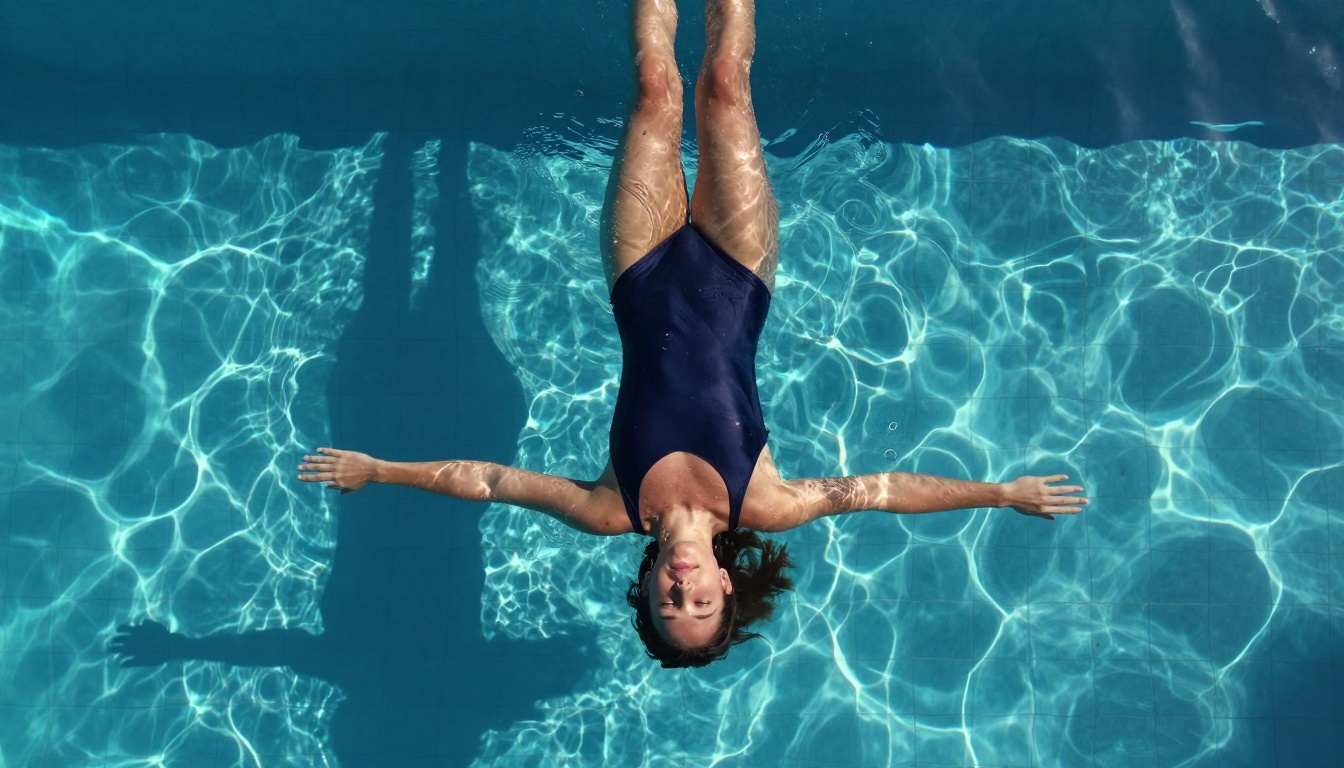
Geometric pool composition showing realistic water refraction and skin texture
Quality Benchmarks: What "Too Real" Actually Means
When creators say AI images feel "too real," they're referring to specific quality markers that typically separate digital art from photography:
Texture Authenticity
Photorealistic AI succeeds where it replicates textures our brains recognize as genuine:
- Skin: Not just smooth surfaces, but pores, fine hairs, natural oil sheen, subtle imperfections
- Fabric: Weight, drape, weave pattern, reaction to light and movement
- Environment: Dust particles, subtle wear, natural disorder rather than perfect cleanliness
Lighting Physics
Convincing lighting follows physical rules:
- Direction consistency: All shadows align with a single light source
- Intensity falloff: Light diminishes realistically with distance
- Color temperature: Natural mixes rather than pure white light
- Reflection behavior: Materials reflect light according to their properties
Anatomical Accuracy
The human body follows specific proportions and movement patterns:
- Muscle tension: Natural rather than posed stiffness
- Weight distribution: Bodies actually support themselves
- Facial expression: Micro-expressions that feel genuine rather than staged
- Interaction with environment: Realistic contact points and pressure effects
Creating professional-quality NSFW content with free tools requires a systematic approach:
Step 1: Concept Development
Start with clear artistic intent rather than generic "pretty picture" goals. Define:
- Specific mood or emotion
- Lighting conditions and time of day
- Environment details and props
- Character personality and backstory
Step 2: Model Selection
Match your concept to appropriate technology:
- Portrait focus: Choose models specializing in facial anatomy
- Environmental scenes: Select models with strong background generation
- Action sequences: Opt for models handling dynamic poses well
- Mood pieces: Pick models with strong lighting control
Step 3: Prompt Refinement
Iterative refinement yields best results:
- Generate basic composition
- Identify weaknesses (lighting, anatomy, texture)
- Adjust prompt to address specific issues
- Regenerate with focused improvements
- Repeat until quality meets standards
Step 4: Post-Processing
Enhance rather than transform:
- Subtle adjustments: Don't over-process
- Consistency: Maintain visual style across series
- Authenticity: Preserve natural imperfections
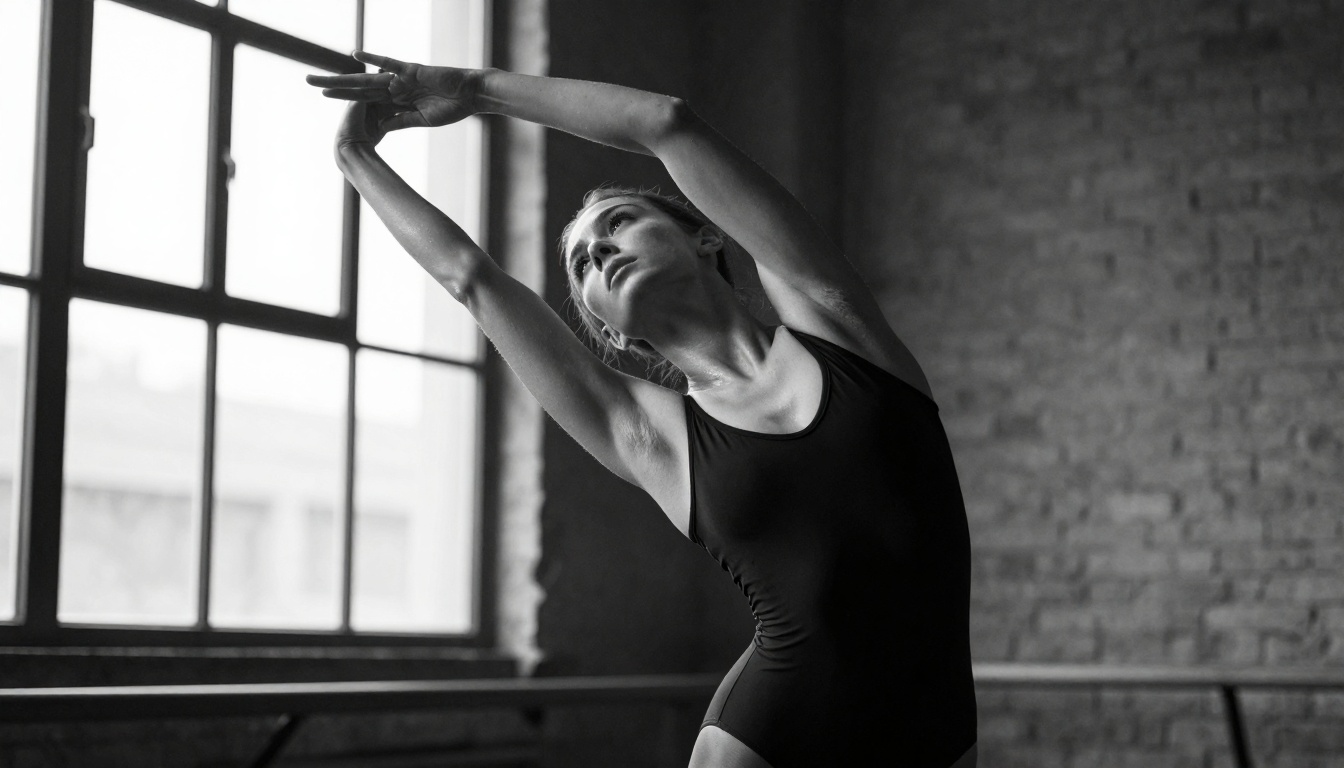
Chiaroscuro lighting showing realistic muscle definition and fabric texture
Common Challenges and Solutions
Even with advanced tools, creators face specific obstacles:
Anatomy Issues
Problem: Unnatural proportions, impossible poses, anatomical inconsistencies
Solution:
- Use pose reference images as input
- Include anatomical terms in prompts (e.g., "realistic shoulder rotation," "natural spine curvature")
- Post-process with masking and correction tools
Lighting Inconsistencies
Problem: Multiple shadow directions, unrealistic light behavior
Solution:
- Specify single light source with direction and quality
- Include lighting equipment terms (e.g., "softbox from left," "window light at 45 degrees")
- Study photographic lighting principles before prompting
Texture Repetition
Problem: Patterned artifacts, repeating details, unnatural uniformity
Solution:
- Add texture variation prompts (e.g., "irregular skin texture," "natural fabric variation")
- Use different seeds for similar scenes
- Post-process with texture overlay techniques
Legal and Ethical Considerations
Creating realistic NSFW content carries specific responsibilities:
Content Boundaries
- Artistic vs. explicit: Maintain clear distinction
- Model consent simulation: Consider implications of ultra-realistic likenesses
- Platform compliance: Different services have different tolerance levels
- Audience expectations: Set clear content descriptions
Distribution Channels
Free tools often mean public sharing. Consider:
- Watermarking: Protect your work while maintaining visibility
- Platform selection: Match content to appropriate communities
- Monetization strategies: When and how to transition from free to paid
Technical Limitations Awareness
Even "too real" images have tells. Be transparent about:
- AI generation disclosure: Ethical practice requires honesty
- Capability realism: Don't misrepresent tool limitations
- Improvement paths: Acknowledge where technology still falls short
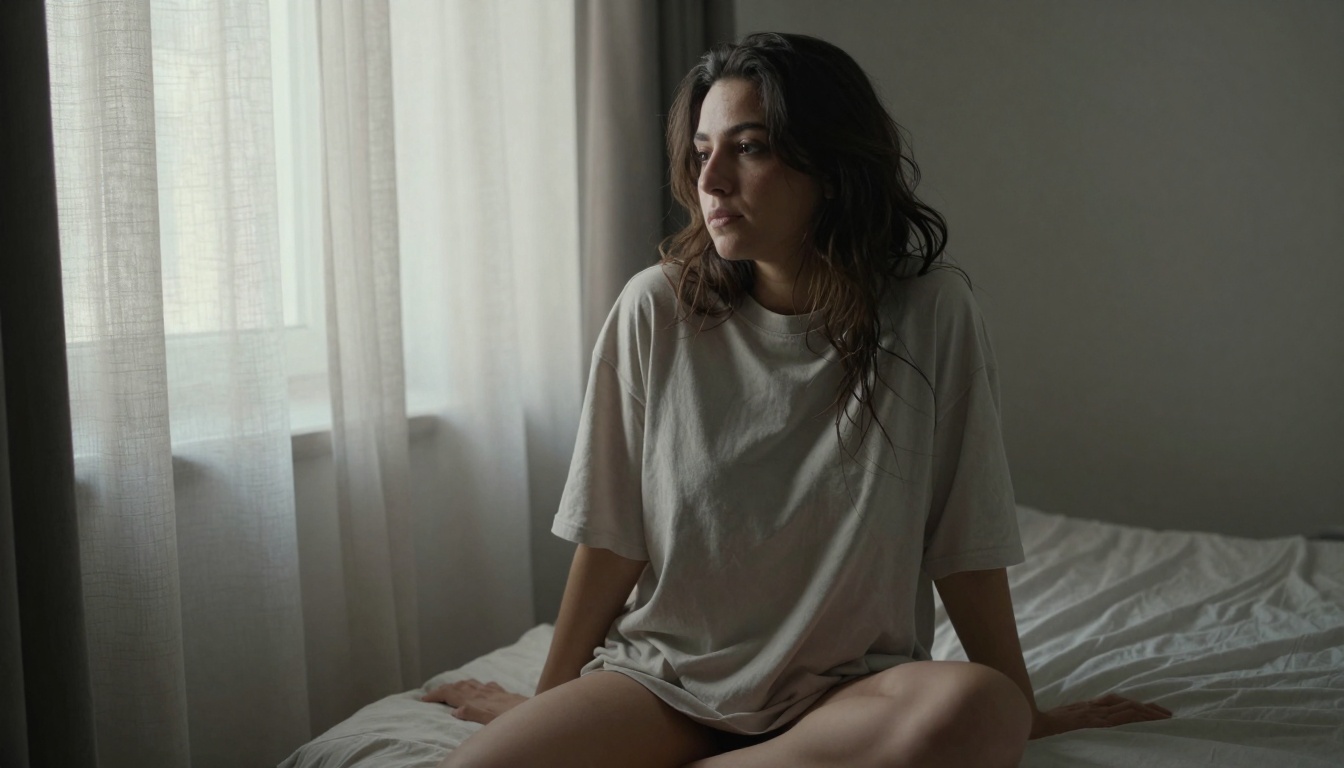
Natural morning light showing authentic unposed intimacy and textile texture
The Future of Free Realistic Generation
Current capabilities represent just the beginning. Several trends suggest where free NSFW AI tools are heading:
Technical Improvements
- Resolution increases: 8K generation becoming standard
- Speed optimization: Real-time generation approaching
- Specialization: Models fine-tuned for specific NSFW subgenres
- Integration: Seamless workflow with traditional editing tools
Accessibility Advances
- Simplified interfaces: Technical barriers dropping rapidly
- Mobile optimization: Smartphone-based creation becoming viable
- Cloud integration: Processing moving to efficient remote servers
- Community sharing: Prompt libraries and technique exchanges growing
Artistic Evolution
- Style development: Distinct visual languages emerging
- Narrative integration: Sequential imagery telling stories
- Interactive elements: Viewer-influenced generation
- Cross-medium synthesis: Combining imagery with audio, text, animation
Getting Started: First Projects That Work
For newcomers, specific project types offer higher success rates:
Portrait Studies
Focus on single-subject compositions with controlled variables:
- Consistent lighting setup
- Simple backgrounds
- Clear emotional expression
- Limited prop complexity
Environmental Scenes
Build complexity gradually:
- Start with basic room settings
- Add props one at a time
- Refine lighting before adding characters
- Test texture consistency across elements
Sequential Work
Create series with narrative connection:
- Maintain character consistency across images
- Develop environment continuity
- Build emotional progression
- Establish visual style coherence
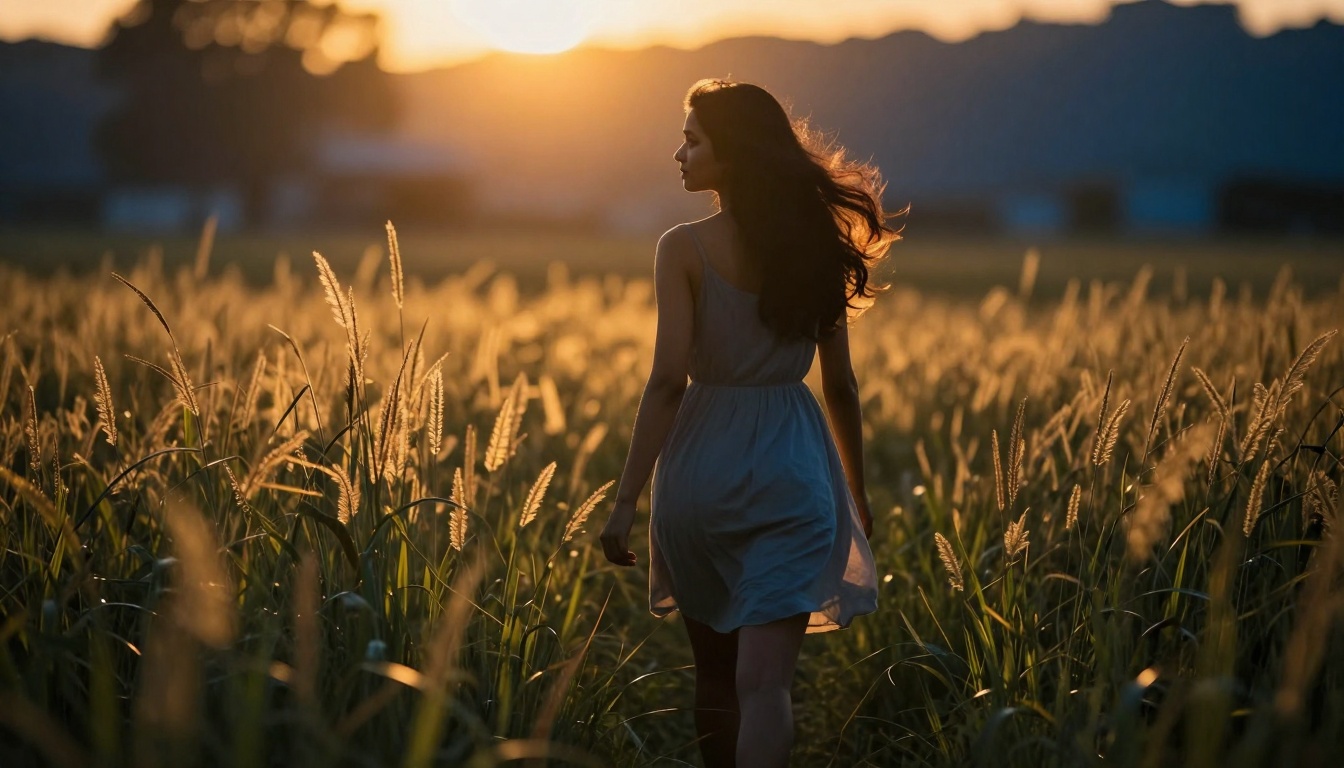
Dramatic silhouette showing realistic atmospheric haze and natural hair glow
While specific platforms evolve rapidly, several categories consistently offer quality:
Text-to-Image Platforms
- Stable Diffusion WebUI: Local installation with limitless customization
- Clipdrop: Browser-based with surprisingly good realism
- Playground AI: Free tier with decent generation limits
- Leonardo AI: Community-focused with strong model variety
Specialized Services
- Remove.bg alternatives: Open-source background removal
- Upscaling tools: Free image enhancement services
- Color grading platforms: Browser-based adjustment suites
- Composition aids: Grid and rule-of-thirds overlays
Learning Resources
- Prompt engineering guides: Community-written documentation
- Model comparison sites: Side-by-side quality evaluations
- Workflow tutorials: Step-by-step creation processes
- Ethics discussions: Responsible creation guidelines
The PicassoIA Advantage
While exploring free tools, platforms like PicassoIA offer structured environments that streamline the realistic creation process. The platform's model marketplace includes several options specifically fine-tuned for photorealistic output, with the advantage of consistent interfaces and reliable performance.
Specific models worth exploring include:
The platform's example galleries provide immediate insight into achievable quality levels, while the community features offer feedback and technique sharing that accelerates skill development.
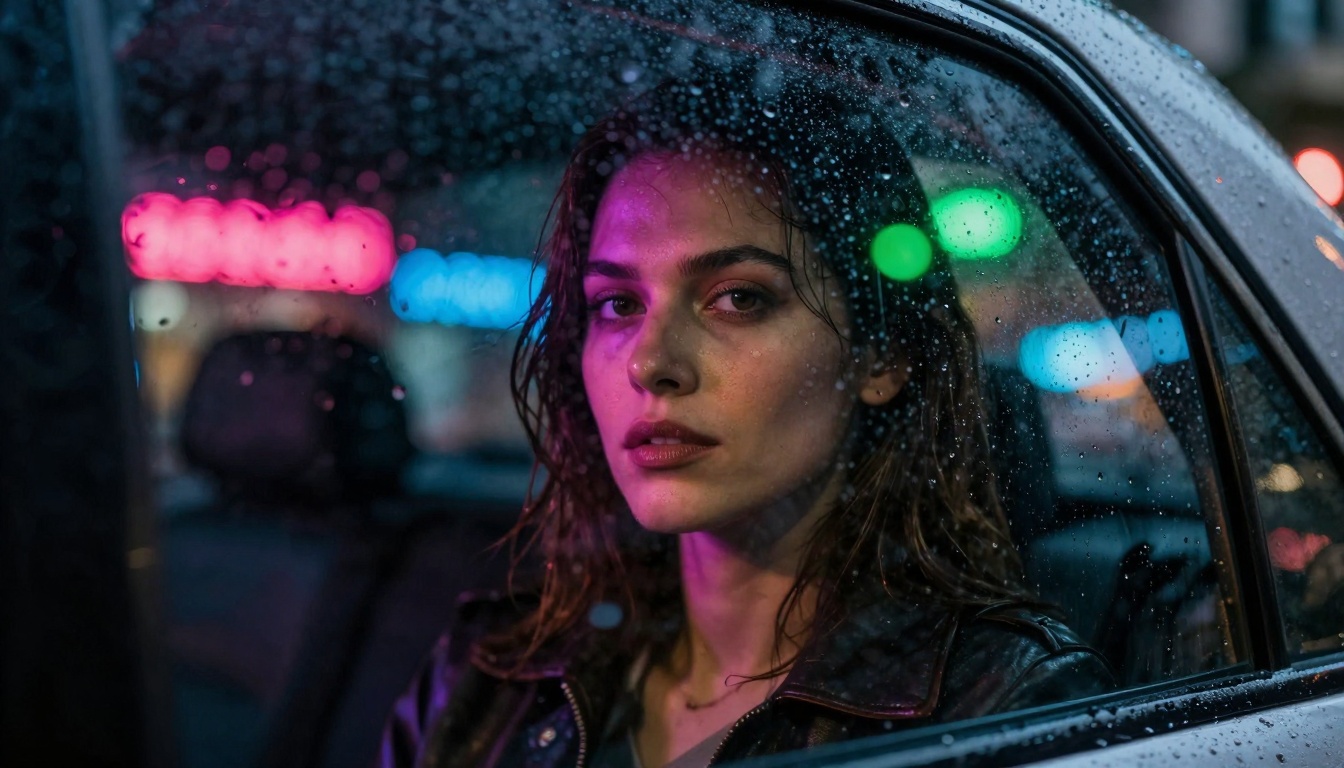
Urban night scene showing realistic water refraction and complex color gradients
Creating Your First "Too Real" Image
A practical exercise to understand the process:
- Choose simple concept: Single subject, controlled environment, clear lighting
- Select appropriate model: Match to your specific goals
- Write detailed prompt: Include lighting, texture, composition specifics
- Generate and evaluate: Identify strengths and weaknesses
- Refine and regenerate: Address specific issues with prompt adjustments
- Post-process minimally: Enhance without transforming
- Compare to photography: Side-by-side analysis reveals improvement areas
The goal isn't perfection on first attempt, but understanding the relationship between prompt specificity and output quality. Each iteration teaches something about how the AI interprets language visually.
When Free Isn't Enough: Knowing When to Upgrade
While current free tools achieve remarkable results, specific situations justify exploring paid options:
- Commercial projects: Professional work often requires reliability guarantees
- Volume needs: High-volume creators may exceed free tier limits
- Specialized requirements: Niche aesthetics might need custom model training
- Time constraints: Paid platforms often offer faster processing
- Support needs: Professional projects benefit from technical assistance
The transition point varies by creator, but generally emerges when:
- Free tool limitations consistently block project completion
- Time spent troubleshooting exceeds creation time
- Quality inconsistency affects audience retention
- Commercial opportunities require professional polish
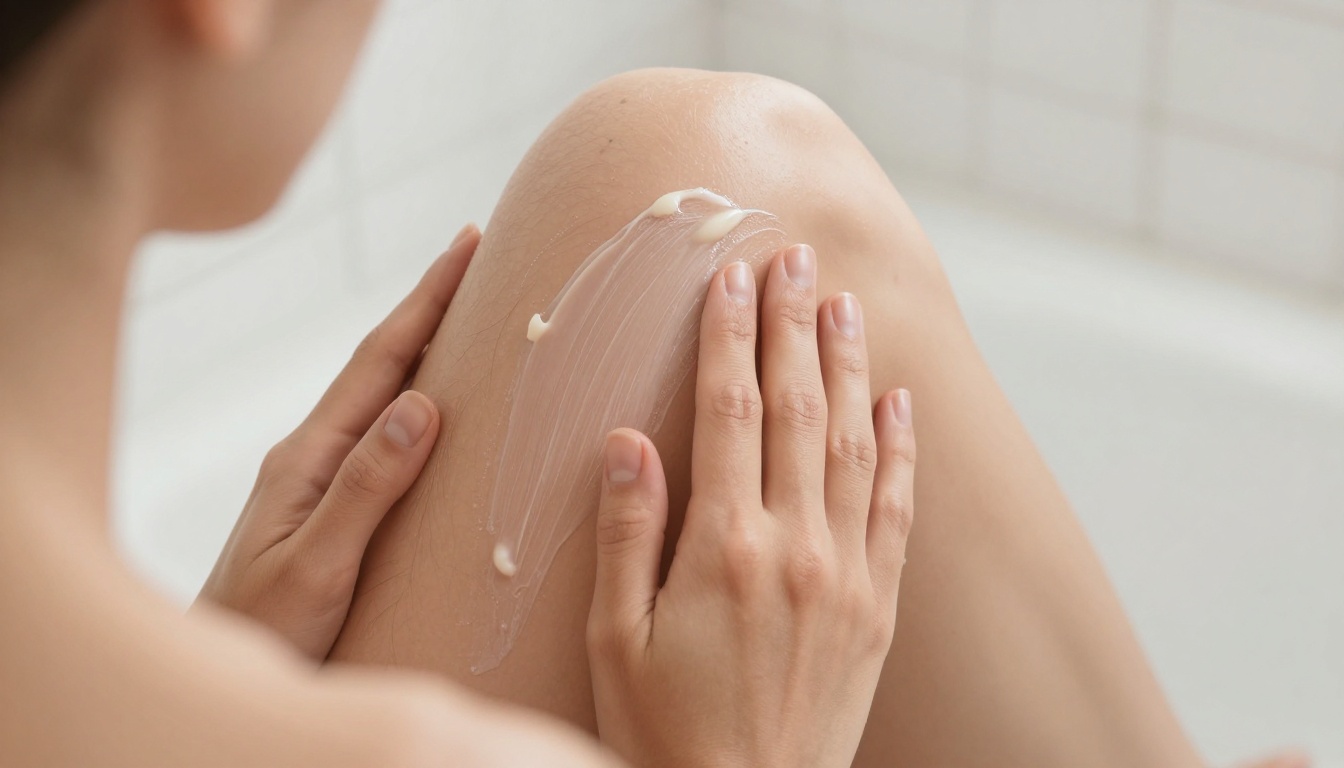
Macro detail shot showing extreme skin texture realism and product interaction
The Artistic Responsibility of Realism
Creating images that feel "too real" carries unique artistic responsibility. When viewers might mistake AI output for photography, creators must consider:
- Transparency: Clear labeling maintains ethical practice
- Intentionality: Purpose-driven creation rather than technical demonstration
- Audience impact: Realistic imagery affects viewers differently than stylized work
- Cultural context: Different societies interpret realism through different lenses
- Historical precedent: Photography's legacy informs how we view "real" images
This responsibility extends to technical choices - selecting models that handle human representation respectfully, avoiding problematic stereotypes, and considering the broader implications of ultra-realistic synthetic media.
The landscape of free NSFW AI image tools continues evolving at remarkable speed. What feels cutting-edge today becomes standard tomorrow. The most successful creators adopt several practices:
- Continuous experimentation: Regular testing of new tools and techniques
- Skill diversification: Developing complementary abilities beyond generation
- Community engagement: Sharing knowledge and receiving feedback
- Ethical mindfulness: Considering implications of increasingly realistic output
- Artistic development: Evolving personal style alongside technical capability
The tools exist, the quality threshold has been crossed, and the creative possibilities expand daily. What separates occasional experimentation from meaningful artistic practice isn't access to technology - it's the deliberate, thoughtful application of that technology toward specific creative goals.

Documentary-style workspace shot showing authentic texture and unselfconscious focus
Try Creating Your Own Realistic Images
The best way to understand what current free tools can achieve is to experiment directly. Start with simple concepts, focus on specific quality aspects (lighting, texture, composition), and iterate based on results. Each generation teaches something about how language translates to visual output, how different models interpret similar prompts, and where your personal aesthetic preferences lie.
As you develop skill with these tools, you'll discover not just technical capability, but artistic voice. The "too real" quality becomes not just a technical achievement, but a medium for expression - one that continues evolving in fascinating directions.


