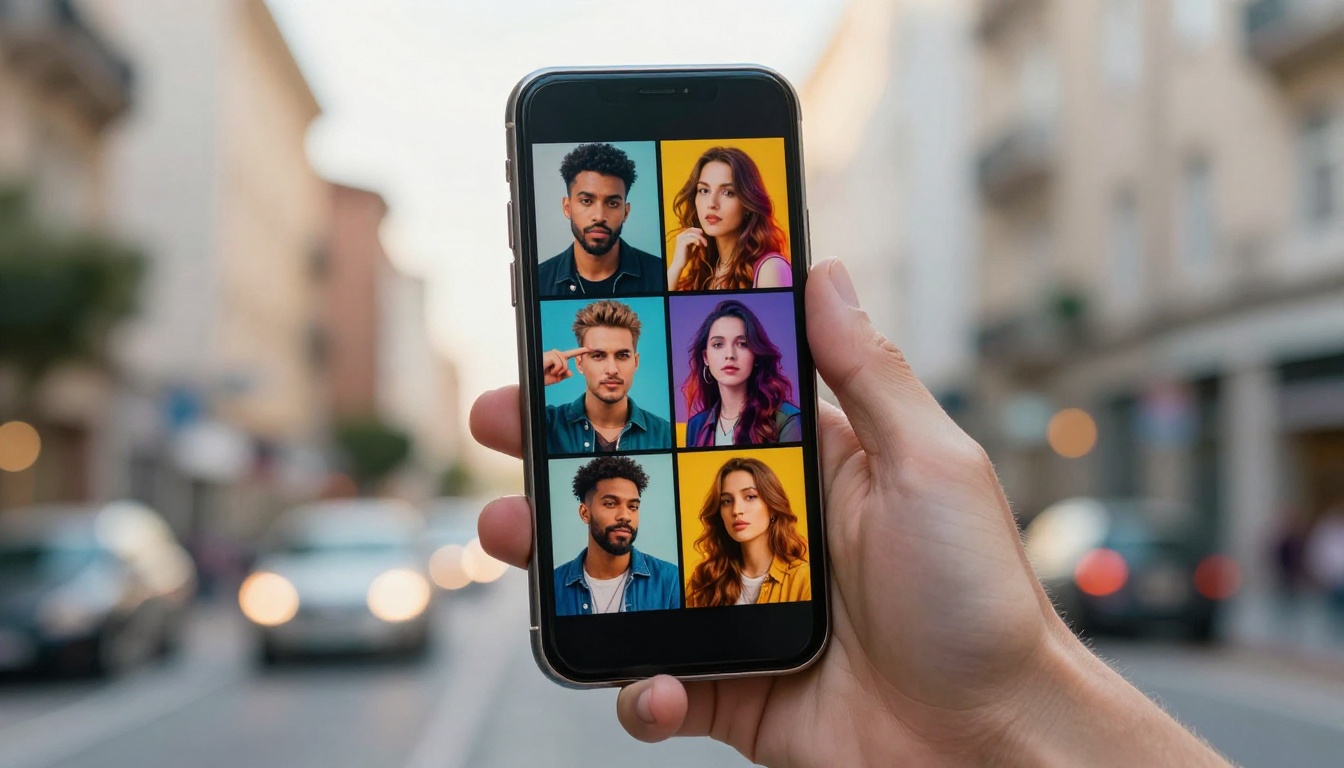
The debate started quietly, then it exploded. Gemini 3 arrived with bold claims about multimodal intelligence, and ChatGPT kept upgrading its image pipeline with every new model drop. Now millions of creatives, marketers, and side-hustlers are stuck asking the same question: which one actually creates better images?
This is not a lab test with controlled variables and academic scoring rubrics. This is a real breakdown of how both tools perform when you throw actual creative briefs at them, the kind of prompts people type at midnight when they need a product shot, a portrait, or a concept image with three paragraphs of direction. The results are more nuanced than most comparison posts suggest, and the right answer depends heavily on what you are actually making.
Here is what the outputs and the daily-use reality actually look like.
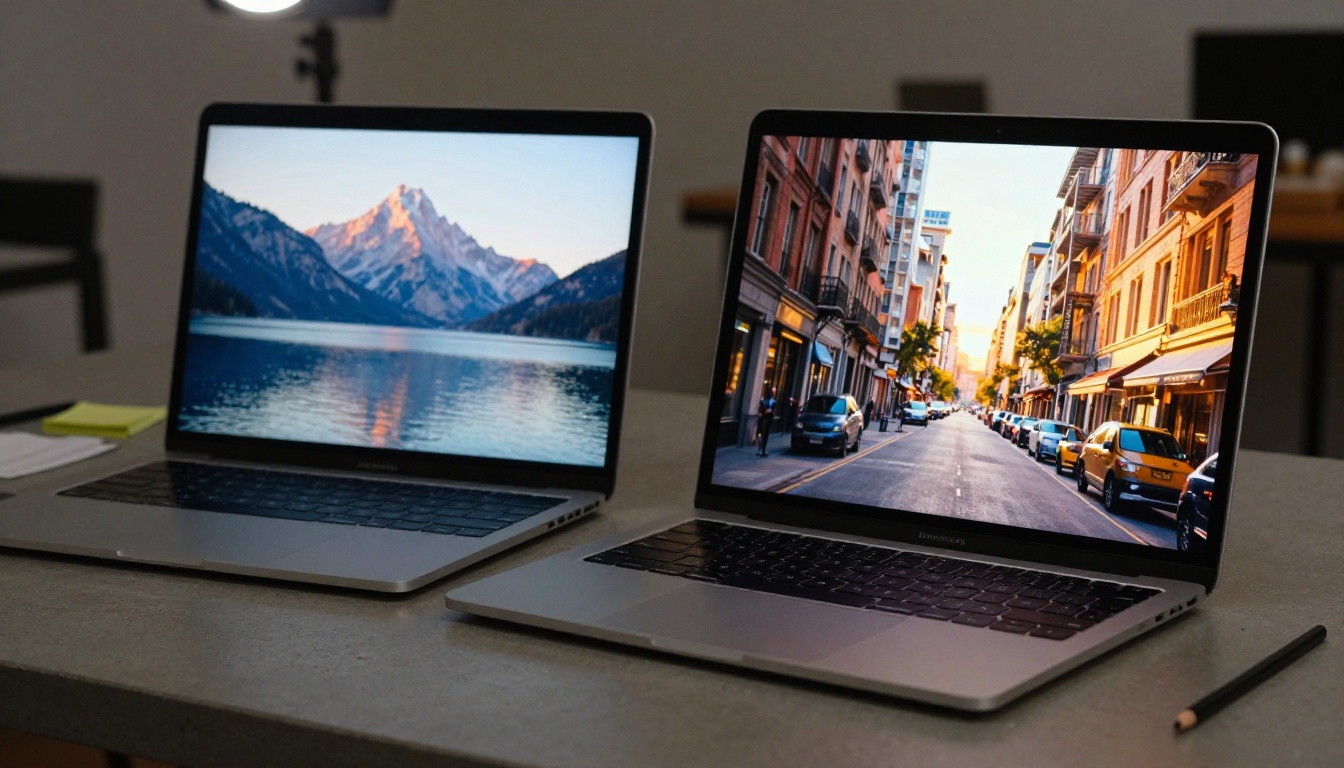
Before this comparison lands fairly, both tools need a clear-eyed description. They are built differently, powered by different underlying models, and optimized for different kinds of users. Treating them as interchangeable produces bad conclusions.
Gemini 3's Image Engine
Gemini 3 is Google's most capable multimodal AI assistant. When it generates images, it draws on Imagen, Google's proprietary text-to-image architecture. Imagen 4 and Imagen 4 Ultra represent the current ceiling of what this system can produce: sharp facial features, accurate lighting physics, and a strong ability to handle complex scene descriptions with multiple layered elements.
What makes Gemini 3 distinct is that image generation is one capability within a much larger reasoning system. You can describe a concept in natural, conversational language, reference previous messages in your session, or ask Gemini to iterate on its own output without starting from scratch. The image generation does not feel like a separate bolt-on feature. It sits inside a thinking machine that can discuss, argue, and refine.
ChatGPT's Visual Approach
ChatGPT routes image generation through GPT Image 1.5, OpenAI's flagship text-to-image model. This model is trained specifically on instruction-following, meaning it takes detailed, structured prompts and interprets them with high fidelity. It handles text rendering inside images better than almost any competitor, and it has a particular strength in producing commercially usable, clean compositions that need zero post-processing before they go live.
One practical difference: ChatGPT's image generation is available directly inside the chat interface for Plus subscribers, and it integrates tightly with GPT-4o for iterative editing. You can ask it to "make the background warmer" or "add a plant in the left corner" and it will reprocess the image accordingly, keeping most of the original composition intact while applying the specific change you requested.

Image Quality, Head to Head
This is where most people want the real answer. Both tools produce striking images in ideal conditions. The differences show up when you push them toward difficult prompts, when you need accurate physics, or when you require outputs that are not just beautiful but correct.
Realism and Photographic Detail
Gemini 3's Imagen architecture has a well-documented advantage in lighting physics. Shadows fall correctly, surfaces reflect the right amount of light for their material type, and skin tones in portrait work look genuinely three-dimensional rather than smooth and processed. When you ask for a "rainy street at night with wet reflections on the pavement," Imagen 3 and its successors handle the refraction and diffuse reflection in a way that feels studied. The light does not just glow; it behaves.
GPT Image 1.5 produces images that read as highly polished. The output is consistently high-resolution and technically clean. Where it sometimes loses ground is in the very subtle indicators of real photography: film grain behavior, realistic lens aberration, the slight imperfection of handheld shooting. The images look excellent but occasionally look too finished for contexts where authenticity matters.
Worth noting: For product photography and commercial use, "too finished" is often exactly what you want. ChatGPT's tendency toward polish is a feature for brand work, not a flaw.
Color Rendering and Accuracy
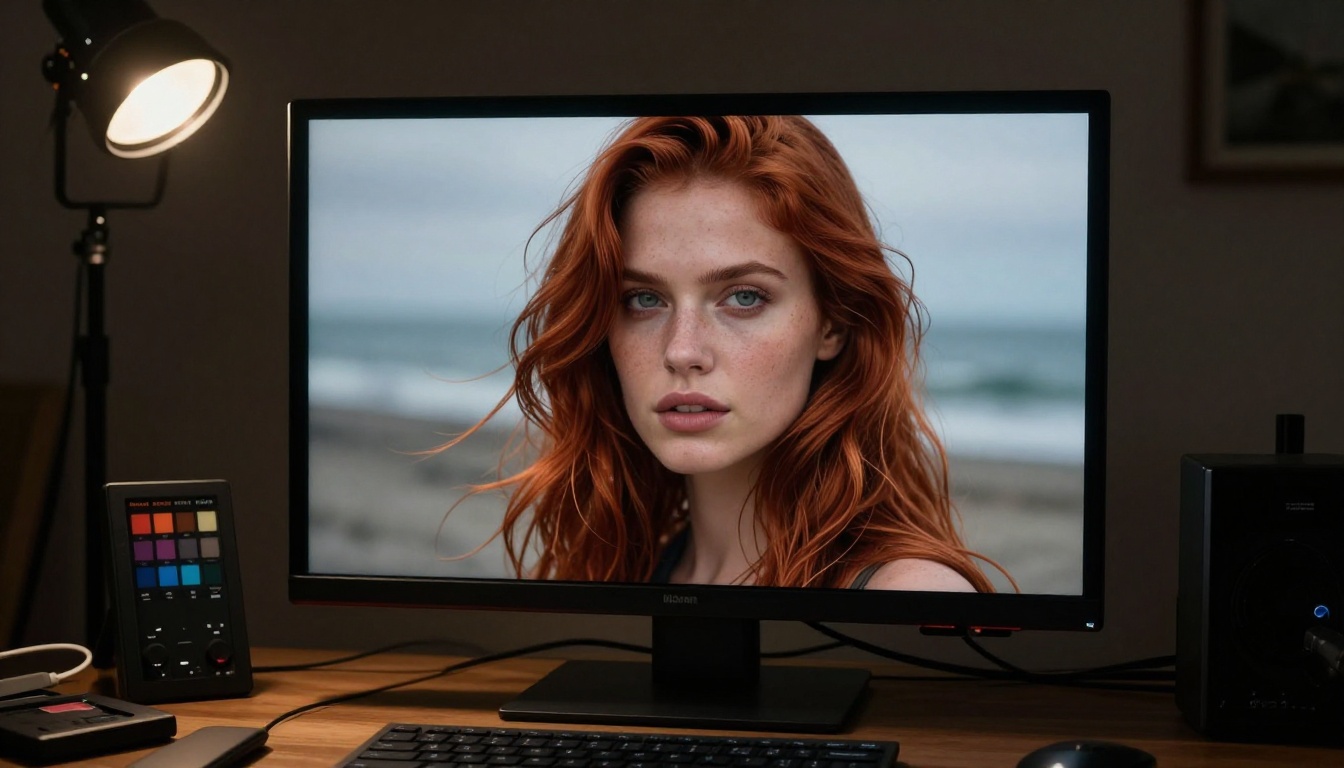
Imagen's color science leans toward naturalistic, slightly warm tones that reproduce well in print and on calibrated screens. Prompt it to generate a sunset and the chromatic progression from orange to purple feels physically plausible rather than algorithmically approximate.
GPT Image 1.5 tends toward saturated, high-contrast output unless you specifically prompt for restraint. Colors pop on a screen and look excellent in social media contexts where vibrancy is rewarded by attention. If you need muted, documentary-style color work or desaturated editorial photography, you will need to direct it explicitly with color temperature and saturation language in your prompt.
| Metric | Gemini 3 (Imagen) | ChatGPT (GPT Image 1.5) |
|---|
| Skin tone accuracy | Excellent | Good |
| Lighting physics | Excellent | Good |
| Color vibrancy | Moderate | High |
| Text in images | Good | Excellent |
| Fine detail sharpness | Very High | Very High |
| Scene complexity | Strong | Strong |
| Prompt instruction following | Strong | Very Strong |
| Photographic realism | Very High | High |
How Well They Read Your Prompts
The quality of the output depends enormously on how well the model interprets what you actually meant. Both tools handle short prompts reliably. The differences emerge when prompts get complex, when they include directional language, or when they require the model to infer what you consider important.
Simple vs Complex Prompts
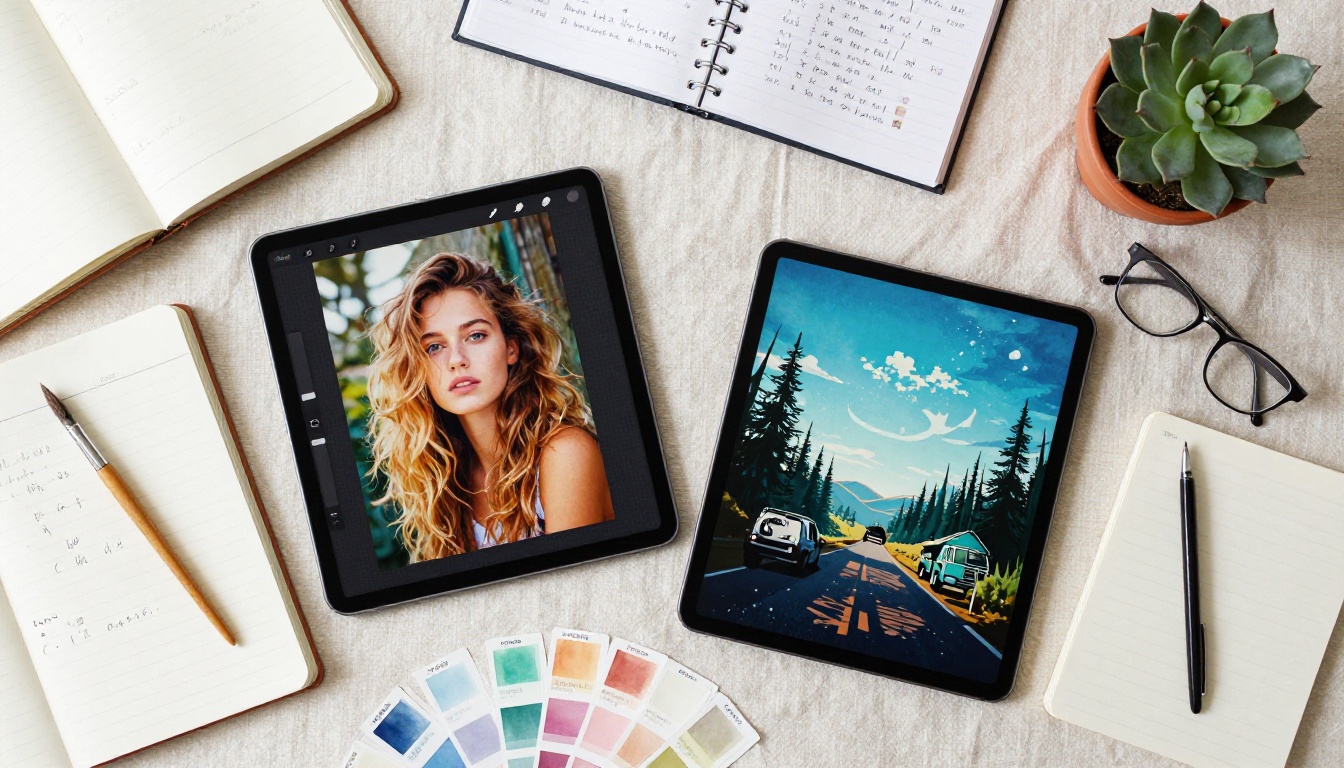
For a prompt like "a woman walking through a lavender field at golden hour," both tools produce beautiful results. Gemini 3 tends to give you something that feels more like a memory: soft, warm, with the kind of natural imperfection that suggests an actual afternoon rather than a stock library shot. GPT Image 1.5 gives you something that could appear in a lifestyle magazine spread, perfectly framed with the model's posture idealized.
For complex prompts with five or six distinct requirements, such as "a dimly lit jazz bar in New Orleans, red neon sign reflecting in rain puddles outside, two musicians visible through the window, a woman in a 1940s coat standing to the right with her back turned," GPT Image 1.5 handles multi-element instructions more reliably. It tracks each element in the prompt with precision. Gemini 3 interprets the scene more holistically, sometimes prioritizing atmosphere over compositional specificity, which produces stunning images that miss two or three of your stated elements.
Handling Negative Space and Composition
This is a subtle but important point for professional use. When you need control over where elements sit in the frame, GPT Image 1.5 gives you more predictable results. It interprets directional language such as "in the lower left corner" or "background element only" with reasonable accuracy and applies it consistently across generations.
Gemini 3 is stronger when you want the model to make compositional decisions for you. It brings genuine visual judgment to ambiguous prompts rather than defaulting to centered, symmetrical layouts. Give it a mood and a subject and it will interpret the framing in ways that often surprise in a good direction.
Practical tip: If your workflow involves giving short, open creative briefs, Gemini 3 produces more interesting results. If you write detailed technical prompts with specific compositional requirements, GPT Image 1.5 rewards that investment more reliably.
Speed, Cost, and Daily Use
Neither tool is free at the level of output that matters for professional work. Both have limitations that become friction over time, and both have pricing structures that favor specific use volumes.
Free vs Paid Tiers
Gemini 3 offers image generation through Google's Gemini app, with a limited number of daily generations available on the free tier. Google One subscribers get higher limits and access to the Imagen 4 Ultra model, which produces the sharpest and most photorealistic outputs. The pricing is reasonable compared to standalone image generators, and it is bundled into a subscription that also covers storage and other Google services.
ChatGPT's image generation via GPT Image 1.5 is available to Plus subscribers. The interface is polished and the iteration workflow, where you describe a change and receive a revised image, is genuinely useful for non-technical users who do not want to rewrite full prompts from scratch every time they want to adjust one element.
Which Fits Your Workflow
- Content creators who need fast turnaround and social-ready images: GPT Image 1.5 wins on polish and immediate usability.
- Photographers and designers who need physically accurate lighting and texture: Gemini 3 via Imagen 4 Ultra wins on realism.
- Marketing teams building product assets: Either works well, but GPT Image 1.5's text rendering gives it an advantage for promotional graphics with copy.
- Writers and researchers who want image generation embedded in a conversational workflow: Gemini 3's integrated chat interface is significantly more fluid.
- E-commerce sellers needing clean product mockups at volume: GPT Image 1.5 handles controlled backgrounds and material rendering with less prompting effort.
3 Real Scenarios Where They Differ
Portrait Photography
Both tools produce flattering portraits. Gemini 3's Imagen architecture handles ethnic diversity and age range more accurately, avoiding the tendency to smooth or normalize features toward a single beauty standard. Pores, fine lines, and natural facial asymmetry appear in the output when you ask for them, and skin tones across a wide range of complexions render with genuine accuracy rather than algorithmic approximation.
GPT Image 1.5 portraits are luminous and technically excellent but trend toward idealization unless you specifically prompt for imperfection, age, or character. For campaigns targeting specific demographics with authentic visual representation, that distinction carries real weight in whether the output feels real or fabricated.
Product and Commercial Shots
This is GPT Image 1.5's strongest territory. It produces clean studio-style product images with controlled backgrounds, accurate material rendering across leather, glass, metal, and matte plastic, and the kind of composition that works immediately in e-commerce contexts without additional editing. The text rendering capability means you can include a label or a short tagline in the image and it will actually read correctly, which is a significant advantage over most competing models.
Gemini 3 can handle product shots but requires more specific prompting to avoid generating environmental context you did not ask for. It tends to add atmosphere where a plain studio setup was intended.
Creative and Abstract Work
Gemini 3 takes more interpretive risks with abstract prompts, which sometimes results in genuinely surprising and original output that does not look like anything you have seen before. It feels less constrained by the expectation of photorealistic correctness when the prompt invites creative latitude.
GPT Image 1.5 on abstract prompts tends to anchor itself in recognizable visual metaphors. It takes explicit, specific direction to push it into genuinely novel territory, but once you give that direction it executes with precision and repeatability.
How to Use These Models on PicassoIA
Both the Imagen line and GPT Image 1.5 are available directly through PicassoIA, which means you can run either engine without a separate subscription to Google One or ChatGPT Plus. Here is how to use each one effectively.
Using Imagen 4 Ultra
Imagen 4 Ultra is Google's highest-fidelity model and the same architecture that powers Gemini 3's image capabilities. On PicassoIA:
- Go to the Imagen 4 Ultra model page.
- Type your prompt in the input field. Include lighting direction, camera angle, and subject detail for best results.
- Set the aspect ratio to match your intended output (16:9 for video thumbnails, 1:1 for social posts, 4:3 for editorial).
- Generate. Imagen 4 Ultra outputs at high resolution with photographic color accuracy and strong physical detail.
Parameter tips for Imagen 4 Ultra:
- Be explicit about lighting: "soft overcast light from above" produces different output than "dramatic side lighting from a practical lamp at 45 degrees."
- Reference real photography terms. "f/1.8 depth of field," "85mm telephoto compression," and "film grain" all signal to the model that you want photographic realism.
- For portrait work, specify ethnicity, approximate age, and specific features. Imagen responds to this with accuracy rather than generic idealization.
- Use Imagen 4 Fast for rapid iteration and Imagen 4 Ultra for final output.
Using GPT Image 1.5
GPT Image 1.5 is OpenAI's flagship image model, the same one that powers ChatGPT's image generation. On PicassoIA:
- Open the GPT Image 1.5 model page.
- Write a structured prompt. GPT Image 1.5 handles long, detailed instructions extremely well. Do not hold back on specifics.
- Include any text that should appear in the image inside quotation marks within your prompt. This signals to the model that accurate text rendering is required.
- Generate and review. If the first output is close but not exact, adjust one variable at a time rather than rewriting the entire prompt.
Parameter tips for GPT Image 1.5:
- Use compositional language directly: "rule of thirds," "negative space on the left third," "centered symmetrical layout with foreground element."
- Specify color palette explicitly: "warm amber and burnt sienna tones only," "monochromatic blue palette with one red accent object."
- For product shots, name the background precisely: "white infinity curve background," "slate grey textured stone surface," "transparent background."
If you want to run the same prompt across multiple engines for comparison, PicassoIA also has Flux Pro, Flux 1.1 Pro Ultra, Ideogram v3 Quality, Recraft v4, and Seedream 4 in one place. You can test every major AI image engine side by side without switching platforms or managing multiple subscriptions.

Which One Should You Pick?
The honest answer is that neither tool wins universally. They are optimized for different things, and the best choice depends entirely on what you need from a creative session, not on which company made more impressive press releases.
Pick Gemini 3 if:
- Realistic lighting and material physics are your priority
- You want to generate images within a broader conversation and iterate through natural language
- Portrait authenticity and accurate representation across diverse subjects matter to your project
- You prefer atmosphere-forward results from minimal prompts, trusting the model to interpret creatively
Pick ChatGPT if:
- You need readable text rendered inside the image itself
- Commercial-ready, polished output is the baseline requirement with minimal post-processing
- You write detailed, structured prompts and want high instruction-following fidelity on every element
- You are building product or marketing imagery at volume and need consistency across generations
But here is what most users eventually figure out: running both engines through a single platform is the most practical approach for real creative work. PicassoIA gives you access to Imagen 4 Ultra, GPT Image 1.5, and dozens of other state-of-the-art text-to-image models in one place. You write the prompt once and see what each engine makes of it. No separate subscriptions, no platform-switching, no friction between the idea and the output.
If you have been relying on just one AI image tool, trying the other side of this comparison is the fastest way to raise the quality ceiling of your creative output. Start with the same prompt you already use. Run it through Imagen 4, then through GPT Image 1.5, then through Flux Pro. The differences will be instructive, and the process will change how you write prompts from that point forward.
The tools are better than they have ever been. The question is no longer whether AI can create a good image. It is which AI creates the right image for your specific purpose. Now you have enough of the picture to decide.