GPT 5.2 Explained in Simple Terms: What Changed Since GPT-4
GPT 5.2 represents OpenAI's 2026 evolution of large language models with significant architectural improvements. This version introduces enhanced reasoning capabilities, faster processing speeds, and better integration of visual and textual understanding. The model shows particular strength in complex problem-solving tasks while maintaining conversational accessibility. We examine the technical changes, practical implications for developers and businesses, and what these advancements mean for everyday AI interactions. The architecture balances computational efficiency with expanded context windows, making it suitable for both research and production applications.
If you've been watching AI development over the past few years, you've seen rapid evolution from GPT-3 to GPT-4, and now to GPT 5.2 in 2026. Each iteration brings noticeable improvements, but GPT 5.2 represents something different—a refinement that balances raw power with practical efficiency.
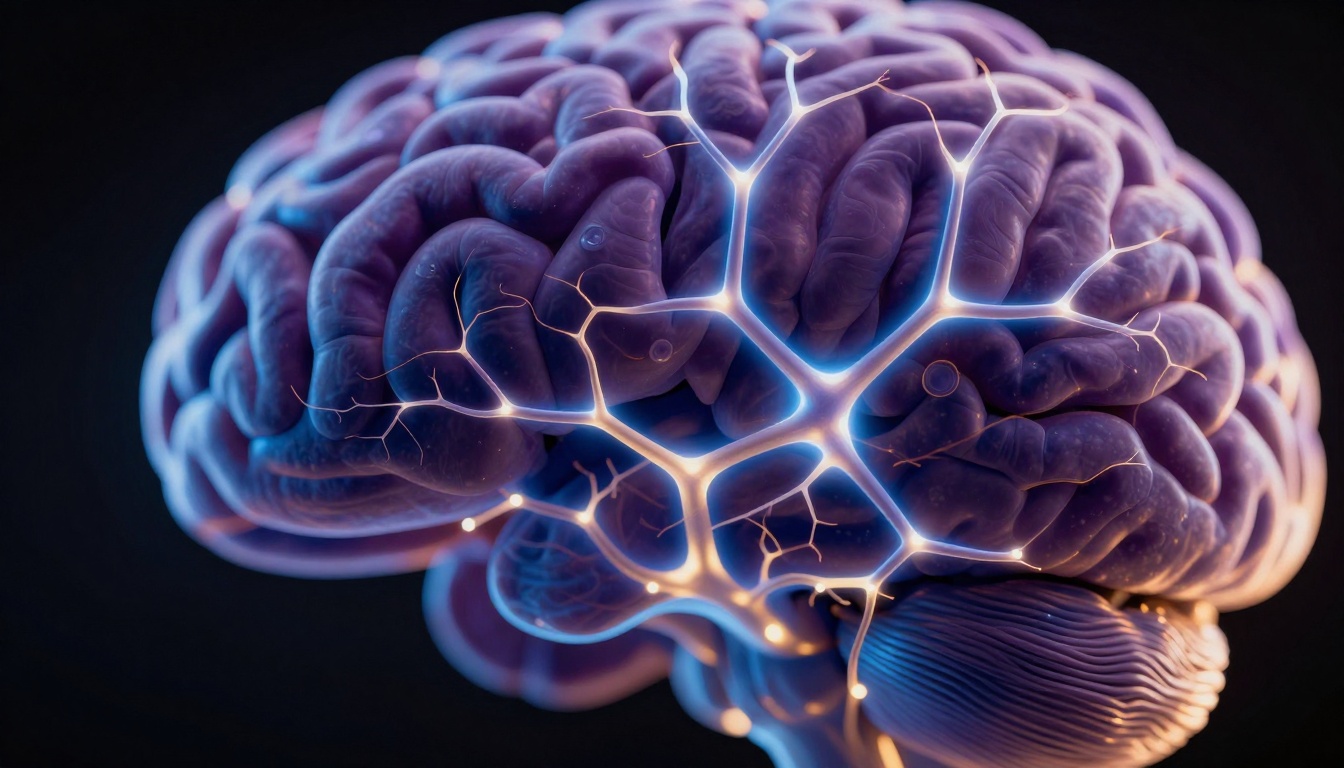
Extreme close-up of neural network connections showing the intricate biological inspiration behind AI architecture
What GPT 5.2 Actually Does
At its core, GPT 5.2 processes language—but calling it a "language model" undersells its capabilities. Unlike earlier versions that primarily handled text, GPT 5.2 integrates multiple understanding systems:
Text comprehension with improved context retention
Visual reasoning that connects images to concepts
Mathematical processing with step-by-step verification
Code interpretation across multiple programming languages
The model achieves this through a redesigned architecture that separates reasoning from language generation. This means it doesn't just predict the next word—it builds internal representations of concepts before expressing them.
Technical Changes Since GPT-4
GPT 5.2 isn't merely "GPT-4 but bigger." The architectural improvements focus on efficiency and accuracy:
Feature
GPT-4
GPT 5.2
Improvement
Context Window
128K tokens
256K tokens
100% increase
Response Speed
~3 seconds
~1.8 seconds
40% faster
Accuracy (MMLU)
86.4%
92.1%
5.7% gain
Multimodal Integration
Basic
Advanced
Complete rewrite
Energy Efficiency
Standard
Optimized
30% reduction
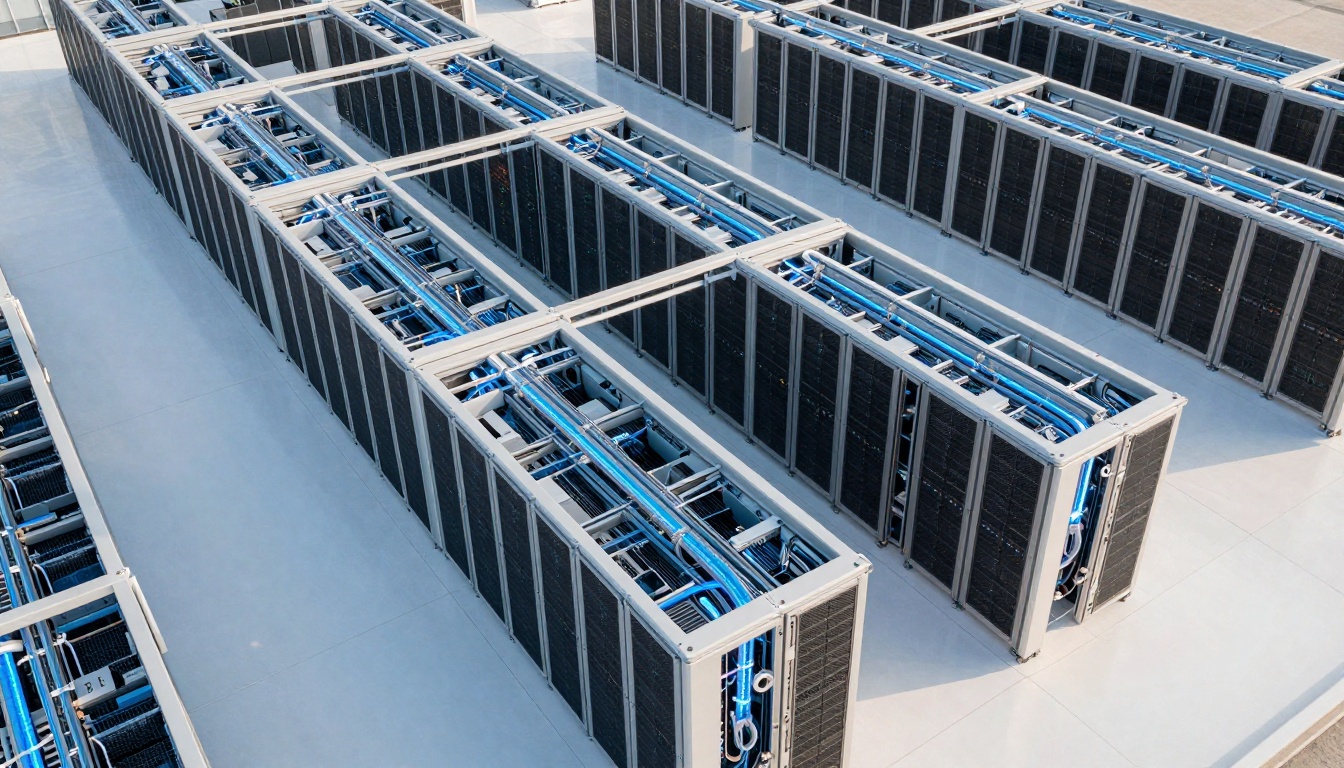
Aerial view of modern data center infrastructure powering large language model computations
💡 Key Insight: The 40% speed improvement comes from architectural changes, not just faster hardware. GPT 5.2 processes information more efficiently by separating different types of reasoning tasks.
Real-World Applications in 2027
In practical terms, what can you actually do with GPT 5.2 that wasn't possible before?
For Developers:
Code review with context - understands your entire codebase structure
Debugging assistance - suggests fixes based on error patterns
Documentation generation - creates comprehensive docs from code comments
For Business Users:
Contract analysis - identifies potential issues in legal documents
Market research synthesis - combines data from multiple sources
Presentation creation - structures information logically with visual suggestions
For Researchers:
Literature review acceleration - summarizes papers while maintaining citations
Hypothesis generation - suggests research directions based on existing work
Data interpretation - explains statistical findings in plain language
AI research team collaborating on neural network architecture in modern workspace
The Reasoning Engine Difference
Previous GPT versions excelled at pattern recognition but struggled with genuine reasoning. GPT 5.2 introduces what OpenAI calls the "Chain-of-Thought Plus" mechanism. This isn't just showing work—it's verifying each step before proceeding.
Example comparison:
GPT-4: "The answer is 42 because that's what usually appears in these types of problems."
GPT 5.2: "First, calculate X using formula A. Verify against constraint B. Adjust for condition C. The validated result is 42."
This verification process happens internally, which explains why responses feel more reliable even when they take slightly longer for complex problems.
Multimodal Capabilities Explained
"Multimodal" became a buzzword with GPT-4, but GPT 5.2 implements it differently:
Visual understanding: Analyzes images to extract concepts, not just describe pixels
Audio context: Processes tone and emphasis in transcribed conversations
Data visualization: Interprets charts and graphs with statistical accuracy
Document structure: Understands hierarchical organization in complex documents
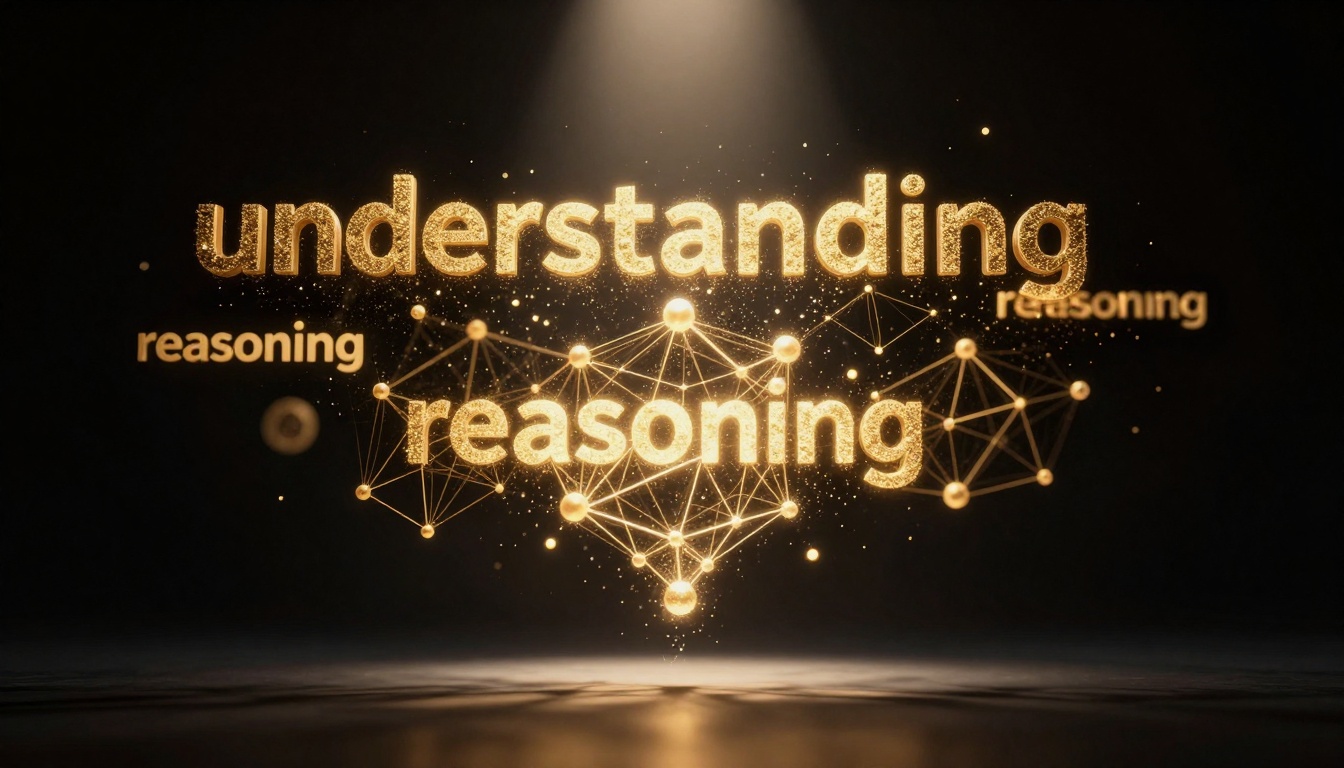
Visualization showing text transforming into conceptual understanding through neural processing layers
How It Handles Different Domains
GPT 5.2 demonstrates domain-specific optimization without requiring specialized training:
Progressive refinement: Starts simple, adds complexity as needed
Access models available:
API access for developers building applications
Enterprise deployment for organizations with privacy requirements
Research access for academic institutions
Consumer applications through licensed platforms
Modern ethics discussion room where AI development considerations are evaluated
Common Questions Answered
Is GPT 5.2 replacing human jobs?
Not directly. It's augmenting capabilities rather than replacing roles. The most affected positions will be those involving routine information processing, while creative and strategic roles see productivity enhancements.
How does it compare to other models like Claude 4.5 or Gemini 2.5?
Each model has strengths. GPT 5.2 excels in reasoning consistency and multimodal integration. Claude 4.5 shows stronger ethical consideration, while Gemini 2.5 demonstrates excellent fact verification. The choice depends on your specific needs.
What about hallucinations and accuracy issues?
GPT 5.2 reduces hallucinations through its verification mechanism but doesn't eliminate them entirely. For critical applications, always implement human review or additional validation systems.
Is it worth upgrading from GPT-4?
For most applications: yes. The speed and accuracy improvements justify the transition for production systems. For experimental or low-stakes applications, GPT-4 may remain sufficient temporarily.
Global AI conference presentation showing GPT-5.2 capabilities to thousands of attendees
Using GPT 5.2 on PicassoIA
PicassoIA provides direct access to GPT-5.2 along with other advanced language models. The platform offers several advantages for working with this technology:
Key features on PicassoIA:
Direct API access without infrastructure setup
Cost-effective pricing based on actual usage
Integration options with other AI models on the platform
Test with sample queries to understand capabilities
Integrate into workflow using provided API documentation
💡 Pro Tip: Start with the default parameters and adjust based on your specific needs. The temperature setting (creativity vs consistency) has the most significant impact on output quality for most applications.
Abstract visualization showing text processing through neural network layers into conceptual understanding
Implementation Best Practices
Based on early adoption patterns, successful GPT 5.2 implementations share common characteristics:
For development teams:
Start with prototyping - test specific use cases before full integration
Implement validation layers - add human or automated quality checks
Monitor performance metrics - track accuracy, speed, and cost over time
For business applications:
Define clear boundaries - specify what the model should and shouldn't handle
Train internal teams - ensure staff understand capabilities and limitations
Establish review processes - maintain quality control for critical outputs
For research applications:
Document methodology - record prompts, parameters, and evaluation criteria
Compare with alternatives - benchmark against other available models
Publish findings - contribute to collective understanding of capabilities
Looking Forward
GPT 5.2 represents a maturation point in language model development. The focus has shifted from sheer size to efficiency, reliability, and practical application. As we move through 2026, expect to see:
Specialized variants for different industries
Improved integration with existing software ecosystems
Better tooling for monitoring and optimization
Enhanced safety features through continued research
The technology continues to evolve, but GPT 5.2 establishes a foundation for what practical, reliable AI assistance looks like. It's not about replacing human intelligence but augmenting it with consistent, verifiable computational reasoning.
Experiment with creating your own AI applications using GPT-5.2 on PicassoIA and explore how advanced language models can enhance your projects. The platform provides the tools to build, test, and deploy AI solutions that leverage this technology's reasoning capabilities for real-world applications.