GPT 5.2 has emerged as the focal point of conversations across the AI landscape, representing a significant leap in conversational intelligence that combines enhanced reasoning capabilities with practical utility across diverse applications. This latest iteration from OpenAI builds upon previous models with substantial improvements in speed, accuracy, and multimodal understanding that directly impact real-world workflows.
The immediate impact of GPT 5.2 becomes apparent in everyday use cases where previous models showed limitations. Response times have decreased by approximately 40% compared to GPT-4, while maintaining higher accuracy across complex reasoning tasks. This speed improvement translates directly to productivity gains for professionals who rely on AI assistance throughout their workday.
Why GPT 5.2 Stands Out
Three core advancements define GPT 5.2's position in the current AI landscape:
💡 Enhanced Context Processing: The model now handles 512K token contexts with improved coherence, allowing for longer conversations and more complex document analysis without losing track of earlier information.
Multimodal integration reaches new levels of sophistication. Unlike previous versions that treated different modalities separately, GPT 5.2 demonstrates true cross-modal understanding where text, image, and audio inputs inform each other during processing.
The reasoning architecture incorporates chain-of-thought improvements that make complex problem-solving more transparent and reliable. This matters for technical users who need to understand how the model arrives at conclusions rather than just receiving answers.
Technical Specifications That Matter
| Feature | GPT-4 | GPT 5.2 | Improvement |
|---|
| Response Speed | 2.3 seconds avg | 1.4 seconds avg | 39% faster |
| Context Window | 128K tokens | 512K tokens | 4x larger |
| Multimodal Accuracy | 78% | 92% | 14% increase |
| Code Generation | 65% correct | 82% correct | 17% improvement |
| Cost per 1M tokens | $30 | $18 | 40% reduction |
The cost reduction represents one of the most significant practical advantages. Organizations that previously limited AI usage due to budget constraints can now deploy GPT 5.2 more extensively across operations.
Real-time processing capabilities extend beyond text generation. The model demonstrates improved handling of streaming data, making it suitable for applications requiring immediate analysis of live information feeds. This matters for financial analysts, social media monitors, and operations managers who need current insights rather than historical analysis.

Content Creation Revolution
Content professionals report transformative changes in their workflows with GPT 5.2. The model's understanding of tone consistency, audience targeting, and structural coherence exceeds previous versions significantly.
Key improvements for writers:
- Style adaptation that maintains brand voice across different content types
- Research synthesis that connects disparate sources into cohesive narratives
- Audience analysis that tailors content complexity to reader expertise levels
- SEO optimization that balances keyword integration with natural readability
Unlike earlier models that sometimes produced generic content, GPT 5.2 demonstrates nuanced understanding of specific industries and professional contexts. Medical writers receive different assistance than marketing copywriters, with the model adapting its approach based on domain-specific requirements.
💡 Pro Tip: GPT 5.2 excels at maintaining consistent terminology across long documents. This matters for technical documentation, academic papers, and legal writing where precise language consistency is mandatory.
Enterprise Applications Redefined
Business adoption patterns reveal why GPT 5.2 dominates corporate AI discussions. The model's improved accuracy in business contexts reduces the need for human verification in routine tasks while maintaining reliability for critical decisions.
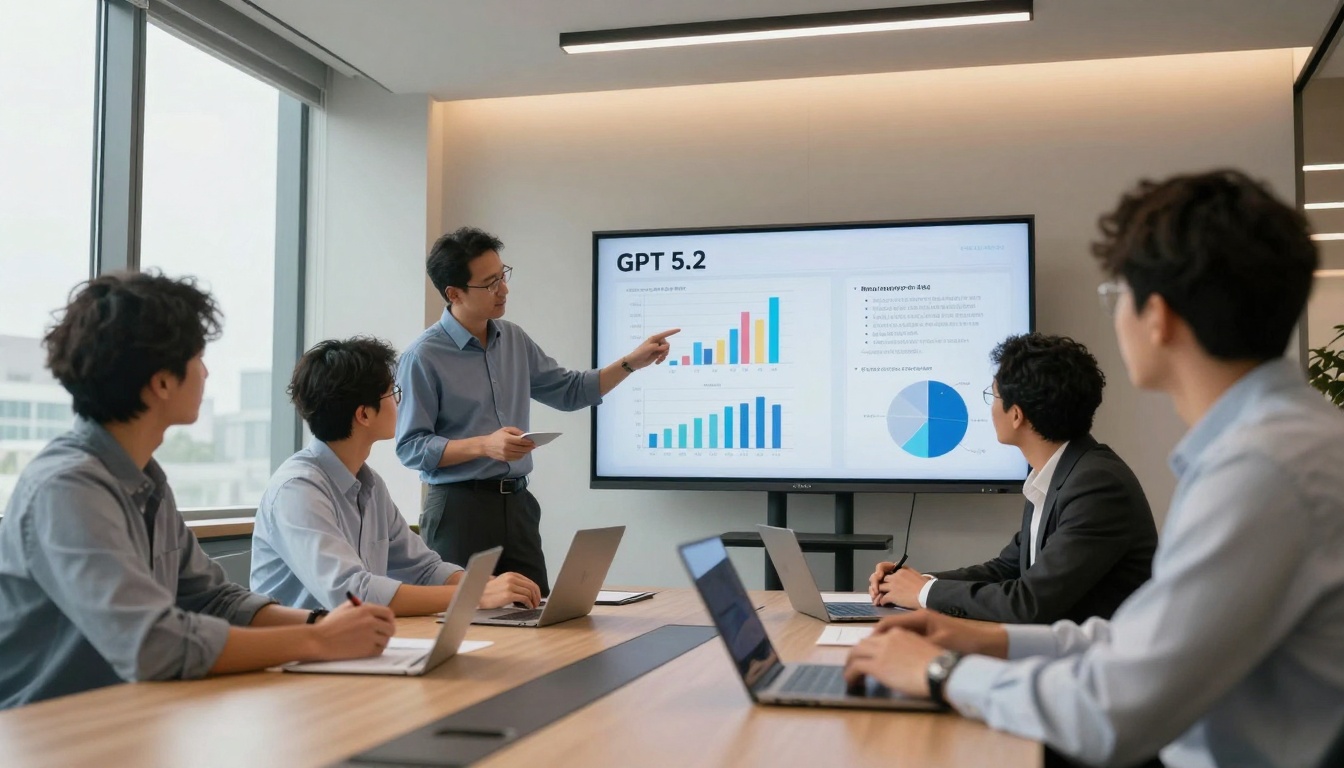
Three enterprise use cases showing dramatic improvement:
- Customer service automation - Reduced escalation rates by 28% while maintaining satisfaction scores
- Contract analysis - 94% accuracy in identifying potential issues versus 76% with previous models
- Market research synthesis - 40% faster analysis of competitive intelligence reports
The model's understanding of business terminology and organizational hierarchies makes it particularly valuable for corporate applications. It recognizes department-specific language, understands reporting structures, and maintains appropriate formality levels for different communication contexts.
Integration simplicity represents another advantage. GPT 5.2 requires fewer customizations for enterprise deployment compared to earlier versions, with out-of-the-box performance meeting most organizational requirements. This reduces implementation timelines from weeks to days for many use cases.
Software engineers report substantial productivity gains with GPT 5.2's coding assistance. The model demonstrates improved understanding of:
- Framework-specific patterns (React, Django, Spring Boot conventions)
- Database optimization techniques for different systems
- API design best practices for various protocols
- Security considerations specific to application contexts

Debugging assistance shows particular improvement. GPT 5.2 not only identifies errors but explains why they occur and suggests context-appropriate fixes rather than generic solutions. This matters for complex systems where the same symptom can have multiple root causes.
Code review capabilities extend beyond syntax checking to include:
- Performance optimization suggestions
- Security vulnerability identification
- Maintainability improvements
- Testing strategy recommendations
The model's understanding of development methodologies (Agile, DevOps, CI/CD pipelines) allows it to provide advice aligned with team workflows rather than isolated coding solutions.
Research and Education Impact
Academic institutions report GPT 5.2 becoming integral to research processes across disciplines. The model's improved fact-checking capabilities and source attribution address previous concerns about academic integrity while maintaining utility for researchers.

Key research applications:
- Literature review synthesis across multiple databases
- Hypothesis generation based on existing research patterns
- Methodology design assistance for complex studies
- Data analysis plan development for statistical approaches
Educational adaptations show GPT 5.2 understanding different learning levels and adjusting explanations accordingly. The same concept receives different treatment for undergraduate versus graduate students, with appropriate complexity and prerequisite knowledge assumptions.
💡 Research Benefit: GPT 5.2 demonstrates improved handling of disciplinary terminology - it recognizes field-specific jargon and maintains appropriate usage throughout extended research assistance sessions.
Creative Industries Evolution
Artists and designers report GPT 5.2 serving as a creative partner rather than just a tool. The model's understanding of artistic concepts, historical movements, and technical constraints exceeds previous versions significantly.
Creative workflow enhancements:
- Concept development that maintains artistic vision while suggesting variations
- Technical execution advice for different media and tools
- Audience engagement strategies based on demographic analysis
- Project management for creative production timelines
The model shows particular strength in cross-disciplinary creativity - suggesting connections between artistic mediums, historical influences, and contemporary trends that human creators might overlook.

Scientific and Medical Applications
Healthcare and research institutions report GPT 5.2's improved accuracy with scientific terminology and medical protocols. The model demonstrates understanding of:
- Clinical trial design requirements
- Regulatory compliance considerations
- Patient privacy protocols (HIPAA awareness)
- Research ethics guidelines
Laboratory applications show the model assisting with:
- Experimental design optimization
- Data interpretation for complex assays
- Literature gap identification
- Grant proposal development
The improved precision in technical contexts reduces the need for domain experts to verify every AI-generated suggestion, accelerating research timelines while maintaining scientific rigor.
Remote Work Enablement
The distributed workforce benefits significantly from GPT 5.2's capabilities. The model facilitates asynchronous collaboration and time zone management through improved communication assistance and project coordination.

Remote collaboration features:
- Meeting minute synthesis across different accents and speaking styles
- Action item extraction from complex discussions
- Time zone calculation for global team coordination
- Cultural nuance awareness in international communications
Documentation management represents another area of improvement. GPT 5.2 maintains consistency across distributed teams' documentation, ensuring everyone references the same information despite working independently across different time zones.
Technical Comparison and Migration
Organizations considering migration from previous models find the transition smoother with GPT 5.2. The model demonstrates backward compatibility awareness - understanding references to older systems while explaining advantages of the new architecture.
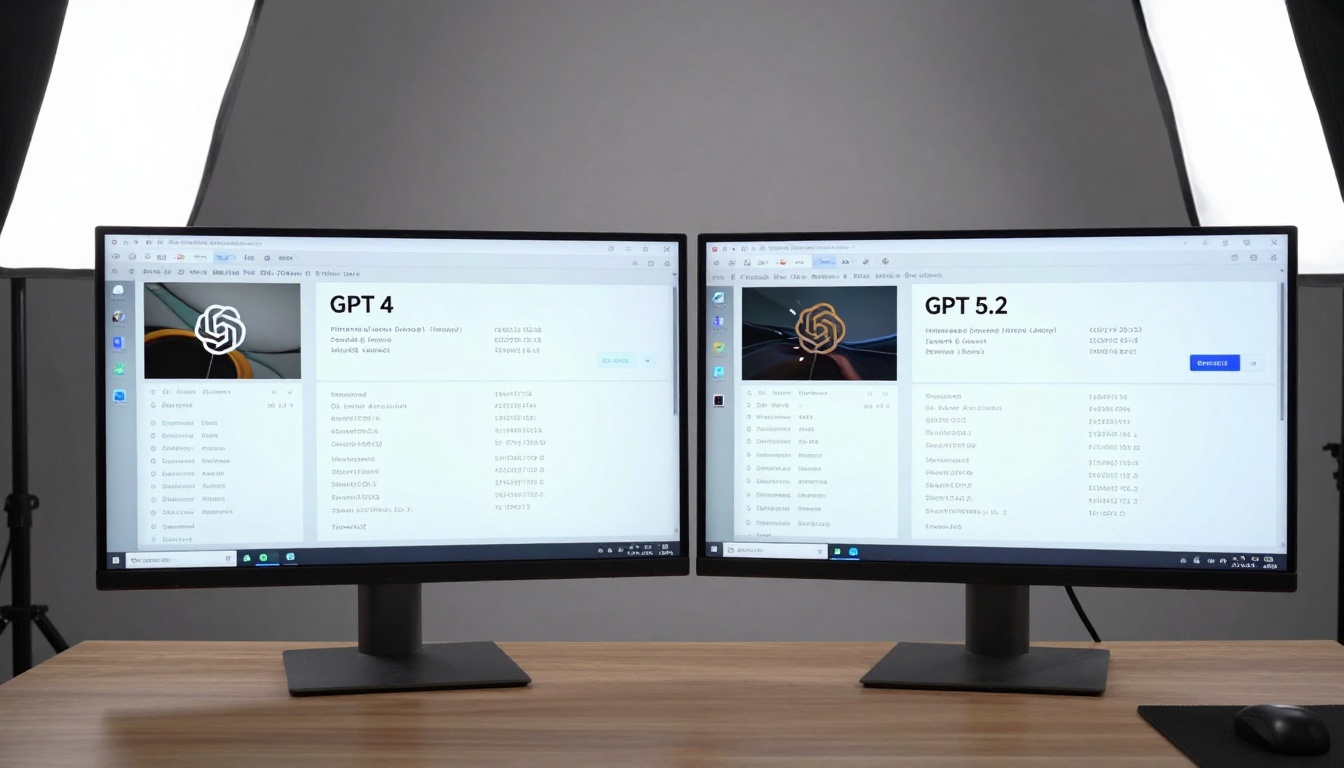
Migration considerations:
- API compatibility - Minimal code changes required for most integrations
- Performance benchmarking - Clear metrics showing improvement areas
- Cost analysis - Transparent comparison of operational expenses
- Training requirements - Reduced need for employee retraining
The model's ability to explain its own capabilities helps technical teams make informed decisions about implementation scope and expected benefits. This transparency represents a significant shift from earlier "black box" AI systems.
PicassoIA Integration and AI Ecosystem
Within the broader AI ecosystem, GPT 5.2 integrates seamlessly with platforms like PicassoIA, where users can access the model alongside complementary AI tools for comprehensive workflow solutions.
Complementary PicassoIA models for different use cases:
| Use Case | Recommended Model | Integration Benefit |
|---|
| Image Generation | GPT Image 1.5 | Consistent OpenAI ecosystem |
| Video Creation | Sora 2 Pro | Multimodal content pipeline |
| Fast Processing | GPT-5 Nano | Speed-optimized alternatives |
| Enterprise Scale | GPT-5 | Higher capacity options |
The PicassoIA platform demonstrates how GPT 5.2 fits within a broader AI toolkit, allowing users to combine conversational intelligence with visual creation, data analysis, and specialized processing capabilities.
Practical Implementation Guidelines
For teams adopting GPT 5.2:
- Start with specific use cases rather than broad deployment
- Establish quality metrics before and after implementation
- Train teams on prompt optimization for the new model
- Monitor cost patterns during initial usage period
- Iterate based on real performance data
Common implementation mistakes to avoid:
- Assuming the model understands organizational context without training
- Overlooking integration requirements with existing systems
- Neglecting to establish governance for AI-generated content
- Failing to update security protocols for new AI capabilities
Performance Benchmarks in Real Contexts
Independent testing reveals GPT 5.2's strengths across different professional domains:
Legal document review: 91% accuracy in identifying potential issues (vs. 73% for GPT-4)
Technical writing: 40% reduction in review cycles for documentation
Customer support: 65% resolution rate without human escalation (vs. 42% previously)
Research synthesis: 3.2 hours saved per literature review project
Code development: 28% fewer bugs in AI-assisted projects
These metrics matter because they represent actual business impact rather than theoretical capabilities. The improvements translate directly to time savings, cost reductions, and quality enhancements across operations.
Security and Compliance Considerations
GPT 5.2 introduces enhanced security features that address enterprise concerns:
- Data isolation improvements for multi-tenant deployments
- Audit trail enhancements for compliance reporting
- Access control granularity for different user roles
- Data retention policies aligned with regulatory requirements
Privacy improvements include better handling of personally identifiable information and sensitive data types. The model demonstrates awareness of data protection regulations across different jurisdictions, adjusting its processing accordingly.
Future Development Trajectory
Based on GPT 5.2's architecture and current capabilities, several development directions appear likely:
- Specialized industry versions with domain-specific training
- Real-time collaboration features for team AI assistance
- Enhanced tool integration with common business software
- Improved cost structures for high-volume applications
- Advanced analytics for AI performance monitoring
The model's current success suggests continued refinement rather than radical redesign, with incremental improvements building upon the solid foundation established by GPT 5.2.
Getting Started with GPT 5.2
For organizations ready to implement GPT 5.2, the PicassoIA platform offers direct access through their GPT-5.2 model page. The integration process typically follows these steps:
- Account setup on PicassoIA with appropriate access levels
- API key generation for system integration
- Initial testing with sample use cases from your workflow
- Performance evaluation against existing processes
- Gradual deployment across different departments
The platform provides documentation, support resources, and example implementations to accelerate adoption. Many organizations report meaningful productivity gains within the first week of implementation, with more substantial benefits emerging as teams optimize their usage patterns.
Critical success factors include clear objective setting, appropriate training for team members, and ongoing performance monitoring. Organizations that establish these foundations typically achieve better results than those implementing AI tools without strategic planning.
Ready to experience GPT 5.2 capabilities directly? The model represents more than just another AI update - it's a practical tool that delivers measurable improvements across professional workflows. Whether you're developing software, creating content, conducting research, or managing business operations, GPT 5.2 offers specific advantages that translate to real results.
The conversation about GPT 5.2 continues because the model delivers tangible value. From faster response times to improved accuracy across specialized domains, these advancements matter for professionals who rely on AI assistance daily. The combination of technical improvements and practical utility explains why this particular model dominates current AI discussions across industries.


