The shift was quiet but the impact has been anything but. OpenAI's GPT 5.4 arrived with an update that content creators, photographers, and digital artists had been waiting years for: the ability to generate mature, suggestive imagery without hitting a wall of refusals. GPT 5.4 Can Generate NSFW Content Now, and the AI creative community is paying close attention.
This isn't about generating explicit pornography. It's about artistic freedom. Glamour photography, boudoir-style portraits, fashion editorials with suggestive elements, tasteful artistic nudity, and the full spectrum of non-explicit mature content that professional photographers have always worked with. For the first time, a major foundational model from OpenAI engages with these subjects in a meaningful way.
What GPT 5.4 Actually Changed
The Old Refusal Problem
Anyone who has used GPT-4o or earlier image generation tools has hit the refusal wall. Ask for a woman in a bikini in certain poses. Refused. Ask for any slightly suggestive composition. Refused. The filters were trained so aggressively that even legitimate fashion photography prompts got blocked. This overcorrection frustrated professional photographers, concept artists, and platform developers who needed a reliable image generation API for their workflows.
The core issue was that the safety filter made no distinction between genuinely harmful explicit content and artistically valid mature content. A classical painting reference could get flagged. A swimwear prompt could get flagged. The model treated everything in the NSFW spectrum as a single category, and that category was entirely off-limits.
What Is Now on the Table
GPT 5.4 separates the spectrum. The model now distinguishes between:
- Artistic nudity (implied, not explicit)
- Glamour and suggestive poses (bikini, lingerie, boudoir)
- Mature thematic content (romantic tension, sensual atmosphere)
- Fashion-adjacent NSFW (sheer fabrics, minimal coverage)
The hard line remains: pornographic, explicit, or graphic sexual content is still refused. What changed is the massive middle ground that professional creatives actually work in.
💡 The change targets artistic freedom, not explicit content. Think glossy magazine covers, not adult websites.

Why This Moment Matters for AI Art
From Censored to Creative
The history of AI image generation has been a constant negotiation between capability and restriction. Early models like Stable Diffusion were open-source and had minimal filters, which created misuse problems. Commercial platforms over-corrected. The pendulum swung too far.
GPT 5.4 represents a recalibration. OpenAI's approach is nuanced: context-aware filtering that reads the artistic intent of a prompt rather than scanning for keywords. This is a fundamentally different architecture than keyword-based blocklists, and it produces far fewer false positives.
The Demand Was Always There
The numbers confirm what creators already knew. A significant portion of AI art generation requests involve mature themes. Platforms that offered more permissive generation tools consistently outperformed their restricted counterparts in user adoption. The creative industry, from fashion to film, deals with the human form as a central subject. Restricting that was always going to create friction.
For digital artists, photographers working with AI references, content creators building platforms, and hobbyists exploring creative expression, this update opens a door that was previously welded shut.
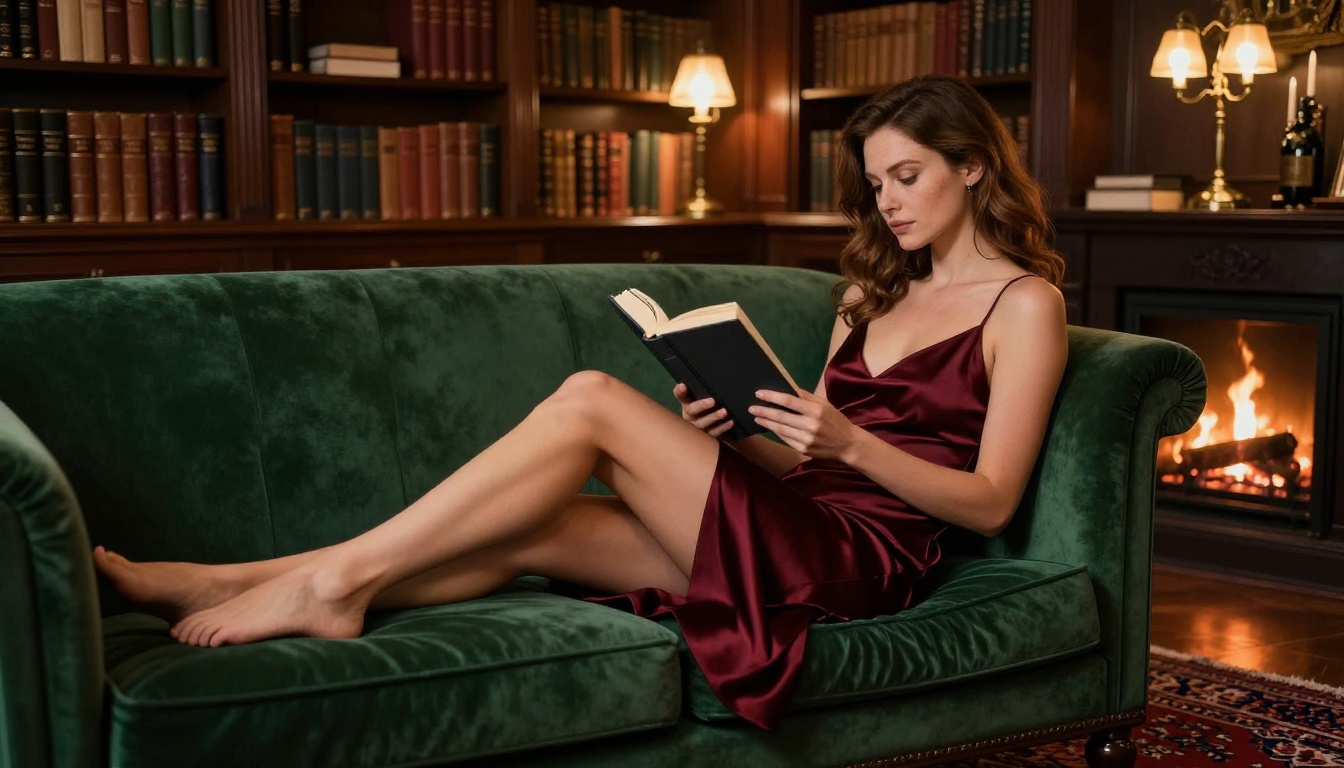
How GPT Image 1.5 Compares to Other Models
OpenAI's visual model, available as GPT Image 1.5 on PicassoIA, sits in an interesting competitive position now that its NSFW capabilities are active. Here's how it stacks up against the leading alternatives:
Flux vs GPT Image 1.5
Flux 2 Pro and Flux 1.1 Pro Ultra remain the gold standard for pure photorealism. The Flux architecture from Black Forest Labs produces skin texture, lighting interaction, and fabric rendering at a level that currently exceeds GPT Image 1.5 in controlled tests. However, GPT Image 1.5 wins on prompt adherence. If you write a detailed scene description, it follows composition and subject instructions more reliably than most competitors.
Realistic Vision and the Photorealism Race
Realistic Vision v5.1 has long been the go-to model for photographers wanting realistic human subjects with minimal restrictions. With GPT 5.4's update, the competition intensifies. Both models now sit in similar territory for mature content generation, but Realistic Vision v5.1 retains an edge in rendering natural skin imperfections, which matters enormously for artistic authenticity.
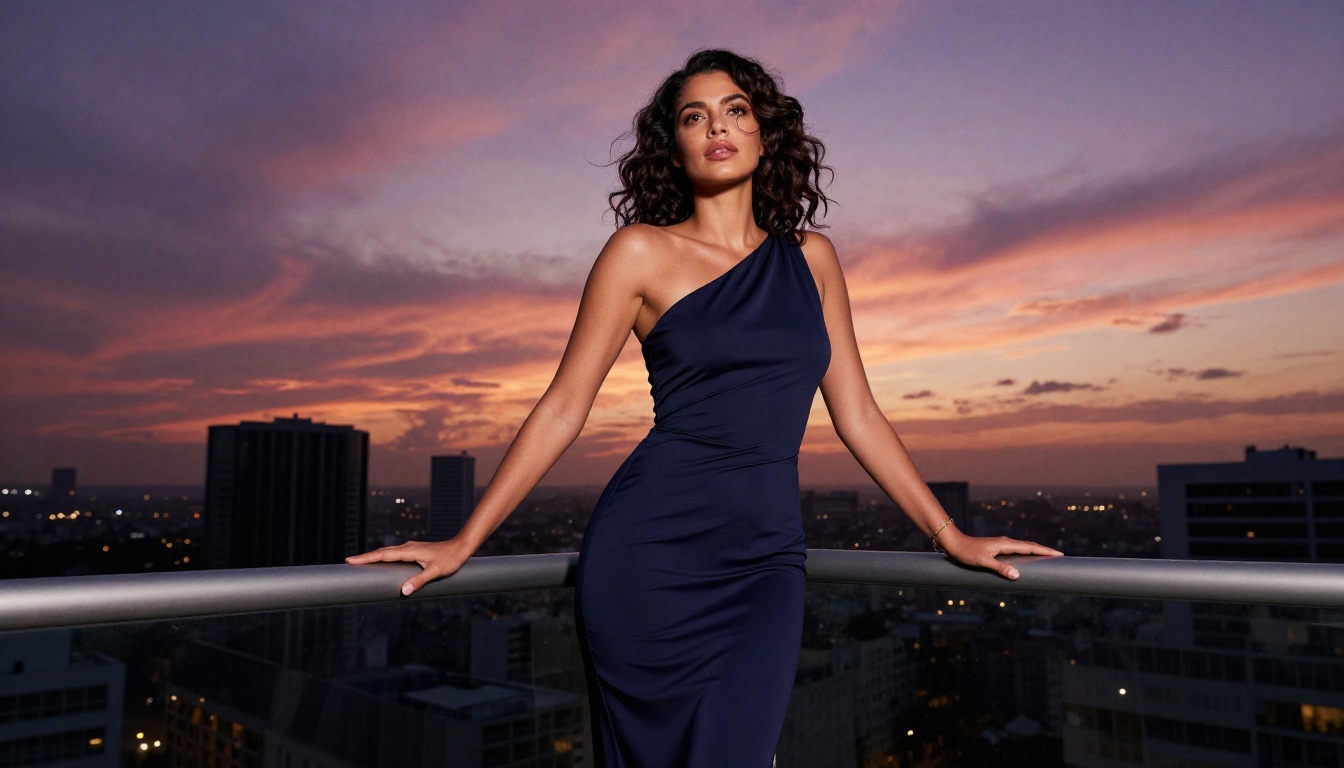
3 Things That Still Won't Work
The update opened a significant door but not every door. Being clear about the boundaries saves frustration:
- Explicit sexual acts are still fully refused. The model generates suggestive and mature content, not pornographic content. This line has not moved.
- Minors in any mature context remain completely prohibited. The model aggressively filters any prompt that could place underage subjects in adult scenarios.
- Graphic violence combined with sexual themes is still blocked. The model treats this as a separate category from artistic nudity.
💡 Think of it this way: if it would appear in a major fashion magazine or a high-end art gallery, GPT Image 1.5 can probably create it. If it wouldn't, it probably still can't.
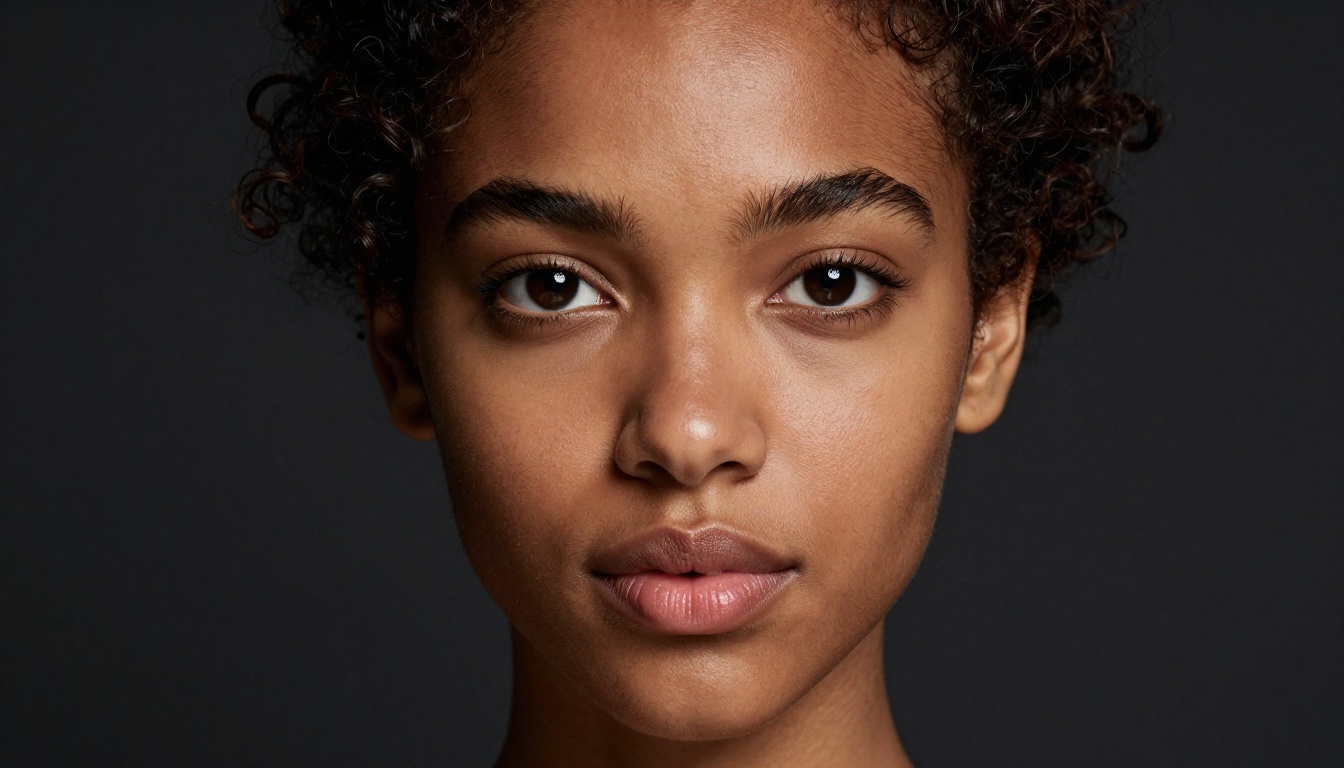
How to Use GPT Image 1.5 on PicassoIA
PicassoIA gives direct access to GPT Image 1.5 with no complicated API setup required. Here's how to get strong results:
Step 1: Open the Model
Navigate to the GPT Image 1.5 page on PicassoIA. The model interface loads with a prompt input field and generation settings ready to go.
Step 2: Write a Detailed Prompt
Vague prompts produce average results. The more specific your prompt, the better the output. A strong mature-content prompt follows this structure:
Subject + Pose/Action + Wardrobe + Environment + Lighting + Camera
Example: "A confident woman in her late twenties with auburn hair, wearing a strappy black satin slip dress, seated at the edge of a rooftop pool at golden hour, warm backlight creating a rim light along her shoulders, shot at eye level with shallow depth of field, Kodak Portra 400 film grain, photorealistic 8K"
Step 3: Set the Aspect Ratio
For editorial and portrait work, 16:9 works well for landscape compositions, while 3:4 suits portrait-oriented fashion shots. GPT Image 1.5 on PicassoIA supports multiple ratios.
Step 4: Iterate Fast
GPT Image 1.5 generates quickly. Use the first result as a reference and refine your prompt based on what works and what doesn't. Small adjustments to lighting descriptions or pose language can significantly shift the output character.
💡 Pro tip: Describe the lighting direction explicitly (e.g., "warm volumetric light from the left at 30 degrees") rather than just saying "good lighting." This single change dramatically improves realism.
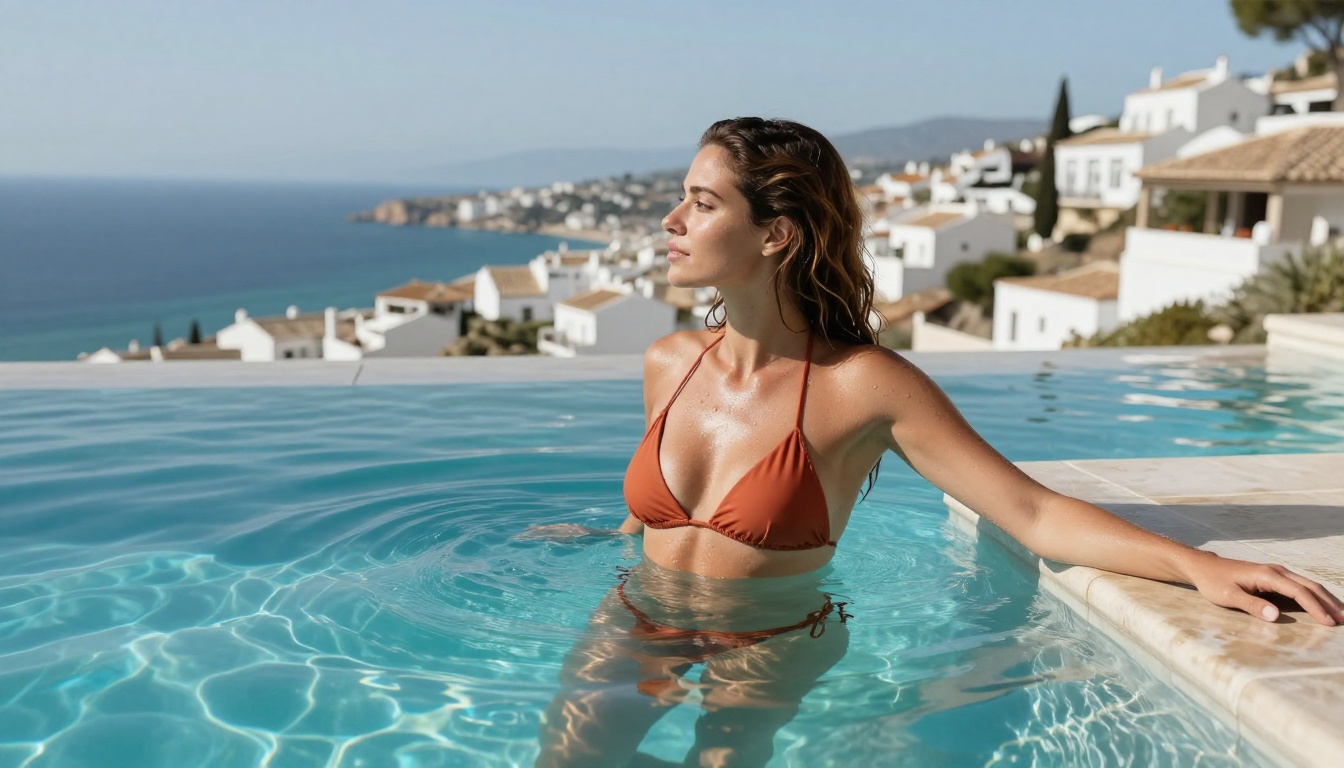
Best Prompts for Non-Explicit NSFW Results
Prompt engineering for mature content has its own logic. These patterns consistently produce strong, tasteful results:
Wardrobe language that works:
- "strappy bikini top," "lace bodysuit," "sheer chiffon cover-up," "silk slip dress"
- Specify color and fabric texture for realism
- Reference specific aesthetic styles (e.g., "Victoria's Secret editorial style" or "Sports Illustrated swimwear edition")
Pose and body language:
- "relaxed reclined pose," "seated with legs crossed," "standing with one hand on hip"
- Avoid explicit anatomical descriptions. Focus on posture and attitude.
Atmosphere and mood:
- "intimate but tasteful," "high-fashion editorial," "glamour photography"
- Mood words guide the model's interpretation of ambiguity in the prompt
Technical photography language:
- Always include camera type, lens specification, and aperture
- Specify film stock (Kodak Portra 400 or 800 for warm skin tones)
- Include lighting setup details: direction, color temperature, modifier type
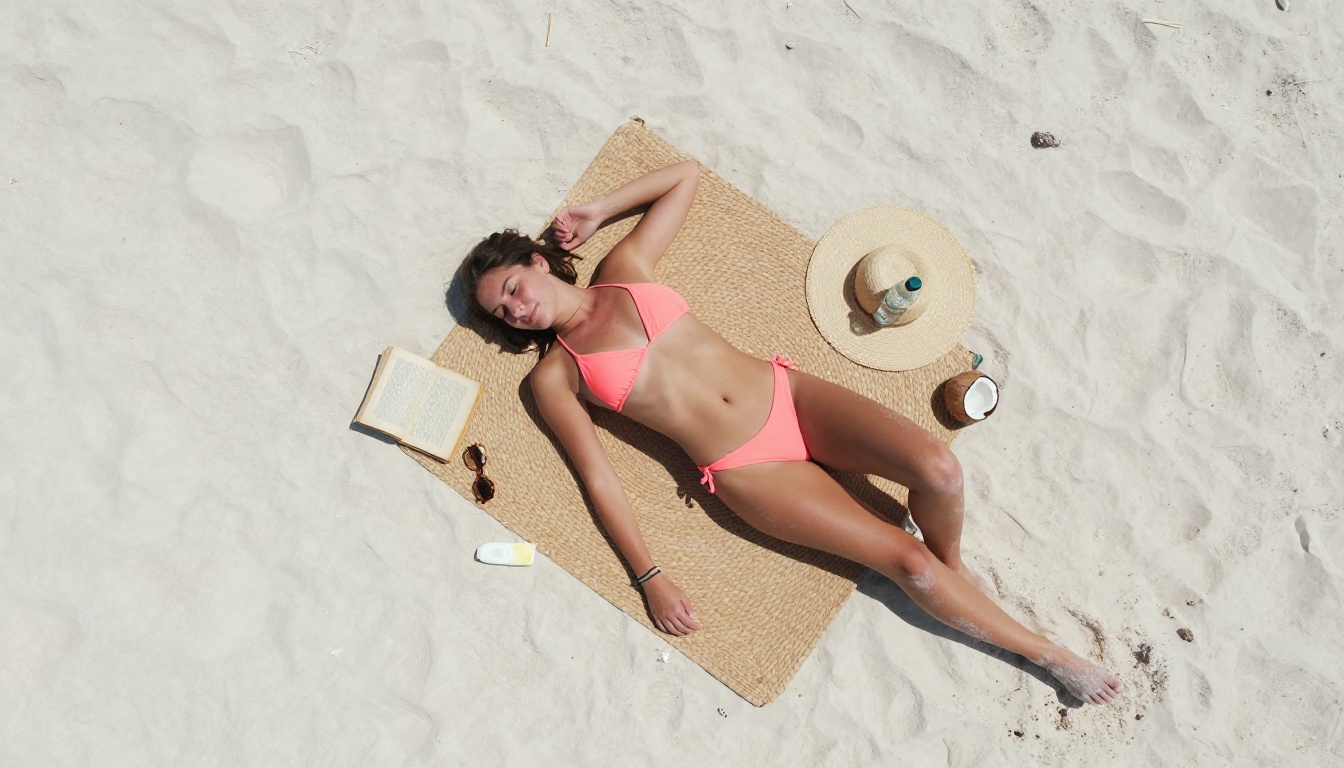
Which Model Fits Which Style
Different NSFW-adjacent creative needs call for different tools. Here's a practical breakdown:
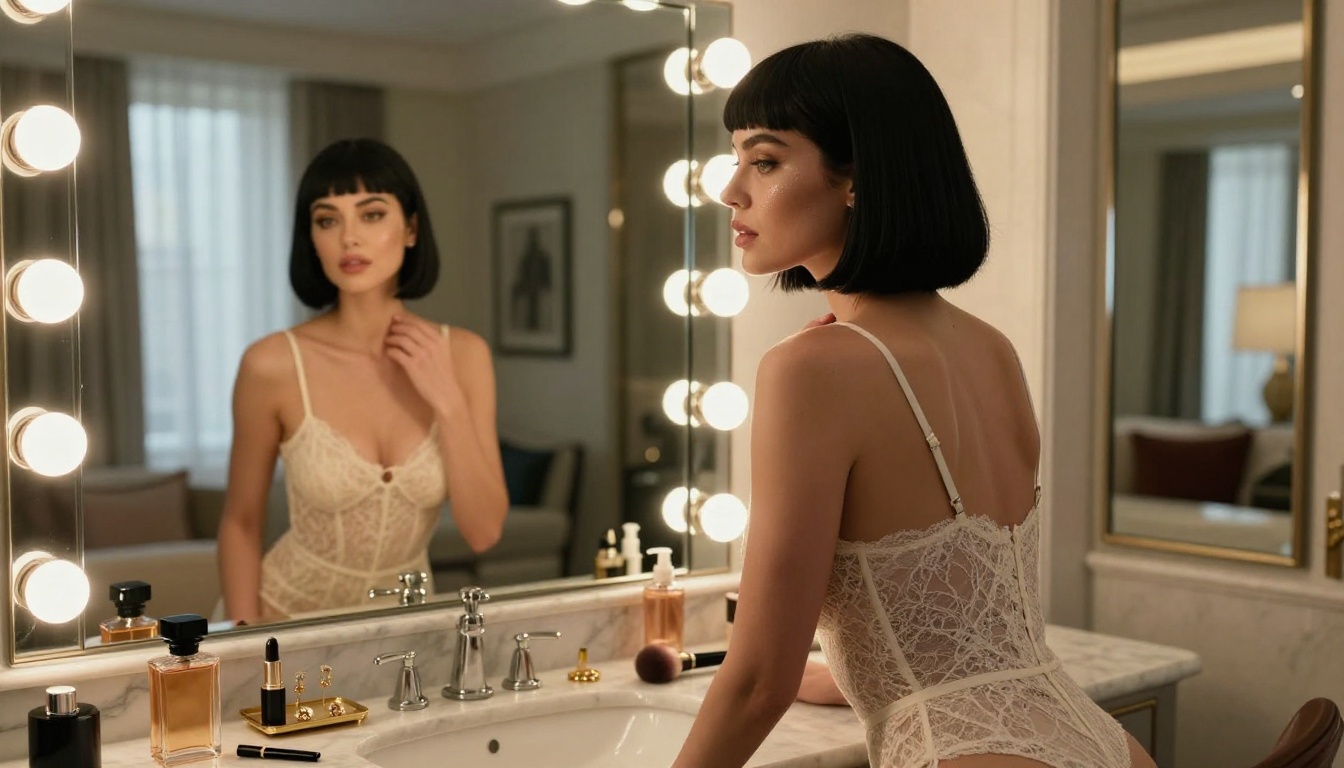
Beyond GPT Image 1.5, several models are directly competing for the mature creative content market in 2027.
Flux 2 Pro from Black Forest Labs is the most technically impressive photorealism engine currently available. Its rendering of human skin under various lighting conditions is genuinely remarkable. For fashion and glamour work, it remains the top pick for professionals who need that extra layer of realism.
Flux Kontext Max brings a unique capability: contextual editing of existing images. This is significant for NSFW-adjacent work because it allows iterative refinement. You generate a base image, then use Flux Kontext Max to adjust wardrobe, lighting, or pose without regenerating from scratch. This saves enormous time in professional workflows.
Seedream 4.5 from ByteDance brings a softer, more cinematic aesthetic. Its output has a natural warmth and film-like quality that suits boudoir and lifestyle photography particularly well.
Beyond Still Images
PicassoIA's platform extends well beyond text-to-image. For creators building content workflows, these capabilities pair naturally with NSFW-adjacent image work:
- Face Swap AI enables realistic face replacement for compositing
- AI Image Restoration fixes and upscales generated images for print-quality output
- Super Resolution upscales results 2x to 4x for large-format applications
- Video Effects with 500+ options can animate and stylize generated images for social content
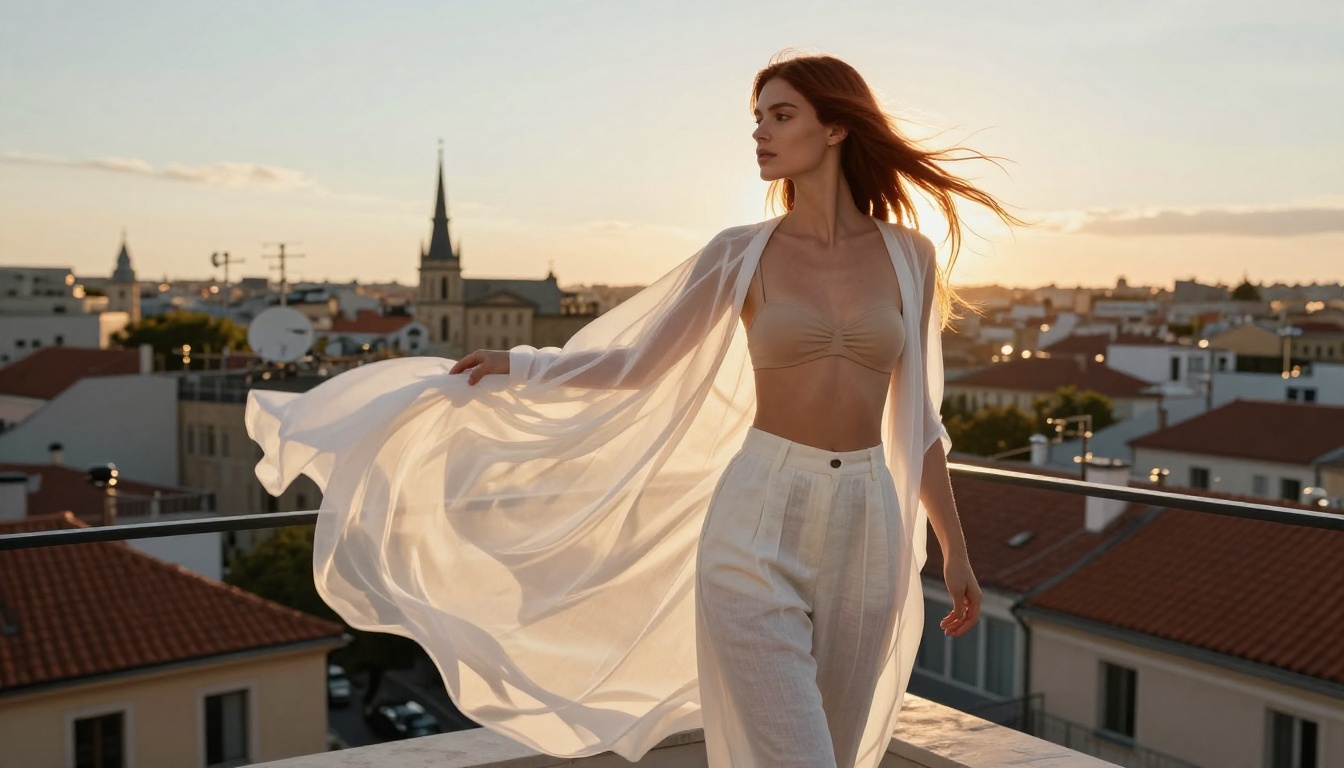
What Real Users Are Creating
Glamour and Fashion Campaigns
The largest category of use cases centers on glamour photography. AI-generated fashion campaigns, editorial content for blogs, lookbook imagery for clothing brands, and influencer content templates are all being produced at scale using tools like GPT Image 1.5 and Flux 1.1 Pro Ultra.
The quality threshold has crossed a critical point. AI-generated fashion imagery at 8K resolution with proper prompting is genuinely usable in professional contexts. The days of "uncanny valley" AI portraits are behind us for the top-tier models.
Boudoir-Style Portraits
Boudoir photography has a long, legitimate artistic history. AI tools now make this aesthetic accessible to creators who don't have access to professional studios, models, or equipment. The output from Realistic Vision v5.1 and Flux 2 Pro in this style is particularly strong, capturing the intimate lighting and soft-focus aesthetics characteristic of the genre.
Concept Art and Reference Generation
Concept artists use AI NSFW generation for reference material when designing characters or scenes involving the human form. Instead of expensive model sessions or limited stock photography, they generate custom reference images matching their exact compositional needs. GPT Image 1.5 is especially popular for this use case because of how accurately it interprets complex scene descriptions.
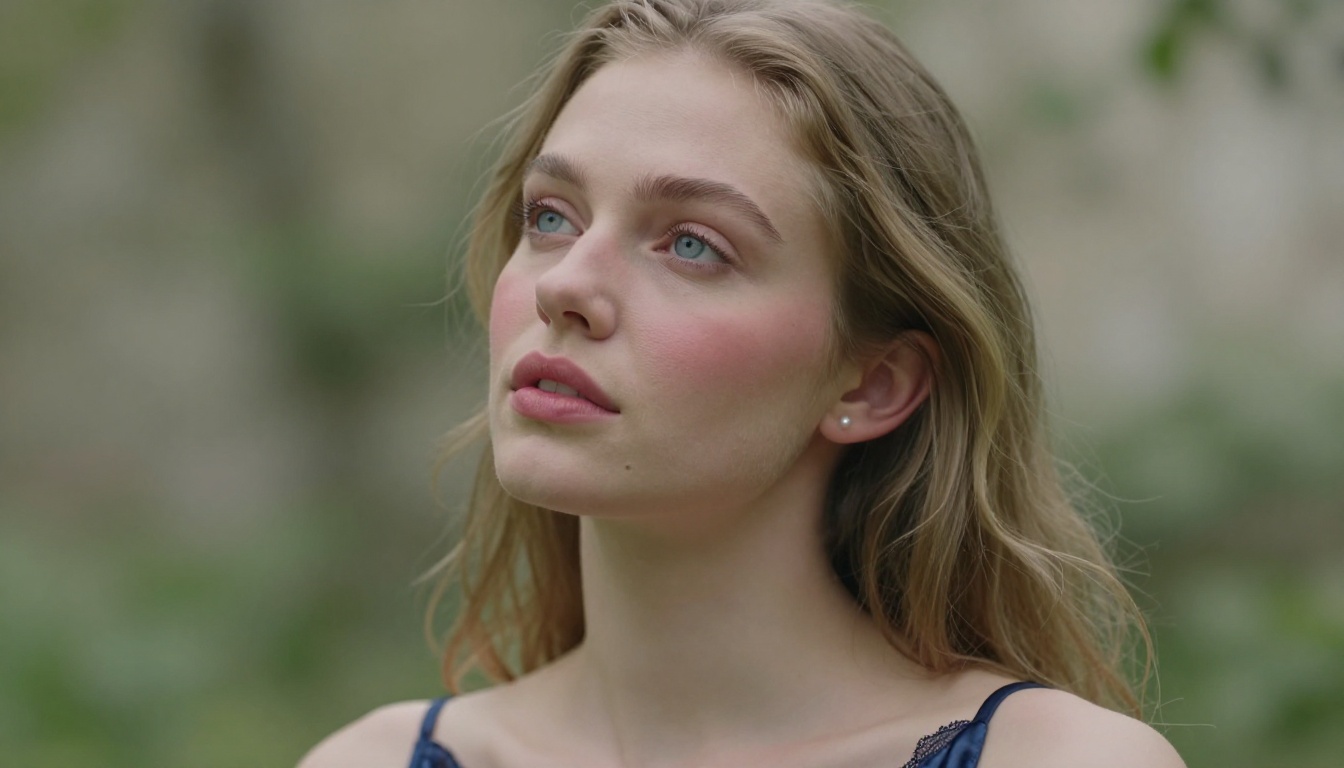
Now It's Your Turn
The tools are here. The restrictions that held back creative AI for years are finally being dialed back in meaningful ways. GPT 5.4's NSFW capabilities represent a real shift in what's possible, and platforms like PicassoIA put the full range of AI image generation models directly in your hands with no API setup, no billing configuration, and no technical overhead.
Whether you want to work with GPT Image 1.5 for its exceptional prompt accuracy, reach for Flux 2 Pro for cinematic photorealism, or experiment with Realistic Vision v5.1 for authentic boudoir aesthetics, you have 91+ text-to-image models waiting.
The creative freedom you've been waiting for is already there. Start generating and see what's actually possible now.


