The AI image generation landscape just got another serious player worth paying attention to. Alibaba Cloud's Tongyi Wanxiang 2.6 represents the latest iteration of one of China's most capable text-to-image platforms, and the improvements in this release are substantial enough to change how creative professionals think about non-Western AI tools. Whether you are producing content for Asian markets, building multilingual creative pipelines, or simply want to know how the field is moving, Wanxiang 2.6 deserves a clear-eyed look.

What Tongyi Wanxiang 2.6 Actually Is
Tongyi Wanxiang (通义万象) translates roughly to "all-encompassing vision of meaning" in Chinese, which is appropriately ambitious for a platform designed to handle everything from photorealistic image generation to video synthesis and multimodal content understanding.
The 2.6 release builds on the foundation of Alibaba's broader Tongyi family of AI models, which includes large language models, speech recognition, and video generation tools. It is not a standalone consumer app but rather an API-first platform targeted at enterprise developers, content creators, and platform builders within the Alibaba Cloud ecosystem.
The Architecture Behind It
Tongyi Wanxiang 2.6 uses a diffusion-based architecture with transformer components, similar in principle to how models like Stable Diffusion 3 operate. What differentiates it is the training dataset, which heavily includes high-quality Chinese-language imagery, culturally specific visual references, and multilingual prompt conditioning.
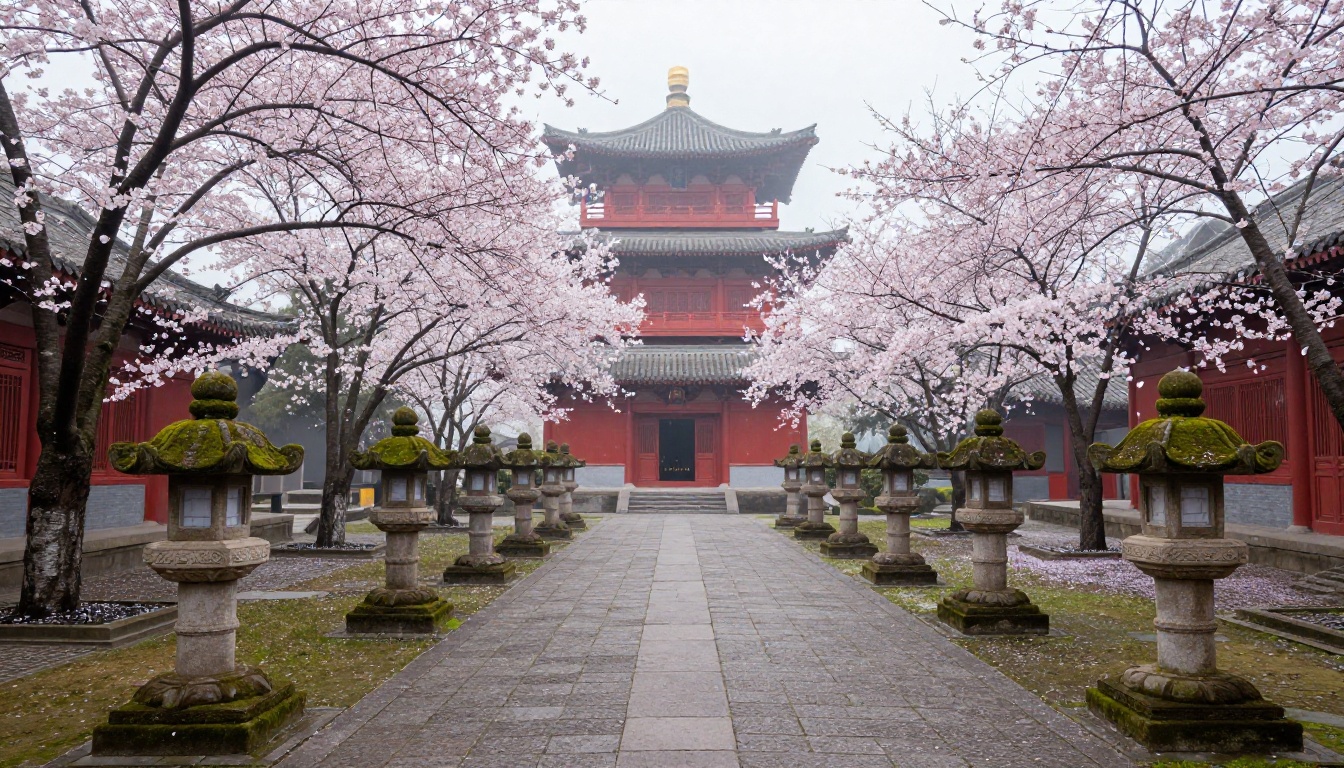
This matters in practice. When you prompt in Chinese or reference culturally specific concepts, the model shows significantly better alignment than Western-trained alternatives. Japanese anime aesthetics, traditional ink wash painting styles, and East Asian architectural references all render with notably higher accuracy compared to models primarily trained on English-language web data.
Alibaba's AI Ambition
Tongyi Wanxiang exists within Alibaba Cloud's wider AI strategy. The same infrastructure powering Alibaba's e-commerce platforms, including real-time product image generation and automated creative production at scale, drives continued investment in visual synthesis capabilities. The 2.6 version specifically addresses three areas the team publicly acknowledged as weaknesses in prior releases: text legibility in generated images, prompt adherence for complex multi-subject scenes, and consistency in high-resolution output above 2K resolution.
What Changed in Version 2.6
Sharper Text in Generated Images
One of the most persistent problems across all AI image generators has been text rendering. Words and letters within generated images frequently appear blurry, scrambled, or stylistically inconsistent. Tongyi Wanxiang 2.6 shows measurable improvement here.
The model can now accurately render short text phrases, brand names, and signage when prompted explicitly. This is significant for commercial applications like product mockups, social media creative assets, and advertising materials where legible text is non-negotiable.
💡 Practical tip: Even with these improvements, keeping in-image text to a maximum of 3 to 5 words produces consistently better results. Complex sentences still degrade in legibility at smaller sizes.
Better Multi-Subject Composition
Prior versions struggled when prompts described scenes with multiple distinct human subjects or objects requiring precise spatial relationships. Version 2.6 introduces improved spatial attention mechanisms that result in cleaner separation between subjects and more accurate rendering of described relationships like "woman standing behind a man seated at a table."
This improvement directly affects commercial photography use cases, fashion shoots, and product lifestyle imagery where composition control is essential.
Resolution Handling Above 2K
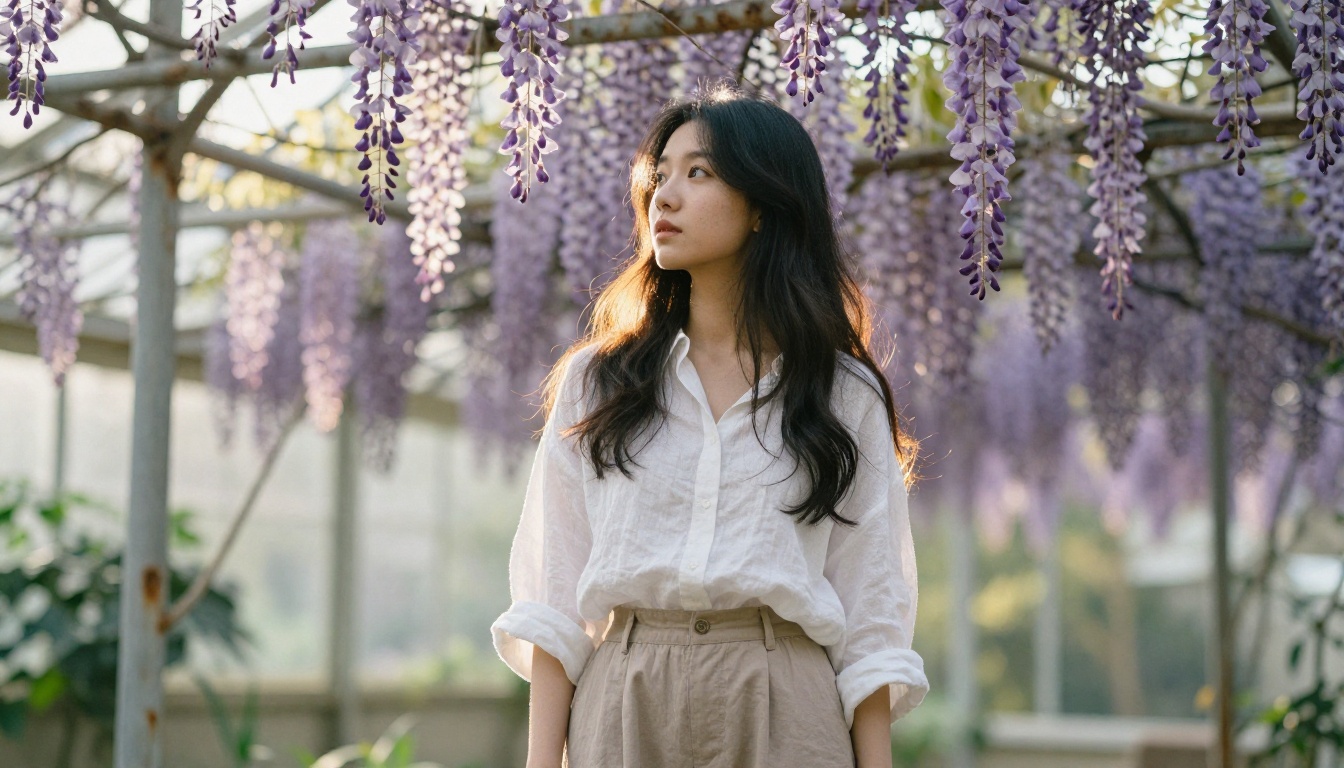
Wanxiang 2.6 supports native generation at resolutions up to 4096 x 4096 pixels for certain output modes, with improved detail consistency at larger sizes. Previous versions showed significant degradation in fine details like fabric texture, skin pores, and hair strands when upscaled or generated at large dimensions.
The improvement is visible: close-up portrait crops from 4K generations show individual pore-level detail on skin, individual hair strand clarity, and fabric weave patterns that previously required post-processing upscaling tools to achieve.
How It Compares to the Competition
This is where context matters most. Tongyi Wanxiang 2.6 does not exist in isolation. It sits in a crowded market of high-capability text-to-image systems, and the comparison story is more nuanced than a simple ranking.
Against Western Frontier Models
The table tells an interesting story. For general-purpose photorealism with easy access, Flux 1.1 Pro Ultra Finetuned and GPT Image 2 are still stronger overall performers for Western-centric content. Where Wanxiang 2.6 pulls ahead is in culturally specific content and the Alibaba cloud integration stack.
Against Chinese AI Competitors
The more interesting competition is within the Chinese AI ecosystem itself.
ByteDance's Seedream 4.5 has emerged as a serious rival, with particularly strong performance on 4K output and creative diversity. ByteDance's advantage is the TikTok and Douyin creative data pipeline, which gives Seedream strong alignment on contemporary visual trends.
Tencent's Hunyuan Image 2.1 competes directly in the enterprise multimodal space. Hunyuan has historically stronger integration with WeChat's content ecosystem, while Wanxiang 2.6 has deeper ties to Alibaba's e-commerce and cloud infrastructure.
ByteDance's Dreamina 3.1 targets the cinematic 4MP photography niche and shows competitive results in editorial and fashion imagery.
The three-way competition between Alibaba, ByteDance, and Tencent is driving significant capability improvements at a pace that Western observers often miss.
💡 Worth knowing: These Chinese AI models are all accessible through PicassoIA's platform, meaning you can test them without navigating enterprise API contracts or China-region cloud accounts.
What Wanxiang 2.6 Actually Does Well
Photorealistic Human Subjects
Portrait generation in Wanxiang 2.6 is genuinely strong, particularly for East Asian subjects. The model has substantially better training representation for diverse East Asian facial features, skin tones, and hair types compared to models primarily trained on English-language datasets.
For brands or creators producing content for Chinese-speaking markets, this is not a minor advantage. Generating photorealistic lifestyle imagery, product placement photography, and fashion content featuring Asian subjects with consistent quality has historically required significant post-processing or specialized fine-tuned models.
Handling Traditional Aesthetics
The model's handling of traditional Chinese visual styles is where it stands apart most clearly from any Western alternative:
- Ink wash painting (水墨画) prompts produce results with authentic brushstroke character and tonal gradation
- Traditional architecture, including Tang and Song dynasty structures, renders with historically accurate proportions
- Festival and ceremonial imagery (Lantern Festival, Spring Festival, Mid-Autumn) shows culturally aware composition
- Traditional textiles, including silk embroidery patterns and hanfu fabric details, show high accuracy
This extends to Japanese and Korean aesthetic references as well, though with somewhat less consistency than purely Chinese cultural content.
E-Commerce Product Photography
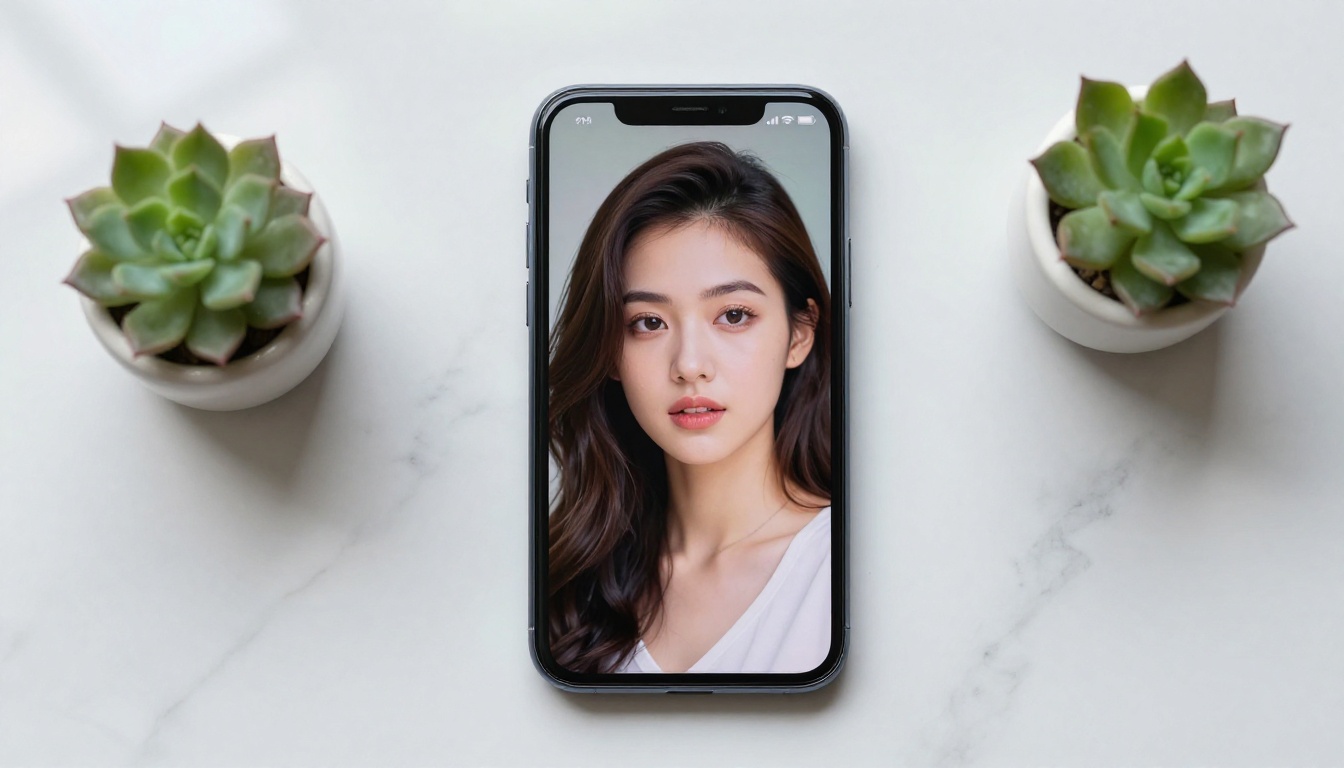
This is arguably Wanxiang 2.6's strongest real-world application. Alibaba's core business is e-commerce, and the model has been explicitly optimized for commercial product photography use cases.
Generated results for product lifestyle shots, clean white background product images, and contextual product placement images show strong commercial quality with consistent lighting control and surface material accuracy. For sellers on Taobao, Tmall, or Alibaba's international platforms, this functionality has direct revenue implications.
Where It Still Struggles
Accessibility for Global Developers
This is the most significant practical limitation. Tongyi Wanxiang 2.6 is primarily accessible through Alibaba Cloud's DashScope API, which requires:
- A Chinese phone number or verified Alibaba Cloud account for full access
- Documentation primarily in Chinese with partial English translation
- Pricing structured around RMB with international billing complexity
- Latency considerations for users physically distant from Alibaba's server regions
For developers outside China, getting production access to Wanxiang 2.6 involves friction that comparable Western APIs do not impose. This is a real barrier to adoption regardless of the model's technical quality.
Prompt Engineering Differences

Users accustomed to prompt styles optimized for Flux Kontext Dev or Wan 2.7 Image Pro will find that Wanxiang 2.6 requires prompt adjustments. The model responds differently to Western-centric quality modifiers like "Kodak Portra" or "Leica lens" and benefits from more descriptive scene construction rather than keyword stacking.
English prompts work, but the model's best performance comes from:
- More explicit spatial descriptions of scene layout
- Chinese artistic terminology used in English transliteration
- Lighting descriptions instead of Western camera or film brand references
- Longer, structured prompts over short keyword lists
Anatomy and Complex Poses
Like most current-generation diffusion models, Wanxiang 2.6 still struggles with complex human anatomy in unusual poses. Hands, feet, and multi-person interactions in physically demanding arrangements can produce anatomical errors that require regeneration or inpainting correction. This is an industry-wide limitation, not specific to Wanxiang, but worth knowing before committing to it for a production pipeline.
The Broader Shift in 2027: Asian AI

The development of Tongyi Wanxiang, Seedream, Hunyuan, and similar platforms reflects a broader shift in the AI landscape. For the first time, non-Western AI image models are competitive with the global frontier on general quality metrics, while offering genuine advantages in specific cultural and commercial contexts.
This is not a story about catching up. Models like Seedream 4.5 and Wanxiang 2.6 are producing results that hold their own against Flux 1.1 Pro Ultra Finetuned and GPT Image 2 in head-to-head comparisons on standard image quality benchmarks.
The implications for global creative production are significant:
- Multilingual creative teams now have AI tools that understand their cultural context without requiring Western-aesthetic workarounds
- Asian market content production can happen with tools built specifically for that visual vocabulary
- Enterprise AI buyers in Asia-Pacific have genuine alternatives to Western cloud AI providers with comparable quality
💡 The real shift: The quality gap between Chinese and Western AI image generators has effectively closed in 2027. The differentiation is now about access, integration ecosystem, cultural specialization, and specific capability strengths, not raw output quality.
Why Multimodal Training Matters Here
Tongyi Wanxiang 2.6 is part of a broader multimodal AI architecture that Alibaba has built to handle text, image, audio, and video understanding in a unified model family. This approach, where different modalities share representations and training signals, is increasingly the direction the entire field is moving.
The practical benefit for image generation specifically is better semantic understanding of prompts. When you describe "a bowl of freshly cooked rice with steam rising, photographed for a restaurant menu," a multimodal model has contextual understanding of what restaurant menu photography means visually, not just as a text label. This is part of why Wanxiang 2.6 handles culturally specific food photography and lifestyle imagery so well.
Best Alternatives Available Right Now

Since direct access to Tongyi Wanxiang 2.6 involves meaningful friction for most global users, these alternatives provide comparable capabilities and in some cases better performance for specific use cases.
Top Picks for Photorealistic Output
GPT Image 2 is currently one of the strongest available models for photorealistic output with accurate text rendering and strong prompt adherence across a wide variety of subject matter.
Flux 1.1 Pro Ultra Finetuned delivers 4MP output with exceptional fine detail on skin, fabric, and surface textures, making it the right choice for portrait and product photography use cases.
Wan 2.7 Image Pro offers 4K resolution generation with strong handling of complex scenes and environmental detail.
For East Asian Aesthetics Specifically
Qwen Image Edit Plus from Alibaba's Qwen team is available on PicassoIA and shares architectural roots with the Tongyi family. It offers strong performance on Asian cultural imagery with built-in editing capabilities, making it the closest accessible relative to Wanxiang 2.6.
Seedream 4.5 from ByteDance has exceptional quality for East Asian aesthetic styles alongside strong general photorealism at 4K output sizes.
Hunyuan Image 2.1 from Tencent provides a direct competitive alternative with strong 2K output and reliable cultural aesthetic handling.
When Speed Matters More Than Resolution
Gemini 2.5 Flash Image is the best option when generation speed matters most, with very fast output suitable for rapid concept iteration and multiple prompt variations.
Start Creating With These Models Today
The models in this article are available right now on PicassoIA. You do not need an Alibaba Cloud account, a Chinese phone number, or an enterprise API contract to start generating photorealistic images with capabilities that rival or match Tongyi Wanxiang 2.6 for most use cases.
Whether you are producing product photography for an Asian market, generating portraits with East Asian aesthetic alignment, or testing how modern AI image generators handle culturally specific prompts, PicassoIA puts over 90 text-to-image models at your fingertips through a single accessible interface.
Start with Qwen Image Edit Plus if you want the closest architectural relative to Tongyi Wanxiang available outside Alibaba's ecosystem. Try Seedream 4.5 for high-resolution output with strong East Asian aesthetic quality. Or go straight to Flux 1.1 Pro Ultra Finetuned for the highest raw photorealism available at 4MP resolution.
The quality is there. The access is immediate. All you need is a prompt.


