Two AI image generators have been dominating conversations in creative communities: GPT Image 1.5 from OpenAI and Grok Imagine from xAI. Both claim to set a new bar for photorealistic output, prompt accuracy, and creative flexibility. But when you sit down and actually test them back-to-back, the differences are sharper than the marketing suggests.
This isn't a spec sheet review. These are real findings from running identical prompts through both models across multiple categories — portraits, product photography, landscapes, creative concepts, and text rendering. Let's see what holds up.
What Each Model Actually Does
Before diving into results, it's worth being clear about what you're dealing with under the hood.
GPT Image 1.5 in Plain Terms
GPT Image 1.5 is OpenAI's most recent image generation model, building on the architecture that made DALL-E 3 a professional staple. It's tightly integrated with natural language understanding, which means it's exceptionally good at parsing complex, multi-part prompts. The model renders text within images more reliably than almost any competitor — a feature that was notoriously unreliable in earlier AI image tools.
The visual output leans toward polished, commercially viable imagery. Colors are saturated but not garish. Compositions feel intentional. Human anatomy — faces, hands, posture — is significantly more consistent than in previous generations of the model.
Grok Imagine in Plain Terms
Grok Imagine is xAI's image generation model, integrated into the Grok ecosystem. It draws on a different training philosophy, prioritizing stylistic variety and creative interpretation over strict prompt adherence. The results can be stunning — and occasionally surprising in ways you didn't ask for.
Where Grok Imagine tends to stand out is in artistic mood. Images feel more cinematic, with a natural bias toward dramatic lighting and rich atmospheric depth. It's the kind of model that occasionally generates something better than what you described, and occasionally misses the brief entirely.
Side-by-Side Specs
| Feature | GPT Image 1.5 | Grok Imagine |
|---|
| Developer | OpenAI | xAI |
| Prompt Adherence | Very High | Moderate–High |
| Text in Images | Excellent | Good |
| Photorealism | High | Very High |
| Artistic Range | Moderate | Wide |
| Generation Speed | ~12–18 sec | ~8–14 sec |
| Aspect Ratio Control | Yes | Yes |
| API Availability | Yes | Limited |
| Available on PicassoIA | ✓ Yes | ✓ Yes |
💡 Speed note: Both models deliver results fast enough for professional workflows. The generation time difference becomes meaningful only when batch-producing large volumes of assets.
Prompt Following: Who Does It Better?
This is where the gap between the two models becomes most obvious in day-to-day use.
Where GPT Image 1.5 Shines
GPT Image 1.5 follows multi-clause prompts with remarkable fidelity. If your prompt says "a woman in a red wool coat standing at a rain-soaked subway entrance, warm street lights reflecting on wet pavement, no umbrella, looking down at her phone" — you'll get exactly that. All of it. Simultaneously.
This precision makes it the preferred choice for:
- Commercial briefs where specific elements must appear
- Storyboarding where scene consistency matters across frames
- Social media assets that require both visual and text elements to be accurate
- Product mockups where brand details need to be rendered correctly
The model essentially treats your prompt like a specification document — it reads every clause and renders accordingly.

Where Grok Imagine Pulls Ahead
Grok Imagine takes creative liberties. Sometimes those liberties improve the image. A prompt for "a cozy mountain cabin at dusk" might come back with cinematic snowfall you didn't request but immediately want. The lighting will be more dramatic, the atmosphere thicker.
This makes it stronger for:
- Mood-driven creative work where atmosphere matters more than specifics
- Concept art and exploratory visual development
- Lifestyle content that benefits from visual punch over literal precision
- Editorial photography styles where unexpected beauty is a feature
The tradeoff: if your prompt contains five specific elements, Grok Imagine might nail three beautifully and loosely interpret the remaining two.
Image Quality Under the Microscope
Both models produce high-quality output. The differences are in character, not capability.
Realism and Texture
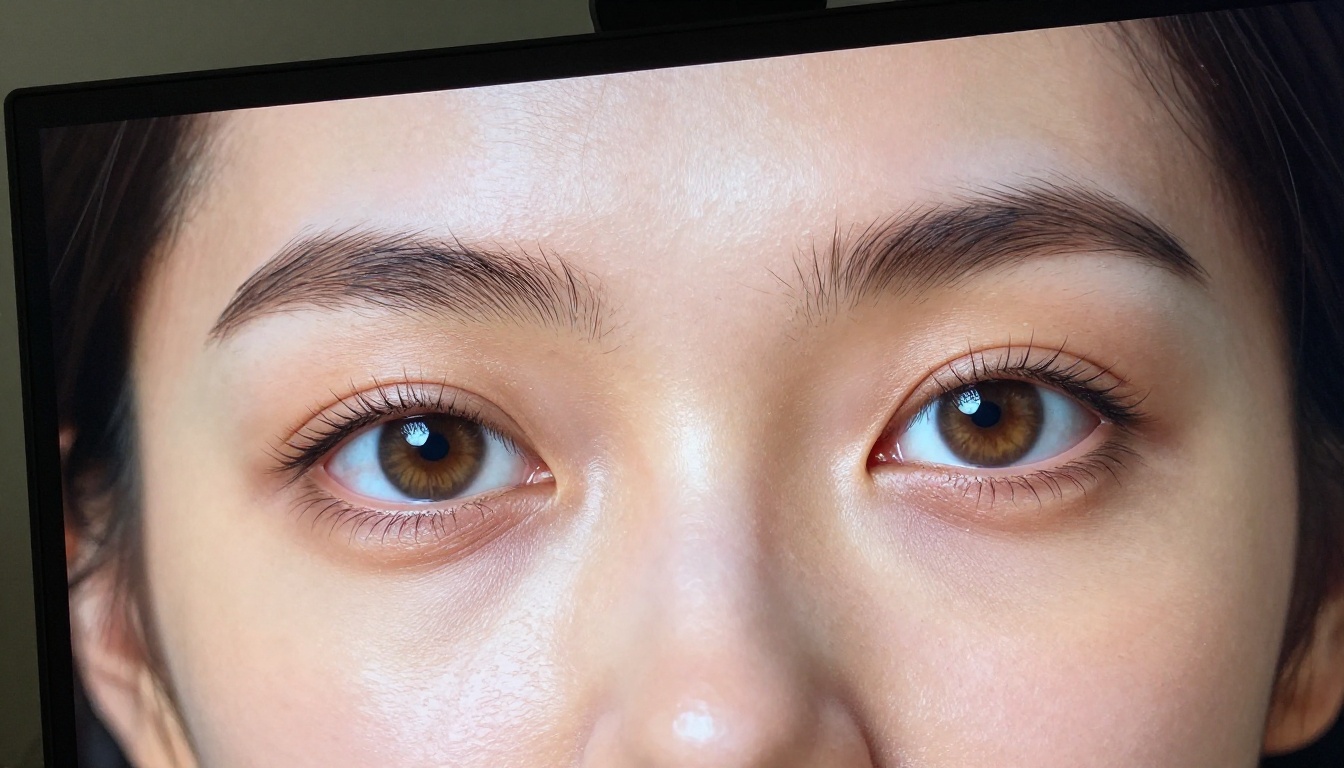
GPT Image 1.5 handles skin texture, fabric detail, and material surfaces with clinical accuracy. Pores, fabric weave, surface reflections — they're rendered with the kind of detail that makes images usable in professional print contexts. The downside: at 100% crop, images can occasionally feel slightly processed, almost too clean.
Grok Imagine leans into film-grain aesthetics and atmospheric haze. Portrait shots feel warmer, more organic. Background environments breathe. The trade-off is a slight reduction in technical precision at maximum zoom — but in most viewing contexts, this adds to perceived realism rather than subtracting from it.
Color Accuracy and Tone
| Scenario | GPT Image 1.5 | Grok Imagine |
|---|
| Neutral daylight scenes | Accurate, slightly cool | Warm, golden bias |
| Indoor artificial light | Excellent | Slightly overdriven |
| Golden hour and dusk | Good | Outstanding |
| Studio white backgrounds | Clean and accurate | Slightly warm cast |
| Black and white output | Excellent | Very Good |
💡 Pro tip: If your brief calls for warm, lifestyle-driven imagery, Grok Imagine's natural tonal bias works in your favor without any prompt adjustment. For neutral commercial photography, GPT Image 1.5 is the safer default.
Detail at Scale
When images are used at high resolution — large-format print, billboard, or display advertising — GPT Image 1.5 edges ahead. Its pixel-level consistency is more reliable. Grok Imagine's atmospheric processing occasionally introduces subtle artifacts at extreme magnification that aren't visible at web resolution.
Speed and Pricing Reality
How Fast Do They Generate?
Both models are fast by modern standards. In real-world testing:
- GPT Image 1.5 averages 12–18 seconds per image at standard quality
- Grok Imagine averages 8–14 seconds per image
The speed advantage of Grok Imagine is real but marginal in single-image workflows. It becomes meaningful when generating 50+ images in a session or running iterative batch work.
Cost Per Image
Pricing varies by access method and tier. Both models are accessible through PicassoIA — GPT Image 1.5 and Grok Imagine — which gives you a unified interface and predictable credit system for running both without managing separate API keys or billing accounts.
5 Real Use Cases Tested
Running theoretical comparisons only tells you so much. Here's how both models performed across five real-world prompt categories.
Portrait Photography
GPT Image 1.5: Consistent facial anatomy, correct hand rendering, accurate accessories. Skin tones are neutral and accurate across diverse subjects. Reliable for professional headshots and corporate imagery.
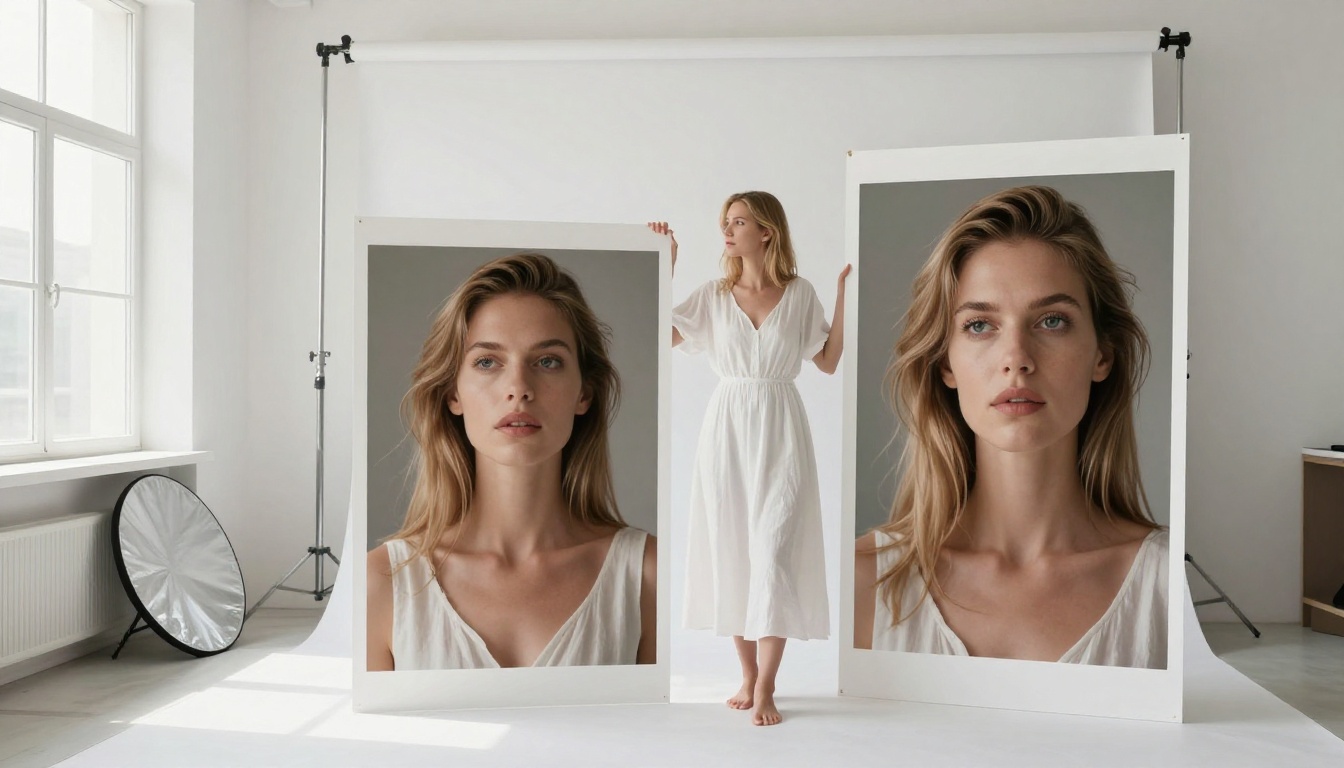
Grok Imagine: More flattering natural lighting bias, slightly more cinematic skin rendering. Better for lifestyle and editorial portrait work. Occasionally adds attractive background elements not specified in the prompt.
Winner: Tie — GPT for control, Grok for beauty.

Product Photography
GPT Image 1.5: Handles product shots with precise material rendering. Reflections on glass and metal are accurate. Text on packaging renders correctly — a significant advantage for product mockups and e-commerce assets.
Grok Imagine: Produces beautiful product imagery with stronger lifestyle context and atmosphere, but sometimes interprets the environment too liberally for strict commercial use.
Winner: GPT Image 1.5
Landscape and Nature
GPT Image 1.5: Clean, accurate landscape rendering. Weather and lighting conditions follow the prompt precisely. Predictable and consistent.
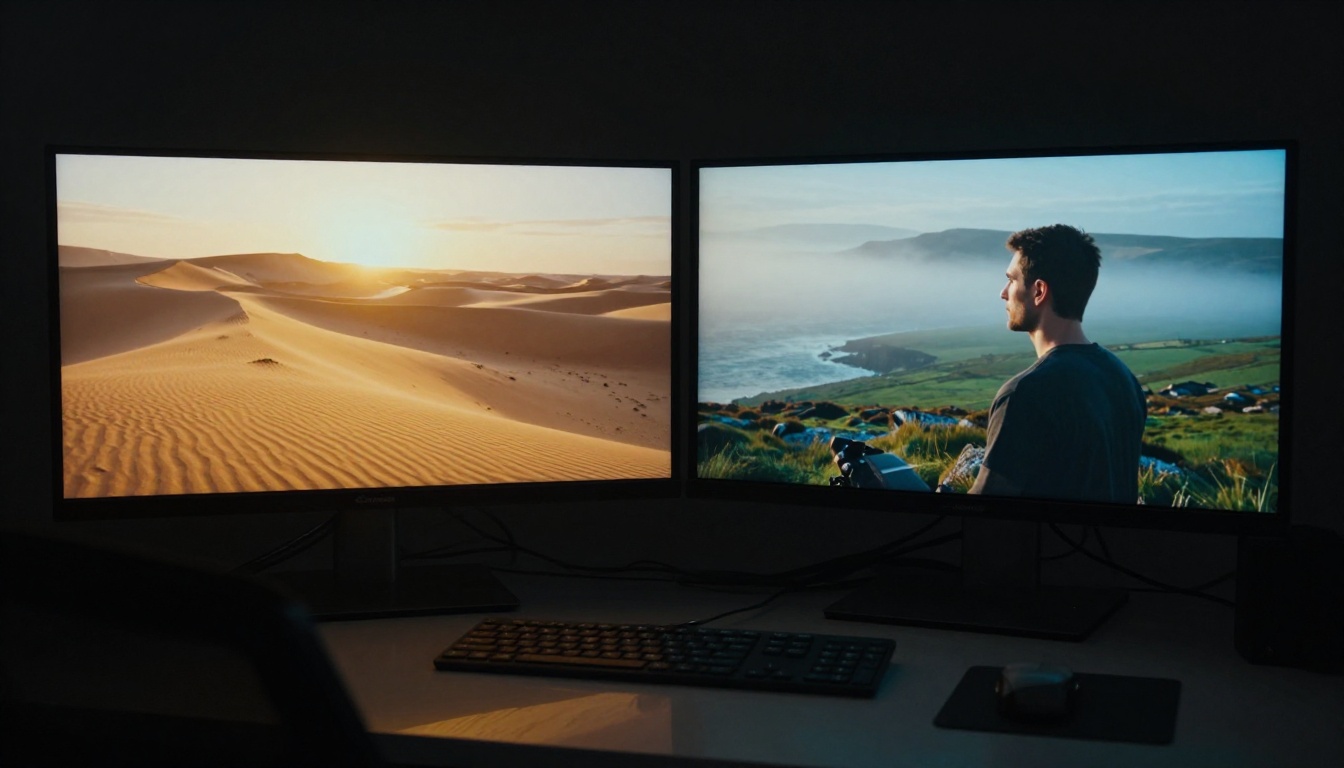
Grok Imagine: Atmospheric, dramatic, stunning. Mountain shots have weight. Ocean scenes have movement. Fog, mist, and golden hour are its natural habitat. The results regularly exceed what the prompt described.
Winner: Grok Imagine
Text in Images
Both models have improved dramatically over their predecessors, but GPT Image 1.5 still leads here. Sign text, labels, banners, and overlay typography render cleanly and correctly. Grok Imagine handles short words well but can introduce subtle distortions in longer strings or multi-word phrases.
Winner: GPT Image 1.5 (clear margin)
Creative Concepts
For abstract or conceptual prompts — surreal scenes, metaphorical imagery, mood-driven compositions — Grok Imagine's willingness to interpret rather than execute literally is a genuine asset. The results feel authored rather than generated.
Winner: Grok Imagine
How to Use Both on PicassoIA
Both models are available directly on PicassoIA, which means you can switch between them mid-project without juggling accounts or API credentials. Here's how to get the best out of each.
Using GPT Image 1.5 on PicassoIA
- Go to GPT Image 1.5 on PicassoIA
- Write your prompt with as much detail as possible — this model rewards specificity
- Select your desired aspect ratio (16:9 for landscape, 1:1 for social posts, 9:16 for vertical formats)
- Use maximum quality settings for commercial deliverables; standard works well for ideation rounds
- If you need text rendered in the image, enclose the exact string in quotation marks within your prompt
- Generate and download directly in high resolution
Prompt tips for GPT Image 1.5:
- Describe the scene, then the lighting, then the camera angle — in that order
- Specify what you don't want explicitly (e.g., "no text", "no people") — it follows negative cues reliably
- Include material textures directly: "brushed aluminum", "matte white ceramic", "worn raw denim"
Using Grok Imagine on PicassoIA
- Open Grok Imagine Image on PicassoIA
- Write shorter, mood-focused prompts — verbosity can work against you here
- Lead with atmosphere and feeling: "golden hour", "overcast moody", "warm intimate evening"
- Generate multiple variations — Grok Imagine benefits from iteration more than GPT Image 1.5
- Use the results as starting points for refinement rather than expecting first-shot precision on complex briefs
Prompt tips for Grok Imagine:
- Prioritize mood descriptors over technical specifications
- Let the model fill in environmental details — they're often more interesting than what you'd specify
- For portraits, simple clear setups yield stronger results than multi-element complex scenes
Which One Should You Pick?
There's no universal answer, and anyone telling you otherwise hasn't tested both enough.
Choose GPT Image 1.5 when:
- You need precise, multi-element prompt adherence
- Text in images is a hard requirement
- Output goes to commercial print or professional client deliverables
- Consistency across a batch matters more than individual image drama
Choose Grok Imagine when:
- Atmosphere and mood are the primary brief
- You want creative surprise and variation in the output
- Lifestyle, editorial, or artistic imagery is the goal
- You're iterating toward a result rather than executing a defined spec
💡 The real power move? Use them together. Prototype with Grok Imagine to find the right mood and composition, then execute final assets with GPT Image 1.5 for precision and consistency. PicassoIA makes switching between both models completely seamless.
For teams running high-volume image production, it's also worth testing Flux 2 Pro and Seedream 4 on PicassoIA — both offer strong performance in specific niches that complement what GPT Image 1.5 and Grok Imagine do well.
Try Both Right Now
The fastest way to form your own opinion is to run the same prompt through both models and compare the outputs directly. Head to GPT Image 1.5 and Grok Imagine on PicassoIA, pick a subject you actually work with regularly, and spend 10 minutes testing.
You'll land on a clear preference faster than any review article can tell you. And when you're ready to push further, the full collection of text-to-image models on PicassoIA — from Flux 2 Pro to Seedream 4 to Flux 1.1 Pro Ultra — means you're never locked into a single tool's strengths or limitations.