The way creators communicate is undergoing a fundamental shift, and at the center of this transformation sits Grok 4, an advanced conversational AI that's rewriting the rules of creative collaboration. Unlike previous iterations where AI served as mere tools, Grok 4 introduces a conversational paradigm that feels less like interacting with software and more like collaborating with an experienced creative partner who understands context, nuance, and the specific challenges creators face daily.

What Grok 4 Brings to Creative Conversations
The conversational interface of Grok 4 represents a significant departure from traditional AI interactions. Where older models like GPT-4 or even Claude 3.5 Sonnet operated on single-query, single-response patterns, Grok 4 maintains context across extended conversations, remembers creative preferences, and adapts its communication style based on the creator's workflow.
💡 Context Retention: Grok 4 remembers your entire creative session, from initial brainstorming to final refinements. This means you can reference ideas from hours earlier without repeating context, creating a continuous creative flow rather than disjointed interactions.
Three Core Conversational Improvements
- Natural Dialogue Flow: The AI responds to incomplete thoughts, follows conversational threads, and asks clarifying questions when creative intent isn't clear
- Creative Tone Matching: Grok 4 adapts its communication style—from technical precision for developers to inspirational language for artists
- Multi-modal Understanding: While primarily text-based, the model understands references to visual concepts, audio elements, and creative constraints
How Content Creation Workflows Are Changing
For writers, bloggers, and content creators, Grok 4 introduces conversation-driven ideation that feels more like collaborating with an editor than using a tool. The AI doesn't just generate content—it discusses structure, suggests alternative angles, and helps refine messaging through back-and-forth dialogue.
Writing Process Transformations
| Traditional Workflow | Grok 4 Enhanced Workflow |
|---|
| Research → Outline → Write | Conversational ideation → Collaborative outlining → Interactive writing |
| Single AI query for entire article | Ongoing dialogue throughout creation process |
| Static feedback at completion | Real-time suggestions during writing |
| Manual research and fact-checking | Integrated research with source verification |
The biggest shift: Writers report spending less time staring at blank pages and more time engaged in productive conversation about their content. The AI serves as both sounding board and research assistant, available 24/7 without scheduling constraints.

Visual Artists and Design Collaboration
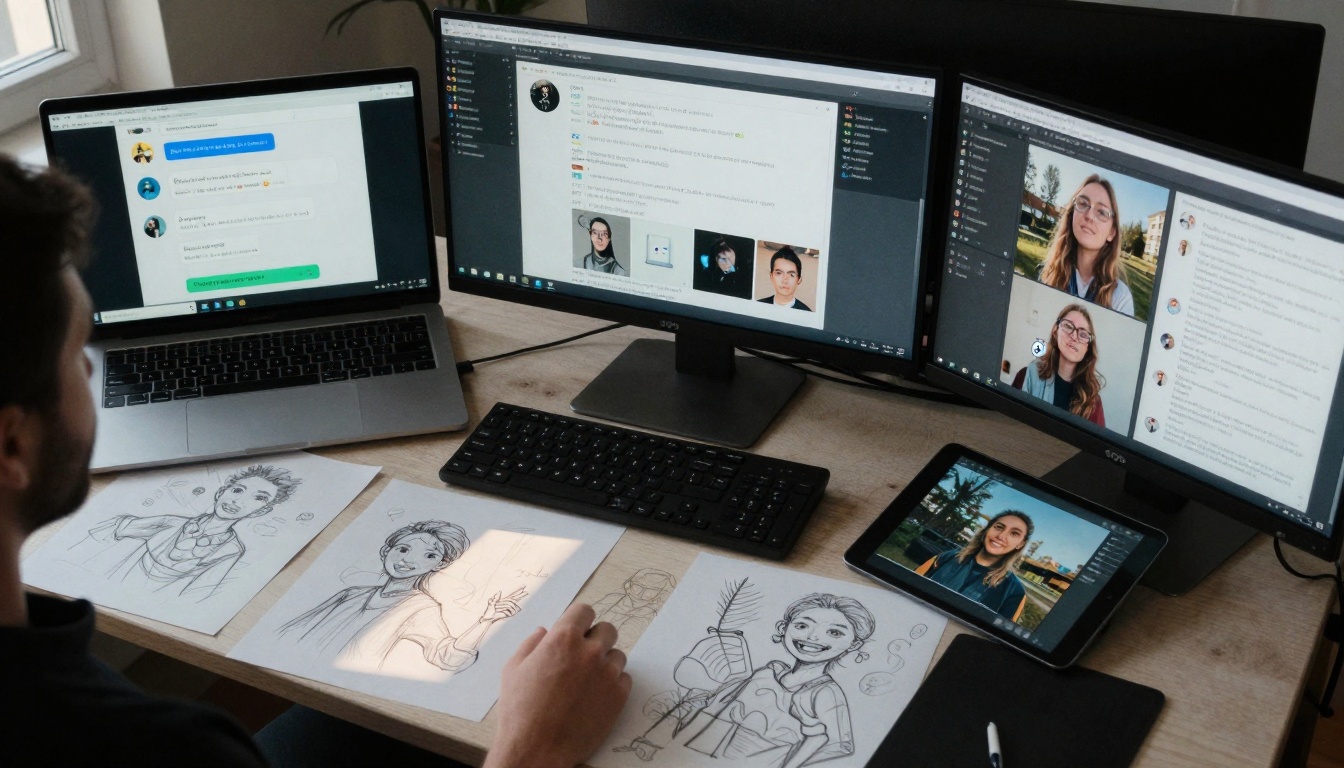
For visual creators, the conversational nature of Grok 4 bridges the gap between verbal concepts and visual execution. While it doesn't generate images like Flux 2 or Stable Diffusion, it excels at discussing visual concepts, composition principles, and creative direction.
Design Conversation Patterns
Creative directors use Grok 4 to:
- Discuss mood boards and visual references
- Refine creative briefs through dialogue
- Explore alternative visual approaches
- Troubleshoot design challenges conversationally
Individual artists benefit from:
- Continuous creative feedback during work sessions
- Technical advice without interrupting flow
- Historical context of previous projects and decisions
- Style consistency discussions across multiple pieces
💡 Visual Language Translation: Grok 4 helps translate vague creative concepts ("I want something that feels organic but structured") into specific visual language that can then be used with image generation models.
Video and Audio Production Workflows
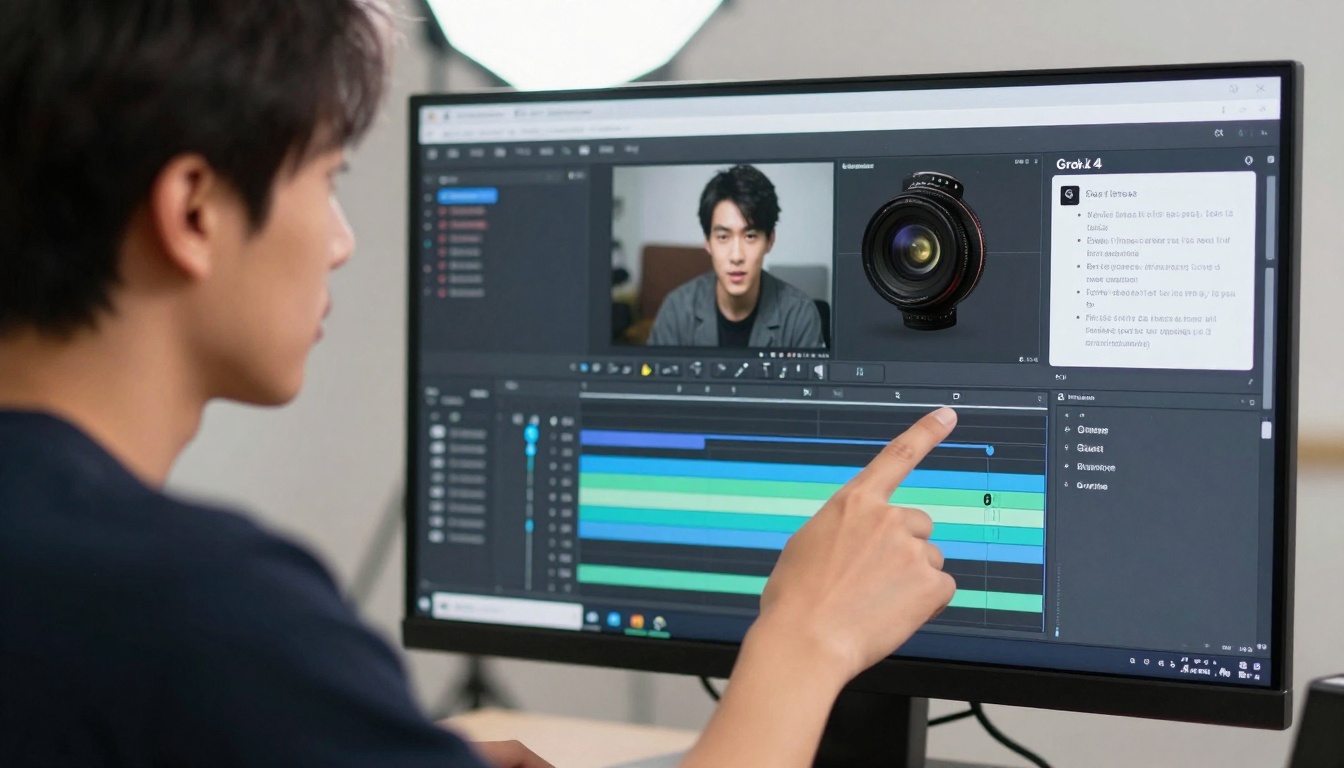
In video production, Grok 4's conversational capabilities transform pre-production planning and post-production problem-solving. Unlike working with specialized video AI like Sora 2 Pro or Veo 3.1, Grok 4 focuses on the planning and conceptual stages.
Production Phase Improvements
Pre-production conversations include:
- Script development through dialogue
- Shot list optimization
- Equipment planning based on creative goals
- Budget and timeline discussions
During production:
- Real-time problem solving for technical issues
- Creative decision support on location
- Continuity and consistency checks
Post-production:
- Editing workflow discussions
- Color grading decisions
- Audio mixing suggestions
- Distribution strategy planning
For social media managers and community builders, Grok 4 changes how creators interact with their audiences. The conversational model helps craft responses, plan engagement strategies, and maintain consistent brand voice across platforms.
Engagement Strategy Shifts
Content Planning:
- Conversational content calendar development
- Platform-specific tone adjustments
- Trending topic integration discussions
- Audience response prediction
Community Management:
- Response crafting for comments and messages
- Crisis communication planning
- Community guideline development
- Moderation strategy discussions
Analytics Interpretation:
- Performance data conversation
- Growth strategy adjustments
- Content optimization based on engagement patterns
- Platform algorithm adaptation discussions
Music and Audio Creation
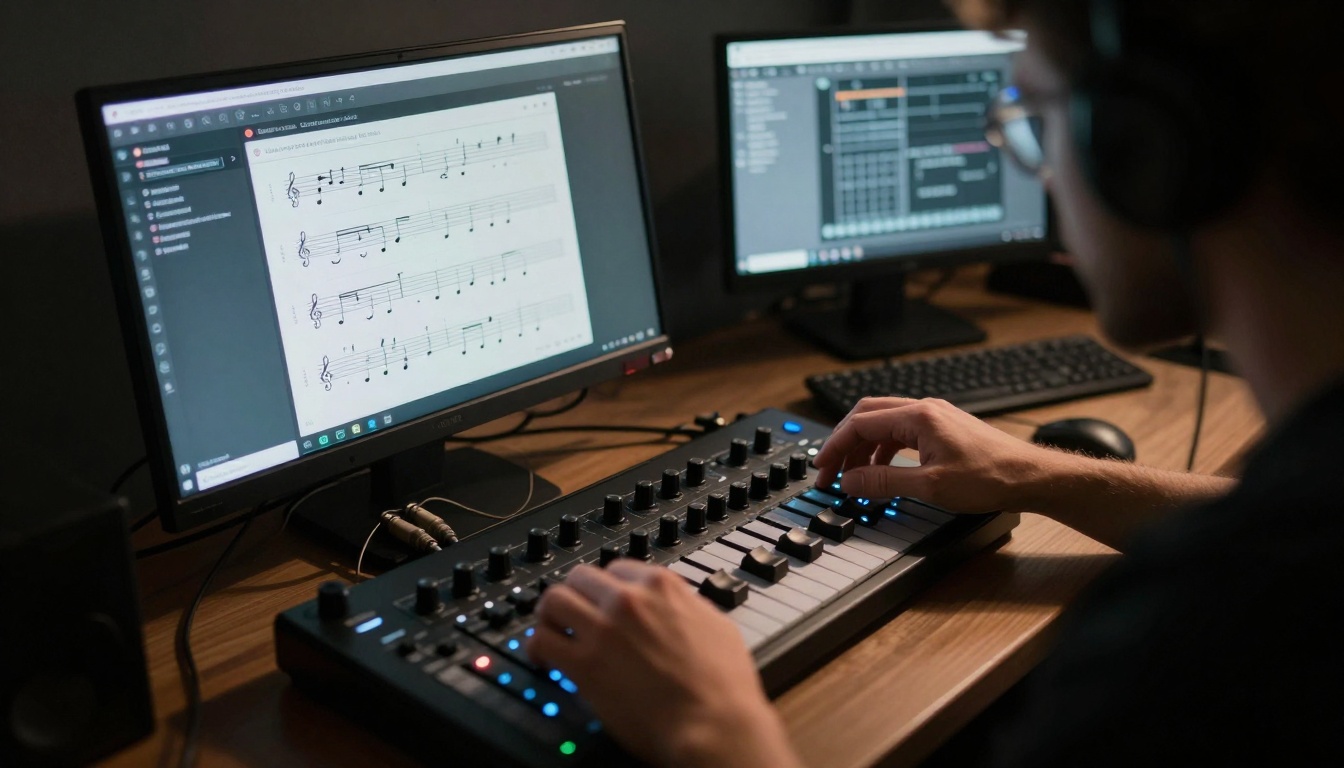
Musicians and audio producers find Grok 4 particularly valuable for discussing abstract musical concepts that don't translate well to traditional search or query interfaces. While specialized audio AI like Music 1.5 generates actual music, Grok 4 excels at the conceptual conversation around music creation.
Musical Collaboration Patterns
Composition discussions include:
- Harmonic progression explorations
- Melodic development conversations
- Instrumentation choices and alternatives
- Genre blending possibilities
Production conversations cover:
- Mixing and mastering approaches
- Technical problem solving
- Workflow optimization
- Creative constraint discussions
Business aspects:
- Release strategy planning
- Audience targeting discussions
- Promotion and marketing conversations
- Collaboration opportunity identification
For game developers and interactive media creators, Grok 4 facilitates complex discussions about narrative, mechanics, and player experience that require sustained conversation rather than single queries.
Development Conversation Areas
Narrative Design:
- Character development through dialogue
- Plot structure discussions
- World-building consistency checks
- Player choice and branching conversation
Game Mechanics:
- Balance discussions across extended sessions
- Progression system conversations
- Difficulty curve planning
- Player feedback interpretation
Technical Implementation:
- Code architecture discussions
- Performance optimization conversations
- Cross-platform consideration dialogues
- Bug and issue troubleshooting
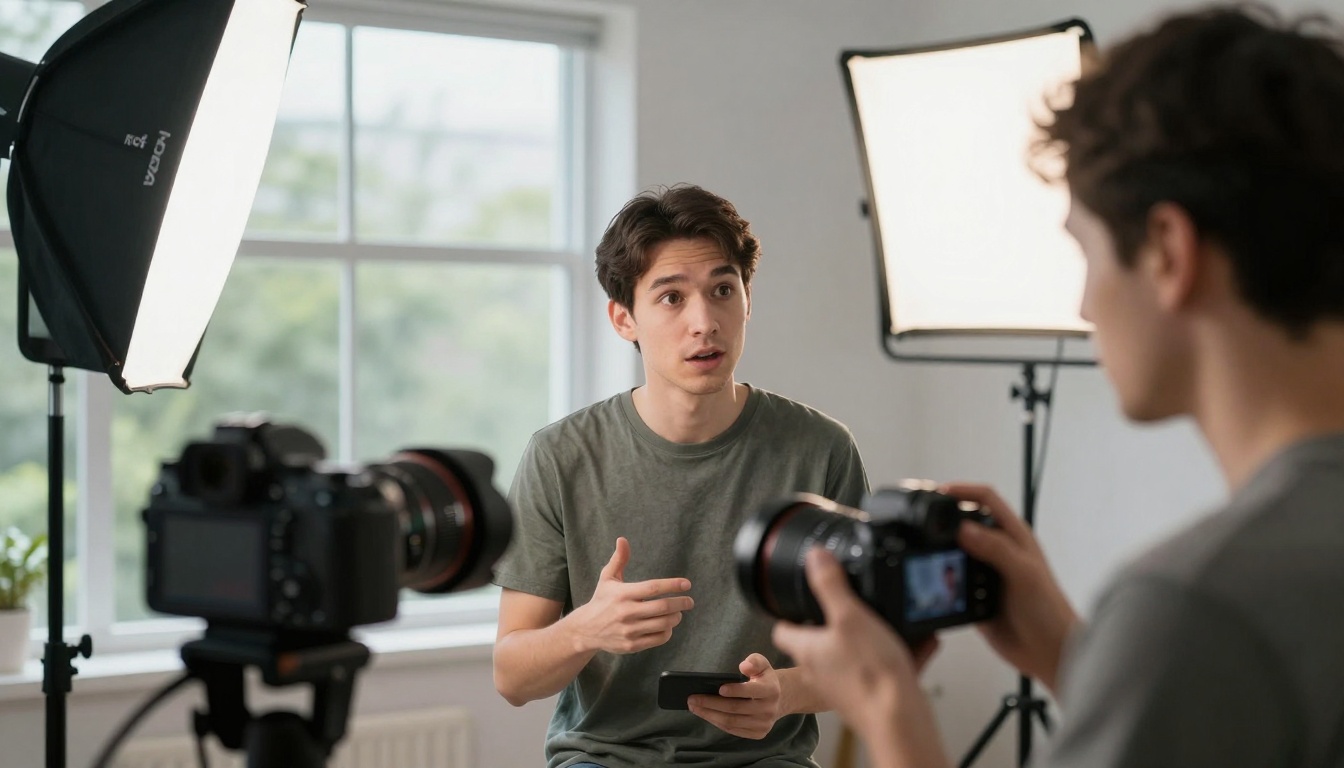
Photographers benefit from Grok 4's ability to discuss visual concepts, lighting setups, and compositional principles through natural conversation. While image enhancement tools like Real-ESRGAN handle technical improvements, Grok 4 focuses on the creative planning and conceptual stages.
Photographic Planning Conversations
Pre-shoot discussions:
- Location scouting through dialogue
- Lighting setup planning
- Equipment selection based on creative goals
- Model direction and posing conversations
During shoots:
- Real-time creative decision support
- Problem solving for unexpected conditions
- Alternative approach discussions
- Technical adjustment conversations
Post-production:
- Editing workflow optimization
- Style consistency discussions
- Print and presentation planning
- Portfolio development conversations
The Technical Architecture Behind Conversational AI
What makes Grok 4 different from previous conversational models comes down to architectural improvements in three key areas:
1. Context Window Management
Unlike models with fixed context windows, Grok 4 employs dynamic context management that prioritizes relevant conversation history while compressing less critical information. This allows for extended creative sessions without performance degradation.
2. Conversational State Tracking
The model maintains detailed state tracking across sessions, remembering creative preferences, project specifics, and even stylistic choices from previous interactions. This creates continuity that traditional AI models lack.
3. Multi-modal Concept Understanding
While primarily text-based, Grok 4 demonstrates improved understanding of visual, audio, and spatial concepts referenced in conversation, allowing creators to discuss multi-media projects without constant context switching.
Practical Implementation Considerations
For creators considering integrating Grok 4 into their workflows, several practical considerations emerge:
Integration Patterns
Light integration: Using Grok 4 as a conversational partner alongside existing tools
Medium integration: Embedding Grok 4 conversations into specific creative software
Deep integration: Building custom interfaces that leverage Grok 4's conversational capabilities
Workflow Adjustments
Creators report needing 2-4 weeks to adapt their workflows to conversational AI patterns. The transition involves shifting from query-based thinking to dialogue-based collaboration, which changes how creative problems are approached and solved.
Skill Development
New skills emerge as valuable in conversational AI workflows:
- Prompt refinement through dialogue: Learning to guide conversations rather than craft perfect single queries
- Context management: Understanding what information the AI needs to maintain across sessions
- Conversational pacing: Finding the right rhythm for back-and-forth creative discussions
Comparing Grok 4 with Other AI Models
While Grok 4 excels at conversation, it's important to understand how it complements rather than replaces other AI tools:
| Model Type | Primary Strength | Best Paired With |
|---|
| Grok 4 | Extended conversation, creative collaboration | Image generation models, video AI |
| GPT-5 | Complex reasoning, technical accuracy | Research tools, data analysis software |
| Claude 4.5 | Safety-focused conversation, ethical considerations | Content moderation, sensitive topics |
| Image Models | Visual generation, style application | Grok 4 for conceptual planning |
Future Directions for Conversational Creative AI
The success of Grok 4's conversational approach points toward several likely developments in creative AI:
Industry Trends
- Specialized conversational models for specific creative domains (writing, design, music)
- Integrated conversation+generation models that both discuss and create
- Collaborative AI networks where multiple AI specialists converse about complex projects
- Cross-modal conversation that seamlessly blends visual, audio, and textual discussion
Creator Expectations
As conversational AI becomes more sophisticated, creators will increasingly expect:
- Personality customization: AI that adapts not just to workflow but to personal communication style
- Project memory: AI that remembers specific projects across months or years
- Creative intuition: AI that anticipates creative needs before they're explicitly stated
- Collaborative learning: AI that learns from creative successes and failures
Getting Started with Conversational AI
For creators ready to explore Grok 4's conversational capabilities, the transition involves both technical setup and mindset adjustment:
Technical Setup Steps
- Access configuration: Setting up Grok 4 through appropriate platforms or APIs
- Interface selection: Choosing between web interface, desktop application, or API integration
- Workflow integration: Identifying where conversational AI fits into existing processes
- Tool combination: Planning how Grok 4 will work alongside other AI tools like image generators or video creators
Mindset Preparation
Shift from tool to partner: Start thinking of AI as a collaborative partner rather than a tool
Embrace iteration through conversation: Get comfortable refining ideas through back-and-forth dialogue
Develop conversational pacing: Learn when to push conversation forward versus when to explore depth
Maintain creative direction: Remember that AI supports creative vision rather than defines it
Try Creating With Conversational AI
The most effective way to understand Grok 4's impact is through direct experience. Start a conversation about your next creative project, explore how dialogue changes your ideation process, and discover where conversational AI fits into your unique creative workflow. Unlike traditional tools that require perfect queries, conversational AI thrives on exploration, iteration, and the natural back-and-forth that characterizes human creative collaboration.


